Which Clippers Suit an Abyssinian That Will Not Sit
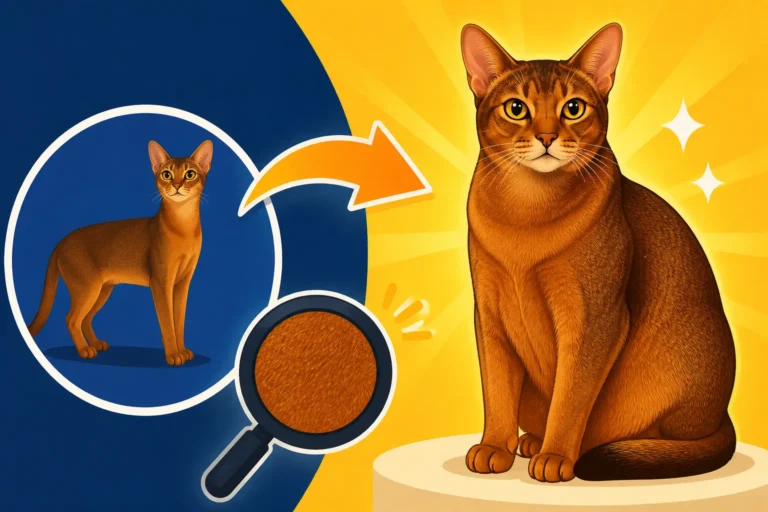
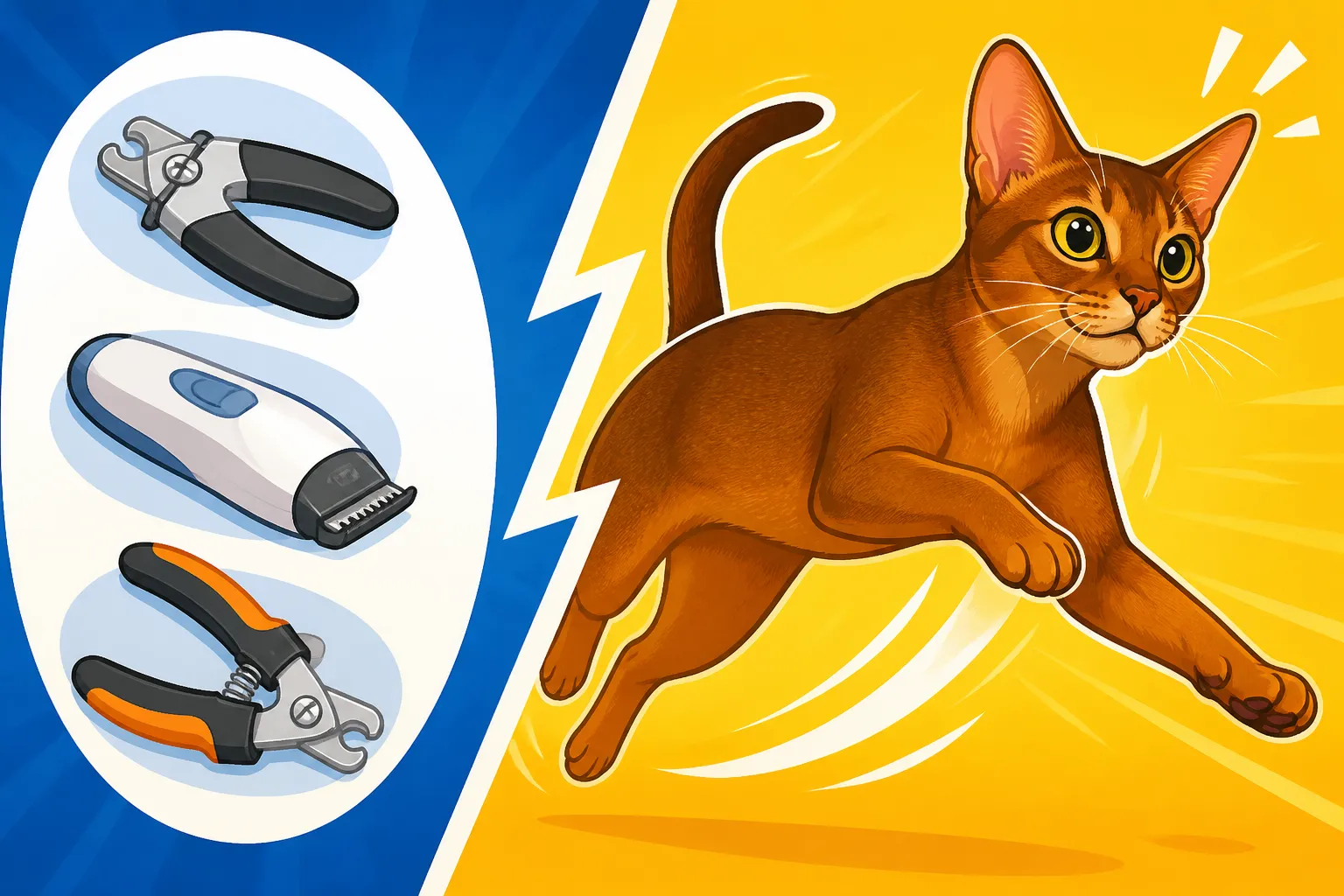
Anyone who shares their home with an Abyssinian knows they are creatures of perpetual motion, a whirlwind of energy that rarely sits still. This incredible vivacity is part of their charm, but it can turn routine tasks like nail trimming into a full-blown wrestling match, leaving both you and your beloved Aby stressed and perhaps even a little scratched. It's a common frustration, trying to keep a tiny, muscular athlete still long enough to safely snip their sharp claws without nicking the quick or enduring a series of dramatic escapes. This guide is here to help you navigate that challenge, exploring the best types of clippers and techniques designed for an Abyssinian that simply will not cooperate with the traditional "sit and stay" method.
The Unique Challenge of Trimming an Abyssinian's Claws
If you've ever tried to trim an Abyssinian's nails, you've likely experienced a unique blend of frustration and awe at their agility. These cats aren't just active; they're incredibly intelligent and often have strong opinions about being held still. It's not just about getting the job done; it's about doing it safely for both of you, especially when dealing with such a spirited personality. Their claws are designed for climbing and exploring, which means they grow quickly and can become incredibly sharp, making regular trims essential for their well-being and the longevity of your furniture.
Why Abyssinian Claws Need Regular Trimming
Abyssinians are natural climbers and explorers, always looking for the next vertical challenge. This means their claws get a lot of use, but not always in a way that keeps them naturally filed down, especially for indoor cats. Regular nail trims are crucial for several reasons beyond just protecting your sofa. Overgrown claws can snag on carpets, blankets, or even their own fur, leading to painful tears or broken nails. Imagine your Aby launching themselves up a Why an Abyssinian Needs a Post at Every Climbing Level only for a claw to get stuck. That's a recipe for injury. Untrimmed claws can also grow so long that they start to curl back into the paw pad, causing immense discomfort, infection, and making walking painful. You might not realize how much those little hooks impact their daily movement until they become a problem. Preventing these issues through regular, safe trimming is a fundamental part of responsible Abyssinian care. We check their back claws regularly because of their climbing antics; How Often to Check a Climbing Abyssinian's Back Claws is a common question among Aby owners.
The Struggle of a Still Abyssinian
Let's be honest, getting an Abyssinian to calmly sit for anything is a minor miracle. They are often described as the "clowns of the cat world" or busybodies, always on the go. Trying to hold them still for something they inherently dislike, like nail trimming, feels like trying to contain a spring-loaded toy. The moment you grasp a paw, they seem to become liquid, twisting and wriggling with surprising strength. This isn't just them being difficult; it's their natural instinct to maintain control and freedom of movement. It's genuinely frustrating for owners who just want to do what's best for their cat, and the struggle can quickly escalate, leading to scratches, bites, and a cat that becomes even more fearful of future trims. This fear-response makes the next trimming session even harder, creating a vicious cycle. We've all been there, trying to wrestle a tiny tiger when all we want is to protect them. How to Groom an Abyssinian That Will Not Stay Still is a topic close to every Aby owner's heart.
Common Clipper Types and Their Drawbacks for Restless Cats
When you head to the pet store or browse online, you'll see a few main types of cat clippers. Each has its proponents, but for an Abyssinian that moves like a blur, some are definitely more suitable than others. The key is to find something that allows for a quick, precise cut with minimal fuss, reducing the time your energetic cat needs to be restrained.
Scissor-Style Clippers: Precision in a Pinch
Scissor-style clippers, often resembling tiny human nail clippers but with specially designed blades for cat claws, are a popular choice. They allow for good visibility of the claw, which is critical for avoiding the quick – the sensitive, blood-filled part of the nail. Many vets and groomers favor them for their control.
- Pros:
- Visibility: You can usually see exactly where you're cutting, which helps prevent accidental quicking. This is huge when your cat is moving, as it gives you a split-second to adjust.
- Precision: They offer a clean, sharp cut, reducing the chance of splintering the nail.
- Quiet Operation: Generally, they are very quiet, which is a major bonus for noise-sensitive Abyssinians who might bolt at any unexpected sound.
- Cons:
- Speed: While precise, they can sometimes require a bit more pressure or a second squeeze, which isn't ideal for a cat trying to escape. If your Aby is wiggling, even a fraction of a second extra can mean a missed cut or, worse, a miscut.
- Learning Curve: Getting the right angle and pressure can take practice, especially with a cat that doesn't hold still.
For an Abyssinian that's doing its best impression of an escape artist, a really sharp, easy-to-use scissor-style clipper is often the best bet. You want something that can make a single, decisive snip. Brands like Millers Forge or Safari often make reliable scissor-style clippers that you can find easily on Chewy or Amazon.
Guillotine-Style Clippers: Quick, But Risky for the Fidgety
Guillotine clippers work by inserting the claw into a small hole, then squeezing a handle to bring a blade down, severing the nail. They are designed for a very fast cut, which sounds appealing for a squirming cat.
- Pros:
- Speed: When used correctly, they can cut very quickly.
- Cons:
- Reduced Visibility: The design means the claw is partially obscured, making it harder to precisely gauge where the quick is, especially on darker claws. For an Aby that's moving, this is a significant risk factor.
- Bulkiness: Many guillotine clippers are larger and bulkier, which can be intimidating for a cat and awkward for an owner trying to maneuver around a wriggling paw.
- Blade Dullness: If the blade isn't regularly replaced (which is often more difficult than with scissor clippers), it can crush rather than cut the nail, causing pain and splintering.
While the idea of a "quick" cut is tempting, the reduced visibility and potential for a dull blade make guillotine clippers a less-than-ideal choice for a restless Abyssinian. The risk of quicking is higher, and the discomfort of a crushed nail can make future trims even more traumatic.
Nail Grinders/Dremels: Noise and Vibration Are Deal-Breakers
Nail grinders, or Dremel-style tools, use a rotating abrasive head to file down the nail. They are fantastic for getting a smooth finish and can be a good option for dogs or very calm cats, but they come with significant drawbacks for an Abyssinian.
- Pros:
- Smooth Finish: Leaves a very smooth edge, reducing snags.
- Gradual Filing: Less chance of quicking if used carefully, as you remove small amounts at a time.
- Cons:
- Noise and Vibration: This is the biggest hurdle. The buzzing sound and the sensation of vibration are often terrifying for sensitive cats like Abyssinians. Imagine trying to hold a cat still while a miniature power tool whirs next to their paw – it's an uphill battle. Many Abyssinians will not tolerate this at all.
- Time-Consuming: Filing each nail takes significantly longer than clipping, requiring extended periods of restraint that most Abyssinians simply won't tolerate. This prolonged discomfort only builds stress.
- Heat Generation: Friction from the grinder can generate heat, which can be uncomfortable or even painful for the cat if you're not careful.
For an Abyssinian that famously "will not sit," a nail grinder is almost certainly going to be a non-starter. The noise alone is usually enough to send them bolting, let alone the vibration. While some cats can be desensitized to them, it requires an immense amount of patience and a cat with a very calm disposition, which isn't typically the Abyssinian profile.
The Best Clippers for the Fidgety Feline: Speed and Safety First
When your Abyssinian won't sit still, your clippers need to be fast, effective, and prioritize their safety above all else. This isn't about expensive gadgets; it's about practical tools that get the job done quickly and minimize stress for everyone involved.
Prioritizing Speed and Sharpness
The absolute golden rule for clipping a restless Abyssinian's nails is speed. The less time they spend being restrained, the less stressed they will become, and the more likely you are to actually get all the nails done. This means your clippers must be razor-sharp. Dull clippers crush the nail rather than cutting cleanly, which is painful and can cause splintering, making your cat even more averse to future trims. A sharp blade ensures a quick, clean snip, often before your Aby has even fully registered what's happening.
Look for clippers made from high-quality stainless steel, as these tend to stay sharper longer. If your clippers start feeling "mushy" or require a lot of force, it's time for a new pair. Don't cheap out on clippers, as a good pair is an investment in your cat's comfort and your peace of mind. You can often find excellent, sharp scissor-style clippers from reputable brands on retailers like Chewy or Amazon.
Ergonomics and Grip for the Owner
You're wrestling a determined, muscly cat that weighs maybe ten pounds but feels like fifty when it's resisting. Your hands need all the help they can get. Ergonomics aren't just about comfort; they're about control and safety. A clipper with a comfortable, non-slip grip allows you to maintain a firm hold even if your hands get a little sweaty during the struggle. Clippers with finger holes that fit your hand well will give you better leverage and stability, crucial for making that quick, precise cut while your Abyssinian attempts to Houdini its way out of your grasp.
Consider features like rubberized handles or contoured grips. Some clippers have a spring-loaded mechanism that helps them open automatically after each cut, reducing hand fatigue if you're attempting a full trim on a very patient (or very tired) cat. Ultimately, if the clippers feel unwieldy or uncomfortable in your hand, you'll be less confident and effective, increasing the risk of a botched trim.
Considering the Blade: Angled vs. Straight
Most scissor-style clippers will have either a straight or slightly angled blade. For cats, a blade with a slight curve or angle often works best, mimicking the natural curve of a cat's nail. This allows for a more natural-feeling cut and can make it easier to position the clipper correctly on the curved nail, reducing the chance of accidentally cutting too deep. Some clippers also feature a small safety guard, though this can sometimes hinder visibility on smaller cat nails. For a fast-moving Abyssinian, maximizing visibility while still having a precise blade is key. You need to be able to see that quick clearly for those lightning-fast snips.
Tips and Techniques for Trimming a Restless Abyssinian
Even with the best clippers, getting through a nail trim with an Abyssinian often requires a strategic approach. It's about patience, positive reinforcement, and sometimes, a bit of clever distraction. Remember, the goal is always to make this experience as stress-free as possible, building trust rather than fear.
Timing and Environment Are Everything
When your Abyssinian is usually in full "zoomies" mode, trying to trim their nails is like trying to catch smoke. Success often hinges on picking the right moment.
- Catch them sleepy: The best time is often when they are naturally drowsy, perhaps after a big meal or a vigorous play session where you've worn them out. A tired Abyssinian is a slightly less resistant Abyssinian. They might be curled up on their favorite perch or even dozing on your lap. This is your window!
- Quiet and calm: Choose a quiet room where there are no distractions – no sudden noises, other pets, or busy foot traffic. A calm environment helps to keep their naturally alert senses from being overwhelmed.
- Good lighting: You absolutely need excellent lighting to clearly see the nail and, crucially, the quick. A brightly lit room or even a small task light can make all the difference, reducing the risk of accidental quicking.
- Short sessions: Don't aim for all twenty nails at once, especially if your Aby is particularly resistant. Even one or two nails successfully clipped is a win. Build on that success.
Remember, Abyssinians are smart. They pick up on your anxiety. So, staying calm yourself is paramount.
Positive Reinforcement and Desensitization
This is a long game, but it pays off immensely in the long run. The idea is to associate the clippers and the act of paw handling with positive experiences.
- Introduce the clippers slowly: Leave the clippers out where your Aby can see and sniff them. Don't force interaction.
- Pair with treats: When your Aby is near the clippers, offer a high-value treat (like a lickable salmon paste or a piece of cooked chicken).
- Handle paws gently: Start by just touching their paws and massaging their toes without the clippers present. Pair this with treats. Gradually increase the duration and intensity of the handling.
- "Fake" clips: Once they tolerate paw handling, gently tap the clippers on their nails (without actually clipping) and immediately give a treat. The sound and sensation become linked with something good.
- Real clips, tiny steps: When you finally attempt a clip, just aim for the very tip of one nail. Immediately praise and offer a fantastic treat. If they tolerate it, maybe do a second nail. Stop before they get too agitated.
- Consistency is key: Regular, short, positive sessions are far more effective than infrequent, traumatic battles. Check out How to Start Grooming an Abyssinian Kitten for more on building positive associations early.
High-quality treats can be excellent for positive reinforcement. The trick is to find what your Aby considers truly high-value.
The "Sneak Attack" Method
Sometimes, with a truly uncooperative Abyssinian, you have to adopt a guerrilla strategy. The "sneak attack" method involves clipping one or two nails at a time, often when the cat is least expecting it or is deeply engrossed in something else.
- The sleeping cat: This is the ideal scenario. If your Aby is in a deep sleep, you might be able to gently extend a paw, clip a single nail, and retract before they fully wake up.
- Distraction power: Offer a puzzle feeder with a favorite treat or a wand toy that they are obsessed with. While they are fully focused on the game or the food, you might be able to quickly snip a nail or two.
- Frequent, minimal clips: Instead of trying to do a full set of claws once a month, aim to trim one or two claws every few days. This keeps the nails managed without ever overwhelming your cat with a long session.
- Good quality clippers are essential here: You need something that provides a swift, silent, and precise cut. If the clippers are dull or noisy, the "sneak attack" will be a bust.
This method requires patience and opportunism, but it can be highly effective for Abyssinians who simply will not tolerate a formal grooming session.
The Power of Two People
Let's face it, sometimes you need backup. Having a second person can dramatically increase the success rate and safety of an Abyssinian nail trim.
- One holder, one clipper: One person can gently but firmly hold the cat, providing comfort and distraction while ensuring they don't wiggle free. The other person can then focus solely on the careful and quick clipping of the nails.
- The "burrito" wrap: For particularly feisty Abyssinians, a soft towel wrap (the "cat burrito") can provide a sense of security and limit movement, making it safer for both the cat and the humans. Ensure the wrap isn't too tight and that your Aby can still breathe comfortably.
- Communication is key: The two people need to communicate clearly and work together smoothly. This isn't a time for arguments or mixed signals.
Enlisting a friend or family member for this task can make a world of difference. It transforms a stressful solo mission into a cooperative effort, often resulting in a quicker, less traumatic experience for your Abyssinian. For general handling, remember Why an Abyssinian Hides Pain Behind Its Energy and be gentle and observant throughout the process.
Here's a quick comparison of popular clipper types in the context of an uncooperative Abyssinian:
| Clipper Type | Key Features | Pros for Fidgety Abyssinians | Cons for Fidgety Abyssinians | Best For |
|---|---|---|---|---|
| Scissor-Style | Ergonomic handle, sharp blades | Good visibility, quiet, precise cut | Can be slow if not very sharp, requires firm grip | Most Abyssinians, quick snips, 2-person jobs |
| Guillotine-Style | Hole for nail, quick cutting action | Very fast initial cut | Poor visibility, bulky, dulls quickly, can crush nail | Very calm cats, quick-only cuts |
| Nail Grinder/Dremel | Rotating abrasive head, smooth finish | Smooth edges, less risk of quicking (if still) | Noisy, vibrates, time-consuming, causes fear | Extremely calm, desensitized cats only |
Ultimately, finding the right clippers and refining your technique for an Abyssinian that just won't sit still is an ongoing journey. It requires patience, understanding of their unique personality, and a commitment to making their grooming experience as positive as possible. By choosing sharp, comfortable clippers and employing smart strategies, you can keep those active paws healthy and your home scratch-free, turning a dreaded task into a manageable routine. Remember, every successful clip is a step towards a happier, healthier Abyssinian.
Disclaimer
This article is for general informational purposes only and does not constitute professional advice. Laws, prices and regulations vary by location and change over time. Consult a qualified professional for guidance on your specific situation.