Caring for an Abyssinian Whose Ticking Has Gone Coarse
It's incredibly frustrating when you notice that gorgeous, silky-soft coat on your Abyssinian, the very thing that makes them so distinct, starts feeling rough or looking dull. This guide dives deep into why your beloved Aby's ticking might have gone coarse, offering practical advice on everything from diet to environment to help restore that lustrous, fine-ticked beauty they're known for.
Understanding the Abyssinian's Signature Coat
The Abyssinian coat is truly a marvel, a hallmark of the breed that sets them apart from nearly every other feline. When you first feel a healthy Abyssinian, you're immediately struck by its incredible softness and the way it lies so close to their lean, muscular body. It’s this unique texture and appearance that we cherish, and why any change in its quality can be so noticeable and, frankly, a bit worrying for us owners.
The Marvel of the Ticked Coat
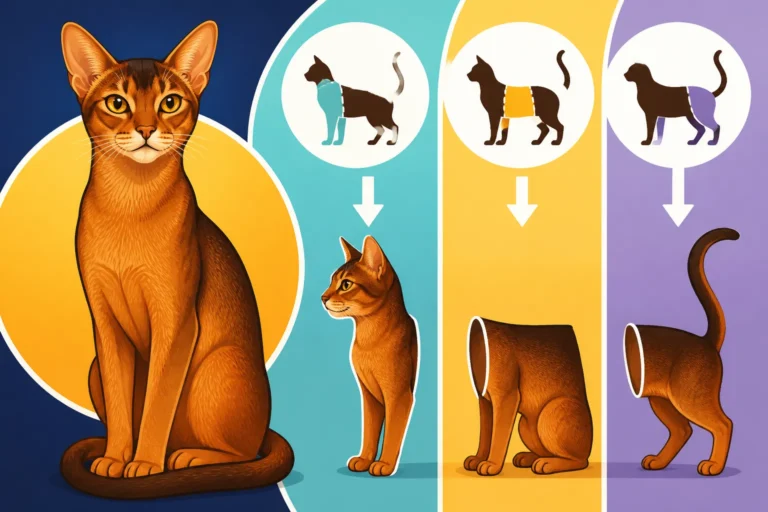
What exactly is ticking, and why is it so special? Ticking refers to the agouti banding on each individual hair shaft. Instead of having solid bands of color that create stripes or spots, each hair on an Abyssinian has multiple bands of color, typically three or four, with darker bands at the tip and base and lighter bands in between. This intricate pattern creates a shimmering, iridescent effect as your cat moves, almost like dappled sunlight on water. It's a coat that seems to glow from within, and it’s why they’re often called "bunny cats" – that ticked fur resembles a wild rabbit's coat.
This sophisticated genetic trait means that Abyssinians don't have the typical stripes or blotches you'd see on many domestic tabbies. Instead, their coat is uniformly ticked, creating a smooth, unpatterned canvas of color that truly makes them stand out. It’s a subtle yet profound difference, contributing significantly to their elegant and exotic appearance. The beauty isn't just skin deep, of course; this unique coat also has implications for their grooming needs and how they regulate temperature. Why Each Abyssinian Hair Carries Three or Four Bands goes into more detail about this fascinating genetic trait.
What a Healthy Abyssinian Coat Looks and Feels Like
A healthy Abyssinian coat should feel like the finest silk under your fingertips. It’s remarkably soft, with individual hairs feeling fine and delicate, yet the overall impression is one of dense, luxurious fur. There should be a noticeable sheen to the coat, reflecting light beautifully, especially in natural sunlight. When you run your hand over their back, the hairs should lie flat and smooth, springing back into place readily.
Crucially, a healthy Abyssinian coat has very little undercoat, which contributes to its close-lying nature and makes it surprisingly low-shedding for a cat. This minimal undercoat is what gives it that sleek, almost minimalist look compared to breeds with thicker, fluffier fur. The coat should be resilient, not brittle, and certainly not coarse or bristly to the touch. Any deviation from this soft, glistening standard can be a sign that something is amiss, whether it's a minor environmental issue or something more serious. If you're curious about the visual differences, What Makes an Abyssinian's Coat Ticked Rather Than Striped provides a great comparison.
Common Reasons for a Coarse Abyssinian Coat
When your Abyssinian's coat changes from its usual silky texture to something rougher or duller, it's natural to feel a bit alarmed. There are several factors that can contribute to this shift, ranging from easily remedied environmental issues to more complex health concerns. Pinpointing the cause is the first step towards getting that glorious coat back to its best.
Environmental Factors and Stress
One of the most overlooked culprits behind a coarse coat is the environment your Abyssinian lives in. Extremely low humidity, especially common in centrally heated or air-conditioned homes during winter, can strip moisture from their skin and coat, leading to dryness and a rougher texture. Imagine how your own skin feels in dry air; your cat experiences something similar. A dusty household, too, can settle into their fur, making it feel less smooth and potentially irritating their skin.
Beyond physical environmental factors, stress plays a huge role in a cat's overall well-being, and their coat is often one of the first indicators of emotional distress. A new pet, a move to a different home, changes in your daily routine, or even perceived threats in their territory can all contribute to elevated stress levels. When stressed, cats may overgroom, leading to patchy fur or skin irritation, or conversely, neglect their grooming, resulting in a dull, matted coat. A bored Abyssinian, especially, can develop destructive behaviors, including excessive self-grooming, which can damage the hair shaft and make it coarse. Why an Abyssinian Should Not Be Left Alone All Day touches on how boredom can impact their behavior.
Dietary Deficiencies or Imbalances
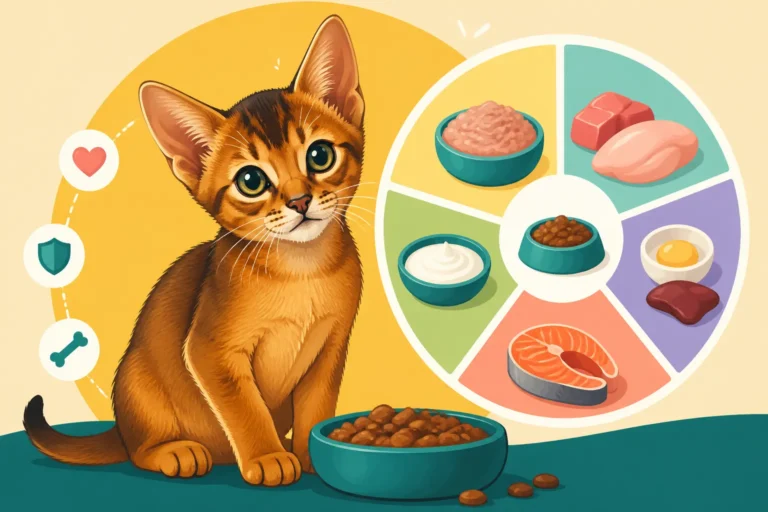
What goes into your Abyssinian's body profoundly impacts what their coat looks like on the outside. Dietary deficiencies are a very common reason for a coarse, dull coat. A lack of essential fatty acids, particularly Omega-3 and Omega-6, is a prime suspect. These healthy fats are crucial for maintaining skin hydration and elasticity, and for producing the natural oils that keep their coat shiny and soft. Without enough of them, the skin becomes dry and flaky, and the fur loses its luster and becomes brittle.
Furthermore, an Abyssinian needs a diet rich in high-quality animal protein. As obligate carnivores, cats rely heavily on protein for everything from muscle maintenance to healthy hair growth. If their food is low in protein, or the protein sources are not easily digestible, their body may not have the necessary building blocks for a healthy coat. Dehydration, too, is a significant factor; a cat that doesn't drink enough water will have dry skin, which inevitably leads to a dry, coarse coat. Poor quality dry food, often high in fillers and lacking in essential nutrients, can compound these issues. If your Aby is constantly on the go, What to Feed an Abyssinian That Never Stops Moving gives some excellent advice on their unique dietary needs.
Health Issues and Age-Related Changes
Sometimes, a change in coat texture signals an underlying health problem that requires veterinary attention. Conditions like kidney disease, for instance, can lead to systemic dehydration and nutrient imbalances that manifest in a dull, dry, and coarse coat. Hyperthyroidism, a common ailment in older cats, can also cause noticeable changes in fur quality, often making it greasy or matted due to excessive oil production and changes in grooming habits. Skin allergies, whether to food, environmental allergens, or parasites, can cause intense itching, leading your Abyssinian to scratch or overgroom, damaging their coat.
External parasites such as fleas, mites, or even fungal infections like ringworm can directly irritate the skin, causing hair loss, scabbing, and a generally unhealthy-looking coat. And let's not forget dental problems; a cat with painful teeth or gums might eat less, leading to nutritional deficiencies, or be too uncomfortable to groom themselves properly. Finally, age itself can play a role. As Abyssinians get older, their skin might become drier, their metabolism can slow, and their bodies may produce fewer natural oils, all contributing to a coarser coat. The Twelve to Fifteen Years an Abyssinian Usually Gets talks about general lifespan, but age-related changes are very real. What an Old Abyssinian Slows Down From can offer insights into what other signs to look for as your Aby ages.
Dietary Adjustments for Coat Health
Since diet plays such a critical role in the health and appearance of your Abyssinian's coat, making informed dietary adjustments can often be the most effective way to restore its silky texture. It's not just about giving them any food, but the right food, tailored to their unique carnivorous needs and potential deficiencies.
Boosting Essential Fatty Acids
Essential fatty acids (EFAs), especially the Omega-3 and Omega-6 varieties, are absolute powerhouses for skin and coat health. Think of them as internal moisturizers and conditioners. Omega-3s, found abundantly in fish oils (like salmon oil), are anti-inflammatory and crucial for a healthy skin barrier function. Omega-6s, often present in various seed oils and poultry fat, also contribute to skin hydration and cell membrane health. When your Abyssinian isn't getting enough of these, their skin can become dry, flaky, and prone to irritation, and their coat will reflect this by becoming dull and coarse.
Supplementing your Aby's diet with a good quality fish oil can make a dramatic difference. Look for veterinary-approved supplements specifically formulated for cats to ensure proper dosage and purity. You can often find these readily available on online retailers like Chewy or Amazon. Just a few drops mixed into their wet food daily can help improve skin elasticity, reduce dryness, and bring back that glorious sheen to their fur. However, always introduce new supplements gradually and consult your vet to ensure it's appropriate for your cat's specific health needs.
Ensuring High-Quality Protein and Hydration
As obligate carnivores, Abyssinians thrive on a diet rich in high-quality animal-based protein. This means meat, poultry, or fish should be the primary ingredients in their food, not fillers like corn or soy. Protein provides the amino acids necessary for building strong, healthy hair shafts, and if there's a deficit, the hair that grows will be weaker, more brittle, and coarse. Look for foods that list specific meat sources as the first one or two ingredients.
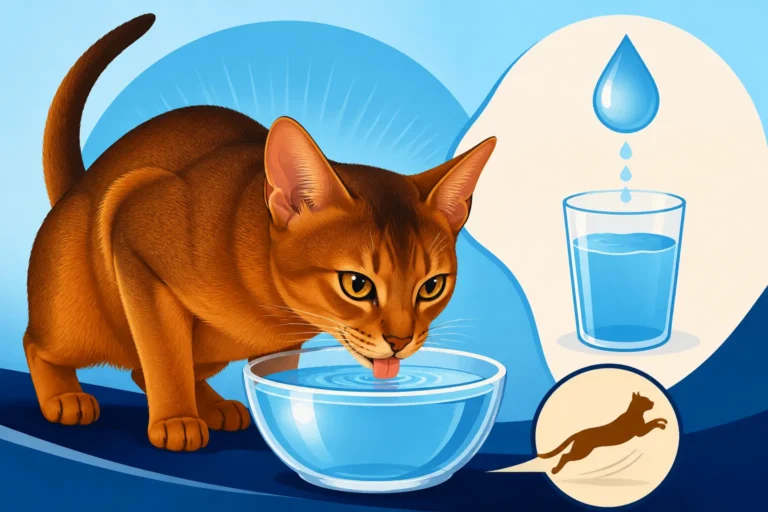
Beyond protein, hydration is non-negotiable for a healthy coat. Dry skin will inevitably lead to a dry coat, and many cats, Abyssinians included, don't drink enough water from a bowl. This is where wet food truly shines. Canned or fresh foods have a much higher moisture content than kibble, significantly boosting your cat's daily water intake. This helps maintain skin hydration, supports kidney function, and ultimately contributes to a softer, healthier coat. If your Aby is primarily on dry food, consider transitioning them to a mixed diet or incorporating more wet meals. Why Wet Food Protects an Abyssinian's Kidneys is a must-read for any Abyssinian owner, emphasizing the vital role of moisture, especially given their genetic predispositions. You might also want to check How Much Water an Active Abyssinian Drinks for more insights into their hydration needs.
Grooming Techniques to Restore Coat Quality
While internal health and diet are foundational, external grooming practices also play a vital role in maintaining the Abyssinian's exquisite coat. The right approach can enhance their natural sheen and softness, while incorrect methods can actually exacerbate coarseness and dullness.
Gentle Brushing and the Right Tools
The Abyssinian's coat, with its fine ticking and minimal undercoat, doesn't require intensive brushing, but it does benefit from regular, gentle care. The key word here is gentle. Harsh brushes like slicker brushes or deshedding tools designed for cats with thick undercoats are entirely unsuitable for an Abyssinian. These can actually damage the delicate hair shafts, strip natural oils, and disrupt the unique ticking pattern, leading to a duller, coarser texture. Instead, opt for a soft rubber grooming mitt or a chamois cloth.
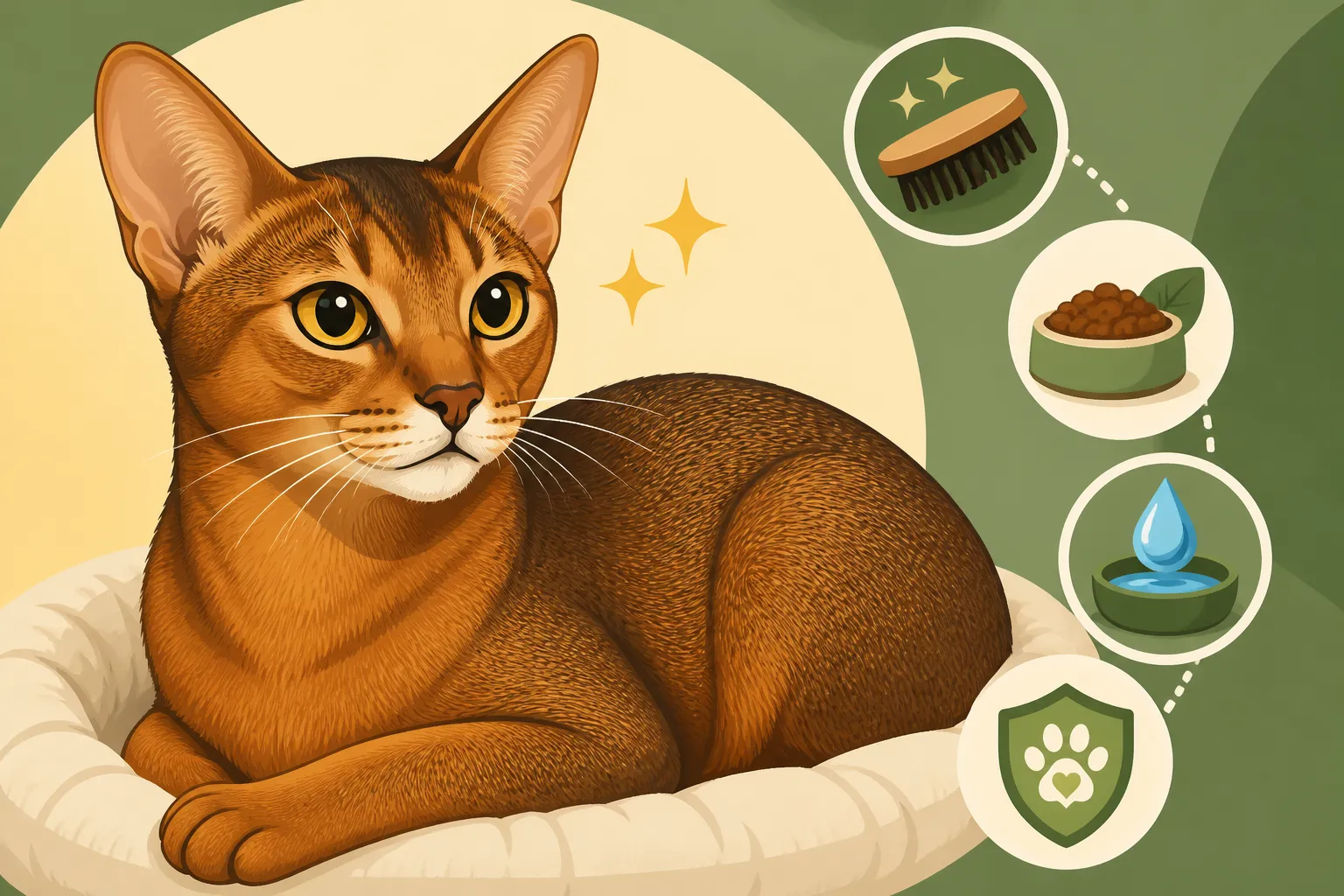
A soft rubber mitt allows you to gently massage the skin, stimulating blood circulation and distributing natural oils through the coat, which is fantastic for shine and softness. A chamois cloth, used after a light brushing, can buff the coat to a high sheen, bringing out its natural luster. Aim for a weekly session, perhaps a bit more frequently if you're actively trying to improve coat quality. These grooming sessions aren't just for beauty; they're also a great opportunity to bond with your cat and check for any skin issues or parasites. Remember, An Abyssinian Needs Brushing Once a Week and No More is generally true, as over-grooming with the wrong tools can be counterproductive. For a full rundown, refer to The Ticked Coat Is the Whole Abyssinian Grooming Job.
The Role of Baths and Topical Treatments
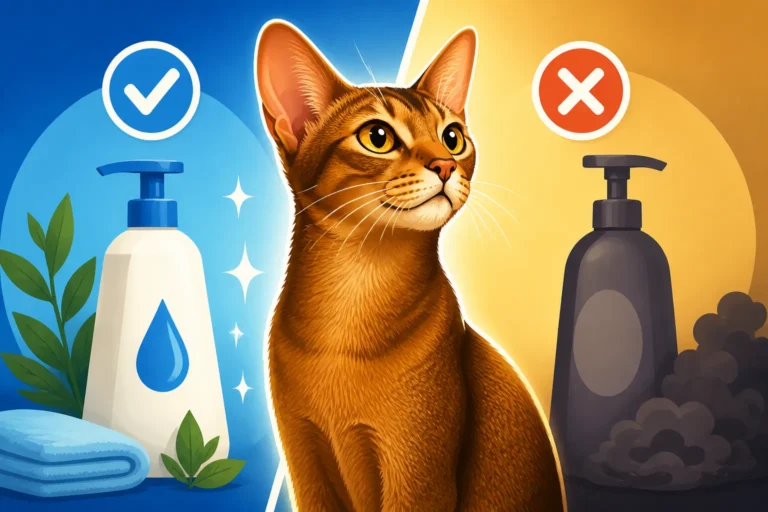
Unlike some breeds, Abyssinians rarely need a full bath. Their short, close-lying coat and diligent self-grooming habits usually keep them clean. However, if their coat has become particularly greasy or there's a persistent issue like skin flakes contributing to coarseness, a gentle bath might be warranted. When bathing an Abyssinian, it's absolutely crucial to use a mild, cat-specific shampoo that is pH-balanced and ideally formulated for sensitive skin or coat health. Human shampoos are too harsh and will strip essential oils, making the problem worse.
After shampooing, a moisturizing cat conditioner can help restore hydration to the skin and fur. Ensure thorough rinsing to avoid any residue that could irritate the skin or dull the coat. For localized dry patches or areas of persistent coarseness, you might consider veterinarian-recommended topical treatments like leave-in conditioners or skin-soothing sprays. These can provide targeted moisture and nutrients directly to the affected areas. When looking for these specialized products, online pet supply stores like Chewy or Amazon often have a wide selection, but always read reviews and check with your vet first to ensure suitability.
Environmental Factors and Their Impact on Abyssinian Fur
We've touched on environmental factors as a common cause for coat coarseness, but it's worth diving deeper into how you can proactively manage your home environment to support your Abyssinian's magnificent fur. Beyond diet and direct grooming, the air your cat breathes and the overall atmosphere of your home profoundly affect their skin and coat health.
Humidity Control and Air Quality
Dry air is a silent enemy of healthy skin and coat, especially for a short-haired breed like the Abyssinian. In climates with low natural humidity or during winter months when indoor heating is in full swing, the air can become incredibly dry. This dryness literally pulls moisture from your cat's skin, making it parched, flaky, and leading to a dull, coarse coat. The solution is often simpler than you might think: humidifiers. Introducing a humidifier into the rooms where your Abyssinian spends most of their time can make a significant difference, adding moisture back into the air and, by extension, into their skin and coat.
Beyond humidity, air quality itself can be a factor. Dust, pollen, and other airborne allergens can settle on your cat's fur, causing irritation and potentially triggering allergic reactions that manifest as skin issues and coat problems. An air purifier can help reduce these irritants, creating a cleaner environment for your Aby. Remember, a cat's skin is their largest organ, and it's constantly interacting with its surroundings. Just as you protect yourself from harsh environmental elements, extending that care to your Abyssinian's living space is crucial for their skin and coat health. How to Keep an Abyssinian Warm in Winter also subtly hints at the need for a comfortable indoor environment, which indirectly supports coat health by reducing stress.
Reducing Stress in the Home
Stress isn't just a mental state for cats; it has profound physical manifestations, and a coarse, unhealthy coat is a classic symptom. A stressed Abyssinian might overgroom certain areas, leading to bald spots or brittle fur, or they might neglect their grooming entirely, resulting in matting and dullness. Creating a stable, predictable, and enriching environment is paramount for minimizing stress. This starts with a consistent daily routine for feeding, playtime, and quiet time, which provides a sense of security.
Abyssinians are highly active and intelligent cats, and boredom can quickly lead to stress and destructive behaviors. Ensure they have ample vertical space, like tall cat trees and wall-mounted shelves, which fulfills their instinct to climb and observe their territory from above. An Abyssinian Needs Height More Than It Needs Floor explains just how important this is. Provide a variety of engaging toys and puzzle feeders to keep their minds stimulated. If you have multiple pets, ensure each cat has their own resources (food bowls, litter boxes, resting spots) to minimize competition and anxiety. Addressing underlying household dynamics, such as tensions between pets or a lack of individual attention, can also go a long way in restoring your Aby's calm demeanor and, consequently, their beautiful coat.
Addressing Underlying Health Concerns
When all the easy fixes—diet adjustments, improved grooming, environmental control—haven't brought back your Abyssinian's silky coat, it's time to consider that an underlying medical condition might be at play. Your cat's coat is often an early warning system for internal health issues, and ignoring these signs can delay crucial treatment.
The Importance of a Veterinary Check-up
If your Abyssinian's coat remains coarse, dull, or shows other worrying signs like excessive shedding, bald patches, or skin irritation despite your best efforts, a visit to your veterinarian is non-negotiable. Do not try to self-diagnose or treat. Your vet will perform a thorough physical examination, looking for any obvious signs of illness. They might recommend diagnostic tests such as blood work, urinalysis, and potentially skin scrapings or fungal cultures. These tests can help uncover a wide range of issues, from organ dysfunction to parasitic infestations, all of which can impact coat health.
Blood tests, for example, can reveal issues like kidney disease, liver problems, or thyroid imbalances, all known to affect skin and fur quality. Urinalysis can provide insights into kidney function and hydration levels. These check-ups are especially important as Abyssinians age. What an Abyssinian's Annual Checkup Costs is a good read, but the cost is well worth the peace of mind and early detection of potential problems. Similarly, When a Middle Aged Abyssinian Needs Yearly Bloodwork stresses the importance of routine screening, which can catch issues before they become advanced.
Common Medical Conditions Affecting Coat Health
Several common medical conditions can manifest with a poor coat as a symptom:
- Kidney Disease: As mentioned earlier, kidney problems can lead to dehydration and a buildup of toxins, severely affecting skin health and leading to a dull, dry, and coarse coat. Abyssinians are known to be predisposed to certain kidney issues like renal amyloidosis, making this a particularly important concern. Renal Amyloidosis Is the Abyssinian Problem Nobody Can Test For highlights the specific challenges with this condition in the breed, and Why a Thirsty Young Abyssinian Is a Red Flag can help you spot early signs.
- Hyperthyroidism: This condition, more prevalent in older cats, results in an overactive thyroid gland. One of the classic symptoms is a greasy, matted, or unkempt coat due to excessive oil production and sometimes a lack of diligent grooming.
- Parasites: Fleas, mites (like ear mites or walking dandruff mites), and even ringworm (a fungal infection, not a worm) directly irritate the skin, causing itching, inflammation, hair loss, and a generally unhealthy appearance. Your vet can easily diagnose and treat most parasitic infestations.
- Allergies: Cats can develop allergies to ingredients in their food (food allergies) or to environmental allergens like pollen, dust mites, or certain cleaning products (atopic dermatitis). These allergies often cause intense itching, leading to excessive scratching, licking, and chewing, which severely damages the coat and skin.
Early diagnosis and appropriate treatment of these underlying conditions are crucial not only for restoring your Abyssinian's coat but, more importantly, for their overall health and longevity.
Age-Related Changes and How to Manage Them
Just like us, cats experience physical changes as they age, and their coat is no exception. It's a natural part of life, but understanding these changes can help you provide targeted care to keep your senior Abyssinian as comfortable and beautiful as possible, even if their fur isn't quite as lustrous as it once was.
Natural Progression of the Senior Coat
As Abyssinians transition into their golden years, typically around ten years old, you might observe a gradual shift in their coat quality. It's common for the fur to become a bit thinner, less dense, and sometimes a little duller than in their prime. The once vibrant ticking might appear less defined, and the overall softness can diminish, giving way to a slightly coarser texture. This isn't necessarily a sign of illness, but rather a normal physiological change. Their skin might become drier, and the production of natural oils that keep their coat supple and shiny can slow down.
Additionally, older cats might become less flexible due to conditions like arthritis, making it harder for them to reach and thoroughly groom all parts of their body. This can lead to matting, especially in hard-to-reach areas, further contributing to an unkempt or coarse appearance. It's important to differentiate these normal age-related changes from sudden, dramatic alterations that might signal a new health problem. A gradual dulling over months is different from an overnight change. For more on general senior care, Caring for an Abyssinian Past Ten provides excellent guidance.
Supporting Mobility and Grooming in Older Abyssinians
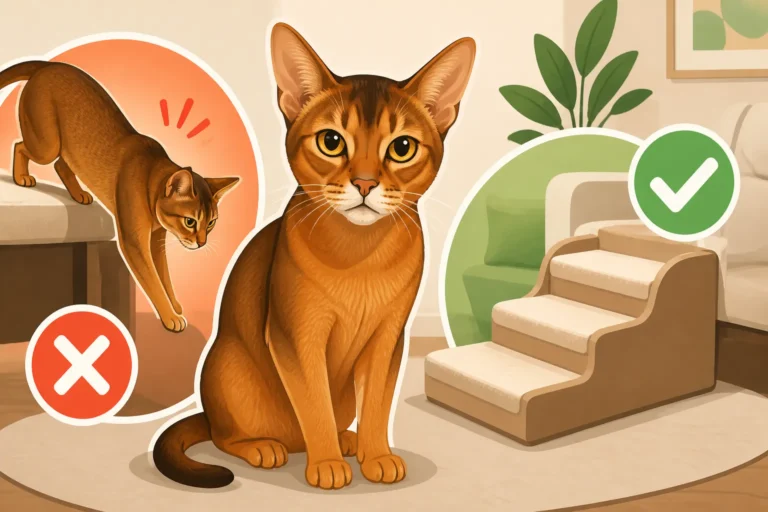
While you can't stop the aging process, you can certainly mitigate its effects on your senior Abyssinian's coat and comfort. If your older Aby is struggling with mobility, perhaps due to arthritis, consider making their environment more accessible. Provide ramps or lower steps to their favorite high perches, cat trees, or even the bed. This reduces strain on their joints and ensures they can still access the elevated spots they love, which are so crucial for an Abyssinian's mental well-being. How Arthritis Shows in an Abyssinian That Used to Climb can help you recognize the signs and address mobility issues early.
For grooming, your senior Abyssinian might appreciate more hands-on assistance. Gentle, daily brushing with a soft rubber mitt or a fine-toothed comb can help distribute natural oils, remove loose hair, prevent matting, and stimulate circulation. This is especially helpful if they can no longer reach their back or hips effectively. You might also notice their claws becoming thicker or more brittle; regular nail trims become even more important to prevent them from getting caught or causing discomfort. Consistent, gentle support in these areas can keep your senior Aby looking and feeling their best, proving that their golden years can still be filled with comfort and dignity.
Preventative Measures for Maintaining a Silky Coat
While addressing existing coarseness is important, the best approach is always prevention. By establishing consistent routines and maintaining vigilance over your Abyssinian's health and environment, you can significantly reduce the chances of their beautiful ticked coat losing its luster in the first place.
Establishing a Consistent Routine
Abyssinians are creatures of habit, and a stable, predictable routine contributes immensely to their overall well-being, which in turn reflects in their coat. This means consistent feeding times, regular play sessions, and providing quiet, safe resting spots. A well-adjusted, low-stress cat is far more likely to maintain a healthy coat. Schedule regular, engaging play sessions to burn off their abundant energy and keep their minds stimulated; this can prevent boredom-induced overgrooming or stress. How to Split an Abyssinian's Play Into Sessions offers great advice on this.
Minimize sudden changes to their environment or routine whenever possible. If changes are unavoidable (like moving or introducing a new pet), do so gradually and provide extra reassurance and resources to help your Aby adjust. Consistent, gentle grooming on a weekly basis, as discussed earlier, helps to distribute natural oils, remove loose hairs, and allows you to catch any skin or coat issues early. This routine also becomes a valuable bonding experience for you and your feline friend.
Ongoing Health Monitoring and Quality Nutrition
Proactive health monitoring is a cornerstone of preventative care for your Abyssinian's coat. This means sticking to a schedule of regular veterinary check-ups, even if your cat appears perfectly healthy. These visits are crucial for catching any nascent health issues, from kidney concerns to dental problems, before they have a chance to significantly impact coat quality. Your vet can perform routine blood work and urinalysis, which can flag issues that aren't yet visible to the naked eye.
Beyond vet visits, maintaining a high-quality diet is paramount. Continue to feed a premium cat food, rich in animal protein and supplemented with essential fatty acids. Consider fresh, nutrient-dense meals or high-quality dry foods that specify omega fatty acid content. Always ensure access to fresh, clean water, perhaps even investing in a cat fountain to encourage drinking. Regularly observe your Abyssinian's appetite, water intake, litter box habits, and activity levels. Any subtle shift can be an early indicator of a problem, and prompt action can prevent minor issues from escalating into major health or coat concerns.
To summarize the key factors influencing your Abyssinian's coat health, here's a helpful table:
| Factor | Impact on Coat Quality | Preventative/Restorative Action |
|---|---|---|
| Diet | Lack of sheen, coarseness, flakiness | High-quality protein, Omega-3/6 supplements, wet food |
| Hydration | Dry skin, brittle hairs | Ample fresh water, water fountain, wet food |
| Environment | Dryness, static, dullness, overgrooming | Humidifiers, air purifiers, stress reduction |
| Grooming | Damaged hair, dullness, matting | Gentle brushing (mitt/chamois), minimal bathing |
| Stress | Overgrooming, poor self-care, dullness | Consistent routine, enrichment, vertical space |
| Health Issues | Coarseness, hair loss, greasiness | Regular vet check-ups, early diagnosis/treatment |
| Aging | Thinning, dullness, reduced grooming | Senior diet, grooming assistance, accessible environment |
By combining these proactive measures, you'll be well on your way to helping your Abyssinian maintain that stunning, soft, and beautifully ticked coat that we all adore.
Disclaimer
This article is for general informational purposes only and does not constitute professional advice. Laws, prices and regulations vary by location and change over time. Consult a qualified professional for guidance on your specific situation.