Why an Abyssinian Should Not Be Left Alone All Day
It’s a common misconception that cats are independent creatures perfectly content to be left alone for hours on end, especially if they have a full food bowl and a clean litter box. But if you're the proud (and likely exhausted) owner of an Abyssinian, you know this couldn't be further from the truth. These energetic, deeply intelligent, and incredibly social felines crave interaction, mental stimulation, and companionship, and leaving them to their own devices all day can lead to a host of frustrating behaviors for you and genuine unhappiness for them. This guide will explore exactly why your Abyssinian struggles with solitude and offer practical strategies to ensure their well-being, even when you can't be by their side.
The Abyssinian's Innate Need for Engagement
Abyssinians aren't your average window-napping felines. They are bundles of lean muscle and boundless curiosity, always ready for the next adventure, even if that adventure is just exploring the highest shelf in your living room. Their very nature dictates a need for constant engagement, a trait that makes them wonderfully interactive companions but also demanding housemates if their needs aren't met.
A Legacy of Activity and Curiosity
The Abyssinian breed is renowned for its high energy levels and sharp intelligence. They often move with a grace that belies their powerful build, jumping and climbing with an almost acrobatic flair. Unlike some more placid breeds, an Abyssinian isn't content to simply observe; they want to participate in everything you do. This intense curiosity means they're constantly processing their environment, looking for opportunities to play, explore, and interact. Ignoring this fundamental aspect of their personality is akin to expecting a border collie to be happy with a five-minute stroll around the block once a day. It just won't work for them, and it certainly won't work for your furniture.
Think about a typical day for a wild feline. They spend hours hunting, exploring their territory, and interacting with their group. While our domestic Abyssinians don't need to hunt for survival, their minds and bodies are still hardwired for that level of engagement. When they don't get it, that energy and intelligence have to go somewhere, and often, it manifests as problematic behavior. Their minds are constantly whirring, devising new ways to entertain themselves, which might include figuring out how to open that cupboard door or scaling your curtains.
You might find yourself wondering How Many Hours a Day an Abyssinian Stays Active. The answer often feels like "all of them." They are incredibly alert and quick, always on the go. This means that a few minutes of play before you dash out the door for work simply isn't enough to satisfy their deep-seated need for physical and mental exercise. Their drive to stay active isn't a flaw; it's a core component of who they are, and understanding that is the first step to managing their needs.
More Than Just a Lap Cat
While some cats melt into your lap for hours of purring contentment, an Abyssinian typically shows affection in a much more dynamic way. They're often described as "shoulder cats," preferring to perch on your shoulder while you move around the house, observing the world from a higher vantage point. They'll follow you from room to room, supervising your activities, perhaps offering a "chirp" of commentary. This isn't because they don't love you; it's just how their affection manifests – an active, involved presence rather than passive cuddles.
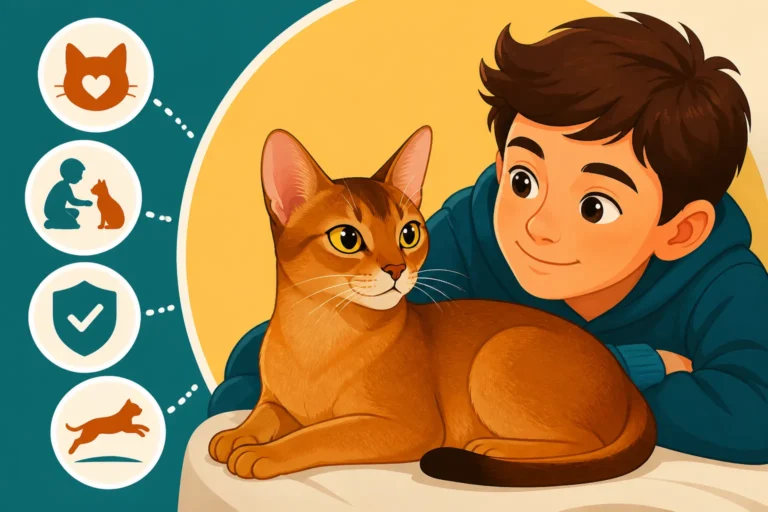
Their desire for interaction is strong, and they thrive on being part of the family's activities. If you're working, they might sit on your desk, "help" you type, or bat at your pen. If you're cooking, they'll be there, ready to investigate every ingredient. This constant involvement is how they feel connected and loved. When that connection is severed for long periods, they don't simply "get over it." They feel the absence, and their behavior often reflects this emotional distress.
An Abyssinian that feels ignored or lonely might become overly demanding when you are home. They might meow incessantly, follow you even more closely, or engage in destructive behaviors as a desperate plea for attention. It's a frustrating cycle for owners: the cat acts out, you get annoyed, and the cat feels even more neglected. Understanding their unique way of showing affection and their deep need for consistent interaction is key to avoiding these pitfalls and building a strong, happy bond. They might not be a lap cat, but they are absolutely a "people cat."
Behavioral Challenges Stemming from Solitude
When an Abyssinian is left alone for extended periods without adequate mental and physical outlets, their natural intelligence and high energy can quickly turn into destructive or otherwise problematic behaviors. It's not out of malice; it's simply their way of coping with boredom and loneliness, or trying to entertain themselves in the only ways they know how.
The Destruction of Boredom
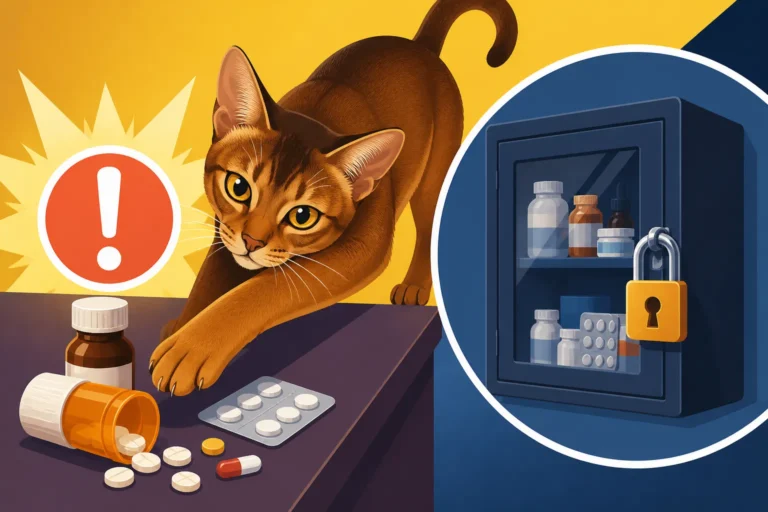
An Abyssinian with nothing to do is a force of nature. Their natural curiosity and agility, combined with pent-up energy, make them exceptionally good at getting into trouble. They are master problem-solvers, and if the "problem" is a closed cabinet or a forbidden shelf, they will dedicate themselves to solving it. You might come home to discover your kitchen cupboards have been raided, or the bathroom vanity has been emptied onto the floor. They are known for their ability to manipulate door handles, childproof latches (given enough time and motivation), and even drawers. Why an Abyssinian Learns to Open a Cupboard is often a direct result of their intelligence combined with an unfulfilled need for exploration.
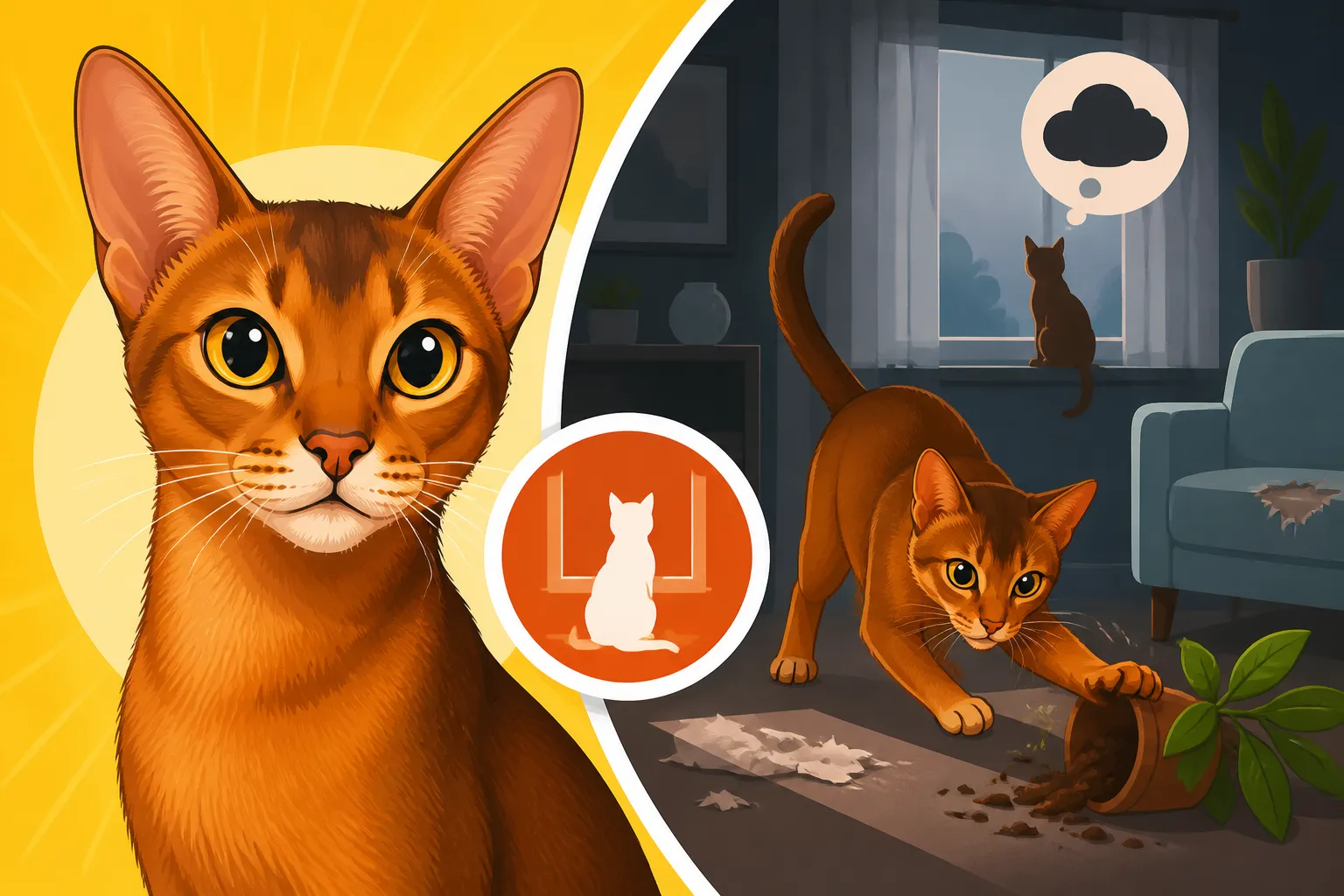
Beyond just opening things, bored Abyssinians can take their energy out on your belongings. Chewing on electrical cords, scratching furniture that's usually off-limits, or systematically knocking items off shelves become their self-made games. They might shred toilet paper rolls with gusto, "redecorate" your houseplants, or generally leave a trail of chaos in their wake. This isn't spite; it's an intelligent animal trying to stimulate itself when no one else will. It can be incredibly frustrating to come home to a chaotic scene, but try to remember it's a symptom of a larger issue: your Abyssinian needs more engagement. What Destructive Behavior in an Abyssinian Really Means is usually a cry for help, a sign that their environment isn't enriching enough for their active minds.
They are also expert climbers. A boring day might see them scale bookcases, curtains, or anything else that offers a vertical challenge, often with little regard for the stability of the object or the items on it. Imagine leaving a toddler unsupervised in a room full of breakable items for eight hours – that's roughly the level of "damage potential" you're dealing with when an Abyssinian is chronically under-stimulated. They don't mean to destroy your favorite vase; they just saw an interesting path to the top of the shelf and the vase happened to be in the way.
Excessive Vocalization and Attention-Seeking
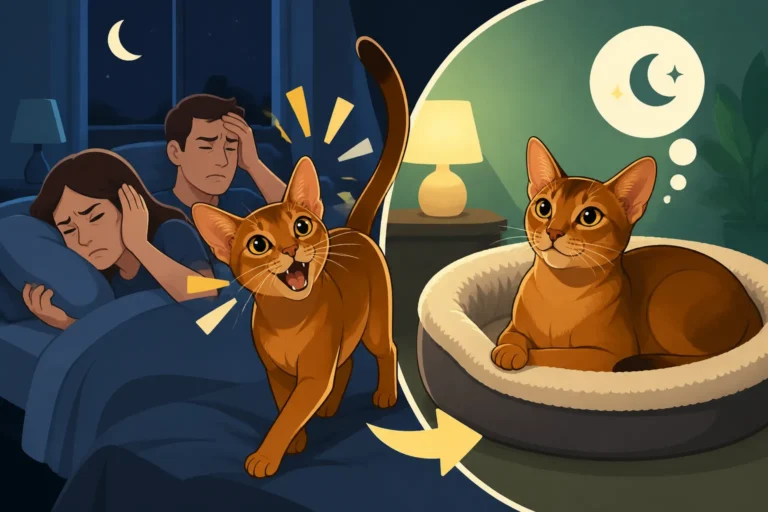
While Abyssinians aren't typically as loud as, say, a Siamese, they are far from silent. They have a distinct "chirp" that sounds almost bird-like, and they use it to communicate a wide range of emotions, from excitement to demand. When left alone for long stretches, this vocalization can escalate significantly. They might spend hours meowing, crying, or chirping at the door, window, or simply into the emptiness of the house, trying to summon an absent human.
This isn't just a behavior they do while you're gone; it often intensifies when you return. An Abyssinian that has been lonely all day will often greet you with an overwhelming torrent of vocalizations, desperate for attention. They might follow you around, meowing insistently, rubbing against your legs, and generally making it impossible for you to ignore them. This can be adorable at first, but after a long day at work, it can quickly become overwhelming and frustrating.
The problem is, any attention – even negative attention like a "shush" or a stern look – is still attention. They learn that making noise gets a reaction, reinforcing the behavior. This cycle can be incredibly difficult to break once established. A truly lonely Abyssinian might also resort to other attention-seeking behaviors, such as knocking things off counters or swiping at your feet as you walk by. These aren't signs of a "bad" cat, but rather a cat that feels disconnected and under-stimulated, doing whatever it can to elicit a response from its most cherished companions. What a Quiet Abyssinian Is Telling You is often a sign of illness, as their default is usually active engagement.
The Importance of Mental and Physical Stimulation
Meeting an Abyssinian's needs isn't just about preventing bad behavior; it's about fostering a happy, healthy cat. Their minds and bodies require consistent engagement, and thankfully, there are many ways to provide this, even for busy owners.
Structured Play Sessions are Non-Negotiable
For an Abyssinian, play isn't just a fun pastime; it's a vital part of their daily routine, a way to expend energy, hone their hunting instincts, and bond with their human companions. How Much Play an Abyssinian Needs Each Day is often more than owners initially realize. Aim for at least 30-60 minutes of interactive play, broken into several short sessions throughout the day. A single 10-minute session won't cut it for these energetic felines.
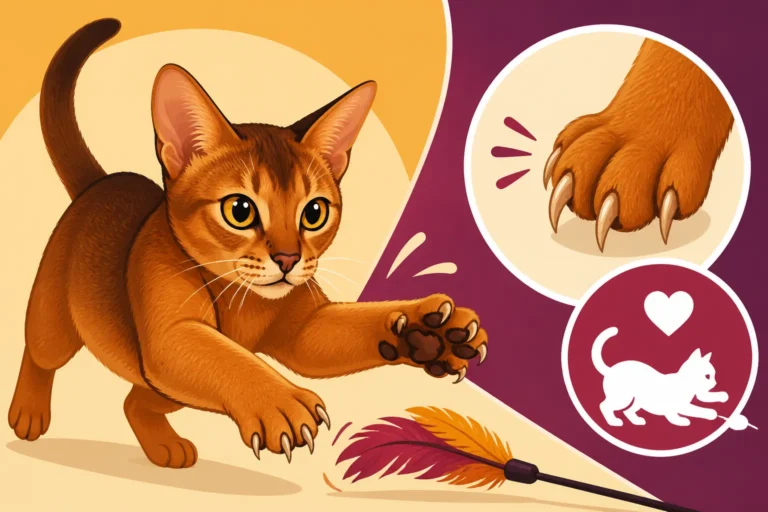
Think of play as a simulated hunt. Use wand toys with feathers, ribbons, or small plush attachments to mimic prey. Drag the toy across the floor, hide it, make it dart and pounce. Let your Abyssinian stalk, chase, pounce, and "kill" the prey by catching it at the end of the session. This fulfills their natural predatory drive and provides immense satisfaction. Rotate toys regularly to keep things fresh, as they can quickly lose interest in something they've seen too many times. Which Wand Toy an Abyssinian Prefers often involves real feathers or anything that mimics natural prey movement.
Fetch is another excellent way to engage an Abyssinian, as many of them naturally enjoy retrieving small objects. Crinkly balls, soft mice, or even crumpled paper can become their favorite "prey." Interactive puzzle toys that dispense treats when manipulated are also fantastic for mental stimulation, challenging their intelligence. Remember, quality of play often trumps quantity, but for an Abyssinian, you need a good amount of both.
Environmental Enrichment for the Active Mind
Beyond direct interaction, creating an enriching environment is paramount. Abyssinians thrive on vertical space. They love to climb, observe from high vantage points, and explore different levels. Invest in tall, sturdy cat trees, ideally those that reach the ceiling or are anchored to the wall. Better yet, consider installing wall-mounted cat shelves and perches. These allow you to create a custom, multi-level playground that satisfies their climbing instincts without sacrificing floor space. Why Wall Shelves Work Better Than a Tree for an Abyssinian is because they allow for more diverse routes and challenge their agility.
Puzzle feeders are another brilliant way to engage their minds, especially when you're not home. Instead of simply putting food in a bowl, make them work for it. There are many types available on the market, from slow feeders to intricate mazes. You can find a fantastic selection of these on Amazon. Start with easier ones and gradually introduce more complex designs. You can also hide treats or a portion of their kibble around the house, turning mealtime into a stimulating "hunt." This foraging behavior taps into their natural instincts and keeps them busy for longer periods. Which Puzzle Feeders Hold an Abyssinian's Attention are often those that require batting or clever manipulation.
Don't forget the simple pleasure of a good window perch. Abyssinians love to watch the world go by, whether it's birds, squirrels, or just passing pedestrians. A comfortable perch with a view can provide hours of passive entertainment. If you have a secure outdoor space, a catio (cat patio) can be an incredible gift, offering safe access to fresh air and new sensory experiences. It’s important to give them plenty of options to stay busy and stimulated, even when you can't actively play with them.
Addressing the "Only Cat" Dilemma
While some cats are content as only pets, the highly social nature of the Abyssinian often means they thrive with feline companionship. If you work long hours or have a very busy household, a second cat can be a game-changer for your Abyssinian's well-being.
Why a Single Abyssinian Often Needs a Companion
Abyssinians are deeply social animals. In a natural setting, they would live in groups, interacting, playing, and grooming each other. When they are the sole feline in a home and their human companions are absent for most of the day, they can experience significant loneliness and boredom. While no feline friend can completely replace human interaction, a compatible companion can provide much-needed social stimulation, play, and comfort during those long stretches when you're away.
Imagine being left alone in a house all day with nothing but your own thoughts for company. Even with toys and environmental enrichment, there's a certain type of interaction that only another living, breathing creature can provide. Cats groom each other, chase each other, wrestle, and communicate in ways we can't fully replicate. This is especially true for an Abyssinian, whose high energy and intelligence crave a sparring partner. Why a Second Cat Suits an Abyssinian often comes down to their sheer need for constant action and a companion who understands their particular brand of play.
The benefits extend beyond just entertainment. A companion can reduce anxiety and stress in a lonely Abyssinian. They provide comfort, a warm body to nap with, and someone to share their high perches and sunbeams with. While adding a second cat is a significant decision and requires careful planning, for many Abyssinian owners, it proves to be the most effective solution for ensuring their cat's overall happiness and preventing destructive behavior. Remember, Why a Single Abyssinian Costs More in Damage is a very real financial consideration if their needs aren't met!
Choosing the Right Companion
If you're considering adding another cat, choosing the right companion for your Abyssinian is crucial. The goal is to find a cat with a similar energy level and play style to ensure they can truly entertain each other. Another Abyssinian or a similarly active, social breed like a Bengal, Siamese, or Ocicat often makes an excellent match. These breeds can keep up with the Abyssinian's boundless energy and won't be easily overwhelmed by their boisterous play. Which Breeds Live Well With an Abyssinian often highlights those that are equally intelligent and playful.
Avoid pairing an Abyssinian with a very shy, timid, or significantly older cat who might be stressed by the Abyssinian's intensity. A placid cat might become a target for the Abyssinian's playful pestering, leading to stress for both animals. While some Abyssinians can adapt to quieter companions, for optimal results, aim for a cat that can hold its own and reciprocate play.
The introduction process itself must be slow and gradual to ensure success. Never just throw two cats together and hope for the best. Use separate rooms, scent swapping, and supervised short introductions over several days or weeks. This allows them to acclimate to each other's presence and develop a positive relationship. A successful introduction can lead to a lifetime of shared adventures and significantly reduce your Abyssinian's loneliness and potential for destructive behaviors when you're away.
Strategies for Busy Owners
Even with the best intentions, life sometimes demands long hours away from home. For Abyssinian owners, this requires a bit more strategic planning than for owners of more laid-back breeds. The good news is that with thoughtful preparation, you can still provide a fulfilling life for your active feline.
Maximizing Morning and Evening Interaction
When you know you'll be out of the house for an extended period, the time you do spend at home becomes even more critical. Make a conscious effort to dedicate intensive, engaging playtime both before you leave in the morning and as soon as you get back in the evening. Think of these as "power hours" of interaction.
In the morning, before you even think about your first coffee, engage in a vigorous 15-20 minute play session using a wand toy. Get them running, jumping, and pouncing. The goal is to tire them out physically and mentally, leaving them more inclined to nap and relax during your absence. Similarly, as soon as you walk through the door, resist the urge to immediately sit down or check your phone. Greet your Abyssinian with enthusiasm and initiate another solid 20-30 minutes of interactive play. This not only helps them burn off pent-up energy from the day but also reassures them that you're back and ready to engage.
These structured playtimes are not just about burning calories; they're crucial for strengthening your bond and providing the mental stimulation that an Abyssinian craves. Make it a routine, and your cat will learn to anticipate these sessions, helping them cope better with the quiet hours in between. Don't underestimate the power of these focused moments; they can make a huge difference in your Abyssinian's overall happiness and behavior.
Smart Home Setups and Technology
In today's world, technology can be a huge ally for busy Abyssinian owners. There's a wide array of smart pet products available that can help provide enrichment and peace of mind when you're not physically present. Many of these can be easily found on Amazon.
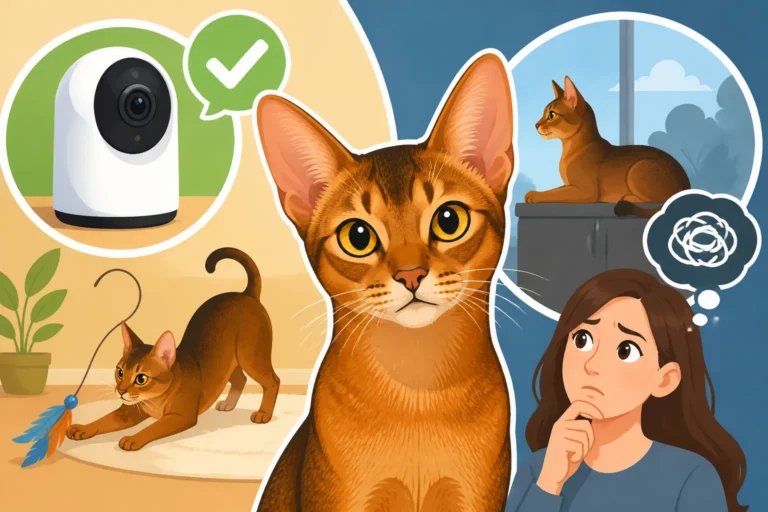
Consider investing in an automatic feeder that dispenses small meals throughout the day. This not only provides consistent nutrition but also breaks up the monotony, giving your Abyssinian something to look forward to. Some feeders even have voice recording capabilities, allowing your cat to hear your voice at meal times. Interactive pet cameras are another fantastic tool. Many allow you to remotely observe your cat, speak to them through a speaker, and even dispense treats. This can be a great way to check in, offer a reassuring word, or provide a little distraction during the day.
While not a substitute for human interaction, some remote-controlled laser pointers or automated toy systems can offer short bursts of entertainment. Be cautious with continuous laser play, though, as it can be frustrating if the cat never "catches" its prey. Look for toys that mimic real prey movement and offer a tangible reward. Puzzle feeders, as mentioned before, are excellent for solo play and can keep them occupied while you're away. By strategically deploying a few of these smart devices, you can create a more dynamic environment that helps alleviate some of the loneliness and boredom your Abyssinian might experience. Whether an Abyssinian Suits a Full Time Worker often depends on how effectively these strategies are implemented.
Considering Alternatives: Pet Sitters and Daycare
For some Abyssinian owners, especially those with demanding schedules or who travel frequently, even the best at-home enrichment might not be enough. In these cases, professional help can be invaluable in ensuring your Abyssinian remains happy and well-adjusted.
The Benefits of Human Interaction During the Day
While toys and automated feeders can help, nothing truly replaces genuine human interaction for a social Abyssinian. If you're going to be gone for more than 8-10 hours, arranging for a pet sitter to visit your home can be a lifesaver. A pet sitter can come in once or twice a day to feed, clean the litter box, and, most importantly, play with and interact with your cat. This breaks up the long stretches of solitude and provides a much-needed dose of companionship and mental stimulation.
A good pet sitter will understand the Abyssinian's need for interactive play and will spend quality time engaging them with wand toys, puzzle feeders, or simply a good game of fetch. They can reinforce your training, offer cuddles, and provide basic care that keeps your cat's routine as normal as possible. This consistency is vital for an Abyssinian, who thrives on predictability. Moreover, a pet sitter provides an extra pair of eyes on your cat's health, noticing any changes in behavior or appetite that might indicate an issue.
While a friend or neighbor might be willing to help, a professional pet sitter often has experience with high-energy breeds and is insured and bonded, offering you greater peace of mind. This can be particularly beneficial for breeds like the Abyssinian, where a missed play session can quickly lead to mischief.
When Cat Daycare Might Be an Option
Cat daycare is a less common concept than doggie daycare, but specialized facilities are emerging that cater to felines. These environments offer supervised play, enrichment, and social interaction in a safe, controlled setting. For an Abyssinian, whose social needs are so pronounced, this could be an interesting option, though it's not for every cat.
The main benefit of a good cat daycare for an Abyssinian is the opportunity for supervised play with other compatible cats or with staff members throughout the day. This can provide a level of stimulation that's hard to replicate at home. However, it's crucial to assess your individual Abyssinian's temperament. While many are social, some can be territorial or easily stressed by new environments and unfamiliar cats. A high-energy Abyssinian might thrive, while a more sensitive one could become overwhelmed.
If considering cat daycare, research facilities thoroughly. Look for clean, secure environments with plenty of vertical space, enrichment activities, and experienced staff who understand feline behavior. Ask about their cat-to-staff ratio, their cleaning protocols, and how they manage cat introductions and potential conflicts. Always do a trial visit or a few short stays before committing to regular daycare. This can be a wonderful solution for some Abyssinians, but it requires careful consideration to ensure it's a positive experience for your individual cat.
Long-Term Well-being and Owner Responsibility
Owning an Abyssinian is a profound joy, but it's also a significant responsibility, especially when it comes to meeting their unique behavioral and emotional needs. Understanding the long-term implications of leaving them alone frequently can help you make informed choices that ensure a happy, healthy life for your energetic companion.
Impact on Health and Behavior
The effects of chronic loneliness and under-stimulation can extend far beyond simple mischief. A perpetually bored or stressed Abyssinian can develop serious behavioral issues that are difficult to correct, and in some cases, even health problems. Stress can manifest as overgrooming, leading to skin irritation and bald patches. They might develop litter box avoidance issues, not because of a medical problem, but as a protest or a sign of anxiety. Some may even become withdrawn, lethargic, or overly clingy, losing some of their characteristic playful zest.
The development of destructive habits, like cable chewing or persistent counter surfing, becomes ingrained over time. What starts as a coping mechanism can become a deeply habitual behavior that is incredibly challenging to unlearn, even when you increase your interaction. This often leads to frustration for owners and a diminished quality of life for the cat, as they constantly face correction for behaviors that stem from unmet needs.
Your commitment to your Abyssinian is a lifelong one, and their emotional well-being is just as important as their physical health. Ignoring their need for companionship and enrichment can lead to a cat that is merely existing, rather than thriving. It's a heavy thought, but one that underscores the importance of proactive care and attention to their unique breed traits.
The Joy of a Well-Adjusted Abyssinian
On the flip side, an Abyssinian whose needs are consistently met is one of the most delightful and engaging companions you could ever wish for. Their intelligence, playfulness, and affectionate nature shine through. They are less likely to resort to destructive behaviors, more likely to be calm and content when you are away (because they've had their fill of stimulation), and will greet you with genuine joy rather than desperate demands.
A well-adjusted Abyssinian will engage in healthy play, explore their environment with curious contentment, and maintain a strong, loving bond with their human family. They will be the "clown of the cat world," bringing endless entertainment and affection into your home. The effort you put into providing mental and physical enrichment, whether through play, environmental upgrades, or even a feline companion, will be repaid tenfold in the form of a happy, well-behaved, and deeply cherished pet.
Ultimately, the question of leaving an Abyssinian alone isn't about whether it's possible, but whether it's fair and responsible. These aren't low-maintenance pets. They require active participation from their owners. By understanding their inherent needs and implementing strategies to meet them, you ensure that your Abyssinian enjoys a full, rich life, making them the vibrant, active, and loving companion they were always meant to be.
Disclaimer
This article is for general informational purposes only and does not constitute professional advice. Laws, prices and regulations vary by location and change over time. Consult a qualified professional for guidance on your specific situation.