Which Shampoo Leaves an Abyssinian’s Ticking Intact
It’s a common worry among Abyssinian owners: you love that shimmering, ticked coat, the way the light catches each individual hair with its multiple bands of color. But then bath time looms, and a wave of panic sets in. Will the wrong shampoo strip those precious natural oils, flatten that incredible ticking, or leave a dull residue that ruins its signature gleam? You’re not alone in that concern. This guide is all about navigating the world of cat shampoos to ensure you pick one that truly celebrates and preserves your Abyssinian's exquisite coat, keeping it healthy and vibrant.
Understanding the Abyssinian's Unique Ticked Coat
When we talk about an Abyssinian's coat, we're not just discussing fur; we're talking about a marvel of genetics and aesthetics. It's what makes them instantly recognizable and so incredibly beautiful. But this unique structure also means it requires a specific approach when it comes to grooming, especially bathing.
The Anatomy of an Abyssinian Hair
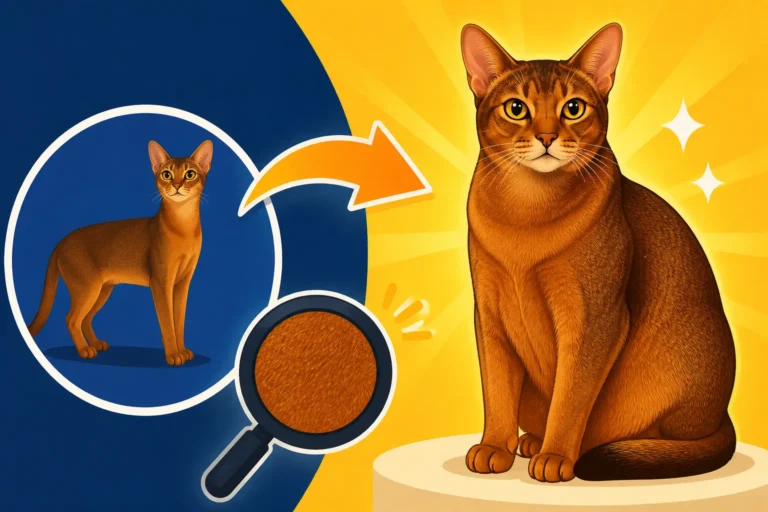
Imagine a single strand of your Abyssinian's fur. Unlike many other cats, which might have solid colors or distinct stripes, each Abyssinian hair boasts what we call "ticking." This means that along the length of each individual hair shaft, there are multiple bands of color, alternating between light and dark, with a dark tip. This intricate banding creates that characteristic shimmer and depth, making the coat appear to change color as your cat moves. It's often compared to the coat of a wild rabbit or a cougar, giving them that elegant, wild look.
What's more, Abyssinians famously have very little undercoat. Many cats have a dense, fluffy layer of soft undercoat beneath their coarser guard hairs, which helps with insulation. An Abyssinian's coat lies close to its body, feeling fine and silky to the touch, almost like polished mink. This lack of a thick undercoat means it's incredibly lightweight and sheds minimally. However, it also means there's less "cushioning" or bulk to protect the individual hair shafts. If you use a heavy, residue-leaving product, it's very easy to weigh down these fine hairs, clump them together, and completely obscure the beautiful ticking, making the coat look flat and lifeless instead of lively and shimmering. The Ticked Coat Is the Whole Abyssinian Grooming Job explores this in more detail.
Why Standard Shampoos Can Be Problematic
Most commercial pet shampoos are formulated for cats with much denser coats, often with significant undercoats or different hair textures. They might contain strong detergents (like sulfates) designed to cut through grease or remove heavy shedding undercoat, or they might include heavy conditioning agents meant to detangle long, thick fur.
For an Abyssinian, these common ingredients can be incredibly detrimental. Strong detergents can strip away the natural protective oils that keep your Abyssinian's skin healthy and its coat lustrous. When these oils are gone, the coat can become dry, brittle, and prone to breakage. Imagine washing delicate silk with harsh laundry detergent – it loses its sheen and softness. The same principle applies here. Heavy conditioners, while seemingly beneficial, can leave a thick, waxy residue on the fine, single-layered Abyssinian coat. This residue not only dulls the ticking but can also attract dirt faster, making your cat look greasy sooner, and can even irritate their sensitive skin. You're trying to enhance that natural sparkle, not smother it.
What to Look For in an Abyssinian-Friendly Shampoo
Choosing the right shampoo for your Abyssinian isn't about finding the most expensive or exotic product; it's about understanding the core principles of gentle, effective cleaning that respects their unique physiology. It’s about maintenance, not transformation.
Gentle, pH-Balanced, and Sulfate-Free Formulas
The absolute bedrock of good Abyssinian shampoo choice is gentleness. You want a formula that cleans without stripping. Look for shampoos explicitly labeled as "gentle," "mild," or "tearless" (though you should still be careful around their eyes!).
Sulfate-free is a critical consideration. Sulfates, commonly found as Sodium Lauryl Sulfate (SLS) or Sodium Laureth Sulfate (SLES), are powerful foaming agents that create lots of suds. While great for cleaning tough grime, they are notorious for stripping natural oils from skin and hair. For an Abyssinian's fine coat and often sensitive skin, sulfates are a no-go. They can lead to dryness, itchiness, and that dull, lifeless coat we're trying to avoid.
Equally important is a pH-balanced formula. A cat's skin pH is different from a human's. Using human shampoo, even gentle baby shampoo, can disrupt your cat's skin barrier, leading to irritation, dryness, and susceptibility to bacterial or fungal infections. Look for products specifically formulated for cats, ideally with a pH range around 6.5 to 7.5. Many quality pet shampoos will proudly state their pH balance on the label.
Finally, consider the power of natural, soothing ingredients. Things like aloe vera, oatmeal, or coconut oil can provide gentle cleansing and much-needed moisture without adding excessive weight. These ingredients are less likely to cause irritation and can help maintain the coat's natural suppleness and shine. When shopping for pet products on platforms like Chewy or Amazon, you'll find numerous options that highlight these features, making it easier to filter your choices.
Avoiding Conditioning Shampoos and Heavy Conditioners
This might sound counter-intuitive, especially if you're used to conditioning your own hair. However, for an Abyssinian, "conditioning shampoos" – those all-in-one wash and condition formulas – are often best avoided. They tend to contain waxes, silicones, and heavy emollients designed to smooth and detangle thicker, coarser, or longer coats. On an Abyssinian, these ingredients are almost guaranteed to build up, weigh down the fine hairs, and make that beautiful ticking disappear.
If your Abyssinian's coat feels particularly dry or you live in a very arid climate, a very light, separate rinse-out conditioner might be used, but only sparingly and with extreme caution. The key is to find one that is incredibly lightweight, silicone-free, and designed for fine hair, and then to dilute it significantly before application. Apply it only to the body, avoiding the delicate hair around the head and face, and rinse, rinse, rinse! The goal is always to leave no trace of product behind, allowing the natural texture and ticking to shine through. Most Abyssinians, with a proper, gentle shampoo, won't need a separate conditioner at all.
The Role of Scent and Dyes
Our feline friends are far more sensitive to smells than we are, and what might be a pleasant scent to us can be overwhelming or even irritating to them. Many shampoos contain artificial fragrances or strong essential oils that can cause skin reactions, respiratory issues, or simply make your cat uncomfortable. Imagine being forced to smell a strong perfume all day!
For this reason, I always recommend choosing unscented or very lightly, naturally scented shampoos. If there is a scent, ensure it comes from natural sources like chamomile or very mild botanical extracts. Similarly, artificial dyes in shampoo offer no benefit to your cat's coat or skin. They're purely cosmetic for human appeal and can be another source of irritation or allergic reaction. Your Abyssinian's coat has its own natural, stunning color; it doesn't need enhancing with blue or pink shampoo. The less unnecessary "stuff" in the bottle, the better for your beloved companion.
The Bathing Process for an Abyssinian: More Than Just Shampoo
Even with the perfect shampoo, the bathing process itself is crucial. A poor technique can negate the benefits of a good product, stressing your cat and potentially still leading to a dull coat. This isn't just about getting them clean; it’s about a holistic approach that minimizes stress and maximizes results. An Abyssinian Needs Brushing Once a Week and No More for routine maintenance, but bathing is a special occasion.
Preparation is Key: Stress-Free Bathing
The first rule of Abyssinian bathing is preparedness. These are intelligent, active cats, and they don't appreciate surprises or prolonged discomfort. Before you even think about turning on the water, gather all your supplies: your chosen gentle, pH-balanced shampoo (perhaps diluted slightly in a cup of warm water for easier application), several soft towels, a non-slip mat for the tub or sink, a small cup or pitcher for rinsing, and perhaps a few treats for afterward. Make sure the room is warm, quiet, and free of drafts.
It's a good idea to trim your cat's claws beforehand to protect both of you from accidental scratches. Keep your voice calm and reassuring throughout. Some owners find that a few minutes of playful interaction right before the bath can help burn off some energy and make the cat more relaxed. The faster and smoother you can make the process, the less traumatic it will be for your cat, and the easier it will be for you next time. You’re aiming for efficiency and gentleness, not a spa day.
Gentle Application and Thorough Rinsing
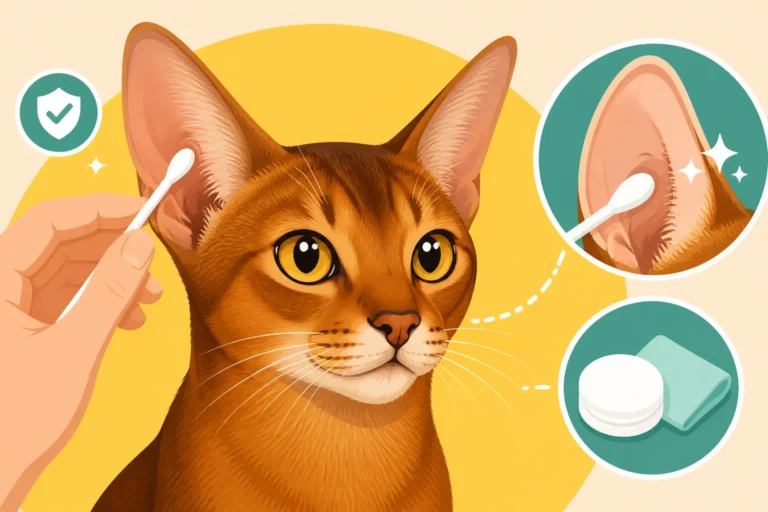
Once you're ready, place your Abyssinian gently into a shallow bath of lukewarm water (test it on your wrist first). The non-slip mat is essential here to help them feel secure. Wet your cat thoroughly, from shoulders to tail, being extremely careful around their head and ears. You can use a damp washcloth for their face.
Apply the diluted shampoo, working it gently into the coat with your fingertips. Avoid harsh scrubbing or rubbing against the direction of the fur, as this can tangle the fine hairs and potentially damage the ticking. Focus on massaging it in gently, just enough to clean the fur. The lack of a dense undercoat means you don't need to work nearly as hard as you might with a long-haired breed.
Now for the most critical step: rinsing. And when I say rinsing, I mean thoroughly rinsing. This is where many people go wrong, and it’s the primary reason for a dull, greasy-looking coat after a bath. Rinse the shampoo out multiple times using your cup or pitcher, starting from the neck and working downwards. Run your fingers through the fur as you rinse, feeling for any slippery residue. Continue rinsing until the water runs completely clear, and you can no longer feel any slickness or suds on their coat or skin. This might take significantly longer than the washing itself, but it’s absolutely non-negotiable for preserving that Abyssinian shimmer. Any leftover shampoo, no matter how gentle, will dull the ticking.
Drying Without Damage
Once thoroughly rinsed, lift your Abyssinian out of the bath and immediately wrap them in a soft, absorbent towel. Gently blot and squeeze the excess water from their coat. Avoid vigorous rubbing, which can tangle the fine hairs, cause static, and even pull out some of that precious fur. Abyssinians have such a fine, close-lying coat with minimal undercoat, that How Quickly a Wet Abyssinian Dries Without an Undercoat means they usually dry remarkably fast on their own.
After the initial towel-drying, you can let your Abyssinian air dry in a warm, draft-free room. Provide a comfortable, clean space where they can groom themselves. If you absolutely must use a hairdryer, ensure it’s on the coolest, lowest setting, held at a safe distance, and never pointed directly at their face. Most Abyssinians will prefer to finish the job themselves, shaking, licking, and rolling until they're completely dry and their magnificent ticking is restored to its full glory. Remember, the goal is to enhance their natural beauty, not overwhelm it with products or harsh drying methods.
Recommended Product Types and Where to Find Them
Given the delicate nature of the Abyssinian coat, the market is full of choices, and finding the right fit often comes down to understanding labels and brand philosophies.
Brands Known for Gentle Pet Formulas
When looking for a shampoo that respects your Abyssinian's coat, you're primarily seeking products designed with sensitivity in mind. Many reputable pet brands offer lines that are hypoallergenic, fragrance-free, or formulated for sensitive skin. These are often the same brands that focus on holistic pet wellness, much like how many pet parents choose a high-quality, natural diet for their cats. This same philosophy should extend to grooming: fewer chemicals, more natural ingredients.
When browsing online retailers like Chewy or Amazon, you can use filters to narrow down your search. Look for terms such as:
- "Sulfate-Free"
- "Paraben-Free"
- "Hypoallergenic"
- "Sensitive Skin Formula"
- "Natural Ingredients"
- "Oatmeal" or "Aloe Vera" based
- "pH Balanced for Cats"
It's not about brand names as much as it is about the ingredient list. Always read the back of the bottle. If you see a long list of unpronounceable chemicals, artificial dyes, or strong synthetic fragrances, it’s probably best to put it back. Brands that pride themselves on using human-grade ingredients for pets often have these gentler formulations. Pay attention to reviews from other cat owners, especially those with short-haired, fine-coated breeds, as their experiences can be very telling.
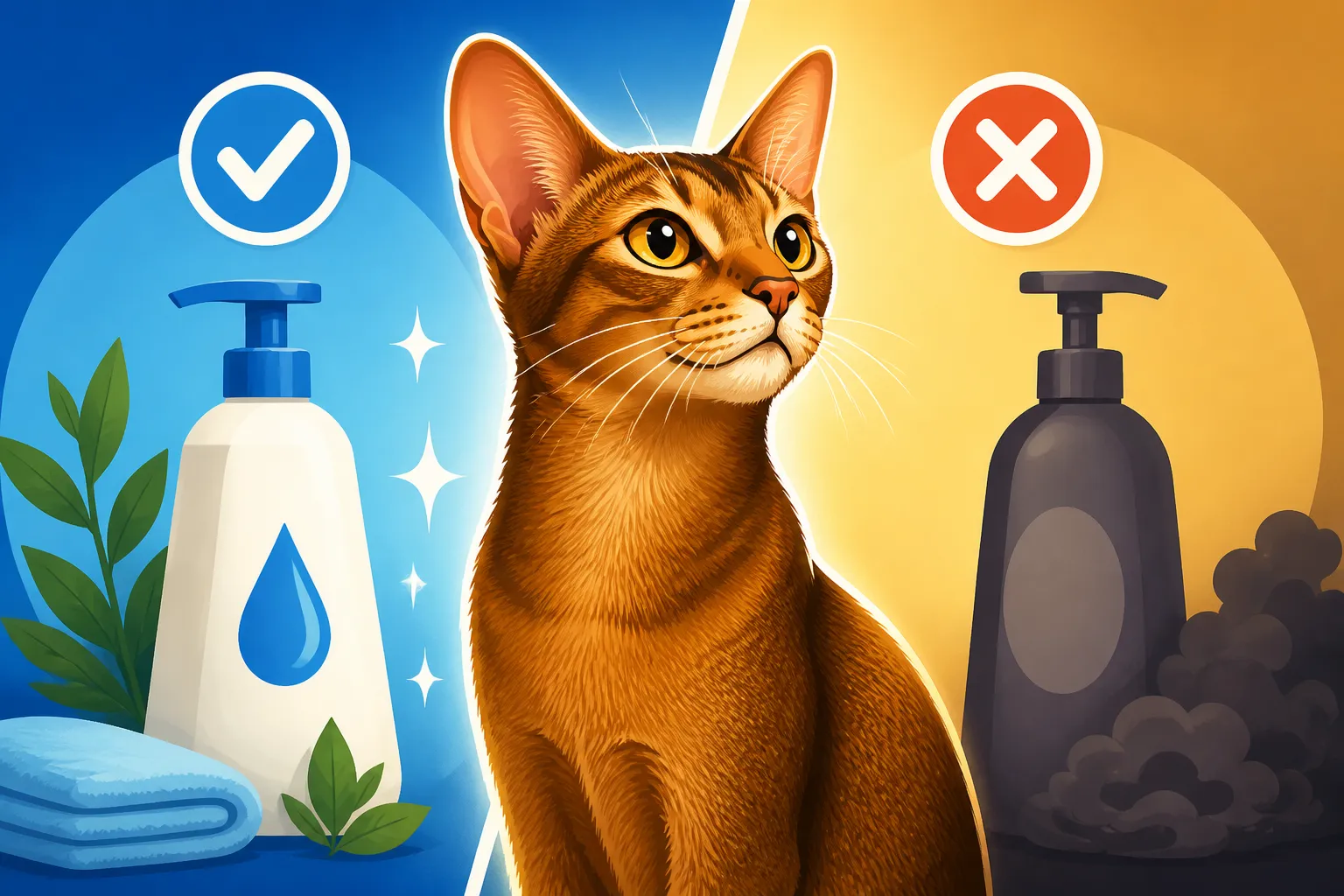
Here's a quick comparison of what to look for and avoid:
| Feature/Ingredient | Look For | Avoid |
|---|---|---|
| Cleansing Agent | Plant-derived surfactants, gentle cleansers | Sodium Lauryl Sulfate (SLS), Sodium Laureth Sulfate (SLES) |
| pH Level | Balanced for cats (around 6.5-7.5) | Formulated for humans, highly acidic or alkaline |
| Moisturizing Agents | Aloe Vera, Oatmeal, Coconut Oil, Vitamin E | Heavy silicones, mineral oil, petrolatum |
| Fragrance | Unscented, naturally derived (e.g., chamomile) | Artificial perfumes, strong essential oils |
| Dyes | None | Artificial colorants |
| Coat Residue | Rinses clean, leaves no residue | Leaves heavy, waxy, or oily film |
When to Consult Your Vet or a Professional Groomer
Sometimes, despite your best efforts, you might notice that your Abyssinian's coat still isn't quite right, or worse, their skin becomes irritated or flaky. This is your cue to involve the professionals.
If your cat develops any skin issues – persistent itching, redness, lesions, excessive flaking, or hair loss – the first stop should always be your veterinarian. These symptoms could be indicative of allergies, parasites, fungal infections, or other underlying health problems that no shampoo can fix. Your vet can diagnose the issue and recommend appropriate treatment, which might include medicated shampoos specifically prescribed for their condition.
A professional groomer who specializes in cats, particularly purebreds like Abyssinians, can also be a valuable resource. While Why No Groomer Can Improve an Abyssinian's Coat means they can't change the genetic quality of the fur, they certainly know how to work with it. They can offer advice on specific product recommendations based on your cat's individual coat and skin condition, demonstrate proper bathing techniques, and even handle the bathing themselves if you find it too challenging or stressful for both of you. They often have access to a wider range of professional-grade, gentle products that aren't available to the general public. Don’t hesitate to tap into their expertise; after all, they see all sorts of coats and skin types every day.
Disclaimer
This article is for general informational purposes only and does not constitute professional advice. Laws, prices and regulations vary by location and change over time. Consult a qualified professional for guidance on your specific situation.