Why a Heavy Abyssinian Is Unusual and Worth Checking
It can be quite bewildering when you notice your typically slender and endlessly energetic Abyssinian starting to put on weight. These cats are known for their sleek, muscular build and their seemingly boundless activity levels, which usually keep them wonderfully trim. So, when that lean, athletic physique begins to fill out, or even worse, shows signs of a potbelly, it’s not just a cosmetic concern—it's a significant indicator that something might be amiss with your beloved companion, and it absolutely warrants a closer look from you and your vet.
The Abyssinian's Natural Lean and Mean Metabolism
One of the defining characteristics of an Abyssinian is their incredible energy and, by extension, their naturally high metabolism. These aren't your typical couch-potato cats who spend sixteen hours a day napping. Abyssinians are constantly on the go, exploring, climbing, playing, and generally being the "clowns of the cat world." This ceaseless activity means they burn a lot of calories. Seriously, you might wonder Why an Abyssinian Eats More Than a Bigger Cat sometimes, given their relatively small stature, but it's all down to that impressive furnace they carry around.
Their bodies are designed for agility and speed, not for carrying extra padding. They have a lithe, graceful build with long legs and a svelte profile. This isn't just aesthetics; it's functional. They need to be light on their feet to scale bookshelves in a single bound or chase a wand toy with the intensity of a cheetah. Because of this inherent drive and metabolic rate, a truly heavy Abyssinian is quite an anomaly. It's so unusual, in fact, that it often signals that a deeper issue is at play, rather than just a case of too many treats. You'll rarely hear of an Abyssinian struggling with obesity in the same way some less active breeds might, which is why any significant weight gain should raise your eyebrows.
How to Spot Weight Gain in an Abyssinian
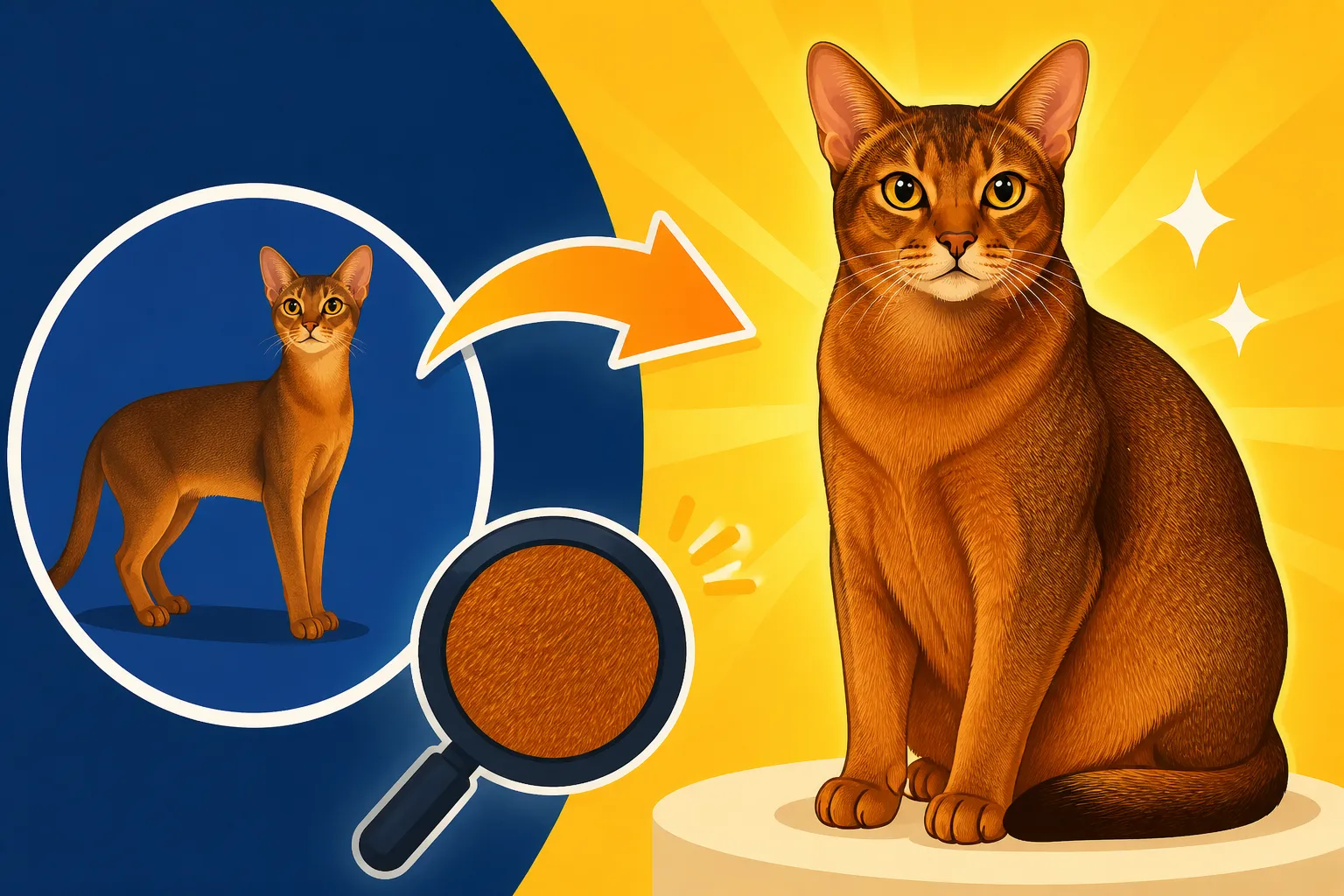
It's actually easier than you might think to miss subtle weight gain in an Abyssinian, despite their short coat. Their beautiful ticked fur, with its unique banding, can create an optical illusion, making them appear fuller than they are, or sometimes, paradoxically, hiding a loss of muscle mass underneath. That's why simply looking at them isn't enough; you need to get hands-on.
Feeling for Ribs and Checking the Waistline
The best way to assess your Abyssinian's body condition is by touch. Gently run your hands along their sides. You should be able to easily feel their ribs without pressing hard. If you have to dig your fingers in to locate them, or if there's a definite layer of fat obscuring them, that's a sign of excess weight. Similarly, run your hands along their spine. The vertebrae should be discernible, but not sharply protruding.
Next, look at your Abyssinian from above when they are standing. You should see a distinct waistline, an obvious tuck-in behind their ribs before their hips. If they look like a continuous cylinder, or worse, bulge outwards, that's another red flag. From the side, their abdomen should tuck up slightly, not sag or hang down. A little paunch can sometimes be confused with a primordial pouch, which is a normal flap of skin and fat found near the hind legs in many cats, but true abdominal distension or overall roundness is different. My blog post, How to Read an Abyssinian's Body Condition Through That Coat, dives deeper into these tactile and visual cues.
| Body Condition | Ribs Visible/Palpable | Waistline | Abdominal Tuck | Overall Impression |
|---|---|---|---|---|
| Too Thin | Easily visible, sharp | Severely hourglass | Deeply tucked | Bony, no fat |
| Ideal | Easily palpable, slight fat covering | Clearly defined | Slight tuck-up | Sleek, athletic |
| Overweight | Harder to feel, definite fat layer | Poorly defined or absent | Flat or slight sag | Rounded, lacks definition |
| Obese | Cannot feel, thick fat layer | No waist, bulging | Obvious sag/paunch | Very round, heavy |
Gradual Versus Sudden Weight Changes
Pay close attention to the rate of weight gain. A gradual increase over months might point to slight overfeeding or decreased activity, something you can often adjust with your vet's guidance. However, a sudden or rapid weight gain, especially in an Abyssinian that's always been lean, is a much more urgent matter. This kind of change almost always suggests an underlying health issue rather than just a few extra treats. Abyssinians are such active creatures that they tend to burn off calories efficiently, so a swift shift in their body condition is definitely a reason for concern and a prompt vet visit. Remember that Why a Lean Abyssinian Hides Illness Longer Than a Heavy Cat is often true because they mask symptoms so well, making any visible change even more critical.
Unpacking the "Why": Health Conditions Causing Weight Gain
When your typically lean Abyssinian starts to gain weight, especially without a significant change in diet or exercise, it's often a distress signal from their body. This isn't just about aesthetics; it's about uncovering potential health issues that require medical attention.
Metabolic and Hormonal Imbalances
While less common than in dogs, cats can experience hormonal issues that affect their metabolism. Hypothyroidism, for example, where the thyroid gland doesn't produce enough hormones, can lead to a slowed metabolism and weight gain. Though it's rare in cats, it’s still something a vet might consider if other, more common issues are ruled out. Other hormonal imbalances, though varied, can similarly impact how a cat processes food and stores fat. These are complex conditions that require thorough diagnostic testing to identify correctly.
Another less direct metabolic issue can arise if your Abyssinian isn't getting the right nutrients, even if they're eating enough. Their high energy demands a specific dietary profile. My post, Which Protein Level Keeps an Abyssinian's Muscle On, highlights how vital adequate protein is for maintaining their lean muscle mass and supporting their metabolism. If their diet falls short, their body might struggle to function optimally, potentially leading to inefficient calorie burning and fat storage.
Fluid Retention and Organ Enlargement
Sometimes, what looks like weight gain isn't fat at all, but fluid retention or an enlarged organ. Conditions like heart disease can lead to fluid building up in the abdomen, causing a distended appearance that you might mistake for a potbelly. Similarly, certain liver conditions or large tumors can cause organs to swell, contributing to an overall heavier feel or a protruding abdomen.
It's crucial not to dismiss a sudden increase in girth, especially if your cat seems otherwise unchanged in appetite or activity. This is particularly important because What Kidney Failure Looks Like in a Young Abyssinian can sometimes involve subtle changes that are easily overlooked. While fluid retention isn't typically a primary sign of kidney failure, the underlying issues can cause a cat's body to behave abnormally, including unexpected physical changes. A vet will be able to perform examinations, including palpating the abdomen, and potentially imaging tests like X-rays or ultrasounds, to differentiate between fat and fluid or organ enlargement.
Reduced Activity Due to Pain or Illness
Abyssinians are incredibly active and resilient. They are jumpers, climbers, and explorers by nature. If your Abyssinian starts moving less, it's often a sign they're not feeling well. Pain, whether from arthritis, an injury, or another chronic condition, can significantly reduce their activity levels. An Abyssinian that suddenly stops using its favorite top shelf, or seems hesitant to jump onto the counter, might be experiencing discomfort. How Arthritis Shows in an Abyssinian That Used to Climb is a great resource if you're noticing changes in their mobility.
When their activity drops, but their food intake remains the same, the natural consequence is weight gain. Their high metabolism needs to be fueled by movement. If that movement diminishes, those calories start to accumulate as fat. It's a vicious cycle: less movement leads to weight gain, which then puts more strain on their joints, making movement even more painful. This kind of reduced activity due to underlying discomfort or illness is a very common, yet often overlooked, cause of weight gain in typically active breeds.
Addressing the Weight: Getting Your Abyssinian Back on Track
Once your veterinarian has thoroughly examined your Abyssinian and either ruled out serious medical conditions or begun treatment for any underlying issues, it’s time to focus on managing their weight with diet and exercise. This is a team effort between you, your vet, and often, your Abyssinian, who might have their own opinions!
Veterinary Consultation and Diagnosis
The absolute first step when you notice unexplained weight gain in your Abyssinian is to schedule a visit to your veterinarian. Do not try to cut calories or increase exercise without a professional check-up. As we've discussed, weight gain in an Abyssinian is often a symptom, not just a problem in itself. Your vet will perform a full physical exam, listen to your concerns, and likely recommend diagnostic tests such as blood work, urinalysis, and possibly imaging to identify or rule out any underlying medical conditions.
This thorough evaluation is paramount. It ensures that if there's a serious issue, like a hormonal imbalance, fluid retention, or even a tumor, it's caught and addressed early. Trying to manage weight without knowing the cause could delay crucial treatment for a more serious condition. Your vet can also help determine What an Abyssinian Should Weigh at One or at their current age, providing a healthy target weight for your specific cat. They’ll be your best resource for creating a safe and effective plan.
Dietary Adjustments and Portion Control
Once medical issues are cleared, dietary changes are often necessary. Abyssinians thrive on a high-protein, moderate-fat diet that supports their muscle mass and energy levels. Look for high-quality cat foods, perhaps exploring options on Chewy that offer transparent ingredient lists. If you're considering fresh food, nutritionally balanced pre-portioned meals can make portion control and monitoring ingredients easier.
The key is portion control. It's so easy to accidentally overfeed, especially if you're free-feeding or guessing amounts. Use a measuring cup for kibble and stick to the recommended serving sizes, adjusting based on your vet's advice. How to Portion an Abyssinian Across Three Sittings can be a helpful strategy, as it mimics their natural hunting pattern and prevents them from overeating in one go. Sometimes, even small changes, like cutting back on high-calorie treats or switching to dental-friendly options, can make a difference. Always ensure fresh water is available, as hydration is crucial for overall health and metabolism.
Increasing Activity and Environmental Enrichment
Even with a perfect diet, an Abyssinian needs to move. If their weight gain is due to reduced activity, re-engaging them in play is vital. These cats absolutely thrive on interaction. Structured play sessions with wand toys are fantastic; they engage their hunting instincts and burn serious calories. Aim for multiple short sessions throughout the day, maybe 10-15 minutes each. My article, How Much Play an Abyssinian Needs Each Day, offers detailed guidance on keeping them engaged.
Beyond direct play, enriching their environment encourages natural activity. Abyssinians are natural climbers and explorers. If they don't have enough vertical space, they might not get the exercise they need. Consider investing in tall cat trees or wall-mounted shelves. Amazon offers a vast array of options for sturdy, engaging cat furniture. Why an Abyssinian Needs More Vertical Furniture Than Most Cats isn't just about fun; it’s a critical component of their physical and mental well-being. Puzzle feeders, available through Chewy or Amazon, can also turn mealtime into an engaging activity, slowing down eating and adding mental stimulation. Remember, a happy, stimulated Abyssinian is usually an active, healthy Abyssinian.
Disclaimer
This article is for general informational purposes only and does not constitute professional advice. Laws, prices and regulations vary by location and change over time. Consult a qualified professional for guidance on your specific situation.