Why an Abyssinian Eats More Than a Bigger Cat
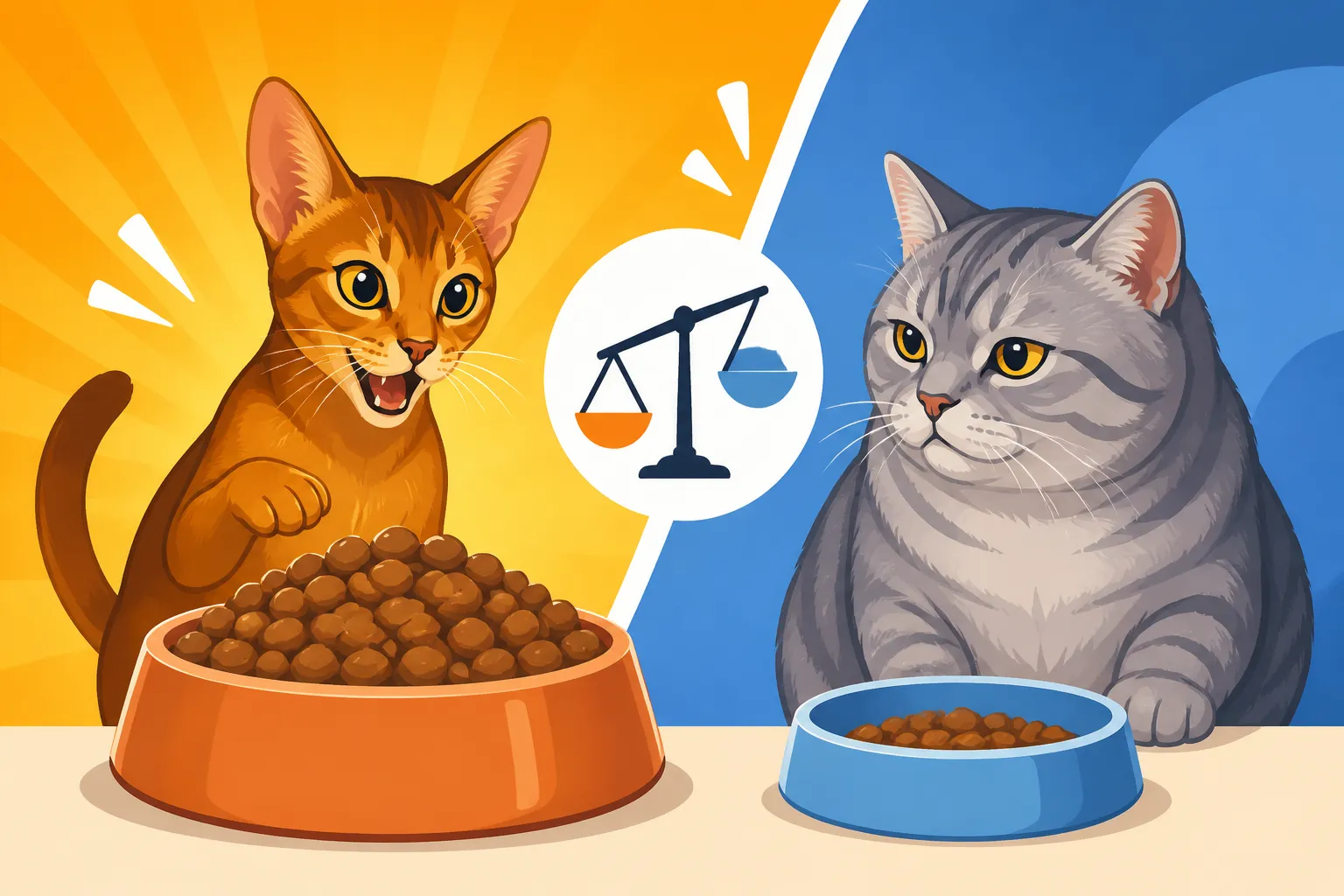
If you've ever owned an Abyssinian, you've probably found yourself staring into their food bowl, utterly perplexed. How can such a lean, medium-sized cat eat so much? It often seems like they consume more than a feline twice their size, leaving you wondering if you're running a small, high-performance engine in a sleek, compact chassis. This guide is here to unravel that mystery, explaining why your Abyssinian's robust appetite is perfectly normal and how to meet their unique nutritional demands without breaking the bank or overfeeding them.
The Abyssinian's Internal Furnace: Why They Burn So Hot
It’s true, Abyssinians are often described as having an "internal furnace" or being "always on." This isn't just a charming personality quirk; it's a fundamental aspect of their physiology that dictates their higher caloric needs. Unlike many domestic cats who are content to lounge for hours, Abyssinians are bundles of kinetic energy, constantly exploring, climbing, and playing. This relentless activity translates directly into a higher demand for fuel.
Constant Motion and Energy Expenditure
Imagine a tiny athlete living in your home. That's essentially what an Abyssinian is. From the moment they wake up, often at an ungodly hour like five in the morning, they are go, go, go. They stalk imaginary prey, leap onto the highest shelves, chase sunbeams, and involve themselves in every aspect of your day. This isn't just bursts of energy; it's sustained, high-level activity throughout their waking hours. A sedentary cat might burn a certain number of calories just existing, but an Abyssinian adds a significant amount to that baseline through sheer movement. Every jump, every sprint across the living room, every intense "hunting" session with a feather wand toy, all of it requires energy. It’s no wonder they seem perpetually hungry! You might want to read How Many Hours a Day an Abyssinian Stays Active to truly grasp their energy levels.
Even when they appear to be resting, an Abyssinian's senses are on high alert, processing every sound, movement, and scent. This mental engagement, too, consumes energy. Their brains are as active as their bodies, constantly planning their next adventure or strategizing how to get your attention (usually for more play or food). It’s a full-time job being an Abyssinian, and that job requires a steady supply of high-quality fuel.
A Higher Basal Metabolic Rate
Beyond their overt activity, Abyssinians also tend to have a naturally higher basal metabolic rate (BMR) compared to many other cat breeds. The BMR is the number of calories their body burns at rest, just to perform basic functions like breathing, maintaining body temperature, and circulating blood. Think of it like a car's idle speed: some engines naturally idle higher, consuming more fuel even when not in motion.
This higher BMR means that even when your Abyssinian is curled up, seemingly asleep, their body is working harder. Their lean muscle mass, which we'll discuss more later, also contributes to this. Muscle tissue is metabolically more active than fat tissue, burning more calories even at rest. So, while your Abyssinian might look lithe and delicate, underneath that beautiful ticked coat is a highly efficient, calorie-burning machine. This inherent physiological difference is a major reason why they require more food to maintain their weight and energy levels than a larger, but perhaps less metabolically active, cat. For a deeper dive into the specific caloric needs, check out How Many Calories an Adult Abyssinian Burns.
Genetics and Their Active Disposition
The active, high-energy disposition of the Abyssinian isn't just learned behavior; it's deeply ingrained in their genetics. They are known for their intelligent, curious, and playful nature, traits that have been cherished and preserved throughout the breed's development. This genetic predisposition means that an Abyssinian is inherently wired to be active and engaged, driving their need for constant mental and physical stimulation, which in turn fuels their appetite.
Their ancestors were likely active, agile cats, and these traits have been honed over generations. They haven't been bred for quiet companionship or a sedentary show-cat life; instead, their vibrant personalities and athletic builds are central to their appeal. This genetic blueprint for an energetic lifestyle means their bodies are constantly in motion, requiring a steady input of energy to prevent weight loss and maintain their health. You can see why they often defy the typical "cat naps all day" stereotype.
Lean and Muscular: The Abyssinian Physique's Demands
One glance at an Abyssinian tells you they are built differently. They possess a sleek, athletic physique, often described as having a "foreign" or "oriental" body type. This isn't a cat built for bulk; it's a cat built for speed, agility, and grace. This lean, muscular build has significant implications for their dietary needs.
High Protein Needs for Muscle Maintenance
The Abyssinian's athletic frame is comprised of dense, well-defined muscle, with very little excess fat. Muscle tissue requires a steady supply of high-quality protein to maintain and repair itself, especially in a cat that is as active as an Abyssinian. If their diet lacks sufficient protein, their body will start to break down its own muscle for energy, leading to muscle wasting and a decline in overall health. This is why commercial cat foods formulated for active breeds often feature higher protein percentages.
When choosing food for your Abyssinian, look for ingredients lists where meat is the first and primary component. Think chicken, turkey, fish, or other animal proteins. These provide the essential amino acids that Abyssinians need to fuel their muscles and maintain their energy. Skimping on protein might seem like a way to control their ravenous appetite, but it will ultimately compromise their health and vibrancy. Finding the right balance is key, and you might want to consider Which Protein Level Keeps an Abyssinian's Muscle On for more details.
The Challenge of Assessing Body Condition in Ticked Coats
Because Abyssinians are naturally lean and have a short, dense, and ticked coat that lies close to their body, it can sometimes be a challenge to accurately assess their body condition. They don't have the fluffy undercoat of many other breeds that can mask weight fluctuations. However, their ticking can sometimes create an illusion of fullness that isn't truly there, especially to an untrained eye. You might think they look fine, but a closer feel could tell a different story.
To properly assess your Abyssinian's body condition, you should be able to easily feel their ribs when running your hand along their side, without them being visibly prominent. You should also observe a distinct waistline when looking down at them from above, and their abdomen should tuck up slightly when viewed from the side. If you can't feel their ribs easily, or if they lack a defined waist, they might be carrying a bit too much weight. Conversely, if their ribs, spine, or hip bones are very prominent, they might not be getting enough calories. Regular tactile checks are more reliable than visual ones for this breed. This is also why How to Read an Abyssinian's Body Condition Through That Coat is so important.
Why a Lean Abyssinian Hides Illness Longer Than a Heavy Cat
This point might seem counterintuitive, but it's crucial for Abyssinian owners to understand. Because Abyssinians are naturally lean and active, any subtle changes in their weight or energy levels can be very difficult to spot in the early stages of an illness. A heavier cat might have a buffer of fat that can hide initial weight loss, or their already lower activity levels might not make a slight dip noticeable. But an Abyssinian's body is so finely tuned that even a small decline in health can have noticeable, yet easily missed, effects.
Their inherent drive to "keep going" can also mask discomfort. They are masters at hiding pain or weakness, often continuing their normal activities until an illness is quite advanced. This is why regular weigh-ins and keen observation of their appetite, thirst, and energy are paramount. If your Abyssinian, who usually eats like a tiny horse, suddenly leaves food in the bowl or shows even a slight decrease in their usual frantic pace, it's a red flag. Their lean build means they don't have much physiological reserve to draw upon, so any illness can progress rapidly. Ignoring a change in appetite or activity, even if slight, can mean missing critical early intervention opportunities. This is why Why a Lean Abyssinian Hides Illness Longer Than a Heavy Cat is such a critical read for any Aby owner.
Crafting the Ideal Diet: More Than Just Calories
Feeding an Abyssinian isn't just about dumping a large quantity of food into a bowl; it's about providing the right kind of nutrition to support their high-octane lifestyle and genetic predispositions. A carefully chosen diet can make all the difference in their overall health, energy levels, and even their long-term well-being.
Balancing Macronutrients for Sustained Energy
For an Abyssinian, a diet rich in animal-based protein and moderate healthy fats is essential. Carbohydrates should be minimal, as cats are obligate carnivores and are not designed to process large amounts of plant-based ingredients. Protein provides the building blocks for their strong muscles and supports their high metabolism. Fats are a concentrated source of energy, vital for sustaining their activity levels, and they also contribute to a healthy coat and skin.
When selecting cat food, scrutinize the ingredient list. The first few ingredients should always be named animal proteins (e.g., "chicken meal," "deboned salmon," "turkey"). Avoid foods with excessive fillers like corn, soy, or wheat, which offer little nutritional value for a cat and can sometimes lead to digestive upset. Look for a balance that prioritizes quality animal ingredients to ensure your Abyssinian gets the sustained energy they need without feeling constantly hungry or experiencing energy crashes.
Hydration and Kidney Health: The Wet Food Imperative
While Abyssinians may seem like they drink a lot, especially if you have a running fountain, most cats don't drink enough water to compensate for a dry-food-only diet. Given that Abyssinians are unfortunately prone to certain kidney issues, particularly a genetic predisposition to renal amyloidosis, adequate hydration is absolutely critical. Wet food, with its high moisture content (typically 70-80%), is by far the best way to ensure your Abyssinian is getting enough water.
Incorporating wet food into their daily diet, even if it's just one meal a day, can significantly boost their hydration levels. This helps flush out the kidneys and supports urinary tract health, which is vital for any cat but especially so for an Abyssinian. While dry kibble can be convenient, relying solely on it puts your cat at a disadvantage regarding hydration. Consider making wet food a cornerstone of their diet to proactively support their long-term health. Why an Abyssinian's Kidneys Make Water Intake Matter delves into this topic more deeply. Brands like Chewy often have a wide selection of high-quality wet foods suitable for active cats, making it easy to find options that your Abyssinian will love.
Supplementation and Dietary Considerations
While a high-quality, balanced diet should provide most of the nutrients an Abyssinian needs, sometimes specific considerations arise. For instance, some owners consider omega-3 fatty acid supplements for coat health or joint support, especially as their Abyssinian ages and remains active. Always consult with your veterinarian before adding any supplements to your cat's diet to ensure they are necessary and appropriate for your individual cat's health status.
For cats with particular sensitivities or dietary needs, exploring specialized diets can be beneficial. Some owners opt for fresh food diets to ensure maximum freshness and control over ingredients. Others might look for limited-ingredient diets if their Abyssinian shows signs of food allergies. The key is to observe your cat's response to their food: a healthy Abyssinian should have a shiny coat, clear eyes, good energy, and consistent, well-formed stools. Any deviations might signal that a dietary adjustment is needed.
Smart Feeding: Strategies for an Insatiable Appetite
Managing an Abyssinian's impressive appetite requires more than just knowing what to feed them; it also involves how and when to feed them. Their natural instincts and high energy can be channeled into positive feeding routines that keep them satisfied and healthy.
The Case for Multiple Small Meals
Instead of providing one or two large meals, which an Abyssinian will likely devour in minutes and then claim starvation again shortly after, consider offering multiple smaller meals throughout the day. This approach mimics their natural hunting and eating patterns in the wild, where cats typically consume several small prey animals over the course of a day. Spreading out their caloric intake can help stabilize their blood sugar levels, provide a more consistent energy supply, and prevent them from feeling overly hungry between meals.
For working owners, this might seem challenging, but automatic feeders can be a lifesaver. Programmable feeders can dispense measured portions of dry kibble at set times, ensuring your Abyssinian gets their meals even when you're not home. For wet food, you might need to rely on a trusted pet sitter or come up with creative solutions like timed feeders designed for wet food, if available. Understanding How Many Meals a Day an Abyssinian Should Get can help you plan this schedule effectively.
Making Mealtime a Mental Workout
Abyssinians are incredibly intelligent and curious. Simply putting food in a bowl, while satisfying their physical hunger, doesn't engage their sharp minds. This can lead to boredom and potentially destructive behaviors as they seek out other forms of stimulation. Integrating puzzle feeders into their routine is an excellent way to turn mealtime into a mental workout.
Puzzle feeders require your Abyssinian to "hunt" or solve a small problem to get their food. This simulates the challenge of catching prey and provides mental enrichment. There's a huge variety available, from simple treat balls to more complex mazes. You can hide portions of their dry kibble in these feeders, around the house, or even on their climbing structures, encouraging their natural foraging instincts. This not only slows down their eating, which can aid digestion and satiety, but also provides much-needed mental stimulation. Many excellent puzzle feeders can be found on Amazon, offering a range of difficulties to keep your Aby engaged.
Monitoring Intake and Output for Optimal Health
Consistent monitoring of your Abyssinian's food intake, weight, and litter box habits is paramount for their health. Because they are so good at hiding illness, subtle changes in these areas can be the first indicators that something is amiss. Keep a close eye on how much they are actually eating – are they finishing their meals, or leaving more behind? Are they begging for food more or less frequently than usual?
Regularly weighing your Abyssinian at home (using a baby scale for accuracy, if possible) or at your vet visits can help you catch weight fluctuations early. Sudden weight loss or gain, even a small amount, should prompt a conversation with your veterinarian. Similarly, monitor their litter box for changes in urine volume, frequency, or any signs of diarrhea or constipation. These observations, combined with an understanding of their typical energy levels, will give you invaluable insight into their overall health. Remember, Why an Abyssinian's Weight Loss Is Never Minor and should always be investigated.
Here's a quick comparison of common cat feeding strategies for active breeds like the Abyssinian:
| Feeding Strategy | Description | Pros | Cons | Ideal For |
|---|---|---|---|---|
| Free Feeding | Food always available in a bowl. | Convenient for owner. | Can lead to overeating/obesity; difficult to monitor intake; encourages grazing. | Cats with well-regulated appetites, rarely Abyssinians. |
| Scheduled Meals | Food offered at specific times, then removed. | Easier to monitor intake; establishes routine. | Abyssinian might eat too fast; long gaps between meals can lead to intense hunger. | Owners present for multiple feedings. |
| Timed Automatic Feeder | Dispenses dry food portions at programmed times. | Ensures multiple small meals even when owner is away; portion control. | Not suitable for wet food (unless specialized); doesn't engage mental effort. | Busy owners wanting consistent small meals. |
| Puzzle Feeder Feeding | Food dispensed via interactive toys/mazes. | Engages mental and physical activity; slows eating; prevents boredom. | Requires initial training; not all food types work; can be messy. | High-energy, intelligent cats like Abyssinians. |
| Combination Feeding | Mix of wet food (scheduled) and dry food (puzzle feeder/auto feeder). | Best of both worlds: hydration, mental enrichment, consistent energy. | Requires more effort and planning from owner. | Owners dedicated to comprehensive Abyssinian well-being. |
Beyond the Bowl: Environmental Factors and Behavioral Quirks
It's not just about what's in the bowl; an Abyssinian's eating habits can also be influenced by their environment, their unique personality, and even their stress levels. Understanding these factors can help you fine-tune your approach to feeding and ensure a happy, healthy cat.
Why a Full Bowl Turns an Abyssinian Into a Grazer
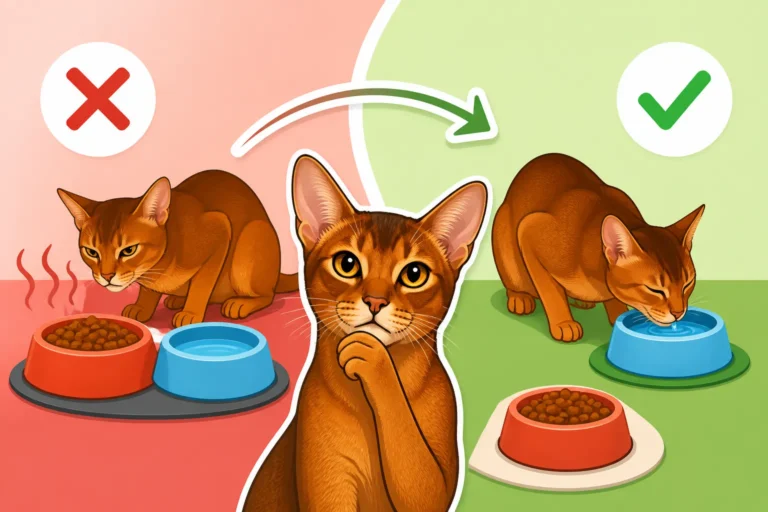
You might think that leaving a full bowl of dry kibble out all day would satisfy your Abyssinian, but for many, it actually has the opposite effect. Instead of eating until full, some Abyssinians, when faced with an unending supply, become grazers. They'll eat a little bit, then wander off, come back for another few bites, and so on. This can be problematic for several reasons. Firstly, it makes it incredibly difficult to track their actual intake, which, as we discussed, is crucial for monitoring their health. Secondly, constant access to food can lead to overeating and weight gain in some individuals, despite their high energy.
More importantly, it removes the "hunt" and the satisfaction of a meal. For a highly intelligent and active cat like an Abyssinian, the challenge of getting food is often as important as the food itself. A constantly full bowl means no mental stimulation related to feeding, potentially leading to boredom and a lack of fulfillment that can manifest in other ways. This is Why a Full Bowl Turns an Abyssinian Into a Grazer and moving to scheduled, portioned meals, especially with puzzle feeders, is often a much better strategy for their overall well-being.
When to Be Concerned About Changes in Appetite
While an Abyssinian's robust appetite is normal, any significant or sudden change should always be taken seriously. If your Abyssinian, who usually greets their meal with unbridled enthusiasm, suddenly turns up their nose at food, eats significantly less, or seems unusually reluctant to approach their bowl, it's a cause for concern. A decreased appetite can be a symptom of a wide range of underlying health issues, from dental pain to kidney disease or a gastrointestinal upset.
Conversely, a sudden and dramatic increase in appetite, especially if accompanied by weight loss despite increased eating, could also signal a problem, such as hyperthyroidism or diabetes. Don't dismiss changes as "just a phase" or "pickiness." Given their tendency to hide illness, a change in appetite is one of the most visible indicators that something might be wrong. A prompt veterinary check-up is always recommended to rule out any medical conditions. Regular dental care, as covered in How Often an Abyssinian Needs Its Teeth Cleaned, can also prevent appetite loss due to oral pain.
The Impact of Environment and Stress on Eating Habits
An Abyssinian's highly sensitive and intelligent nature means they can be easily affected by changes in their environment or routine. Stress, anxiety, or even boredom can manifest in changes to their eating habits. A new pet, a move to a new home, changes in your work schedule, or even loud noises can disrupt their sense of security and lead to either a decreased appetite or, occasionally, stress-induced overeating.
Ensuring a stable, enriching environment is crucial. Provide plenty of vertical space, interactive toys, and consistent routines to help them feel secure. If your Abyssinian is suddenly eating less, consider if any recent changes in their household could be causing stress. Sometimes, addressing the environmental stressor can bring their appetite back to normal. If they seem bored, try introducing new puzzle toys or increasing interactive play sessions. A happy, stimulated Abyssinian is typically a well-eating Abyssinian. You can also explore Why an Abyssinian Asks for Food It Does Not Need in some situations, which can be linked to seeking attention or boredom rather than true hunger.
In summary, your Abyssinian's seemingly enormous appetite isn't a flaw; it's a testament to their vibrant energy, athletic build, and high metabolism. By understanding these unique needs and implementing smart feeding strategies, you can ensure your little lion remains as healthy and playful as ever.
Disclaimer
This article is for general informational purposes only and does not constitute professional advice. Laws, prices and regulations vary by location and change over time. Consult a qualified professional for guidance on your specific situation.