How to Brush an Abyssinian’s Teeth From Day One
One of the most common frustrations Abyssinian owners face is the battle against dental disease, which seems to plague these energetic cats far too early in life. You bring home this vibrant, playful kitten, full of boundless energy, only to learn that their little mouth might be a ticking time bomb for gum issues. It can feel overwhelming, especially when you're told they need regular dental care from the start, and you're left wondering how on earth you're supposed to brush a cat's teeth! This comprehensive guide is here to walk you through everything you need to know about setting up a successful dental hygiene routine for your Abyssinian, starting the moment they arrive home. We'll cover why it's so important for this breed, the right tools to use, step-by-step techniques, and how to make it a positive experience for both of you.
Understanding the Abyssinian's Unique Dental Challenges
Abyssinians, for all their athletic grace and stunning ticked coats, are unfortunately prone to certain dental issues that often manifest much younger than in other breeds. It’s not just about bad breath; it's about their overall health and quality of life. Understanding these predispositions is the first step in protecting your furry friend.
Why Abyssinian Gum Trouble Starts at Six Months
It often comes as a shock to new Abyssinian owners when their kitten, barely past the playful stage of five or six months, starts showing signs of gum inflammation. This isn't just a coincidence; it's a recognized predisposition in the breed called juvenile gingivitis or juvenile periodontitis. Instead of the typical pink, healthy gums you'd expect in a young cat, you might notice a distinct red line along the gumline, particularly around the molars, and sometimes even the beginnings of swollen tissue.
This condition is sometimes referred to as Why an Abyssinian Kitten's Gums Fail at Six Months. What happens is that some Abyssinians develop an exaggerated inflammatory response to the plaque and bacteria that naturally accumulate on their teeth. Their immune system, instead of just dealing with the minor bacterial presence, overreacts, leading to significant inflammation. This means even a tiny amount of plaque can trigger a more severe response than it would in another cat. The gums can become so irritated and swollen that they actually start to overgrow the tooth, creating little pockets where more food and bacteria get trapped, making the problem worse. This cycle makes it incredibly difficult to keep the area clean with just a toothbrush once it's established, which is why early intervention is so crucial.
The Long-Term Impact of Untreated Dental Issues
Ignoring those early signs of redness in your Abyssinian's mouth can lead to a cascade of more serious problems down the road. It’s not just about a sore mouth; chronic dental disease affects their entire body. Gingivitis, if left unchecked, will inevitably progress to periodontitis, which means the inflammation has spread beyond the gums to affect the supporting structures of the teeth – the ligaments and bone that hold them in place.
When this happens, the damage is often irreversible. Your Abyssinian could experience painful tooth resorption, where the tooth structure breaks down from the inside out, or develop abscesses that can cause severe pain and even lead to systemic infections. Imagine living with a constant toothache, or having difficulty eating because every bite sends a jolt of pain through your jaw. This can lead to weight loss, reluctance to play, and a general decline in their vibrant personality. Eventually, these teeth will loosen and fall out, or require costly extractions under anesthesia. Beyond the mouth, chronic inflammation from dental disease has been linked to issues in organs like the heart and kidneys, as bacteria from the mouth can enter the bloodstream. This is why investing in preventive dental care from day one is not just about their teeth; it's about safeguarding their overall health and ensuring they can enjoy their full, active life for years to come. Many owners learn that Why Abyssinian Dental Work Is the Biggest Line in the Budget precisely because of these long-term consequences.
Gathering Your Dental Arsenal: Tools for Success
Before you even think about putting a brush in your Abyssinian's mouth, you need the right tools. Just like you wouldn't use a toothbrush meant for a human on a cat, selecting the appropriate supplies is paramount for effectiveness and comfort. Using the wrong tools can make the experience unpleasant for your cat and less effective for their dental health.
Choosing the Right Toothbrush for Your Abyssinian
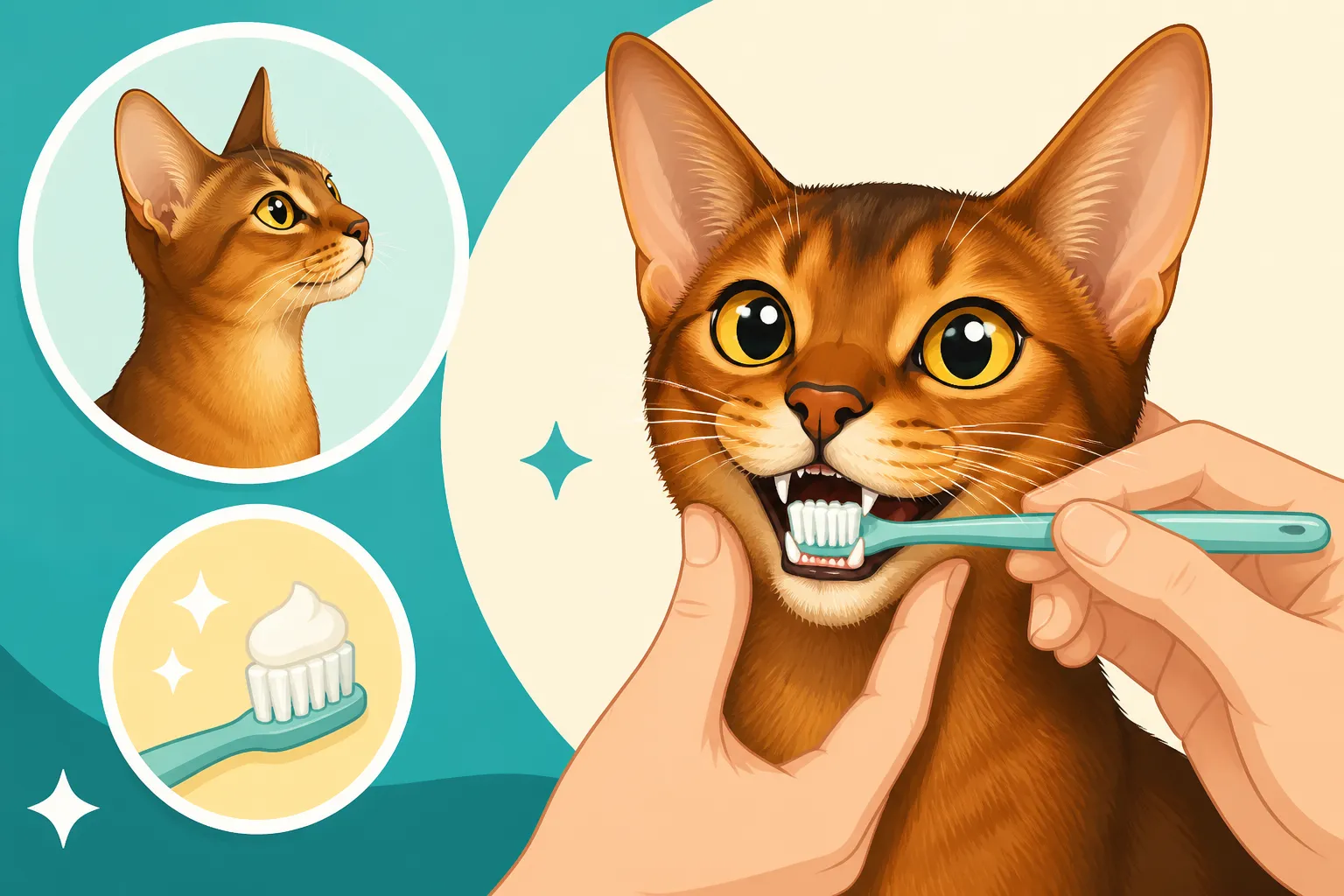
When it comes to brushing your Abyssinian's teeth, size and bristle softness truly matter. Forget about your own toothbrush; those bristles are far too stiff and the head too large for a cat’s delicate mouth. The ideal cat toothbrush will have a small head that can comfortably reach all surfaces of their small teeth, especially the back molars, and ultra-soft bristles that won't irritate their sensitive gums.
There are a few popular options that work well for Abyssinians:
- Finger brushes: These are small, thimble-like brushes that fit over your fingertip. They offer excellent control and direct contact, which can be great for starting with kittens as it feels less invasive than a full brush. However, they might not be as effective at reaching every nook and cranny as a proper brush.
- Small, angled toothbrushes: These brushes are specifically designed for pets, often featuring a long handle, a small head, and an angle that helps navigate the contours of a cat's mouth. The bristles are usually much softer than human toothbrushes.
- Dual-headed brushes: Some pet toothbrushes come with two different sized heads, one on each end, allowing you to choose the best fit for different areas of your Abyssinian's mouth.
You can often find a good variety of these options at your local pet store or through online retailers like Amazon or Chewy. Experimenting with a couple of different styles might be necessary to see which one your Abyssinian tolerates best. The goal is to find a brush that allows you to be thorough without causing discomfort or stress. Remember, consistency is key, and an appropriate brush makes that much easier to achieve.
Selecting a Safe and Effective Toothpaste
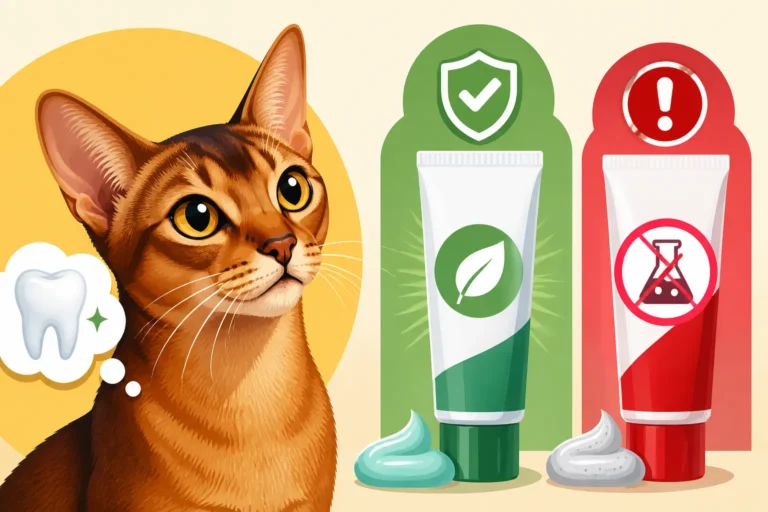
This is critical: never use human toothpaste on your Abyssinian. Human toothpaste contains fluoride, which is toxic to cats if swallowed, and they will swallow it. It also often contains foaming agents and artificial sweeteners that can upset their stomach. Cat-specific toothpaste, on the other hand, is formulated to be swallowed safely.
These enzymatic toothpastes work by breaking down plaque and tartar even after you've finished brushing, offering an extra layer of protection. They come in various appealing flavors like poultry, seafood, or malt, which can make the brushing experience much more tolerable, or even enjoyable, for your cat. Imagine trying to get a cat to tolerate mint toothpaste – it's a non-starter!
When choosing a toothpaste, look for veterinary-approved brands that explicitly state they are safe for pets. Brands like Virbac C.E.T. or Petrodex are popular and widely available. The flavor is a huge factor in acceptance, so don't be afraid to try a couple of different ones to find your Abyssinian's favorite. A positive association with the taste of the toothpaste can be a game-changer in establishing a long-term routine. You'll want to ensure you have a good supply, readily available on platforms like Chewy, so you never run out.
Other Helpful Dental Aids
While brushing is the gold standard, there are a few other aids that can supplement your efforts, especially if you're dealing with a particularly resistant Abyssinian or want to add extra layers of protection. However, it's vital to understand that these are supplements and not replacements for daily brushing.
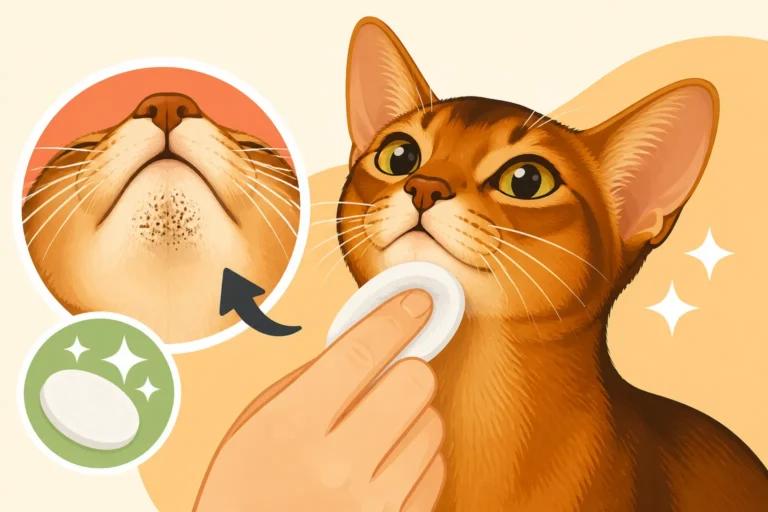
- Dental Wipes: These are textured wipes that you can wrap around your finger to gently rub plaque off the surfaces of your cat's teeth. They are a good stepping stone for cats who aren't ready for a toothbrush, or for quick clean-ups between full brushing sessions. They offer mechanical abrasion but often lack the enzymatic power of toothpaste.
- Oral Rinses/Additives: Some veterinary dental rinses or water additives contain antiseptic ingredients to help reduce bacteria in the mouth. These can be particularly useful for Abyssinians prone to severe gingivitis. Water additives are simply put into their drinking water, making it a passive way to improve oral hygiene, but their efficacy can vary, and they don't replace the physical removal of plaque. You should always discuss the use of any oral rinses or water additives with your veterinarian to ensure they are appropriate for your cat and won't interact with any existing conditions.
- Dental Sprays: These sprays can be used directly on the teeth and gums. They often contain enzymes or other ingredients designed to help reduce plaque and freshen breath. They can be easier to administer than brushing for some cats, but again, they lack the mechanical cleaning action of a brush.
Think of these as reinforcements for your main strategy. They can buy you a little extra time or help maintain cleanliness, but the physical action of brushing with an enzymatic toothpaste is truly the most effective method for controlling plaque and preventing the progression of dental disease in an Abyssinian.
The Step-by-Step Guide to Brushing an Abyssinian's Teeth
The thought of brushing a cat's teeth can seem daunting, akin to wrestling a tiny, furry tiger. But with patience, positive reinforcement, and a gradual approach, it's absolutely achievable, especially with an Abyssinian, who are generally intelligent and can be clicker trained for a variety of tasks. Starting young is the key to success.
Starting Early: Acclimating Your Kitten to Dental Care
The absolute best time to start introducing dental care is when your Abyssinian is a kitten, ideally as soon as you bring them home at 12-16 weeks. Their milk teeth will eventually fall out, but this early exposure builds a positive association and makes the transition to adult teeth care seamless. Don't wait until they're older and already have established plaque or pain; that only makes the process more challenging.
Here’s a gentle approach:
- Phase 1: Touch and Treat (Days 1-7): Begin by simply touching your kitten's face and lips. As they tolerate it, gently lift their lip for a second or two. Immediately follow with a tiny, high-value treat (like a lick of wet food, a bit of plain cooked chicken, or a cat-specific treat from Chewy). Do this several times a day for short sessions. The goal is to create a positive association: "mouth touch equals yummy reward." Keep sessions brief – literally seconds long – to avoid overwhelming them.
- Phase 2: Introduce the Taste (Days 7-14): Once your kitten is comfortable with you touching their mouth, put a tiny dab of cat toothpaste on your finger. Let them lick it off. Repeat this several times a day. If they enjoy the taste, you're halfway there! This helps them associate the toothpaste itself with a pleasant experience.
- Phase 3: Finger Brushing (Days 14-21): Now, put a tiny dab of toothpaste on your finger (or a finger brush) and gently rub it along their gumline, focusing on the outside surfaces of their teeth. Don't worry about getting every tooth; just get them used to the sensation. Again, keep it super short, just a few seconds, and follow immediately with a treat.
- Phase 4: Introduce the Brush (Week 4 onwards): Once they tolerate your finger, transition to the actual toothbrush with a dab of toothpaste. Start by just touching the brush to their teeth for a second, then treat. Gradually increase the time the brush is in their mouth.
Consistency is crucial. Aim for at least one short session every day. If you miss a day, don't fret, just pick up where you left off. The more relaxed and positive you are, the more relaxed your Abyssinian will be. Remember, this is a marathon, not a sprint, and patience will pay off immensely.
Mastering the Brushing Technique
Once your Abyssinian is acclimated to having a toothbrush in their mouth, it's time to refine your technique to ensure you're actually cleaning effectively. The good news is, you don't need to brush the inside surfaces of their teeth. Cats' tongues and saliva naturally keep the inner surfaces relatively clean, and most dental disease starts on the outer surfaces.
Here's how to do it:
- Positioning is Key: Gently cradle your Abyssinian. Some cats prefer to be held on a lap, others on a table, or even standing on the floor. Find a position where they feel secure and you have good access to their mouth. You might gently hold their head with one hand while brushing with the other.
- Lift the Lip: With your non-brushing hand, gently lift their upper lip to expose the outer surfaces of their teeth and gums. Don't force their mouth open wide; you're just accessing the outside.
- Angle the Brush: Hold the toothbrush at a 45-degree angle to the tooth surface, with the bristles pointing towards the gumline. This angle allows the bristles to gently clean both the tooth surface and just under the gumline where plaque often accumulates.
- Gentle Circular Motions: Use small, gentle circular motions to brush each tooth. Focus on one or two teeth at a time before moving on. Pay particular attention to the canine teeth (the long fangs) and the large molars at the back of their mouth, as these are often hot spots for plaque buildup.
- Target All Areas: Work your way around their mouth, aiming to brush all the outer surfaces of the teeth. Don't forget the upper and lower jaws.
- Keep it Short: For an Abyssinian, even a minute or two of effective brushing is fantastic. If you can only manage 30 seconds initially, that’s a win! Gradually work up to longer sessions as they become more comfortable.
- Reward, Reward, Reward: Immediately after brushing, give praise, a favorite toy, or that high-value treat. End on a positive note, every single time. This reinforces that brushing is a good experience, not a punishment.
Initially, you might only be able to manage a few teeth before your Abyssinian gets squirmy. That’s perfectly fine! Consistency over perfection is the goal. A little bit every day is far more effective than an intense, infrequent struggle.
Making it a Positive Experience
The success of your Abyssinian's dental routine hinges entirely on making it a positive, stress-free experience for them. If it becomes a battle, you’ll both dread it, and consistency will suffer. Abyssinians are smart and sensitive to your mood, so approaching dental care with calm confidence is essential.
Here are some strategies to foster a positive experience:
- Patience is a Virtue: Rushing or forcing your Abyssinian will only create negative associations and make future sessions harder. If they resist, pause, offer comfort, and try again later or shorten the session. It's better to do a very short, positive session than a long, traumatic one.
- The Power of Treats: High-value treats are your secret weapon. Find something your Abyssinian absolutely adores – whether it's a dollop of squeeze treat, a piece of cooked salmon, or their favorite crunchy snack. Offer it immediately after each step of the process, especially after the brushing itself. This builds a strong positive reinforcement loop.
- Vocal Praise and Affection: Your voice can be incredibly soothing. Use a calm, happy tone throughout the process. Pet and praise your Abyssinian generously. Let them know they are being a good cat.
- Consistency and Routine: Cats thrive on routine. Try to brush their teeth at the same time each day, perhaps before a meal or a favorite play session. This helps them anticipate what's coming and reduces anxiety.
- Choose the Right Environment: Find a quiet, comfortable space free from distractions. Avoid noisy areas or times when other pets or family members might interrupt.
- Read Your Cat's Body Language: Pay close attention to your Abyssinian's signals. Are their ears flattened? Are they struggling to get away? Are they growling or hissing? If you see clear signs of distress, back off and reassess your approach. A relaxed cat is much more cooperative.
- Keep Sessions Short: Especially in the beginning, shorter sessions are better. A few seconds of effective brushing followed by a treat is more valuable than a prolonged struggle that leaves both of you stressed. You can gradually increase the duration as your Abyssinian's comfort level grows.
By prioritizing their comfort and making dental care a rewarding experience, you're not just cleaning their teeth; you're strengthening your bond and teaching them a valuable life skill that will contribute to their well-being for years to come.
Beyond Brushing: Complementary Dental Care Strategies
While daily brushing is undoubtedly the cornerstone of your Abyssinian’s dental health, it's not the only thing you can do. A holistic approach that includes diet, appropriate dental products, and regular veterinary check-ups creates the strongest defense against those pesky dental issues this breed is prone to.
The Role of Diet and Dental Chews
What your Abyssinian eats plays a significant, though secondary, role in their dental health. While kibble is often touted as a "dental cleaner," the reality is that most kibble shatters upon impact and offers minimal abrasive action to truly clean the teeth, especially for a cat that swallows rather than chews thoroughly. However, a high-quality, balanced diet does support overall health, which in turn contributes to healthier gums and a stronger immune response.
When considering diet for dental health:
- Wet Food Importance: Incorporating wet food into your Abyssinian's diet is generally beneficial. Not only does it increase hydration (crucial for kidney health, another Abyssinian concern), but some argue that the texture can be less prone to sticking to teeth than certain types of kibble. Plus, it's often more palatable, making it a good carrier for any dental additives you might be using under vet guidance.
- Veterinary Dental Diets: There are prescription dental diets specifically formulated with larger kibble pieces and a unique fiber matrix designed to scrape plaque off the teeth as the cat chews. These can be very effective for cats that readily chew their kibble. Ask your vet if such a diet would be appropriate for your Abyssinian.
- Dental Chews and Treats: Not all dental treats are created equal. Look for dental treats that carry the Veterinary Oral Health Council (VOHC) seal of acceptance. This seal means the product has been scientifically proven to reduce plaque and/or tartar. These treats are designed with specific textures and ingredients to provide some mechanical cleaning and can be a good supplement to brushing, especially as a positive reinforcement tool. You can find these VOHC-approved treats at most pet supply stores or online through retailers like Amazon and Chewy. Just remember, they are treats, and their calorie content needs to be factored into your Abyssinian's daily intake.
Always discuss any dietary changes or the introduction of dental products with your veterinarian to ensure they are suitable for your individual cat's needs and health status.
Professional Dental Cleanings and Their Importance
Even with the most diligent home brushing routine, professional veterinary dental cleanings are an essential part of an Abyssinian's long-term oral health plan. Just like humans need their teeth professionally cleaned, cats accumulate tartar that can only be removed effectively by a veterinarian under anesthesia. For a breed prone to early gum issues, this becomes even more critical. Many Abyssinians will need their first professional cleaning surprisingly young, sometimes by the age of two or three.
During a professional dental cleaning, your veterinarian will:
- Perform a Thorough Oral Exam: This often includes dental X-rays to assess the health of the teeth below the gumline, an area where significant problems can hide unseen.
- Scale and Polish: Using specialized tools, the vet will meticulously remove all plaque and tartar from every tooth surface, both above and below the gumline. This is followed by polishing to smooth the tooth surface, making it harder for new plaque to adhere.
- Address Existing Issues: Any teeth with significant disease, resorption, or fractures will be addressed, which may involve extractions. This is crucial for relieving pain and preventing further infection.
The frequency of these cleanings will depend on your Abyssinian's individual needs, their genetic predisposition, and the effectiveness of your home care. Some Abyssinians might need annual cleanings, while others might go longer. Your vet will be able to recommend a schedule based on their assessment. It's a significant expense, but it's an investment in your cat's comfort and longevity. Many owners are surprised to learn that What an Abyssinian Dental Cleaning Costs, but the cost of treating severe, untreated dental disease down the line is almost always higher.
Recognizing Signs of Dental Trouble
Being proactive about your Abyssinian's dental health means knowing what to look for between vet visits and brushing sessions. Abyssinians are notoriously good at hiding pain and discomfort, so subtle signs can be easily missed. However, catching issues early can make a huge difference in treatment outcomes and minimize suffering.
Here are some key indicators of potential dental trouble:
- Bad Breath (Halitosis): While "cat breath" is normal, a strong, foul odor is not. It's a primary indicator of bacterial overgrowth and dental disease.
- Red, Swollen, or Bleeding Gums: Inspecting the gumline is crucial. Healthy gums are pink, not red or swollen. Any bleeding, even slight, is a red flag. Remember When an Abyssinian Kitten's Gums First Go Red is often around six months.
- Difficulty Eating or Dropping Food: If your Abyssinian suddenly becomes pickier about food, chews on one side of their mouth, drops kibble, or shows a preference for wet food over dry, it could be due to oral pain.
- Excessive Drooling: More drooling than usual, sometimes tinged with blood, can indicate discomfort or infection in the mouth.
- Pawing at the Mouth or Face Rubbing: While sometimes a sign of contentment, excessive pawing at their mouth or rubbing their face against furniture could mean they're trying to alleviate pain.
- Tartar Buildup: Yellow or brown crusty deposits on the teeth, especially near the gumline, are obvious signs of tartar.
- Changes in Behavior: A normally energetic Abyssinian might become quieter, less playful, or more irritable if they are in pain. Any sudden change in their vibrant personality warrants investigation.
- Weight Loss: In severe cases, chronic pain from dental disease can lead to a reduced appetite and subsequent weight loss.
Make it a habit to do a quick visual check of your Abyssinian's mouth regularly, perhaps when you're petting them or during your weekly grooming session. Early detection of these signs allows for prompt veterinary intervention, potentially saving your cat from significant pain and more extensive, costly treatments.
Troubleshooting and Common Challenges
Even with the best intentions and the right tools, brushing an Abyssinian's teeth isn't always smooth sailing. They are independent creatures, and sometimes their strong will can make dental care feel like an impossible task. But don't despair; there are ways to work through common challenges and keep their pearly whites healthy.
Dealing with a Reluctant Abyssinian
Let's be honest, not every Abyssinian is going to purr happily through their dental routine. Some are simply more resistant, even if you started early and used all the positive reinforcement tricks in the book. If your Abyssinian is giving you a hard time, it's important not to give up, but to adjust your approach.
Here are some strategies for a reluctant Abyssinian:
- Revisit the Basics: If your cat has become resistant, go back to square one. Re-introduce gentle mouth touching, focusing purely on positive associations with treats and praise, without any brushing involved. Gradually reintroduce the toothpaste, then the brush, taking it as slow as your cat needs. This might take days or even weeks.
- Shorten Sessions Drastically: Even if you can only get one or two teeth brushed before they protest, that’s better than nothing. Aim for consistency in frequency rather than duration. Multiple tiny, positive interactions are more effective than one long, stressful one.
- Try Different Times: Is your Abyssinian too playful or too sleepy? Experiment with different times of day to find when they are most relaxed and receptive. Some cats are more cooperative when they're a little hungry, just before a meal.
- Change Your Positioning: If holding them still is an issue, try a different setup. Some cats do better on a counter, others in a laundry basket with a towel for support, or wrapped gently in a towel (a "purrito") to limit movement without restraining too tightly. The goal is to make them feel secure, not trapped.
- Enlist Help: If you have another person in the household, see if they can help gently hold or distract your Abyssinian while you brush. Just make sure the helper is also calm and patient.
- Consult Your Vet: If resistance is severe, or if you suspect pain is the underlying cause, consult your veterinarian. They can offer advice on handling techniques, rule out any painful dental issues that might be making brushing uncomfortable, and recommend alternative dental care solutions if brushing truly isn't possible.
Remember, every step forward, no matter how small, is a victory. The key is perseverance and adapting your approach to your Abyssinian's unique personality.
Addressing Specific Dental Issues
Sometimes, despite your best efforts with home care, specific dental issues might crop up or persist in your Abyssinian. These are common for the breed and often require veterinary intervention beyond daily brushing. Understanding these issues can help you know when to seek professional help.
- Juvenile Gingivitis/Periodontitis: As discussed, this is a common problem in young Abyssinians, where their gums become severely inflamed. If your cat's gums are very red, swollen, or bleeding, even with brushing, they need a vet check. Treatment might involve a professional cleaning under anesthesia, and possibly a gingivectomy in severe cases of gum overgrowth, as mentioned in What a Gingivectomy Involves for an Abyssinian. Your vet might also prescribe anti-inflammatory medications or specific oral rinses to manage the inflammation.
- Tooth Resorption: This incredibly painful condition, where parts of the tooth structure are eroded, is common in cats, including Abyssinians. It often occurs below the gumline and is only visible on dental X-rays. Signs might include increased sensitivity, drooling, or a reluctance to eat. If your vet suspects tooth resorption, the affected teeth almost always need to be extracted to alleviate pain.
- Fractured Teeth: Active Abyssinians, with all their climbing and jumping, can sometimes fracture a tooth, especially if they chew on hard toys or objects. A fractured tooth exposes the sensitive pulp, leading to pain and infection. These teeth often require extraction or root canal therapy.
- Retained Deciduous (Baby) Teeth: Sometimes a kitten's baby teeth don't fall out when the adult teeth erupt. This creates overcrowding, trapping food and bacteria, and leading to early dental disease. Your vet will usually remove these retained baby teeth during spay/neuter surgery or during a separate, early dental procedure.
For any persistent redness, bad breath, changes in eating habits, or visible signs of dental problems, a trip to the vet is absolutely necessary. Don't wait, as early intervention can prevent much suffering and more complex, expensive treatments later on. Your veterinarian is your primary partner in managing your Abyssinian's dental health, able to provide the diagnostics and treatments that home care simply cannot.
| Dental Care Strategy | Description | Benefits | Frequency & Importance |
|---|---|---|---|
| Daily Tooth Brushing | Mechanical removal of plaque and food debris using a cat-specific toothbrush and enzymatic toothpaste. | Prevents plaque buildup, reduces gingivitis, freshens breath, best defense against dental disease. | Daily (Critical) for Abyssinians, starting as kittens. |
| VOHC-Approved Dental Treats | Treats with specific textures and ingredients scientifically proven to reduce plaque/tartar. | Supplements brushing, provides mechanical abrasion, good for positive reinforcement. | Daily, but always consider calorie intake. Not a substitute for brushing. |
| Veterinary Dental Diets | Prescription kibble with larger size and unique fiber matrix for plaque scraping. | Can significantly reduce plaque and tartar accumulation for cats who chew. | Daily, if prescribed by vet. |
| Oral Rinses/Water Additives | Products with antiseptic ingredients to reduce oral bacteria, added to water or applied directly. | Can help reduce bacterial load and freshen breath. | Daily, as directed by vet. Least effective alone; best as supplement. |
| Professional Cleanings | Full dental exam under anesthesia, including X-rays, scaling (above/below gumline), polishing, and extractions if needed. | Removes hardened tartar, addresses subgingival disease, crucial for long-term oral health and pain relief. | Annually or Bi-annually (Essential) for Abyssinians, depending on individual needs. |
Disclaimer
This article is for general informational purposes only and does not constitute professional advice. Laws, prices and regulations vary by location and change over time. Consult a qualified professional for guidance on your specific situation.