What a Gingivectomy Involves for an Abyssinian
One of the most heart-wrenching realities for Abyssinian cat guardians is facing the unique dental challenges this active breed can present. You might notice your energetic companion becoming a bit more hesitant with their food, or perhaps you've spotted an alarming redness along their gum line, especially if they're still a young kitten. These subtle shifts can be the first whispers of a significant problem: severe gingivitis that sometimes escalates to gum overgrowth, necessitating a procedure like a gingivectomy. This guide will walk you through exactly what a gingivectomy involves for an Abyssinian, from understanding why it's needed to the recovery process and crucial long-term care.
Understanding Abyssinian Gum Health Challenges
Abyssinians are known for their vibrant energy and playful antics, but beneath that sleek, ticked coat lies a predisposition to certain health issues, and their dental health is surprisingly high on that list. Unlike some other breeds, Abyssinians can suffer from aggressive gum conditions that require proactive and sometimes invasive treatment. It's a frustration many owners share—how can such a dynamic cat have such delicate gums?
The Uniqueness of Abyssinian Juvenile Gingivitis
One of the most common and perplexing issues Abyssinians face is juvenile gingivitis. This isn't just a bit of red gum; it's an inflammatory condition that can strike kittens as young as six months old. While most cats develop gingivitis due to plaque and tartar buildup, juvenile gingivitis in Abyssinians often presents even when their teeth are relatively clean. It's thought to be an exaggerated inflammatory response to normal oral bacteria, compounded by genetic factors inherent to the breed. It’s a cruel twist, as these young, vibrant cats are just coming into their own, and suddenly they're dealing with painful, swollen gums that can make eating uncomfortable and playtime less enthusiastic. Understanding how juvenile gingivitis starts in an Abyssinian kitten is the first step in addressing this unique challenge. If left unchecked, this inflammation can quickly lead to painful, overgrown gum tissue.
Recognizing the Early Signs of Gum Overgrowth
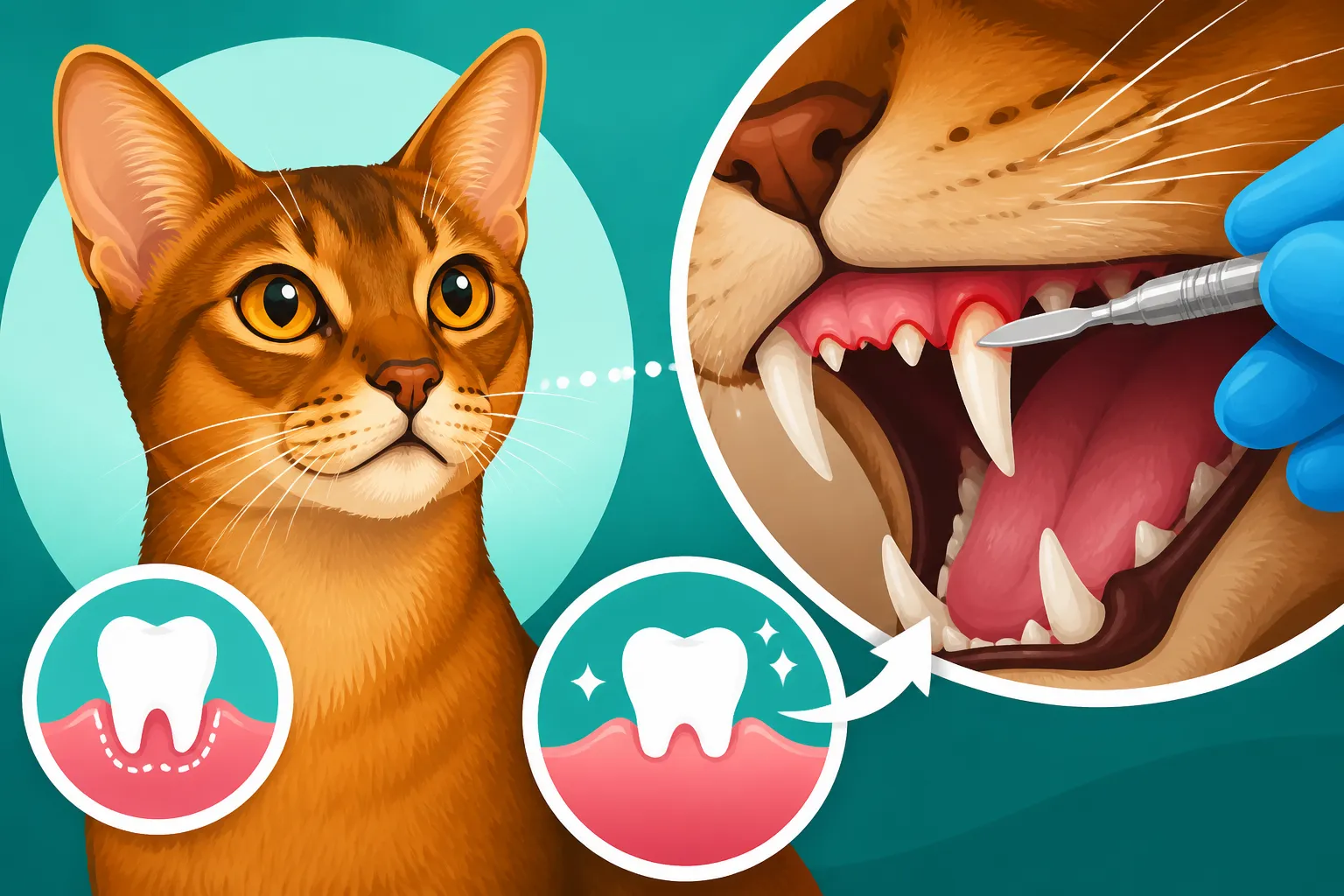
As juvenile gingivitis progresses, it can lead to a condition known as gingival hyperplasia or gum overgrowth. This is where the gum tissue actually starts to swell and grow, sometimes to the point where it begins to cover the teeth themselves. Imagine your cat's teeth disappearing behind puffy, angry-looking gums. It’s not just aesthetically concerning; this excess tissue creates pockets where food particles and bacteria can easily get trapped, leading to further inflammation, infection, and eventually, periodontal disease. Early signs can be subtle: a slight redness at the gum line, mild bad breath, or perhaps a reluctance to chew on hard toys. As it worsens, you might see visibly swollen, bright red gums, bleeding when your cat eats or plays, and even drooling. Your cat might start to prefer wet food over kibble, or even drop food from their mouth because chewing is just too painful.
The Progression to More Severe Periodontal Disease
If the gum overgrowth and inflammation are allowed to continue without intervention, the situation can escalate dramatically. The persistent bacterial infection under the overgrown gums doesn't just stay superficial; it begins to attack the structures supporting the teeth. This can lead to periodontal disease, which includes bone loss around the teeth, root exposure, and eventually, tooth mobility and loss. It's a truly heartbreaking path, as your lively Abyssinian can end up losing teeth younger than most cats, suffering chronic pain, and even systemic health issues if the infection spreads. This is why early recognition and treatment, including procedures like a gingivectomy, are so incredibly important for the long-term health and comfort of your beloved Abyssinian.
When a Gingivectomy Becomes Necessary
Deciding on surgery for your cherished pet is never an easy choice, but for many Abyssinians suffering from severe gum overgrowth, a gingivectomy offers the most effective, and often only, path to lasting relief and improved oral health. It's a procedure aimed at surgically removing the excess gum tissue that has become problematic.
Diagnosis and Assessment by Your Vet
The journey to a gingivectomy typically begins with a thorough dental examination by your veterinarian. They’ll likely perform a conscious oral exam, noting any visible redness, swelling, or signs of gum tissue covering the teeth. However, the true extent of the problem often lies beneath the surface. To get a complete picture, a dental examination under anesthesia, complete with full-mouth dental X-rays, is usually necessary. This allows your vet to probe the gum pockets, assess bone health, and identify any hidden issues like tooth resorption which is also unfortunately common in Abyssinians.
During this assessment, your vet will evaluate the severity of the gingival hyperplasia. They'll look for specific signs such as:
- Pseudopocketing: The formation of deep pockets between the gum and tooth, caused by the overgrowth, which traps food and bacteria.
- Chronic inflammation: Persistent redness and swelling of the gum tissue, often unresponsive to routine cleanings.
- Impaired chewing: Difficulty or pain when eating, leading to weight loss or changes in food preference.
- Halitosis: Persistent bad breath, a clear sign of bacterial overgrowth.
Based on these findings, and considering the specific challenges of Why an Abyssinian's gums overgrow its teeth, your vet will determine if a gingivectomy is the appropriate course of action. They'll discuss the risks and benefits, ensuring you understand why this particular intervention is recommended for your Abyssinian's unique situation.
Why Conservative Treatments Might Not Be Enough
It's natural to hope for a less invasive solution. Many owners ask about special diets, gels, or even antibiotics as alternatives. While regular dental cleanings are crucial for all cats, and especially for Abyssinians, they often aren't sufficient to address established gingival hyperplasia.
- Dental Cleanings: While a professional dental cleaning (scale and polish) removes plaque and tartar, it cannot remove excess gum tissue. In cases of severe overgrowth, the cleaning itself might be difficult or incomplete due to the tissue covering the tooth surface.
- Antibiotics: Antibiotics can help control secondary bacterial infections, but they don't resolve the underlying issue of excess tissue. The inflammation will likely return once the antibiotics are stopped, as the anatomical problem remains.
- Topical Gels/Rinses: These can sometimes help manage mild gingivitis, but they are generally ineffective against significant gum overgrowth that physically obstructs teeth and creates deep pockets.
- Home Dental Care: Brushing your Abyssinian's teeth from day one is essential for prevention and general oral hygiene, but once hyperplasia is severe, brushing becomes painful and ineffective. It simply cannot reduce the overgrown tissue. This is why toothbrushing fails on an untreated Abyssinian with significant gum overgrowth.
For many Abyssinians, particularly those with genetic predispositions to severe juvenile gingivitis, a gingivectomy offers a definitive solution that conservative approaches cannot. It physically removes the problem tissue, restoring a healthy gum contour and eliminating the deep pockets where disease thrives.
Preparing Your Abyssinian for Surgery
Once a gingivectomy is deemed necessary, your veterinary team will guide you through the preparation process. This typically involves several key steps to ensure your Abyssinian is as healthy as possible for the procedure:
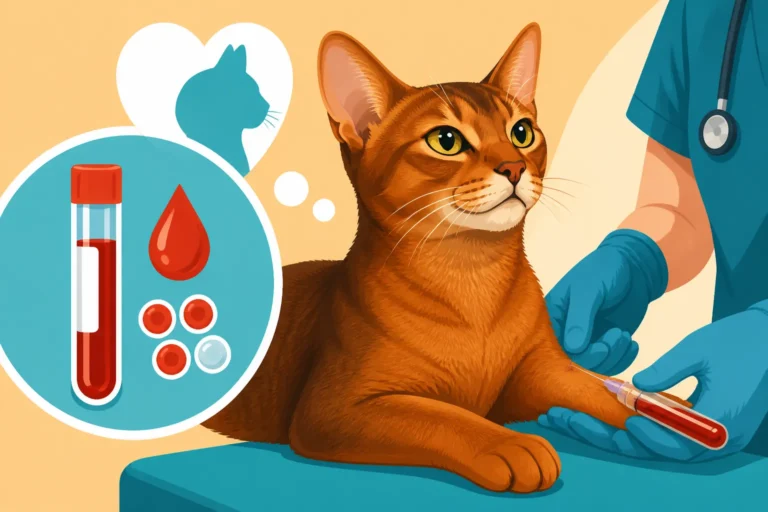
- Pre-anesthetic Blood Work: This is crucial to assess organ function (especially kidney and liver) and ensure your cat can safely metabolize anesthetic agents. Given the Abyssinian's potential for kidney issues, this step is particularly important.
- Fasting Instructions: You'll receive specific instructions on when to withhold food and water before the surgery to prevent aspiration during anesthesia.
- Medication Review: Discuss any current medications your Abyssinian is taking with your vet. Adjustments might be needed.
- Discussion of Risks: Your vet will explain the general risks of anesthesia and surgery, as well as those specific to a gingivectomy, such as bleeding, swelling, or potential recurrence.
- Financial Planning: Dental procedures, especially surgical ones, can be a significant expense. It's wise to discuss the estimated costs upfront. This is where pet insurance, like a plan from Healthy Paws, can be incredibly beneficial, helping to mitigate the financial burden of unexpected surgical needs. Understanding what Abyssinian dental work is the biggest line in the budget can help you plan ahead.
On the day of surgery, your Abyssinian will be admitted to the clinic, usually in the morning. The team will ensure they are calm and comfortable before beginning the procedure.
The Gingivectomy Procedure Itself
A gingivectomy might sound intimidating, but it's a routine dental procedure performed by veterinary professionals. Knowing what happens step-by-step can help ease your concerns and prepare you for your Abyssinian's experience.
Anesthesia and Monitoring
Before any incisions are made, the most critical step is ensuring your Abyssinian is safely and comfortably under general anesthesia. This isn't just a simple sedative; it's a carefully managed process where your cat's vital signs are continuously monitored by a dedicated veterinary nurse or technician.
- Pre-medication: Your Abyssinian will first receive a pre-medication injection to help them relax and provide initial pain relief.
- Induction: A short-acting anesthetic is then administered intravenously to allow for the placement of an endotracheal tube, which secures their airway and delivers inhalant anesthetic gas.
- Anesthesia Maintenance: Throughout the entire procedure, the inhalant anesthetic gas maintains a steady plane of anesthesia, keeping your cat deeply asleep and pain-free.
- Constant Monitoring: This is where the experienced veterinary team shines. They'll be watching a multitude of parameters on advanced monitoring equipment:
- Heart Rate and Rhythm (ECG): To detect any abnormalities in cardiac function.
- Respiratory Rate and End-tidal CO2: To ensure adequate breathing and carbon dioxide expulsion.
- Blood Pressure: To maintain healthy circulation to all organs.
- Oxygen Saturation (Pulse Oximetry): To confirm sufficient oxygen levels in the blood.
- Body Temperature: Cats can get cold under anesthesia, so warming devices like circulating water blankets are used.
This meticulous approach minimizes risks associated with anesthesia and ensures your Abyssinian's safety and comfort from start to finish. It's a key part of what happens during an Abyssinian's dental under anesthetic, whether for a routine cleaning or a surgical procedure like a gingivectomy.
The Surgical Technique for Removing Excess Gum Tissue
Once your Abyssinian is safely anesthetized, the actual gingivectomy can begin. The goal is to carefully and precisely remove the overgrown gum tissue, reshaping the gum line to its natural contour and eliminating those problematic pockets.
- Initial Assessment: The veterinary dentist or surgeon will first perform a final visual and tactile assessment of the gums, using a dental probe to measure pocket depths and identify all areas requiring intervention.
- Surgical Incision: Using a specialized scalpel blade, electrosurgery unit, or even a dental laser, the vet makes precise incisions to remove the excess gum tissue. The technique chosen depends on the extent of the overgrowth and the surgeon's preference.
- Scalpel: This offers precision and control, allowing for clean tissue removal.
- Electrosurgery: This uses a high-frequency electrical current to cut and cauterize tissue simultaneously, reducing bleeding.
- Dental Laser: Lasers can offer very precise cutting, minimal bleeding, and sometimes less post-operative swelling and pain.
- Reshaping the Gums: The vet meticulously sculpts the gum line to create a natural, healthy contour around each affected tooth. This is crucial not only for aesthetics but, more importantly, to prevent the re-formation of deep pockets.
- Root Planing (if necessary): Once the excess gum tissue is removed, the root surfaces of the exposed teeth can be thoroughly cleaned and smoothed to remove any plaque, tartar, or diseased tissue.
- Polishing: The teeth are then polished to create a smooth surface, which helps deter future plaque accumulation.
- Tissue Biopsy: It's common practice for the removed gum tissue, especially if it's significantly abnormal, to be sent to a veterinary pathology lab for analysis. This is to confirm the diagnosis of hyperplasia and rule out any other underlying conditions, such as tumors, which might mimic gum overgrowth. This step, where a gingivectomy sample goes to a lab, provides crucial information for long-term prognosis and care.
The entire process is performed with extreme care, focusing on preserving tooth structure and ensuring a healthy, functional outcome for your Abyssinian.
Post-Procedure Care in the Clinic
After the gingivectomy is complete, your Abyssinian's care continues in the recovery area. The veterinary team will focus on a smooth, comfortable emergence from anesthesia and initial pain management.
- Recovery Monitoring: Your cat will be kept warm and closely monitored as they wake up from anesthesia. The veterinary nurse will continue to track vital signs until they are fully alert and stable.
- Pain Management: A combination of injectable pain medications is typically administered during and immediately after surgery to ensure your Abyssinian is comfortable. Your vet will prescribe oral pain medication to continue at home.
- Antibiotics: Depending on the severity of any pre-existing infection or the extent of the surgery, a course of antibiotics might be prescribed to prevent post-operative infection.
- Discharge Instructions: Before you take your Abyssinian home, the veterinary team will provide detailed discharge instructions. These will cover everything from medication schedules to dietary recommendations and signs to watch out for during recovery. Don't be shy about asking questions—it's vital you feel confident in managing their care at home. This comprehensive overview of care is paramount, especially for complex procedures where a pet insurance provider like Healthy Paws would want thorough documentation.
A successful gingivectomy isn't just about the surgery itself; it's about the entire continuum of care, from pre-op to post-op, ensuring your Abyssinian returns home ready to heal comfortably.
Recovering After an Abyssinian Gingivectomy
Bringing your Abyssinian home after surgery can feel a bit daunting. You’re naturally worried, but with the right care and attention, their recovery can be smooth and relatively quick. The key is to follow your vet's instructions meticulously and provide a calm, supportive environment.
Managing Pain and Discomfort
Your Abyssinian will almost certainly be feeling some soreness after their gingivectomy. The good news is that modern veterinary medicine places a strong emphasis on pain management, ensuring your cat's comfort throughout recovery.
- Prescribed Pain Medication: Your vet will send you home with oral pain medication, usually an anti-inflammatory drug or an opioid. Administer these exactly as directed, even if your cat seems to be acting normally. Staying ahead of the pain is much easier than trying to catch up once they are uncomfortable.
- Observing for Signs of Pain: Cats are masters at hiding pain. Look for subtle signs like:
- Reluctance to eat, especially hard food.
- Paw touching their mouth.
- Drooling or a messy face.
- Lethargy or hiding more than usual.
- Changes in usual playful behavior.
- Vocalization (though Abyssinians are typically less vocal than some breeds).
If you notice any significant signs of discomfort that aren't managed by the prescribed medication, contact your vet immediately. They may need to adjust the dosage or type of pain relief. Ensuring your cat is comfortable is a top priority, and a pet insurance policy from a company like Healthy Paws can often cover these crucial post-operative medications.
Dietary Adjustments and Feeding Strategies
For the first week or two after a gingivectomy, your Abyssinian's mouth will be sensitive and healing. Dietary modifications are essential to prevent irritation and promote proper healing.
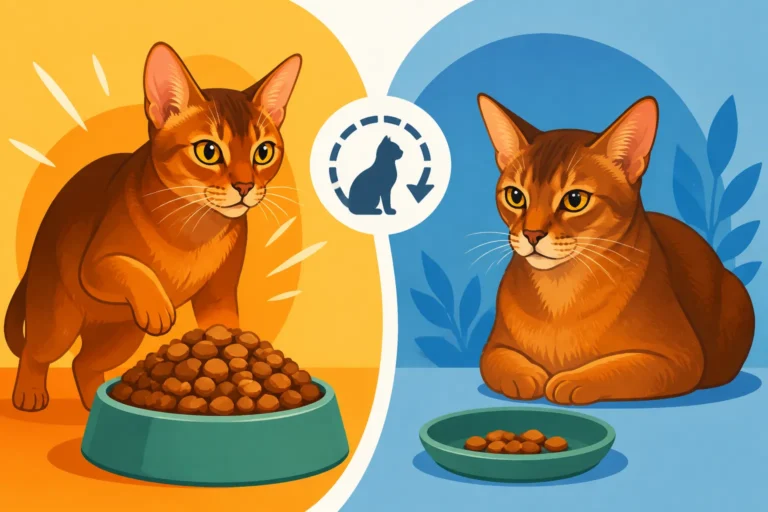
- Soft Food Only: Transition to an exclusively wet food diet for the specified recovery period. This prevents crunchy kibble from irritating the surgical sites. If your Abyssinian is used to kibble, you can gradually introduce wet food by mixing a small amount with their regular food a few days before surgery, then increasing the proportion.
- Small, Frequent Meals: Offering smaller, more frequent meals might be more comfortable for them than one or two large meals. This also helps prevent them from overeating and potentially straining their mouth.
- Lukewarm Food: Serve food at room temperature or slightly warmed. Extremely cold or hot food can cause discomfort.
- Wide, Shallow Bowls: A wide, shallow bowl can be more comfortable for a cat with a sore mouth, as they don't have to push their face into a deep dish.
- Avoid Chewing Toys: For the duration of the recovery period, put away any hard chew toys or treats that could damage the delicate healing tissues.
Gradually reintroducing harder foods will depend on your vet's advice and your cat's individual healing progress. Typically, this transition is slow and carefully monitored.
Home Oral Hygiene During Recovery
While vigorous brushing is definitely off-limits immediately after a gingivectomy, a gentle approach to oral hygiene is still important to maintain cleanliness and support healing.
- Avoid Brushing the Surgical Sites: Your vet will advise you on how long to wait before resuming brushing. Generally, it's several weeks, or until the gums are fully healed.
- Gentle Cleaning of Unaffected Areas: You might be able to gently clean the unaffected teeth with a soft cotton swab or a finger brush, carefully avoiding the surgical sites. Your vet will provide specific guidance here.
- Antiseptic Rinses: In some cases, your vet might prescribe a veterinary-specific antiseptic oral rinse (e.g., chlorhexidine gluconate). These rinses help reduce bacteria in the mouth and support gum healing. If prescribed, use them as directed, which usually involves gently applying them to the gums or allowing your cat to lick a small amount from a syringe.
- Monitoring the Gums: Regularly, but gently, check your Abyssinian's gums for any signs of complications: excessive redness, swelling, discharge, or foul odor. A small amount of bleeding or bruising is normal in the first day or two, but anything persistent warrants a call to your vet.
Remember, the goal during this period is gentle care and observation. Don't push your Abyssinian if they resist, but ensure you're doing what you can to keep their mouth clean and free from further irritation while the healing progresses.
Long-Term Care and Preventing Recurrence
A successful gingivectomy provides a fresh start for your Abyssinian's oral health, but it's not a one-and-done solution. Due to their breed's predisposition, vigilant long-term care is paramount to prevent recurrence of gum overgrowth and other dental issues. This is where commitment to an ongoing regimen truly pays off.
Establishing a Consistent Dental Routine
The single most effective way to maintain your Abyssinian's gum health after a gingivectomy is to establish and stick to a consistent daily dental routine. This isn't just about brushing; it's a multi-faceted approach.
- Daily Tooth Brushing: This is the gold standard. Once your vet gives the all-clear, reintroduce daily tooth brushing using a cat-specific toothbrush and enzymatic toothpaste. Start slowly, making it a positive experience with treats and praise. The key is consistency; even a minute a day makes a huge difference. If you started home dental care early in your Abyssinian's kittenhood, they'll likely be more accepting.
- Dental Chews and Treats: While they don't replace brushing, veterinary-approved dental chews and treats can provide some mechanical scrubbing action and chemical plaque control. Look for products with the Veterinary Oral Health Council (VOHC) seal of acceptance, which indicates they meet standards for plaque and/or tartar reduction.
- Water Additives: Some cats benefit from water additives designed to reduce oral bacteria. Again, look for VOHC-approved options and follow the instructions carefully.
- Dietary Choices: While not a substitute for brushing, a diet that includes some kibble (if tolerated and approved by your vet) can offer a slight abrasive action. However, the biggest benefit comes from specific prescription dental diets that are designed with larger kibble sizes and unique fiber matrices to literally scrub the tooth surface as your cat chews.
Remember that an Abyssinian's gums should be checked monthly as part of this routine, allowing you to catch any new inflammation or issues before they become severe.
The Role of Regular Veterinary Check-ups
Even with diligent home care, professional veterinary dental care remains a cornerstone of preventing recurrence and maintaining optimal oral health for your Abyssinian.
- Annual Oral Examinations: During your Abyssinian's annual wellness check-up, your vet will perform a thorough oral exam. This allows them to spot early signs of gingivitis, plaque buildup, or the beginnings of gum overgrowth.
- Professional Dental Cleanings (Scale and Polish): Depending on your Abyssinian's individual needs and the severity of their initial condition, your vet might recommend professional dental cleanings under anesthesia every 6-12 months. For Abyssinians prone to rapid gum issues, more frequent cleanings might be necessary. This is especially true given how often an Abyssinian needs a scale and polish compared to other breeds. These cleanings remove hardened plaque and tartar that home brushing simply can't tackle.
- Follow-up X-rays: Regular dental X-rays are vital to monitor the health of the tooth roots and surrounding bone, ensuring there are no hidden issues developing beneath the gum line.
- Proactive Treatment: If your vet notices any signs of re-emerging gingival hyperplasia, they can intervene early, potentially with localized treatments or another, less extensive gingivectomy, before the condition becomes severe again. Proactive veterinary care can save your Abyssinian from pain and costly extensive procedures down the line.
These regular vet visits are not just about reactive treatment; they are about a proactive strategy to keep your Abyssinian's mouth healthy and comfortable for their entire lifespan. Many Abyssinian owners find that having pet insurance, such as through Healthy Paws, provides invaluable peace of mind for covering these crucial and sometimes frequent dental procedures.
Monitoring for Future Gum Issues
Despite your best efforts, Abyssinians have a strong genetic predisposition to gum issues, and recurrence of gingival hyperplasia is always a possibility. Knowing what to look for can help you act quickly.
- Visual Inspection: Make it a habit to gently lift your Abyssinian's lips and visually inspect their gums every few weeks. Look for any signs of redness, swelling, or gum tissue starting to creep up over the teeth again. Pay close attention to the areas that were previously affected.
- Behavioral Changes: Be attuned to changes in your cat's behavior, which can be subtle indicators of oral pain:
- Dropping food while eating.
- Reluctance to chew on one side of the mouth.
- Excessive drooling.
- Bad breath returning or worsening.
- Reduced appetite or preference for softer foods.
- Pawing at their mouth or rubbing their face.
- Becoming more withdrawn or irritable.
- Photographic Records: Consider taking occasional photos of your Abyssinian's gums, especially after a gingivectomy. This creates a visual record that can help you and your vet track changes over time and identify any progression more easily.
Early detection of any new gum issues is crucial. The sooner you notice a problem and bring it to your vet's attention, the more effectively and less invasively it can often be managed. Your partnership with your vet and your commitment to continuous monitoring are key to ensuring your Abyssinian enjoys excellent oral health for years to come.
| Aspect of Recovery | Key Action Item | Purpose | Duration |
|---|---|---|---|
| Pain Management | Administer prescribed oral pain medication. | Ensure comfort, reduce inflammation. | As directed (typically 5-10 days) |
| Dietary Modification | Feed soft, palatable wet food only. | Prevent irritation to surgical sites, promote healing. | 1-2 weeks, or as advised by vet |
| Home Oral Hygiene | Avoid brushing surgical sites; gentle cleaning elsewhere. | Maintain cleanliness without disrupting healing. | As advised (usually 2-4 weeks post-op) |
| Activity Restriction | Encourage calm environment, limit rough play. | Prevent accidental trauma to healing gums. | 1 week |
| Monitor for Complications | Check gums daily for swelling, discharge, excessive bleeding. | Early detection of infection or other issues. | First 2 weeks, then ongoing |
| Follow-up Vet Visit | Attend scheduled post-op check-up. | Vet assesses healing, removes sutures (if applicable). | Typically 10-14 days post-op |
| Reintroduction to Brushing | Gradually restart daily toothbrushing routine. | Long-term plaque control to prevent recurrence. | As advised by vet (often 3-4 weeks post-op) |
Disclaimer
Please remember that the information provided in this article is intended for general guidance and informational purposes only, and does not constitute veterinary medical advice. Every Abyssinian cat is an individual, and their specific health needs and treatment plans should always be discussed with a qualified veterinarian. Do not delay seeking professional veterinary advice if you have concerns about your cat's health.