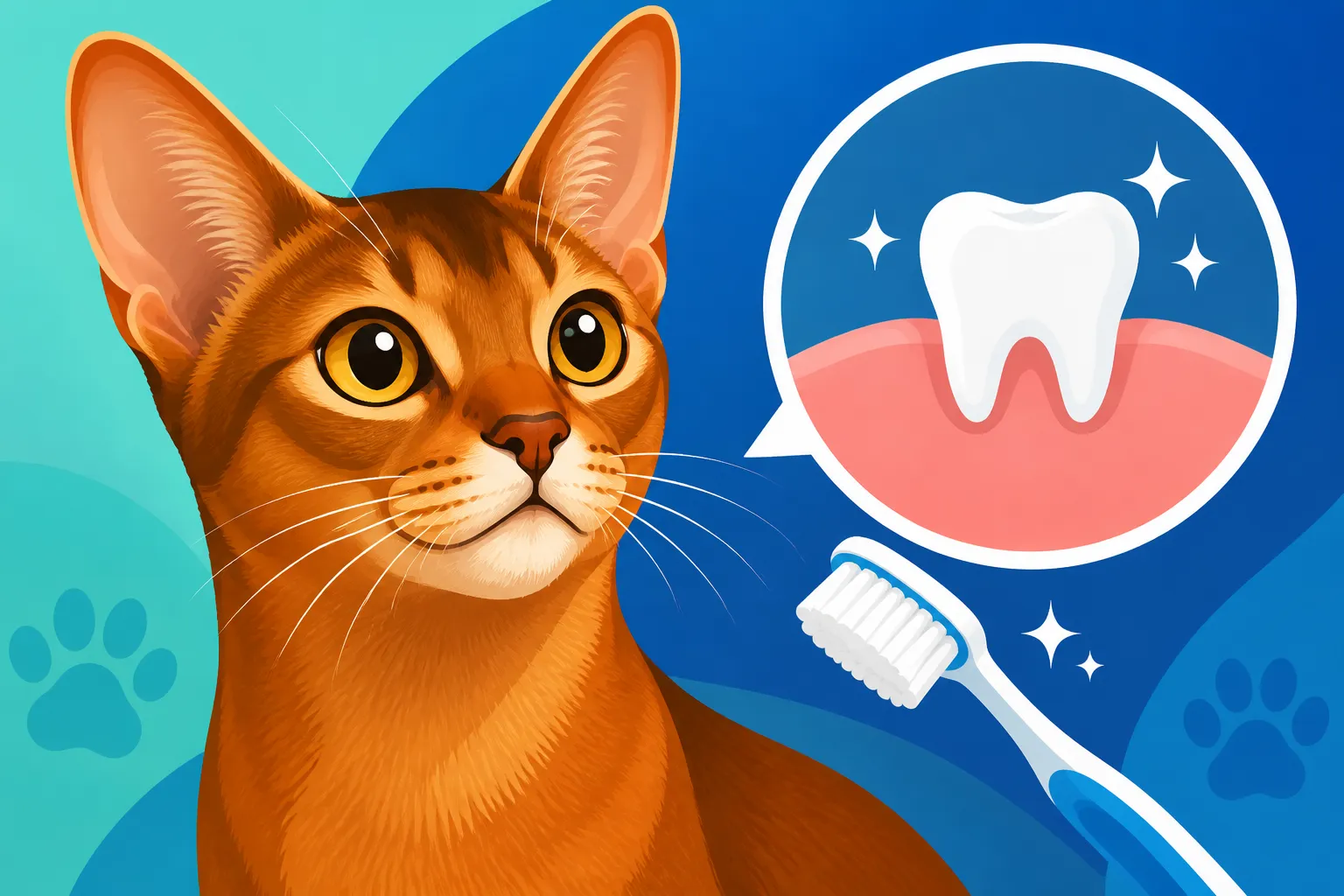
How Often an Abyssinian Needs Its Teeth Cleaned
It's a common misconception that cats don't need their teeth cleaned, but for Abyssinian owners, ignoring oral hygiene can lead to painful, expensive, and ultimately, preventable problems. You might be wondering just how often your spirited Abyssinian truly needs its pearly whites checked and cleaned, and the answer isn't as simple as "once a year"—it's a multi-faceted approach we'll unravel here. This guide will delve deep into the specifics of Abyssinian dental health, from daily home care to professional interventions, to help you keep your energetic companion smiling brightly for years to come.
The Unique Challenges of Abyssinian Dental Health
Abyssinians, with their lean, athletic build and vibrant personalities, are prone to specific dental issues that can unfortunately begin at a surprisingly young age. Their oral health isn't just about bad breath; it's a critical component of their overall well-being, and neglecting it can open the door to far more serious systemic problems down the line. It's a sad reality that dental disease is one of the most common ailments vets see in cats, and Abyssinians are no exception, often facing a predisposition that makes proactive care even more vital.
Why Abyssinian Gums Are So Prone to Trouble
One of the most frustrating aspects of Abyssinian dental health is their genetic predisposition to certain conditions, particularly gingivitis and its more aggressive forms. While most cat breeds can develop gingivitis, Abyssinians often experience a severe, painful form known as juvenile hyperplastic gingivitis, sometimes referred to as juvenile periodontitis. This isn't just a bit of redness; we’re talking about gum tissue that literally overgrows the teeth, creating pockets where bacteria can thrive unchecked. You might notice this issue starting when your Abyssinian kitten's gums first go red, often around the time they're six months old, just as their adult teeth are fully in.
This condition means that even with the best intentions for home care, an Abyssinian's gums can quickly become inflamed and swollen. The excess gum tissue creates a perfect haven for plaque and tartar to accumulate, leading to a vicious cycle of inflammation, infection, and potential tooth loss. It's a truly heartbreaking situation for many owners, as their young, otherwise healthy kitten can be struggling with significant oral pain long before they reach their first birthday. Understanding why an Abyssinian's gums overgrow its teeth is the first step toward effective management and, ideally, prevention.
The Silent Start of Dental Disease in Abyssinians
Cats are masters of hiding pain, and your vibrant Abyssinian is no different. They might be scaling cat trees and chasing toys with their usual enthusiasm, all while silently enduring significant dental discomfort. This stoicism is a survival instinct, but it means that by the time you notice overt signs like dropping food while eating, bad breath, or reluctance to chew, the dental disease is often already quite advanced. Many owners report that their Abyssinian just seemed a little less enthusiastic about meal times, or perhaps they'd paw at their mouth occasionally, subtle cues that are easily missed in such a busy, playful breed.
The silent progression often starts with plaque forming on the tooth surfaces, quickly hardening into tartar. This irritates the gums, leading to gingivitis. If left untreated, gingivitis progresses to periodontitis, where the infection spreads below the gumline, attacking the bone and ligaments that support the teeth. At this stage, the damage is irreversible, often leading to tooth resorption, a painful condition where the tooth structure erodes. Because of this insidious progression, waiting for obvious symptoms before considering a dental check-up is a risky game to play with an Abyssinian. Regular, proactive examinations are key to catching these issues when they are still manageable.
Understanding Professional Dental Cleanings for Abyssinians
While daily home care is incredibly important, there will inevitably come a time when your Abyssinian needs a professional dental cleaning. These procedures go far beyond what you can achieve at home, addressing plaque and tartar buildup below the gum line and thoroughly assessing the health of each tooth. For a breed like the Abyssinian, with its particular predispositions, understanding what these cleanings entail and their importance is absolutely vital.
What a Professional Dental Cleaning Involves
A professional dental cleaning for your Abyssinian is a comprehensive procedure performed by your veterinarian under general anesthesia. It’s not just a quick scrape; it’s a full oral health assessment. First, a thorough oral examination is conducted, often including dental X-rays. These X-rays are incredibly important because a significant portion of dental disease in cats, especially conditions like tooth resorption, occurs below the gum line, invisible to the naked eye. Without X-rays, your vet is only seeing the tip of the iceberg.
Once the assessment is done, the dental hygienist or vet will use specialized ultrasonic scalers to remove plaque and tartar from above and below the gum line, much like human dental cleanings. Hand scalers are then used for fine-tuning. After scaling, the teeth are polished to smooth out any microscopic etches left by the scaling, making it harder for new plaque to adhere. Finally, a fluoride treatment might be applied to strengthen enamel and reduce sensitivity. Any teeth suffering from severe periodontitis or tooth resorption will be extracted at this time, a painful but necessary step to alleviate chronic pain and prevent further infection. This intensive process highlights why an Abyssinian's dental care is a yearly budget line for many owners.
The Importance of Anesthesia for Abyssinian Dentals
The thought of anesthesia can be daunting for any pet owner, but for professional dental cleanings in cats, it is non-negotiable and incredibly important for both the safety and effectiveness of the procedure. Imagine trying to get a wiggly, alert Abyssinian to lie still with its mouth open for an hour while sharp instruments work around sensitive gums and teeth! It simply isn't possible to perform a thorough, pain-free cleaning without it. Anesthesia allows your vet to access all surfaces of the teeth, including below the gum line where most of the pathology lies, without causing your cat stress or injury.
During an anesthetized dental procedure, your Abyssinian's vital signs, including heart rate, respiration, body temperature, and blood pressure, are carefully monitored by trained veterinary staff. Pre-anesthetic blood work is always performed to ensure your cat is healthy enough for anesthesia, assessing kidney and liver function, which are crucial for processing anesthetic drugs. This careful approach significantly minimizes risks, making the procedure much safer than many owners fear. Companies like Healthy Paws pet insurance often help cover the costs associated with these vital, anesthetized dental procedures, providing peace of mind for comprehensive care.
How Often is Too Often for Professional Cleanings?
This is the million-dollar question for many Abyssinian owners, and the answer isn't a strict calendar date for every cat. The frequency of professional dental cleanings depends heavily on individual factors: genetics, diet, existing dental disease, and perhaps most importantly, the effectiveness of your home dental care routine. For many Abyssinians, especially those prone to juvenile gingivitis or rapid plaque buildup, yearly professional cleanings might be necessary. Some might even need them every six to nine months in severe cases, particularly if early tooth resorption is detected.
On the other hand, a diligently brushed Abyssinian with good genetics and a history of robust oral health might stretch cleanings to every 18-24 months. However, this is less common for the breed. Your vet is your best partner in determining the optimal schedule. They will assess your Abyssinian's oral health at annual check-ups, looking for signs of gingivitis, tartar, and other issues. If you’re ever unsure, asking your vet, "How often an Abyssinian needs a scale and polish?" specifically for your cat is the most reliable way to create a tailored plan. Remember, prevention and early intervention are always less invasive and less costly than treating advanced disease.
| Factor Determining Frequency | Description | Impact on Cleaning Schedule |
|---|---|---|
| Genetics/Breed Predisposition | Abyssinians are prone to juvenile hyperplastic gingivitis and rapid tartar buildup. | More frequent cleanings (yearly or even every 6-9 months) may be necessary to manage conditions like why an Abyssinian's gums overgrow its teeth. |
| Home Dental Care Routine | Daily toothbrushing is the gold standard for preventing plaque and tartar. | Consistent, effective home care can extend the time between professional cleanings. If home care is infrequent or ineffective, professional cleanings will be needed more often. |
| Diet | Dry kibble alone does not effectively clean teeth. A diet rich in wet food is often recommended for overall hydration and kidney health, but it may not contribute to dental abrasion. | While specific dental diets can help, they are usually insufficient to prevent the need for professional cleanings. Consider a diet that supports overall health while still prioritizing dental care. |
| Existing Dental Disease | Cats with a history of severe gingivitis, periodontitis, or tooth resorption will likely require more frequent monitoring and intervention. | If your Abyssinian has already experienced significant dental issues, your vet may recommend a more aggressive cleaning schedule to prevent recurrence and manage pain. |
| Age | Young Abyssinians (around six months to two years) might need early intervention for juvenile gingivitis. Older cats are more prone to chronic dental disease, tooth resorption, and other age-related oral issues. | Young cats may need an initial cleaning if juvenile gingivitis is severe. Older cats often require yearly or bi-yearly cleanings as part of their senior care to maintain comfort and prevent systemic health issues. |
| Overall Health | Cats with concurrent health issues (e.g., kidney disease, heart conditions) may require careful consideration regarding anesthesia, but untreated dental disease can exacerbate these conditions. | A healthy cat generally tolerates anesthesia well. Managing dental disease is crucial for cats with other health problems, as oral bacteria can spread systemically, impacting organs like the kidneys and heart. |
Daily Home Care: The Foundation of Abyssinian Oral Hygiene
While professional cleanings are critical, they are only one part of the equation. Just like with humans, the daily habits you establish at home make the biggest difference in maintaining your Abyssinian's oral health between vet visits. This routine might seem daunting at first, but with patience and consistency, it can become a positive bonding experience for you and your cat.
Starting a Toothbrushing Routine Early
The absolute best time to start brushing your Abyssinian’s teeth is when they are a kitten. This is when they are most adaptable and open to new experiences. The sooner you introduce the toothbrush and toothpaste, the more likely they are to accept it as a normal part of their day. Think of it like training a puppy; early exposure is everything. Even if your kitten already shows signs of gingivitis, starting a gentle routine can help manage it, though it won't replace a professional intervention for severe cases.
Begin by simply letting your kitten lick cat-specific toothpaste (never human toothpaste!) off your finger. It's often flavored with chicken or fish, making it palatable. Once they're comfortable with that, introduce a finger brush or a very small, soft cat toothbrush. Gently rub their gums and teeth for just a few seconds, rewarding them generously afterward with praise and a favorite treat. The goal is positive association. Gradually increase the duration and coverage over weeks, not days. This early start can be a game-changer for preventing issues later in life, proving why home dental care starts early in an Abyssinian.
Tools and Techniques for Effective Home Dental Care
Choosing the right tools is essential for making home dental care successful and comfortable for your Abyssinian. Forget your own toothbrush; those bristles are far too stiff and large for a cat's delicate gums. Instead, opt for a toothbrush specifically designed for felines. These typically have smaller heads and softer bristles. You might even find a multi-angled toothbrush effective, or a finger brush, which many owners find gives them better control.
As for toothpaste, always use an enzymatic cat-specific toothpaste. These don't require rinsing and contain enzymes that help break down plaque. Once you have your tools, the technique is key. Gently lift your Abyssinian’s lip and focus on the outer surfaces of the teeth, as this is where plaque tends to accumulate most. Use small, circular motions, paying particular attention to the gum line. Aim for at least 30 seconds per side, ideally once a day. If daily isn't possible, every other day is still far better than nothing. This consistent effort can significantly reduce the need for more invasive procedures down the line and help keep costs down, something that companies like Healthy Paws would appreciate, as good home care means fewer claims.
The Role of Diet and Dental Treats
While toothbrushing is paramount, diet and dental treats can play a supportive role, though they should never be seen as a replacement for manual brushing or professional cleanings. Some specialized dental diets are formulated with unique kibble shapes or textures designed to provide a gentle abrasive action on the tooth surface as the cat chews. Others contain ingredients that chemically reduce plaque and tartar formation. Consult your vet before switching to a prescription dental diet, as these are formulated for specific needs.
Dental treats are another option, but their effectiveness can vary widely. Look for treats that have been approved by the Veterinary Oral Health Council (VOHC), which signifies they meet certain standards for plaque and tartar reduction. Be mindful of calorie content; even healthy treats add up, especially for an Abyssinian that needs a balanced nutritional intake. While these aids might offer some benefit, especially if your Abyssinian absolutely refuses a toothbrush, they are generally considered supplementary. For a breed like the Abyssinian, prone to issues like why an Abyssinian's gums fail at six months, relying solely on dental diets or treats without brushing is rarely sufficient.
Recognizing Warning Signs and When to See the Vet
Cats are incredibly adept at masking pain, and an active, playful Abyssinian can hide significant dental discomfort for a long time. This is why being observant and knowing the subtle signs of trouble is so important. Delaying veterinary attention when you suspect a dental issue can lead to more advanced disease, greater pain for your cat, and more complex, expensive treatments.
Subtle Indicators of Dental Pain in an Abyssinian
Because Abyssinians have such high energy, a slight dip in their usual exuberance might be the first, almost imperceptible, sign of dental pain. You might notice they're a little less eager to jump to their favorite high perch, or perhaps their play sessions are just a touch shorter. More directly, keep an eye out for changes in their eating habits. Are they approaching their food bowl with hesitation? Are they chewing only on one side of their mouth, or dropping food while eating? This can be a significant red flag.
Other subtle indicators include excessive drooling, pawing at their mouth, or reluctance to allow you to touch their face or mouth. Bad breath, while often dismissed as "just cat breath," is almost always a sign of underlying infection or disease. Sometimes, owners will observe a change in their grooming habits—a cat in pain might neglect to groom itself, or conversely, might overgroom certain areas if they're stressed. Any unexplained weight loss in an otherwise active Abyssinian is always a concern and warrants an immediate vet visit, as dental pain can make eating difficult and contribute to this.
Why Ignoring Dental Issues is Never an Option
Ignoring dental issues in your Abyssinian isn't just about tolerating bad breath; it's about allowing a chronic, painful infection to fester in their mouth. This isn't just local pain; the bacteria from severe dental disease can enter the bloodstream and spread to vital organs, including the heart, kidneys, and liver, potentially leading to serious systemic health problems. For a breed already predisposed to certain health challenges, like those affecting the kidneys, adding a constant bacterial load from the mouth is a dangerous gamble.
Beyond the systemic risks, untreated dental disease significantly impacts your cat's quality of life. Imagine living with a constant toothache or painful gums. It affects their ability to eat comfortably, their desire to play, and their overall mood. Conditions like tooth resorption, where the tooth slowly and painfully erodes, can be excruciating. Waiting until your Abyssinian is visibly suffering or has a swollen face is waiting too long. Proactive management and prompt treatment of dental problems not only alleviate pain but also contribute significantly to your Abyssinian's overall health and extend their happy, active lifespan.
Long-Term Strategies for Maintaining Your Abyssinian's Oral Health
Maintaining optimal oral health for your Abyssinian is a marathon, not a sprint. It requires a consistent, multi-pronged approach that combines diligent home care with regular professional veterinary attention. Thinking strategically about their dental future can save you heartache and significant expense down the road.
Proactive Measures Beyond Brushing
Beyond daily toothbrushing, there are several other proactive measures you can take to support your Abyssinian’s long-term oral health. Regular oral examinations at home are crucial. Make it a habit to gently lift your Abyssinian’s lips weekly, just for a quick peek. Look for any redness or swelling of the gums, broken or discolored teeth, or any unusual growths. Getting them used to this kind of handling early on will make future vet visits less stressful for them, and you might spot an issue before it becomes severe.
Consider incorporating water additives specifically designed to reduce plaque and tartar. These generally work by inhibiting bacterial growth in the mouth or by altering the pH of your cat's saliva. However, ensure any product you choose is vet-approved and safe for daily ingestion. Providing appropriate chew toys can also offer some mechanical cleaning action, but always choose durable, cat-safe toys that won't splinter or damage teeth. For Abyssinians, who are known for their curiosity and intelligence, puzzle feeders can also indirectly promote oral health by slowing down eating and engaging their minds. Ultimately, the best defense is a good offense, and why an Abyssinian needs dentals more often than other breeds highlights the necessity of these extra steps.
Financial Planning for Abyssinian Dental Care
Let's be realistic: dental care for any pet, especially professional cleanings under anesthesia, isn't cheap. For an Abyssinian, who often needs more frequent and sometimes more involved dental interventions due to their predispositions, these costs can add up. This is why financial planning is a critical, often overlooked, aspect of responsible pet ownership. Many owners find that setting aside a dedicated "dental fund" each month helps to buffer these expenses.
Another excellent strategy is pet insurance. Companies like Healthy Paws offer comprehensive coverage that often includes routine dental care as part of a wellness plan, or covers dental disease treatments, including extractions, as part of their accident and illness policies. Reviewing policies carefully to understand what is covered and what isn't, particularly regarding pre-existing conditions and routine dental cleanings, is important. Planning for the financial aspect of your Abyssinian's oral health removes a significant source of stress when those vet bills arrive, ensuring your beloved cat receives the care they need without compromise. Understanding why Abyssinian dental work is the biggest line in the budget for many owners underscores this financial reality.
Disclaimer
This guide provides general information about Abyssinian dental care and should not be considered a substitute for professional veterinary advice. Always consult with your veterinarian for any health concerns or before making any decisions about your cat's dental treatment or overall care plan. Every Abyssinian is an individual, and their specific needs may vary.