How Often an Abyssinian Needs a Professional Clean
It's a frustrating reality for many Abyssinian owners: you feed them the best food, you provide endless entertainment, and yet, the vet keeps bringing up their teeth. It feels like a never-ending battle against plaque and tartar, often leading to the question of how often these active, intelligent cats truly need a professional dental cleaning. This guide will dive deep into the specific dental needs of Abyssinians, help you understand the signs your cat might be struggling, and outline what a professional clean entails, so you can make informed decisions for your cherished companion's oral health.
The Unique Dental Challenges of Abyssinians
Abyssinians, with their lean, athletic builds and inquisitive natures, often surprise new owners with their unique health predispositions. While we often focus on their activity levels or their stunning ticked coats, their dental health is a critical, and often overlooked, area where they face particular challenges. It's not just about a little bad breath; it's about preventing serious pain and systemic illness.
Why Abyssinian Gums Are Particularly Prone to Trouble
Unlike some breeds that might develop dental issues later in life, Abyssinians are unfortunately notorious for early onset gum problems, especially juvenile gingivitis. Their oral anatomy seems to make them more susceptible, and it's something breeders and owners have wrestled with for generations. The gum tissue itself can be more reactive, leading to inflammation that quickly escalates if not managed. This isn't just an aesthetic issue; inflamed gums are painful and can lead to a host of other complications. Imagine having perpetually sore gums – it would certainly impact your enjoyment of food and your overall comfort. For our Abyssinians, it's no different. Why an Abyssinian Kitten's Gums Fail at Six Months is a topic many of us wish we knew more about earlier.
When gingivitis sets in, it creates a breeding ground for bacteria. These bacteria don't just stay in the mouth; they can enter the bloodstream and affect other organs, including the heart and kidneys. This is why a simple gum issue can become a whole-body problem, and why proactive dental care is so vital for this breed. We're not just fighting bad breath; we're fighting systemic disease that can shorten their vibrant lives.
Understanding Juvenile Gingivitis in Kittens
It's truly disheartening to hear that a tiny, energetic Abyssinian kitten, barely six months old, is already showing signs of gingivitis. This condition, often referred to as juvenile gingivitis, manifests as red, swollen, and sometimes bleeding gums around the erupting adult teeth. It's not uncommon for owners to first notice it when their kitten seems hesitant to chew or drops bits of food. How Juvenile Gingivitis Starts in an Abyssinian Kitten often catches owners by surprise because you expect such a young animal to have perfect health.
This isn't a sign of poor care on your part; it's a genetic predisposition that many Abyssinians carry. The aggressive inflammatory response often causes the gum tissue to overgrow, literally enveloping parts of the teeth. This creates deep pockets where food particles and bacteria get trapped, worsening the inflammation and making it incredibly difficult to clean at home. Without intervention, this can lead to severe periodontitis and premature tooth loss.
The Silent Threat of Tooth Resorption
Beyond gingivitis, Abyssinians are also prone to another insidious dental problem: tooth resorption. This condition is particularly cruel because it's often invisible until it reaches an advanced, painful stage. It involves the progressive destruction of tooth structure, starting from the inside out or from the root surface. The body essentially "reabsorbs" parts of the tooth, creating painful lesions that can expose the sensitive pulp.
Cats are incredibly stoic, and an Abyssinian, with its high energy and playful nature, might mask this pain for a long time. You might only notice subtle changes like a slight preference for softer food, a bit of head-shaking during meals, or even just a general decrease in their usual boisterous activity. By the time visible signs appear, like a pink spot on the tooth surface or a fractured tooth, the pain has likely been ongoing for a while. This is why regular professional examinations, complete with X-rays, are so crucial for Abyssinians. Why Tooth Resorption Follows Abyssinian Gum Disease is a real concern that highlights the need for vigilance.
Recognizing the Signs Your Abyssinian Needs a Clean
It's tempting to think that if your cat isn't crying in pain, they're fine. But with Abyssinians and their propensity for dental issues, that's simply not the case. They are masters of hiding discomfort, a trait inherited from their wild ancestors who couldn't afford to show weakness. Learning to spot the subtle clues is paramount to ensuring their ongoing comfort and health.
The Subtle Clues Beyond Bad Breath
While "cat breath" is a common joke, truly foul breath, often described as smelling like decay or even metallic, is never normal and is a strong indicator of dental disease. However, bad breath isn't always the first or only sign. You might notice a change in their grooming habits – a cat with a sore mouth might groom less, leading to a duller coat, or they might excessively lick one side of their mouth. Sometimes, you'll see drooling, especially if the saliva is thick or tinged with blood. This isn't typical for an Abyssinian unless they're particularly stressed or hot.
Another subtle sign is a change in appetite or eating style. Your typically voracious Abyssinian might start eating more slowly, chewing only on one side of their mouth, or avoiding hard kibble altogether. They might approach their food bowl with enthusiasm but then back away after a few bites, or only eat the wet food and leave the dry. If your cat suddenly turns their nose up at their usual high-quality food, it's worth investigating their mouth. These are all subtle indicators that point towards oral discomfort that a professional clean might alleviate.
Behavioral Changes That Signal Oral Pain
Beyond eating habits, an Abyssinian's entire demeanor can shift when they're experiencing dental pain. These are incredibly active and interactive cats. If your typically playful Abyssinian suddenly seems a bit withdrawn, less interested in chasing wand toys, or prefers to nap more often, it could be a sign of discomfort. They might become more irritable, hissing or swatting when you try to pet their face or head, even if they usually love such attention.
You might also notice them rubbing their face against furniture or pawing at their mouth more frequently. Some cats will even begin to avoid being picked up, or vocalize when yawning or stretching their jaw. Given that How Many Teeth an Abyssinian Can Lose by Five due to these issues, understanding these subtle behavioral cues is crucial. Any unexplained shift in personality or activity level warrants a trip to the vet, and a thorough oral examination should be high on the list of diagnostic steps.
Visual Checks You Can Do at Home
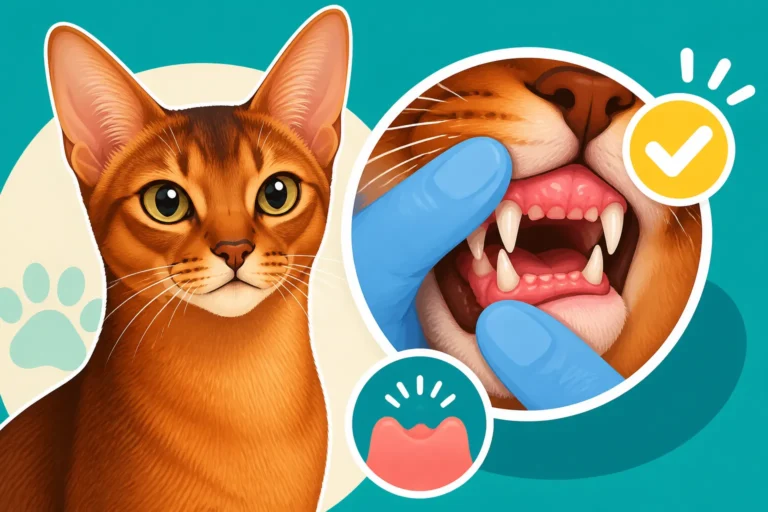
While it's not a substitute for a veterinary exam, you can perform some basic visual checks at home, especially if your Abyssinian is tolerant. Gently lift their lips to inspect their gums. Healthy gums should be a pale pink, smooth, and firm. Redness, swelling, or bleeding when touched are all red flags. Look for any visible tartar buildup, which appears as a yellowish-brown crust on the teeth, particularly on the outside surfaces of the upper molars.
Check for any broken or discolored teeth. While Abyssinians are less prone to chewing on things that might break teeth compared to some dog breeds, it can still happen. Also, observe their alignment – sometimes teeth can be crowded, making them harder to clean and more prone to problems. Finally, take a quick peek at the back of their throat if you can; any visible masses or abnormalities should be reported to your vet immediately. Regular, gentle inspection can help you catch problems early, which is always the best approach.
What a Professional Dental Cleaning Involves for an Abyssinian
When your vet recommends a professional dental cleaning, it's understandable to feel a bit anxious, especially because it involves anesthesia. However, understanding the process can help alleviate some of those worries and highlight why it's far more than just "brushing their teeth." This is a comprehensive medical procedure designed to ensure your Abyssinian's oral health and prevent future problems.
The Importance of Pre-Anesthetic Bloodwork
Before any anesthetic procedure, including a dental cleaning, your Abyssinian will undergo a thorough physical exam and usually a pre-anesthetic blood panel. This step is absolutely non-negotiable. The bloodwork provides your veterinarian with vital information about your cat's internal organ function, particularly their kidneys and liver, which are responsible for processing and eliminating anesthetic drugs.
For Abyssinians, with their known predisposition to certain kidney issues like amyloidosis, this bloodwork is even more critical. It helps the vet tailor the anesthetic protocol to your individual cat, minimizing risks and ensuring they are healthy enough for the procedure. If the bloodwork reveals any underlying issues, the dental cleaning might be postponed until those health concerns are addressed, ensuring the safest possible experience for your beloved feline.
The Step-by-Step Process Under Anesthesia
A professional dental cleaning for an Abyssinian is a sophisticated medical procedure performed under general anesthesia. It’s not just a quick scrub; it’s a detailed process that addresses the entire oral cavity. First, your cat will be intubated to protect their airway and ensure precise delivery of anesthetic gases. Monitoring equipment will track their heart rate, breathing, oxygen saturation, and blood pressure throughout the procedure.
The dental team then thoroughly scales the teeth, using ultrasonic and hand instruments to remove plaque and tartar both above and below the gum line. This subgingival cleaning is crucial because that's where the most destructive bacteria hide. After scaling, the teeth are polished to smooth out any microscopic scratches, making it harder for new plaque to adhere. The polishing also involves an anti-bacterial rinse to minimize post-procedure infection. What Happens During an Abyssinian's Dental Under Anesthetic is a procedure that truly requires skilled hands and proper equipment, which is why it's so different from anything you can do at home.
The Role of X-Rays in Comprehensive Dental Care
You wouldn't imagine a human dentist cleaning your teeth without taking X-rays first, right? The same principle applies, perhaps even more so, to our feline friends. Approximately two-thirds of a cat's tooth structure lies hidden beneath the gum line, completely invisible to the naked eye. Without dental X-rays, your vet is literally working blind, unable to detect issues like tooth resorption, root abscesses, bone loss, or unerupted teeth.
For Abyssinians, given their high incidence of problems like tooth resorption and early gingivitis, full-mouth dental X-rays are an indispensable part of a comprehensive professional clean. They allow the veterinary team to identify painful conditions that would otherwise go undiagnosed, ensuring that every affected tooth is addressed. This often means the difference between simply cleaning visible tartar and actually resolving sources of chronic pain for your cat, making the procedure far more effective and beneficial in the long run.
How Often is "Often Enough"? Setting a Schedule
This is the million-dollar question for many Abyssinian owners, and the answer, frustratingly, isn't a simple one-size-fits-all. It's a blend of breed predisposition, individual factors, and the effectiveness of your home care routine. While some cats might skate by with less frequent attention, for Abyssinians, regular vigilance is key.
Factors Influencing Your Cat's Dental Frequency
Several factors play a significant role in how often your Abyssinian will need a professional dental cleaning. First and foremost is their individual genetic predisposition. Some Abyssinians simply have "worse" teeth and gums than others, reacting more strongly to plaque buildup. Diet also plays a role; while kibble isn't a magical toothbrush, certain dental diets can help reduce plaque accumulation. However, Which Wet Food Suits an Abyssinian is also important for their overall kidney health.
Home dental care is perhaps the biggest variable. If you're diligently brushing your Abyssinian's teeth daily, you're doing a fantastic job of preventing plaque from hardening into tartar. Cats that resist brushing, or whose owners aren't able to maintain a regular schedule, will likely need professional cleanings more frequently. Age is another factor; as cats get older, dental disease tends to progress more rapidly. Your vet will also consider their overall health. Cats with other systemic illnesses might have compromised immune systems, making them more susceptible to severe dental infections.
General Guidelines for Abyssinian Dental Care
Given their predisposition to early and aggressive dental disease, most veterinarians will recommend that Abyssinians have their first dental examination under anesthesia around 1-2 years of age. This initial assessment is crucial to establish a baseline and address any juvenile gingivitis that may have developed. After that, a professional cleaning is typically recommended every 1-3 years.
However, for many Abyssinians, particularly those prone to severe gingivitis or tooth resorption, a yearly cleaning might be necessary. Think of it like this: if your cat builds up significant plaque and tartar within 12-18 months, waiting two years means a much more extensive, and potentially more costly, procedure. The goal is to address issues before they become severe, causing pain and requiring extractions. Regular check-ups with your vet will help fine-tune this schedule based on their findings during annual physical exams.
Here's a general guide:
| Age/Condition | Recommended Professional Cleaning Frequency | Key Considerations |
|---|---|---|
| Kitten (6-12 months) | Initial Vet Assessment, possibly first clean | Check for juvenile gingivitis; establish home care habits. |
| Young Adult (1-3 years) | Every 1-2 years | If good home care and minimal issues, less frequent. If prone to gingivitis, yearly might be better. |
| Mature Adult (4-9 years) | Every 1-2 years | Most likely yearly for many Abyssinians; signs of tooth resorption become more prevalent. |
| Senior (10+ years) | Every 6-18 months | Increased risk of advanced periodontal disease, kidney/heart issues require careful pre-anesthetic screening. |
| Known Dental Issues | As recommended by vet (often yearly) | Cats with a history of severe gingivitis, extractions, or resorption will need more frequent monitoring and cleaning. |
Working With Your Vet to Create a Personalized Plan
The absolute best way to determine the ideal frequency for your Abyssinian's professional dental cleans is to work closely with your veterinarian. They have the expertise to assess your cat's specific oral health during their annual wellness exams. During these check-ups, they can visually inspect the gums and teeth (though a full picture only comes with anesthesia and X-rays) and note any changes since the last visit.
Your vet will consider your cat's age, overall health, diet, home care routine, and any previous dental history. Don't be shy about discussing your concerns or asking questions about the findings. They might recommend specific dental products you can find on Amazon or advise on diet changes that can help. Together, you and your vet can create a proactive and personalized dental health plan that keeps your Abyssinian's mouth healthy and comfortable for their entire life. Remember, Why Abyssinian Dental Work Is the Biggest Line in the Budget for many owners, but it's an investment in their quality of life.
The Critical Role of Home Dental Care in Between Cleans
While professional dental cleanings are absolutely essential for Abyssinians, they are not a magic bullet that negates the need for daily maintenance. Think of it like going to your own dentist: you still need to brush and floss every day, right? Home dental care is your first line of defense against plaque buildup and can significantly extend the time between professional cleanings.
Brushing: The Gold Standard You Can't Skip
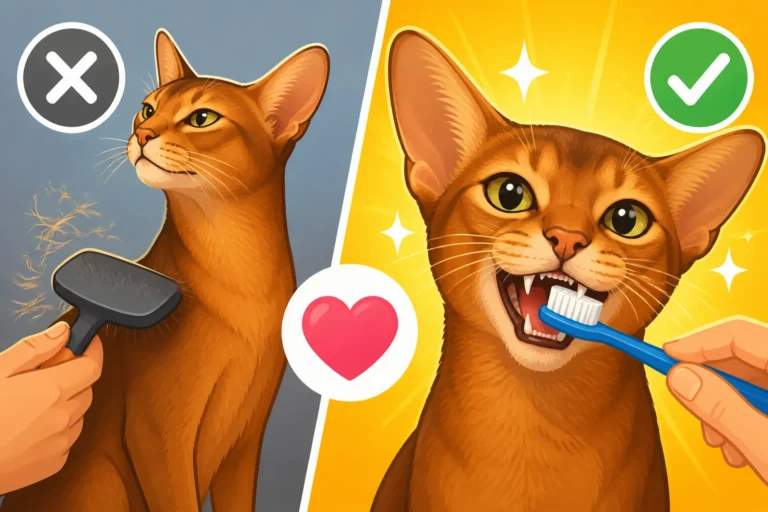
When it comes to home dental care, nothing, and I mean nothing, beats daily toothbrushing. It's the most effective way to mechanically remove plaque before it hardens into tartar. Yes, training an Abyssinian to accept toothbrushing can be a challenge, especially if you start late, but it's a worthwhile endeavor. Start slow, introduce the brush and toothpaste gradually, and keep sessions short and positive.
The key is consistency. Aim for once a day, or at least several times a week. Use a pet-specific toothpaste (human toothpaste is toxic to cats!) and a small, soft-bristled toothbrush designed for cats, which you can easily find on Chewy or at your local pet store. Focus on the outside surfaces of the upper teeth, as this is where plaque tends to accumulate most. Even if you only manage a few seconds per side, it makes a significant difference. How to Brush an Abyssinian's Teeth From Day One is a journey, not a sprint, but it’s crucial.
Dental Treats and Additives: What Works and What Doesn't
The market is flooded with dental treats, gels, water additives, and specialized diets promising to keep your cat's teeth clean. It's easy to get lost in the options. The truth is, many of these products offer minimal benefit when used alone. Some dental treats can help with mechanical abrasion on the tooth surface, but they rarely reach below the gum line where real problems start. Similarly, water additives can help reduce bacteria in the water bowl, but they don't scrub away plaque.
When choosing these products, look for those with a Veterinary Oral Health Council (VOHC) seal of acceptance. This means they've been proven to reduce plaque and/or tartar. Even then, consider them as adjuncts to brushing, not replacements. They can be helpful complements, particularly if your Abyssinian is resistant to brushing, but they will never provide the thorough cleaning that brushing or a professional procedure offers. Why Dental Treats Do Not Replace Brushing an Abyssinian is a hard truth many owners discover.
Maintaining Overall Oral Health Through Diet
While no diet can fully prevent dental disease, the type of food you feed your Abyssinian can play a supporting role in their overall oral health. Wet food, for instance, helps maintain good hydration, which is beneficial for kidney health, and its softer texture might be less irritating to already inflamed gums. If your cat is prone to juvenile gingivitis, a diet that supports a healthy inflammatory response might be beneficial, but specific medical advice should always come from your vet.
Some veterinarians recommend specific “dental diets” that are formulated with larger kibble pieces designed to gently scrape plaque off the teeth as the cat chews. While these can offer some benefit, they are not a substitute for brushing or professional cleaning. Fresh food can provide excellent nutrition, but its primary benefit isn't usually dental cleaning. Instead, focus on a high-quality, balanced diet that supports your Abyssinian's overall health and energy levels, and then add targeted dental care on top of that foundation.
The Cost and Value of Regular Professional Cleans
Let's be frank: professional dental cleanings are not cheap. The expense is often a significant concern for pet owners, and it's a valid one. However, it's crucial to understand what you're paying for and to consider the long-term value and savings that proactive dental care brings. Investing in regular cleans can prevent far more expensive and painful problems down the road.
Breaking Down the Expense of a Dental Procedure
The cost of an Abyssinian's professional dental cleaning typically includes several components, which is why the bill can seem substantial. You're paying for the pre-anesthetic bloodwork, the anesthesia itself (including drugs, monitoring equipment, and the dedicated veterinary technician to monitor your cat throughout the procedure), the dental scaling and polishing, and crucially, the full-mouth dental X-rays.
If extractions are needed, those will be an additional cost, as they require more time, skill, pain management, and specialized equipment. Keep in mind that clinics with state-of-the-art dental equipment and highly trained staff will often have higher fees, but they also provide a safer and more thorough procedure. It’s not just a simple wash and polish; it’s a surgical-level event that prioritizes your cat's safety and comfort.
The Long-Term Savings of Proactive Care
While the upfront cost of a professional dental cleaning can be a tough pill to swallow, consider it an investment that saves you money and your cat pain in the long run. Skipping regular cleanings often leads to severe periodontal disease, which can result in multiple tooth extractions, jaw infections, and even systemic health issues affecting the heart, liver, and kidneys. Treating these advanced conditions is far more complex and significantly more expensive than preventive cleanings.
Think about it this way: a cat needing 8-10 extractions due to severe neglect will incur a much higher bill, extended recovery time, and significantly more discomfort than a cat that has regular cleanings to prevent such widespread decay. Proactive care truly is the best financial strategy, not to mention the most humane one, for your Abyssinian's oral health.
Pet Insurance and Dental Coverage
With the rising costs of veterinary care, many Abyssinian owners are turning to pet insurance to help manage expenses, and dental care is often a big consideration. Most standard pet insurance policies cover dental procedures that are considered medically necessary, such as professional cleanings to treat periodontal disease, extractions due to injury or illness, and treatment for conditions like tooth resorption. However, they typically don't cover routine preventative cleanings unless you have a specific wellness add-on package.
It's crucial to read the fine print of any policy to understand what is and isn't covered, paying particular attention to waiting periods and exclusions for pre-existing conditions. If your Abyssinian already has a history of dental issues, those might not be covered. Enrolling your cat in pet insurance when they are young and healthy is usually the best approach to maximize coverage for potential future dental problems. Understanding Whether Pet Insurance Is Worth It for an Abyssinian is a whole other topic, but for dental care, it can certainly offer peace of mind.
Disclaimer
This article is for general informational purposes only and does not constitute professional advice. Laws, prices and regulations vary by location and change over time. Consult a qualified professional for guidance on your specific situation.