Brushing an Abyssinian’s Teeth Matters More Than Its Coat
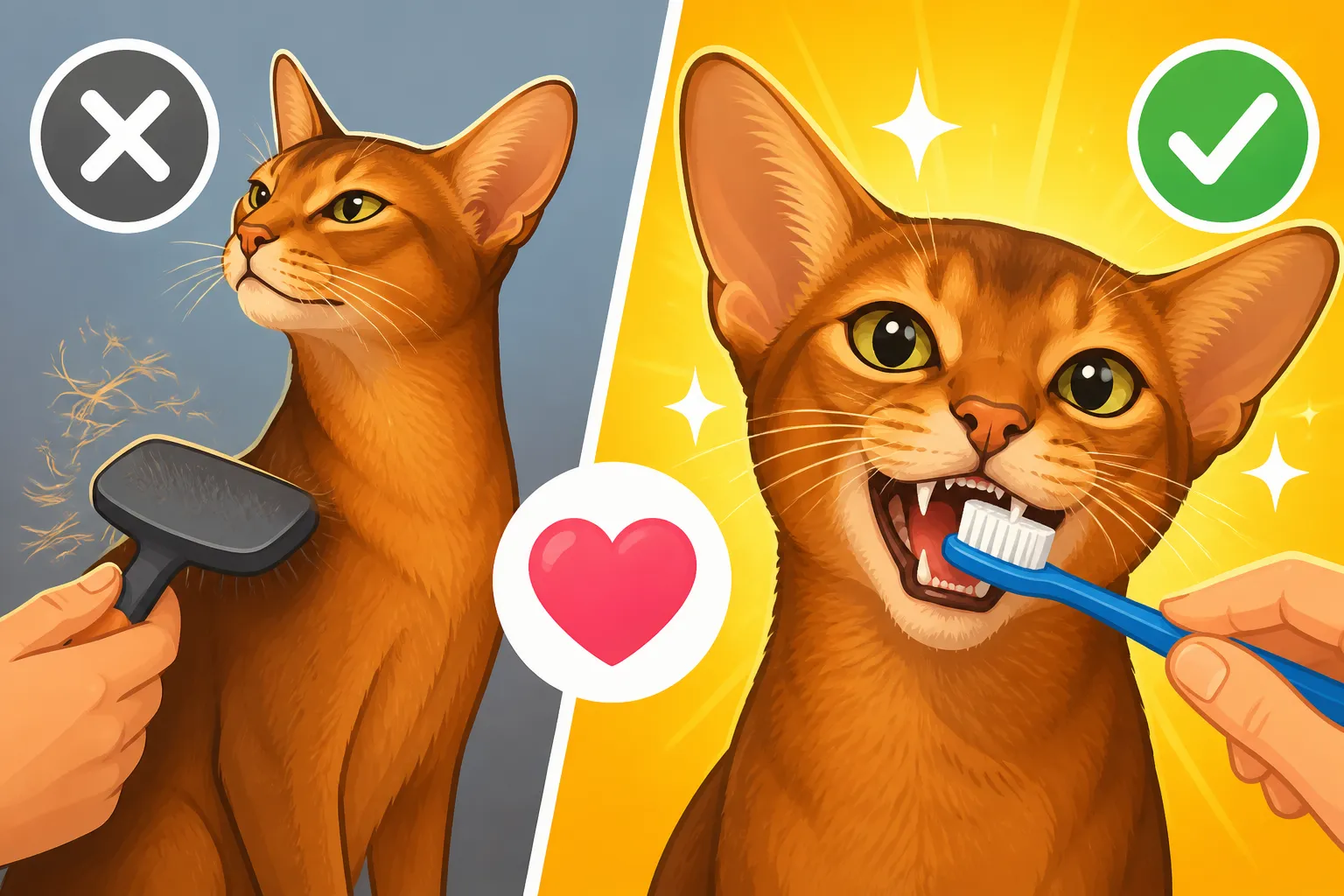
It's easy to get swept up in the gorgeous ticked coat of an Abyssinian, admiring its shimmer and feel, and thinking that weekly brushing is the pinnacle of their grooming needs. But I'm here to tell you, as someone who has shared my home with these incredible, energetic cats for years, that the biggest, most impactful grooming task you'll undertake for your Abyssinian isn't about their fur at all – it's about their teeth. Neglecting their oral health can lead to far more serious, painful, and costly problems than a dull coat ever could. This guide will walk you through why Abyssinian dental care is so crucial and how to make it a manageable, even successful, part of your routine.
Why Abyssinian Dental Health is So Critical
When you first bring home that bundles of energy, the sleek, short coat of an Abyssinian probably lulls you into thinking grooming will be a breeze. And for their fur, it largely is! A quick brush once a week to remove loose hairs and enhance that stunning shimmer is often all they need. But don't let that easy coat fool you into complacency about other, less obvious aspects of their care. Their dental health, often overlooked until a problem rears its ugly head, is a far more demanding and vital commitment.
The Abyssinian's Susceptibility to Gum Disease
Unfortunately, Abyssinians, like many pedigree breeds, have a genetic predisposition to certain health issues, and their oral health is particularly prone to complications. They are known for frequently developing conditions like juvenile gingivitis, which can begin shockingly early in their lives, sometimes even before their first birthday. This isn't just a minor irritation; unchecked gingivitis can quickly escalate into full-blown periodontal disease, leading to pain, infection, and eventually, tooth loss. Imagine trying to run, jump, and play with a constant ache in your mouth – it's no way for an active Aby to live. This is why being proactive from day one is not just a recommendation, it's a necessity.
Many Abyssinian owners, myself included, have faced the frustration of seeing healthy, happy kittens suddenly develop red, inflamed gums. It's disheartening, and it makes you realize just how delicate their oral environment truly is. What seems like a minor annoyance can quickly impact their ability to eat comfortably, affecting their overall health and energy levels. It's a silent threat that requires constant vigilance.
Comparing Dental Care to Coat Grooming Needs
Let's be honest, brushing an Abyssinian's coat is almost a pleasure. Their fine, close-lying fur doesn't tangle, doesn't matt, and hardly sheds. A soft brush or grooming mitt makes quick work of it, and they often enjoy the attention. It's a simple, low-effort task that yields immediate, visible results: a glossy, vibrant coat. This ease can create a false sense of security that all Abyssinian grooming is equally straightforward.
Dental care, however, is a different beast entirely. It's often resisted by cats, requires more specific tools, and the results aren't immediately apparent to the untrained eye. You don't see the plaque dissolving or the gum line firming up with a single session. This invisible battle against bacteria and inflammation demands a dedication that far exceeds the superficial needs of their coat. It's a daily, or at least every-other-day, commitment that impacts their comfort and long-term health in profound ways. Ignoring their coat might mean a bit more shedding on your furniture, but ignoring their teeth can mean severe pain, expensive vet bills, and a diminished quality of life.
The Hidden Costs of Neglected Teeth
One of the most sobering realities for any Abyssinian owner is understanding the financial implications of poor dental hygiene. What starts as a seemingly small issue, like a touch of gingivitis, can snowball into requiring extensive veterinary intervention. We're talking about multiple dental cleanings under anesthesia, potentially tooth extractions, antibiotics for infections, and even specialized blood work to rule out systemic issues that oral bacteria can cause. Why an Abyssinian Dental Work Is the Biggest Line in the Budget is a common lament among owners for a very good reason.
These procedures aren't cheap. Anesthesia alone carries risks and costs, and adding dental scaling, polishing, and extractions can quickly run into significant figures. And it's not a one-time thing. Cats prone to dental disease often need repeat procedures throughout their lives. Compare that to the minimal cost of a grooming mitt or a brush for their coat. The investment in daily brushing, both in time and a few affordable tools, pales in comparison to the potential financial burden of neglected oral health. It's an ounce of prevention that truly saves pounds of cure, both for your wallet and your cat's well-being.
Understanding the Unique Abyssinian Mouth
The Abyssinian is a breed known for its elegance and intelligence, and sometimes, those traits overshadow the more mundane, yet crucial, aspects of their physical makeup. Their oral anatomy, while appearing similar to other cats, harbors specific vulnerabilities that owners need to be aware of. It's not just about tiny teeth; it's about how their gums and jaw structure can uniquely predispose them to problems.
Anatomy of an Abyssinian's Teeth and Gums
Just like any domestic cat, Abyssinians have 30 permanent teeth – 12 incisors, 4 canines, 10 premolars, and 4 molars – designed for tearing and shearing, not grinding. Their teeth are sharp and pointed, perfect for their carnivorous diet. However, it's the structure of their gums that often presents the first red flag. Abyssinians tend to have somewhat prominent gum lines, and this can, unfortunately, make them more susceptible to gingivitis. The way their gum tissue wraps around the base of the tooth can create small pockets where food particles and bacteria readily accumulate, forming plaque.
This plaque, if not regularly removed, hardens into tartar. And here's where the problem really starts: tartar provides an ideal rough surface for more bacteria to cling to, pushing further under the gum line, leading to inflammation and infection. It's a vicious cycle that can erode the bone supporting the teeth, causing irreversible damage. Their naturally high energy levels often mean they don't show discomfort until a problem is quite advanced, masking the early stages of disease that other, less active cats might betray with obvious signs of pain.
The Problem of Juvenile Gingivitis in Abyssinians
One of the most frustrating and worrying conditions for Abyssinian owners is How Juvenile Gingivitis Starts in an Abyssinian Kitten. This isn't something that waits for old age; it can strike when they are mere kittens, often around six months of age, just as their adult teeth are fully erupted. We're talking about cats in the prime of their kittenhood, full of boundless energy, suddenly developing red, swollen, and sometimes bleeding gums. It's heartbreaking to see and can lead to discomfort that affects their eating and playing.
Veterinarians aren't entirely sure why Abyssinians are so prone to this specific form of gingivitis, but genetic factors are strongly suspected. It's believed that their immune systems might overreact to the bacteria naturally present in their mouths, leading to an exaggerated inflammatory response. This condition requires early intervention and consistent home care to manage, or it can quickly progress into more severe periodontal disease, setting the stage for a lifetime of dental challenges. Catching it early and being extremely diligent with brushing and veterinary check-ups is paramount.
How Overgrown Gum Tissue Impacts the Breed
Beyond standard gingivitis, some Abyssinians also suffer from a condition where their gum tissue actually overgrows, a condition known as gingival hyperplasia. This can be a particular issue for the breed, and it’s especially problematic because it literally buries parts of the tooth that should be exposed, creating even deeper pockets for bacteria to thrive. Why an Abyssinian's Gums Overgrow Its Teeth is a question many owners grapple with, and it points to a complex interplay of genetics and inflammatory responses.
When the gums become thick and swollen, they can start to cover the crowns of the teeth. This not only traps more food and bacteria but also makes effective brushing incredibly difficult, if not impossible, in the affected areas. It can also cause discomfort, making your cat reluctant to eat certain foods or play with hard toys. In severe cases, this overgrown tissue may need to be surgically trimmed back in a procedure called a gingivectomy, just to allow for proper cleaning and to alleviate pain. It's a clear illustration that for Abyssinians, dental care is far from a cosmetic concern; it's a critical health battle.
The Foundation: Starting Early with Dental Care
The best defense is a good offense, and when it comes to Abyssinian dental health, "early" doesn't just mean before problems arise—it means almost immediately upon bringing your kitten home. Establishing good habits and positive associations from a young age will save you (and your Aby) a tremendous amount of stress and potential pain down the line. It's about laying a groundwork that transforms a potentially difficult chore into a manageable, even accepted, part of your routine.
Getting Your Abyssinian Kitten Used to Mouth Handling
From the moment your Abyssinian kitten joins your family, start gently introducing them to having their mouth handled. This isn't about immediate brushing; it's about desensitization and building trust. Begin by simply touching their face, then gradually move to gently lifting their lips for a second or two. Praise them lavishly, offer a tiny, high-value treat (like a lick of wet food or a dab of cat-safe toothpaste), and keep the sessions super short – just a few seconds at first. You want them to associate this contact with positive reinforcement.
As they become more comfortable, you can start gently rubbing their gums with your finger, moving it along the outside of their teeth. This isn't about scrubbing; it's about introducing the sensation of pressure and touch in their mouth. Do this daily, even twice a day, if you can. The goal is to make them completely relaxed with you touching their gums and lifting their lips, so that when a toothbrush eventually comes into play, it's not a shock. This early habituation is critical, especially for a breed as sensitive and intelligent as the Abyssinian. Remember, patience is your best friend here.
Choosing the Right Tools for Tiny Mouths
Once your kitten is comfortable with mouth handling, it's time to introduce the actual tools. But don't just grab any old toothbrush! Kitten mouths are small and delicate, and they require appropriately sized instruments. For the very first brushes, a finger brush – a soft, rubbery thimble that fits over your finger – can be a great starting point. It allows you to maintain direct control and feel where you're brushing. You can find these easily on platforms like Amazon or Chewy.
As they grow, or if you prefer a more traditional brush from the outset, look for a toothbrush specifically designed for cats, which will have a much smaller head and softer bristles than human toothbrushes. There are even specialized toothbrushes for very small breeds or kittens that can make the process easier. Paired with a cat-specific enzymatic toothpaste (never use human toothpaste, as it contains ingredients toxic to cats), you'll have the right arsenal. How to Brush an Abyssinian's Teeth From Day One involves having these tools ready and making the introduction gentle and positive.
Making Dental Care a Positive Experience
The key to long-term success with Abyssinian dental care is making it a genuinely positive experience. This isn't about wrestling your cat into submission; it's about cooperation. Always aim for short, frequent sessions rather than long, infrequent battles. End each session on a good note, even if you only manage a few seconds of actual brushing. Immediately follow up with a reward – a favorite treat, a cherished toy, or some devoted cuddle time.
Consistency is also vital. Try to brush at the same time each day so it becomes a predictable part of their routine. If your cat resists, take a step back. Revert to just finger rubs for a few days, or simply let them lick some toothpaste off the brush. Never force the issue, as a negative experience can create a lasting aversion. Remember, you're building a foundation for years of dental health, and a few weeks of patient, positive reinforcement now will pay dividends for The Twelve to Fifteen Years an Abyssinian Usually Gets. Think of it less as a chore and more as a bonding activity that safeguards their health.
Daily Brushing: Your First Line of Defense
Once you've established a positive association with mouth handling and introduced the right tools, daily brushing becomes your most powerful weapon against plaque, tartar, and the dreaded progression of dental disease. For an active, long-lived breed like the Abyssinian, this routine isn't just advised; it's essential for their comfort and overall health.
Step-by-Step Guide to Brushing an Abyssinian's Teeth
Alright, let's get down to business. Brushing your Abyssinian's teeth doesn't have to be a wrestling match. Here's a gentle, step-by-step approach to make it as smooth as possible:
- Gather Your Tools: Have your cat-specific toothbrush and enzymatic toothpaste ready. If your cat loves a particular treat, have that on hand too for immediate reward.
- Choose the Right Time and Place: Pick a calm, quiet moment when your Aby is relaxed, perhaps after a nap or before a meal. A familiar spot where they feel secure, like a favorite lap perch or a stable surface, works best.
- Position Your Cat: Hold your cat gently but securely. Some prefer to sit on your lap facing away from you, others might be cradled like a baby, or even stand on a counter if they're used to it. Find what works for your individual cat without causing stress.
- Apply Toothpaste: Put a pea-sized amount of cat-specific toothpaste on the toothbrush. Let your cat lick a tiny bit off first if they like the taste – this can make them more receptive.
- Lift the Lip and Start Brushing: Gently lift one side of your cat's upper lip to expose the teeth. Angle the brush at a 45-degree angle to the gum line, ensuring the bristles get into that crucial sulcus (the pocket where the tooth meets the gum).
- Focus on the Outer Surfaces: Using small, circular motions, brush the outer surfaces of the teeth and along the gum line. The outer surfaces are where plaque builds up most commonly. Don't worry too much about the inner surfaces; your cat's tongue usually keeps those relatively clean.
- Work Quickly and Efficiently: Aim for about 30 seconds per side, focusing on the back teeth (premolars and molars) where plaque tends to accumulate most. If your cat tolerates more, great! If not, just do what you can.
- Repeat on the Other Side: Gently move to the other side of their mouth and repeat the process.
- Reward Immediately: As soon as you finish, even if it was just a quick brush, offer that high-value treat, praise, and gentle strokes. End on a positive note, always.
Remember, consistency is far more important than perfection. Even if you only manage a few teeth at first, celebrate that success and build from there.
Selecting the Best Toothbrush and Toothpaste
The market is flooded with dental products, so choosing the right ones can feel a bit overwhelming. For an Abyssinian, you need specific cat-friendly options. For toothbrushes, as mentioned earlier, start with a finger brush for kittens or a soft-bristled, small-headed cat toothbrush. Brands like C.E.T. or Virbac offer excellent options, readily available at pet stores or online retailers like Chewy. The key is small and soft, to avoid irritating their delicate gums and fit into their compact mouths. Which Toothbrush Suits an Abyssinian will largely depend on their size and tolerance.
For toothpaste, it must be enzymatic and specifically formulated for cats. Human toothpaste contains fluoride, xylitol, and detergents that are toxic if swallowed by cats. Enzymatic toothpastes work by breaking down plaque and odors, even with minimal brushing, and most come in appealing flavors like poultry or seafood, which can make the experience more palatable for your Aby. Companies like Virbac, Sentry, and Petrodex are popular choices, and you can often find starter kits on Amazon that include both a brush and toothpaste. Always check the ingredients to ensure they are cat-safe.
Consistency is Key: Establishing a Routine
I cannot stress this enough: consistency is the absolute cornerstone of effective dental care. Brushing once a week, or whenever you remember, just isn't enough to combat the daily buildup of plaque and bacteria, especially in a breed like the Abyssinian that's prone to gingivitis. Ideally, you should aim to brush your Abyssinian's teeth daily. If daily is truly impossible for your schedule, then every other day is the bare minimum to make a significant impact.
Establish a routine and stick to it. Whether it's after their morning play session or right before their evening meal, making it a predictable part of their day helps them accept it. Cats thrive on routine, and knowing what to expect can significantly reduce their resistance. If you have multiple Abyssinians, treat each session as an individual, calm interaction. Over time, this consistent effort will dramatically reduce the risk of serious dental problems, keeping their breath fresher, their mouths healthier, and ultimately, contributing to a longer, more comfortable life. Think of it like brushing your own teeth – it's a daily habit for a reason!
Beyond Brushing: Professional Cleanings and Advanced Care
While daily brushing is your best offense, sometimes it's not enough to fully prevent dental issues, or perhaps you've adopted an Abyssinian with existing problems. This is where professional veterinary care becomes indispensable. A skilled vet can provide a level of cleaning and assessment that simply isn't possible at home, ensuring any deeper issues are addressed promptly.
When to Seek a Professional Dental Cleaning
Even with diligent home brushing, most cats will benefit from periodic professional dental cleanings. Think of it like your own dental check-ups – you brush daily, but you still see the hygienist. For Abyssinians, given their propensity for gum issues, this might be needed more frequently than for other breeds. How often? That depends on your cat's individual genetics, diet, and how effective your home care truly is. Some Abyssinians might need a cleaning every year or two, while others could go longer.
Signs that your Aby might need a professional cleaning include persistent bad breath (beyond typical "cat breath"), red or swollen gums, visible tartar buildup (brown or yellow crust on the teeth), pawing at their mouth, reluctance to eat dry food, or a noticeable change in eating habits. Any of these symptoms warrant an immediate vet visit. Don't wait until the problem is severe; early intervention can prevent painful extractions and more extensive procedures. Your vet will perform an oral exam during routine check-ups and advise you when a professional cleaning is recommended.
What Happens During an Abyssinian's Dental Under Anesthetic
The thought of your precious Abyssinian going under anesthesia for a dental cleaning can be nerve-wracking for any owner. However, it's a necessary step for a thorough and safe procedure. What Happens During an Abyssinian's Dental Under Anesthetic is important to understand so you feel prepared. First, your vet will conduct pre-anesthetic blood work to ensure your cat is healthy enough for the procedure, checking kidney and liver function. This is especially crucial for Abyssinians, given potential genetic predispositions to kidney issues like renal amyloidosis, though this is not directly related to dental work itself, it's part of a holistic assessment.
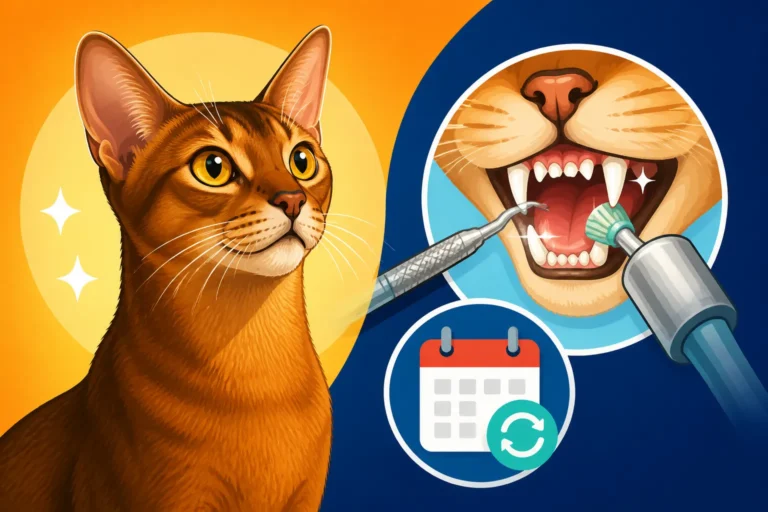
Once under anesthesia, a trained veterinary technician or veterinarian will meticulously scale each tooth, removing plaque and tartar both above and, crucially, below the gum line. This subgingival cleaning is impossible on an awake cat and is vital for preventing periodontal disease. They will then polish the teeth to smooth out any microscopic etches left by scaling, making it harder for plaque to adhere. During this time, the vet will also perform a thorough oral examination, probing for gum pockets, checking for tooth resorption, and looking for any broken or diseased teeth that might require extraction. Digital dental X-rays are often taken to assess the health of the tooth roots and jawbone, revealing problems hidden beneath the gum line. Your cat will be monitored closely throughout the entire process, from induction to recovery.
Recognizing Signs That Warrant a Vet Visit
Beyond the routine professional cleanings, there are specific warning signs that indicate an urgent trip to the vet for your Abyssinian's oral health. These are symptoms that suggest a problem is already well underway and needs immediate attention. Watch out for a sudden onset of extremely foul breath that you can smell across the room – this often points to infection. Drooling, especially if it's bloody or excessive, is another major red flag.
Changes in eating habits are also critical indicators. If your Abyssinian, usually a voracious eater, suddenly approaches their food cautiously, chews only on one side of their mouth, drops food, or completely refuses to eat dry kibble, pain is likely involved. Swelling around the face or jaw, visible lesions in the mouth, loose or missing teeth, or constant pawing at the mouth are all clear signals that your cat is in distress. Even a subtle decrease in energy or a change in their typically playful demeanor could be linked to chronic oral pain. If you notice any of these signs, don't delay – schedule a vet appointment immediately. Early diagnosis and treatment can prevent further suffering and more complex, expensive interventions.
Addressing Specific Abyssinian Dental Issues
Despite your best efforts with brushing and regular vet visits, Abyssinians can still encounter specific dental problems, largely due to their genetic predispositions. Knowing what these conditions are and how they manifest can help you identify them early and work with your vet to manage them effectively.
Gingivitis and Periodontal Disease
As we've discussed, gingivitis, the inflammation of the gums, is a common foe for Abyssinians, often starting early as How Juvenile Gingivitis Starts in an Abyssinian Kitten. This is the mildest form of periodontal disease, characterized by red, swollen gums that may bleed easily. If caught at this stage, it's reversible with diligent home care and professional cleaning. However, if left untreated, gingivitis progresses to periodontitis. This is where things get serious.
Periodontitis involves the infection and inflammation spreading from the gums to the deeper supporting structures of the tooth – the periodontal ligament and the bone. This process is irreversible, leading to bone loss around the teeth, gum recession, and eventually, tooth mobility and loss. Symptoms include severe bad breath, pus around the gum line, pain when eating, and visible tooth loss. Abyssinians are particularly vulnerable to this progression, making early intervention not just beneficial, but critical. Regular dental exams and prompt action at the first sign of gingivitis are essential to prevent this destructive cascade.
Tooth Resorption: A Silent Threat
One of the more insidious dental problems that can affect Abyssinians, like many cat breeds, is Feline Odontoclastic Resorptive Lesions (FORLs), commonly known as tooth resorption. This condition is often called a "silent threat" because it can be incredibly painful but is not always visible to the naked eye until it's quite advanced. Essentially, the body starts to resorb (break down) its own tooth structure, creating painful lesions, usually at or below the gum line. Why an Abyssinian Loses Teeth Younger Than Most Cats often has tooth resorption as a contributing factor.
The cause of tooth resorption isn't fully understood, but it's believed to be multifactorial, potentially involving inflammation, genetics, or even metabolic issues. What makes it so difficult is that the visible part of the tooth might look completely normal, while the root is slowly being destroyed. Cats suffering from FORLs might show subtle signs of pain, such as dropping food, chewing differently, or avoiding hard kibble, but often, the only definitive way to diagnose it is through dental X-rays taken under anesthesia. Once diagnosed, the affected teeth almost always require extraction to alleviate the severe pain they cause. This underscores why those regular professional dental exams with X-rays are so important.
Gingivectomy: When Surgery is Necessary
For Abyssinians specifically prone to gingival hyperplasia – the overgrowth of gum tissue – a routine cleaning simply won't suffice. When the gum tissue becomes so thick and excessive that it covers parts of the tooth, creating deep pockets where bacteria can flourish unchecked and making home brushing impossible, a procedure called a gingivectomy becomes necessary. What a Gingivectomy Involves for an Abyssinian is a surgical solution to a very specific problem.
During a gingivectomy, performed under general anesthesia, the veterinarian will carefully trim away the excess gum tissue using a scalpel or laser. This exposes the full crown of the tooth, eliminates those deep, problematic pockets, and allows for proper cleaning, both during the procedure and for future home care. A biopsy of the removed tissue may be sent to a lab to rule out any underlying cancerous or precancerous changes, which is always a good precaution. While it sounds daunting, a gingivectomy can dramatically improve an Abyssinian's oral comfort and help prevent the recurrence of severe periodontal disease. Post-operative care usually involves pain management and careful monitoring, but the long-term benefits for a cat struggling with overgrown gums are substantial.
Nutrition's Role in Oral Health
While brushing and professional cleanings are paramount, the food you choose for your Abyssinian also plays a supporting, albeit often misunderstood, role in their dental health. It's not a magic bullet, but making informed dietary choices can complement your other efforts to maintain a healthy mouth.
The Impact of Diet on Dental Plaque and Tartar
Many owners wonder if diet alone can prevent dental disease. The short answer is no; diet alone cannot replace brushing. However, what your Abyssinian eats does influence the rate at which plaque and tartar accumulate. Soft, sticky wet foods tend to adhere more easily to tooth surfaces, potentially contributing to plaque buildup if not followed by cleaning. Dry kibble, on the other hand, can offer a mild abrasive action that helps to "scrub" the surface of the teeth, especially if the kibble pieces are designed with a specific shape and texture for dental benefits.
The idea isn't that dry food cleans teeth completely – it certainly doesn't reach below the gum line – but it can help reduce superficial plaque. The composition of the food matters too; diets high in carbohydrates can contribute to a more acidic oral environment, which some research suggests can promote bacterial growth. Ultimately, a balanced, high-quality diet that supports overall health is key, but don't fall into the trap of believing a specific kibble negates the need for active dental care.
Dental-Specific Diets and Chews
Beyond standard kibble, there are prescription dental diets and various dental chews marketed to improve oral health. Veterinary dental diets, often available through your vet or specific online retailers like Chewy or your vet's online pharmacy, are specifically formulated with larger, fibrous kibble that encourages more chewing and provides a more significant abrasive effect. These diets often contain ingredients that help reduce plaque accumulation or even bind to calcium in saliva to prevent tartar formation. Brands like Hill's Prescription Diet t/d or Purina Pro Plan Veterinary Diets DH are examples.
Dental treats and chews can also be a helpful adjunct, but it's crucial to choose wisely. Look for products that have been awarded the Veterinary Oral Health Council (VOHC) seal of acceptance. This seal indicates that the product has met rigorous standards for reducing plaque and/or tartar. Many dental treats merely provide a temporary distraction without real dental benefit, and some can even be too hard, posing a risk of tooth fracture. Why Dental Treats Do Not Replace Brushing an Abyssinian is a key takeaway: they are supplementary, not a substitute, for manual brushing and professional care. Always monitor your cat when they're consuming dental chews to ensure safety.
Hydration and Its Importance for Oral Health
Proper hydration is often overlooked as a component of oral health, but it plays a significant role. Saliva is a cat's natural defense mechanism against plaque and bacteria. It helps to rinse food particles from the teeth, neutralize acids produced by bacteria, and contains enzymes that can fight oral pathogens. A well-hydrated cat produces plenty of saliva, which contributes to a healthier oral environment.
Abyssinians, being generally active, might require more water intake than more sedentary breeds. Encouraging water consumption is vital, especially for a breed that can be prone to kidney issues later in life. Providing multiple water bowls in different locations, using ceramic or stainless steel bowls, and considering a cat drinking fountain can all help. Many Abyssinians enjoy the fresh, flowing water from a fountain, making them more likely to drink. Incorporating wet food into their diet is also an excellent way to boost their overall fluid intake, benefiting not just their oral health but their urinary and kidney health too.
Long-Term Dental Health and the Abyssinian Lifespan
Thinking about the long game with your Abyssinian's health is crucial. Their dental care isn't a temporary fix; it's a lifelong commitment that directly impacts their quality of life, comfort, and even their longevity. Understanding this long-term perspective helps you prioritize and plan effectively.
The Link Between Oral Health and Overall Well-being
It's easy to view dental disease as solely a problem of the mouth, but the reality is much broader. The mouth is a gateway to the rest of the body. Chronic oral infection and inflammation can have systemic consequences, impacting various organs and contributing to other health problems. Bacteria from severe periodontal disease can enter the bloodstream, traveling to the heart, kidneys, and liver, potentially causing or exacerbating conditions in these vital organs. While not as commonly highlighted as other hereditary diseases, poor dental health certainly won't help an Abyssinian already prone to other issues.
An Abyssinian struggling with chronic dental pain might become lethargic, lose their appetite, and generally become less engaged. This is a cat known for its boundless energy and playful nature, and any significant dip in that enthusiasm should be a red flag. Maintaining good oral hygiene helps prevent these systemic issues, ensuring your Abyssinian remains healthy, active, and vibrant for as long as possible. A healthy mouth contributes significantly to a healthy cat.
Planning for Lifetime Dental Costs
Just as you budget for food, litter, and routine vet visits, it's wise to factor in the potential for significant dental costs over your Abyssinian's lifetime. As we discussed, Why an Abyssinian Dental Work Is the Biggest Line in the Budget is a common reality for many owners. While diligent home care can reduce the frequency and severity of professional interventions, it's rarely a complete preventative measure.
Consider setting aside a dedicated "dental fund" or exploring pet insurance plans that offer robust dental coverage. Pet insurance can be a lifesaver when unexpected or recurring dental procedures arise, helping to offset the financial burden of cleanings, extractions, and other treatments. When researching insurance, pay close attention to what dental conditions are covered, if there are age limits, and whether pre-existing conditions (like juvenile gingivitis diagnosed before coverage starts) are excluded. Starting insurance coverage when your Abyssinian is young and healthy can be a smart financial decision, potentially covering a significant portion of future dental care needs over What an Abyssinian Costs Over Fifteen Years.
Maintaining Oral Health in Senior Abyssinians
As your Abyssinian enters their senior years – typically around 10-12 years old – their dental health becomes even more critical, and often more challenging. Older cats may have accumulated years of wear and tear, and their immune systems might not be as robust, making them more susceptible to infections. Existing dental issues can become more pronounced, and new problems like tooth resorption or gum recession might emerge.
While anesthesia for older cats can be a concern for owners, modern veterinary medicine has made it very safe, especially with thorough pre-anesthetic screening. Don't let fear of anesthesia prevent necessary dental care for your senior Aby. Your vet will carefully assess their health and tailor the anesthetic protocol to their specific needs. Continuing with gentle daily brushing, even if it's just for a few seconds, remains important. Regular vet check-ups will allow your veterinarian to monitor their oral health closely, identifying problems early when they are often easier and less invasive to treat. A comfortable, pain-free mouth in their golden years significantly enhances their overall quality of life and enjoyment of food, which is something every Abyssinian owner cherishes.
Here is a summary of Abyssinian dental care stages:
| Age/Stage | Focus Area | Key Actions | Recommended Tools | Professional Care Needed? |
|---|---|---|---|---|
| Kitten (8-16 weeks) | Habituation & Positive Association | Gentle mouth handling, finger rubs, introducing cat toothpaste taste, short positive sessions. | Finger brush, cat-safe enzymatic toothpaste. | First vet check-up. |
| Juvenile (4-12 months) | Establishing Daily Brushing Routine | Introduce small cat toothbrush, daily brushing of outer tooth surfaces, monitor for juvenile gingivitis. | Small cat toothbrush, enzymatic toothpaste. | First professional dental exam (if gingivitis present). |
| Adult (1-9 years) | Consistent Daily Maintenance | Maintain daily/every-other-day brushing, regular vet check-ups, watch for signs of dental disease. | Cat toothbrush, enzymatic toothpaste, dental treats (VOHC). | As advised by vet (usually every 1-3 years for cleaning). |
| Senior (10+ years) | Continued Vigilance & Pain Management | Continue brushing as tolerated, monitor closely for changes, address pain promptly, pre-anesthetic screening. | Soft cat toothbrush, enzymatic toothpaste. | More frequent cleanings/X-rays as needed. |
Disclaimer
This article is for general informational purposes only and does not constitute professional advice. Laws, prices and regulations vary by location and change over time. Consult a qualified professional for guidance on your specific situation.