Why the Wrong Brush Flattens an Abyssinian’s Ticking
The moment you welcomed your Abyssinian into your home, you probably fell in love with that incredible ticked coat. It shimmers, it glows, it's just stunning. But then you realize that keeping it that way isn't always straightforward, and using the wrong grooming tools can actually flatten that beautiful ticking, making it lose its signature sparkle. This guide is here to walk you through exactly why certain brushes can do more harm than good and how to choose the right tools to keep your Abyssinian's coat looking its absolute best.
Understanding the Abyssinian's Unique Coat Structure
Before we dive into the nitty-gritty of brushing, let's really appreciate what makes an Abyssinian's coat so special. It's not just "short hair"; it's a marvel of feline genetics and something truly distinct in the cat world. Understanding this unique structure is the first step to caring for it properly and avoiding common grooming pitfalls that can easily undo its natural beauty.
The Magic of the Ticked Coat: What Is It, and Why Is It Special?
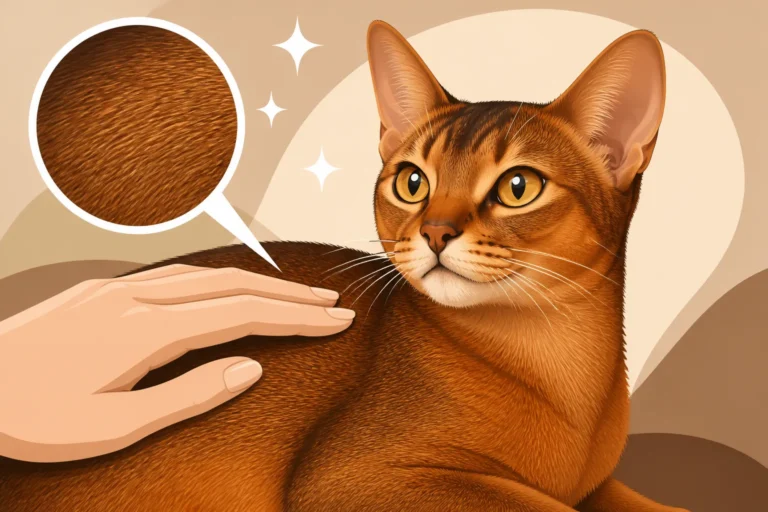
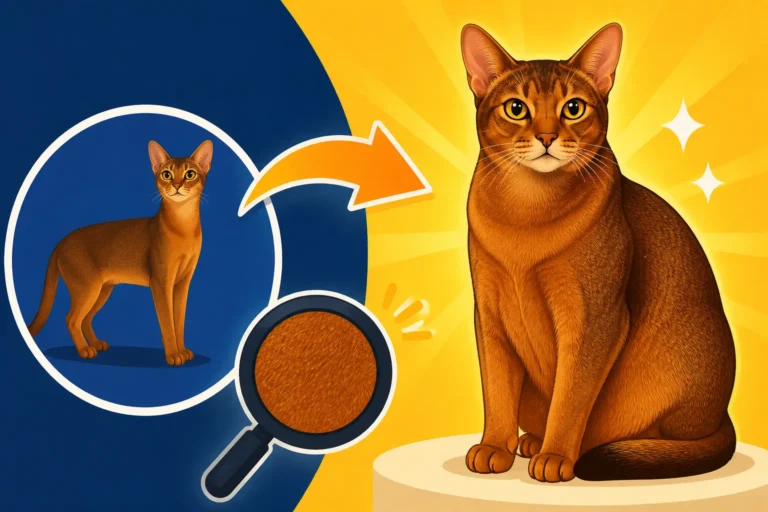
The ticked coat is the hallmark of the Abyssinian, and it's what gives them that wild, untamed look reminiscent of their supposed ancient ancestors. Unlike most tabby patterns with distinct stripes or spots, an Abyssinian's ticking means that each individual hair strand has multiple bands of color along its length, typically three or four. Imagine tiny, microscopic stripes on every single hair. The tip of the hair is always the darkest color, while the bands closer to the skin alternate with lighter hues. This isn't a pattern created by patches of fur, but by the intricate coloring of each individual strand. It’s what contributes to their famously "agouti" pattern.
When you look at a truly well-groomed Abyssinian, you don't see stripes or blotches (at least, not ideally—some very faint barring on legs or neck can occur, but it's a fault in the show ring). Instead, you see a rich, warm, and constantly shifting canvas of color. It's almost like a tapestry woven from thousands of tiny, multicolored threads, and the way the light catches these individual bands creates that breathtaking, shimmering effect. This depth of color and dynamic appearance is what draws so many to the breed and why protecting it is paramount.
The Minimal Undercoat: Why It's Different From Other Breeds
One of the most defining characteristics of the Abyssinian's coat, beyond its ticking, is its minimal undercoat. Many cat breeds, especially longhairs, have a thick, dense undercoat that provides insulation and bulk. Think of a Persian or a Maine Coon; their luxurious coats are largely thanks to that fluffy underlayer. The Abyssinian, on the other hand, possesses a single coat that lies close to the body, with very little of that soft, downy underfur. This is a crucial distinction when it comes to grooming.
Because there's so little undercoat, the Abyssinian's fur feels incredibly fine and silky to the touch. It’s also why they generally shed less than many other breeds, as there's simply less fur to turn over. This lack of a dense underlayer means their skin is more exposed and vulnerable to harsh brushing. Tools designed for cats with thick undercoats, like deshedding rakes, can easily scrape the skin or aggressively pull out the delicate guard hairs that form the visible ticking, leading to damage that is hard to reverse. Understanding that their coat isn't built for heavy-duty grooming is key to selecting the right approach. You can read more about Why the Ticked Coat Leaves an Abyssinian Almost No Undercoat to delve deeper into this aspect.
How Ticking Creates the Shimmering Effect: The Visual Appeal
The shimmering effect, that almost iridescent quality that makes an Abyssinian's coat seem alive, is a direct result of the ticked hairs. As your Abyssinian moves, the individual hair shafts shift and catch the light at different angles. Because each hair has varying shades along its length, these movements expose different color bands, creating an optical illusion of depth and movement. It's not unlike how a finely woven silk fabric appears to change color as you move around it.
This dynamic interplay of light and color is what makes the Abyssinian's coat so captivating. It adds to their sleek, athletic appearance, highlighting their muscular build and graceful movements. When the ticking is flattened or the guard hairs are damaged, this shimmering effect diminishes, and the coat can look dull, uneven, or even matted. Instead of a vibrant, alive tapestry, it might resemble a more uniform, less interesting color block. Preserving this unique visual appeal is a primary goal of appropriate grooming, ensuring your Abyssinian looks as magnificent as they feel.
The Perils of Improper Brushing Techniques
It might seem counterintuitive, but sometimes trying too hard to groom your Abyssinian can actually have detrimental effects on their beautiful coat. Using the wrong technique or the wrong tool can quickly turn a glossy, vibrant coat into something far less appealing. It's not just about aesthetics; improper brushing can impact the health of their skin and the integrity of their unique hair structure.
What "Flattening the Ticking" Actually Means: Visual and Tactile Impact
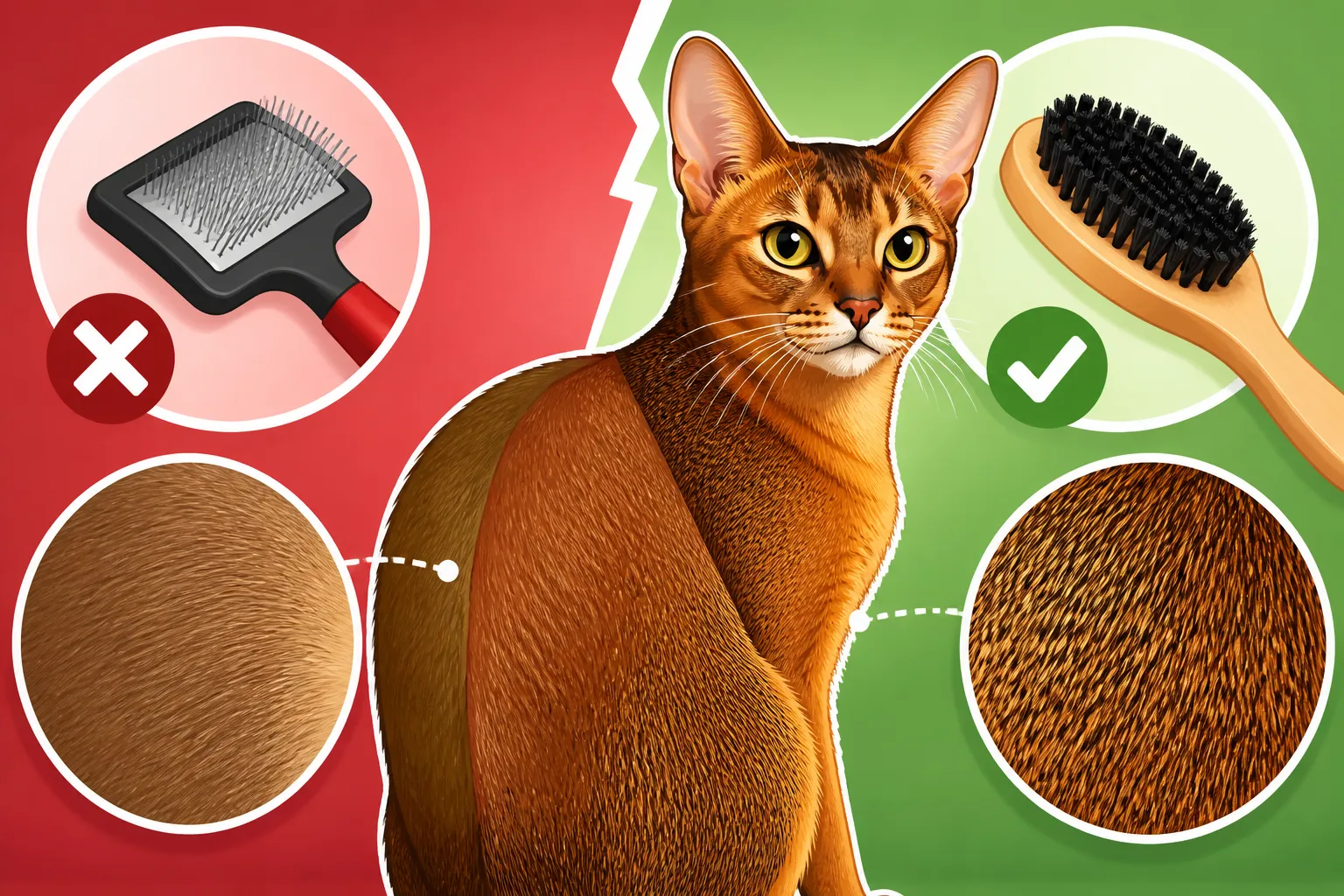
When we talk about "flattening the ticking," we're referring to a very specific kind of damage that occurs to an Abyssinian's coat. Visually, it means that the distinct bands of color on each hair shaft, which create the breed's signature shimmer and depth, become disrupted. Instead of standing out individually and reflecting light in a dynamic way, the hairs get pressed down, the individual color bands are less discernible, and the coat appears duller, less vibrant, and even greasy. The multi-dimensional appearance is lost, replaced by a more uniform, often muted, color.
Tactilely, a coat with flattened ticking will feel different too. It might lose its natural silky smoothness and instead feel coarser or even bristly in places. The natural spring and resilience of the coat, which allows it to lie close to the body while still maintaining its depth, is compromised. This isn't just a minor cosmetic issue; it's a sign that the delicate structure of the coat has been disturbed, potentially leading to further problems down the line. You can explore Why the Wrong Brush Flattens an Abyssinian's Ticking further for more details on this topic.
Damage to the Guard Hairs: Why These Are Crucial
The outermost layer of an Abyssinian's coat is made up of its guard hairs. These are the longer, stronger hairs that primarily display the ticking pattern and give the coat its protective qualities and characteristic sheen. They are relatively delicate, especially when compared to the coarser fur of some other breeds. Improper brushing, particularly with stiff or sharp-toothed tools, can easily damage these guard hairs.
When guard hairs are broken, bent, or pulled out unnecessarily, several things happen. First, the shimmering effect is immediately diminished because the structure responsible for reflecting light is compromised. Second, the coat's natural protective barrier is weakened, making it potentially more susceptible to environmental factors like dust or even minor skin irritations. Repeated damage can also lead to patches of uneven growth or a permanently dull appearance in affected areas. These hairs are crucial for the overall health and beauty of the Abyssinian's coat, and their integrity must be preserved. The article How an Abyssinian's Agouti Banding Works explains how these hair bands contribute to the ticking.
Over-Stimulating Oil Glands and Coat Health: Consequences Beyond Appearance
Beyond just the physical damage to the hair shafts, aggressive or incorrect brushing can also negatively impact your Abyssinian's skin and overall coat health by over-stimulating their sebaceous (oil) glands. These glands produce natural oils that keep the skin moisturized and the coat healthy and shiny. However, excessive stimulation from harsh brushes can cause these glands to go into overdrive, producing too much oil.
An overproduction of oil can lead to a greasy-looking coat, which in turn attracts more dirt and debris, making your Abyssinian look less clean, even after grooming. It can also create an environment conducive to skin issues, such as clogged pores or mild dermatitis, especially if dirt accumulates. While Abyssinians are generally clean cats, this imbalance can make them feel less comfortable and lead to increased self-grooming, potentially exacerbating the problem. The goal of brushing should be to distribute natural oils, not to provoke their excessive production, ensuring the coat remains balanced and healthy.
Identifying the Wrong Tools for an Abyssinian's Coat
Given the unique characteristics of an Abyssinian's coat, it's perhaps no surprise that many commonly available grooming tools simply aren't suitable. What works wonders for a Maine Coon or a Persian could be disastrous for your Aby. Recognizing these inappropriate tools is as important as knowing which ones to use. It’s all about protecting those delicate guard hairs and preserving the famous ticking.
The Problem with Slicker Brushes: Designed for Different Coats
Slicker brushes are incredibly popular for many cat breeds, particularly those with medium to long hair or a dense undercoat. They typically feature a flat or curved head with many fine wire bristles, often angled, designed to reach deep into the fur to remove loose hair and detangle mats. For an Abyssinian, however, a slicker brush is a significant no-go.
Because the Abyssinian has such a minimal undercoat and their fur lies so close to the body, a slicker brush’s fine wire pins are simply too harsh. They don't have a thick layer of fluff to work through, meaning those wires will dig directly into their delicate skin. This can cause discomfort, irritation, and even small scratches. More importantly, the action of a slicker brush can aggressively pull and bend the guard hairs that form the ticking, leading to the dreaded "flattening" effect we discussed. It strips away the very structure that gives the coat its vibrancy, leaving it looking dull and damaged.
Deshedding Tools: A Recipe for Disaster for Abyssinians
Tools like the popular Furminator and other deshedding rakes are designed with one primary purpose: to remove significant amounts of loose undercoat, often from double-coated breeds like Ragdolls, British Shorthairs, or even dogs with thick coats. These tools use specialized blades or combs to grab and pull out the softer, shorter undercoat hairs. While incredibly effective for their intended use, they are an absolute recipe for disaster for an Abyssinian.
As established, Abyssinians have next to no undercoat. When you use a deshedding tool on an Abyssinian, there's no soft underlayer to target. Instead, the sharp edges or teeth of the tool will aggressively scrape against the skin and, crucially, pull out and break the Abyssinian's delicate guard hairs. This will not only cause pain and potential skin damage but will irrevocably ruin the ticked pattern. It's like trying to prune a rose bush with a hedge trimmer – you'll just destroy the beauty you're trying to maintain. Stick to tools specifically designed for their unique coat type, not ones that aim to strip out what they don't possess. Why a Deshedding Blade Should Never Touch an Abyssinian elaborates on this danger.
Harsh Bristles and Wire Combs: Why They Cause Damage
Beyond slicker brushes and deshedding tools, many other seemingly innocuous grooming tools can also cause damage to an Abyssinian's coat. Brushes with overly harsh, stiff bristles—especially those made of synthetic materials—can abrade the delicate guard hairs, dulling their surface and breaking their natural structure. Similarly, wire combs, particularly those with sharp teeth or without smoothly finished tips, can easily snag and pull the fine Abyssinian hairs.
These tools, while perhaps suitable for cats with tougher, more resilient fur, lack the gentle touch required for an Abyssinian. The repeated friction and pulling action can lead to hair breakage, skin irritation, and contribute to that flattened, lifeless look. Always prioritize tools with soft, rounded tips and materials that are gentle on both skin and hair. When in doubt, if a brush feels scratchy or uncomfortable on your own skin, it's almost certainly too harsh for your Abyssinian's sensitive coat.
Choosing the Right Grooming Tools for Your Abyssinian
Now that we've covered what not to use, let's talk about the right tools that will enhance your Abyssinian's natural beauty without causing damage. The key is gentleness and selecting implements designed to work with their specific coat type, not against it. Think about the quality and feel of the materials, and always err on the side of softness.
The Gentle Rubber Mitt or Curry Comb: Ideal for Their Short, Dense Coat
For most Abyssinian owners, the absolute best all-around grooming tool is a soft rubber grooming mitt or a rubber curry comb. These tools are designed to be incredibly gentle yet effective for short, dense coats. The soft rubber nubs work to massage the skin, stimulate circulation, and gently loosen any dead skin cells or shed hair without pulling or damaging the delicate guard hairs.
The beauty of a rubber mitt is that it glides over the coat, effectively grabbing loose hairs with its static charge and texture, rather than digging into the fur. This means no flattening of the ticking, no scratching of the skin, and a very comfortable experience for your cat. Many Abyssinians actually enjoy the sensation of a rubber mitt, turning grooming into a pleasant bonding time rather than a chore. You can find excellent options for these on sites like Chewy or Amazon, making them easily accessible. This is the primary tool that helps keep their coat smooth and shiny. Check out Which Grooming Mitt Suits an Abyssinian for specific recommendations.
Fine-Tooth Combs for Light Detangling: Specific Use Cases
While a rubber mitt is great for general grooming, there might be rare occasions when a fine-tooth comb comes in handy. This isn't for everyday use, and it should be used with extreme caution. A metal fine-tooth comb with smoothly polished teeth can be useful for very light detangling if your Abyssinian somehow gets a tiny mat behind an ear or in a particularly active area. However, Abyssinians are not prone to matting due to their short, single coat, so this is usually an infrequent need.
If you do use a comb, ensure it's a high-quality one with rounded teeth that won't scratch the skin. Always use it gently, holding the hair at the base to minimize pulling, and never force through any resistance. The goal is to tease out tangles, not rip through them. For an Abyssinian, a comb is more of a precision tool for specific, minor issues rather than a general grooming implement.
The Finishing Touch: A Chamois Cloth for Shine
After a gentle session with a rubber mitt, there's one more step that can truly make your Abyssinian's coat sing: a quick polish with a soft chamois cloth. A chamois (the kind you might use to polish a car) has a unique texture that helps to buff the coat, enhancing its natural luster and bringing out the full depth of the ticking. It also helps to distribute the natural oils evenly across the coat, adding to that characteristic Abyssinian shimmer.
Simply take a clean, dry chamois cloth and gently wipe down your Abyssinian's coat in the direction of hair growth. You'll notice an immediate difference in how the light catches their fur. It's a simple, non-invasive step that acts as the perfect finishing touch, making their coat look incredibly sleek and vibrant. This technique perfectly complements the goal of maintaining the coat's natural ticking without any harsh intervention. You can learn more about How a Chamois Brings Up an Abyssinian's Shine.
Mastering the Art of Abyssinian Brushing
Grooming an Abyssinian isn't just about having the right tools; it's also about understanding the right approach and technique. Their high energy levels, combined with their delicate coat, mean that short, pleasant, and effective sessions are far more beneficial than long, arduous ones. Mastering these techniques will not only keep their coat pristine but also reinforce the bond you share.
The "Less is More" Approach: Frequency and Duration
For an Abyssinian, less truly is more when it comes to brushing. Unlike breeds that require daily attention to prevent mats, the Abyssinian’s single, short coat means they don't need extensive grooming. Over-brushing can strip essential oils, irritate the skin, and, as we've discussed, flatten that beautiful ticking. A gentle brushing session once a week is usually ample for a healthy adult Abyssinian. Some owners even find that once every two weeks is enough, depending on the individual cat and their shedding cycle.
When you do brush, keep the sessions brief and positive. Aim for five to ten minutes at most. The goal isn't to remove vast quantities of hair, but rather to gently remove loose fur, stimulate circulation, and distribute natural oils. If your Abyssinian tolerates it, you can extend it slightly, but always end on a good note, before they get fidgety or annoyed. Consistent, short sessions are far more effective than sporadic, prolonged ones that can stress both you and your cat. An Abyssinian Needs Brushing Once a Week and No More provides further context on this.
Gentle, Directional Strokes: Protecting the Ticking
The technique you use during brushing is just as important as the tool itself. Always use gentle, smooth strokes, moving in the direction of hair growth. For an Abyssinian, this means working from head to tail, following the natural lie of their coat. Avoid brushing against the grain, as this can lift and disrupt the delicate guard hairs, making the coat appear dishevelled and damaging the ticking.
When using a rubber mitt, the soft nubs will gently massage the skin and pick up loose hairs without needing aggressive pressure. Think of it as a light massage rather than a deep scrub. The aim is to clean and polish the surface of the coat, encouraging a healthy sheen, not to aggressively "pull out" anything from beneath. This gentle, directional approach preserves the integrity of each ticked hair, ensuring the coat retains its vibrant, shimmering quality.
Making Grooming a Positive Experience: Starting Young
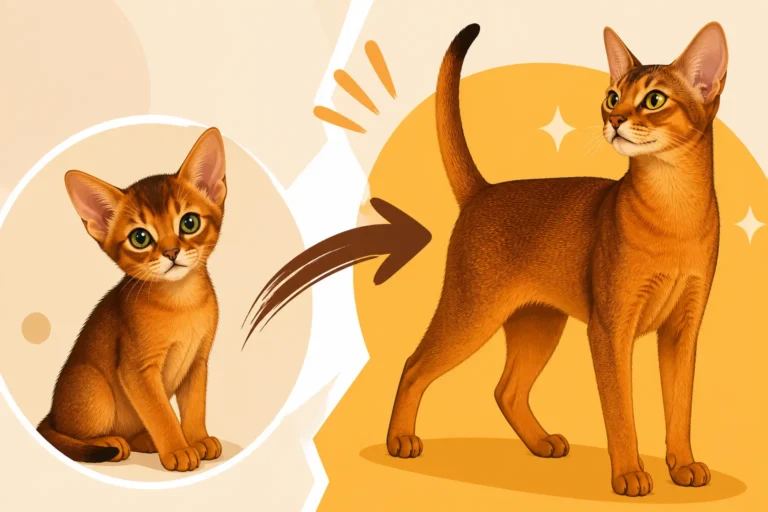
Introducing grooming from a young age is one of the best things you can do for your Abyssinian. Abyssinian kittens are typically full of curiosity and energy, and positive early experiences can shape their attitude towards grooming for life. Start with very short sessions, just a minute or two, using the softest rubber mitt or even just your hands. Follow each session immediately with a high-value treat, a favorite toy, or some praise.
The key is to associate grooming with positive rewards. If your kitten wiggles or resists, don't force it. Try again later when they are calm. Over time, as they learn that grooming means good things, they will become more tolerant, and many Abyssinians even come to enjoy their weekly pampering sessions. This approach fosters trust and cooperation, making future grooming much easier and more enjoyable for everyone involved. Regular positive experiences ensure that your Abyssinian associates the brush with comfort and reward, not stress.
Beyond the Brush: Comprehensive Coat Care
While proper brushing is crucial for maintaining your Abyssinian's unique coat, it's just one piece of the puzzle. A truly healthy, vibrant coat is a reflection of overall well-being. Factors like diet and environment play significant roles, and understanding these can help you provide holistic care that goes far beyond what any brush can achieve.
The Role of Nutrition in Coat Health: What They Eat Matters
You know the old saying, "you are what you eat"? Well, the same is true for your Abyssinian, especially when it comes to their coat. A high-quality diet is fundamental for a healthy, shiny coat with vibrant ticking. Their hair, skin, and the oils they produce are all built from the nutrients they consume. A diet lacking in essential vitamins, minerals, and fatty acids can quickly lead to a dull, dry, or brittle coat that sheds excessively, regardless of how often you brush it.
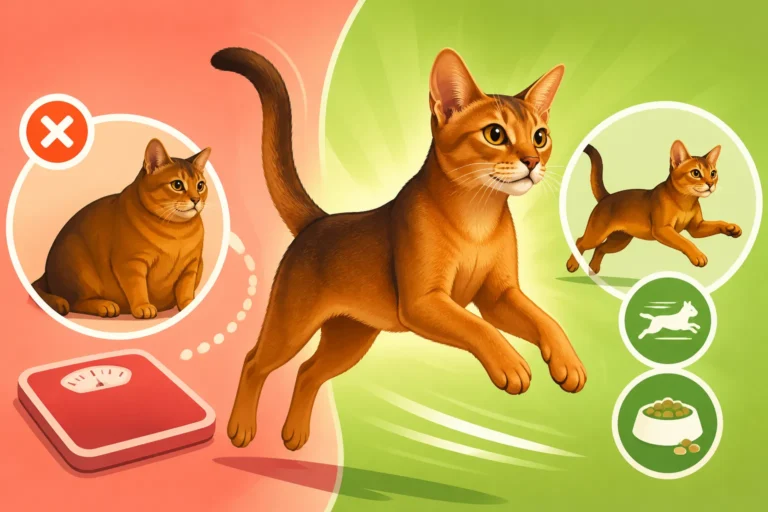
Look for cat foods that list real meat as the first ingredient and contain a good balance of animal-based protein and healthy fats, particularly omega-3 and omega-6 fatty acids. These fats are vital for skin hydration and coat luster. If your Abyssinian's coat seems lackluster despite good grooming, take a close look at their food. Switching to a higher quality, nutrient-dense diet can often bring about a remarkable improvement. What to Feed an Abyssinian That Never Stops Moving offers more specific dietary advice.
Environmental Factors: Avoiding Sun Fade and Dryness
Your Abyssinian's environment also plays a role in the condition of their coat. Two key factors to consider are sun exposure and ambient humidity. Just like human hair, a cat's fur can fade and become dull with prolonged exposure to direct sunlight. This is particularly noticeable in Abyssinians, whose vibrant colors can lose their intensity, making the ticking less distinct. If your Abyssinian loves to bask in a sunny window, consider using UV-filtering window film or providing shaded options to protect their coat.
Additionally, very dry environments can lead to dry skin and a brittle coat. If you live in an arid climate or use heating systems that dry out the air, a humidifier can add moisture back into your home, benefiting both your cat's skin and coat, and perhaps even your own! Ensuring a comfortable, stable indoor environment helps to maintain the natural integrity and luster of your Abyssinian's beautiful ticked coat.
When to Seek Professional Advice: Recognizing Coat Issues
While a dull coat can often be attributed to diet or improper grooming, sometimes it's a symptom of an underlying health issue. If your Abyssinian's coat suddenly changes drastically—becomes extremely greasy, flaky, very dry, or starts shedding in abnormal patches—it's time to consult your veterinarian. These changes can be indicators of allergies, parasites, fungal infections, hormonal imbalances, or other systemic diseases.
Your vet can perform a thorough examination, including skin scrapings or blood tests if necessary, to rule out any medical causes. They can also offer tailored advice on nutrition, supplements, or specific grooming products if there's a particular skin or coat condition at play. Don't hesitate to seek professional help if you're concerned. Your Abyssinian's coat is a good barometer of their overall health, and persistent issues warrant a vet visit. It's an important part of ensuring your cat is happy and healthy, from the inside out.
Comparison of Right vs. Wrong Grooming Tools for Abyssinians
To help you remember what to use and what to avoid, here's a quick comparison of grooming tools for your beloved Abyssinian:
| Tool Type | Suitable for Abyssinians? | Why / Why Not | Recommended Use |
|---|---|---|---|
| Rubber Grooming Mitt | Yes | Gentle on skin, collects loose hair, stimulates circulation without damaging ticking or guard hairs. | Weekly gentle brushing, removes loose hair, distributes oils, promotes shine. |
| Soft Bristle Brush | Yes (with caution) | If bristles are truly soft, can polish coat. Avoid stiff bristles that can irritate. | Light daily polishing, if cat enjoys it. Focus on very soft, natural bristles. |
| Chamois Cloth | Yes | Buffs coat to a high shine, distributes oils, enhances ticking's luster. | Finishing touch after brushing, brings out natural sheen. |
| Fine-Tooth Comb | Yes (rarely & gently) | Only for carefully teasing out very minor, superficial tangles. Never force. | Infrequent, targeted use for small tangles, held close to the skin to avoid pulling. |
| Slicker Brush | No | Wire pins are too harsh for their delicate skin and minimal undercoat; damages guard hairs and flattens ticking. | Avoid completely. |
| Deshedding Tool (e.g., Furminator) | No | Aggressively pulls out guard hairs, strips coat, irritates skin, not designed for single-coat breeds. | Avoid completely. |
| Harsh Bristle/Wire Brush | No | Can break delicate guard hairs, scratch skin, and cause discomfort, leading to a dull, damaged coat. | Avoid completely. |
Disclaimer
This article is for general informational purposes only and does not constitute professional advice. Laws, prices and regulations vary by location and change over time. Consult a qualified professional for guidance on your specific situation.