When an Abyssinian Kitten’s Adult Ticking Arrives
If you've recently brought home an Abyssinian kitten, or you're doing your research before welcoming one into your family, you've probably noticed that their coats don't quite have that stunning, shimmery "ticked" look that adult Abyssinians are famous for. It's a common observation, and many new owners wonder when their little furball will transform into the striking, wild-looking cat they fell in love with. This guide is all about demystifying that process, walking you through the fascinating journey of an Abyssinian kitten's coat development from fuzzy baby to magnificent adult.
Understanding the Abyssinian's Unique Ticked Coat
The Abyssinian's coat is truly a marvel of feline genetics, and it's one of the defining characteristics of the breed. Unlike most cats that have distinct stripes, spots, or solid colors, the Abyssinian boasts a "ticked" coat. This unique pattern is what gives them that "miniature puma" or "wild cat" appearance, making them stand out in a crowd.
The Magic of Agouti: What Ticking Actually Is
At its heart, ticking is all about the agouti gene, which is responsible for patterns in many animal coats. For an Abyssinian, this means that each individual hair shaft isn't a single color from root to tip. Instead, each hair has multiple bands of color, typically three or four, alternating between light and dark pigments. The tip of the hair is always the darkest band, which is what gives the coat its depth and shimmer. Imagine a tiny, perfectly striped segment on every single strand of fur! This is why, when an Abyssinian moves, their coat seems to ripple and change colors with the light – it's those countless banded hairs catching and reflecting. This intricate pattern means they don't have the typical stripes you see on tabbies; instead, their body is a rich tapestry of blended color. This unique characteristic is often highlighted as The Ticked Coat Is the Whole Abyssinian Grooming Job because it's so fundamental to their look. The way these bands create the overall effect is a testament to How an Abyssinian's Agouti Banding Works.
Because of this banding, the Abyssinian has very little to no undercoat. Their fur lies close to their body, giving them a sleek, almost velvety feel. This lack of dense undercoat contributes to their overall fine texture and reduces shedding compared to many other breeds. When you look closely, you won't see any distinct lines or patterns on their body, only this incredible, even distribution of ticking across their entire coat, creating that signature rich, warm glow.
The Kitten Coat: A Muted Beginning
When Abyssinian kittens are born, their coats are a far cry from the striking appearance of their adult counterparts. They often start life looking rather fuzzy, with a soft, somewhat muted coloration. New owners might even describe them as looking a bit "blotchy" or having less defined color. This is perfectly normal and nothing to worry about! Think of it like a sketch before the masterpiece is painted. The ticking isn't fully developed, and the individual hair shafts haven't grown out to reveal their full banded potential.
This initial kitten fuzz can make their pattern appear less distinct, almost a bit muddy, especially for those new to the breed. You might see some faint barring or even what looks like tabby stripes, particularly on their legs, face, or neck. These are often residual "ghost" markings that will typically fade as the adult coat comes in. The kitten coat is softer and often a different texture than what you'd expect from an adult Abyssinian. It's a phase of rapid growth and change, and a healthy kitten will quickly begin to shed this baby fur, making way for the magnificent ticked coat beneath. Understanding this transitional phase is key to appreciating the stunning final result. It's a journey, and that initial "blotchy" look is just the beginning, as explored in Why an Abyssinian Kitten Looks Blotchy at First.
The Timeline of Ticking Development
Patience is definitely a virtue when it comes to an Abyssinian kitten's coat. It doesn't magically appear overnight with its full luster. Instead, it's a gradual process, marked by several key stages that can sometimes feel like a waiting game for excited new owners.
Early Weeks: The Blur of Baby Fur
In their very first weeks of life, Abyssinian kittens are, well, just fuzzy little bundles. Their coats are typically short, soft, and somewhat indistinct in pattern. The ticking, while genetically present, is not yet prominent. You might struggle to see the individual bands on their tiny hairs, and their overall color will appear much lighter and less saturated than what you'll eventually see. They're still developing their full pigment and hair structure.
During this stage, the focus for kittens is on growing, eating, and playing – not on showcasing their future magnificent coats. The fur is fine and downy, providing warmth and protection, but not yet the characteristic sleek, close-lying texture of an adult. Any faint patterns or muddiness you observe are simply part of being a baby cat. This is the period where they're rapidly developing their senses, exploring their immediate world, and their coat is merely along for the ride, a fuzzy blanket that will soon give way to something spectacular.
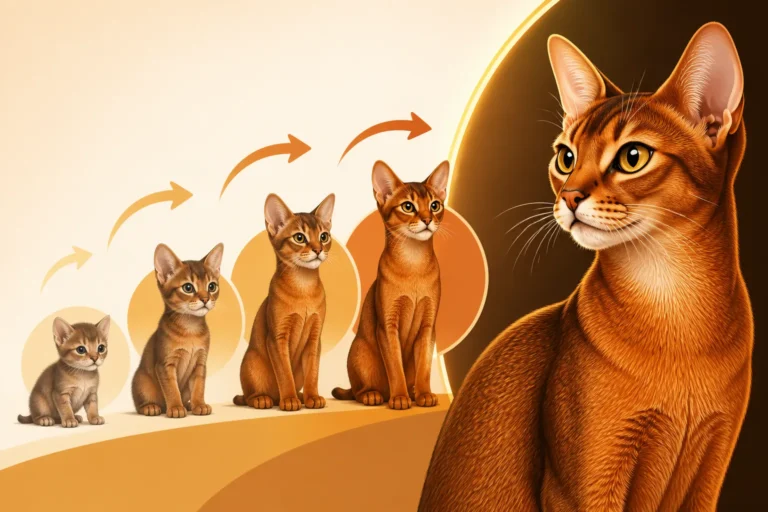
The "Ugly Duckling" Phase: Around 3-6 Months
Around three to six months of age, many Abyssinian kittens enter what some breeders lovingly call their "ugly duckling" phase. This is a period where their coat can look a little awkward as it transitions from the baby fuzz to the emerging adult ticking. You might notice the coat looking a bit rougher, perhaps even a bit sparse in places, as the older hairs shed and the new, banded hairs start to grow in. The colors can seem to be in flux, with areas appearing lighter or darker than others, giving that blotchy or uneven appearance.
This stage can sometimes be a source of worry for new owners who might think something is wrong with their kitten's coat. Rest assured, it's a completely normal part of their development. The key is to ensure they are getting excellent nutrition to support this rapid growth and coat change. High-quality kitten food, rich in appropriate proteins and fatty acids, can make a real difference. Fresh food or high-quality kibble can provide the necessary nutrients to help those new, beautiful ticked hairs grow strong and vibrant. This nutritional support is crucial, much like how important it is to monitor their overall growth and health in this period, even When an Abyssinian Kitten's Eye Color Settles.
The Emergence of Adult Ticking: 6-12 Months and Beyond
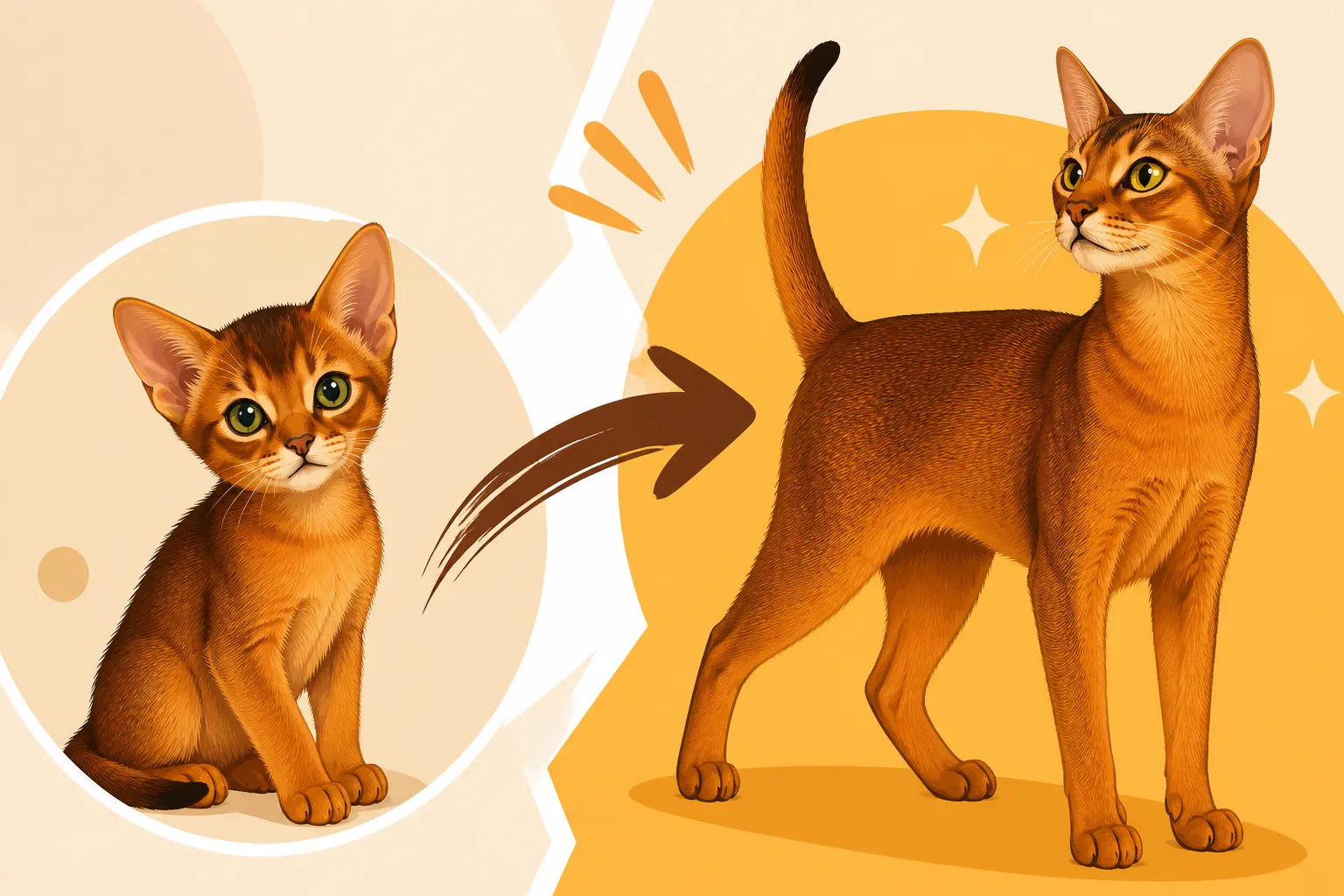
It's typically between six months and one year of age that the Abyssinian's adult ticking truly begins to emerge and define itself. You'll start to notice the individual bands of color on each hair shaft becoming more pronounced, and the overall coat will take on a deeper, richer hue. The "ghost" tabby markings that might have been visible on the kitten will typically fade, leaving behind that stunning, even ticking across their body.
The transformation is often gradual, and you might find yourself seeing subtle improvements week by week. The coat will begin to lie flatter and closer to the body, and that characteristic shimmer, which is so prized in the breed, will become more apparent. While much of the definition is in place by a year old, it's not uncommon for an Abyssinian's coat to continue to mature and deepen in color until they are closer to two years of age. Factors like proper grooming, good diet, and general health all play a role in how quickly and beautifully their adult coat develops. It's a fantastic journey to witness, watching your once fuzzy kitten bloom into a magnificent Abyssinian with a coat that truly catches the light, a topic further explored in When an Abyssinian's Adult Color Settles.
Factors Influencing Coat Maturation
While genetics lay the groundwork for an Abyssinian's beautiful ticked coat, several other factors play a significant role in how quickly and how well that coat matures. Understanding these elements can help owners ensure their kitten has the best possible conditions for developing their signature look.
Genetics: The Foundation of Color and Ticking
The blueprint for an Abyssinian's coat, including its color and ticking pattern, is entirely genetic. Each Abyssinian carries the agouti gene that causes the banding on individual hair shafts, and specific genes determine whether they will be Ruddy, Sorrel, Blue, or Fawn. A responsible breeder will meticulously track their lines for good coat quality, aiming for clear ticking with minimal "barring" (faint stripes) or other undesirable markings. If a kitten comes from parents with excellent, well-defined ticking, it's much more likely to develop a superior adult coat itself.
This genetic inheritance is why selecting a kitten from a reputable breeder is so important. They understand the nuances of Abyssinian genetics and can provide insights into the expected coat development based on the parents' pedigrees. They'll also be transparent about any variations that might occur. The genetic makeup dictates not just the presence of ticking, but also its quality, depth, and clarity. Information about how these colors are tracked and recorded can be found in How an Abyssinian's Coat Color Is Registered. For example, the rich, warm brown of a Ruddy Abyssinian develops distinctly from the cooler tones of a Blue, and this is all hard-coded in their genes. What a Ruddy Abyssinian's Coat Develops and How a Blue Abyssinian's Ticking Differs illustrate these genetic differences perfectly.
Nutrition: Fueling a Healthy Coat
Just like with humans, a cat's diet has a profound impact on the health and appearance of their skin and coat. For an Abyssinian kitten, providing a high-quality, balanced diet during their crucial growth period is paramount for the development of a lush, shimmery coat. A diet rich in animal-based protein, essential fatty acids (like Omega-3 and Omega-6), and vitamins (especially biotin and Vitamin E) will support healthy hair growth and skin condition.
Think about it: building millions of new, multi-banded hair shafts takes a lot of fuel! A diet lacking in these key nutrients might result in a duller, coarser coat, or one that takes longer to fully mature. Always choose a premium cat food formulated for kittens or all life stages. You can find excellent options from trusted brands on platforms like Chewy or Amazon. Look for ingredient lists where real meat is the first item, and avoid excessive fillers. Hydration is also incredibly important, so consider incorporating wet food into their diet. What a kitten should eat in its first year is a huge topic and can make a big difference, as detailed in What an Abyssinian Kitten Should Eat in Its First Year. Good nutrition is a fundamental investment in your Abyssinian's long-term health and the beauty of their unique coat.
Environment and Sunlight
While an Abyssinian's coat is naturally gorgeous, external factors like their environment and exposure to sunlight can also influence its appearance. Abyssinians are typically indoor cats, and for good reason—it keeps them safe and helps maintain their stunning coat. Excessive exposure to direct sunlight, for instance, can actually cause the vibrant colors in an Abyssinian's coat to fade over time. Just like human hair can lighten in the sun, a cat's fur can, too, diminishing the rich depth of their ticking.
While a sunny window perch is a favorite spot for most cats, ensuring they have access to shaded areas or moving their perches away from harsh, all-day sun can help preserve their coat's natural luster. An indoor environment also protects their delicate, single coat from harsh weather elements that could lead to dryness or damage. Keeping them indoors means their coat will stay cleaner and less prone to environmental stressors that could hinder its full, beautiful development. It's a small but important consideration for maintaining the integrity of that magnificent ticked fur, and it's something often discussed in terms of Why Sun Fades an Abyssinian's Coat.
Recognizing a Fully Developed Abyssinian Coat
Once your Abyssinian kitten has navigated the fuzzy baby stage and the awkward "ugly duckling" phase, you'll be rewarded with a truly breathtaking adult coat. Knowing what to look for will help you appreciate the full transformation.
The Signature Shimmer and Clarity
The hallmark of a mature Abyssinian coat is its incredible shimmer and clarity. When light hits it, the coat should appear to glow, almost as if it's made of polished copper, gold, or silver, depending on the base color. This isn't just a trick of the light; it's the result of those individual hair shafts, each meticulously banded with light and dark pigments, working in unison. There should be a remarkable absence of any "barring" or distinct stripes, particularly on the legs, neck, and tail, which are common places for residual tabby markings in less perfectly bred Abyssinians.
Each hair should contribute to an overall even and vibrant ticked pattern across the entire body, from the top of their head right down to the tip of their tail. The colors will be rich and deep, not faded or washed out. When you run your hand against the lie of the fur, you'll feel the smoothness, and as the hairs settle back into place, you'll see the shimmering effect. This distinctive quality is what sets the Abyssinian apart and truly makes them look like a creature of the wild, perfectly explained by Why an Abyssinian's Coat Shimmers When It Moves.
Coat Feel and Texture
Beyond the visual appeal, the feel of a mature Abyssinian coat is also quite distinctive. It should be fine, soft, and silky to the touch, without feeling coarse or bristly. Because Abyssinians have very little to no undercoat, their fur lies very close and flat against their body. This lack of bulk contributes to their sleek, elegant silhouette and their remarkably light shedding.
When you pet an Abyssinian, you should notice how easily your hand glides across their fur, and how quickly it returns to its smooth, unruffled state. This close-lying, fine texture is a prized characteristic of the breed and contributes to their overall sophisticated appearance. It’s also why they often feel warm to the touch, as their skin is not insulated by a dense underlayer. This unique texture is a true pleasure to feel and a key indicator of a well-developed Abyssinian coat, a detail elaborated upon in How Fine an Abyssinian's Coat Feels.
Patience is Key: The Ongoing Maturation
It’s important to remember that while the major changes in an Abyssinian’s coat typically occur within their first year, the full, ultimate depth and richness can continue to develop well into their second year. This isn't a race; it's a natural progression that unfolds at its own pace for each individual cat. Some Abyssinians might have a remarkably clear coat by eight or nine months, while others might take closer to eighteen months or even two years to show their full potential.
Don't be disheartened if your yearling Abyssinian still seems to be deepening in color or if new subtleties emerge over time. Continue to provide excellent nutrition, regular (but gentle) grooming with a soft brush or grooming mitt, and a clean, safe indoor environment. The beauty of the Abyssinian is in this gradual unveiling, and the wait is absolutely worth it for the magnificent, shimmering coat that will ultimately grace your beloved companion. Celebrate each stage of their development, knowing that the best is yet to come.
Here’s a quick overview of what to expect during your Abyssinian's coat journey:
| Age Range | Coat Characteristics (General) | Ticking Definition | Common Appearance |
|---|---|---|---|
| Birth – 12 Weeks | Soft, fuzzy, muted, often with faint "ghost" tabby markings. | Minimal; individual hair bands not yet prominent. | "Baby fuzz," indistinct, sometimes a bit blotchy. |
| 3 – 6 Months | Transitional, may look uneven or slightly coarser. | Beginning to emerge, but still muted/less defined. | "Ugly duckling" phase, patchy appearance possible. |
| 6 – 12 Months | Adult hairs growing in, becoming sleeker and richer. | Ticking becomes increasingly clear and well-defined. | Shimmer starts to appear, "ghost" markings fading. |
| 1 – 2 Years | Fully developed, sleek, fine, close-lying coat. | Vibrant, distinct banding on each hair, strong shimmer. | Rich, deep, luminous, uniform ticked pattern. |
Disclaimer
This article is for general informational purposes only and does not constitute professional advice. Laws, prices and regulations vary by location and change over time. Consult a qualified professional for guidance on your specific situation.