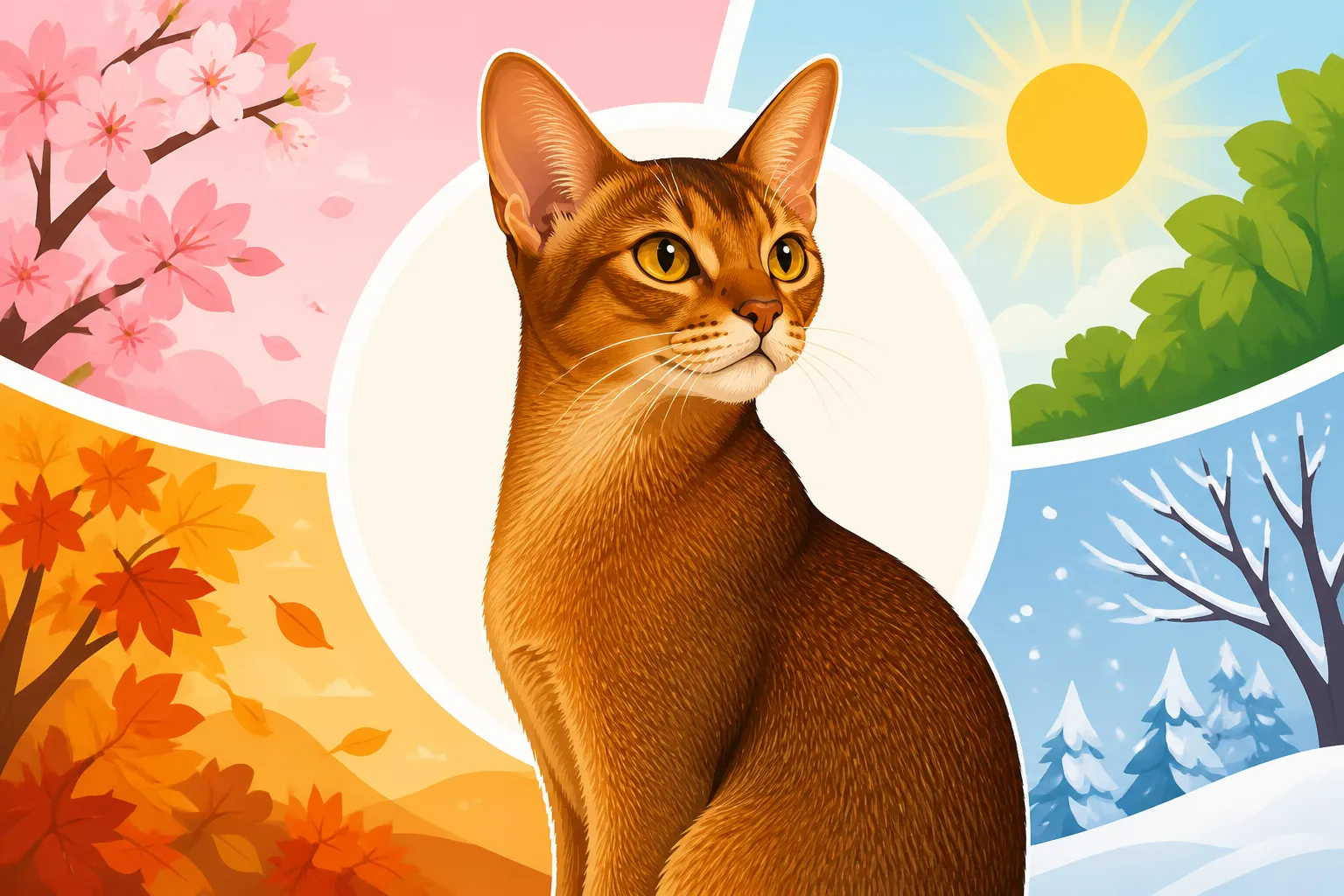
How an Abyssinian’s Coat Changes With the Seasons
Many Abyssinian cat owners, especially those new to the breed, often expect their cat's stunning ticked coat to remain perfectly consistent year-round. It's easy to assume such a short, sleek coat wouldn't be affected by the changing seasons, but that's simply not the reality. Just like us, our Abyssinian companions respond to environmental shifts, and while their coat changes are subtle, they are absolutely there, leaving some owners wondering if something is wrong when their cat's fur feels a little different or they notice a few more stray hairs. This guide will walk you through the natural, seasonal transformations your Abyssinian's coat undergoes, helping you understand what to expect and how to best support their skin and fur health no matter the time of year.
The Abyssinian Coat: A Year-Round Marvel with Subtle Shifts
The Abyssinian is renowned for its unique coat, a marvel of natural beauty that truly sets it apart. It’s not just a pretty fur; it’s a highly specialized coat that responds to its environment, albeit in ways that are far more understated than, say, a Maine Coon or a Persian. Understanding these fundamental characteristics is key to appreciating how subtle environmental cues can trigger changes throughout the year.
The Unique Ticked Pattern and Minimal Undercoat
At the heart of the Abyssinian's distinctive look is its ticked coat, a genetic trait that gives each individual hair multiple bands of color. Instead of stripes or blotches, you see a rich, shimmering depth as the light catches these bands. This agouti banding is what creates that wild, sophisticated appearance, making the coat appear to shift and glow with movement. Why Each Abyssinian Hair Carries Three or Four Bands delves deeper into the intricate details of this pattern. What's equally important to understand is the Abyssinian's minimal undercoat. Unlike many cat breeds that have a dense, insulating layer beneath their guard hairs, Abyssinians have very little. Their fur lies close to the body, feeling incredibly soft and fine to the touch, which is why How Fine an Abyssinian's Coat Feels describes it as almost silk-like. This lack of a thick undercoat has profound implications for how they regulate temperature and, consequently, how their coat responds to seasonal changes. They don't have a massive amount of fur to 'blow' or grow, so their changes are more about density and texture rather than dramatic shedding.
The purpose of this fine, dense, yet sparsely undercoated fur is efficiency. It provides just enough insulation for their active lifestyle while allowing them to dissipate heat effectively. You might notice that even on the coldest days, your Abyssinian isn't nearly as fluffy as some other breeds; they prioritize agility and a streamlined form. This means that when the seasons change, their coat's primary adaptation isn't to shed huge clumps of insulating fur or grow a thick woolly layer. Instead, it’s a more subtle adjustment, almost like changing to a lighter or heavier silk scarf rather than a full winter coat. The low shedding is a huge bonus for owners, but it can also make the occasional increase in loose hair seem more dramatic than it actually is.
Beyond Shedding: How Coat Quality Shifts
When we talk about seasonal coat changes, our minds often jump straight to shedding. While shedding does play a role, for an Abyssinian, it's just one piece of a larger puzzle. Their coat quality can subtly shift in terms of thickness, shine, and even texture as the year progresses. You might run your hand over your cat's back in the peak of summer and notice it feels incredibly sleek and almost cool, whereas in the depths of winter, it might have a slightly fuller, softer feel, even if it’s not visibly thicker. This change is often more tactile than visual, something you discern through touch rather than by just looking.
This subtle shift in texture contributes to the way an Abyssinian's coat famously shimmers. Why an Abyssinian's Coat Shimmers When It Moves is a testament to the dynamic nature of their fur. A slightly denser coat in winter might refract light a little differently than the super-sleek summer version, leading to nuanced variations in how their ticking appears. Owners might perceive these changes as their cat's coat looking "richer" or "lighter" depending on the time of year, even if the underlying color remains the same. It's these minor adjustments that allow their bodies to adapt to fluctuating temperatures, optimizing their comfort without hindering their incredible athleticism or their need to find the warmest spot in the house!
Spring and Summer: The Lighter, Brighter Abyssinian
As the days get longer and the sun starts to warm things up, you might notice your Abyssinian making some very subtle adjustments. These shifts are their body's way of preparing for warmer weather, much like we swap out our heavy sweaters for lighter fabrics.
The Annual Spring Shed: More Than You'd Expect
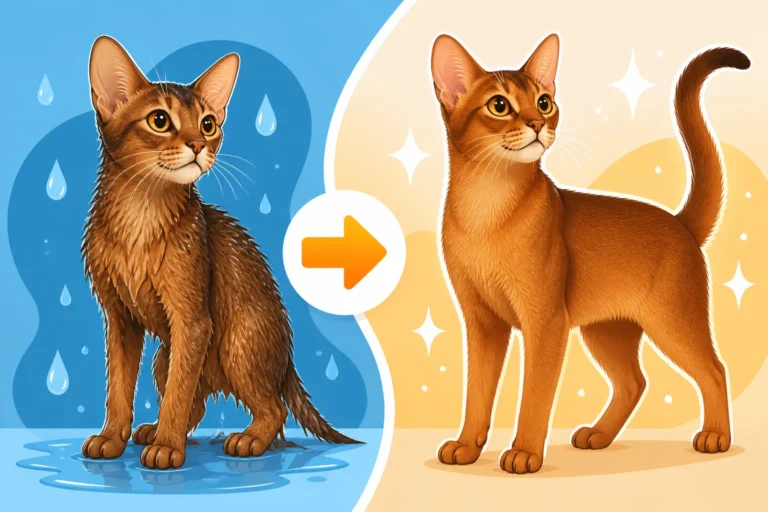
For many Abyssinian owners, the idea of "shedding" can be a bit of a misnomer because this breed is generally low-shedding. However, that doesn't mean they don't shed at all. Come spring, you will likely encounter what breeders sometimes call a "coat blow" – a period where your Abyssinian sheds more noticeably than usual. It’s not the dramatic hair blizzard you might expect from a long-haired cat, but it's certainly an increase from their typical minimal shedding. You might find more fine, soft hairs clinging to your clothes or furniture. This can be frustrating because you chose an Abyssinian partly for their reputation as a low-shedder, and suddenly your black pants are telling a different story!
This spring shed is essentially your cat's body getting rid of the slightly denser, warmer hairs it developed for the cooler months. How Much More an Abyssinian Sheds in Spring details how this process is still quite manageable compared to other breeds. The hairs are typically fine and short, meaning they often blend in more easily with fabrics and surfaces, or they can be easily picked up with a damp cloth or a quick vacuum. It's their natural physiological response to the longer daylight hours and rising temperatures, signaling to their system that it's time to lighten up. A little extra brushing during this period can go a long way in helping them through this transition, pulling out loose hairs before they end up scattered around your home.
The Summer Coat: Sleek and Sun-Kissed (Sometimes Too Much)
Once the spring shedding period has passed, your Abyssinian settles into its full summer coat. This is typically the sleekest, finest, and most close-lying version of their fur. The individual hairs are at their thinnest, and the overall density is reduced, allowing for maximum heat dissipation. When you stroke your cat in summer, their coat might feel like pure satin under your hand, lying so flat and smooth that it almost feels like skin. This streamlined fur is perfectly adapted for the warmer months, helping them stay cool as they chase sunbeams or climb to the highest perch.
However, the summer sun, as beautiful as it is, can also have a noticeable effect on your Abyssinian's coat color. Just like human hair can lighten in the sun, an Abyssinian's beautiful ticked fur can experience some sun-fading, especially if they spend a lot of time basking in sunny windows or enjoying an outdoor catio. Why Sun Fades an Abyssinian's Coat explains this phenomenon. The vibrant bands of color can become slightly muted or lighter, particularly on their back and shoulders. While it doesn't harm the cat, it can temporarily alter the rich depth of their ticking. If you want to preserve their deep, rich color, consider offering shaded spots by windows or investing in UV-blocking window film. But honestly, most owners don't mind, seeing it as another natural, transient beauty mark of the season.
Autumn and Winter: Preparing for the Chill
As the year progresses and the air grows crisp, your Abyssinian's coat quietly begins its transition again, preparing for the cooler temperatures ahead. These changes are designed to provide a little extra warmth and insulation, ensuring your active feline friend remains comfortable even when the mercury drops.
Building the Winter Layer: A Subtle Shift in Density
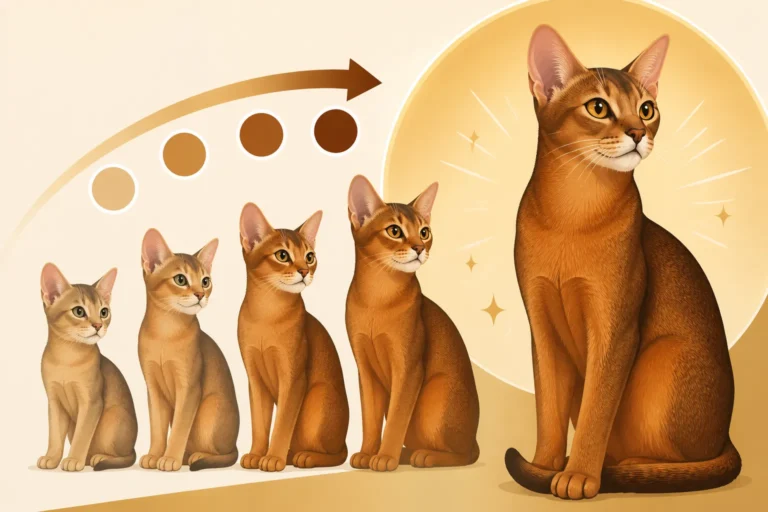
Unlike some breeds that grow a visibly thick, plush winter coat, the Abyssinian's approach is far more subtle. You won't see a dramatic "poofing out" of their fur. Instead, their coat gradually increases in density, and the individual hairs may become slightly coarser or thicker. This isn't about growing a fluffy undercoat; it's about making their existing sleek fur a more effective insulator. You might notice that when you pet your Abyssinian, their fur feels a little fuller, perhaps not lying quite as flat against their body as it did in the summer. How an Abyssinian's Coat Thickens in Winter describes this change as a nuanced densification rather than a wholesale growth of new layers.
This subtle thickening means their fur can trap a thin layer of warm air closer to their skin, providing a bit of a thermal barrier. It’s a remarkable adaptation for a breed that prizes its sleek athleticism. They still look like the svelte, energetic cats you know, but if you pay close attention, their coat will have a slightly different feel and appearance. It's their way of keeping cozy during those chilly mornings or long winter nights, a testament to their inherent ability to adapt to environmental shifts without sacrificing their distinctive breed characteristics.
Maintaining Warmth and Comfort
Given their minimal undercoat, Abyssinians are not built for extreme cold. Their sleek, finely ticked fur, while beautiful, doesn't offer the same level of insulation as a dense, double-coated breed. This is why Why a Coat With No Undercoat Leaves an Abyssinian Cold is such an important point for owners to understand. When winter truly sets in, your Abyssinian will instinctively seek out the warmest spots in your home. This might mean snuggling under blankets, finding a sunny spot by a window (even if the sun is weak), or, most commonly, curling up on your lap or shoulder – their favorite "human heating pad."
Providing them with ample warm, cozy resting places is essential during the colder months. Think soft, plush beds, heated mats (if safe and monitored), or even just extra blankets in their favorite napping spots. While their coat provides some natural defense against the chill, it's not enough to rely on, especially if your home gets drafty. They are not outdoor cats, and their coat is a clear indicator of why they thrive in a comfortable indoor environment where temperature fluctuations are managed. You'll likely find them gravitating towards any source of warmth, whether it's a radiator, a space heater (kept at a safe distance, of course!), or simply nestled deeply into a pile of clean laundry.
Factors Influencing Seasonal Coat Changes
While the general patterns of seasonal coat change hold true for most Abyssinians, several factors can influence the timing, intensity, and even the appearance of these transitions. Understanding these variables can help you better anticipate and support your cat's needs.
Indoor vs. Outdoor Environments and Artificial Lighting
One of the biggest factors influencing an Abyssinian's seasonal coat changes is their living environment. Cats who spend significant time outdoors, or in homes with lots of natural light and varying temperatures, tend to experience more pronounced seasonal shifts in their coat. Their bodies are more attuned to the natural cues of changing daylight hours and temperature fluctuations. Their spring shed might be more distinct, and their winter coat might feel noticeably denser.
Conversely, Abyssinians who live predominantly indoors, especially in climate-controlled homes with consistent artificial lighting, might have a less dramatic seasonal cycle. Their bodies receive mixed signals – the calendar says winter, but the indoor temperature and artificial lights don't fluctuate as much. This can lead to a phenomenon where they shed a little bit year-round, rather than having two distinct "blow out" periods. Whether Indoor Heating Keeps an Abyssinian Shedding touches on this, explaining how consistent warmth can prevent the full development of a dense winter coat and promote continuous, low-level shedding. It's not a bad thing; it just means their body is responding to their immediate environment. However, some owners might find it frustrating because they still deal with some hair, just spread out more evenly throughout the year.
Nutrition, Hydration, and Overall Health
No matter the season, the foundation of a healthy, beautiful coat lies in excellent nutrition, consistent hydration, and good overall health. A dull, dry, or excessively shedding coat, even during a normal seasonal shift, can be a red flag that something else is going on. Just like our hair reflects our diet, a cat's fur is a mirror to their internal well-being. A high-quality diet rich in animal protein is paramount for an Abyssinian's vibrant coat and energetic lifestyle. Which Protein Percentage an Abyssinian Needs highlights the importance of adequate protein for maintaining muscle mass and skin health.
Beyond food, water intake is absolutely critical. Abyssinians, like all cats, are prone to kidney issues, and maintaining good hydration is a key preventative measure. Why an Abyssinian's Kidneys Make Water Intake Matter emphasizes this point. A well-hydrated cat will have more supple skin and a shinier coat, which can help their fur adapt more gracefully to seasonal changes. If you notice your Abyssinian's coat looking persistently dull, greasy, or excessively dry, or if they're shedding much more than you'd expect even for a seasonal shift, it's always best to consult your veterinarian. These can sometimes be early indicators of underlying health concerns, ranging from dietary deficiencies to more serious medical conditions.
Grooming and Care Through the Seasons
Understanding how your Abyssinian's coat changes seasonally is one thing; knowing how to adapt your grooming routine to support those changes is another. Fortunately, the Abyssinian is a relatively low-maintenance breed when it comes to grooming, but a little seasonal adjustment can make a big difference for their comfort and coat health.
Adapting Your Grooming Routine
For most of the year, an Abyssinian's grooming needs are quite minimal. Their short, single coat (meaning very little undercoat) doesn't tangle easily and sheds far less than many other breeds. Typically, An Abyssinian Needs Brushing Once a Week and No More is sufficient to remove loose hairs and distribute natural oils, keeping their coat gleaming. However, during the spring shedding period, you might want to increase this to two or three times a week. This extra attention helps to manually remove the shedding hairs, reducing the amount they ingest (which can minimize hairballs) and keeping your home a little cleaner.
When choosing a grooming tool, always opt for something gentle. A soft rubber grooming mitt is often the best choice for an Abyssinian, as it stimulates the skin and gathers loose fur without damaging their delicate ticked coat. Which Grooming Mitt Suits an Abyssinian recommends this type of tool specifically. Avoid harsh slicker brushes or de-shedding tools designed for double-coated breeds, as these can strip out their sparse undercoat and damage the fine guard hairs, compromising the unique ticking and overall quality of their fur. A quick wipe down with a chamois cloth after brushing can also enhance their natural sheen, making them look even more radiant.
Supporting Skin and Coat Health
Beyond regular brushing, there are other ways to support your Abyssinian's skin and coat health throughout the year, especially as seasonal changes occur. In drier environments, particularly with indoor heating running in winter, some Abyssinians might experience a bit of dry skin or minor flakiness. Ensuring good humidity levels in your home can help, or you might discuss with your vet whether a supplemental omega fatty acid might be beneficial. These supplements, often found on Amazon or Chewy, can help improve skin hydration and coat luster, but always check with a professional first.
Remember, a healthy coat starts from within. So, continue to prioritize their high-quality diet and ensure they have constant access to fresh water. Many Abyssinians love cat water fountains, which can encourage them to drink more. If you notice persistent skin issues like excessive dandruff, redness, or bald patches that aren't related to normal seasonal shedding, it's crucial to consult your veterinarian. These could indicate allergies, parasites, or other underlying medical conditions that need attention. Consistent, attentive care, paired with a keen eye for subtle changes, will ensure your Abyssinian's coat remains a healthy, shimmering testament to their vitality, no matter what the season brings.
Table: Abyssinian Seasonal Coat & Care Guide
Here's a quick overview of what to expect and how to care for your Abyssinian's coat throughout the year:
| Season | Typical Coat Characteristics | Grooming Adjustments | Environmental Considerations |
|---|---|---|---|
| Spring | Increased shedding (subtle), coat feels lighter and less dense | Brush 2-3 times/week with a rubber mitt to remove loose hair | Transition to cooler indoor temps, prepare for more sunlight |
| Summer | Sleekest, finest, most close-lying coat; potential for sun-fading | Brush weekly with a rubber mitt; monitor sun exposure | Ensure ample fresh water, shaded resting spots by windows |
| Autumn | Begins to subtly increase in density, feels slightly fuller | Resume weekly brushing with a rubber mitt | Begin preparing warm, cozy sleeping areas for cooler nights |
| Winter | Denser, slightly thicker coat for warmth; less shedding | Maintain weekly brushing | Provide warm beds, blankets, and avoid drafts due to minimal undercoat |
Disclaimer
This article is for general informational purposes only and does not constitute professional advice. Laws, prices and regulations vary by location and change over time. Consult a qualified professional for guidance on your specific situation.