Why a Coat With No Undercoat Leaves an Abyssinian Cold
If you've ever owned an Abyssinian, you know they are perpetually seeking out the warmest, sunniest spot in the house, often burrowing under blankets or stretching out near a heating vent. It’s not just because they enjoy a good snooze; their beautifully ticked coat, while stunning and low-shedding, actually leaves them quite vulnerable to feeling chilly. This guide will dive deep into why your Abyssinian constantly feels the cold and what you can do to ensure they stay toasty and comfortable year-round.
The Unique Abyssinian Coat: A Marvel and a Misconception
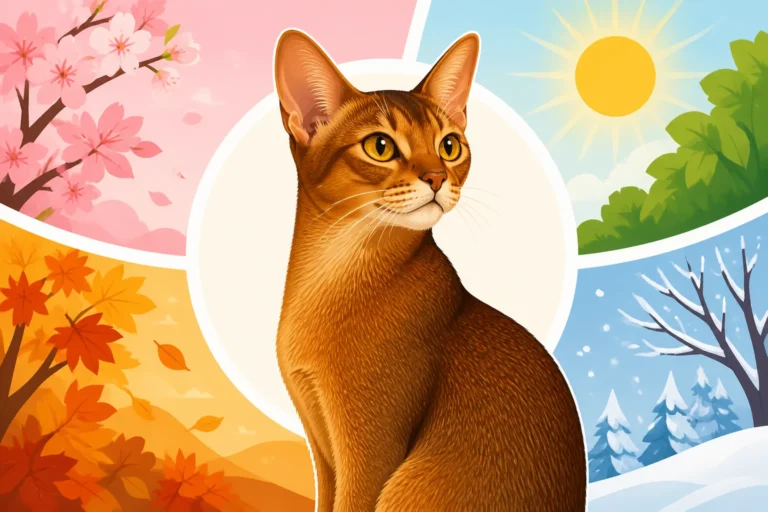
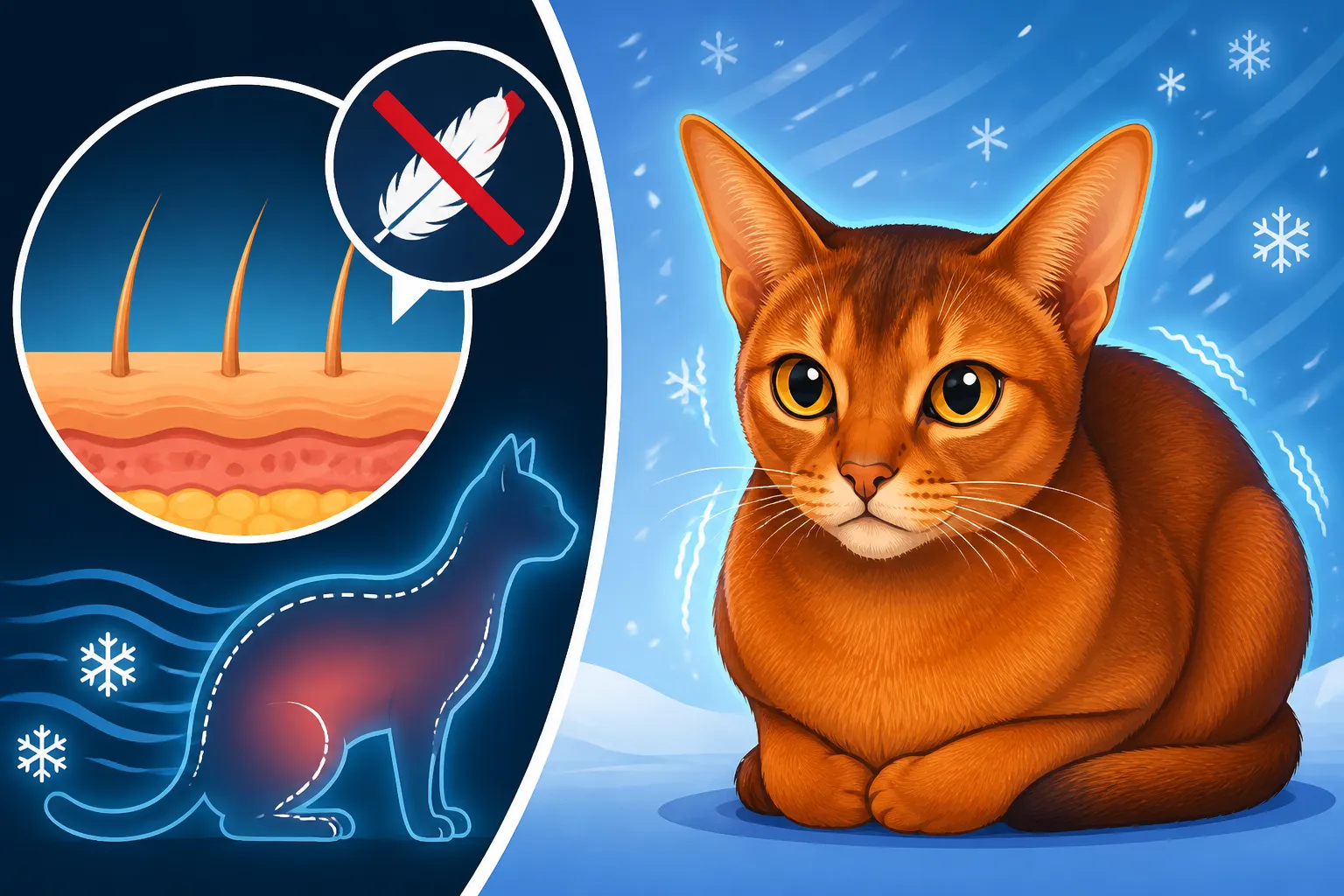
The Abyssinian's coat is truly a marvel of feline genetics, celebrated for its striking "ticked" pattern. Each individual hair boasts bands of color, typically three or four, alternating light and dark. This creates that shimmering, agouti effect that makes them look like tiny cougars, always in motion. But here's the rub: unlike many other cat breeds, Abyssinians have very little to no undercoat. This absence is the primary reason why they can feel the chill more acutely than their fluffier counterparts.
Understanding the Lack of Undercoat
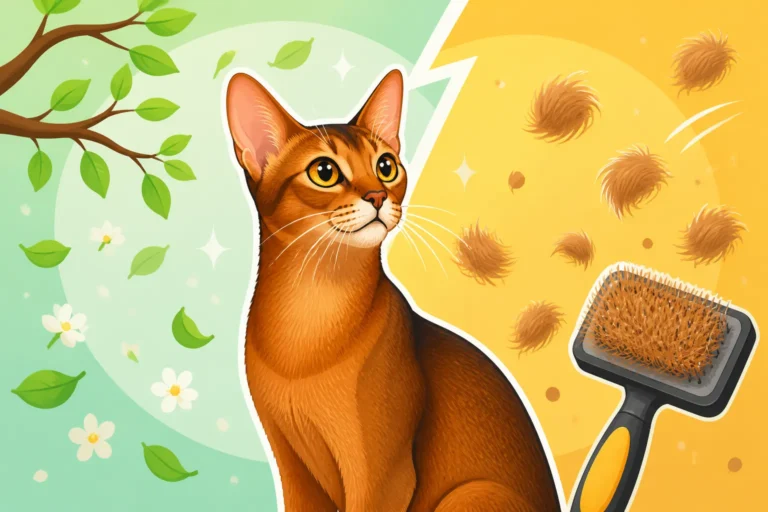
Most cat breeds, especially those originating from colder climates, possess a dense undercoat of fine, downy hairs beneath their coarser guard hairs. This undercoat acts like a built-in thermal layer, trapping air close to the body to insulate them against the cold. Think of it like wearing a thick wool sweater under a waterproof jacket. The Abyssinian, however, lacks this natural insulation. Their coat is short, fine, and lies close to the body, making them feel incredibly soft and sleek to the touch. This means there's less air trapped against their skin, and heat dissipates much more quickly. While this makes their grooming needs incredibly simple – often just a quick brush once a week to keep it gleaming, as discussed in The Ticked Coat Is the Whole Abyssinian Grooming Job – it also means they don't have that crucial layer of warmth.
Imagine yourself going outside in just a thin windbreaker on a brisk autumn day, while everyone else is bundled in a heavy parka. You might not look cold, but you certainly feel it. That's often the Abyssinian's experience. Their fine, sleek hair might appear substantial, but it simply doesn't offer the thermal protection of a double-coated cat. This characteristic, while beautiful, is a key factor in How Thin an Abyssinian's Undercoat Really Is and directly impacts their comfort in cooler environments. It's why they actively seek out warmth, often making themselves known at the slightest hint of a cold draft or a drop in room temperature.
How the Ticked Coat Affects Heat Retention
The beauty of the Abyssinian's ticked coat, with its lack of underlying fluff, means that while it offers fantastic protection against the elements in their warmer ancestral homes, it's not designed for chilly indoor temperatures. The individual hairs are thin, and while they lie close, they don't create that insulating barrier. You might notice your Abyssinian feels warm to the touch when they've been curled up in a sunny spot, but that warmth can quickly disappear the moment they move to a cooler area. This is a tell-tale sign of poor heat retention.
Consider a cat with a thick, plush coat, like a Maine Coon or a Persian. Their fur creates a lofty barrier that effectively holds body heat in. An Abyssinian's coat, while visually stunning with its agouti banding, simply can't do the same job. It's more akin to a lightweight, breathable fabric rather than a heavy-duty insulator. This unique coat characteristic is also why An Abyssinian Needs Brushing Once a Week and No More – there's just not much loose fur or tangled undercoat to contend with, but it also means there's less to keep them warm. So, when you see your Abyssinian snuggling deep into a blanket or draped over a heating pad, know that it's not just a preference; it's often a biological necessity for their comfort.
Recognizing the Chill: Signs Your Abyssinian is Cold
Because Abyssinians are such active and intelligent cats, they can sometimes mask discomfort. They're naturally energetic, curious, and always on the move, which can make it hard to spot subtle signs that they're feeling cold. However, once you know what to look for, you'll start noticing their cold-avoidance behaviors more clearly.
Behavioral Cues of Discomfort
One of the first things you might notice is an Abyssinian who is usually zipping around the house suddenly becoming less active than usual. While What an Old Abyssinian Slows Down From is a natural decline, a young, healthy Aby reducing its playtime or its typical climbing antics might be trying to conserve body heat. They might also start curling into a tighter ball when they sleep, tucking their paws and tail close to their body, instead of their usual relaxed sprawls. It's a natural instinct to reduce their exposed surface area to minimize heat loss.
Another common sign is seeking out unusually warm places. This isn't just a preference for a sunny window; it's an active hunt for heat. You might find them:
- Pressed against radiators or heating vents.
- Burrowed deep under blankets, cushions, or even your laundry pile.
- Sitting on top of electronics that generate heat, like a cable box or a computer.
- Snuggling extra close to you, not just for affection, but for your body warmth.
They might also exhibit slight shivering, which can be hard to spot with their sleek coat, but you might feel it if you're petting them. Their ears and paw pads might also feel cooler than usual to the touch. Pay attention to their habits; if your Aby, who typically greets visitors at the door, is instead found huddled in their cat bed, it could be a subtle sign they're feeling under the weather or simply too cold. Sometimes, a suddenly quiet Abyssinian is telling you something important, as detailed in What a Quiet Abyssinian Is Telling You.
Physical and Activity Changes
Beyond overt shivering, there are more subtle physical indicators that your Abyssinian might be experiencing a chill. Their skin might feel colder, particularly on their extremities like their ears and paws. You might also notice a slight dullness in their normally vibrant coat if they've been consistently cold, as their body diverts energy from non-essential functions to keeping warm. While their coats are naturally fine, prolonged cold can affect their overall condition.
In terms of activity, an Abyssinian is typically a high-energy cat, always exploring and climbing. If you observe them hesitating before jumping to a favorite high perch, or spending more time on the floor than their usual elevated spots, it could be a sign of discomfort from the cold. They might become less playful, showing reduced interest in their favorite wand toys or puzzle feeders. This isn't just boredom; it's a physiological response to conserve energy when their body is working harder to maintain core temperature. Why a Suddenly Still Abyssinian Needs a Vet highlights the importance of recognizing changes in their activity levels, as it can indicate various issues, including being too cold. A healthy, comfortable Abyssinian should be a bundle of energy, eager to engage with their environment. If that characteristic vigor is missing, it's time to investigate what might be making them uncomfortable.
Practical Strategies for a Warm Abyssinian Home
Since your Abyssinian can't grow a thicker undercoat, it's up to us, their devoted humans, to create an environment where they can thrive, feeling warm and secure. There are plenty of practical steps you can take to ensure your sleek companion is never left out in the cold, so to speak.
Environmental Adjustments
One of the easiest ways to help your Abyssinian is to make small adjustments to your home environment. Keep your thermostat set at a comfortable temperature, generally in the upper 60s or low 70s Fahrenheit, especially during colder months. Even if it feels fine to you, remember your Aby has less natural insulation. Check for drafts around windows and doors, particularly in their favorite sleeping or perching spots. Simple weather stripping or draft stoppers can make a huge difference.
Another great strategy is to maximize natural sunlight. Abyssinians adore sunbeams, and a warm patch of sunlight streaming through a window can be a mini-heater for them. Consider placing their favorite cat tree or a comfy bed near a south-facing window where they can soak up the rays. You might even find them using a window perch for hours, enjoying the warmth. For a long-bodied Abyssinian, ensuring their litter boxes are accessible but also warm can be crucial, as mentioned in Which Litter Box Suits a Long Bodied Abyssinian.
Cozy Napping Spots and Heat Sources
Providing dedicated warm spaces is essential. Think beyond just a regular cat bed. Heated cat beds or mats are fantastic options for Abyssinians. Many come with automatic temperature controls and timers, offering a consistent source of gentle warmth. You can often find a good selection of these on sites like Amazon or Chewy. Just make sure any electric heating pad designed for pets is rated safe for continuous use and has low voltage.
- Soft Blankets: Keep a few soft, fleecy blankets around that your Aby can burrow into. You'll be amazed at how quickly they'll make a nest.
- Covered Beds: Some Abyssinians prefer a bed with a hood or a "cave" design, which helps trap their body heat and provides a sense of security.
- Self-Warming Mats: These mats contain a special thermal layer that reflects the cat's own body heat back to them, requiring no electricity. They're perfect for adding warmth to existing beds or favorite lounging spots.
It's also worth noting that Abyssinians love to be high up, not just for observation but for warmth too, as warm air rises. You'll often find Why an Abyssinian Sleeps Higher Than Any Other Cat, so ensure their elevated perches, like cat trees or wall-mounted shelves, also offer comfortable, warm spots.
Diet and Hydration Support
While diet won't directly replace a missing undercoat, a high-quality, nutritious diet contributes significantly to an Abyssinian's overall health and ability to regulate their body temperature. A cat with adequate energy reserves and a strong immune system is better equipped to handle minor temperature fluctuations. Abyssinians are incredibly active and burn a lot of calories, often more than you'd expect for their size. How Many Calories an Adult Abyssinian Burns is something to understand well. Look for cat foods with high protein content to support their lean muscle mass and energy levels.
Proper hydration is also crucial, especially considering the Abyssinian's propensity for kidney issues like amyloidosis. Water helps with metabolic processes that generate internal heat, and a well-hydrated cat is generally healthier. Encourage water intake by offering fresh, filtered water in multiple bowls, or consider a pet drinking fountain. Many Abyssinians love to play with water, making a fountain an appealing option. Remember, Why an Abyssinian's Kidneys Make Water Intake Matter, so access to clean, fresh water is paramount for their long-term health. Feeding a wet food diet can also significantly boost their daily water intake.
Long-Term Well-being: Managing Your Abyssinian's Comfort
Integrating warming strategies into your Abyssinian's daily life isn't just about immediate comfort; it's about their long-term health and happiness. A consistently cold cat can be a stressed cat, and stress can manifest in various ways, sometimes even affecting their immune system or behavior. Understanding their needs and proactively addressing them ensures your Abyssinian thrives for years to come.
Preventing Chronic Cold and Related Issues
A chronically cold Abyssinian isn't just uncomfortable; they can expend extra energy trying to stay warm, which could potentially impact their overall health. While their coat structure means they'll always be a bit more sensitive to temperature drops, preventing prolonged exposure to cold environments is key. This means being mindful of open windows in winter, ensuring heating systems are functioning correctly, and always providing those cozy retreat options.
It's a misconception that simply because an Abyssinian doesn't have a thick coat, they somehow don't shed. Why an Abyssinian's Single Ticked Coat Barely Sheds means you won't be dealing with huge clumps of fur, but they still shed, and consistent grooming helps maintain skin health, which in turn supports a healthy coat, even if it's a thin one. A healthy coat, no matter how sparse the undercoat, is better at its job than a neglected one. Regular check-ups with your vet can also help identify any underlying health issues that might make your Abyssinian more sensitive to cold.
Grooming and Coat Health in Relation to Warmth
While we've established that the Abyssinian's minimal undercoat is the primary reason for their cold sensitivity, proper grooming still plays a subtle role in their overall comfort and warmth. A clean, healthy coat, even a thin one, performs better than a dirty or matted one (though matting is rare with an Aby's coat type). Regular gentle brushing, perhaps with a rubber grooming mitt, stimulates blood circulation to the skin, which can contribute to warmth, and distributes natural oils, keeping their coat healthy and shiny. How a Chamois Brings Up an Abyssinian's Shine after a light brushing can also be a lovely bonding experience.
You won't be "thickening" their coat with grooming, but you will be ensuring its optimal condition. If an Abyssinian's coat becomes coarse or dull, it might be a sign of nutritional deficiencies or other health issues that could make them even more susceptible to feeling cold. Regularly checking their skin for dryness or flakiness, particularly in winter, is also a good practice. Hydrated skin means a healthier barrier against the elements. If you notice any unusual changes in their coat, consult your vet – it's a window into their overall health.
Monitoring and Adjusting with Age
As your Abyssinian ages, their ability to regulate body temperature can naturally decrease. An older Abyssinian might become even more sensitive to cold, requiring extra attention to their environment. What an Old Abyssinian Slows Down From often includes a reduced metabolic rate, which means less internal heat generation. Their joints might also become a bit stiffer, making it harder for them to seek out high, warm spots or burrow deep into blankets.
This means you might need to adjust your warming strategies as they mature. Provide easily accessible heated beds, ramp access to favorite warm perches, and ensure their primary sleeping areas are particularly well-insulated from drafts. Regular vet visits, as discussed in Caring for an Abyssinian Past Ten, are vital to monitor their overall health and address any age-related conditions that might impact their comfort or sensitivity to cold. Observing their behavior and adjusting their environment to meet their evolving needs is a continuous act of love for your cherished Abyssinian.
Warming Solutions for Your Abyssinian
To help you visualize the different ways you can keep your Abyssinian cozy, here's a comparison of common warming solutions:
| Solution Type | Description | Pros | Cons | Typical Placement |
|---|---|---|---|---|
| Soft Blankets | Fleece, wool, or plush fabric blankets | Inexpensive, versatile, easy to clean | Don't generate heat, can be kicked off | Beds, cat trees, sofas, sunny windows |
| Heated Cat Beds | Electrically warmed beds (low voltage) | Consistent warmth, very effective for cold cats | Requires electricity, higher initial cost, safety checks | Favorite sleeping spots, near windows/drafts |
| Self-Warming Mats | Reflects cat's body heat using a thermal layer | No electricity needed, portable, can be added to any bed | Only works with existing body heat, less intense warmth | Inside existing beds, carriers, favorite lounging spots |
| Enclosed Beds | Beds with hoods or "cave" designs | Traps body heat, provides security | Can be harder to clean, some cats may not use them | Quiet corners, elevated shelves |
| Sweaters/Coats | Pet-safe clothing designed for warmth | Direct body warmth, good for temporary cold exposure | Some cats dislike clothing, must be chosen carefully for fit | For short periods, during cold snaps, vet visits |
| Room Heaters | Space heaters (pet-safe models with safety features) | Warms an entire room, effective for general cold | Requires supervision, electrical risks, can dry air | Safely away from furniture, in well-ventilated areas |
Disclaimer
This article is for general informational purposes only and does not constitute professional advice. Laws, prices and regulations vary by location and change over time. Consult a qualified professional for guidance on your specific situation.