Why an Abyssinian Finds the Warmest Spot Without Help
You've probably noticed your Abyssinian has a knack for finding the warmest, sunniest, or coziest spot in the house, often in places you'd least expect. It's not just a cute quirk; there are very real physiological and instinctual reasons behind their relentless pursuit of warmth, which can sometimes leave us scratching our heads about how to best accommodate their needs. This guide will delve into why your Abyssinian is such a heat-seeking missile and how you can ensure they always have a comfortable, warm haven.
The Abyssinian's Unique Coat and Its Impact on Warmth
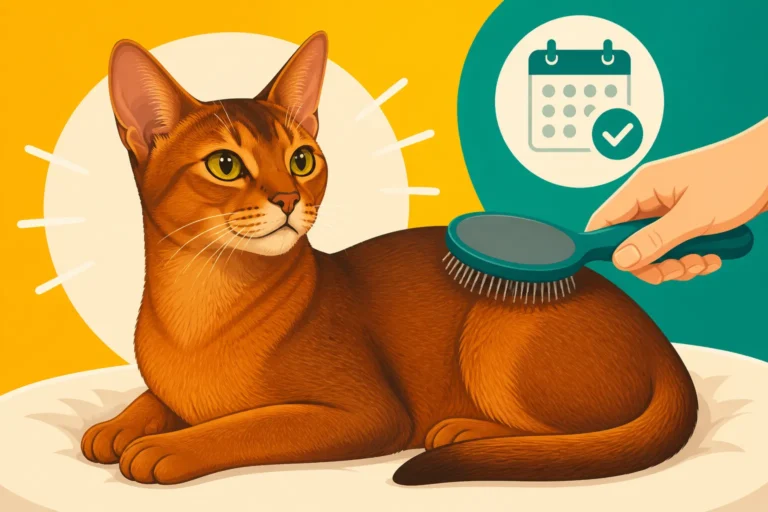
One of the most striking features of an Abyssinian is its stunning ticked coat, which gives them that wild, luminous appearance. But what's beautiful on the outside also tells a story about their internal thermostat, and it's a tale of minimal insulation. Unlike many other cat breeds that boast thick, plush double coats, Abyssinians have a much thinner, single layer of fur that offers less protection against the cold.
The Barely-There Undercoat Conundrum
When you run your hand over an Abyssinian's coat, you'll immediately notice how fine and sleek it feels, lying close to their body. This isn't just for aesthetics; it's a fundamental aspect of their physiology. Most cats have a dense undercoat of soft, downy fur that traps air close to their skin, acting as an insulating layer against both cold and heat. Think of it like a natural built-in thermal blanket. The Abyssinian, however, has an extremely sparse or almost non-existent undercoat. This means they simply don't have that natural buffer that other breeds rely on. How Thin an Abyssinian's Undercoat Really Is explains this in more detail.
This lack of a substantial undercoat makes them quite susceptible to feeling chilly, even in what we might consider a comfortable room temperature. Imagine wearing just a light shirt in a cool breeze while everyone else has a sweater on. That's a bit like what an Abyssinian experiences. Their sleek coat might look low-maintenance, but it signals a higher need for external warmth. It's why they might gravitate towards your lap not just for affection, but also for your body heat. The sensation of their sleek fur against your skin often feels quite warm, but that's precisely because their own body heat isn't being trapped efficiently within their coat; it's escaping.
Feeling the Chill: Why Their Skin Temperature Matters
Because their coat offers minimal insulation, the ambient temperature of their surroundings has a more direct impact on an Abyssinian's body temperature. They're not just seeking warmth; they're actively working to maintain their ideal core temperature without expending excessive energy. If they feel even slightly cool, their bodies naturally direct them to find a warmer spot. This isn't about being pampered; it's a survival instinct.
You might even notice that when you pick up your Abyssinian, they feel quite warm to the touch. Whether an Abyssinian Feels Warm to the Touch touches on this, and it's because their heat is closer to the surface. Without that insulating undercoat, their skin is more exposed to the environment, meaning they lose heat more quickly than a cat with a denser coat. This constant heat loss necessitates a diligent search for external heat sources, whether that's a patch of sun, a heating vent, or snuggling up against a warm body. It's a never-ending quest to stay comfortably warm, especially in cooler climates or during winter months.
Instinctive Search: Why Abyssinians Crave Heat
Beyond the physical attributes of their coat, Abyssinians possess strong instincts that drive their quest for warmth. This isn't just about comfort; it's deeply rooted in their physiology and evolutionary history. Their high energy levels also play a role in how they manage their body temperature.
The Metabolism-Heat Connection
Abyssinians are renowned for their incredible energy and playful, active nature. They are often described as being in perpetual motion, running, jumping, and exploring. This high level of activity means they have a higher metabolism compared to some more sedentary breeds. A higher metabolism generates more internal body heat, which might seem counterintuitive at first glance – why would an active cat need more external warmth?
The truth is, while they generate a lot of heat, they also expend a lot of energy doing so, and they can lose that heat rapidly due to their sparse coat. Their bodies are constantly working to maintain optimal function, and finding external heat sources helps them conserve the energy they would otherwise spend generating warmth internally. Think of it like a high-performance engine that runs hot but also needs efficient cooling and precise temperature regulation to prevent overheating or losing too much heat in colder conditions. Fueling this high metabolism with quality nutrition is key, ensuring they have the energy to generate warmth but also seek out supplemental heat when needed. You can often see the impact of their high metabolism in how much they eat, as detailed in How Many Calories an Adult Abyssinian Burns.
Sun Seekers and Elevated Perches
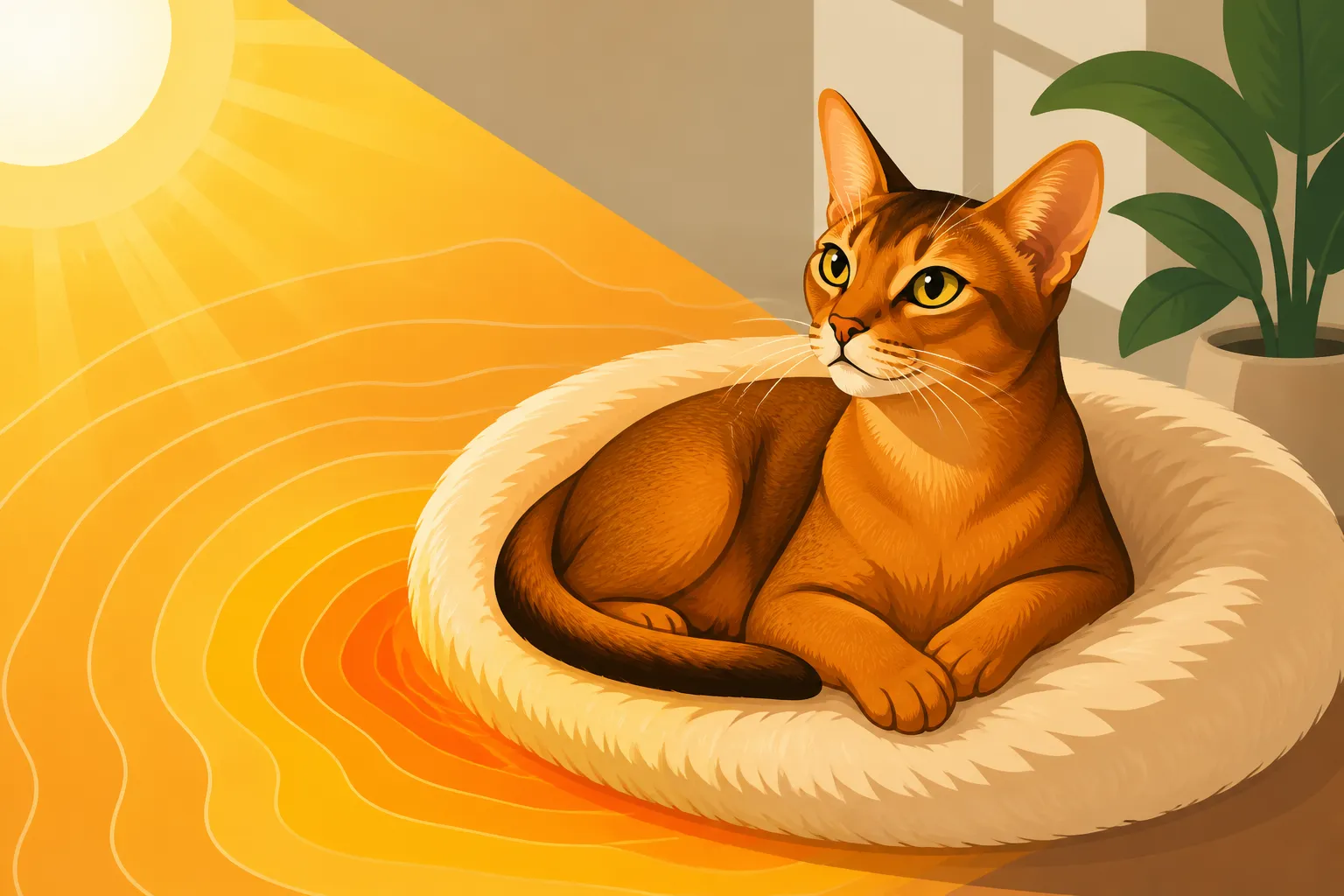
Observe an Abyssinian on a sunny day, and you'll likely find them stretched out in a sunbeam, soaking up every ray. This isn't just a pleasant pastime; it's a primal instinct to absorb solar energy, which is a highly efficient way for them to warm their bodies without expending their own metabolic resources. That warm, drowsy look in the sunbeam isn't just contentment; it's deep relaxation as their body soaks in the much-needed heat.
Similarly, their love for elevated perches, whether it's the top of a cat tree or your shoulder, isn't solely about surveying their kingdom. Warm air rises, and the higher points in a room are often several degrees warmer than the floor. By seeking out these elevated spots, an Abyssinian is instinctively gravitating towards warmer pockets of air, maximizing their comfort. Why an Abyssinian Sleeps Higher Than Any Other Cat elaborates on this fascinating behavior. They're clever about finding those spots, sometimes even squeezing into surprising places just to feel a little cozier.
Creating the Perfect Cozy Nook for Your Abyssinian
Knowing that your Abyssinian has a genuine need for warmth means you can proactively create an environment that caters to their comfort. It's not just about throwing down a blanket; it's about strategic placement and understanding their preferences.
Heated Beds and Strategic Placement
Since your Abyssinian's body struggles to retain heat on its own, providing supplemental heat sources is an excellent way to keep them comfortable. Heated cat beds are a fantastic investment for Abyssinian owners. These can range from self-warming mats that reflect body heat to electrically heated beds that offer a consistent, gentle warmth. Placing these beds in spots your Abyssinian already frequents, such as a favorite window perch or a quiet corner of the living room, can make them irresistible. You can often find a variety of options on Chewy or Amazon, allowing you to choose one that fits your space and your cat's preferences.
Consider placing a heated bed near a window that gets afternoon sun, creating a double whammy of warmth. Alternatively, a heated mat placed inside their preferred cat bed or even on a low shelf they like to nap on can make a huge difference. Remember that Abyssinians are creatures of habit, so putting a warm spot where they naturally gravitate will ensure it gets used. If you've ever bought a fancy bed that your Abyssinian promptly ignored, Why an Abyssinian Ignores the Bed You Bought It offers some insights, and it often comes down to placement or the type of warmth offered.
Understanding Their Preferred Warmth Sources
Abyssinians aren't just looking for any warm spot; they often have preferences. Some love the radiant heat from a sunbeam, others prefer the direct, consistent warmth of a heated bed, while some simply want to burrow into a pile of soft blankets. It's about offering variety and observing what your individual cat responds to. Think about the surfaces they choose – are they always on a soft fleece blanket, or do they prefer a firm, sun-baked tile?
Here's a quick comparison of common warm spots and their pros and cons for your heat-seeking Abyssinian:
| Warmth Source | Pros | Cons | Ideal Placement/Use |
|---|---|---|---|
| Sunbeam | Natural, free, radiant heat | Moves throughout the day, not always available | Window perches, floor patches, near glass doors |
| Heated Cat Bed | Consistent, controlled warmth, therapeutic for older cats | Requires electricity, initial cost | Favorite sleeping spots, elevated perches, quiet corners |
| Soft Blankets/Cuddles | Body heat from you, burrowing comfort, no cost | Relies on interaction or specific blanket pile | Your lap, bed, soft-lined baskets, inside cat houses |
| Near a Vent/Radiator | Direct warmth | Can be too hot or drying, inconsistent | Ensure safe distance, use a barrier or a perch nearby |
| Heppy Pad/Self-Warming Mat | Safe, no electricity, reflects body heat | Less intense warmth than electric, works best in a confined space | Inside carriers, existing beds, crates for travel |
As your Abyssinian ages, their need for warmth might even increase. An older cat's metabolism can slow down, and they might not be as active, making it harder for them to generate sufficient body heat. What an Old Abyssinian Slows Down From further explores the changes you might observe in senior Abyssinians. Providing extra warmth can genuinely enhance their comfort and quality of life. Whether it's a new, plush cat bed from Chewy or a simple soft blanket, ensuring your Abyssinian has access to plenty of warm spots is a small but significant way to show them how much you care.
Disclaimer
This article is for general informational purposes only and does not constitute professional advice. Laws, prices and regulations vary by location and change over time. Consult a qualified professional for guidance on your specific situation.