How Many Calories an Adult Abyssinian Burns
If you're living with an Abyssinian, you already know they're not your average couch potato. These magnificent felines are bundles of boundless energy, constantly exploring, climbing, and engaging with their surroundings. This incredible activity level often leaves their devoted humans wondering exactly how much fuel these little athletes need to keep going without packing on extra weight or, just as concerning, losing too much. This comprehensive guide will delve into the caloric demands of an adult Abyssinian, helping you understand their unique metabolism and how to keep them perfectly powered.
The Abyssinian's Unique Energy Level
It's no secret that Abyssinians are often described as the "clowns of the cat world" or "nature's busy bodies." They possess an almost dog-like curiosity and a relentless drive to be involved in whatever you're doing, whether it's supervising your cooking from the countertop or attempting to help you type. This isn't just a charming personality quirk; it's a fundamental aspect of their physiology that significantly impacts their energy expenditure and, consequently, their dietary needs.
Why Abyssinians Are So Active
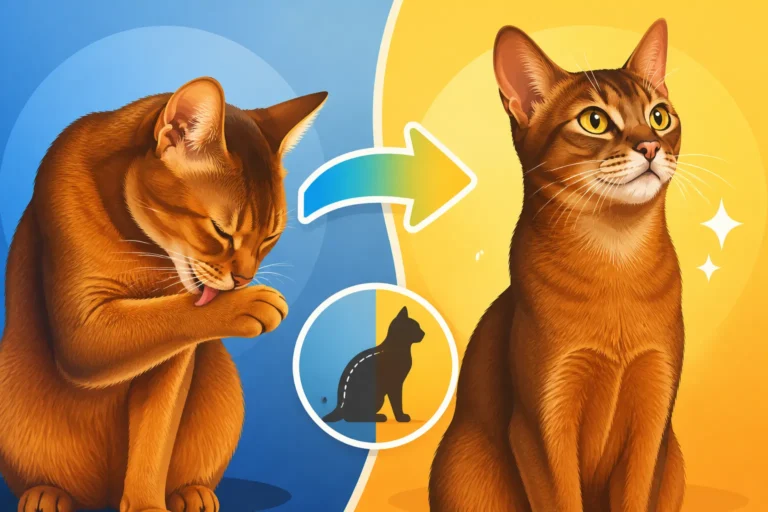
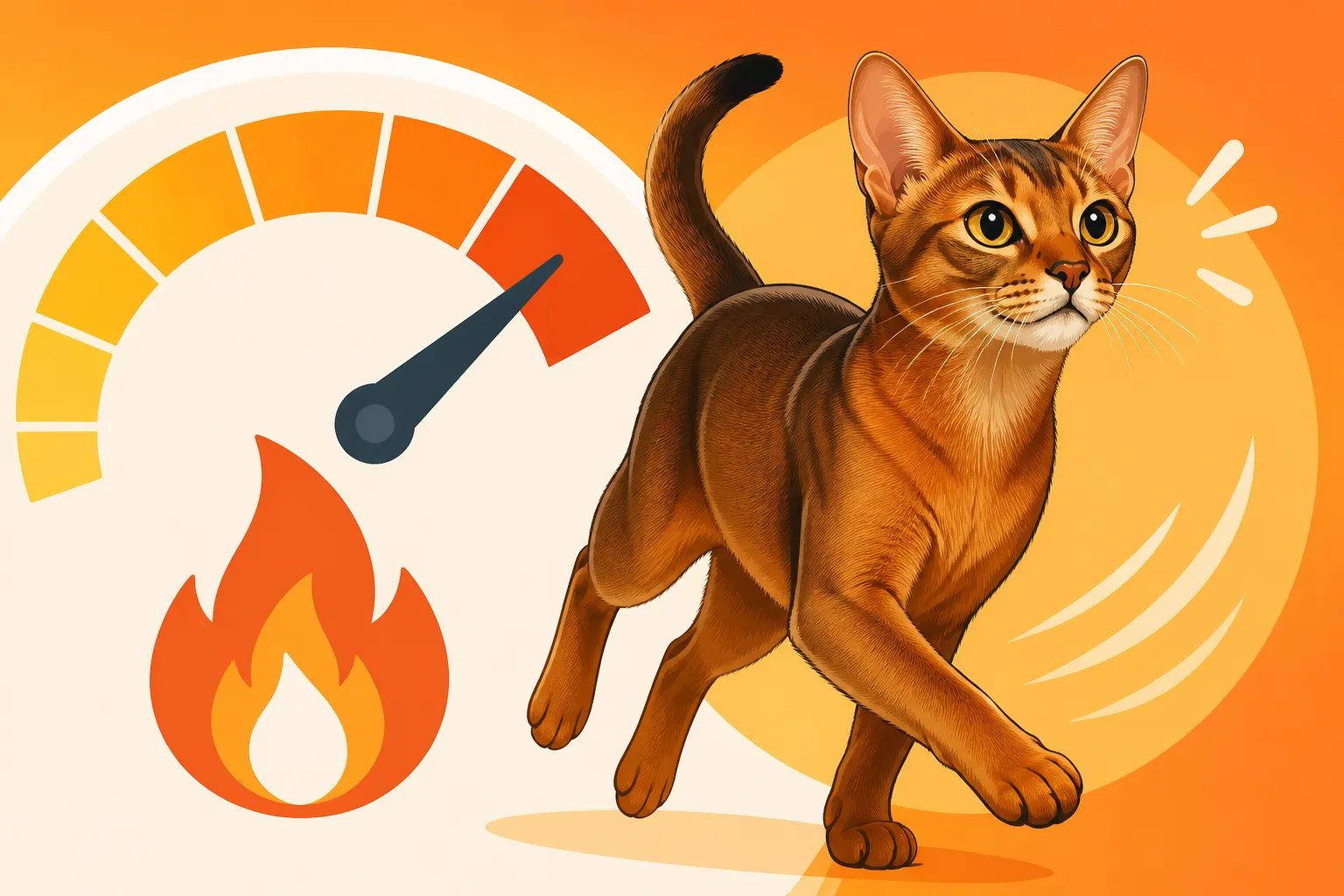
Unlike many other cat breeds that are content with long naps punctuated by short bursts of activity, the Abyssinian operates on a different rhythm. Their muscular, lithe bodies are built for agility and constant movement. They're natural climbers, jumpers, and explorers, constantly surveying their territory from the highest vantage points and engaging in intense play sessions that can leave other cats (and their owners) breathless. This isn't just sporadic play; it's a consistent, high-level energy output throughout the day, driven by their keen intelligence and inherent curiosity. They genuinely love to move, to chase, and to interact, burning calories with every leap and pounce. You might observe your Abyssinian racing through the house at full speed, scaling furniture, or even attempting to open doors, all of which contribute to their high energy consumption. The Abyssinian Is the Busiest Cat in the House details this inherent drive.
The Metabolic Impact of High Activity
All this activity translates directly into a higher metabolic rate. An Abyssinian's body is constantly working, requiring more energy to maintain core functions and support their dynamic lifestyle. Think of it like a high-performance sports car versus a sedan; both use fuel, but the sports car, especially when driven hard, consumes significantly more. Abyssinians are the sports cars of the feline world. Their lean muscle mass also contributes to a higher basal metabolic rate – the calories they burn just existing, even when resting. This means even a sleeping Abyssinian is likely burning more calories than a less active cat of the same size. This high metabolic engine explains Why an Abyssinian Eats More Than a Bigger Cat, often surprising owners who are used to less energetic breeds.
Factors Influencing Calorie Burn
While the general rule is that Abyssinians burn a lot of calories, it's not a static number. Several individual factors can significantly influence your cat's specific daily caloric needs. Understanding these nuances is crucial for fine-tuning their diet and ensuring they remain healthy and vibrant.
Age and Life Stage
An Abyssinian's caloric requirements fluctuate throughout their life. Kittens, with their rapid growth and even more frenetic energy levels, need a substantial amount of calories to support their development. How Many Calories an Abyssinian Kitten Needs goes into detail on their early dietary requirements. As they mature into adulthood, their growth slows, but their activity often remains high, maintaining a relatively high caloric demand. Senior Abyssinians, generally those over ten years old, may start to slow down slightly, leading to a decrease in their overall calorie needs. However, even an older Abyssinian can maintain a surprising level of activity, so careful observation is key. Their metabolism might also become less efficient with age, making it easier to gain weight if their food intake isn't adjusted.
Activity Level and Environment
It might seem obvious, but an Abyssinian's individual activity level plays a huge role. While all Abyssinians are generally active, some are true daredevils, constantly climbing to the highest shelves and engaging in marathon play sessions. Others might be a bit more sedate, preferring intense but shorter bursts of activity. A cat living in a smaller apartment with fewer climbing opportunities, for example, might burn slightly fewer calories than one in a larger home with a catio and extensive wall shelves. The amount of structured play you provide also matters; How Much Play an Abyssinian Needs Each Day directly impacts their energy output. Cats living in colder climates might also burn slightly more calories to maintain body temperature, though this is usually a minor factor for indoor cats.
Reproductive Status and Health Conditions
A cat's reproductive status significantly impacts their metabolism. Un-spayed females and un-neutered males generally have higher caloric needs due to the hormones influencing their metabolism and, in the case of females, the energy required for heat cycles. Once an Abyssinian is spayed or neutered, their metabolic rate often drops, meaning they require fewer calories to maintain their weight. Ignoring this change can quickly lead to unwanted weight gain. How Many Calories a Neutered Abyssinian Needs addresses this directly. Furthermore, certain health conditions can alter caloric requirements. Hyperthyroidism, for example, dramatically increases metabolism, leading to weight loss despite increased food intake. Conversely, conditions that cause lethargy or reduce activity can lower calorie needs. Always consult your vet if you notice sudden changes in your cat's weight or appetite.
Calculating Daily Calorie Needs
Estimating your Abyssinian's daily calorie needs isn't an exact science, but it's a vital step toward ensuring their optimal health. There are general formulas you can use as a starting point, but remember that every cat is an individual, and monitoring their body condition is just as important as the numbers on a calculator.
Understanding Basal Metabolic Rate (BMR) and Resting Energy Requirement (RER)
The absolute baseline for calorie needs is the Basal Metabolic Rate (BMR), which is the energy required to maintain basic life functions when the body is at rest. In veterinary medicine, we often talk about the Resting Energy Requirement (RER), which is the BMR plus the energy needed for normal digestion and daily activities like stretching and purring. The RER is a good foundation for calculating daily needs. A common formula for RER is:
RER (kcal/day) = 70 * (Body Weight in kg)^0.75
For example, a healthy 4 kg (approx. 8.8 lbs) Abyssinian might have an RER calculation like this: 70 * (4)^0.75. This gives you a baseline number.
Applying Activity Factors
Once you have the RER, you apply an activity factor to get the estimated daily calorie intake. This factor varies based on your cat's specific situation:
- Weight Loss: RER x 0.8
- Neutered/Spayed Adult, Inactive: RER x 1.0
- Neutered/Spayed Adult, Active: RER x 1.2
- Intact Adult (un-neutered/un-spayed): RER x 1.4
- Kitten (up to 4 months): RER x 2.5
- Kitten (4 months to 1 year): RER x 2.0
- Lactating/Pregnant Queen: RER x 2.0-4.0 (varies greatly)
Given the inherent activity of Abyssinians, most adult, neutered/spayed individuals will fall into the "active" category, meaning you'd multiply their RER by at least 1.2, and sometimes even higher for extremely energetic individuals. For instance, our 4 kg Abyssinian with an RER of approximately 198 kcal/day, if very active, might need around 238-260 kcal/day. This is just an estimate, of course.
The Importance of Veterinary Consultation
While these formulas provide a helpful starting point, they are not a substitute for professional veterinary advice. Your vet can assess your Abyssinian's individual body condition, health status, and lifestyle to give you a more precise caloric target. They can also help rule out underlying health issues if your cat is unexpectedly gaining or losing weight. Conditions like What an Abyssinian Does First as Its Sight Goes might lead to reduced activity, hence altering caloric needs. Always discuss any significant dietary changes with your vet, especially if your cat has specific health concerns. They can recommend specific food types, feeding amounts, and even help you interpret food labels to accurately calculate the calories in what you're feeding.
Meeting Calorie Requirements Through Diet
Once you have a good estimate of your Abyssinian's caloric needs, the next step is to choose the right food and establish a feeding routine that supports their health and energy levels. It's not just about the number of calories, but also the quality of those calories.
Choosing High-Quality Cat Food
For an active Abyssinian, choosing a high-quality cat food is paramount. Look for foods with a high protein content, preferably from animal sources, as protein is essential for maintaining their lean muscle mass. Abyssinians, being obligate carnivores, thrive on a diet rich in meat. Avoid foods with excessive fillers, artificial ingredients, or a high carbohydrate content, which can be less digestible and provide less sustained energy. Many premium brands offer formulas specifically designed for active cats or provide robust nutritional profiles suitable for energetic breeds. You can find a wide variety of reputable brands on platforms like Chewy, making it easier to compare nutritional information and ingredients. Which Protein Level Keeps an Abyssinian's Muscle On explains why this is so critical.
The Role of Wet Food
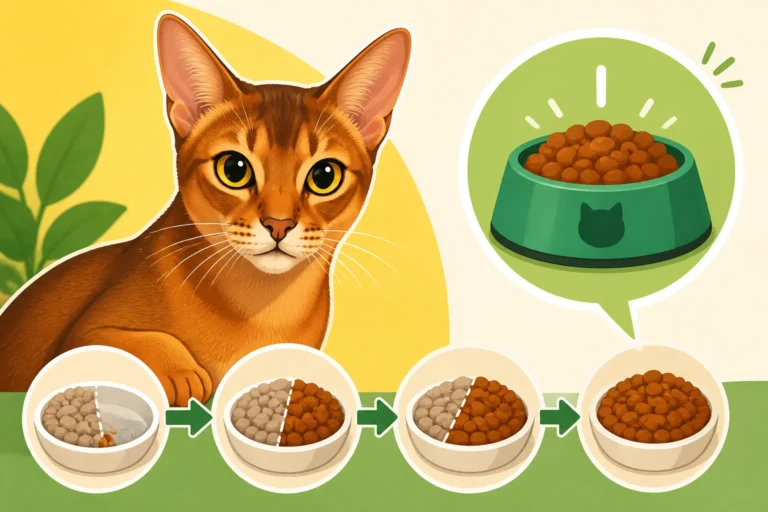
Wet food is an excellent choice for Abyssinians for several reasons. First, its high moisture content contributes to overall hydration, which is vital for kidney health – a consideration for any cat breed, but especially important given concerns like What Renal Amyloidosis Deposits in an Abyssinian's Kidney. Second, wet food often has a higher protein content and fewer carbohydrates than many dry kibbles, aligning well with an Abyssinian's carnivorous dietary needs. It can also be more palatable, ensuring your active cat consumes enough calories without getting bored. Some owners opt for fresh food options delivered as precisely portioned meals that are often highly digestible and appealing.
Portion Control and Feeding Schedule
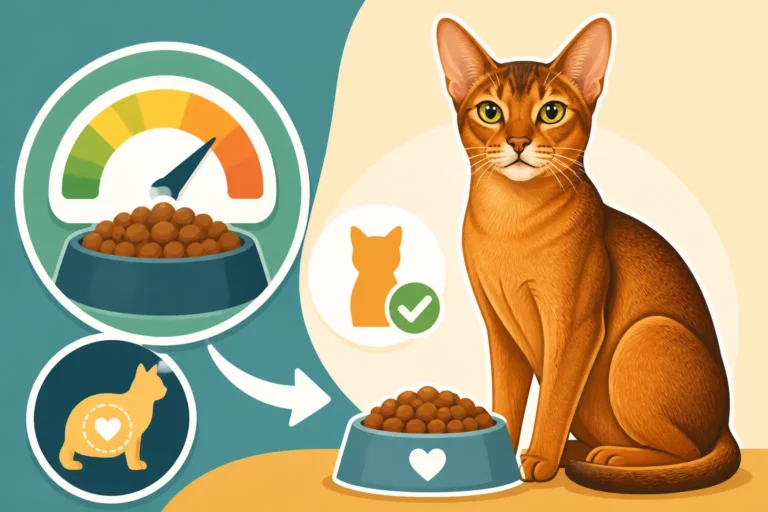
Even with high calorie needs, portion control is crucial. Free-feeding, where food is left out all day, can be problematic even for an active Abyssinian. While Why a Full Bowl Turns an Abyssinian Into a Grazer might seem harmless, it can lead to overeating and make it harder to monitor true food intake. Instead, consider feeding your Abyssinian multiple small meals throughout the day. This aligns better with their natural hunting patterns and helps maintain stable energy levels. Automatic feeders, which can be found on Amazon, are a fantastic tool for this, dispensing measured portions at set times, even when you're not home. Aim for at least two to three meals, with some cats thriving on four or even five smaller portions.
Here's a general guideline for estimated daily calories for an adult Abyssinian, based on average weight and activity:
| Abyssinian Weight (lbs) | Abyssinian Weight (kg) | Resting Energy Req. (kcal) | Active Adult Est. (kcal) | Highly Active Adult Est. (kcal) |
|---|---|---|---|---|
| 6 | 2.7 | 160 | 192 | 208 |
| 8 | 3.6 | 190 | 228 | 247 |
| 10 | 4.5 | 220 | 264 | 286 |
| 12 | 5.4 | 248 | 298 | 322 |
Note: These are estimates. Individual needs vary greatly. Consult your veterinarian for precise recommendations.
Monitoring Weight and Health
Calculating calorie needs is an excellent starting point, but the real test is how your Abyssinian's body responds. Regular monitoring of their weight and overall body condition is essential to ensure they are thriving and that their diet is perfectly balanced for their energetic lifestyle.
How to Assess Body Condition
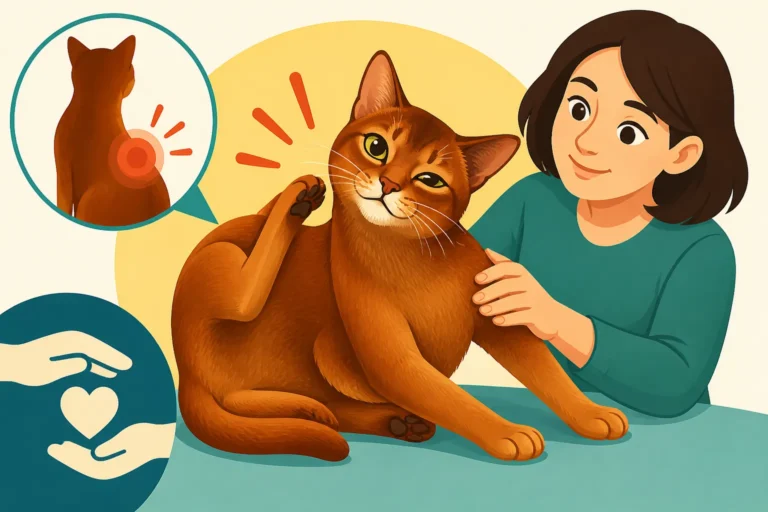
The ticking on an Abyssinian's coat can sometimes make it tricky to visually assess their weight, but feeling their body is a reliable method. You should be able to easily feel their ribs with a slight layer of fat over them, without them being visibly prominent or feeling too bony. From above, they should have a discernible waist, tapering slightly inward after their rib cage. Their abdomen should tuck up slightly when viewed from the side, not hang low. If their ribs are difficult to feel, or if you can see a distinct "spare tire" around their waist, they might be carrying too much weight. Conversely, if their ribs, spine, or hip bones are easily visible or feel sharp, they might be underweight. How to Feel an Abyssinian's Waist Under Its Coat offers more specific instructions. Remember, Why an Abyssinian Rarely Gets Fat is generally true, but it doesn't mean they're immune to weight issues.
Recognizing Signs of Underweight or Overweight
An underweight Abyssinian might display reduced energy, a dull coat, or an increased appetite that doesn't lead to weight gain. They may also appear more angular, with prominent bones. While Abyssinians are naturally lean, a healthy Abyssinian should still have some muscle mass and a slight covering of fat. Why a Lean Abyssinian Hides Illness Longer Than a Heavy Cat emphasizes the importance of catching weight loss early. If your Abyssinian is losing weight rapidly, it's a significant red flag that warrants immediate veterinary attention. How Fast an Abyssinian Drops Weight When Ill can be alarming.
An overweight Abyssinian, though less common due to their high metabolism, can still happen, especially if they are neutered, less active than average, or overfed. Signs include difficulty feeling ribs, a lack of a discernible waist, and reduced enthusiasm for play or climbing. Extra weight puts unnecessary strain on their joints and can predispose them to other health issues. Both underweight and overweight conditions require veterinary consultation to rule out underlying medical issues and adjust their diet and exercise plan.
Regular Vet Check-ups and Adjustments
Routine veterinary check-ups are invaluable for monitoring your Abyssinian's weight and overall health. Your vet will weigh your cat, assess their body condition score, and discuss their diet and activity levels with you. These visits are opportunities to fine-tune their caloric intake based on their changing needs. As your Abyssinian ages, for example, their activity might naturally decrease, and their metabolism might slow down, requiring dietary adjustments to prevent weight gain. Your vet can provide precise recommendations and help you navigate the best food choices and feeding strategies to keep your energetic Abyssinian in peak condition for many years to come.
Disclaimer
This article is for general informational purposes only and does not constitute professional advice. Laws, prices and regulations vary by location and change over time. Consult a qualified professional for guidance on your specific situation.