Which Protein Level Keeps an Abyssinian’s Muscle On
It’s a common frustration for Abyssinian owners: you’re trying your best to feed your energetic little shadow, but with their boundless energy and sleek, muscular build, it feels like they’re burning through calories faster than you can put them in the bowl. You want to make sure your Abyssinian stays strong, healthy, and maintains that incredible athleticism, and a huge part of that comes down to getting the protein levels just right in their diet. This guide will dive deep into understanding your Abyssinian’s unique protein requirements, how to choose the best food, and ensure they thrive.
The Abyssinian's Unique Energy and Muscle Needs
Abyssinians are not your average couch potato cats. They are renowned for their incredible energy levels, their ceaseless curiosity, and their astonishing agility. This isn't just a charming personality trait; it's a fundamental aspect of their physiology that dictates their nutritional needs, especially when it comes to protein. Many owners find themselves puzzled by how much activity their Abyssinian packs into a day, and frankly, it often leaves other cat breeds in the dust. This high-octane lifestyle means their bodies are constantly working, building, and repairing muscle, which makes dietary protein absolutely non-negotiable for their well-being.
Why an Abyssinian's Metabolism Demands More
Have you ever wondered why your Abyssinian seems to be perpetually in motion? They leap, they climb, they explore every nook and cranny, and then they do it all again. This isn't just random hyperactivity; it's a reflection of their naturally high metabolism. Their lean body mass and constant activity mean they burn through calories at an impressive rate, often surprising owners who compare them to larger, less active breeds. Think of them as tiny, highly efficient athletes.
Because of this constant energy expenditure, their bodies require a steady and robust supply of fuel. Without adequate protein, their system would struggle to maintain muscle, repair tissues, and even produce essential enzymes and hormones. It's why Why an Abyssinian Eats More Than a Bigger Cat is such a common topic of discussion among owners – their caloric and protein needs really do often exceed what you'd expect for their size. If you’ve ever felt like you’re constantly refilling the bowl, or that your cat seems perpetually hungry despite getting plenty of food, it might be a sign their diet isn't quite hitting the mark for their specific metabolic demands.
The Importance of Lean Muscle for Their Athleticism
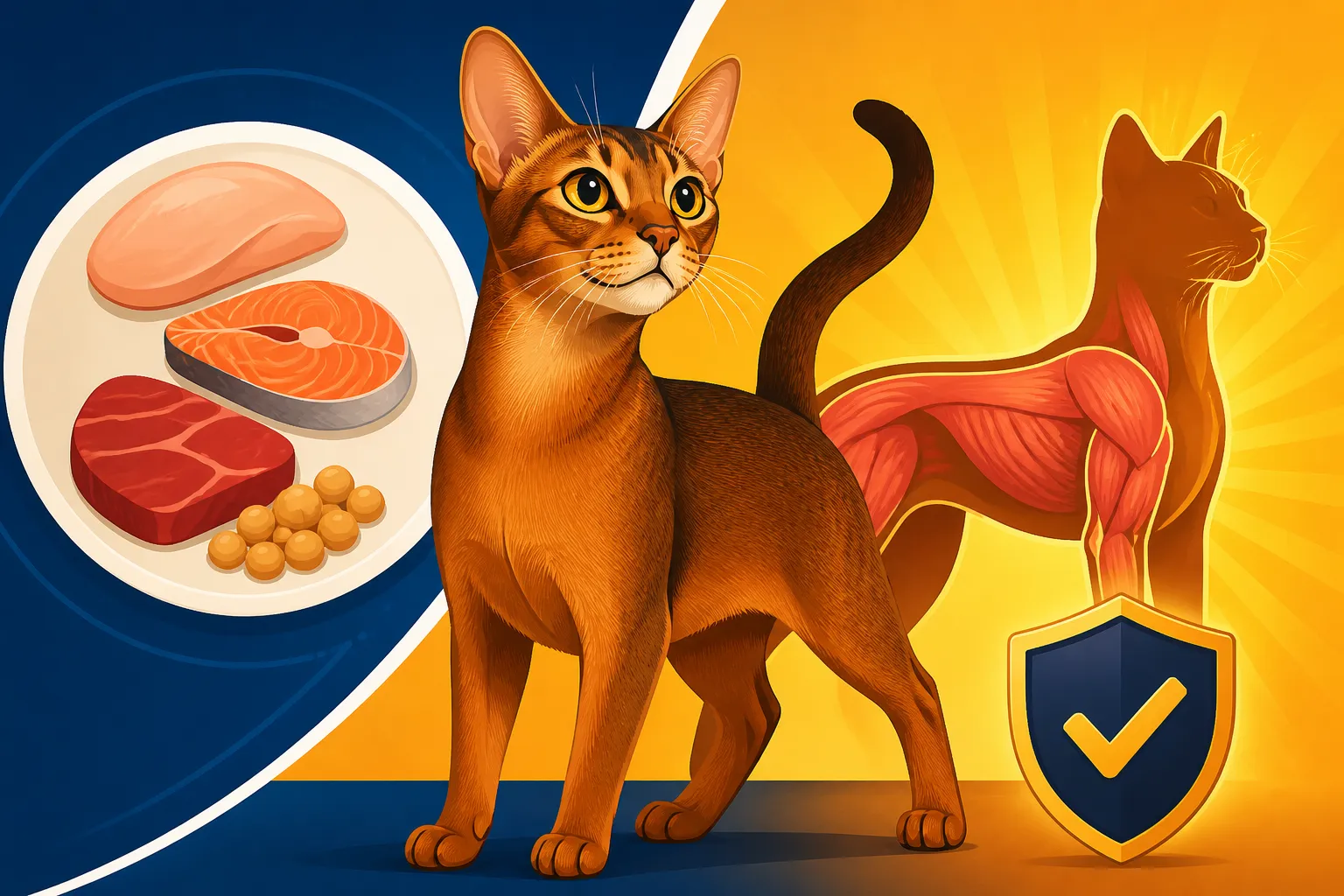
That sleek, elegant body isn't just for looks; it's built for purpose. Abyssinians are natural athletes, boasting powerful hind legs for jumping, a flexible spine for twisting through tight spaces, and a lean frame that allows for incredible speed and agility. This athleticism is entirely supported by their well-developed lean muscle mass. Without sufficient, high-quality protein, maintaining this musculature becomes incredibly challenging for their bodies.
Imagine trying to be a top-tier athlete without the proper diet – it's impossible. The same goes for your Abyssinian. Their ability to climb your tallest cat tree, execute gravity-defying leaps, and engage in vigorous play sessions is directly tied to the strength and health of their muscles. If their protein intake falls short, not only will their physical prowess diminish, but they could also become more prone to injury, and their overall zest for life might wane. Owners often describe their Abyssinians as "spring-loaded" – that spring needs a constant supply of top-notch protein to stay coiled and ready for action.
Understanding Protein in Your Abyssinian's Diet
When we talk about protein for our cats, it's not just a single ingredient. It's a complex macronutrient made up of various components, and understanding these components and where they come from is key to providing your Abyssinian with the best possible nutrition. Many commercial cat foods boast high protein, but the source and quality of that protein can make all the difference in how effectively your cat's body utilizes it.
The Building Blocks: Amino Acids and Their Role
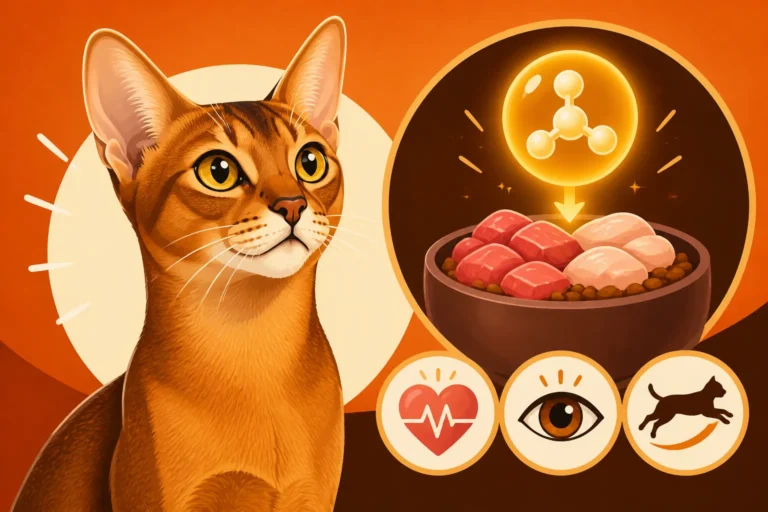
At its core, protein is a chain of amino acids. Think of amino acids as the individual Lego bricks, and protein as the intricate structure you build with them. Cats, being obligate carnivores, have specific dietary needs that differ significantly from humans or even dogs. They require a host of essential amino acids that they cannot synthesize themselves and must obtain directly from their diet. Taurine is perhaps the most famous example, absolutely vital for heart health and vision, and found almost exclusively in animal tissues.
When your Abyssinian consumes protein, their digestive system breaks it down into these individual amino acids. These amino acids are then absorbed and reassembled by the body to create new proteins: muscle tissue, enzymes, hormones, antibodies, and even the keratin in their beautiful ticked coat. If even one essential amino acid is missing or in insufficient quantities, the whole protein synthesis process can be hampered, leading to various health issues down the line. This is why just "protein" isn't enough; it has to be the right kind of protein with a complete amino acid profile.
Quality Over Quantity: What Makes a Good Protein Source
It’s tempting to simply look for the highest percentage of protein on a cat food label, but that number alone doesn't tell the whole story. The quality and bioavailability of the protein source are paramount. High-quality protein comes primarily from animal sources like muscle meat, organ meat, and eggs, which provide a complete and easily digestible amino acid profile that cats are evolutionarily designed to process.
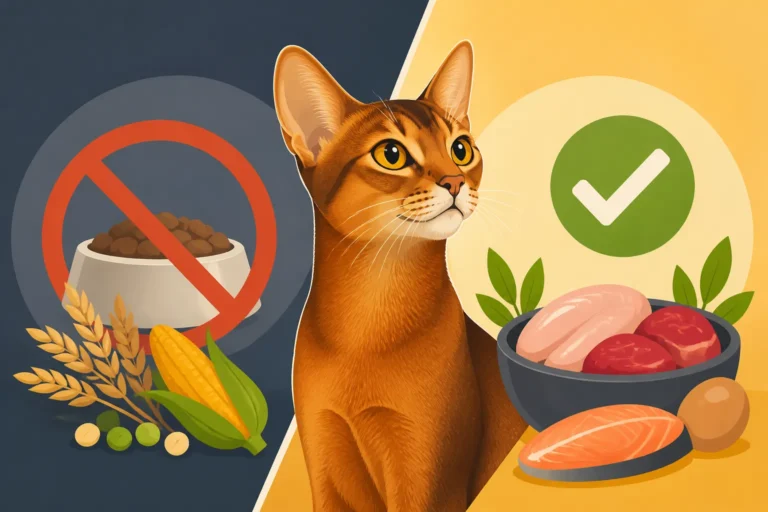
Conversely, some cheaper cat foods might use a lot of plant-based proteins or rendered animal by-products that, while contributing to the overall protein percentage, are less digestible and lack the full spectrum of essential amino acids your Abyssinian needs. Your cat's body simply isn't as efficient at extracting nutrients from corn gluten meal or pea protein as it is from chicken or salmon. So, while a bag of kibble might say "35% protein," if a significant portion of that comes from fillers your cat can't properly utilize, it's not nearly as beneficial as a food with slightly less protein but from superior animal sources. Always look at the ingredient list – the first few ingredients should be identifiable animal proteins like "chicken," "turkey," "salmon," or "beef."
Decoding Cat Food Labels: Protein Percentages
Navigating cat food labels can feel like deciphering a secret code, especially when it comes to protein. You'll typically see a "guaranteed analysis" that lists crude protein as a minimum percentage. For a highly active breed like the Abyssinian, you generally want to aim for foods with a minimum of 30-35% crude protein on a dry matter basis (DMB), but ideally, many owners and vets advocate for much higher, often in the 40-50% range or even more, especially for wet foods.
It's important to remember that the percentage listed on the bag is for the food as it is, including its moisture content. Wet foods inherently have lower as-fed protein percentages because they are mostly water. To get an accurate comparison between wet and dry food, you need to convert to dry matter basis. The calculation is (Guaranteed Analysis % / (100 – % Moisture)) * 100. This conversion helps you compare apples to apples. A dry kibble at 35% protein and 10% moisture is different from a wet food at 10% protein and 75% moisture. Once converted, you’ll often find that quality wet foods provide a significantly higher protein content on a dry matter basis. When you're searching on sites like Chewy or Amazon, make sure to check the nutritional panels carefully and perhaps even use an online calculator to convert to DMB for a true comparison.
Recommended Protein Levels Across Life Stages
Just like with humans, an Abyssinian's nutritional needs, including their protein requirements, shift throughout their life. A growing kitten needs different fuel than a spry adult or a graceful senior. Understanding these changes ensures your Abyssinian gets exactly what they need at every stage to maintain their iconic muscle and energy. It's not a "one size fits all" situation, and adjusting their diet thoughtfully is a hallmark of responsible pet ownership.
Growing Kittens: Fueling Rapid Development
Abyssinian kittens are bundles of pure, unadulterated energy, and their growth rate is phenomenal. From tiny, wobbly furballs to agile young adults, they undergo rapid development of bones, organs, and, of course, that powerful musculature. This intense period of growth demands a significantly higher protein intake than an adult cat. Their bodies are literally building themselves from scratch, and protein provides those essential building blocks.
For growing Abyssinian kittens, you should look for foods specifically formulated for "all life stages" or "kitten" formulas, which typically feature higher protein levels, often above 35-40% on a dry matter basis. These foods are also usually richer in calories to support their rampant metabolism. Don't be shy about feeding your kitten generously, as long as it's quality food; An Abyssinian Needs Height More Than It Needs Floor and their ability to conquer that height starts with strong, developing muscles. While it might seem like a lot, inadequate protein during this crucial phase can lead to suboptimal growth, weaker muscles, and even long-term health issues.
Active Adults: Maintaining Peak Performance
Once your Abyssinian reaches adulthood, usually around 12 months, their rapid growth slows down, but their need for high-quality protein certainly doesn't disappear. Adult Abyssinians remain incredibly active, burning through substantial calories and relying on strong muscles for their daily acrobatics and playful antics. Their diet needs to support this ongoing maintenance and repair of muscle tissue, as well as providing energy for their high-octane lifestyle.
For adult Abyssinians, a diet with at least 30-35% crude protein on a dry matter basis is a good starting point, but many do best with 40% or even higher. It's about finding that sweet spot where they maintain optimal body condition, exhibit consistent energy, and have a healthy, shimmering coat. Monitoring your cat's weight is crucial; What an Abyssinian Should Weigh at One is a good benchmark, but maintaining that lean, athletic physique throughout adulthood is the goal. Remember, their metabolism means they need to eat well to avoid becoming too thin.
Senior Abyssinians: Preserving Muscle as They Age
As Abyssinians gracefully enter their senior years, typically around 10-12 years of age, their protein needs might surprise you. There's a common misconception that older cats need less protein, but in reality, quite the opposite can be true. Senior cats, including Abyssinians, are more prone to sarcopenia, which is age-related muscle loss. To combat this and maintain their muscle mass, older cats actually need higher quality and often more digestible protein than their younger adult counterparts.
For senior Abyssinians, aim for foods with 40% or even higher protein on a dry matter basis, focusing on highly digestible animal proteins. This helps prevent muscle wasting, supports their immune system, and maintains a healthy body condition. It's also vital to ensure they're staying well-hydrated, especially if they are at risk for kidney issues, so wet food becomes even more beneficial. How an Old Abyssinian's Kidneys Are Monitored is a key part of senior care, and a diet rich in moisture and appropriate protein can support kidney health while preserving muscle. A vet can help you tailor the best diet for your older Abyssinian, ensuring they remain comfortable and strong well into their golden years.
Spotting the Signs of Inadequate Protein
It can be really disheartening to realize your beloved Abyssinian isn't thriving, especially when you're trying your best to provide for them. Sometimes, the subtle signs of inadequate protein can be easily missed or attributed to other things. However, recognizing these indicators early is crucial for correcting their diet and ensuring their long-term health and happiness. Your Abyssinian, being such a vibrant and active breed, often shows changes in specific ways that hint at a nutritional deficiency.
Changes in Coat and Skin Health
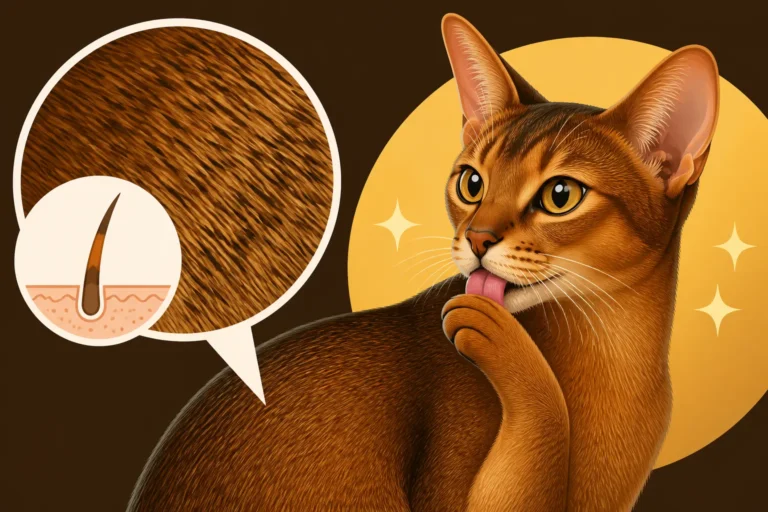
One of the first places a protein deficiency can manifest is in your Abyssinian's gorgeous coat and skin. Their unique ticked coat relies heavily on protein for its strength, luster, and overall health. If your Abyssinian isn't getting enough high-quality protein, you might notice their coat becoming dull, dry, and perhaps even brittle. It might lose that signature shimmering quality that makes Abyssinians so striking. You might also observe increased shedding beyond their normal seasonal cycles.
Beyond the coat, their skin can also suffer. Flakiness, dryness, or even minor skin irritations can be subtle signs that their body isn't getting the protein it needs to maintain healthy skin cells. Remember, the skin is the body's largest organ, and its health is directly tied to overall nutrition. While other factors like allergies or parasites can also cause skin and coat issues, a sudden or progressive decline in coat quality, especially when paired with other symptoms, should prompt a closer look at their dietary protein.
Muscle Loss and Energy Dips
This is perhaps the most concerning sign of inadequate protein for an Abyssinian, given their naturally muscular and active build. If your cat's body isn't receiving enough protein to maintain and repair its muscle tissue, it will start to break down its own muscles for energy and essential amino acids. This leads to noticeable muscle wasting, often first evident along their spine, over their hips, or in their hind legs. How to Read an Abyssinian's Body Condition Through That Coat is a fantastic resource for learning to feel their ribs and spine, which can help you detect subtle changes.
Beyond visible muscle loss, you'll likely observe a significant drop in their characteristic energy levels. That once tireless adventurer might become lethargic, less interested in play, or spend more time sleeping. They might struggle with jumps they once made effortlessly or seem less coordinated. If your Abyssinian is suddenly less active, less engaged, or just seems "off," and you're seeing signs of weight loss or muscle thinning, it's a huge red flag that their protein intake needs urgent review. Why a Lean Abyssinian Hides Illness Longer Than a Heavy Cat is also a critical read, as their lean build can sometimes mask health issues until they are quite advanced.
Behavioral Shifts and Digestive Issues
Nutrition has a profound impact on an animal's overall well-being, including their behavior and digestive health. An Abyssinian on a protein-deficient diet might become more irritable, restless, or even anxious, simply because their body isn't functioning optimally. They might seek out unusual things to chew or groom excessively, trying to compensate for an underlying discomfort. Changes in mood or a general lack of zest can sometimes be traced back to nutritional imbalances.
Digestive problems can also arise. While not always directly linked, a diet low in highly digestible protein can lead to a less efficient digestive system, resulting in issues like loose stools, constipation, or inconsistent appetite. The gut microbiome relies on proper nutrient breakdown, and a compromised diet can throw this delicate balance off. If you're noticing persistent digestive upset or a change in your Abyssinian's usual bathroom habits, along with other signs, it's definitely worth discussing their diet with your vet.
Choosing the Right High-Protein Food for Your Abyssinian
With so many cat food options lining the shelves and filling online carts on platforms like Chewy and Amazon, choosing the "right" one for your Abyssinian can feel overwhelming. The key is to cut through the marketing jargon and focus on the fundamental nutritional needs of an obligate carnivore, particularly one with the Abyssinian's high-energy demands. Prioritizing quality animal-based proteins and understanding the benefits of different food formats will set your Abyssinian up for success.
Prioritizing Animal-Based Proteins
This is the golden rule for feeding any cat, but especially an active Abyssinian: their diet must be centered around animal-based proteins. Cats are not designed to thrive on a vegetarian or heavily plant-based diet. Their digestive systems are short and optimized for breaking down meat, bone, and organs, not grains or vegetables. When you're scrutinizing ingredient lists, look for named meat sources (e.g., "chicken," "beef," "salmon," "turkey") as the first one or two ingredients. These signify muscle meat and often organ meats, which provide the complete amino acid profile your Abyssinian needs, including essential taurine.
Avoid foods where the first ingredients are primarily grains, corn, soy, or vegetable proteins like "pea protein." While these contribute to the crude protein percentage on the label, they are far less bioavailable and complete for a feline than animal proteins. Remember that quality matters more than a simple percentage. A food with 40% protein from chicken and turkey is infinitely better than one with 45% protein largely derived from corn gluten meal and vegetable concentrates. Some brands even specify the percentage of animal protein vs. total protein, which is an excellent indicator of quality.
The Role of Wet Food vs. Dry Kibble
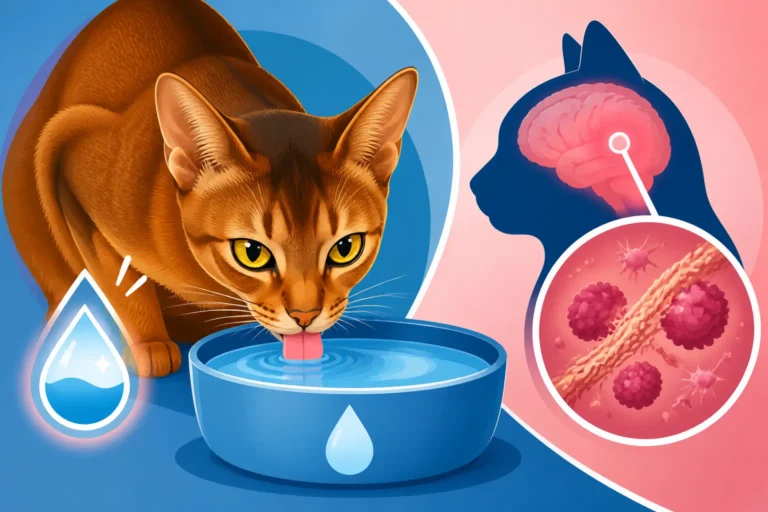
This is a long-standing debate among cat owners, and for Abyssinians, wet food often holds a distinct advantage, particularly in the long run. While many high-quality dry kibbles exist with excellent protein levels, their inherent lack of moisture is a significant consideration. Cats have a low thirst drive compared to other animals, evolved to get most of their hydration from their prey. Dry kibble, with its mere 5-10% moisture content, doesn't contribute much to this.
Wet food, on the other hand, typically contains 70-80% moisture, significantly boosting your Abyssinian's daily water intake. This is incredibly important for kidney health, especially given that breeds like Abyssinians can be prone to certain kidney conditions. Why Wet Food Protects an Abyssinian's Kidneys is a testament to this fact. Furthermore, quality wet foods often contain higher protein content on a dry matter basis, and the protein sources are usually more palatable and digestible for cats. While dry food can be convenient, combining it with wet food, or exclusively feeding wet food, often provides superior hydration and nutrient delivery for an active Abyssinian.
Navigating Commercial Brands and Dietary Styles
The market is flooded with cat food brands, and it can be hard to know where to begin. Generally, look for reputable brands that emphasize high-quality animal proteins and minimal fillers. For convenience, large online retailers like Chewy and Amazon offer a vast selection, allowing you to compare ingredient lists and customer reviews easily. Brands that focus on "grain-free" or "limited ingredient" diets can be good, but always check that they don't simply replace grains with other problematic plant-based fillers.
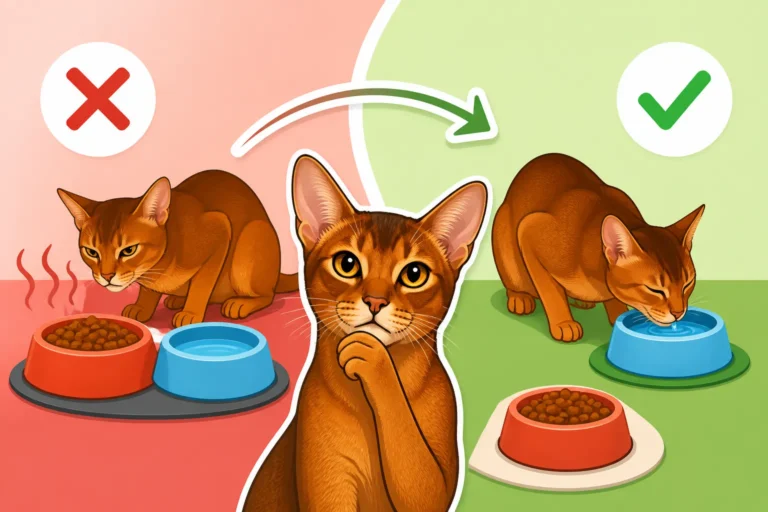
Beyond traditional kibble and wet food, there are also options like freeze-dried raw, air-dried, or even fresh-prepared meals. These often boast extremely high animal protein content and minimal processing, which can be fantastic for an Abyssinian's muscle maintenance and overall health. However, they can also come at a higher price point, so consider your budget. Which Food Budget Suits a High Energy Abyssinian delves into this. Regardless of the style, always introduce new foods gradually to avoid upsetting your Abyssinian's sensitive digestive system, as Why an Abyssinian Refuses a Sudden Food Change highlights.
Here's a quick comparison of protein considerations for different cat food types:
| Food Type | Typical Protein Content (DMB) | Key Advantages | Key Disadvantages | Ideal for Abyssinian? |
|---|---|---|---|---|
| Dry Kibble | 30-45% | Convenient, affordable, good for dental health (some) | Low moisture, can contain fillers | Good if high-quality, supplemented with water/wet |
| Wet Food (Canned/Pouches) | 40-60% | High moisture, highly palatable, often high protein | Can be more expensive, less convenient than kibble | Excellent for hydration & protein |
| Freeze-Dried/Air-Dried Raw | 45-70%+ | High quality, minimal processing, nutrient-dense | More expensive, requires rehydration (some types) | Very good, especially for specific needs |
| Fresh/Human-Grade | 40-55% | High quality, highly digestible, excellent palatability | Most expensive, short shelf life, requires fridge | Excellent for optimal health & muscle |
Practical Strategies for Optimal Protein Intake
Once you've done your research and chosen a high-protein diet for your Abyssinian, the work isn't quite done. Implementing these changes effectively and continually monitoring your cat's response is key to long-term success. It's about more than just filling a bowl; it's about a holistic approach to their nutritional well-being, acknowledging their individual preferences and health needs.
Incorporating Novel Protein Sources
Even with a fantastic diet, sometimes cats can develop sensitivities or simply get bored with the same old protein source. Or perhaps you've adopted a rescue Abyssinian with an unknown history, and you're not sure what they've been eating. Incorporating novel protein sources – those your cat hasn't eaten regularly before – can be a great strategy. This might include duck, venison, rabbit, or specific fish like sardines (in moderation, canned in water, unsalted). These can offer a fresh set of amino acids and micronutrients, and often, a boost in palatability that an otherwise finicky Abyssinian might appreciate.
However, always introduce new proteins slowly, mixing small amounts with their current food over several days to avoid digestive upset. This gradual approach also helps you pinpoint if a particular protein causes any adverse reactions. Variety, when managed thoughtfully, can contribute to a richer and more complete nutritional profile for your Abyssinian, mimicking a more natural, diverse diet that a wild cat might encounter.
Monitoring Your Abyssinian's Condition and Adjusting
Your Abyssinian is your best indicator of whether their diet is working. After transitioning to a higher protein diet, closely observe their energy levels, coat quality, muscle tone, and overall demeanor. Are they more active? Does their coat look shinier? Do they seem more engaged? Are their litter box habits consistent and healthy? Regular body condition scoring, as discussed in How to Read an Abyssinian's Body Condition Through That Coat, is invaluable. You should be able to easily feel their ribs with a thin layer of fat over them, and they should have a discernible waist when viewed from above.
Keep a log if you're making significant changes, noting down any improvements or new issues. Every cat is an individual, and what works perfectly for one Abyssinian might need slight adjustments for another. Don't be afraid to tweak portions, experiment with different brands (perhaps trying out various options from a retailer like Chewy or Amazon), or adjust the ratio of wet to dry food based on their response. The goal is a consistently healthy, energetic, and happy Abyssinian, and their body will tell you if you're on the right track.
When to Consult Your Veterinarian About Diet
While this guide provides a lot of information, it’s absolutely vital to remember that it's for general informational purposes. There's no substitute for professional veterinary advice, especially if your Abyssinian has underlying health conditions, is significantly underweight or overweight, or is showing persistent signs of illness despite dietary changes. Your vet can provide tailored recommendations based on your cat's age, activity level, health history, and any specific medical needs.
If you notice significant muscle loss, prolonged lethargy, changes in appetite, or persistent vomiting or diarrhea, don't delay a vet visit. These could be signs of serious health issues that go beyond simple dietary adjustments. A vet can perform blood work, urinalysis, and other diagnostic tests to rule out diseases like kidney disease (which can impact protein metabolism) or hyperthyroidism, and help you formulate a precise dietary plan to support their recovery or ongoing health management. Don’t hesitate to bring your food labels with you to your appointment; your vet can often spot potential issues that you might miss. What an Abyssinian's Annual Checkup Costs should always include a discussion about diet.
Disclaimer
This article is for general informational purposes only and does not constitute professional advice. Laws, prices and regulations vary by location and change over time. Consult a qualified professional for guidance on your specific situation.