Why Grain Free Marketing Misses What an Abyssinian Needs
It’s easy to feel completely overwhelmed by the sheer volume of cat food options on the market these days, especially when you’re trying to do the very best for your active, intelligent Abyssinian. One of the biggest buzzwords you'll constantly encounter is "grain-free," often presented as the ultimate healthy choice for felines. But for an Abyssinian owner, this marketing message often misses the core nutritional facts that truly matter, potentially leading to unnecessary expense or even imbalanced nutrition if you're not careful. This guide will cut through the noise and explain why focusing solely on "grain-free" might be missing the point and what actually constitutes a beneficial diet for your vibrant Aby.
Understanding Your Abyssinian's Core Nutritional Needs
When it comes to feeding our Abyssinian companions, it’s crucial to remember their biological roots. These elegant, energetic cats are far removed from garden-variety domestic shorthairs in terms of their physical demands and ancestral diet. Their bodies are finely tuned machines, and understanding their basic requirements is the first step to truly healthy eating.
They Are Obligate Carnivores, First and Foremost
This is the bedrock of all feline nutrition: cats, including our beloved Abyssinians, are obligate carnivores. This isn't just a fancy term; it means their digestive systems are specifically designed to derive nutrients from animal tissue. They must eat meat to survive and thrive. This isn't a preference; it's a biological imperative. Think about their wild ancestors – they weren't foraging for berries or munching on grains in a field. They were hunting small prey, consuming muscle, organ meats, and even bones, getting all their essential amino acids, vitamins, and fats from these animal sources.
For your Abyssinian, this translates directly to a diet that is primarily composed of high-quality animal protein. We’re talking about chicken, turkey, beef, fish, or other animal sources as the main ingredients. This protein is essential for maintaining their lean muscle mass, supporting their boundless energy, and keeping their quick reflexes sharp. It provides the building blocks for every cell in their body. When you look at a food label, the first few ingredients should unequivocally be meat-based. A diet that skimps on quality animal protein simply won’t cut it for an Aby. You want Which Protein Level Keeps an Abyssinian's Muscle On to be high, and from sources your cat can actually utilize efficiently.
The Truth About Carbohydrates and Grains
Now, let's tackle the carbohydrate question, especially in relation to grains. Because cats are obligate carnivores, they have a very limited physiological need for carbohydrates. Unlike omnivores or herbivores, their bodies aren't set up to efficiently process or benefit from large amounts of plant-based sugars and starches. Grains, at their core, are carbohydrates. So, while a small amount of carbohydrate can be tolerated, especially if it's cooked and easily digestible, it should never form a significant portion of their diet.
The issue isn't inherently that grains are "bad" or "toxic" for cats. It's that an excess of any carbohydrate, whether from corn, wheat, rice, potatoes, peas, or lentils, displaces the vital protein and fat they need from animal sources. Cats don't possess the same metabolic pathways to process and utilize carbohydrates for energy as effectively as other animals. Their bodies are geared to convert protein and fat into energy. So, when a food contains a lot of grains, it's often a sign that it’s simply not formulated for a carnivore’s needs, filling them up with empty calories instead of nutrient-dense ingredients.
The Importance of Taurine and Essential Nutrients
Beyond protein and fat, there are specific nutrients that are absolutely critical for your Abyssinian, and they are almost exclusively found in animal products. Taurine is perhaps the most famous example. Cats cannot synthesize enough taurine on their own, and a deficiency can lead to severe health problems, including blindness and heart disease. Liver, heart, and other muscle meats are rich sources of taurine. This is why a homemade vegan diet for cats is an absolute disaster waiting to happen – it's impossible to provide adequate taurine without animal ingredients.
Other essential nutrients like certain B vitamins (niacin, pyridoxine) and Vitamin A are also far more bioavailable and abundant in meat. Fat-soluble vitamins, crucial for various bodily functions, are best absorbed when accompanied by animal fats. An Abyssinian, with its high metabolic rate and constant activity, relies heavily on these nutrients to maintain its health, energy, and that magnificent ticked coat. Why Taurine Matters in an Abyssinian's Food is a lesson worth learning for any Aby owner.
Debunking the Grain-Free Myth for Abyssinians
The "grain-free" label has become a marketing powerhouse, leading many well-meaning cat owners to believe it's always the superior choice. While it sounds good on the surface, the reality is far more complex, especially for an obligate carnivore like your Abyssinian.
The "Allergy" Misconception
One of the primary drivers behind the grain-free trend is the belief that grains are a common allergen for cats. It's a pervasive myth, but the truth is quite different. While cats can develop food allergies, the most common allergens are actually protein sources like beef, dairy, and fish, simply because these are more frequently consumed. Grain allergies are relatively rare in cats.
If your Abyssinian is truly suffering from food allergies, they'll typically manifest as skin issues (itching, excessive grooming, skin lesions), gastrointestinal upset (vomiting, diarrhea), or sometimes respiratory problems. Switching to a "grain-free" diet won't magically solve a food allergy if the actual culprit is, for example, chicken, which is a common ingredient in many grain-free foods. A proper food elimination trial, often guided by a veterinarian, is the only way to accurately diagnose and manage a food allergy, not simply picking a bag labeled "grain-free."
What Grain-Free Diets Often Replace Grains With
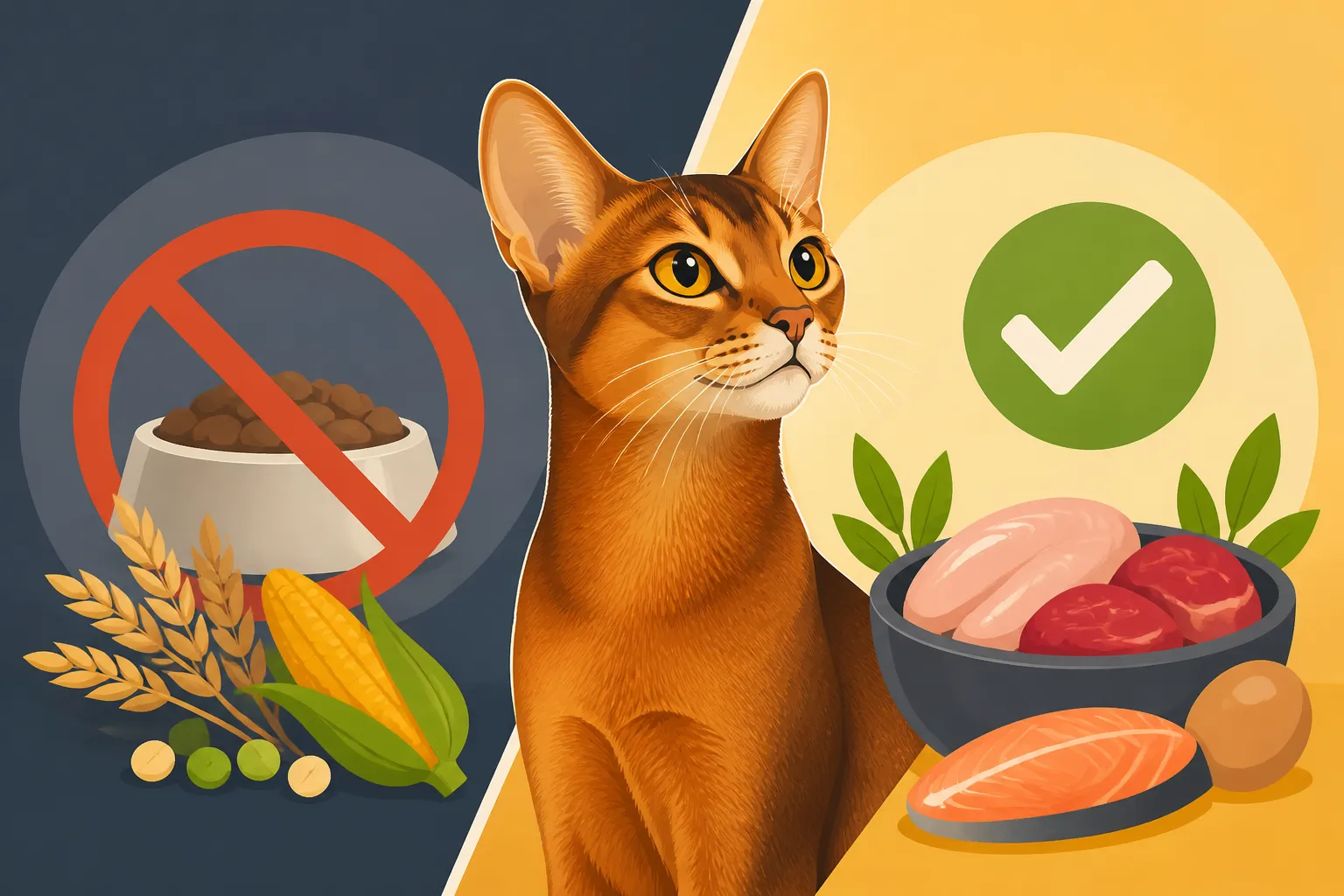
Here's the kicker: just because a food is "grain-free" doesn't mean it's low in carbohydrates or intrinsically better. Many manufacturers, in their rush to capitalize on the trend, simply replace grains like corn or wheat with other starchy, carbohydrate-rich ingredients. You'll often see ingredients like peas, potatoes (both white and sweet), lentils, tapioca, and chickpeas high up on the ingredient list of grain-free cat foods.
While these ingredients are technically not "grains," they contribute significant amounts of carbohydrates to the diet. For an Abyssinian, whose digestive system is not set up to process a high-carb load, this isn't necessarily an improvement. In some cases, these alternative carbohydrate sources can even lead to more digestive upset or a higher glycemic load than some grain-inclusive foods with a sensible carbohydrate content. The focus should always be on the total carbohydrate percentage and the quality of the protein source, not just the absence of grains.
Potential Downsides of Poorly Formulated Grain-Free Diets
Beyond the carbohydrate issue, there can be other downsides to certain grain-free diets. If a company isn't careful, replacing grains can lead to imbalances in other nutrients. For example, some alternative starches might bind certain minerals, making them less available to your cat. There's also been ongoing discussion, though not definitively proven for cats, about a potential link between certain grain-free, legume-heavy diets and cardiac issues in dogs. While the research is primarily focused on dogs, it highlights the importance of choosing a diet backed by scientific research and formulated by veterinary nutritionists, rather than just following popular trends.
Another point to consider is the cost. Grain-free foods often carry a premium price tag. If your Abyssinian doesn't have a diagnosed sensitivity to specific grains (which, as we discussed, is rare), you might be paying more for a marketing claim rather than a genuine nutritional benefit. It's far better to invest in a high-quality, meat-first food, regardless of its grain status, than to overpay for a grain-free option that's still packed with alternative starches.
What to Look for in a Quality Abyssinian Diet
So, if "grain-free" isn't the magic bullet, what should you be looking for when choosing food for your spirited Abyssinian? The answer lies in understanding their biological needs and scrutinizing ingredient labels with a critical eye.
Prioritizing High-Quality Animal Protein
The number one rule for feeding an Abyssinian is protein, protein, protein from animal sources. Look for foods where identifiable meat (like "chicken," "turkey meal," "salmon") is listed as the first ingredient, and ideally, the first few ingredients. Meat meals, despite sounding less appealing than "whole chicken," can actually be a concentrated source of protein once the water content is removed, and are often perfectly acceptable. Avoid foods where plant-based proteins like pea protein or corn gluten meal are among the first ingredients. While these can contribute to the overall protein percentage, they are not as bioavailable or complete for an obligate carnivore.
Think of it this way: your Aby needs fuel for all that running, jumping, and inquisitive exploring. How Many Calories an Adult Abyssinian Burns is surprisingly high for their lean frame, and much of that energy comes from protein and healthy fats. Ensure the protein content is high, typically over 30% on a dry matter basis for kibble, and even higher for wet food.
Moderate Fat and Low Carbohydrate Content
After protein, healthy fats are crucial for energy, a shiny coat, and overall health. Look for sources like chicken fat, salmon oil, or other animal fats. The fat content should be moderate, supporting their energy needs without leading to excessive weight gain – Why a Heavy Abyssinian Is Unusual and Worth Checking.
The tricky part is assessing carbohydrate content, as it's often not directly listed on pet food labels. You have to do a little math: 100% minus the sum of protein, fat, moisture, and ash (if listed) will give you a rough estimate of the carbohydrate content. For Abyssinians, aim for foods with the lowest possible carbohydrate content, ideally under 10-15% on a dry matter basis, especially for dry kibble. Many quality grain-inclusive foods actually have lower carbohydrate levels than some of the heavily marketed grain-free options.
The Role of Moisture for Kidney Health
This is perhaps one of the most overlooked, yet vital, aspects of feline nutrition for an Abyssinian. Cats naturally have a low thirst drive, evolved to get most of their hydration from their prey. When fed exclusively dry kibble, many cats simply don't drink enough water to compensate, putting a chronic strain on their kidneys. This is particularly concerning for Abyssinians, given the breed's predisposition to conditions like renal amyloidosis. Why an Abyssinian's Kidneys Make Water Intake Matter cannot be stressed enough.
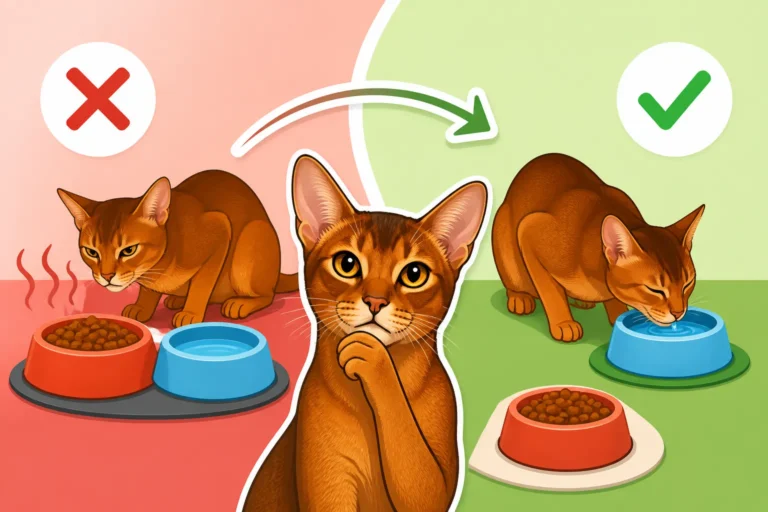
Feeding a diet rich in moisture, primarily through wet food, is one of the best preventative measures you can take. Look for Which Wet Food Suits an Abyssinian best – typically pates or shredded meat in gravy, ensuring high meat content and minimal fillers. While dry kibble can be part of the diet, especially if used in puzzle feeders to provide mental enrichment, it should not be the sole source of nutrition. Providing access to fresh water bowls and a cat fountain can help, but nothing replaces the hydration from wet food. Why Kibble Alone Leaves an Abyssinian Short of Water is a critical insight for long-term health.
Reputable Brands and Ingredient Transparency
Choosing a reputable brand means looking beyond the flashy marketing. Seek out companies that employ veterinary nutritionists on their staff and conduct feeding trials, not just nutrient profile analyses. These brands are often transparent about their ingredient sourcing and manufacturing processes. They invest in research and development to ensure their formulas are truly balanced and beneficial for your cat. Don't be afraid to reach out to pet food companies and ask questions about their ingredient quality, carbohydrate levels, and nutritional philosophy.
You might find suitable options available from retailers like Chewy or Amazon, but the key is to look at the ingredients and nutritional analysis, not just the brand name or marketing claims. Fresh, human-grade foods, for instance, often have higher protein and moisture content. Always verify the specifics of any food you're considering.
Making Informed Food Choices for Your Abyssinian
Navigating the pet food aisle can feel like a labyrinth, but with a clear understanding of what your Abyssinian truly needs, you can make confident, informed decisions that support their health and vitality.
Reading Food Labels Like a Pro
Understanding a pet food label goes beyond just glancing at the front of the bag. Here's what you need to focus on:
- Ingredient List: This is perhaps the most important section. Ingredients are listed by weight before cooking. Look for real meat as the first ingredient (e.g., chicken, salmon, beef). "Meat meal" (e.g., chicken meal) is also good because it means the water has been removed, making it a concentrated protein source. Be wary of ambiguous terms like "meat by-products" or "animal digest" high on the list, or excessive plant-based proteins like pea protein. Check the carbohydrate sources: if peas, potatoes, or tapioca are among the first five ingredients, the carbohydrate content is likely higher than ideal.
- Guaranteed Analysis: This section provides minimum percentages for crude protein and fat, and maximum percentages for crude fiber and moisture. Remember that for dry food, moisture is typically 10% or less. To get a more accurate comparison between wet and dry foods, you need to convert to a "dry matter basis." For example, if a wet food is 10% protein and 80% moisture, it's actually 10% / (100% – 80%) = 50% protein on a dry matter basis. This allows for an apples-to-apples comparison.
- Nutritional Adequacy Statement: Look for a statement from AAFCO (Association of American Feed Control Officials) confirming the food is "complete and balanced" for a specific life stage (e.g., "for all life stages," "for adult maintenance," "for growth of kittens"). This indicates the food meets recognized nutritional standards.
Consulting Your Veterinarian
While online research and understanding labels are crucial, nothing replaces personalized advice from your veterinarian. Your vet knows your Abyssinian's individual health history, any specific predispositions, and can help you navigate dietary changes or concerns. They can advise on appropriate calorie intake – How Many Calories an Abyssinian Kitten Needs versus an adult, for example – and recommend brands that align with sound nutritional science. If your Abyssinian has specific health issues, such as sensitive digestion or early signs of kidney issues, a vet can recommend therapeutic diets that are specifically formulated to manage those conditions. Never hesitate to discuss your cat's diet with your vet; it's a vital part of their overall health plan.
Observing Your Abyssinian's Health
Ultimately, the proof of a good diet is in your Abyssinian's vitality and well-being. Once you've chosen a food, observe your cat closely.
- Energy Levels: Is your Aby still zooming around, climbing their cat trees (like those discussed in Why an Abyssinian Needs a Tall Cat Tree), and engaging in play sessions? A healthy diet fuels their natural activity levels.
- Coat Condition: Does their ticked coat look vibrant, soft, and shiny? A dull, coarse, or greasy coat can be a sign of nutritional deficiencies.
- Stool Quality: Are their stools firm, well-formed, and easy to clean? Diarrhea or very soft stools can indicate digestive upset or that the food isn't being properly utilized.
- Weight Management: Is your Abyssinian maintaining a healthy weight? You should be able to easily feel their ribs but not see them prominently. How to Feel an Abyssinian's Waist Under Its Coat is a good skill to learn for regular checks.
- Appetite and Thirst: While Abyssinians can Why an Abyssinian Asks for Food It Does Not Need, a sustained lack of appetite or a sudden, dramatic increase in thirst (especially a Why a Thirsty Young Abyssinian Is a Red Flag) warrants immediate veterinary attention.
Remember, transitioning to a new food should always be done gradually over 7-10 days to avoid digestive upset. How to Move an Abyssinian Onto a New Food will help you implement any dietary changes smoothly. By staying informed and working with your vet, you can ensure your Abyssinian thrives on a diet that truly meets their unique needs, rather than falling for clever marketing.
| Feature | Grain-Free Marketing Claim | Nutritional Reality for Abyssinians |
|---|---|---|
| Grains | "Bad for cats, cause allergies." | Rarely a primary allergen; the concern is excess carbohydrates. |
| Carbohydrates | "Grain-free means low-carb and healthy." | Often replaced with other high-carb starches (peas, potatoes, lentils). |
| Protein Source | Implied superior protein. | Only high-quality animal protein in abundance is truly superior. |
| Allergies | "Solves all food allergies." | Specific protein allergies (beef, chicken) are more common than grain. |
| Digestibility | Implied superior digestibility. | Depends on all ingredients; some grain-free fillers can be hard to digest. |
| Cost | Worth the premium for superior health. | Often higher priced due to marketing, not necessarily better nutrition. |
Disclaimer
This article is for general informational purposes only and does not constitute professional advice. Laws, prices and regulations vary by location and change over time. Consult a qualified professional for guidance on your specific situation.