How to Balance a Raw Diet for an Abyssinian
Feeding your beloved Abyssinian a raw diet can feel like stepping into a whole new world of pet nutrition, and frankly, it's often overwhelming. You're trying to do what's best for your energetic, sleek companion, but the sheer volume of information, conflicting advice, and the fear of getting it wrong can make you second-guess yourself at every turn. This guide is here to cut through the noise, offering a realistic, comprehensive approach to balancing a raw diet specifically tailored for the unique needs of an Abyssinian cat, ensuring they thrive on every level.
Understanding the Abyssinian's Nutritional Needs for a Raw Diet
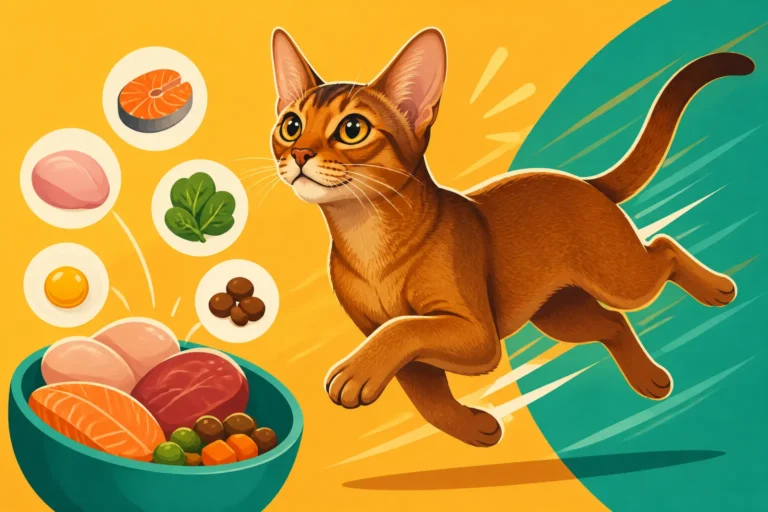
When you consider a raw diet for your Abyssinian, you're tapping into their innate carnivorous nature. These aren't just any house cats; they're bundles of muscle and energy, constantly exploring, climbing, and engaging with their world. Their bodies are finely tuned for a diet rich in animal protein and fat, mimicking what their wild ancestors would have consumed. Shifting to a raw diet aims to provide nutrients in their most bioavailable form, potentially offering benefits that many owners seek for their active and demanding felines.
Why Raw Appeals to Abyssinian Owners
The Abyssinian's high energy levels are legendary. They seem to burn through calories just by existing, constantly on the go from dawn till dusk. Owners often notice how quickly their Abyssinians gobble down meals, always eager for the next one. This robust metabolism leads many to seek out a diet that can truly fuel their active lifestyle. The appeal of raw feeding often stems from a desire to provide a "natural" diet, one that feels instinctively right for a breed that looks like it stepped out of ancient Egyptian art.
Many Abyssinian owners who switch to raw diets report noticeable improvements. They talk about shinier, softer coats, increased and more consistent energy, and even better dental health, though brushing their teeth remains paramount for this breed prone to gum issues. The idea is that by feeding a diet closer to what a cat would eat in the wild, you're optimizing their health from the inside out. It's about providing the building blocks for peak performance, from their muscular physique to their bright, inquisitive eyes.
Essential Macronutrients for an Abyssinian on a Raw Diet
For an Abyssinian on a raw diet, getting the macronutrients right is absolutely critical. We're talking about protein, fat, and minimal carbohydrates, all in the right balance to support their intense energy and lean muscle mass.
-
Protein: This is the cornerstone of any feline diet, and for an Abyssinian, it's paramount. Cats are obligate carnivores, meaning they must get their nutrients from animal sources. On a raw diet, this comes from muscle meat like chicken thighs, beef chunks, or rabbit. High-quality animal protein provides the amino acids, including taurine, essential for maintaining muscle, supporting organ function, and generally keeping your Abyssinian in prime condition. Without sufficient, easily digestible protein, an active Abyssinian will struggle to maintain its lean physique and boundless energy. Remember, protein isn't just about bulk; it's about the intricate processes that keep their fast-paced bodies running.
-
Fat: While often demonized in human diets, healthy animal fats are a vital energy source for cats and crucial for nutrient absorption. Fat provides concentrated calories, which an active Abyssinian needs in spades. It also supports healthy skin and that wonderfully sleek, short coat, which is one of the hallmarks of the breed. Good sources include the natural fat found in muscle meats, as well as poultry skin (in moderation) and fatty fish like salmon, which also provides essential omega-3 fatty acids. Balancing the fat content is important; too little and your cat won't get enough energy, too much and it could lead to digestive upset or weight gain (though a heavy Abyssinian is rare, it's something to monitor).
-
Minimal Carbohydrates: This is where the raw diet truly aligns with feline biology. Cats have very limited ability to digest carbohydrates efficiently. Their bodies are not designed to process starches and sugars. In a raw diet, carbohydrates are typically provided in minuscule amounts through the gut contents of prey animals (if feeding whole prey) or intentionally added as small amounts of puréed vegetables in a BARF (Biologically Appropriate Raw Food) style diet. The focus should always be on animal-based ingredients, ensuring your Abyssinian isn't consuming unnecessary fillers that offer little nutritional value and can sometimes contribute to digestive issues. What an Abyssinian Eats in a Month will give you a sense of the sheer volume an active cat consumes.
Key Micronutrients and Supplements in Raw Feeding
Beyond the big three macronutrients, a truly balanced raw diet for your Abyssinian requires careful consideration of micronutrients—vitamins and minerals—and a few crucial supplements to ensure no gaps exist. This is where the "balancing" part of raw feeding becomes an art and a science.
-
Vitamins (A, D, E, B-complex): These are naturally abundant in the various components of a whole animal. Liver is a powerhouse of Vitamin A, vital for vision and immune function, while fatty fish contributes Vitamin D, essential for bone health. Vitamin E, an antioxidant, can be found in small amounts in muscle meats and some oils. The B-complex vitamins, crucial for energy metabolism, are widespread in muscle and organ meats. The beauty of a varied raw diet is that it often provides these vitamins in their natural, highly absorbable forms. However, relying on a single meat source will lead to deficiencies, emphasizing the need for variety.
-
Minerals (Calcium, Phosphorus, Taurine): These are non-negotiable for a healthy Abyssinian.
- Calcium and Phosphorus: Achieving the correct ratio of calcium to phosphorus (typically around 1.1:1 to 1.4:1 calcium to phosphorus) is paramount for bone health. This is primarily achieved through feeding bones. Undecalcified bone (e.g., ground bone, or appropriate raw bones like chicken necks) provides the natural balance. Feeding too much muscle meat without bone can lead to a phosphorus overload and calcium deficiency, which can have devastating effects on skeletal health over time.
- Taurine: This amino acid is an absolute must for cats, as they cannot synthesize enough of it on their own. It's critical for heart health, vision, and reproductive function. While present in muscle meat, especially heart, cooking destroys much of it. In a raw diet, ensuring sufficient taurine usually means incorporating heart meat regularly or, as a safeguard, supplementing with a high-quality taurine powder. Many raw feeders add extra taurine as a safety net, especially since Why Taurine Matters in an Abyssinian's Food cannot be overstated.
A common mistake in raw feeding is to feed only muscle meat, which leads to severe imbalances. Think of a wild cat: they don't just eat the choicest cuts of a rabbit; they consume muscle, organs, and bone, getting a complete nutritional profile. Replicating this "whole prey" concept, even if not literally, is the key to providing all the necessary micronutrients.
Sourcing and Preparing Ingredients for a Balanced Abyssinian Raw Diet
Embarking on a raw diet for your Abyssinian means becoming a bit of a kitchen chemist and a savvy shopper. The quality and variety of your ingredients directly impact the health benefits your cat receives. It's not just about slapping some raw meat into a bowl; it's about thoughtful selection, careful preparation, and safe storage to prevent any health risks.
The 'Prey Model' vs. 'BARF' Approach for Abyssinians
When you delve into raw feeding, you'll quickly encounter two main philosophies: the Prey Model and the BARF (Biologically Appropriate Raw Food) diet. Both aim to replicate a cat's natural diet but approach it slightly differently. Understanding the nuances can help you decide which path is best for your Abyssinian and your lifestyle.
-
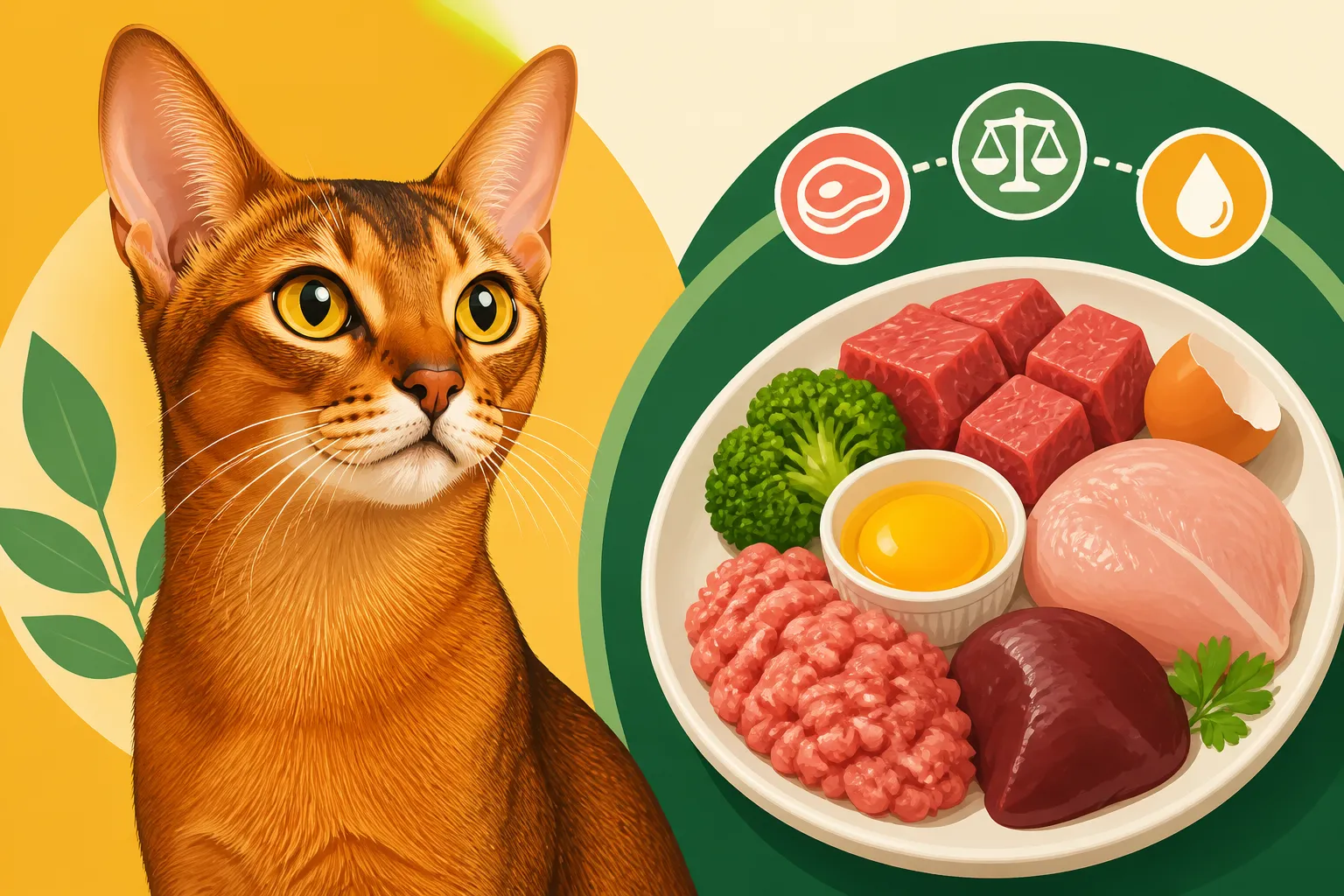
Prey Model: This approach emphasizes feeding whole, or near-whole, animal parts in ratios that mimic a typical prey animal. It generally consists of about 80% muscle meat, 10% edible bone, 5% liver, and 5% other secreting organs (like kidney or spleen). The idea is that by feeding these components in the proportions found in nature, your cat receives all necessary nutrients without needing additional supplements. For an Abyssinian, who is essentially a miniature predator, this model is quite intuitive. It often involves feeding things like chicken necks, wings, or chunks of meat with bone. The beauty of this model is its simplicity in concept – you're giving your cat what it would naturally hunt and eat. The challenge can be sourcing appropriately sized bones and organs and ensuring enough variety to cover all nutritional bases over time.
-
BARF (Biologically Appropriate Raw Food): The BARF diet typically includes muscle meat, organs, and bone, but also incorporates a small percentage of fruits, vegetables, and sometimes supplements or eggs. The plant matter is usually puréed to make it more digestible for cats, who lack the enzymes to break down cellulose effectively. Proponents of BARF argue that these additions provide extra vitamins, minerals, and antioxidants that might be missing from a purely prey-model diet, especially if a wide variety of whole prey isn't feasible. For an Abyssinian, the BARF approach might offer a bit more flexibility in terms of ingredient sourcing and can be a good option for owners who feel more comfortable adding a broader spectrum of nutrients. However, it also adds a layer of complexity to meal preparation, as the plant matter must be carefully chosen and portioned to avoid upsetting a cat's digestive system. Some commercial raw diets lean towards the BARF model, providing the convenience of pre-formulated meals.
Choosing between the two often comes down to personal comfort, ingredient availability, and your Abyssinian's individual preferences. Some cats thrive on the pure simplicity of the Prey Model, while others do well with the slight additions of a BARF diet. Regardless of the model, the core principle is the same: providing a diet that honours their carnivorous physiology.
Selecting Quality Protein Sources
The foundation of any balanced raw diet for your Abyssinian is, without a doubt, high-quality animal protein. This means going beyond just chicken breast and exploring a diverse range of meats, bones, and organs to ensure a complete nutritional profile.
-
Variety of Meats: Don't stick to just one type of meat. Aim for a rotation of different proteins like chicken, turkey, beef, lamb, and even less common options such as rabbit or duck if you can source them. Each meat offers a slightly different amino acid and fatty acid profile, contributing to a more comprehensive diet. Leaner meats are good, but don't shy away from cuts with natural fat, as this is a primary energy source for your Abyssinian. Look for human-grade meats from reliable sources, ideally free-range or grass-fed where possible, to minimize exposure to antibiotics and hormones. Places like your local butcher or specialty pet supply stores are often good starting points.
-
Bone: Crucial for Calcium/Phosphorus: This is perhaps the most misunderstood and critical component. Bones provide essential calcium and phosphorus in a naturally balanced ratio. You must include edible bone in a raw diet, not just meat. Never feed cooked bones, as they splinter and can cause serious internal damage. Raw, meaty bones like chicken necks, chicken wings, or finely ground chicken frames are excellent choices. For smaller Abyssinians or those new to bone, finely ground bone is often the safest starting point. If you're buying pre-ground raw food, ensure it explicitly states that it includes bone. If you're grinding your own, invest in a powerful meat grinder capable of processing bones. The amount of bone should typically be around 10% of the total diet. Getting What a Gingivectomy Involves for an Abyssinian under control means having a strong jaw and healthy teeth for bone chewing.
-
Organ Meats: Liver, Heart, Kidney: These are nutritional powerhouses and absolutely essential, despite their small percentages.
- Liver: This is a vitamin bomb, especially rich in Vitamin A, vital for vision and immunity. However, too much can lead to Vitamin A toxicity, so stick to the recommended 5% of the total diet.
- Heart: Technically a muscle, heart is packed with taurine, an amino acid crucial for feline cardiac function and vision. Include heart meat regularly, making up part of your muscle meat portion.
- Other Secreting Organs: Kidney, spleen, and pancreas offer a wealth of B vitamins, iron, and other trace minerals. Aim for 5% of other secreting organs combined (with liver being its own category). A common approach is to feed 5% liver and 5% of a mixed variety of other organs.
A good rule of thumb is to look for variety and quality. If you're buying commercially prepared raw food, check the ingredient list carefully to ensure it includes muscle meat, bone, and a balanced mix of secreting organs.
Preparing and Storing Raw Meals Safely
Safety is paramount when handling raw meat, both for you and your Abyssinian. Proper preparation and storage prevent bacterial contamination and ensure the nutritional integrity of the food.
-
Hygiene: Cross-Contamination is Key: Treat your cat's raw food with the same care you would your own. Use separate cutting boards, knives, and bowls for raw meat. Sanitize all surfaces, utensils, and bowls that come into contact with raw food using hot, soapy water or a diluted bleach solution. Wash your hands thoroughly before and after handling raw ingredients. This meticulous approach minimizes the risk of transferring bacteria like Salmonella or E. coli, which can affect both pets and humans.
-
Grinding: Pros and Cons: Grinding your own raw food gives you ultimate control over the ingredients, ratios, and freshness. You can select specific cuts of meat, ensure bone content, and add organs as needed. This is particularly appealing for owners who want to avoid any processed ingredients or specific allergens. The downside is the upfront cost of a good meat grinder and the time commitment. Grinding can also affect the texture, which some Abyssinians might prefer, especially if they have sensitive gums or are prone to Why an Abyssinian's Gums Overgrow Its Teeth. However, grinding can also diminish the dental benefits of chewing on raw, meaty bones. If you do grind, ensure it's a coarse grind to maintain some texture.
-
Portioning: Making Mealtime Easy: Once you've prepared your raw mix, portioning it into individual meal sizes is a game-changer. You can use small freezer-safe containers, silicone molds, or even ice cube trays for smaller portions. This makes thawing and feeding incredibly convenient, especially on busy mornings. Knowing How Many Calories an Adult Abyssinian Burns will help you accurately portion out meals for your cat. Label each portion with the date and type of meat to ensure freshness and variety.
-
Storage: Freezing and Thawing: Raw meat should be frozen promptly after preparation. Freezing helps preserve nutrients and inhibits bacterial growth. Most raw diets can be safely stored in the freezer for several months. When it's time to feed, transfer a portion to the refrigerator to thaw overnight. Avoid thawing at room temperature, as this can encourage bacterial proliferation. Once thawed, raw food should be fed within 24-48 hours. Never refreeze thawed raw meat. If your Abyssinian doesn't finish a meal within a short period (usually 30-60 minutes), discard any uneaten portions to maintain hygiene.
| Component | Approximate Percentage of Diet | Primary Nutrient Contribution | Importance for Abyssinian |
|---|---|---|---|
| Muscle Meat | 70-80% | Protein, fat, B vitamins | Energy, muscle maintenance, overall vitality |
| Edible Bone | 10% | Calcium, Phosphorus | Bone health, dental hygiene, mineral balance |
| Liver | 5% | Vitamin A, B vitamins, iron | Vision, immune function, red blood cell production |
| Other Organs | 5% | B vitamins, trace minerals (e.g., kidney) | Organ function, energy metabolism, comprehensive health |
| Taurine (Supp.) | As needed | Taurine | Heart health, vision, critical for all cats |
Transitioning and Troubleshooting Your Abyssinian's Raw Diet
Making the switch to a raw diet for your Abyssinian isn't always an overnight affair. Cats, by nature, can be creatures of habit, and their digestive systems need time to adjust to new foods. Patience and careful observation are your best allies during this transition, ensuring your Abyssinian not only accepts the new diet but thrives on it without any undue stress or upset.
The Gradual Transition Process
Suddenly changing any cat's diet, especially an Abyssinian's, can lead to digestive upset, ranging from loose stools to vomiting. Their sensitive stomachs need a gentle introduction to new ingredients and textures.
-
Why Sudden Changes Upset an Abyssinian's Stomach: Cats have relatively short digestive tracts, but they also have specific gut bacteria that become accustomed to the type of food they regularly consume. A sudden shift can overwhelm this delicate balance, leading to digestive distress as their system tries to process unfamiliar ingredients. Abyssinians, with their high metabolism, can sometimes be more sensitive to sudden changes, manifesting as digestive issues or even refusal to eat. Why an Abyssinian Refuses a Sudden Food Change is a common problem.
-
Step-by-Step Introduction: The best approach is a slow, gradual transition over several days to a few weeks. Start by replacing a very small portion (e.g., 10%) of their old food with the new raw food. For the first few days, just let them sniff and explore the new food without pressure. Some cats will dive right in, others will be hesitant. Increase the raw portion slowly over time, monitoring their stool consistency and overall attitude. If you notice any digestive upset, slow down the transition or even revert to the previous ratio for a few days before trying to increase again. For an Abyssinian, who often eats enthusiastically, this gradual mixing might be easier than with a picky eater, but don't rush it.
-
Monitoring Stool and Behavior: Your Abyssinian's litter box habits will be your primary indicator of how well they're adjusting. Aim for firm, well-formed stools. Raw-fed cats typically have smaller, less odorous stools due to the higher digestibility of the food. Diarrhea or constipation means you're going too fast or there's an ingredient issue. Beyond the litter box, observe their energy levels, coat condition, and general demeanor. A happy, healthy Abyssinian should remain energetic, have a shiny coat, and be eager for meal times. Any lethargy or changes in personality warrant a closer look at their diet and possibly a vet visit. This close observation is vital, as Why a Lean Abyssinian Hides Illness Longer Than a Heavy Cat means you need to be extra vigilant.
Common Raw Feeding Challenges and Solutions
Even with a careful transition, you might encounter a few bumps in the road. Raw feeding, while natural, isn't always without its challenges.
-
Refusal to Eat: Strategies to Entice a Picky Abyssinian: Some Abyssinians, despite their generally robust appetites, can be hesitant about new textures or smells. If your cat turns up their nose at the raw food:
- Warm it slightly: A slightly warmed meal can release aromas that are more appealing. Ensure it's never cooked, just gently brought to room temperature or slightly above.
- Add familiar flavors: A tiny sprinkle of nutritional yeast, a lick of tuna water, or a pinch of their favorite freeze-dried treat crumbled on top might make it more enticing. Brands like Chewy often carry a variety of natural toppers that can help.
- Offer variety: Maybe they don't like chicken. Try a different protein like turkey or beef.
- Patience: Sometimes, hunger is the best sauce. Don't leave raw food out for more than an hour; pick it up and offer it again later. Never let an adult cat go more than 24 hours without eating, as this can lead to serious liver issues.
-
Digestive Upset: What to Adjust: If your Abyssinian experiences diarrhea or vomiting after starting raw, it's usually a sign of an imbalance or too rapid a transition.
- Too much bone: Excess bone can lead to constipation or very chalky, crumbly stools. Reduce the bone content temporarily.
- Too much organ: High organ content, especially liver, can cause loose stools. Dial back the liver and other secreting organs.
- New protein sensitivity: Your cat might have a temporary sensitivity to a particular protein. Try a different meat source.
- Insufficient variety: Ensure you're not just feeding one type of meat, as this can lead to nutrient imbalances over time.
- Revisit the transition: If the upset is severe, revert to a higher percentage of their old food and slow down the introduction dramatically.
-
Ensuring Completeness: When to Consult with a Vet or Nutritionist: While many raw feeders self-educate, ensuring a diet is truly complete and balanced for the long term can be complex. If you're concerned about nutrient deficiencies, or if your Abyssinian has specific health issues, it's always wise to consult with a holistic veterinarian or a certified veterinary nutritionist. They can help analyze your recipe, suggest appropriate supplements, and monitor your cat's health. This is especially true if you are mixing your own raw meals from scratch rather than relying on commercially balanced options.
Monitoring Your Abyssinian's Health on a Raw Diet
The goal of any diet change is improved health. Ongoing monitoring is crucial to ensure your Abyssinian is thriving on their raw food journey.
-
Regular Vet Check-ups: Even on a raw diet, routine veterinary care is non-negotiable. Your vet can perform physical exams, listen to your cat's heart, check their teeth, and assess their overall condition. Be open with your vet about your feeding choices; a good vet will work with you to ensure your cat's health, regardless of diet. For Abyssinians, regular check-ups are even more important because Why a Lean Abyssinian Hides Illness Longer Than a Heavy Cat means they can be adept at masking subtle signs of illness.
-
Bloodwork for Nutrient Levels: Periodically, your vet might recommend blood tests to check for any nutritional deficiencies or excesses. This can include monitoring kidney and liver values, as well as specific vitamin and mineral levels if there's a concern. These tests provide objective data to complement your observations and can help fine-tune the diet if necessary. Early detection of any imbalance is key.
-
Observing Coat Condition, Energy Levels, and Dental Health: Beyond clinical tests, your daily observations are invaluable.
- Coat: A healthy Abyssinian should have a sleek, glossy coat with distinct ticking. Dullness, excessive shedding, or changes in texture could indicate a dietary issue.
- Energy: While Abyssinians are naturally energetic, watch for consistent energy levels without extreme highs or lows. Sustained lethargy or hyperactivity could be a red flag. Why a Lethargic Abyssinian Needs Blood Work Fast if it's out of character.
- Dental Health: While raw meaty bones can help scrape teeth, they don't replace active dental care. Continue checking your Abyssinian's gums monthly for signs of redness or inflammation, especially given the breed's predisposition to How Juvenile Gingivitis Starts in an Abyssinian Kitten. Regular brushing and professional dental cleanings may still be necessary to prevent plaque and tartar buildup.
Integrating Commercial Raw Options and Seeking Expert Guidance
For many Abyssinian owners, a purely homemade raw diet can be daunting in its complexity and time commitment. Thankfully, the market has evolved, offering a variety of commercial raw options that can simplify the process without compromising on quality. However, even with these, understanding when to seek professional help remains critical for your cat's long-term health.
Exploring Pre-Made Commercial Raw Diets
The rise in popularity of raw feeding has led to a fantastic increase in readily available pre-made commercial raw diets. These can be a huge help for busy Abyssinian owners.
-
Benefits: Convenience, Often Nutritionally Balanced: The biggest draw of commercial raw diets is the convenience factor. They come pre-portioned, often ground with the correct ratios of muscle meat, bone, and organs, and are typically formulated to be nutritionally complete and balanced according to AAFCO (Association of American Feed Control Officials) or equivalent European standards. This takes much of the guesswork out of raw feeding, saving you time in sourcing, grinding, and calculating ratios. It ensures your Abyssinian gets a consistent and balanced diet without you having to become a full-time nutritionist.
-
Brands: When looking for quality commercial raw, it's worth exploring reputable brands. Some companies deliver fresh raw meals directly to your door, tailored to your cat's specific needs. For a wider selection, online retailers like Chewy offer a vast array of frozen raw food options from various manufacturers. It's always a good idea to research the brand, read reviews, and check for certifications that guarantee nutritional completeness.
-
Considerations: Cost, Ingredients, Certification: While convenient, commercial raw diets can be more expensive than preparing your own. It's important to weigh the cost against your budget and time constraints. Always scrutinize the ingredient list: look for whole animal protein sources, clearly stated bone and organ content, and minimal fillers. Avoid products with artificial preservatives, colors, or flavors. Crucially, check for an AAFCO statement (or equivalent) that explicitly says the food is "complete and balanced for all life stages" or "for adult maintenance," ensuring it meets established nutritional guidelines. This is especially important for an active cat like the Abyssinian, whose How Many Calories an Abyssinian Kitten Needs are very high in their formative months.
Utilizing Raw Components for a Mixed Diet
Not every Abyssinian owner is ready or able to commit to a 100% raw diet, and that's perfectly fine. A mixed approach can still offer significant benefits by incorporating raw components into an otherwise traditional feeding regimen.
-
Combining Raw with High-Quality Wet or Even Kibble: You can introduce raw food as a partial meal, perhaps one raw meal a day while feeding high-quality wet food for the others. While generally not recommended to mix raw and kibble in the same meal due to different digestion times, offering them at separate meals (e.g., raw in the morning, kibble in the evening) can be a strategy some owners adopt. The idea here is to reduce the amount of highly processed food your Abyssinian consumes, even if you can't eliminate it entirely. Every bit helps.
-
Adding Raw Treats or Meal Toppers: This is an easy way to introduce some raw goodness without a full commitment. Freeze-dried raw treats are excellent for this – they offer the nutritional benefits of raw meat in a convenient, shelf-stable form. You can also use small amounts of raw muscle meat (like a few pieces of chicken heart) as treats or chop them finely and use them as a "topper" to make existing meals more appealing and nutrient-dense. Many pet supply stores, including those on Amazon, offer a wide range of freeze-dried raw treats and meal enhancers. This can be particularly beneficial for an Abyssinian, as [Why an Abyssinian Foraging Suits Its Mind] means they often enjoy working for their food or having variety in their bowl.
-
The Role of Supplemental Ingredients: If you're partially raw feeding or creating your own mixes, you might still need specific supplemental ingredients. For instance, ensuring enough taurine is critical, and a taurine powder can be a simple, effective addition. Fish oil supplements provide beneficial omega-3 fatty acids for skin, coat, and joint health. A good quality multi-vitamin/mineral supplement designed for raw diets can act as an insurance policy, especially when you're not feeding a full, balanced commercial raw diet. Again, many of these specialty ingredients can be found through online retailers.
When to Seek Professional Nutritional Advice
While much information is available, certain situations call for expert intervention to safeguard your Abyssinian's health.
-
Consulting a Veterinary Nutritionist: For complex cases, such as an Abyssinian with existing health conditions (like What Kidney Failure Looks Like in a Young Abyssinian or significant food allergies), or if you want to formulate a truly bespoke raw diet from scratch, a board-certified veterinary nutritionist is an invaluable resource. They have specialized training in animal nutrition and can create a customized, balanced diet plan that addresses your cat's specific needs and health challenges. This is a level of expertise that goes far beyond general online advice.
-
Importance of Tailored Plans for Cats with Specific Health Conditions: Generic raw diet recipes might not be suitable for cats with underlying medical issues. For example, a cat with early kidney disease might need a specific phosphorus restriction, while a cat with pancreatitis might require a very low-fat diet. A nutritionist can factor these complexities into a raw feeding plan, ensuring the diet supports rather than exacerbates their condition. Trying to manage these conditions with an unresearched homemade raw diet can lead to more harm than good.
-
The Value of Regular Monitoring with Professional Input: Even if your Abyssinian is healthy, periodic check-ins with a vet or nutritionist can provide peace of mind and catch any subtle imbalances before they become serious problems. They can interpret bloodwork results in the context of a raw diet, offer suggestions for seasonal adjustments, or simply confirm that your current approach is on the right track. Think of it as investing in your Abyssinian's long-term well-being, ensuring they live the longest, healthiest, and most energetic life possible.
Disclaimer
This article is for general informational purposes only and does not constitute professional advice. Laws, prices and regulations vary by location and change over time. Consult a qualified professional for guidance on your specific situation.