Why Kibble Alone Leaves an Abyssinian Short of Water
It's a common dilemma for Abyssinian owners: you see your lively, energetic cat racing around, but their water bowl seems largely untouched, or at least not enough for how active they are. Many of us instinctively reach for the convenience of kibble, thinking it's a complete meal, but what we often don't realize is that this dry diet leaves our Abyssinians chronically short of the essential hydration their unique bodies truly need, potentially leading to long-term health problems. This comprehensive guide will explain why kibble isn't enough for your Abyssinian's hydration needs and offer actionable steps to ensure your swift, vibrant companion stays properly quenched.
The Abyssinian's Natural Thirst and Its Origins
When we bring a gorgeous Abyssinian into our home, we're welcoming a domestic animal, yes, but one that still carries the echoes of its wild ancestors. Understanding this ancestral diet is key to grasping why a bowl full of dry kibble, no matter how premium, might not be serving their hydration needs adequately.
A Hunter's Instinct for Hydration
Think about a wild cat – a small jungle cat, perhaps, or a desert dwelling feline. Their primary source of sustenance isn't a bag of dry crunchies; it's fresh prey. A mouse, a bird, a small lizard – these animals are naturally composed of about 70-80% water. When a wild cat makes a kill, they're not just getting protein and fat; they're getting a significant amount of their daily water requirements right along with their meal. Their bodies, over thousands of years of evolution, have adapted to this form of hydration. They simply don't have the same strong, innate drive to seek out standing water and drink copious amounts as, say, a dog or a human does. It's built into their physiological programming to get their liquids through their food.
This makes it incredibly frustrating for us, as modern cat parents, when we see our beloved Aby barely touch their water bowl. We might worry, we might try different bowls, but often, the core issue lies deeper than just preference – it's a fundamental mismatch between their evolutionary biology and the diet we're providing. It's not that they don't need the water; it's that their bodies aren't signaling them to drink it in the quantities required when their food is so dry. This low thirst drive is perfectly normal for a cat, but it becomes a silent health risk when combined with a low-moisture diet.
Why Kibble Falls Short of This Natural Need
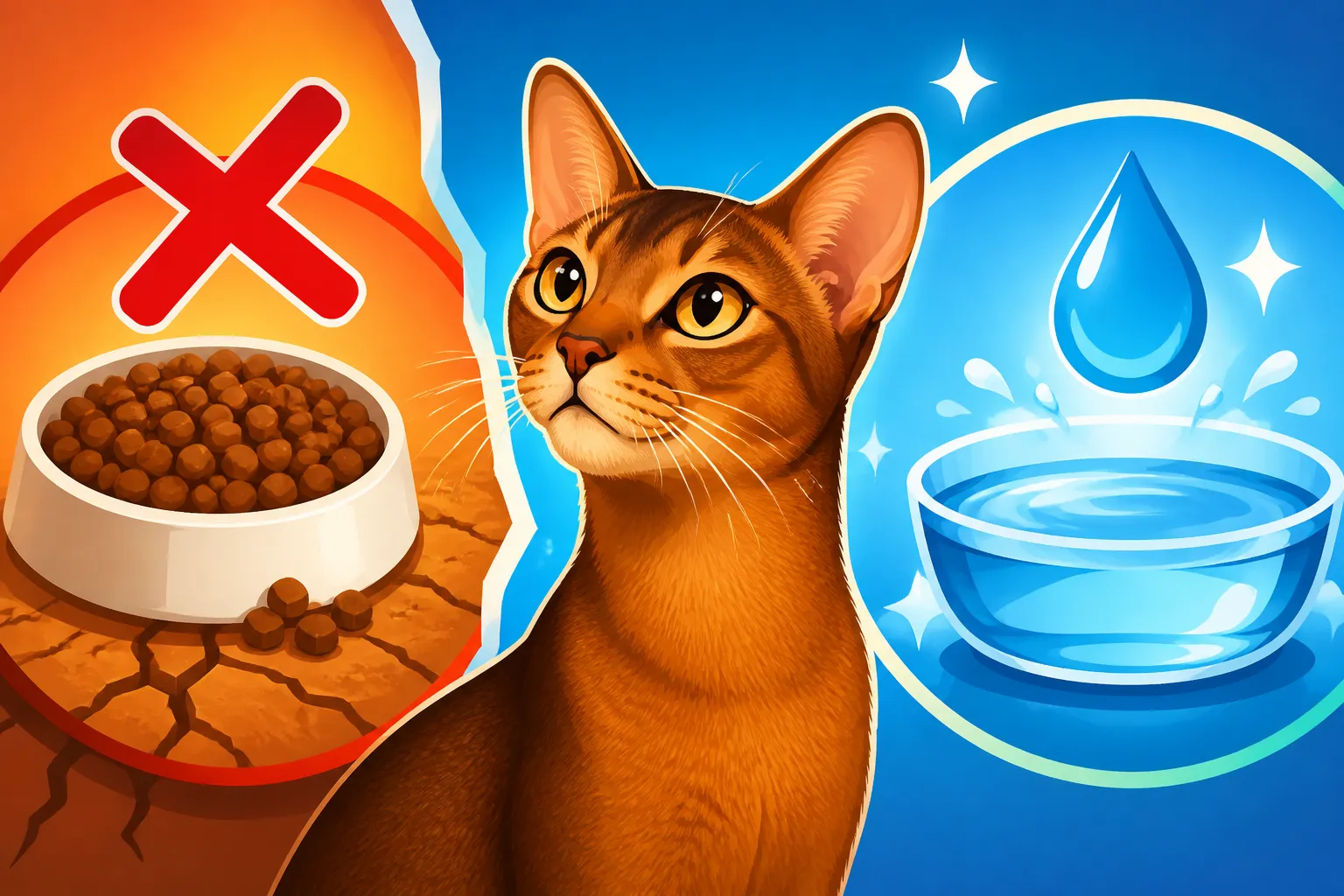
Now, let's contrast that natural prey diet with typical dry kibble. While convenient and often packed with nutrients, the moisture content of kibble is drastically different. Most dry cat foods contain only about 5-10% water. Compare that to the 70-80% found in natural prey or quality wet food, and you can immediately see the massive hydration gap. Your Abyssinian would have to drink a truly exceptional amount of water from their bowl to make up for that deficit, and as we just discussed, their natural instincts don't typically compel them to do so.
This isn't about blaming owners; it's about understanding the nutritional reality. For a cat, especially an active breed like an Abyssinian, eating only kibble creates a constant, low-level state of dehydration. It’s not necessarily overt, like a dog panting after a run, but a subtle, chronic lack that accumulates over time. This chronic dehydration places undue strain on their internal organs, particularly the kidneys and urinary tract. It’s a bit like us trying to survive on dried fruit and nuts alone without remembering to grab a water bottle throughout the day – eventually, our bodies would feel the strain. For your Abyssinian, who might be zipping from the cat tree to the couch and back again, this lack of built-in hydration from their food is a significant physiological challenge. This is one of the key reasons Why Wet Food Protects an Abyssinian's Kidneys is such a crucial topic for this breed.
The Unique Abyssinian Body and Hydration Challenges
Abyssinians aren't just any cat; they're a breed known for their sleek, muscular build, boundless energy, and spirited personalities. These very traits, while endearing, mean their bodies operate at a higher metabolic rate, which in turn, has significant implications for their hydration needs.
High Metabolism, High Demand
If you've ever owned an Abyssinian, you know they're not exactly couch potatoes. These cats are perpetual motion machines, often described as the "clowns of the cat world" or "miniature cougars" because of their athleticism and constant activity. They climb, they jump, they race through the house, often for hours a day. This high level of physical activity means their metabolic rate is naturally higher than that of a more sedate feline. A higher metabolism translates directly into a greater need for energy, and crucially, for water. Every cellular process, every muscle contraction, every beat of their tiny heart requires adequate hydration to function optimally.
When an Abyssinian is constantly on the go, their body is working hard, and they're expending more energy and processing more nutrients. This internal engine needs a steady supply of water to regulate body temperature, transport nutrients, and flush out waste products effectively. If their food isn't providing a substantial portion of this water, and their natural thirst drive isn't prompting them to drink enough, they're essentially running on low. It's like having a high-performance sports car but only putting enough fuel in to get by, rather than keeping the tank full. Over time, this can lead to cellular stress and reduced organ efficiency. You might be surprised to learn that How Many Calories an Adult Abyssinian Burns is often higher than you'd expect for their size, further emphasizing their need for consistent hydration.
The Hidden Risk to Abyssinian Kidneys
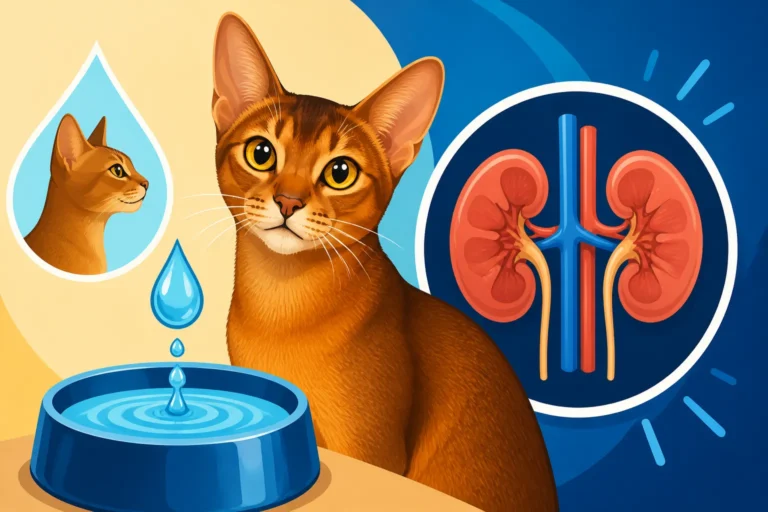
Beyond general metabolic demands, Abyssinians also carry a predisposition to certain health concerns that make proper hydration even more critical. One such concern is renal amyloidosis, a condition where abnormal protein deposits (amyloid) accumulate in the kidneys, leading to eventual kidney failure. What Renal Amyloidosis Deposits in an Abyssinian's Kidney can severely impact their health. While we don't have a direct gene test for this insidious condition, it's widely recognized within the breed community as a significant risk.
Chronic, low-grade dehydration puts additional stress on the kidneys, regardless of breed, simply because these organs are responsible for filtering waste from the blood and concentrating urine. When a cat is under-hydrated, their kidneys have to work harder to concentrate what little fluid is available, trying to conserve water. This extra effort, day after day, year after year, can exacerbate existing predispositions and potentially accelerate the progression of kidney disease in vulnerable Abyssinians. Ensuring a consistently high water intake, primarily through their diet, helps the kidneys do their job more easily, flushing out waste more efficiently and reducing the overall workload. This is precisely Why an Abyssinian's Kidneys Make Water Intake Matter so profoundly. Proactive hydration is one of the most significant protective measures we can take for our Abyssinians' long-term kidney health.
Recognizing the Subtle Signs of Dehydration in Your Abyssinian
It's easy to assume your Abyssinian is fine if they seem healthy, but recognizing dehydration in a cat, especially one as active and stoic as an Aby, can be tricky. They are masters at hiding illness, a survival instinct from their wild heritage, and by the time obvious signs appear, the problem might be advanced.
Beyond the Empty Water Bowl
Many owners look at the water bowl and think, "Well, it's not empty, so they must be drinking." However, an Abyssinian could be taking small sips throughout the day, or drinking just enough to prevent immediate crisis, but still not enough to meet their full physiological needs, especially on a dry food diet. You might not see them hunched over the bowl for long periods, which is often what we associate with "drinking."
Instead, pay attention to subtler cues. Is your Abyssinian's urine output consistent? While not always easy to monitor with multiple cats or a busy schedule, a noticeable decrease in the number of wet spots in the litter box, or urine that appears unusually dark and concentrated, can be a red flag. A cat that's chronically dehydrated will produce less urine, and what they do produce will be highly concentrated as their body tries desperately to conserve water. Another subtle sign can be a slight, general lethargy, though as mentioned, Abyssinians are so active they often hide even significant discomfort. They might just seem slightly less enthusiastic about play, or their zoomies might be a tad shorter. It's difficult to pinpoint, but an overall "off" feeling about your cat should always prompt further investigation.
Physical Cues to Watch For
When dehydration becomes more pronounced, physical signs start to emerge, though they can still be hard to spot on a lean, active Abyssinian.
- Skin Tent Test: Gently pinch the skin between your Abyssinian's shoulder blades. On a well-hydrated cat, the skin should snap back almost immediately. If it takes a second or two to return to normal, creating a "tent" effect, this indicates mild to moderate dehydration. Abyssinians are so sleek and close-coated that this test can be a bit more challenging than on a fluffier, looser-skinned cat, but it's still a valuable indicator.
- Gums: Healthy cat gums are moist and pink. Gently lift your Abyssinian's lip and check their gums. If they feel tacky or dry to the touch, or appear pale, it's a strong sign of dehydration.
- Capillary Refill Time (CRT): While checking the gums, press your finger gently on their gum line until it turns white, then release. The pink color should return almost instantly (within 1-2 seconds). A delayed return to pink can indicate poor circulation, often associated with dehydration.
- Eyes: In more severe cases of dehydration, an Abyssinian's eyes might appear slightly sunken or dull, lacking their usual bright, alert sparkle. However, this is often a sign that the dehydration has become quite significant.
It's incredibly important to remember that Why a Lean Abyssinian Hides Illness Longer Than a Heavy Cat makes early detection crucial. Their natural energy and lithe build can mask underlying issues, including chronic dehydration, until the problem is quite advanced. Regular checks of their gums and skin elasticity, even when they seem perfectly fine, can give you an early warning.
Practical Solutions to Boost Your Abyssinian's Water Intake
The good news is that addressing your Abyssinian's hydration needs is entirely within your control. By making a few strategic changes to their diet and environment, you can significantly improve their overall water intake and safeguard their long-term health.
Embracing Wet Food
This is, hands down, the most impactful change you can make. Transitioning your Abyssinian to a diet that includes, or is primarily composed of, wet food will dramatically increase their daily moisture intake. Remember, quality wet cat food typically contains 70-80% water, mimicking the hydration levels of a natural prey diet.
- Gradual Transition: Don't just swap out the kibble overnight. Cats are creatures of habit and can be very finicky about new foods. Start by mixing a small amount of wet food into their regular kibble. Gradually increase the wet food portion while decreasing the kibble over several days or even a couple of weeks.
- Variety of Textures and Flavors: If your Abyssinian is reluctant, try different brands and textures. Some cats prefer pâté, others gravy-rich shredded varieties, while some love chunky stews. Experiment to find what excites them. Many owners find great success with online retailers that carry a wide selection of brands, or even fresh food services that deliver moisture-rich meals right to your door.
- Scheduled Meals: Instead of free-feeding, offer wet food in two or three scheduled meals throughout the day. This encourages them to eat the entire portion and get that immediate moisture boost.
- Add Water to Wet Food: For an extra hydration boost, you can even add a tablespoon or two of plain water or low-sodium chicken broth to their wet food before serving. It won't dilute the nutrients but will add precious extra moisture.
- Long-Term Strategy: Aim to have wet food constitute at least 50% of their daily caloric intake, ideally more. You'll likely notice a difference in their energy levels, coat quality, and litter box habits. This is why understanding Which Wet Food Suits an Abyssinian is so vital for their health.
Innovative Water Stations and Flavors
Even with a wet food diet, encouraging additional water intake from bowls is beneficial. Some Abyssinians simply enjoy playing with water, and turning drinking into an engaging activity can be very effective.
- Cat Fountains: Many cats are instinctively drawn to moving water. A cat fountain provides a continuous stream or bubbling water, which can be more appealing than still water in a bowl. The sound and movement can pique their curiosity and encourage them to drink more frequently. There are many stylish and effective options available on platforms like Amazon. Explore different fountain designs – some have multiple streams, others a wide bubbling surface – to see what your Abyssinian prefers. Whether an Abyssinian Uses a Fountain is often a matter of finding the right type.
- Multiple Water Bowls: Place several water bowls throughout your home, especially in areas where your Abyssinian frequently plays or rests. Use wide, shallow bowls made of ceramic, glass, or stainless steel, as some cats dislike the taste or smell that plastic bowls can impart. Ensure bowls are kept sparkling clean, and change the water at least once, preferably twice, daily.
- "Flavor" the Water (Carefully): For particularly picky drinkers, you can add a very small amount (just a teaspoon) of low-sodium chicken broth (ensure no onion or garlic), tuna juice (packed in water, not oil), or even the liquid from a wet food can to their water bowl. This can make the water more palatable and interesting. Just be sure to change this water frequently to prevent bacterial growth.
Incorporating Hydrating Treats and Supplements
While not a replacement for a moisture-rich diet, hydrating treats and supplements can be another tool in your arsenal to boost your Abyssinian's water intake.
- Lickable Purees: Many brands offer lickable cat treats in tubes, which are essentially pureed meat or fish in a high-moisture gravy. These are often irresistible to cats and provide a good amount of extra liquid. They can be given directly from the tube or squeezed into a bowl.
- Frozen Treats: On hot days, or just as a fun treat, you can freeze low-sodium chicken broth or watered-down wet food in ice cube trays. These can be a hydrating and entertaining snack for your Abyssinian.
- Water Down Kibble (as a last resort): If your Abyssinian absolutely refuses wet food, and you must feed kibble, you can try adding water to the kibble itself to soften it and increase the moisture. Let it sit for a few minutes to absorb the water before serving. However, this should only be a temporary measure or used in conjunction with other hydration strategies, as softened kibble can become a breeding ground for bacteria if left out too long.
By combining these strategies, you can proactively ensure your Abyssinian is getting the crucial hydration they need to thrive, supporting their high energy levels and protecting their delicate internal systems.
Here's a quick comparison of kibble versus wet food for your Abyssinian's hydration:
| Feature | Dry Kibble | Wet Food |
|---|---|---|
| Moisture Content | 5-10% | 70-80% |
| Digestion | Requires more external water for efficient digestion. | Provides significant internal hydration for digestion. |
| Kidney Strain | Higher potential strain due to increased urine concentration. | Less strain due to diluted urine and easier waste flushing. |
| Urinary Tract Health | Can increase risk of stone formation if insufficient water intake. | Supports urinary tract health with increased urine volume. |
| Palatability | Can be appealing due to crunch and texture. | Highly palatable, often preferred by cats. |
| Dental Benefit (minor) | Some claim abrasive action, but often negligible. | No direct dental benefit from texture. |
| Typical Cost | Generally lower per serving. | Generally higher per serving. |
Ultimately, providing ample hydration isn't just about preventing illness; it's about optimizing your Abyssinian's overall vitality, ensuring their kidneys and urinary tract function optimally, and allowing them to live out their active, joyful lives to the fullest. By understanding their unique needs and implementing these practical solutions, you're investing in a happier, healthier future for your magnificent Aby.
Disclaimer
This article is for general informational purposes only and does not constitute professional advice. Laws, prices and regulations vary by location and change over time. Consult a qualified professional for guidance on your specific situation.