How an Abyssinian’s Ticking Is Judged in the Ring
One of the most captivating features of the Abyssinian cat is their stunning ticked coat, a hallmark that sets them apart from almost every other breed. For those of us who adore these active, intelligent felines, understanding the nuances of that coat, especially when considering the show ring, can feel like deciphering an ancient tapestry. You might worry about whether your beloved Aby's unique patterning will be "good enough" or how a judge even begins to evaluate something so subtle. This guide is here to demystify exactly how an Abyssinian's ticking is judged in the demanding world of cat shows, giving you insight into what the experts are truly looking for.
Understanding the Abyssinian Ticked Coat
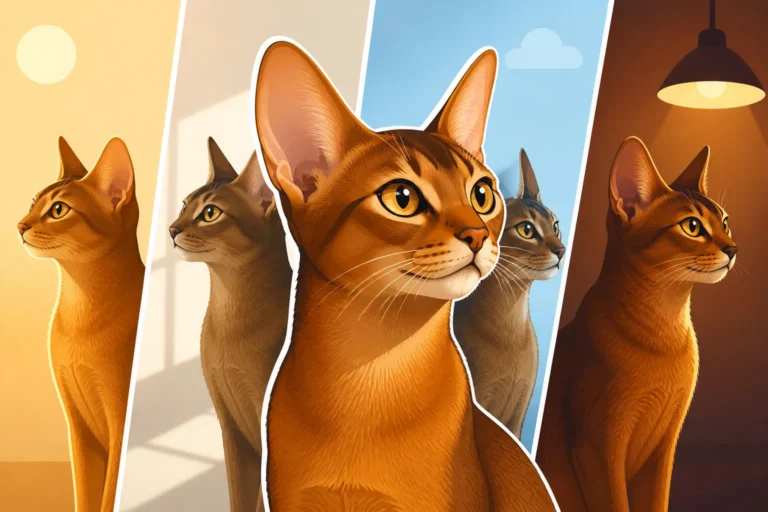
Before we can delve into how ticking is judged, it's crucial to understand what ticking actually is. This isn't just about pretty colors; it's a specific genetic trait that defines the Abyssinian look. Many people confuse it with a tabby pattern, but it's fundamentally different. When you look at an Abyssinian, you don't see stripes, spots, or swirls on their body, which is what you'd expect from most other patterned cats. Instead, you see a shimmering, warm coat that seems to shift and glow with movement. This optical illusion is all thanks to the ticking.
At its core, ticking means that each individual hair on the cat's body has multiple bands of color along its length. Think of it like a tiny, perfectly striped barcode on every single strand of fur. These bands alternate between lighter and darker pigments, typically with a darker tip. The magic happens when you have thousands upon thousands of these individually banded hairs lying together. The result is a coat that appears uniform from a distance but reveals incredible depth and complexity up close. It’s a remarkable genetic achievement that makes the Abyssinian truly unique. This is why What Makes an Abyssinian's Coat Ticked Rather Than Striped is so important to grasp for anyone owning or showing an Aby.
What is Ticking, Really?
To get really granular, the ticking phenomenon is rooted in the agouti gene. This gene controls the distribution of pigment along each hair shaft. In a non-agouti cat (like a solid black cat), the pigment is uniform from root to tip. But in an agouti cat, the pigment is deposited in bands, creating patterns. For an Abyssinian, the agouti gene is expressed in a very specific way that suppresses the usual tabby markings on the body, leaving them only on the face, sometimes the legs, and the tail tip.
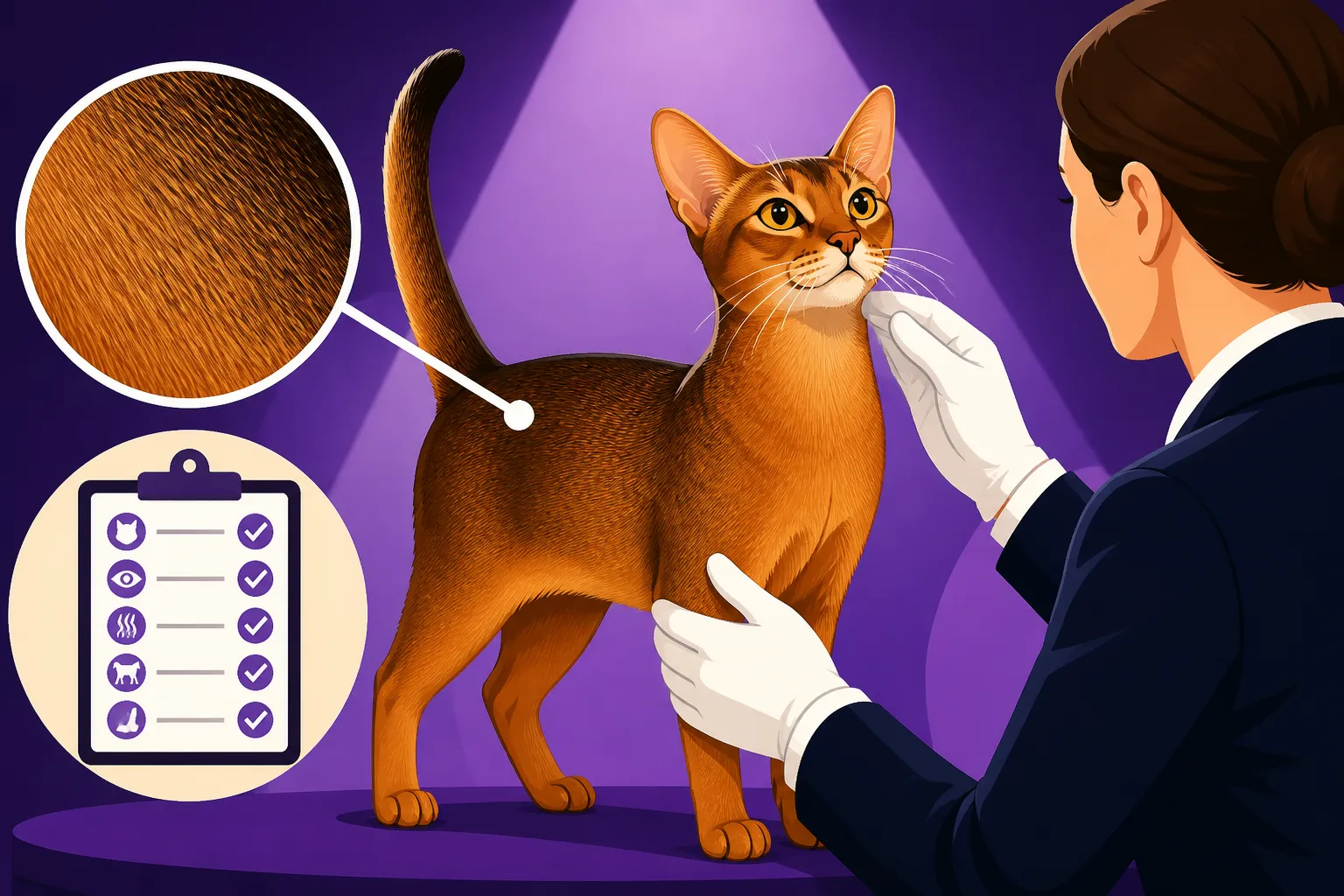
A judge will literally run their fingers against the lay of the fur to observe the individual bands of color. They are looking for distinct, clear banding, typically three or four bands per hair, with a dark tip. This is critical. If the bands are indistinct, muddy, or too few, the ticking isn't considered ideal. The richness and clarity of these bands contribute immensely to the overall impression of the coat. The aim is a coat that looks warm and vibrant, not dull or flat. It's a subtle art, and appreciating it is part of the joy of owning an Abyssinian. Understanding How Many Bands an Abyssinian Hair Carries helps you appreciate this intricate detail.
The Ideal Color and Banding
Beyond the presence of ticking, the quality of the color and the banding itself are paramount. Abyssinians come in four main recognized colors: Ruddy (often called Usual), Sorrel (Red), Blue, and Fawn. Each color has its own specific ideal presentation. For a Ruddy Abyssinian, the ticking should be a vibrant coppery-brown with distinct black or dark brown bands. A Sorrel should be a rich, warm cinnamon with chocolate-brown ticking. Blue Abyssinians present with a soft blue-grey base color ticked with deeper slate blue, while Fawn is a delicate rose-beige ticked with a darker warm mushroom-grey.
The goal for any color is warmth and clarity. The base color should be clear and bright, extending down to the skin, with no grey or white undercoat unless specified by the standard for certain diluted colors. The bands should contrast nicely, creating that characteristic shimmering effect. Judges will be looking for an absence of "barring" or "striping" on the body, legs, or tail, as this indicates residual tabby markings that are considered a fault. Even a slight "necklace" marking on the chest can be a point deduction. The ideal ticking creates a clean, uniform field of color and texture over the cat's body. How an Abyssinian's Coat Color Is Registered often details these specific nuances for each color.
The Judge's Eye: What They Look For
When an Abyssinian steps into the show ring, a judge isn't just giving it a quick glance. They're performing a thorough, hands-on examination, much like a meticulous quality control inspector. Every aspect of the cat is assessed against the breed standard, and the ticking is a major part of that evaluation. It's not just about the color you see; it's about the entire presentation of the coat, how it feels, and what hidden markings might betray an imperfection. As owners, we often just see our beautiful companion, but a judge is trained to see every tiny detail.
The judge will typically first observe the cat as it moves on the table or in its cage, looking at the overall impression of the coat's shimmer and evenness. Then, they'll pick up the cat, feeling the coat texture, parting the fur to check the underlying banding, and meticulously checking for any undesirable patterns. It's an intense few moments for both the cat and the handler. They're looking for that pristine, uniform ticked pattern that is the hallmark of the breed, without any distracting elements.
Faults and Penalties to Avoid
The breed standard is quite explicit about what constitutes a fault in an Abyssinian's coat. Any sign of barring, striping, or blotches on the body is a major deduction. This can manifest as faint rings on the legs, a "ghost" tabby pattern on the flanks, or the dreaded "necklace" — a line of dark pigment around the neck. These are all indicators that the ticking is not perfectly expressed, and the underlying tabby pattern is showing through. Even in the dilute colors like blue or fawn, where the contrast might be softer, the clarity and absence of these patterns are critical. Why an Abyssinian With Barring Is Penalized explains exactly how these patterns detract from the ideal.
Another significant fault is "grayness" or a dull, muddy appearance in the undercoat, especially in Ruddy and Sorrel cats. The ideal is a rich, warm color right down to the skin. If the undercoat appears pale, cool, or grey, it diminishes the vibrancy of the ticking and is considered undesirable. The dark tail tip, which is characteristic of the breed, should be present and distinctly darker than the body. Any white markings, other than a small locket, are also considered faults. These seemingly minor details are what separate a good Abyssinian from a truly excellent one in the show ring.
| Ticking Feature | Ideal Trait | Fault/Penalty |
|---|---|---|
| Hair Banding | Clear, distinct 3-4 bands per hair, dark tip | Indistinct, muddy, too few bands |
| Body Pattern | Uniform, shimmering, no stripes/spots | Ghost barring, blotches, "necklace" markings |
| Undercoat Color | Warm, rich color down to skin | Grey, pale, muddy undercoat |
| Tail Tip | Distinctly darker, solid pigment | Faded, poorly defined dark tip |
| Overall Vibrancy | Bright, warm, glowing effect | Dull, flat, lack of contrast |
| Texture | Fine, soft, resilient, lying close | Coarse, woolly, fluffy, standing off body |
Overall Presentation and Condition
While ticking is paramount, the overall condition and presentation of the cat's coat cannot be overlooked. A perfectly ticked Abyssinian with a dull, greasy, or matted coat will not fare well. The coat should be short, fine, and lie close to the body. It should have a soft, silky feel and a healthy sheen. Judges appreciate a coat that is clean, well-groomed, and free of tangles or dandruff. The Ticked Coat Is the Whole Abyssinian Grooming Job often highlights that minimal intervention is key.
This means a regular, but gentle, grooming routine at home. While Abyssinians are low-maintenance, a quick brush once a week with a rubber mitt can remove loose hairs and enhance the coat's natural luster. Nutrition also plays a huge role in coat health. A high-quality diet, rich in protein and essential fatty acids, contributes to a healthy, vibrant coat. Many Aby owners consider fresh food options or premium dry foods that support skin and coat health. A cat with a lackluster coat often signals underlying health or dietary issues, which will certainly impact its chances in the ring. You'll find a wide selection of suitable grooming tools on Amazon that are gentle enough not to disturb the delicate ticking.
The Impact of Ticking on the Show Ring
The ticking is more than just a genetic curiosity; it's the very soul of the Abyssinian's visual appeal and a core component of its breed identity. In the show ring, it's the single most defining characteristic of the coat, distinguishing the Abyssinian from all other breeds. Without proper ticking, an Abyssinian simply isn't an Abyssinian by the standard. This emphasis underscores the importance breeders place on careful selection and responsible breeding practices to maintain this unique trait.
It's a testament to the breed's history and the dedication of breeders that the ticking has been preserved and refined over generations. The goal isn't just to have some ticking, but to achieve that exquisite, even, and vibrant pattern that makes an Abyssinian look like it's been painted by an artist. It's the hallmark that makes an Aby's coat truly "alive," shimmering with every movement.
Beyond the Bands: The 'Feel' of the Coat
Beyond the visual aspect of the ticking, judges are also very attuned to the texture and feel of the coat. The ideal Abyssinian coat is described as fine, soft, and resilient. It should lie smoothly against the body, showcasing the cat's lithe and muscular physique. It should not be woolly, coarse, or stand off the body in a fluffy manner. This is partly due to Why the Ticked Coat Leaves an Abyssinian Almost No Undercoat. A dense or heavy undercoat can diminish the clarity of the ticking and make the coat appear bulky, which is not desired.
When a judge runs their hand over the cat, they are feeling for this specific texture. It's a tactile confirmation of what their eyes observe. A coarse or overly soft coat, even if the ticking looks good, can be a point of concern. The coat should spring back smoothly when stroked, rather than feeling limp or static. This perfect combination of visual depth and tactile quality is what truly elevates an Abyssinian's coat in the show ring. What an Abyssinian's Coat Should Feel Like in the Ring often describes this ideal feel in detail.
The Living Standard: How Ticking Evolves
It’s fascinating to observe how an Abyssinian's ticking develops over time. Kittens often start with what can appear to be a blotchy or somewhat indistinct pattern, and their adult color and ticking gradually refine as they mature. You might see a Why an Abyssinian Kitten Looks Blotchy at First phase, which is perfectly normal. This maturation process means that judges evaluating younger cats might make allowances for an "unripe" coat, but they will still be looking for the potential of clear, even ticking. By the time an Abyssinian reaches adulthood, typically around two years of age, its ticking should be fully developed and present its final, show-quality appearance.
Breed standards are living documents, interpreted and applied by judges who are deeply knowledgeable about the breed's history and genetics. They understand the nuances of the ticking and are looking for both the adherence to the written standard and that indefinable quality that makes an Abyssinian's coat truly shine. Owning an Abyssinian is a commitment to appreciating these subtle beauties, and for those who choose to show, it's a journey into the intricate world of feline aesthetics.
Disclaimer
This article is for general informational purposes only and does not constitute professional advice. Laws, prices and regulations vary by location and change over time. Consult a qualified professional for guidance on your specific situation.