How to Clean an Abyssinian’s Chin
It’s incredibly frustrating to notice tiny black specks on your energetic Abyssinian's otherwise pristine, short coat, often clustered around their chin. What starts as a few seemingly innocuous blackheads can quickly escalate into irritated skin, and leave you wondering how on earth to tackle it without upsetting your sensitive cat. This guide will walk you through exactly what causes those pesky chin blackheads, how to clean them gently and effectively, and most importantly, how to prevent them from coming back, ensuring your Aby stays comfortable and radiant.
Understanding Abyssinian Chin Blackheads: What Are They and Why Do They Happen?
Let's face it, finding blackheads on your cat's chin can be a bit of a head-scratcher. You groom them, you feed them well, and yet there they are, little dark dots marring that beautiful ticked coat. It often leaves owners feeling like they've missed something, but rest assured, it's a common issue, and understanding why it happens is the first step toward solving it. It’s not a sign of poor hygiene on your part, but rather a combination of genetics and environmental factors at play.
The Anatomy of the Abyssinian Chin: Why This Breed is Prone
Our Abyssinian friends have incredibly active sebaceous glands, particularly around their chin area. These glands are responsible for producing sebum, a waxy, oily substance that helps keep their skin and coat healthy. Think of it like our own skin's oil production. In an ideal world, this sebum flows freely, but sometimes, these glands go into overdrive, or the pores become blocked. When this happens, the sebum mixes with dead skin cells and environmental debris, forming a plug within the hair follicle. This plug, when exposed to air, oxidizes and turns black – voilà, a blackhead!
Abyssinians, with their fine, short, yet dense single coat, can sometimes be more susceptible because the hair follicles around the chin might be particularly prone to trapping this oily mixture. Their skin can be quite delicate, and any persistent irritation can quickly lead to more significant problems. It's a frustrating cycle because their short fur means these issues are often very visible, unlike in some long-haired breeds where it might be hidden for longer.
Common Causes Beyond Breed Predisposition
While genetic predisposition plays a role, several external factors can exacerbate or even directly cause chin blackheads in Abyssinians. It's not usually one single culprit but often a combination that tips the scales.
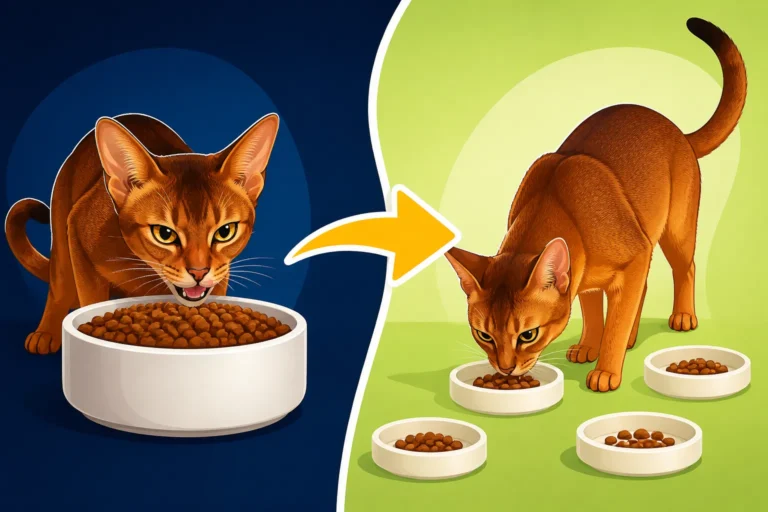
The most notorious offender in many households is often right under their nose: their food and water bowls. Plastic bowls, in particular, are problematic. Over time, plastic develops tiny, microscopic scratches where bacteria can harbor and multiply. Even with regular washing, these scratches make it impossible to get the bowls truly sanitized. Every time your Aby eats or drinks, their chin comes into contact with this bacterial haven, which can irritate the skin and clog pores, leading to the dreaded blackheads. The chemicals from the plastic itself can also leach into the food and water, further irritating sensitive skin. Swapping out plastic bowls for healthier alternatives is often the first, most impactful change you can make. You can find excellent, durable stainless steel or ceramic options readily available on sites like Chewy or Amazon.
Another factor that can play a subtle, supporting role is diet. While not a direct cause of blackheads for most cats, a diet lacking in essential fatty acids or one that triggers mild inflammatory responses in a sensitive cat could indirectly impact skin health. If your Abyssinian is prone to skin issues, ensuring they are on a high-quality, balanced diet rich in appropriate protein and healthy fats is crucial. It’s about supporting their system from the inside out. Lastly, stress, just like in humans, can sometimes manifest in various physical symptoms in cats, including skin conditions. A highly active and sensitive breed like the Abyssinian might react to changes in their environment or routine by over-grooming or developing skin flare-ups. While less common as a direct cause of chin blackheads, it’s always worth considering the stress levels in your home if other causes have been ruled out.
The Step-by-Step Guide to Cleaning Your Abyssinian's Chin
Once you've identified those tiny black specks, the urge to scrub them away can be strong. However, approaching your Abyssinian's chin with gentle care is paramount. Their skin is delicate, and aggressive cleaning can turn a simple case of blackheads into a painful infection. Patience, consistency, and the right tools are your allies here.
Gathering Your Gentle Cleaning Supplies
Before you even think about touching your Aby's chin, make sure you have everything you need close at hand. This minimizes the time spent fussing and helps keep your cat calm. You'll want:
- Warm Water: A small bowl of lukewarm water is perfect. Avoid anything too hot or too cold.
- Pet-Safe Cleanser: This is crucial. Do not use human acne treatments or harsh soaps. Your vet can recommend a mild, medicated shampoo or cleansing pad designed for feline dermatological issues. Often, a chlorhexidine-based wipe or solution is suggested, as it's an antiseptic that can help with bacterial overgrowth. Another option, for very mild cases, is just plain warm water with a tiny drop of cat-safe dish soap (like Dawn, but sparingly, and only if advised by your vet). For very gentle, everyday cleaning, simply warm water and a soft cloth might be enough. You can find specific pet-safe facial cleansers or chlorhexidine wipes on platforms like Amazon, but always double-check they are appropriate for cats.
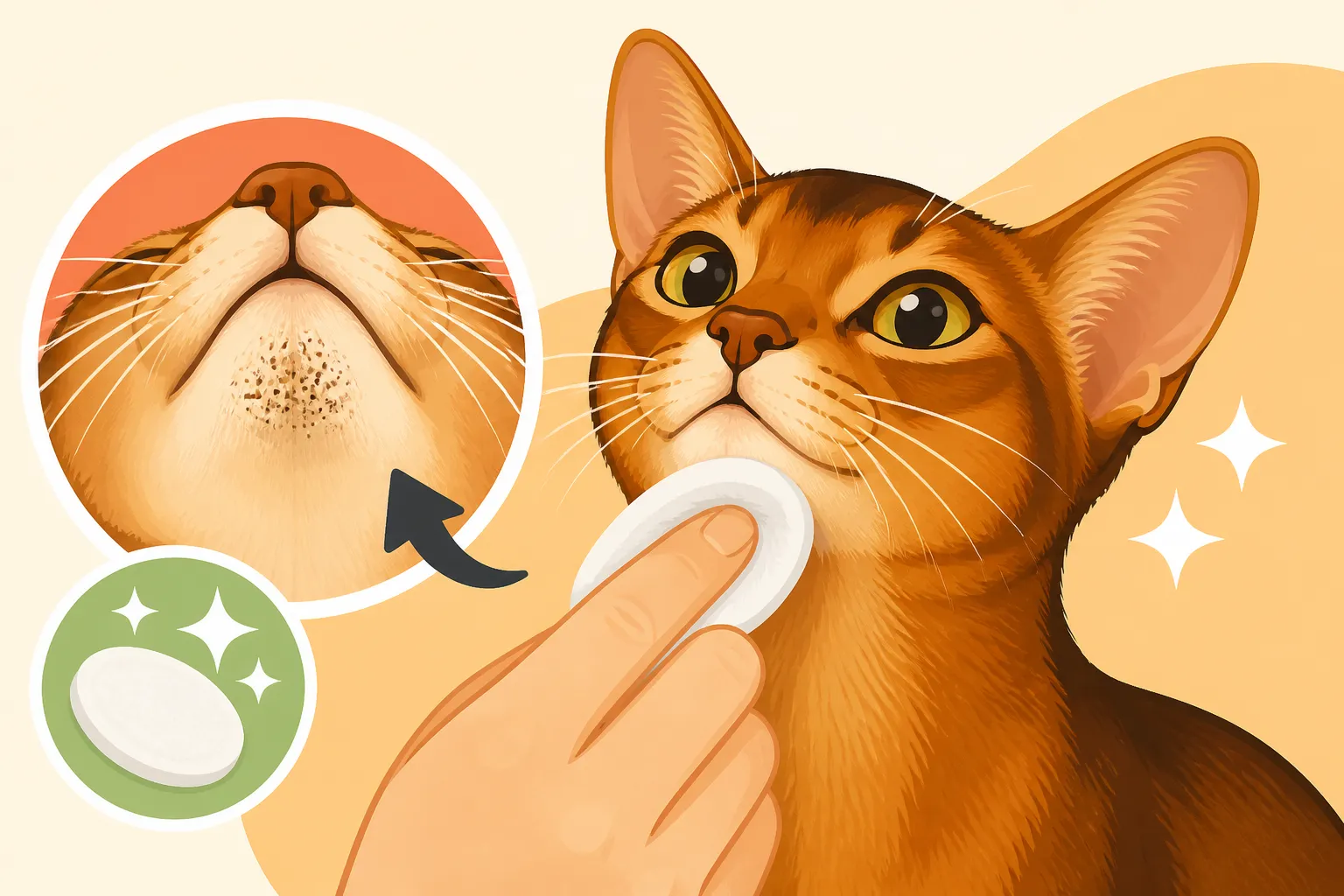
- Soft Cloths or Cotton Pads: Choose something soft and non-abrasive. Cotton pads, gauze squares, or very soft washcloths work well. Avoid anything with a rough texture.
- Dry Towel: A small, soft towel for gentle drying afterwards.
It’s completely understandable to feel overwhelmed by the sheer number of pet products out there. The key is to remember that gentleness is your primary goal. If you're unsure about any product, a quick call to your vet clinic can save you a lot of worry and potentially prevent further irritation for your cat. Many owners feel frustrated trying to navigate these choices alone, but remember, your vet is there to guide you.
The Cleaning Process: Patience and Persistence
Now that you have your tools, let’s get down to business. Remember, your Abyssinian is a creature of routine and can be quite sensitive to new experiences. Make this process as calm and positive as possible.
- Choose the Right Moment: Pick a time when your Aby is relaxed, perhaps after a meal or a good play session when they're winding down. Avoid trying to clean their chin when they're zooming through the house or feeling particularly feisty.
- Gentle Approach: Hold your cat securely but gently. You might find it easier if they're on your lap or a comfortable surface. Offer praise and perhaps a favorite treat to create a positive association.
- Dampen and Apply: If using a liquid cleanser, dampen a cotton pad or soft cloth with warm water first, then add a small amount of the cleanser. If using wipes, simply take one out.
- Softly Wipe: Gently wipe the affected area on their chin. Do not scrub. The goal is to loosen the debris and cleanse the skin, not to abrade it. Use light, circular motions. You might need to use several fresh pads if the area is particularly dirty.
- Rinse (If Needed): If you used a cleanser that requires rinsing, take a fresh, damp cloth with plain warm water and gently wipe away any residue. It's vital to ensure no soap or cleanser is left behind, as this can be irritating or ingested during grooming.
- Pat Dry: Gently pat the area dry with a soft towel. Make sure the chin is completely dry to prevent moisture from encouraging further bacterial growth.
- Reward: Always finish with praise, a small treat, or a short play session. This reinforces that the experience wasn't scary and helps build trust for future cleanings.
Consistency is key here. For active blackheads, you might need to clean the area daily or every other day initially. Once the condition improves, you can often reduce it to a few times a week or even just weekly as part of your general grooming routine. Think of it like managing mild acne in humans – it requires persistent, gentle care. If you find your Aby is particularly resistant, remember that a short, positive session is better than a prolonged struggle that leaves both of you stressed. Sometimes, simply holding your cat for a few seconds and then releasing them, even without completing the cleaning, can build positive associations over time.
When to Consult Your Veterinarian
While many cases of Abyssinian chin blackheads can be managed at home, there are definite signs that warrant a trip to the vet. Ignoring these can lead to more serious, painful infections that are much harder to treat.
You should contact your veterinarian if you notice any of the following:
- Inflammation and Redness: The skin around the blackheads becomes visibly red, swollen, or inflamed.
- Pus or Discharge: If you see any yellow or green pus, or a foul-smelling discharge, it's a clear sign of a bacterial infection.
- Pain or Discomfort: Your Aby flinches, cries, or actively resists you touching their chin, indicating the area is painful.
- Bleeding Sores: The blackheads have progressed to open sores or crusting that bleeds.
- Swelling: The chin or surrounding area appears noticeably swollen.
- Lack of Improvement: Despite consistent cleaning for a week or two, the blackheads are not getting better, or they are getting worse.
These symptoms suggest a secondary bacterial infection has taken hold, which often requires prescription medication like antibiotics (oral or topical) or stronger medicated washes from your vet. It's tempting to try and fix it yourself, but a veterinarian can accurately diagnose the extent of the infection and prescribe the most effective treatment. Remember, your Abyssinian's health is paramount, and early intervention can prevent discomfort and more complicated treatment plans. Often, catching these issues early, even with something as seemingly minor as blackheads, can save a lot of heartache (and vet bills!) down the line.
Preventing Future Abyssinian Chin Blackheads
The best offense is a good defense, especially when it comes to keeping those pesky chin blackheads at bay. Once you've successfully cleared up the current situation, your focus should shift to creating an environment and routine that minimizes the chances of them returning. This involves simple, yet impactful changes to your cat's daily life.
The Importance of Material Choices for Food and Water Bowls
We touched on this earlier, but it truly cannot be overstated: the material of your Abyssinian's food and water bowls is a critical factor in preventing chin blackheads. Plastic bowls are, without a doubt, the biggest culprit. They scratch easily, becoming perfect breeding grounds for bacteria, and can even leach chemicals that irritate sensitive feline skin.
The ideal choices are stainless steel, ceramic, or glass. These materials are non-porous, meaning bacteria can't hide in microscopic crevices. They are also much easier to clean thoroughly. When you scrub a stainless steel or ceramic bowl, you can actually get it clean.
Here's a quick comparison to help you choose:
| Bowl Material | Pros | Cons | Prevention Benefit |
|---|---|---|---|
| Plastic | Inexpensive, lightweight, widely available | Scratches easily, harbors bacteria, can leach chemicals | Poor – Major contributor to chin blackheads |
| Stainless Steel | Durable, non-porous, easy to clean, hygienic, dishwasher safe | Can be noisy if bumped, some cats dislike reflection | Excellent – Smooth surface prevents bacterial buildup |
| Ceramic | Heavy (stable), aesthetically pleasing, non-porous, easy to clean | Can chip or break if dropped, heavier, must be glazed properly | Excellent – Smooth, non-reactive surface |
| Glass | Non-porous, very hygienic, dishwasher safe, no leaching | Fragile, can break easily, heavier | Excellent – Extremely smooth and easy to sterilize |
Beyond the material, the frequency of cleaning is vital. These bowls should be washed daily with hot, soapy water. Don't just rinse them out; give them a proper scrub. For water bowls, consider changing the water multiple times a day to keep it fresh. Just imagine if you ate off the same unwashed plate for days – it’s no different for your cat’s sensitive chin! Keeping those bowls sparkling clean dramatically reduces the bacterial load your Aby's chin comes into contact with.
Maintaining Overall Hygiene and a Healthy Environment
While chin blackheads are localized, overall hygiene plays a supporting role in keeping your Abyssinian's skin healthy. Even though Abyssinians are known for being self-groomers, and The Ticked Coat Is the Whole Abyssinian Grooming Job often means minimal hands-on care, a little attention goes a long way.
- Gentle Brushing: Even a weekly brush with a soft rubber grooming mitt can help distribute natural oils, remove loose fur, and encourage healthy skin circulation. This isn't about deep de-shedding but more about keeping the skin active and the coat healthy. You can find excellent grooming mitts on Chewy or Amazon that are specifically designed for short-haired cats.
- Clean Bedding: Your Aby loves a cozy spot to nap, and keeping their bedding clean is important. Just like your plastic bowls, bedding can accumulate oils, dead skin cells, and bacteria. Regularly washing their favorite blankets or cat bed covers helps reduce environmental irritants.
- Stress Reduction: A happy cat is often a healthy cat. Abyssinians are highly intelligent and active, and they thrive on mental and physical stimulation. A bored or stressed Abyssinian can sometimes manifest physical symptoms. Ensure they have plenty of opportunities for play, enrichment, and interaction. This can mean regular interactive play sessions, puzzle feeders, or simply spending quality time with you. Remember, The Abyssinian Is the Busiest Cat in the House, so ample opportunities to burn off energy and engage their minds will contribute to their overall well-being, which in turn supports healthy skin.
Dietary Considerations and Their Role
While not always a direct cause, what goes into your Abyssinian's body can certainly influence the health of their skin and coat. Think of it as providing the building blocks for healthy cells.
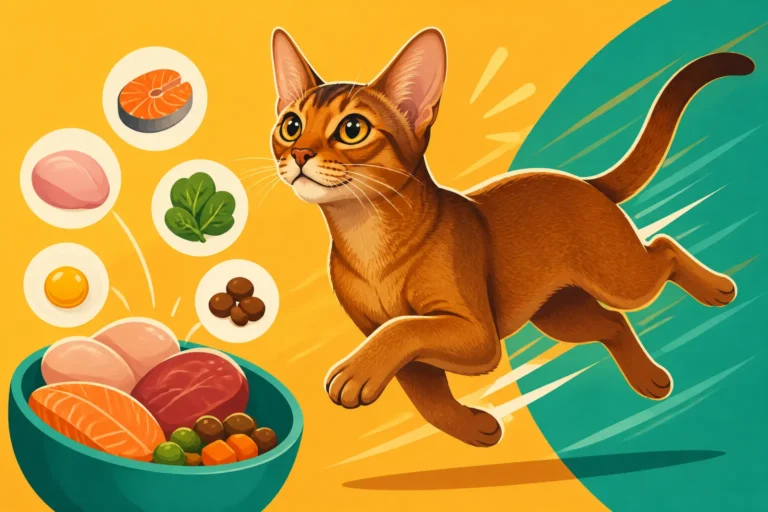
- High-Quality Food: A diet rich in high-quality animal protein and essential fatty acids (like Omega-3s and Omega-6s) is vital for skin and coat health. Avoid foods with excessive fillers, artificial colors, or by-products. If your Aby is prone to skin issues, exploring limited-ingredient diets or novel protein sources with your vet might be beneficial. For more insights on feeding your active cat, check out What to Feed an Abyssinian That Never Stops Moving.
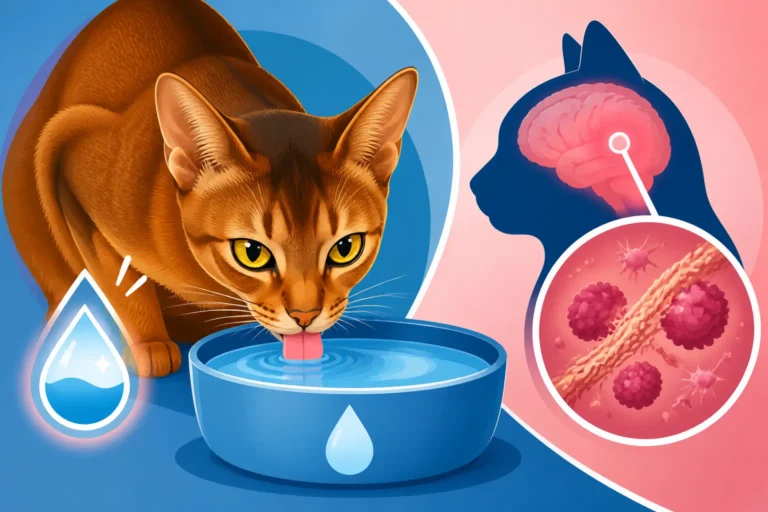
- Hydration: Proper hydration is absolutely fundamental for healthy skin. Cats, especially Abyssinians who might have a predisposition to certain kidney issues like Renal Amyloidosis Is the Abyssinian Problem Nobody Can Test For, need sufficient water intake. Wet food can significantly contribute to their daily water intake compared to an all-kibble diet. Ensure fresh water is always available in clean bowls, and consider a pet fountain to encourage drinking, as many Abyssinians are fascinated by running water. The article Why an Abyssinian's Kidneys Make Water Intake Matter delves deeper into why water is so crucial for this breed.
By combining diligent daily cleaning of bowls with regular gentle chin care, maintaining a clean home environment, and providing a top-notch diet, you can significantly reduce the incidence of chin blackheads in your beloved Abyssinian. It's a commitment, but seeing your Aby's clear, healthy skin is a reward in itself.
Disclaimer
This article is for general informational purposes only and does not constitute professional advice. Laws, prices and regulations vary by location and change over time. Consult a qualified professional for guidance on your specific situation.