When an Abyssinian’s Eye Discharge Means Something
It’s a common worry for Abyssinian owners, isn't it? You glance over at your energetic, inquisitive companion, and suddenly you notice a little streak or smudge in the corner of their bright, almond-shaped eyes. Is it just a bit of dust, a normal tear, or is it something more serious that needs your attention? This guide is here to walk you through what's normal when it comes to Abyssinian eye discharge and, more importantly, when those seemingly minor changes really do mean something significant.
Normal Abyssinian Eye Health vs. When to Worry
Our Abyssinians are such vibrant, busy creatures, constantly observing their world with those striking eyes. It’s natural to feel a pang of concern when something seems off, especially with their eyes, which are so central to their highly active and interactive nature.
The Bright, Alert Abyssinian Eye
A healthy Abyssinian’s eyes should be clear, bright, and sparkling with intelligence and curiosity. You'll notice they're quite large and expressive, often rimmed with a darker pigment that really makes them stand out. Generally, any discharge you see should be minimal, clear, and watery, perhaps just a tiny bit of moisture in the inner corner that dries into a light, crusty substance you can easily wipe away. Think of it like the "sleep" in human eyes – it's often just accumulated dust, dried tears, or a bit of cellular debris.
Factors like a particularly dry indoor environment, a dusty corner your Abyssinian has been investigating (and let's be honest, they investigate everything), or even a slight change in air pressure can lead to a little more clear, watery tearing than usual. This is often perfectly normal and self-resolving. Their eyelids should be clean, not swollen or red, and they should blink comfortably without squinting or pawing at their face. Abyssinians are known for their fastidious grooming habits, so they often keep their faces quite clean, making any persistent discharge even more noticeable.
Subtle Signs That Something Is Amiss
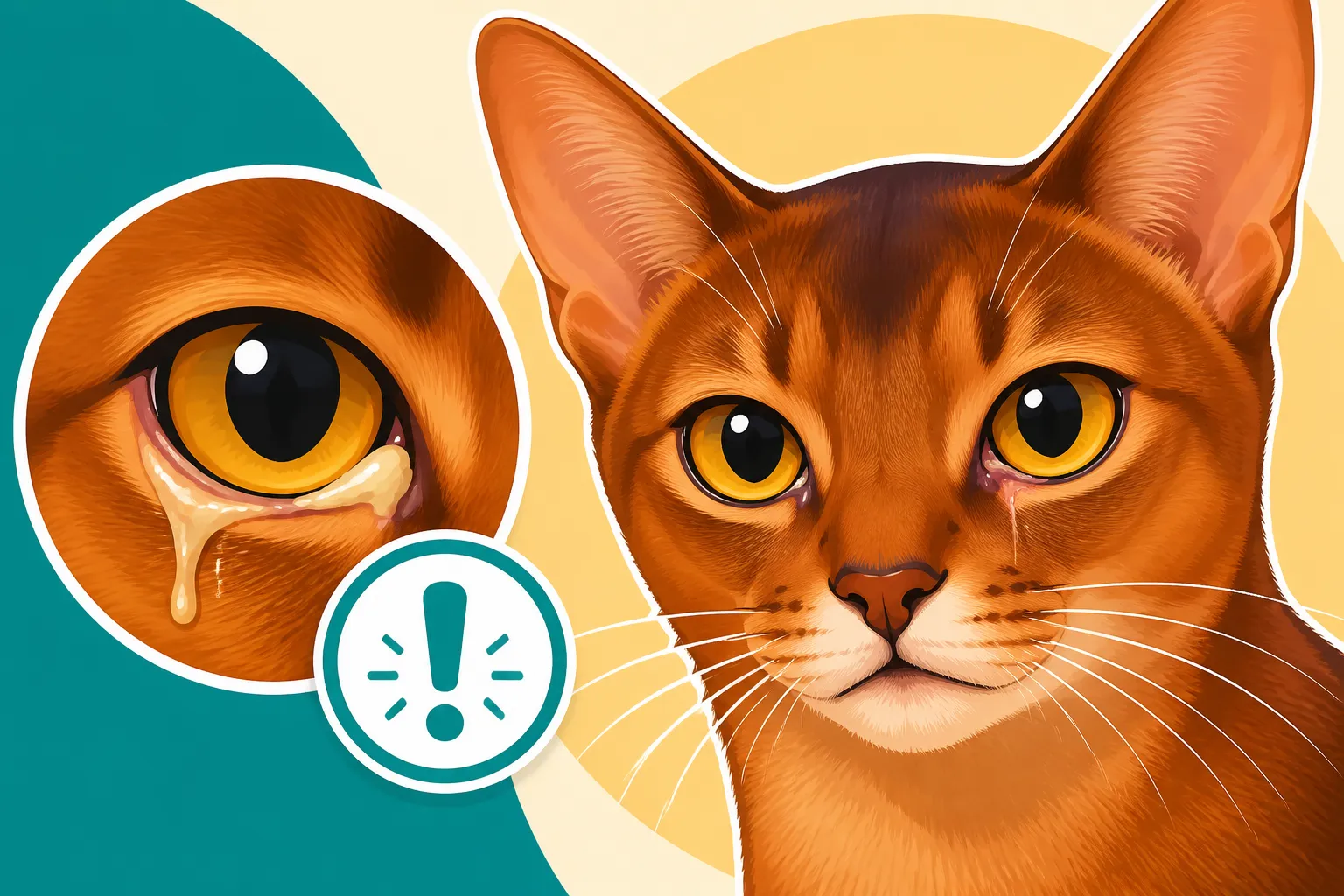
The challenge with our robust and playful Abyssinians is that they can be incredibly stoic about discomfort. Their natural energy and zest for life can sometimes mask early signs of illness, including eye problems, making it crucial for us to be observant. If you start seeing a consistent increase in the amount of discharge, or if its appearance changes, that’s your first signal. Instead of clear, watery tears, you might notice it becoming cloudy, milky, yellowish, or even greenish. It might also become thicker, more glue-like, or start to smell.
Beyond the discharge itself, pay close attention to your Abyssinian's behavior. Are they squinting more often? Is one eye held partially closed? Are they rubbing their face on furniture or pawing at their eye? You might also see redness or swelling around the eye, or perhaps the third eyelid (a membrane typically hidden in the corner of the eye) becomes more visible. Sometimes, the fur around the eye might become stained from the continuous discharge. These are all subtle, yet important, clues that their vibrant eyes are telling you something isn't quite right. Our cats are masters of disguise when it comes to pain, so these small shifts are often the only indications we get. Why an Abyssinian Hides Illness Longer Than a Heavy Cat delves into this tendency further, highlighting how crucial your keen observation skills are.
Why Ignoring Eye Discharge Isn't an Option
It's tempting to think that a little eye discharge will simply clear up on its own, especially if your Abyssinian seems otherwise fine. However, when it comes to eyes, delay can often lead to more serious, and sometimes permanent, damage. What starts as a minor irritation can quickly escalate into a full-blown infection, a corneal ulcer, or even indicate a more profound systemic health issue. Imagine having a tiny piece of grit in your own eye – it's uncomfortable and can cause bigger problems if not addressed. For an Abyssinian, an untreated eye condition can cause significant pain, impair their vision, and severely impact their quality of life, especially for such an active and observant breed.
Early intervention is truly the key. Getting to the bottom of the discharge quickly means a faster diagnosis, more effective treatment, and a much better prognosis for your cat. It also means less discomfort for your Abyssinian and potentially less stress and cost for you in the long run. Don't ever feel silly for bringing your cat to the vet for "just some eye goo"—your instincts are often spot on, and protecting their vision is paramount.
Common Causes of Abyssinian Eye Discharge
Understanding the potential culprits behind your Abyssinian's eye discharge can help you provide your vet with valuable information, aiding in a quicker diagnosis and effective treatment plan. It's a bit like detective work, piecing together the clues from their environment and behavior.
Environmental Irritants and Allergies
Our homes, as much as we try to keep them clean, are full of potential eye irritants for our curious Abyssinians. Dust, for example, is a huge one. Their propensity for climbing and exploring every nook and cranny means they're often stirring up dust from high shelves or under furniture. Similarly, common household cleaning products, air fresheners, or even scented candles can release airborne particles or chemicals that irritate sensitive feline eyes. Sometimes, the very litter we use can be a problem. Dusty litters can cause irritation, leading to watery eyes or even mild conjunctivitis. You might find that switching to a low-dust or dust-free litter makes a noticeable difference. If you're looking into options, Which Litter Texture an Abyssinian Will Not Refuse can offer some great insights.
Beyond household irritants, Abyssinians, like us, can suffer from seasonal allergies. Pollen, certain grasses, or even mold spores can trigger an allergic reaction that manifests as watery, itchy, or red eyes, sometimes accompanied by sneezing. If your cat's eye discharge seems to coincide with certain times of the year or after they've been investigating a new plant, allergies might be at play. Identifying and minimizing exposure to these environmental triggers is often the first step in managing such issues.
Bacterial and Viral Infections
Infections are a very common cause of noticeable eye discharge in cats. One of the most frequent culprits is conjunctivitis, often referred to as "pink eye." This is an inflammation of the conjunctiva, the lining of the eyelids and the whites of the eyes. Bacterial conjunctivitis typically causes thick, colored discharge—yellow, green, or even brownish—often accompanied by redness and swelling. It can affect one eye or both.
Another major player, particularly in multi-cat households or those with a history of rescue cats, is feline herpesvirus (FHV-1). This is a highly contagious viral infection that often causes classic upper respiratory infection symptoms (sneezing, runny nose) but frequently presents with significant eye involvement. FHV-1 can cause clear to thick discharge, corneal ulcers, and chronic conjunctivitis. The tricky part with herpesvirus is that once a cat is infected, they are usually carriers for life, and flare-ups can be triggered by stress, often leading to recurring bouts of eye discharge and discomfort. Other less common bacterial infections can also cause eye issues, so a vet diagnosis is essential to determine the correct course of treatment.
Anatomical Issues and Injury
Sometimes, the problem isn't an infection or irritant but something structural or an acute trauma. Abyssinians, with their boundless energy and love for exploring vertical spaces, are certainly prone to accidental bumps and scrapes. A tiny scratch on the cornea (the clear outer layer of the eye) from a playful swat or running into something can cause pain, squinting, and increased tearing. Small foreign bodies, like a speck of litter, a piece of fuzz, or even a stray hair, can become lodged under an eyelid, leading to constant irritation and discharge.
Tear duct issues can also be a cause. If a tear duct is partially or fully blocked, tears can't drain properly and will overflow, leading to chronic wetness around the eye and potentially skin irritation. While less common in Abyssinians than in some brachycephalic (flat-faced) breeds, it's still a possibility. Eyelid abnormalities, where the eyelids don't sit correctly or eyelashes grow inwards (entropion/ectropion), can also cause chronic irritation, though these are typically observed from a young age.
Underlying Systemic Health Concerns
It's important to remember that the eyes are not isolated organs; they can often be a window into your cat's overall health. Persistent or unusual eye discharge can sometimes be a symptom of a broader systemic health issue that might not seem directly related at first glance. For instance, upper respiratory infections (URIs), caused by various viruses or bacteria, very commonly present with ocular discharge alongside sneezing and nasal discharge. Think of it like a human cold – your eyes often water and get goopy when you're congested.
In some cases, more serious illnesses can indirectly impact eye health. For example, certain immune-mediated diseases or even some metabolic disorders can sometimes have ocular manifestations. If your Abyssinian is also showing other subtle signs like changes in appetite, energy levels, or behavior alongside the eye discharge, it's a strong indicator that a full veterinary workup is warranted. Abyssinians are known for their ability to maintain a facade of wellness even when feeling poorly, so never dismiss general malaise if it accompanies eye symptoms. Why a Lethargian Abyssinian Needs Blood Work Fast offers more detail on observing and acting on these broader health indicators.
When to Seek Veterinary Attention
You know your Abyssinian best, and your intuition is your most valuable tool. When you see something concerning with their eyes, it's always better to err on the side of caution and consult with a veterinary professional.
Red Flags That Require Immediate Action
While a little clear discharge now and then might be benign, there are definite "red flags" that should prompt an immediate call to your vet or an emergency clinic. If you observe any of the following, don't wait:
- Sudden Onset: If the discharge appears suddenly and severely, especially if it's accompanied by other symptoms.
- Pain: If your Abyssinian is squinting, blinking excessively, holding an eye partially or fully closed, or pawing at their face repeatedly. This indicates discomfort, and eye pain can be intense.
- Significant Redness or Swelling: If the whites of the eyes are very red, or the eyelids themselves are swollen and inflamed.
- Thick, Colored Discharge: Any discharge that is yellow, green, thick, pus-like, or has an unpleasant odor. This is a strong indicator of infection.
- Cloudiness of the Eye Itself: If the cornea (the clear surface of the eye) appears cloudy, hazy, or has any visible ulcers or lesions.
- Changes in Vision: If your cat seems disoriented, bumps into things, or is hesitant to jump or climb, it could indicate vision impairment. While Abyssinians are incredibly adaptable, sudden vision changes are serious. What an Abyssinian Does First as Its Sight Goes offers insight into how vision changes manifest.
Delaying treatment for these types of symptoms can lead to rapidly worsening conditions, chronic pain, and potentially irreversible vision loss. Always consider it an emergency when these signs are present.
What to Expect at the Vet
When you bring your Abyssinian in for an eye concern, your vet will start with a thorough history, asking about the duration of symptoms, any changes you've noticed, your cat's general health, and any recent stressors. Be prepared to describe the discharge's color, consistency, and frequency.
The examination itself will typically involve:
- General Physical Exam: To check for any systemic illness, fever, or other signs of discomfort that might be related.
- Ocular Examination: The vet will carefully examine both eyes using an ophthalmoscope, looking at the eyelids, conjunctiva, cornea, and sometimes even the structures inside the eye.
- Fluorescein Stain Test: This is a common and quick test where a harmless orange dye is dropped into the eye. If there's an abrasion or ulcer on the cornea, the dye will stick to the damaged area and glow under a special blue light, making even tiny scratches visible.
- Schirmer Tear Test: Sometimes, if dry eye is suspected, a small strip of paper is placed under the eyelid to measure tear production.
- Swabs or Samples: If an infection is suspected, your vet might take a swab of the discharge for cytology (looking at cells under a microscope) or culture (to identify specific bacteria or viruses).
- Blood Work: If there's a concern about a systemic illness causing the eye issues, blood tests might be recommended.
Based on these findings, your vet will formulate a diagnosis and recommend a treatment plan, which might include medicated eye drops or ointments, oral medications, or in rare cases, surgical intervention.
Home Care vs. Professional Treatment
It’s completely understandable to want to do something to help your distressed Abyssinian right away. For very minor, clear, watery discharge with no other symptoms, you can try gently wiping the area with a soft, clean cloth dampened with warm water or a sterile saline solution. Products like sterile eye wash from brands available on Chewy or Amazon can be helpful for this initial gentle cleansing. However, this is only for comfort and hygiene, not for treating an underlying condition. Never use human eye drops or ointments unless specifically instructed by your vet, as many can be harmful to cats.
For anything more than minimal, clear weeping, professional veterinary treatment is essential. If your vet prescribes eye drops or ointments, it’s critical to administer them exactly as directed and to complete the full course of medication, even if your cat’s eyes appear to be improving. Stopping treatment too early can lead to a relapse or antibiotic resistance. Your vet might also recommend an Elizabethan collar (the "cone of shame") to prevent your Abyssinian from rubbing or scratching their eyes, which can worsen the condition or remove medication. Remember, consistent communication with your vet during the treatment period is key to your Abyssinian's speedy recovery.
Preventing Eye Discharge in Your Abyssinian
While we can't completely prevent every possible cause of eye discharge, there's a lot we can do as conscientious Abyssinian owners to minimize risks and promote optimal eye health. It's all about creating a supportive environment and staying vigilant.
Maintaining a Clean Environment
A clean living space is one of the most effective ways to reduce environmental irritants that can lead to eye discharge. Regular dusting and vacuuming, especially in those high-up places your Abyssinian loves to explore, can significantly cut down on airborne dust and dander. Using air purifiers can also help capture microscopic particles that might otherwise irritate sensitive eyes. When it comes to cleaning products, opt for unscented, pet-safe options where possible, and ensure good ventilation when you're cleaning.
Another critical factor is your choice of cat litter. Many conventional litters can be incredibly dusty, and those fine particles can easily irritate your Abyssinian's eyes and respiratory system as they dig and cover. Switching to a low-dust or even completely dust-free litter can make a surprising difference. Consider brands that offer very fine, less dusty textures. Always keep the litter box clean, as ammonia fumes from neglected litter can also be an irritant.
Routine Eye Checks and Grooming
Even though Abyssinians are renowned for their self-grooming and Why an Abyssinian's Dark Rimmed Eyes Need Little Cleaning often focuses on the cosmetic aspect, developing a routine of gently checking their eyes is invaluable. Make it a habit to quickly examine their eyes each day as part of your interaction, perhaps during a cuddle or a play session. Look for clarity, redness, swelling, or any unusual discharge. If you see a little clear, crusty "sleep," gently wipe it away with a soft, clean, damp cloth or a specialized feline eye wipe. These wipes are readily available from retailers like Chewy or Amazon and are formulated to be gentle and safe for the delicate eye area.
Starting this routine when they are kittens can make it much easier. How to Start Grooming an Abyssinian Kitten emphasizes the importance of early positive experiences with handling, which extends to eye care. If your Abyssinian becomes accustomed to you gently touching their face and eyes, future examinations or medication administration will be far less stressful for both of you. This consistent, gentle interaction also helps you notice subtle changes early, before they become more serious.
Supporting Overall Health and Immunity
A strong, healthy body is naturally more resistant to infections and environmental stressors, and that includes eye health. Providing your Abyssinian with a high-quality, nutritionally complete diet is foundational to a robust immune system. Ensure their food has an appropriate protein level to support their lean, muscular build and high energy needs, as discussed in Which Protein Level Keeps an Abyssinian's Muscle On.
Regular veterinary check-ups are also crucial. Your vet can catch subtle health issues before they become major problems. How Often a Healthy Adult Abyssinian Needs Checking is a good reminder that consistent vet care, including keeping their vaccinations up to date, helps protect them from common viruses and bacteria that can cause eye infections. Which Vaccines an Indoor Abyssinian Actually Needs provides further details on necessary immunizations. Additionally, minimizing stress in your Abyssinian's environment can help prevent flare-ups of latent viral infections like feline herpesvirus, which are often triggered by stressful events. A calm, predictable routine, plenty of enrichment, and consistent affection all contribute to their overall well-being and, by extension, their eye health.
Comparison of Normal vs. Concerning Eye Discharge
To help you quickly assess what you're seeing, here's a handy comparison table:
| Feature | Normal Abyssinian Eye Discharge | Concerning Abyssinian Eye Discharge |
|---|---|---|
| Quantity | Minimal; occasional small amount in inner corner | Increased, persistent, or excessive tearing/discharge |
| Color | Clear, watery, sometimes dries to a light, translucent crust | Cloudy, milky, yellow, green, brown, or blood-tinged |
| Consistency | Thin, watery, or fine crust | Thick, sticky, gooey, pus-like, mucoid, or stringy |
| Odor | None | Foul or unusual odor |
| Associated Symptoms | None; eyes are bright, comfortable, and open | Squinting, pawing at eye, excessive blinking, rubbing face, redness, swelling, visible third eyelid, lethargy, sneezing, loss of appetite, changes in vision |
| Impact on Surrounding Fur | Minimal to none; may occasionally cause a slight, dry streak | Staining or matting of fur around the eye, especially the inner corner or below the eye |
Knowing these distinctions can empower you to make informed decisions about when it's time to reach out to your veterinarian.
Disclaimer
This article is for general informational purposes only and does not constitute professional advice. Laws, prices and regulations vary by location and change over time. Consult a qualified professional for guidance on your specific situation.