How Often to Check a Climbing Abyssinian’s Back Claws
One of the most common oversights for owners of our wonderfully active Abyssinian friends is keeping a close eye on those back claws. It's easy to focus on the front paws, which are always in action, batting at toys, kneading, and generally making their presence known. But your climbing Abyssinian relies heavily on their powerful hind legs and their sharp back claws for all that incredible vertical acrobatics, and sometimes those claws can get neglected, leading to discomfort or even injury. This guide will walk you through how often to check your Abyssinian's back claws, what to look for, and how to keep them healthy.
The Unique Demands of an Abyssinian's Lifestyle on Their Claws
Abyssinians are not your typical lounging lap cats. They are athletes, explorers, and connoisseurs of height. Their entire environment is a playground, from the tops of bookcases to the highest cat trees, and every jump, climb, and scramble puts their paws, and especially their claws, to rigorous use. This constant activity means their claws experience different wear patterns than those of a less energetic breed, and it's something we, as their dedicated humans, need to be acutely aware of.
Why Front Claws Wear Faster During Play and Scratching
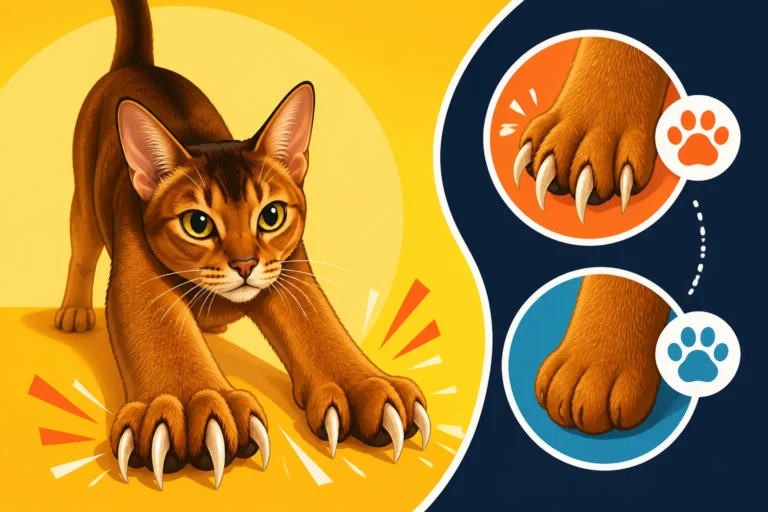
It’s completely natural to pay more attention to your Abyssinian's front claws. They're the ones they use for almost everything you see: scratching posts, batting at dangling toys, "making biscuits" on your softest blanket, and even opening cabinets. Because these claws are in such frequent contact with abrasive surfaces like sisal posts or cardboard scratchers, they tend to get more natural wear and tear. You'll often find yourself trimming them more frequently because they're simply used more in daily interactions and grooming. Why an Abyssinian Destroys Cheap Furniture Faster touches on the kind of equipment they need for this activity. This active engagement helps keep the front claws somewhat shorter and sharper, which is ideal for their hunting and playing instincts.
How an Abyssinian's Vertical Nature Impacts Back Claw Wear
Now, let's talk about those powerful hind paws. Abyssinians are known for their incredible jumping and climbing prowess. They launch themselves upwards with impressive force, using their back claws to grip surfaces like cat trees, wall shelves, and even the unfortunate curtain if they’re feeling particularly mischievous. However, unlike the front claws that are constantly being dug into scratching posts horizontally, the back claws often get less direct abrasive action during vertical movement. They provide traction and grip, but the act of climbing itself doesn't always file them down uniformly or as effectively as a dedicated scratching session files the front claws. This can lead to the back claws growing longer, and sometimes thicker, than you might expect, especially if their climbing surfaces aren't ideal for natural abrasion. You might notice them digging in harder when they land or push off, which is a sign they might be getting a bit too long.
The Hidden Dangers of Overgrown Back Claws
Overgrown back claws might seem like a minor inconvenience, but for an active Abyssinian, they can quickly become a serious problem. Imagine trying to leap onto a high shelf when your claws are snagging on everything or digging painfully into your paw pads with every landing. Overly long back claws can cause discomfort, make it harder for your cat to grip surfaces effectively, and even alter their gait, potentially leading to joint strain over time. The worst-case scenario is when a claw grows so long it curves and penetrates the paw pad, leading to painful infection, lameness, and a trip to the vet. This is particularly concerning because Abyssinians are so stoic and might hide their discomfort until it becomes severe. Why a Lean Abyssinian Hides Illness Longer Than a Heavy Cat explains how good they are at masking pain.
Establishing a Regular Back Claw Check Routine
Given their unique needs and tendency to mask discomfort, a proactive approach to checking your Abyssinian's back claws is absolutely essential. Don't wait until you hear them click-clacking across the floor or notice them hesitating before a jump. Make it a routine part of your cat care, just like feeding or playing.
Recommended Frequency for Active Abyssinians
For an active Abyssinian, I'd honestly recommend a quick visual check of all paws, front and back, every day. This doesn't need to be a full examination; just a glance as they stretch or pass by, looking for any obvious snags or curls. For a more thorough, hands-on check, aim for at least once a week. This allows you to really get in there, gently separate their toes, and inspect each claw.
Here’s why weekly is so important:
- Rapid Growth: Cat claws grow surprisingly fast, and a week can make a difference, especially for those that aren't getting natural wear.
- Early Detection: Catching a slightly long claw before it becomes overgrown is much easier to manage. You can trim a tiny bit off without stress, rather than dealing with a significantly overgrown, potentially painful situation.
- Familiarity: Regular handling makes your Abyssinian more accustomed to having their paws touched, making trimming sessions much less stressful for both of you. This consistency is key.
What to Look For During a Back Claw Check
When you perform your weekly check, you're not just looking at length. You're assessing the overall health of the claw and paw. Here’s a checklist of what to keep an eye out for:
- Length: Are the claws extending beyond the paw pad when your Abyssinian stands? If you can hear them clicking on hard floors, they're definitely too long. For back claws, this is especially true. They should retract almost fully.
- Sharpness and Curvature: While you don't want them needle-sharp, look for claws that are excessively pointed or beginning to curve inward towards the paw pad. A gentle curve is normal, but a tight curve is a red flag.
- Splits or Breaks: Examine each claw for any cracks, splits, or signs of breakage. These can be painful and prone to infection.
- Ingrown Claws: This is the big one. An ingrown claw occurs when it curves so much it starts growing into the soft paw pad. This is incredibly painful and requires immediate attention. Look for redness, swelling, or tenderness around the paw pad.
- General Paw Pad Health: While you're there, quickly check the paw pads themselves. Look for any cuts, abrasions, swelling, or redness. Abyssinians can be surprisingly tough on their feet during their adventures.
- Reactions to Touch: Does your Abyssinian flinch or pull away excessively when you touch a specific paw or claw? This could indicate pain or discomfort that needs further investigation.
Gentle Handling Techniques for Your Abyssinian
Let's be real: most cats aren't thrilled about having their paws handled, and an energetic Abyssinian can make it feel like wrestling an eel. But with patience and a positive approach, you can make claw checks and trims a much smoother experience.
- Start Early (if possible): If you have a kitten, begin handling their paws gently from day one. Make it a part of cuddle time. Even older cats can learn, but it takes more consistency.
- Choose the Right Time: Don't try to examine their claws when they're in the middle of a zoomie session or deep sleep. A quiet, relaxed moment, perhaps after a meal or a vigorous play session when they're winding down, is ideal.
- Make it Positive: Always associate paw handling with positive reinforcement. Offer a favorite treat, gentle praise, or a quick belly rub immediately after you touch their paws. Even if you only manage to touch one paw before they pull away, reward them. Consistency over intensity is key.
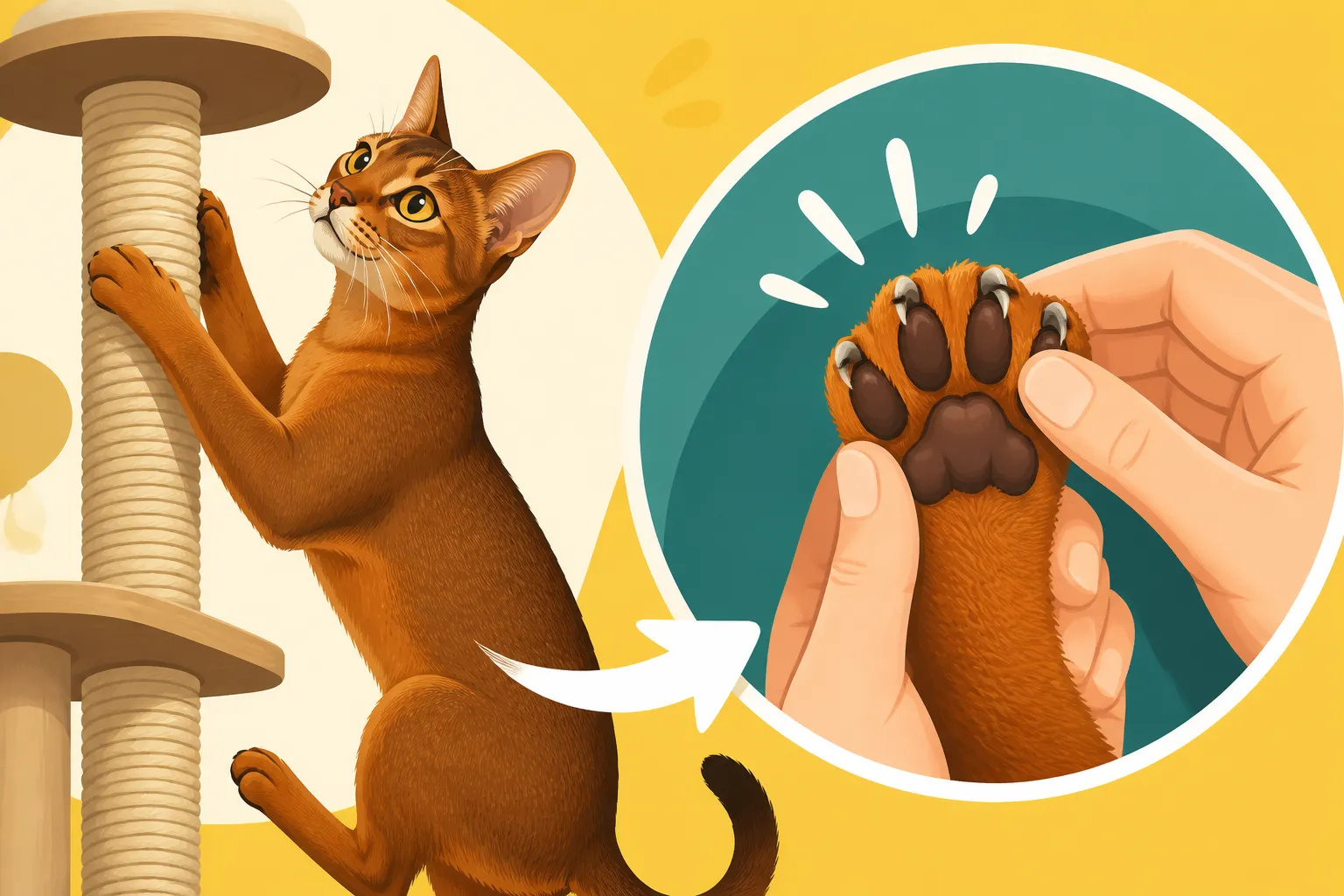
- "Squish the Bean": Gently press on the top and bottom of a toe to extend the claw. Do this smoothly and confidently. Release quickly. The more you do it, the more accustomed they'll become.
- One Paw at a Time: You don't have to inspect all four paws in one sitting. If your Abyssinian tolerates one or two paws, celebrate that victory and come back later or the next day for the others.
- Use a Comfortable Position: Hold your Abyssinian securely but gently. Some cats prefer to be held in your lap, others might be more comfortable on a table. Find what works for both of you.
- Stay Calm: Cats are incredibly attuned to our emotions. If you're stressed or anxious, they'll pick up on it, making them more resistant. Take a deep breath!
By making these checks a regular, positive experience, you'll not only keep tabs on their claw health but also strengthen the bond you share with your agile companion.
When to Intervene: Trimming vs. Vet Visit
Once you’ve established a checking routine, the next step is knowing what to do if you find a problem. Sometimes, a quick trim at home is all that's needed. Other times, it's best to call in the professionals.
The Art of the At-Home Back Claw Trim
Trimming your Abyssinian's back claws is very similar to trimming their front claws, but remember they are typically thicker and might require a bit more pressure. Here’s a basic guide:
- Gather Your Tools: You'll need a good quality pair of cat nail clippers. Scissor-style clippers often work well for smaller claws, while guillotine-style can be better for thicker claws. Make sure they are sharp. Dull clippers can crush the nail, causing pain. You might find a good selection on Chewy or Amazon. Have some styptic powder (or cornstarch) on hand, just in case you cut too far back.
- Find a Calm Setting: As mentioned, choose a quiet moment when your Abyssinian is relaxed.
- Position Your Cat: Hold your Abyssinian comfortably and securely. You might sit them on your lap, facing away from you, or have a helper gently hold them.
- Isolate a Paw: Gently take one of their back paws in your hand. Gently press the top and bottom of a toe to extend the claw fully.
- Identify the Quick: Look carefully at the claw. You'll see a pink area near the base of the nail – this is the "quick," where blood vessels and nerves are located. NEVER cut into the quick. For clear or light-colored claws, the quick is easy to spot. For darker claws, it's trickier. If in doubt, only trim the very tip.
- Make the Cut: Position the clippers perpendicular to the claw. Make a quick, decisive cut just below the quick, at the very tip of the claw. If you're unsure, it's always better to cut less rather than more.
- Repeat: Move to the next claw, rewarding your Abyssinian periodically if they tolerate it well. Don't feel pressured to do all of them at once. How to Cut an Abyssinian's Claws Alone offers more detailed tips.
| Claw Type | Typical Wear Pattern | Checking Frequency | Trimming Frequency (if needed) | Key Things to Look For |
|---|---|---|---|---|
| Front Claws | High wear from scratching, kneading, playing | Daily visual, weekly hands-on | Every 2-4 weeks | Over-curled, sharp points, snags |
| Back Claws | Moderate wear from climbing, less from scratching | Daily visual, weekly hands-on | Every 3-6 weeks | Overly long, growing into paw pad, splitting |
Recognizing Signs Your Abyssinian Needs Professional Claw Care
While at-home trims are great for maintenance, there are times when a trip to the veterinarian is absolutely necessary. Don't hesitate to seek professional help if you notice any of these signs:
- Ingrown Claws: If a claw has already pierced or is pressing deeply into the paw pad, it needs veterinary attention. Your vet can safely remove the ingrown portion, clean the wound, and provide antibiotics if infection is present. Trying to fix this at home can be painful and lead to further complications.
- Limping or Lameness: Any sign of limping, favoring a paw, or reluctance to put weight on a back leg is a serious indicator of pain or injury, which could easily be claw-related.
- Swelling or Redness: If a paw pad or the area around a claw is swollen, red, or warm to the touch, it suggests inflammation or infection.
- Excessive Licking or Chewing: If your Abyssinian is constantly licking, chewing, or biting at their back paws, it's their way of telling you something hurts.
- Bleeding or Discharge: Any bleeding from a claw or paw pad, or the presence of pus or foul-smelling discharge, warrants immediate veterinary care.
- Extreme Resistance to Handling: If your cat is usually good about paw handling but suddenly becomes extremely aggressive or fearful, it's often because they're in pain.
Your vet can assess the situation, trim the claws safely, and address any underlying issues. Remember, your Abyssinian relies on those strong back legs for their energetic lifestyle, so keeping them pain-free is paramount.
The Importance of Scratching Posts and Environmental Enrichment
Even with a diligent checking and trimming routine, providing ample opportunities for natural claw wear is crucial for an Abyssinian. They instinctively need to scratch to shed old claw layers, stretch their muscles, and mark their territory.
- Variety is Key: Offer a variety of scratching surfaces. Abyssinians often love tall, sturdy sisal posts that allow them to stretch fully, but they might also enjoy horizontal cardboard scratchers or scratching ramps. Having several options in different locations encourages use. You can find excellent, durable options on Chewy or Amazon.
- Vertical Space: Since Abyssinians are natural climbers, ensure they have plenty of vertical territory like Why an Abyssinian Needs a Tall Cat Tree and wall-mounted shelves. The act of jumping to and gripping these surfaces can provide some natural abrasion, especially if they are made of materials like wood or carpet that they can dig into safely. Why Wall Shelves Work Better Than a Tree for an Abyssinian details the benefits of varied vertical enrichment.
- Placement Matters: Place scratching posts in prominent areas where your Abyssinian spends time, or near furniture you want them not to scratch. Cats often scratch after waking up or after a meal, so consider these locations.
- Engage in Play: Regular, vigorous play sessions encourage your Abyssinian to use their claws actively on toys, providing mental and physical stimulation that contributes to overall paw health. Toys that encourage leaping and climbing can indirectly help with back claw health.
By creating an environment that supports their natural behaviors and provides appropriate outlets for their energetic antics, you can help keep your Abyssinian's back claws in optimal condition, reducing the need for constant manual intervention and ensuring they can continue to climb to their heart's content.
Disclaimer
This article is for general informational purposes only and does not constitute professional advice. Laws, prices and regulations vary by location and change over time. Consult a qualified professional for guidance on your specific situation.