Why an Abyssinian’s Coat Looks Different in Every Light
If you've ever found yourself staring at your gorgeous Abyssinian, convinced their coat just shimmered into a different shade or glowed with an impossible depth, you're not imagining things. That incredible, ever-changing appearance of an Abyssinian's coat under various lights is one of their most captivating features, and it’s all thanks to a truly unique genetic trait. This guide will dive deep into the fascinating reasons behind this optical illusion, helping you understand and appreciate the magic of your Aby's fur.
The Science Behind the Shimmer: Agouti Gene and Ticking
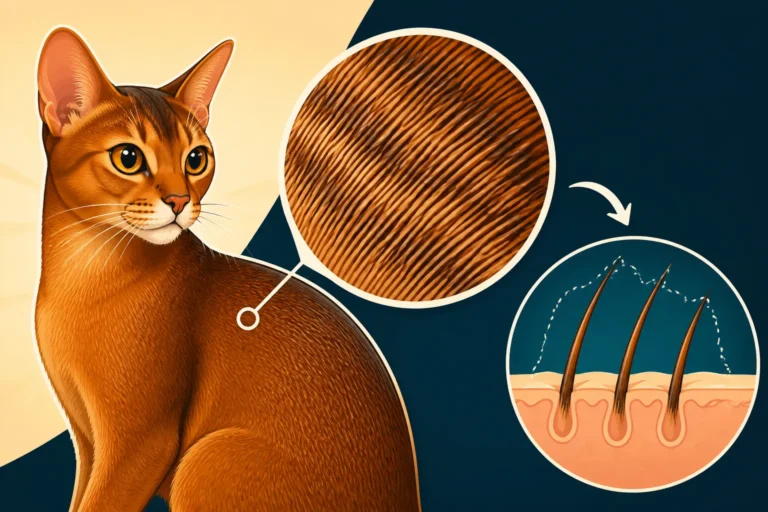
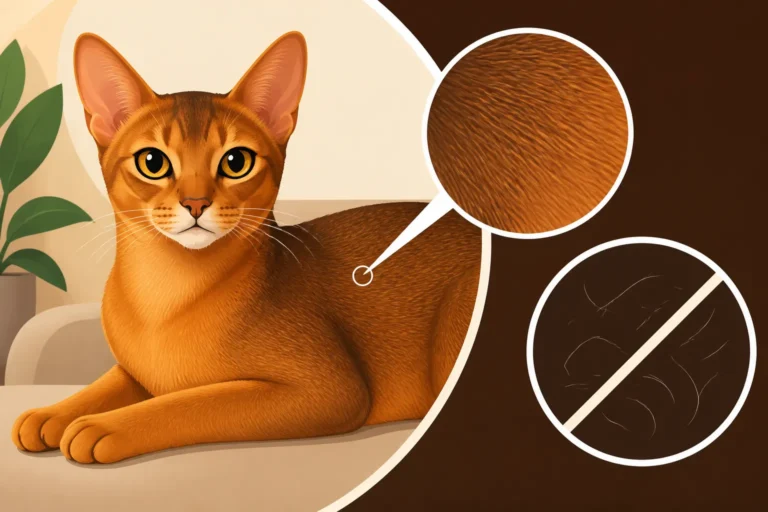
The Abyssinian's coat is a marvel of genetics, designed to catch and refract light in a way few other cat breeds can. It’s not just one color; it’s a symphony of shades woven into each individual hair shaft. This phenomenon is primarily due to the "agouti" gene and the distinct "ticking" pattern it creates.
What Agouti Means for Each Hair Shaft
Think of each individual hair on your Abyssinian as a tiny, multi-colored paintbrush stroke. Unlike solid-colored cats where each hair is one uniform shade from root to tip, an Abyssinian's hair has bands of color. This is the hallmark of the agouti gene. Each hair shaft typically displays three or four distinct bands of pigment, alternating between a darker, more intense color and a lighter, warmer one. The tip of the hair is usually the darkest, giving the coat its characteristic rich depth. When light hits these individual banded hairs, it bounces off these different color segments at varying angles, creating that breathtaking, shimmering effect that seems to shift as your cat moves or as the light changes. It’s like a living textile woven with metallic threads. This intricate banding pattern is why the Abyssinian looks like it's constantly in motion, even when they're perfectly still. To learn more about this, you can check out Why Each Abyssinian Hair Carries Three or Four Bands.
This multi-banded hair shaft is crucial because it’s not just about the color on the cat, but how light interacts with that color within each strand. Imagine a handful of tiny prisms; that's essentially what each hair is doing. As your Aby stretches, pounces, or even just breathes, their fur moves, and with every shift, new angles of these banded hairs are presented to the light, causing that constant play of color and highlight. It’s a dynamic coat, never static, always showing a new facet. This is also why The Ticked Coat Is the Whole Abyssinian Grooming Job is so important—you want to maintain that individual hair integrity.
The Absence of Tabby Stripes and Its Effect
One of the defining characteristics of the Abyssinian's agouti coat is the complete lack of distinct tabby stripes or barring on the body, legs, and tail. While some Abyssinians might exhibit faint "ghost" tabby markings, particularly on the legs or face, a truly well-bred Aby will have a uniformly ticked body coat. This absence of traditional tabby patterns allows the individual ticking on each hair to take center stage, maximizing the light-refracting effect.
If an Abyssinian had prominent stripes, the solid bands of color within those stripes would absorb and reflect light differently than the ticked areas, breaking up the seamless shimmer. Instead, the continuous, unbroken ticking across the body creates a smooth canvas for light to dance upon. This uniformity enhances the overall iridescent quality, making the coat appear almost liquid or like finely polished metal. It's a key factor in why What an Abyssinian's Coat Should Feel Like in the Ring often emphasizes the evenness of the ticking. This smooth presentation of the agouti banding is a hallmark of the breed's beauty standard, ensuring that the light plays uniformly across their entire body rather than being interrupted by contrasting patterns. This lack of striping contributes significantly to the sleek, almost wild appearance that is so characteristic of the breed, giving them that stunning, regal bearing often compared to ancient Egyptian cats.
How Different Lights Reveal Different Hues
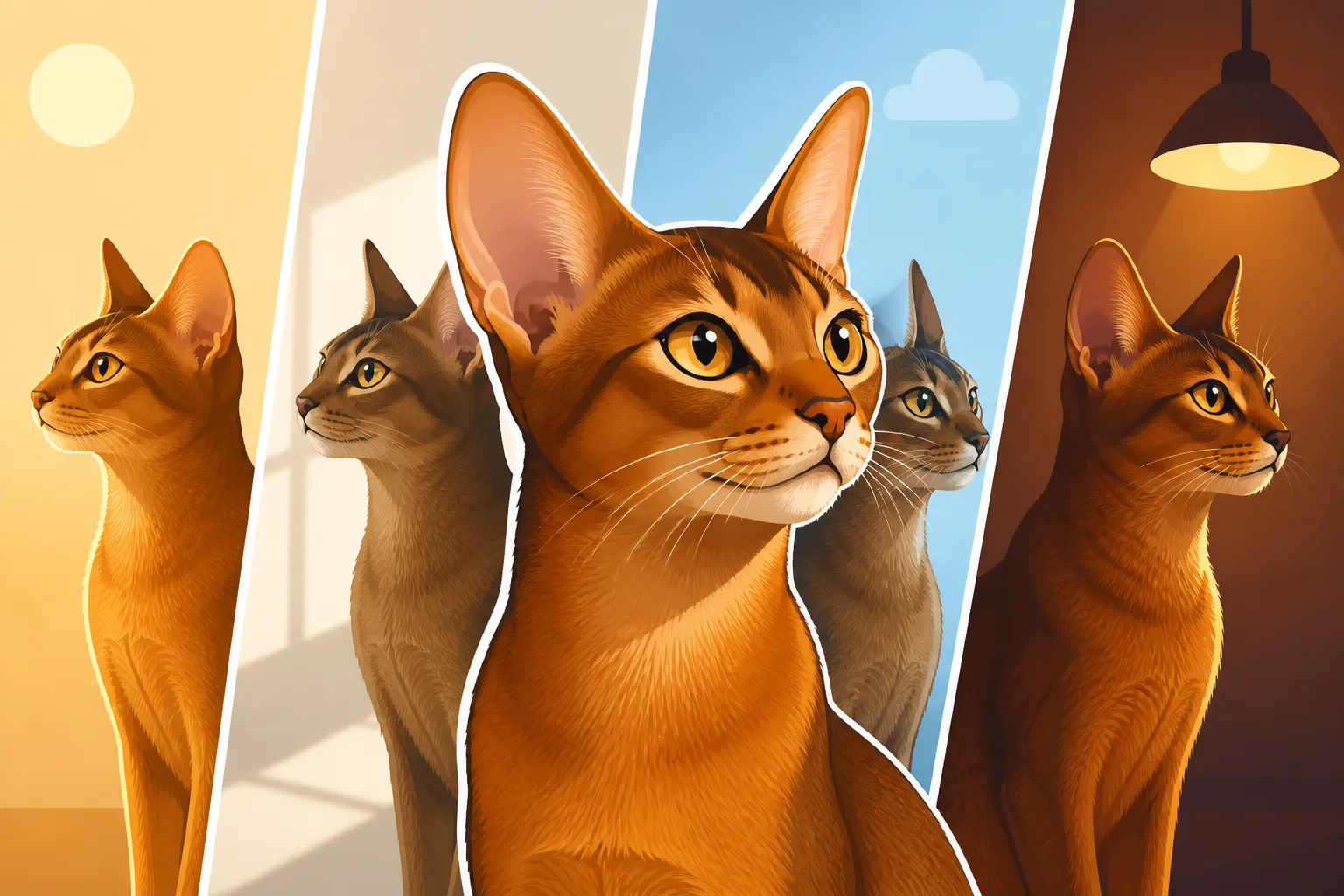
The type and intensity of light hitting your Abyssinian's coat profoundly influence how you perceive its color and depth. What looks like a deep, rich ruddy under the soft glow of a lamp can transform into a vibrant, fiery copper in direct sunlight. This chameleon-like quality is a constant source of wonder for Aby owners.
Natural Sunlight vs. Indoor Lighting
Natural sunlight, especially direct sunlight, is like turning up the saturation on your Abyssinian's coat. The full spectrum of light allows each of the colored bands on the individual hairs to reflect with maximum brilliance. In sunlight, the darker bands of ticking become more pronounced, giving the coat a rich, intense hue, while the lighter bands shimmer with a golden or coppery glow. This interplay creates an incredible depth that makes the coat seem to glow from within. You’ll notice every subtle variation, every glint of gold or bronze, and the overall effect is often much warmer and more vibrant. It's truly when their coat comes alive, showcasing the intricate details of their genetic makeup. This is also why How an Abyssinian's Coat Shimmers When It Moves is so apparent in natural light, as the movement accentuates the banding.
Conversely, indoor lighting, which often has a more limited spectrum (think warmer incandescent or cooler LED lights), can mute these effects or even alter the perceived color. Under warm indoor lights, a ruddy Abyssinian might appear even richer, almost mahogany, as the red and brown tones are emphasized. Under cooler, bluish-white LED lights, the same cat might appear a slightly softer, perhaps even more silvery-brown, as the cooler tones reflect differently. The ticking might seem less distinct, giving the coat a smoother, more uniform appearance, although still with that characteristic Abyssinian glow. The artificial environment can't quite capture the full dynamic range of their coat, but it still highlights its unique texture and depth.
The Illusion of Depth and Movement
The way light interacts with the ticked coat doesn't just change the color you see; it creates a profound illusion of depth and constant movement. Because each hair has multiple bands of color, and because these hairs lie in different directions and at slightly different angles across the body, the light doesn't reflect back uniformly. Instead, it creates a visual texture that seems to shift and ripple.
When your Abyssinian moves, even slightly, the hairs shift, presenting new facets of their banded structure to the light. This means areas that were dark might suddenly catch the light and shimmer, while previously bright areas might fall into shadow. This dynamic interaction gives the impression that the coat itself is fluid, almost alive, constantly playing with light and shadow. It's what makes them look so wild and elegant, like they've just stepped out of an ancient tapestry. The effect is so pronounced that sometimes, in a dimly lit room, an Aby's coat can appear almost uniformly dark, only to explode with fiery highlights the moment a ray of sunshine hits them. This depth is something truly unique to the breed, setting them apart from cats with solid or even simpler tabby patterns.
Table: How Light Affects Abyssinian Coat Appearance
| Light Source | Effect on Ruddy Abyssinian Coat | Effect on Blue Abyssinian Coat | Effect on Fawn Abyssinian Coat |
|---|---|---|---|
| Direct Sunlight | Vibrant coppers and oranges, rich mahogany undertones, high shimmer. | Silvery-blue highlights, deep slate-grey bands, cool and ethereal glow. | Warm rose-beige, soft cream undertones, incredibly pale and delicate shimmer. |
| Soft Daylight | Warm golden-brown, subtle reddish hints, natural and balanced depth. | Muted blue-grey, a hint of soft peach, calm and sophisticated appearance. | Pale cream or oatmeal, very soft and subtle ticking, almost monochromatic. |
| Incandescent | Deep, rich warmth, strong red-brown tones, less intense shimmer but cozy. | Warmer grey-blue, less distinct banding, a slight softening of the overall hue. | Creamy yellow-beige, highlights the warm tones, less "fawn" and more "caramel." |
| Cool LED | Stronger contrast between bands, cooler brown tones emphasized, crisp clarity. | Sharper blue-grey, bright silver glints, almost steely, very modern look. | Pale silver-beige, cool undertones emphasized, can appear almost white in parts. |
The Role of Coat Health and Grooming
While genetics lay the foundation for the Abyssinian's stunning coat, how well you care for your cat significantly impacts its ability to shimmer and change color in the light. A healthy, well-maintained coat will always appear more vibrant and dynamic than one that is dull or neglected.
Diet and Its Impact on Luster
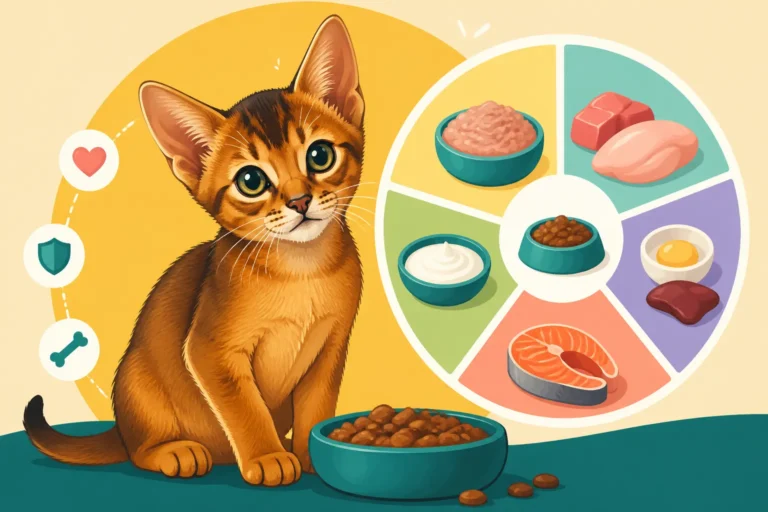
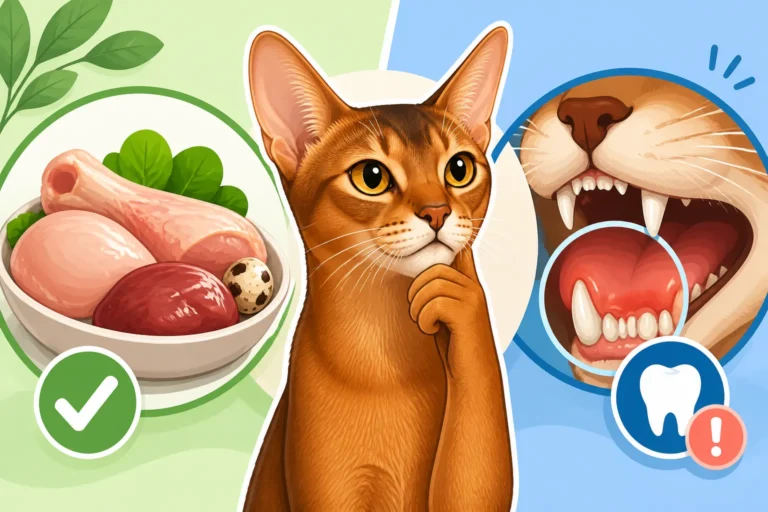
The old adage "you are what you eat" holds true for your Abyssinian's magnificent coat. A diet rich in high-quality animal proteins and essential fatty acids (like Omega-3 and Omega-6) is absolutely crucial for maintaining the luster and health of their fur. These nutrients are the building blocks for healthy skin and hair, ensuring each strand is strong, supple, and capable of reflecting light beautifully. A lack of these vital components can lead to a dull, brittle coat that appears flat and lifeless, regardless of the lighting.
Imagine trying to polish a dusty, unconditioned surface; it simply won't shine. The same goes for your Aby's coat. A diet that skimps on quality ingredients, or one that is unbalanced, won't provide the necessary oils and proteins for a naturally glossy finish. Many Abyssinian owners find success with premium commercial cat foods that list meat as the first ingredient, or even fresh-food options with human-grade ingredients and balanced nutrition. Some enthusiasts also swear by adding a small amount of fish oil or a vet-approved omega supplement to their cat's meals to give that extra boost of shine. Remember, a shiny coat isn't just for looks; it's a strong indicator of overall health, and What to Feed an Abyssinian That Never Stops Moving is key to that.
Gentle Grooming to Enhance Shine
The Abyssinian is a low-maintenance breed when it comes to grooming, largely thanks to their unique coat structure which has almost no undercoat. This means less shedding and fewer mats. However, "low maintenance" doesn't mean "no maintenance." Regular, gentle grooming sessions are essential to distribute natural skin oils, remove loose hairs, and, most importantly, polish the individual hair shafts so they can catch the light effectively.
Using a soft rubber mitt or a chamois cloth is ideal for an Abyssinian. These tools help to smooth the coat and enhance its natural sheen without disturbing the delicate ticking. A quick, weekly wipe-down with a chamois cloth, available on platforms like Amazon, can do wonders for bringing out that breathtaking shimmer. Over-grooming with harsh brushes or deshedding tools can actually damage the delicate hair shafts and flatten the ticking, diminishing that desired dynamic effect. Think of it as buffing fine furniture; you want to enhance, not scratch. Regular grooming also serves as a bonding experience and allows you to check for any skin issues. Consistent, gentle care ensures that every single one of your Abyssinian's unique banded hairs is in prime condition to reflect light and display its full, magnificent color range. For more tips on this, refer to How a Chamois Brings Up an Abyssinian's Shine.
Understanding the Standard Abyssinian Colors and Their Variations
The Abyssinian breed is recognized in a few core colors, but even within these standards, the unique ticking gives each cat a profound range of visual nuances. These base colors act as the foundation for the light-play, influencing the overall hue and warmth of the coat's changing appearance.
Ruddy, Sorrel, Blue, and Fawn in Action
The four most widely recognized Abyssinian colors are Ruddy, Sorrel, Blue, and Fawn. Each of these colors has its own distinct beauty, but they all share the fundamental ticked pattern that creates the dynamic light-reflecting effect.
- Ruddy: This is often considered the "original" Abyssinian color and is sometimes called "Usual" in some regions. A ruddy Abyssinian features a warm, reddish-brown base coat with black or very dark brown ticking. When light hits a ruddy Aby, the darker bands give it depth, while the lighter, warmer bands explode with rich, coppery, or even orange-gold highlights. Depending on the light, a ruddy can look anywhere from a warm cinnamon to a deep, burnished bronze. What Ruddy Means on an Abyssinian provides more detail on this classic shade.
- Sorrel: Also known as Red in some parts of the world, Sorrel Abyssinians have a vibrant, warm copper or reddish-brown base coat with chocolate-brown ticking. Under different lighting conditions, the sorrel coat can range from a bright, fiery orange to a deep, rich chestnut, often with stunning gold or apricot highlights. It's a truly dazzling color that always seems to glow. What Sorrel Means on an Abyssinian offers further insights.
- Blue: Don't expect a true sky blue! Blue Abyssinians have a delicate blue-grey base coat with darker slate-blue or grey ticking. The interaction of light with these cool tones creates a soft, ethereal shimmer that can appear silvery-blue, smoky grey, or even a pale lavender in certain lights. It's a more subdued elegance compared to the warmer colors but equally captivating. You might find What a Blue Abyssinian Looks Like interesting for more details.
- Fawn: This is the dilute version of Sorrel, resulting in the palest of the recognized colors. Fawn Abyssinians have a soft, rosy-beige or cream base coat with light brown or mushroom-colored ticking. In various lights, a fawn can appear anywhere from a delicate dusty rose to a warm, sandy tan, with subtle highlights that almost seem to glow with a gentle inner warmth. What a Fawn Abyssinian Looks Like delves deeper into this beautiful, rare shade.
Each of these colors, while distinct, leverages the agouti ticking to present an ever-changing spectacle under the play of light.
Silver: The Undercoat's Influence
While not one of the four base colors, Silver is a modifier that can be applied to any of the standard Abyssinian colors, creating a stunning variation. A silver Abyssinian possesses a clear, almost white or very pale cream undercoat, which contrasts sharply with the darker ticking bands. This silvering effect dramatically enhances the light-reflecting properties of the coat.
For example, a Silver Ruddy Abyssinian will have a stark, brilliant white or pale cream base to each hair, with the usual black or dark brown ticking. When light hits this coat, the contrast is amplified, making the darker bands stand out more sharply against the shimmering silver backdrop. This gives the coat an almost metallic, glittering appearance, often described as an "iced" or "frosted" effect. The lighter bands, instead of reflecting warm tones, will reflect a cool, bright silver, making the entire cat appear incredibly luminous and radiant. This variation isn't just about a lighter shade; it's about how the extreme contrast in the individual hair shafts magnifies the light-bending phenomenon, making the cat look even more ethereal and magical.
Beyond Light: Other Factors Influencing Coat Appearance
While the unique ticking and ambient light are primary drivers of the Abyssinian's ever-changing coat, several other factors can subtly influence its appearance. Understanding these can help you appreciate the nuances even more.
Age and Coat Development
An Abyssinian kitten's coat is rarely a preview of its adult glory. When they're very young, often When an Abyssinian Kitten's Adult Ticking Arrives, their coats can appear rather fuzzy, uneven, or even blotchy. The ticking isn't fully developed, and the bands on each hair might not be as distinct. They're still growing into their colors, much like a child grows into their personality. This can sometimes be a surprise for new owners who expect the mature, shimmering coat right away.
As your Abyssinian matures, typically by around one to two years of age, their adult coat fully develops. The individual hairs become finer, and the banding becomes much more pronounced and uniform. This maturation allows for the full expression of the agouti gene, enhancing the coat's ability to refract light and display its dynamic range. An older, senior Abyssinian might experience a slight dulling or thinning of the coat, or even some subtle fading, as part of the natural aging process. The intensity of their ticking may soften, and the overall brightness might diminish slightly, but the underlying mechanism of light reflection will still be there, just perhaps in a more gentle form.
Seasonal Changes and Shedding
Just like many other animals, Abyssinians experience subtle seasonal changes in their coats, even though they are generally known for minimal shedding. In colder months, you might notice How an Abyssinian's Coat Thickens in Winter. Their fur can become a bit denser, offering better insulation. This slight increase in density can subtly alter how light penetrates and reflects off the coat, potentially giving it a slightly fuller, perhaps less "sharp" shimmer, but still with plenty of depth.
As spring and summer approach, Abyssinians will typically shed their denser winter coats in favor of a lighter, sleeker summer coat. This seasonal shedding, though often not as dramatic as in breeds with thick undercoats, can still lead to periods where the coat might appear less uniform. During this time, you might notice a very slight reduction in the intensity of the light play as some older hairs are replaced by new ones. However, once the new coat fully comes in, it often returns with renewed vibrancy and gloss, ready to catch the summer sun. Regular, gentle grooming during these transition periods, perhaps with a rubber mitt available from Chewy or Amazon, can help remove any loose hairs and keep the coat in optimal condition for maximum shimmer. How Much More an Abyssinian Sheds in Spring is a good read for managing these transitions.
Disclaimer
This article is for general informational purposes only and does not constitute professional advice. Laws, prices and regulations vary by location and change over time. Consult a qualified professional for guidance on your specific situation.