Whether Raw Feeding Suits an Abyssinian With Fragile Gums
It's incredibly frustrating when you're trying your best to give your Abyssinian the healthiest life possible, especially when they're prone to dental issues, and then you hear about raw feeding and wonder if it's truly the answer or just another complicated risk. This guide will dive deep into the world of raw feeding for Abyssinians, specifically addressing whether it's a suitable or safe option for cats already struggling with fragile gums, helping you navigate the choices with confidence.
Understanding Abyssinian Gums and Dental Health
Abyssinians are known for their vibrant energy and striking appearance, but unfortunately, they can also be prone to specific health issues, including dental problems. Many Abyssinian owners find themselves dealing with gum inflammation, gingivitis, or even more severe periodontal disease at a surprisingly young age. It’s not just a minor inconvenience; chronic dental issues can significantly impact your cat's quality of life and even lead to other health complications.
Why Abyssinian Gum Trouble Starts at Six Months
It often feels like you blink, and suddenly your energetic Abyssinian kitten, barely past its baby teeth, is showing signs of gum inflammation. This isn't just bad luck; there's a recognized predisposition in Abyssinians, and some other purebreds, for a condition called juvenile gingivitis. It often flares up right around the six-month mark, coinciding with the eruption of their adult teeth. While other breeds might sail through this period, an Abyssinian's gums can become alarmingly red and swollen.
This early onset gum trouble can be particularly disheartening because you expect a young kitten to be robust and free from such issues. Yet, for many Abyssinian owners, this is the first significant health hurdle they face. The inflamed gums can be painful, making eating uncomfortable, and can lead to a cycle of further irritation if not managed diligently. You can read more about this specific challenge in Why an Abyssinian Kitten's Gums Fail at Six Months.
The Link Between Gum Disease and Overall Health
What might seem like a localized issue in your cat's mouth actually has far-reaching implications for their entire body. Just like in humans, untreated gum disease in cats is a gateway for bacteria to enter the bloodstream. These bacteria can then travel to vital organs, potentially causing serious secondary infections or exacerbating existing conditions. We're talking about impacts on the heart, kidneys, and liver, turning a dental problem into a systemic health crisis.
When your Abyssinian's gums are fragile, inflamed, or bleeding, that protective barrier is compromised, making it easier for pathogens to infiltrate. This is why consistent and effective dental care isn't just about fresh breath; it's a crucial component of their long-term health and lifespan. Ignoring gum disease, hoping it will resolve itself, is akin to ignoring a chronic infection – it will only worsen and spread, potentially reducing The Twelve to Fifteen Years an Abyssinian Usually Gets.
Recognizing Signs of Fragile Gums
Knowing what to look for can make all the difference in catching dental problems early, especially with Abyssinians. Beyond the obvious red, swollen gums, there are more subtle cues that your cat might be experiencing discomfort or developing issues. Bad breath, for instance, is a strong indicator of bacterial overgrowth in the mouth, not just a normal "cat smell." You might also notice a change in their eating habits, such as chewing on one side of their mouth, dropping food, or showing reluctance to eat hard kibble.
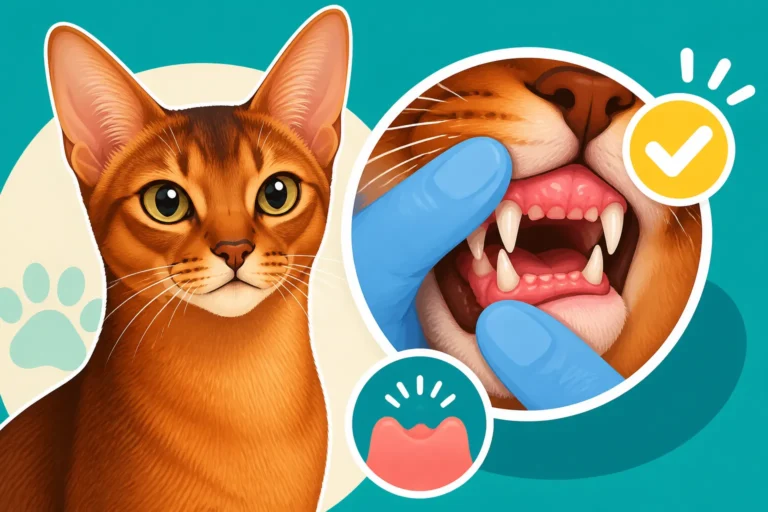
Other signs include pawing at their mouth, excessive drooling, or even behavioral changes like irritability or withdrawal, as they might be experiencing pain. Gently lifting your Abyssinian's lips to inspect their gums and teeth regularly is a vital part of their routine care. If you see bleeding, ulcers, or significant plaque buildup, it's time for a vet visit. Early detection of How Juvenile Gingivitis Starts in an Abyssinian Kitten can prevent more aggressive treatments later on.
The Basics of Raw Feeding for Cats
Raw feeding, for many cat owners, feels like a return to nature. The idea is to mimic the diet of a cat in the wild, which would consist primarily of whole prey animals. This means feeding raw meat, bones, and organs, rather than processed kibble or canned foods. The philosophy is that cats are obligate carnivores, and their digestive systems are optimally designed to process raw animal proteins and fats, with minimal carbohydrates.
The debate around raw feeding is passionate, with advocates touting numerous health benefits, from shinier coats and increased energy to improved digestion and, yes, better dental health. However, it also comes with its own set of responsibilities and potential pitfalls, especially when considering a cat like an Abyssinian with known dental sensitivities.
What a Balanced Raw Diet Looks Like
When we talk about a "balanced" raw diet for cats, we're not just talking about throwing a hunk of steak in a bowl. A truly balanced raw diet needs to replicate the nutritional profile of a whole prey animal, which means getting the ratios of muscle meat, bone, and organs just right. Typically, this breaks down to roughly 80% muscle meat, 10% edible bone, and 5% liver, with another 5% for other secreting organs like kidney or spleen.
Achieving this balance is crucial because cats have very specific nutritional needs. For instance, they require taurine, an amino acid vital for heart health and vision, which is abundant in raw muscle meat and organs but can be diminished in cooked or heavily processed foods. Fats are also essential for energy and nutrient absorption, and a good raw diet will include a healthy amount, often from varied sources. Without careful formulation, a raw diet can quickly become nutritionally deficient or imbalanced, which can be detrimental to your Abyssinian's health over time.
Types of Raw Diets: Commercial vs. DIY
When exploring raw feeding, you'll generally find two main paths: commercially prepared raw diets and homemade or "do-it-yourself" (DIY) raw diets. Both have their pros and cons, and the best choice often depends on your commitment, knowledge, and comfort level with food preparation.
Commercial raw diets are often seen as the more convenient option. These foods are typically pre-ground, portioned, and formulated to be nutritionally complete and balanced, adhering to established nutritional guidelines. Many are flash-frozen and come in various forms, such as patties, nuggets, or crumbles. You can find these from a range of specialized pet food companies, and they are often available through online retailers like Chewy or specialty pet stores. The advantage here is the reduced risk of nutritional imbalance, as the hard work of formulation is done for you, and reputable brands often undergo rigorous testing. However, they can be more expensive, and options for specific dietary needs might be limited.
DIY raw feeding, on the other hand, gives you complete control over the ingredients. This approach involves sourcing raw meat, organs, and bones yourself and preparing them at home. It requires significant research to ensure you're meeting all of your Abyssinian's nutritional requirements, including essential vitamins and minerals. Tools like meat grinders and precise scales might be necessary, and you can often find specialized equipment or even supplements on platforms like Amazon to aid in preparation. The benefit is the ability to tailor the diet precisely to your cat's needs and avoid any ingredients you prefer not to feed. The major drawback is the higher risk of nutritional deficiencies or bacterial contamination if not done correctly and hygienically. It's a steep learning curve, and mistakes can have serious health consequences.
Potential Benefits of Raw Feeding for Abyssinian Gums
The allure of raw feeding for cats with dental issues, particularly Abyssinians, often centers on the idea that chewing on raw bones can naturally clean their teeth, much like their wild ancestors would. But the potential benefits extend beyond just mechanical cleaning; there are also considerations for overall oral health and systemic well-being.
Improved Oral Hygiene from Chewing Bones
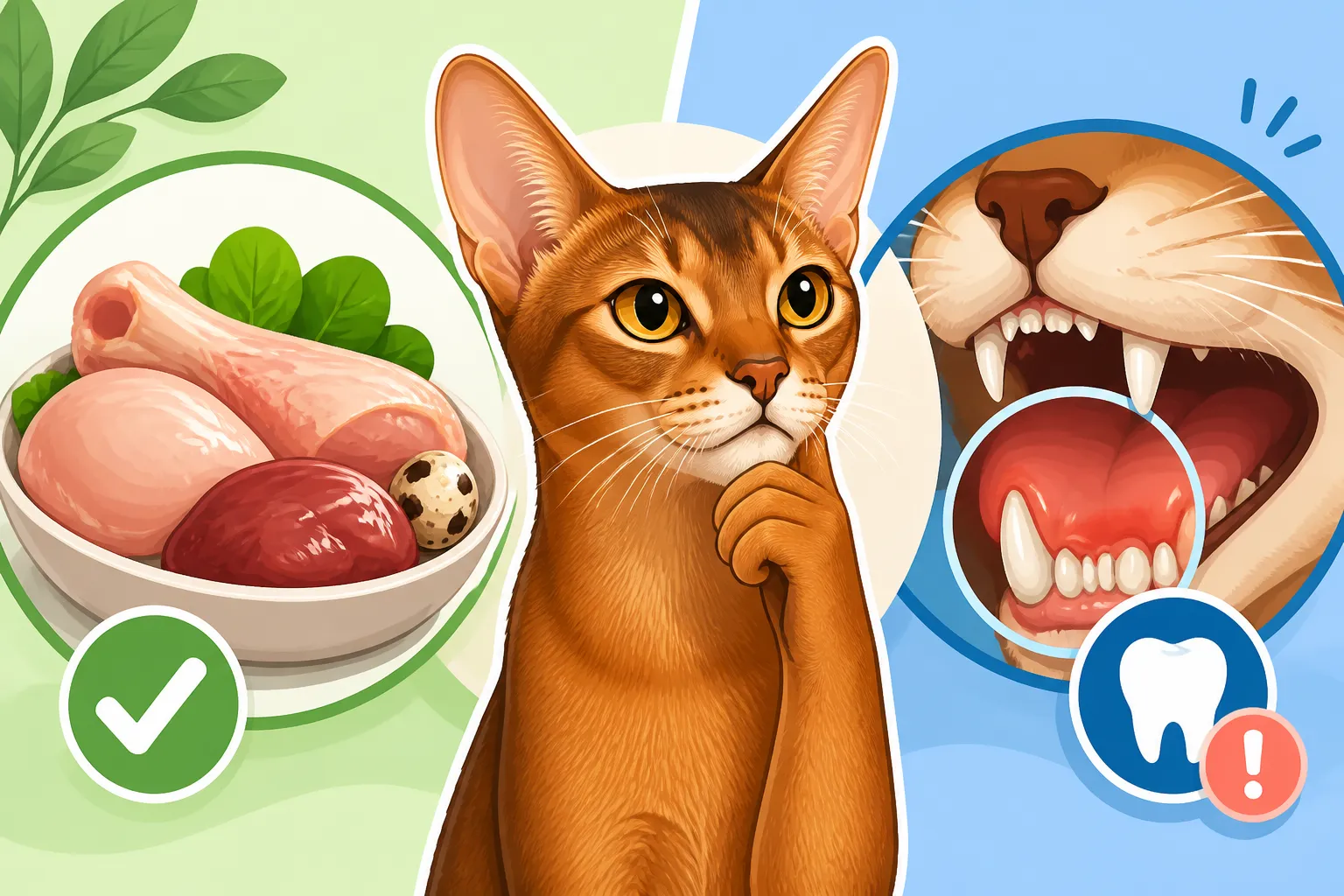
One of the most frequently cited benefits of raw feeding, especially for dental health, is the inclusion of raw, edible bones. The act of tearing and chewing on these bones, such as chicken necks or wings, is thought to provide a natural abrasive action that scrapes away plaque and tartar from the teeth. This mechanical cleaning can be far more effective than crunchy kibble, which often shatters into small pieces without much scrubbing action.
For an Abyssinian, who might already be predisposed to plaque buildup and gingivitis, this natural "brushing" can be a game-changer. Imagine your cat spending time working on a raw chicken neck, diligently cleaning each tooth surface. This active chewing can help keep the teeth cleaner between professional dental cleanings and potentially reduce the frequency of needing a full What a Gingivectomy Involves for an Abyssinian or scale and polish. This natural approach can be incredibly appealing to owners looking for ways to support their cat's oral health proactively, especially if traditional brushing proves challenging.
Reduced Inflammation and Systemic Health Benefits
Beyond mechanical cleaning, proponents of raw feeding often highlight its potential to reduce inflammation throughout the body, including in the gums. Processed foods, particularly those high in carbohydrates and synthetic ingredients, are sometimes implicated in contributing to systemic inflammation. A species-appropriate raw diet, rich in natural enzymes, moisture, and bioavailable nutrients, is believed by some to support a healthier inflammatory response.
For an Abyssinian with fragile gums, reducing overall inflammation could translate to less redness, swelling, and pain in their mouth. A healthier gut biome, often associated with a raw diet, can also contribute to a stronger immune system, making the cat better equipped to fight off bacterial infections that lead to gum disease. The idea is that by feeding a diet closer to what they evolved to eat, you're not just treating symptoms, but fostering a healthier internal environment that supports oral health from the inside out. This holistic approach can be particularly attractive when facing recurring or persistent gum issues in your beloved Abyssinian.
Enhanced Nutrient Absorption for Tissue Health
Another significant benefit attributed to raw feeding is the superior bioavailability of nutrients. Cooking and processing can degrade essential vitamins, minerals, and enzymes that are crucial for tissue repair and regeneration. In a raw diet, these delicate nutrients remain intact, allowing your cat's body to absorb and utilize them more efficiently. For fragile gums, this means better access to the building blocks needed for healthy gum tissue, stronger teeth, and a more robust immune response within the mouth.
Key nutrients like Omega-3 fatty acids, often found in fish and certain oils (and less stable when heavily processed), are powerful anti-inflammatories that can directly benefit gum health. Vitamins like C and E, and minerals such as zinc, all play vital roles in wound healing and immune function. Providing these in their natural, easily absorbable forms through a raw diet could theoretically enhance the resilience of your Abyssinian's oral tissues, helping them maintain healthier gums and recover more effectively from any minor irritations. This focus on optimal nutrient delivery is a cornerstone of the raw feeding philosophy.
Potential Risks and Challenges of Raw Feeding for Abyssinian Gums
While the potential benefits of raw feeding for dental health are appealing, it's crucial to approach this diet with a clear understanding of the risks, especially for Abyssinians with pre-existing fragile gums. What might be beneficial for some cats could pose significant dangers for others.
Bacterial Contamination Concerns
One of the most widely discussed risks of feeding raw meat is bacterial contamination. Raw meat can harbor pathogens like Salmonella, E. coli, and Listeria, which can cause food poisoning in both pets and humans. While cats' digestive systems are typically more acidic and shorter than humans', offering some protection, they are not immune. An Abyssinian with compromised health or a sensitive digestive system might be particularly vulnerable.
The primary concern isn't just for your cat, but for your entire household. Handling raw meat requires stringent hygiene practices to prevent cross-contamination in your kitchen. This means meticulous cleaning of all surfaces, bowls, and utensils, as well as proper handwashing. If your Abyssinian has fragile gums, any open sores or inflammation in their mouth could potentially increase the risk of these bacteria entering their bloodstream, leading to serious systemic infections. It's a significant responsibility that requires unwavering commitment to food safety protocols every single day.
Choking Hazards and Tooth Fractures from Bones
While raw, edible bones are championed for their teeth-cleaning abilities, they also present considerable risks, particularly for a cat with already fragile gums or developing dental issues. Raw bones can splinter, leading to choking or internal organ perforation. Even if they don't splinter, inappropriately sized or hard bones can cause painful tooth fractures. Imagine an Abyssinian with already sensitive gums attempting to chew on a bone that is too hard – it could easily crack a tooth, leading to extreme pain, infection, and the need for costly dental surgery.
It's not just about the type of bone, but also the cat's chewing style. Some cats are gentle chewers, while others are aggressive. For an Abyssinian, especially one predisposed to gum issues, careful selection of "edible" bones (which should be soft, non-weight-bearing bones like chicken necks or wings, never large beef bones) and constant supervision are paramount. The very benefit of dental abrasion from bones can turn into a serious injury if not managed with extreme caution. This risk alone is often enough for many owners and veterinarians to caution against feeding raw bones to cats with delicate dental health.
Nutritional Imbalances if Not Formulated Correctly
The allure of DIY raw feeding is strong, but the complexity of creating a truly balanced diet is often underestimated. Cats require a precise balance of macro and micronutrients, including specific amino acids, fatty acids, vitamins, and minerals. Simply feeding muscle meat or an imbalanced mix can lead to severe nutritional deficiencies or excesses over time, which can silently undermine your Abyssinian's health. For instance, too much liver can cause Vitamin A toxicity, while too little calcium (from insufficient bone content) can lead to bone density issues.
This is a particular concern for a growing kitten or an adult Abyssinian, where long-term dietary imbalances can lead to irreversible health problems. It's not just about what they eat today, but the cumulative effect over months and years. While commercially prepared raw diets typically aim for nutritional completeness, even these need careful vetting to ensure they meet AAFCO or FEDIAF standards. For homemade diets, consulting with a veterinary nutritionist is highly recommended to ensure you're providing a complete and balanced meal plan. Without proper formulation, the promise of enhanced tissue health for fragile gums could instead lead to weakened overall health, impacting everything from coat quality to organ function.
Practical Considerations for Raw Feeding an Abyssinian
Deciding whether raw feeding is right for your Abyssinian, especially one with sensitive gums, isn't a decision to take lightly. It involves practical steps, careful monitoring, and a significant commitment to safety and diligence. This isn't a diet you can half-heartedly implement.
Transitioning an Abyssinian to Raw
Switching any cat to a new diet can be a delicate process, but for an Abyssinian, with their sometimes discerning palates and energetic metabolisms, it requires extra patience. Rushing the transition can lead to digestive upset like vomiting or diarrhea, or worse, a complete refusal to eat, which can be dangerous for cats. The key is a slow, gradual introduction.
Start by offering a very small amount of the new raw food mixed with their old food. Some owners begin with a cooked version of the raw meat if their cat is hesitant, gradually decreasing the cooking time until it's entirely raw. The process might take days, weeks, or even months, with some cats adapting quickly and others needing a much slower pace. Monitor their stool and overall demeanor closely during this period. For Abyssinians, who are known for their high energy, maintaining their calorie intake is crucial, so ensure they are consistently eating enough during the transition. You'll want to ensure Which Protein Level Keeps an Abyssinian's Muscle On for their active lifestyle.
Sourcing and Handling Raw Ingredients Safely
The success and safety of a raw diet hinge almost entirely on the quality and safe handling of your ingredients. If you opt for DIY raw feeding, sourcing human-grade meat, organs, and bones from reputable suppliers is non-negotiable. This means buying from sources you trust, whether that's a local butcher, a specialized raw pet food supplier, or even well-managed grocery stores that offer high-quality cuts. Avoid meat that is intended for rendering or animal feed, as it may not meet the same safety standards.
Once you have your ingredients, proper storage and handling are paramount to prevent bacterial contamination. Keep raw meat frozen until needed, thaw it safely in the refrigerator, and never leave it out at room temperature for extended periods. All bowls, cutting boards, and utensils that come into contact with raw meat must be thoroughly washed with hot, soapy water immediately after use. This meticulous hygiene is crucial not only for your cat's health but for the safety of everyone in your home. Remember, even if your Abyssinian's mouth is healthy, bacteria from their bowl can be spread.
Monitoring Your Abyssinian's Health on a Raw Diet
Once your Abyssinian is successfully transitioned to a raw diet, ongoing monitoring becomes even more important. You'll need to pay close attention to their overall health, energy levels, coat condition, and most importantly for this discussion, their oral health. Regular visual checks of their gums and teeth should become a daily habit. Look for any signs of worsening inflammation, new lesions, or increased sensitivity, especially after they've chewed on bones.
Consistent veterinary check-ups are non-negotiable, particularly if your Abyssinian has a history of fragile gums. Discuss the raw diet plan with your vet, and be prepared for regular blood work and dental examinations. Your vet might recommend Which Blood Values Catch an Abyssinian's Kidneys Early or other diagnostics to ensure the diet is not negatively impacting organ function. A good vet will be able to help you assess whether the raw diet is genuinely benefiting your cat's oral health or if it's contributing to new issues. For example, if you see an increase in thirst, it could be a sign of kidney strain, a serious concern for any Abyssinian, as discussed in Why an Abyssinian's Kidneys Make Water Intake Matter.
Alternative and Complementary Approaches to Dental Health
Even if you decide raw feeding isn't the right path for your Abyssinian, or if you choose to implement it, a comprehensive dental care strategy is essential. Raw feeding alone, even with edible bones, might not be sufficient to manage or prevent all dental issues, especially for a breed prone to fragile gums. A multi-pronged approach that combines professional care with diligent home practices is often the most effective.
The Importance of Professional Dental Care
Regardless of diet, regular professional dental care performed by a veterinarian is indispensable for any Abyssinian, and even more so for those with a history of fragile gums. While home care and diet can help, they simply cannot remove hardened plaque (tartar) or address underlying issues that develop beneath the gum line. A professional dental cleaning involves scaling and polishing under anesthesia, allowing the vet to thoroughly clean each tooth, both above and below the gum.
During these procedures, your vet can also perform a comprehensive oral exam, identify any hidden problems like tooth resorption (which Abyssinians can be prone to), or address gum disease. They can take dental radiographs to check the health of the tooth roots and jawbone. For a cat that experiences recurrent gingivitis, these annual or even semi-annual professional cleanings, possibly including procedures like a gingivectomy, are critical for maintaining oral health and preventing the progression of periodontal disease. Don't underestimate What an Abyssinian Dental Cleaning Costs as a vital part of their preventative healthcare.
Effective Home Dental Care Practices
Professional cleanings are fantastic, but what you do at home every day makes the biggest difference in your Abyssinian's dental health. The gold standard for home dental care is daily toothbrushing. Yes, daily! It might sound daunting with a high-energy Abyssinian, but starting young and making it a positive experience can lead to surprising success. Use a soft-bristled pet toothbrush or a finger brush and an enzymatic cat-specific toothpaste (never human toothpaste). Even a minute or two of gentle brushing can significantly reduce plaque buildup.
If direct brushing is a battle you can't win, explore other options. Dental wipes, oral rinses, or water additives approved by the Veterinary Oral Health Council (VOHC) can offer some benefit, though they are generally less effective than brushing. Consistency is key, and the earlier you start with an Abyssinian kitten, the better. Establishing a routine around When an Abyssinian Kitten's Gums First Go Red can make a huge difference in their acceptance of dental care later in life.
Choosing Appropriate Dental Treats and Toys
While not a substitute for brushing or professional care, certain dental treats and toys can be a helpful addition to your Abyssinian's oral hygiene routine. The market is flooded with options, so it's important to choose wisely. Look for dental treats that carry the VOHC seal of acceptance, which indicates they have met specific scientific standards for reducing plaque and/or tartar. Brands often found on pet supply sites or in stores, including those that might be featured on platforms like Chewy, frequently offer VOHC-approved options.
When it comes to dental toys, look for those designed to be chewed, with textures that help scrape the teeth. However, be cautious with very hard chews or toys, as these can pose a risk of tooth fracture, especially for an Abyssinian with existing dental sensitivities. Supervise your cat with any chew toy to ensure it's safe and not breaking into dangerous pieces. While raw bones can offer a unique chewing experience, for cats with fragile gums, specially designed dental toys may provide a safer alternative for mechanical cleaning.
Comparing Dental Health Approaches for Abyssinians
Navigating the various options for your Abyssinian's dental health can feel overwhelming. To help you weigh your choices, here's a comparison of different approaches, particularly in the context of fragile gums.
| Feature | Raw Diet with Edible Bones | Commercial Kibble/Wet Food + Home Brushing | Professional Vet Dental Cleanings | VOHC-Approved Dental Treats/Wipes |
|---|---|---|---|---|
| Primary Benefit | Natural abrasion, potential systemic inflammation reduction | Daily plaque disruption, easy to implement home care | Thorough cleaning, below-gumline treatment, diagnostic checks | Supplemental plaque/tartar reduction, easy application |
| Effectiveness for Plaque | Potentially high (with appropriate bones) | High (if done daily and correctly) | Highest (removes hardened tartar) | Moderate (supports other methods) |
| Cost | High (ingredients, supplements, equipment, vet checks) | Moderate (food, toothbrush, toothpaste) | High (anesthesia, scaling, polishing, potential extractions) | Low to Moderate |
| Risk for Fragile Gums | High (choking, tooth fracture, bacterial infection) | Low (if gentle brushing technique is used) | Low (under vet supervision, but anesthesia risks exist) | Low (if VOHC approved and appropriate for chewing style) |
| Effort Required | Very High (sourcing, prep, hygiene, monitoring) | High (daily brushing commitment) | Moderate (scheduling, pre-anesthetic testing) | Low |
| Veterinary Stance | Mixed/Cautious (concerns about safety and balance) | Generally Recommended (especially with proper brushing) | Strongly Recommended (essential for all cats) | Generally Recommended as an adjunct |
Ultimately, for an Abyssinian with fragile gums, a multi-faceted approach that prioritizes safety and proven efficacy is often the wisest course. This typically means combining regular professional veterinary dental care with consistent home brushing, and carefully evaluating any dietary changes like raw feeding with your vet.
Making the Best Choice for Your Abyssinian's Gums
The journey to ensuring your Abyssinian has healthy gums and teeth is a marathon, not a sprint. There's no single "magic bullet," and for a breed prone to dental issues, diligence and an open mind are your best tools. Whether raw feeding fits into that plan depends entirely on your specific cat, your vet's advice, and your commitment to managing the associated risks.
When considering raw feeding for an Abyssinian with fragile gums, it’s vital to weigh the potential benefits of natural abrasion and enhanced nutrient absorption against the very real dangers of bacterial contamination, choking, tooth fractures, and nutritional imbalances. The responsibility for proper formulation and hygiene lies entirely with you, the owner. If you can't commit to that level of meticulousness, it's safer to explore other effective avenues.
A holistic approach often yields the best results. This means partnering closely with your veterinarian, who can offer tailored advice based on your Abyssinian's individual health profile. Regular professional dental cleanings remain the cornerstone of effective gum disease management, and consistent, gentle home brushing is your most powerful daily weapon against plaque buildup. Supplements, VOHC-approved dental treats, and toys can play a supportive role. By combining these strategies, you create a robust defense against dental disease, helping your spirited Abyssinian maintain comfort and vitality throughout their life.
Disclaimer
This article is for general informational purposes only and does not constitute professional advice. Laws, prices and regulations vary by location and change over time. Consult a qualified professional for guidance on your specific situation.