Why a Bowl Left Down Suits an Abyssinian Badly
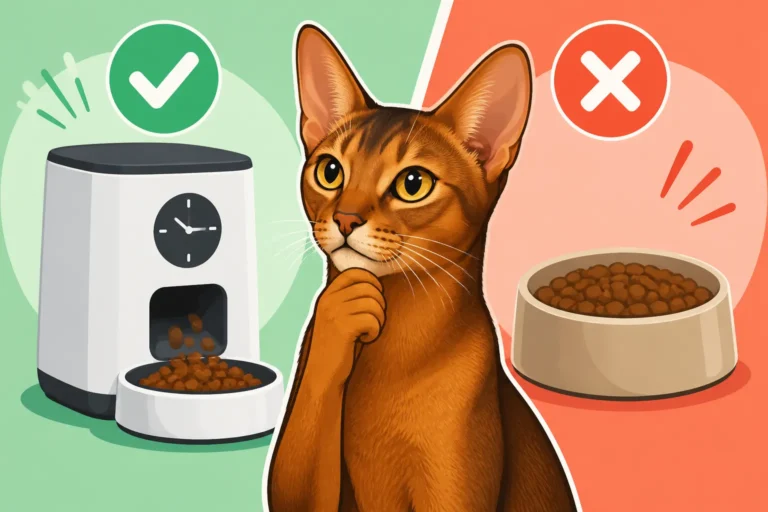
It’s a common habit, isn't it? You fill up the food bowl in the morning, or perhaps just leave a large dispenser out, thinking you’re giving your beloved Abyssinian all the food they could ever want, whenever they want it. But that seemingly convenient "free-feeding" approach, while well-intentioned, often does more harm than good for this specific breed. This guide is all about why leaving a bowl of food down constantly is actually quite bad for an Abyssinian cat, impacting their physical health, mental well-being, and overall quality of life, and what you can do instead to ensure your active companion thrives.
The Abyssinian's Unique Metabolism and Activity Level
Abyssinians are not your average couch potato cats. They are bundles of energy, sleek athletes, and constant explorers. Understanding their inherent drive is key to realizing why a "graze-all-day" buffet simply doesn't align with their natural needs or their health.
Why Abyssinians Are Perpetual Motion Machines
If you live with an Abyssinian, you know they're practically wired differently. They don't just walk; they stalk, pounce, and launch themselves into the air with astonishing grace and power. They're the cats that will climb to the highest point in any room, whether it's the top of the bookshelf, the kitchen cabinets, or even the curtains. They'll chase a wand toy with the ferocity of a wild hunter for what feels like hours, then zoom from one end of the house to the other just because the mood strikes them.
This isn't just playful exuberance; it's a fundamental aspect of their breed. Abyssinians maintain an incredibly high activity level throughout most of their lives, far beyond what you might expect from many other feline companions. They are driven by curiosity and an insatiable need to explore and interact with their environment. This constant motion means their bodies are always working, always burning, and always in need of fuel to sustain that dynamic lifestyle. Expecting them to just sit and leisurely nibble all day ignores the very essence of their being. They typically remain active for How Many Hours a Day an Abyssinian Stays Active, which is a significant portion of their waking hours.
The Calorie Burn of an Active Abyssinian
Because Abyssinians are so active, their caloric needs are often surprisingly high, even for their relatively lean build. They might not be the heaviest cats in the world, but the sheer amount of energy they expend day in and day out means they burn through calories at an impressive rate. This often leads owners to believe they can eat limitless amounts of food without consequence, or that free-feeding is perfectly fine because "they just burn it all off."
While it's true they burn a lot, their metabolism isn't a magic furnace that can handle an endless supply of low-quality, constant intake. Their bodies are built for short, intense bursts of activity followed by rest, much like a small wild predator. When food is constantly available, this natural rhythm is disrupted. They might eat more than they genuinely need out of boredom or habit, rather than true hunger. Over time, even a small, consistent excess can lead to gradual weight gain, putting strain on their athletic joints and organs. It's easy to misunderstand their needs, but How Many Calories an Adult Abyssinian Burns can sometimes be more than a much larger, less active cat. Their lean physique can sometimes hide subtle weight gain, making it harder for owners to notice until it becomes a more significant issue.
The Downside of Free-Feeding for Abyssinians
The seemingly harmless practice of leaving a full bowl of kibble down all day can introduce a host of problems for your energetic Abyssinian, ranging from physical health woes to subtle behavioral shifts.
The Risk of Overeating and Weight Gain
You might think, "My Abyssinian is so active, they can't get fat!" And for many, it’s true that Abyssinians tend to stay quite lean. However, constant access to food, known as free-feeding, can still lead to overeating, even in the most energetic cats. Why? Because eating isn't just about hunger; it's also about boredom, habit, and even stress. An Abyssinian, with its keen intelligence and high energy, can easily fall into the trap of grazing out of sheer lack of other engaging activities, or simply because the food is there.
Even a small amount of excess weight on an Abyssinian can have a disproportionate impact on their health. Their bodies are designed for agility, speed, and effortless climbing. Extra pounds mean more strain on their joints, especially their knees (where conditions like patellar luxation can occur), and their spine. It can exacerbate existing conditions or contribute to new ones, reducing their famed athletic prowess and overall lifespan. Moreover, obesity is a risk factor for diabetes, heart disease, and liver issues in cats. While a truly heavy Abyssinian is unusual, as discussed in Why a Heavy Abyssinian Is Unusual and Worth Checking, any noticeable increase in weight should be a red flag. It’s far harder to get weight off a cat than it is to prevent it in the first place, and for an Abyssinian, every ounce matters.
Digestive Upset and Irregular Eating Habits
Cats, by nature, are meant to eat several small meals throughout the day, often linked to hunting success. Free-feeding disrupts this natural rhythm. Instead of distinct meals, your Abyssinian might take small bites here and there, never quite feeling fully satisfied, or gorge themselves sporadically. This erratic eating can be hard on their digestive system.
It can lead to issues like frequent vomiting, which might be mistaken for hairballs but could actually be due to eating too much too quickly, or simply inconsistent digestion. It also makes it incredibly difficult to monitor your cat's appetite, which is one of the most vital indicators of their health. If your Abyssinian is suddenly eating less, but there's always food in the bowl, you might not notice for days that they're feeling unwell. By the time you do, they might be significantly sicker. A change in appetite is often the very first sign that something is wrong, and missing that cue can delay critical veterinary intervention. When an Abyssinian needs immediate care, such as when it drops weight while ill (How Fast an Abyssinian Drops Weight When Ill), every moment counts, and free-feeding can unfortunately obscure these crucial signals.
The Impact on Mental Enrichment and Behavior
Beyond the physical, free-feeding can profoundly affect your Abyssinian's sharp mind and natural behaviors, potentially leading to boredom, frustration, and even undesirable habits.
Missed Opportunities for Mental Stimulation
Abyssinians are highly intelligent cats. In the wild, or even in a natural hunting scenario, obtaining food is a job. It requires planning, stalking, pouncing, and a certain amount of effort. When food is simply available 24/7 in a bowl, this entire instinctual drive is removed. You're essentially taking away one of the primary "jobs" a cat is wired to do.
This lack of mental engagement can lead to profound boredom in an Abyssinian. An unstimulated Abyssinian is often a mischievous, and sometimes destructive, Abyssinian. They might start "making their own fun" by opening cabinets, climbing where they shouldn't, batting objects off shelves, or generally tearing through the house in ways that are charmingly energetic when purposeful, but frustratingly destructive when driven by boredom. They need to use their brains, and foraging for food is a huge part of that. As we know, Why Foraging Suits an Abyssinian's Mind perfectly, tapping into their natural predator instincts. Denying them this intellectual challenge is like giving a puzzle enthusiast a pre-solved puzzle every day; it quickly loses its appeal.
Reinforcing Undesirable Behaviors
Free-feeding can also inadvertently reinforce or create problematic behaviors around food. When food is constantly available, some Abyssinians might develop an obsessive relationship with it, even if they aren't truly hungry. They might become very vocal or demanding around the food bowl, even if it's already full, simply because they've learned that vocalization gets attention, and attention around food is something they enjoy. Why an Abyssinian Asks for Food It Does Not Need is a common frustration for owners who free-feed.
This can also extend to resource guarding. While less common with free-fed kibble, if you do introduce treats or wet food, a cat accustomed to constant availability might become possessive or even aggressive around food if they perceive it as a scarce resource, even when it isn't. It can create an environment where food becomes the central point of their existence, rather than a healthy, balanced part of their day. Establishing clear meal times and making food a positive, predictable event can help prevent these behaviors from taking root.
Better Feeding Strategies for Your Abyssinian
Moving away from free-feeding doesn't mean your Abyssinian will go hungry. In fact, it's about providing food in a way that is more aligned with their natural instincts and better for their health.
Structured Meal Times and Portion Control
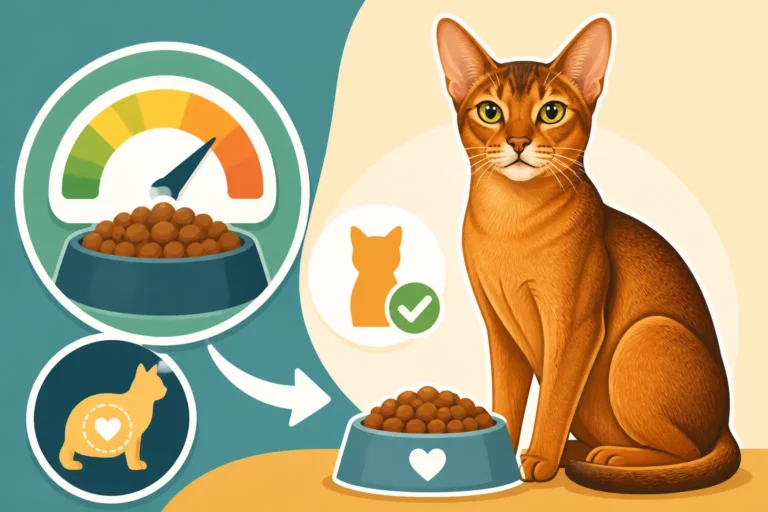
The most straightforward alternative to free-feeding is implementing structured meal times. This means offering a set amount of food at specific times during the day, usually two to three meals. For an Abyssinian, with their high energy, often three smaller meals work better than two large ones, preventing them from getting overly hungry between feedings. How to Portion an Abyssinian Across Three Sittings is a great way to spread out their daily caloric intake and keep their energy levels consistent.
Structured meals offer several benefits:
- Weight Management: You have precise control over how much your cat is eating, making it easier to maintain a healthy weight.
- Digestive Health: Regular meal times help regulate their digestive system, reducing the likelihood of upset stomachs or vomiting.
- Health Monitoring: You immediately notice if your cat skips a meal or eats less than usual, providing an early warning system for potential health issues.
- Routine: Cats thrive on routine. Knowing when mealtime is can reduce anxiety and create a sense of predictability, which can be very comforting for an Abyssinian.
When you bring a new Abyssinian home, especially a kitten, establishing this routine early is vital. It sets them up for a lifetime of healthy eating habits.
Incorporating Puzzle Feeders and Interactive Toys
This is where feeding your Abyssinian truly becomes an enriching experience. Instead of just putting their meal in a bowl, make them work for it! Puzzle feeders transform mealtime into a mental and physical challenge, mimicking the foraging and hunting behaviors they would naturally engage in. These feeders can range from simple treat balls to more complex mazes and compartments that require your cat to use their paws and brains to extract their kibble.
You can find an incredible variety of these feeders on platforms like Chewy or Amazon. Some great options are those that dispense food incrementally as your cat bats them around, or feeders with multiple levels where they have to 'dig' for their food. Which Puzzle Feeders Hold an Abyssinian's Attention often involve movement or mimic a hunting scenario.
By using puzzle feeders, you:
- Slow Down Eating: This is especially beneficial for cats who tend to gobble their food, reducing the risk of vomiting.
- Provide Mental Stimulation: They keep your Abyssinian’s mind engaged, reducing boredom and preventing destructive behaviors.
- Increase Physical Activity: Even subtle movements to get food out of a puzzle feeder add to their daily exercise.
- Extend Mealtime Enjoyment: A five-minute meal can turn into a 20 or 30-minute activity, providing sustained entertainment.
Rotate different types of puzzle feeders to keep things interesting. Start with easier ones and gradually introduce more challenging designs as your Abyssinian masters them.
The Importance of Wet Food and Hydration
While kibble can be used in puzzle feeders, don't overlook the incredible benefits of wet food, especially for an Abyssinian. Cats naturally have a low thirst drive, meaning they don't always drink enough water to stay adequately hydrated, particularly if they're on a dry-food-only diet. Given that Abyssinians are unfortunately prone to kidney issues like renal amyloidosis, proper hydration is absolutely critical for supporting their kidney health.
Wet food provides a significant portion of their daily water intake, which helps flush their kidneys and keep them functioning optimally. Consider incorporating a high-quality wet food into at least one of their daily meals.
This strategy:
- Boosts Hydration: Directly supports kidney and urinary tract health, a major concern for the breed. Why Wet Food Protects an Abyssinian's Kidneys is a topic every Abyssinian owner should understand deeply.
- Promotes Satiety: The higher moisture content can make cats feel fuller, longer, which can be helpful if they tend to be overly food-motivated.
- Offers Variety: Many cats enjoy the different textures and flavors of wet food, adding excitement to their diet.
Even if you primarily feed kibble, ensure your Abyssinian has multiple fresh water sources around the house, including a water fountain, which often encourages cats to drink more.
Monitoring Health Through Eating Habits
Your Abyssinian's eating habits are a powerful diagnostic tool, offering vital clues about their overall health. Free-feeding effectively mutes these signals, but structured meals amplify them.
Appetite as a Vital Health Indicator
As a conscientious Abyssinian owner, paying close attention to your cat's appetite during scheduled meal times is non-negotiable. A sudden decrease in food intake, or a complete refusal to eat, is often the very first sign that your energetic companion is unwell. Unlike some other cats, Abyssinians are masters at hiding illness, a survival instinct that served their ancestors well in the wild. They can be suffering quite a bit before obvious physical symptoms appear.
If you're free-feeding, a slight dip in appetite might go unnoticed for days, camouflaged by the constantly available food. You might only realize something is seriously wrong when your Abyssinian becomes visibly lethargic or displays other severe symptoms. By then, the illness might be more advanced and harder to treat. With scheduled meals, however, you’ll know almost immediately if your cat isn't eating with their usual enthusiasm. This early detection can be critical for conditions ranging from simple digestive upsets to more serious illnesses that require prompt veterinary attention. For a cat that excels at appearing fine, as explored in Why a Lean Abyssinian Hides Illness Longer Than a Heavy Cat, monitoring appetite is your first line of defense.
Early Detection of Dental and Digestive Issues
Beyond general illness, observing your Abyssinian during meal times can also provide early clues about more specific health problems, particularly those related to their mouth and digestive tract. Abyssinians are unfortunately predisposed to certain dental conditions, such as juvenile gingivitis and tooth resorption, which can make eating painful.
If you notice your Abyssinian:
- Approaching the food bowl but then hesitating
- Chewing on one side of their mouth
- Dropping food, as highlighted in Why an Abyssinian Drops Food While Eating
- Showing unusual fussiness with previously loved foods
- Having bad breath, beyond the usual "cat food breath"
These could all be signs of dental pain or discomfort. With scheduled meals, these behaviors become much more apparent. You can pinpoint exactly when the change started and describe it accurately to your vet. Similarly, if your Abyssinian consistently eats too quickly and then vomits, or struggles with constipation or diarrhea after meals, it provides clear information about potential digestive issues that might need dietary adjustments or medical intervention. Early detection of dental problems can prevent further complications, save teeth, and spare your cat significant pain, underscoring the importance of knowing exactly how much and how well your Abyssinian is eating.
Here’s a quick comparison of free-feeding versus scheduled, enriched feeding for your Abyssinian:
| Feature | Free-Feeding (Bowl Always Down) | Scheduled & Enriched Feeding |
|---|---|---|
| Control Over Intake | Very Low – Easy to overeat or under-eat unnoticed. | High – Precise portion control for healthy weight. |
| Mental Stimulation | Low – No "work" involved, can lead to boredom. | High – Engages natural foraging/hunting instincts. |
| Health Monitoring | Poor – Illness signs like appetite loss are often missed. | Excellent – Easy to spot changes in appetite. |
| Digestive Health | Irregular – Can lead to gorging, vomiting, or grazing. | Regulated – Promotes consistent digestion. |
| Hydration | Dependent on water bowl, typically lower if dry-fed. | Enhanced by wet food, supports kidney health. |
| Behavioral Impact | Can encourage food obsession, demanding behaviors. | Reinforces routine, reduces boredom, positive association. |
| Weight Management | Difficult – Increased risk of gradual weight gain. | Easier – Direct control helps maintain lean physique. |
| Dental Health Cues | Subtle signs of pain might be overlooked. | Clearer observation of chewing habits and discomfort. |
Ultimately, while the intention behind leaving a bowl of food down for your Abyssinian is usually one of convenience and generosity, it often falls short of meeting their unique needs. These vibrant, intelligent, and incredibly active cats thrive on routine, mental engagement, and careful nutritional management. By shifting to scheduled meals and incorporating puzzle feeders, you're not just feeding your Abyssinian; you're enriching their life, safeguarding their health, and fostering a stronger bond based on understanding and respect for their inherent nature. It's a small change in habit that makes a world of difference for your dynamic companion.
Disclaimer
This article is for general informational purposes only and does not constitute professional advice. Laws, prices and regulations vary by location and change over time. Consult a qualified professional for guidance on your specific situation.