What an Abyssinian Dental Cleaning Costs
It’s a painful reality for many Abyssinian owners: your energetic, beloved cat might look perfectly healthy on the outside, but underneath that beautiful ticked coat, dental issues can be brewing that will eventually need professional intervention. The thought of a vet bill for a dental cleaning can be daunting, leaving many feeling anxious about how to care for their cherished companion without breaking the bank. This guide will walk you through what goes into an Abyssinian dental cleaning, the factors that influence its cost, and how you can prepare for this essential expense.
Why Abyssinian Dental Health Is So Critical
Abyssinians, for all their glorious energy and stunning looks, often come with a predisposition to certain health quirks, and their dental health is certainly one of them. It's not just about bad breath; poor dental hygiene can lead to significant pain, infection, and even impact their overall health. Many owners are genuinely surprised to learn just how prone these cats are to gum issues from a young age, and it’s a frustration we all share when trying to keep our active felines in tip-top shape. This isn't a problem that will simply "go away" on its own; it requires proactive management and, often, professional intervention. Indeed, for many, Why Abyssinian Dental Work Is the Biggest Line in the Budget.
The Unique Challenges of Abyssinian Gums
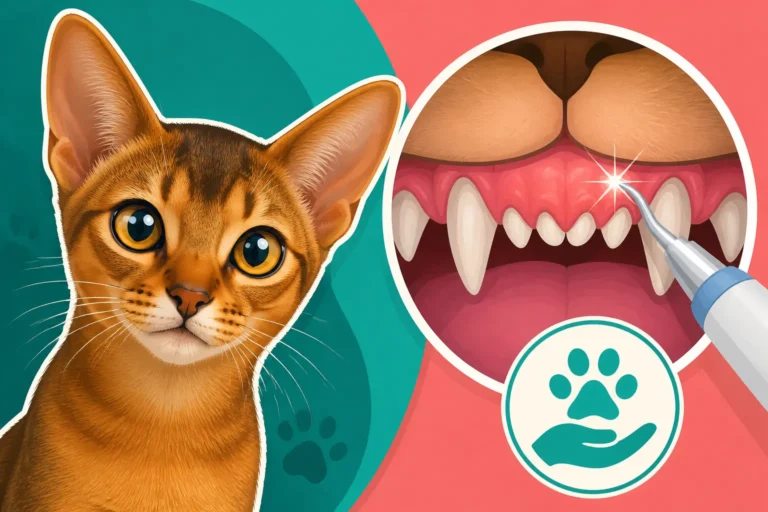
One of the most common and frustrating dental issues in Abyssinians is a condition often referred to as juvenile gingivitis, which can start surprisingly early. You might notice it when your kitten is still quite young, perhaps around six months of age, when their adult teeth are just settling in. This isn't just a bit of redness; we're talking about inflamed, often swollen gums that can even start to overgrow their teeth. Imagine having soft tissue creeping up and around your teeth – it’s uncomfortable, to say the least.
This isn't a fault in their care, but rather a genetic predisposition in some lines. This means that even with diligent home care, some Abyssinians will struggle with this condition. The overgrowth of gum tissue can create pockets where food particles and bacteria get trapped, making it a perfect breeding ground for further infection and inflammation. It's a frustrating cycle, and something many first-time Abyssinian owners don't anticipate. Understanding How Juvenile Gingivitis Starts in an Abyssinian Kitten is crucial for early detection.
Recognizing the Signs of Dental Trouble
Your Abyssinian is a master of hiding discomfort, a trait common in many cat breeds. This means that by the time you notice overt signs of dental pain, the problem might already be quite advanced. This can be incredibly upsetting for owners who feel like they've missed something. Look for subtle cues: perhaps a slight reluctance to chew on one side of their mouth, a drop in their usual relentless energy, or a change in their grooming habits. They might start dropping food more often, or you might notice a distinct, unpleasant odor from their mouth that wasn't there before.
Beyond these behavioral changes, visual signs include red, swollen gums, especially along the tooth line. You might see tartar buildup, which looks like yellowish-brown crusts on their teeth. In more severe cases, there could be bleeding gums, loose teeth, or even drooling. Never ignore these signs, no matter how minor they seem. If you catch issues early, it can make a huge difference in the complexity and cost of treatment down the line. Regular checks of What an Abyssinian's Gums Should Be Checked Monthly are a good habit to get into.
Understanding the Components of a Dental Cleaning
When your vet recommends a professional dental cleaning for your Abyssinian, it's far more involved than just a quick brush. We're talking about a full medical procedure that ensures the safety and well-being of your cat while thoroughly addressing their oral health. This isn't a "routine" visit in the same way a vaccine booster is; it requires careful preparation and monitoring, which all contributes to the overall cost. Many owners are surprised by the thoroughness, but it’s absolutely essential for a safe and effective cleaning.
The Pre-Anesthetic Workup
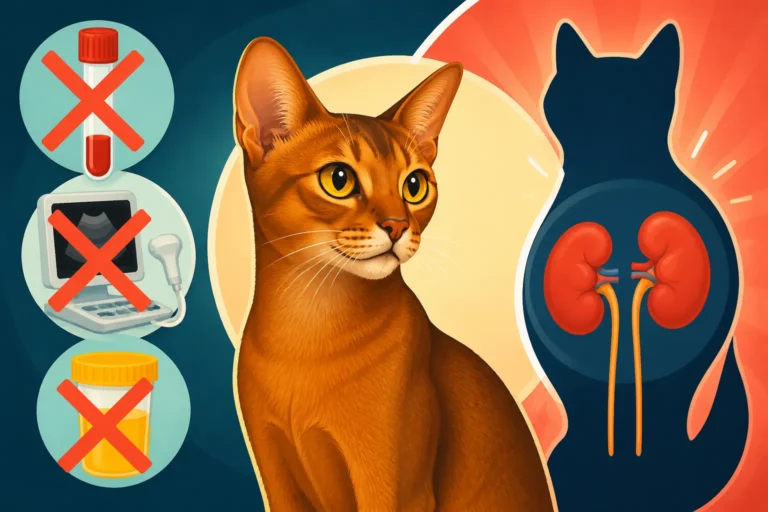
Before your active Abyssinian can go under anesthesia, a comprehensive pre-anesthetic workup is absolutely vital. This isn't just an extra cost tacked on; it's a crucial step to ensure your cat is healthy enough for the procedure and to minimize any risks. This workup typically includes blood tests to check organ function, especially the kidneys and liver, as these organs metabolize the anesthetic drugs. Your vet might also recommend a urinalysis and potentially chest X-rays or an ECG, particularly for older cats or those with suspected underlying health conditions.
The results of these tests help your vet choose the safest anesthetic protocol and adjust dosages if necessary. It’s about tailoring the experience to your individual cat, ensuring their body can handle the medication and wake up smoothly. This thoroughness is what gives us peace of mind as pet parents, knowing every precaution is being taken. These initial diagnostics are a significant part of the overall cost but are non-negotiable for responsible veterinary care.
The Anesthetic and Monitoring Process
Anesthesia is often the part that makes owners the most nervous, and rightly so. Your Abyssinian will be completely unconscious during the dental cleaning to allow the veterinary team to perform a thorough and pain-free procedure. Throughout the entire process, your cat will be closely monitored by a trained technician. This monitoring includes checking heart rate, respiratory rate, blood pressure, oxygen saturation, and body temperature. Specialized equipment helps track these vital signs continuously, ensuring any changes are noted and addressed immediately.
Maintaining a safe body temperature, especially for a cat with a lean body like an Abyssinian and its fine coat, is also a critical part of anesthetic care. Warm circulating blankets or air systems are often used. The cost here reflects not just the anesthetic drugs themselves, but the expertise of the veterinary staff, the state-of-the-art monitoring equipment, and the time dedicated solely to your cat's safety during the procedure. It’s a dedicated team effort focused on one thing: getting your Abyssinian through the procedure safely.
The Cleaning Itself: Scale, Polish, and Exam
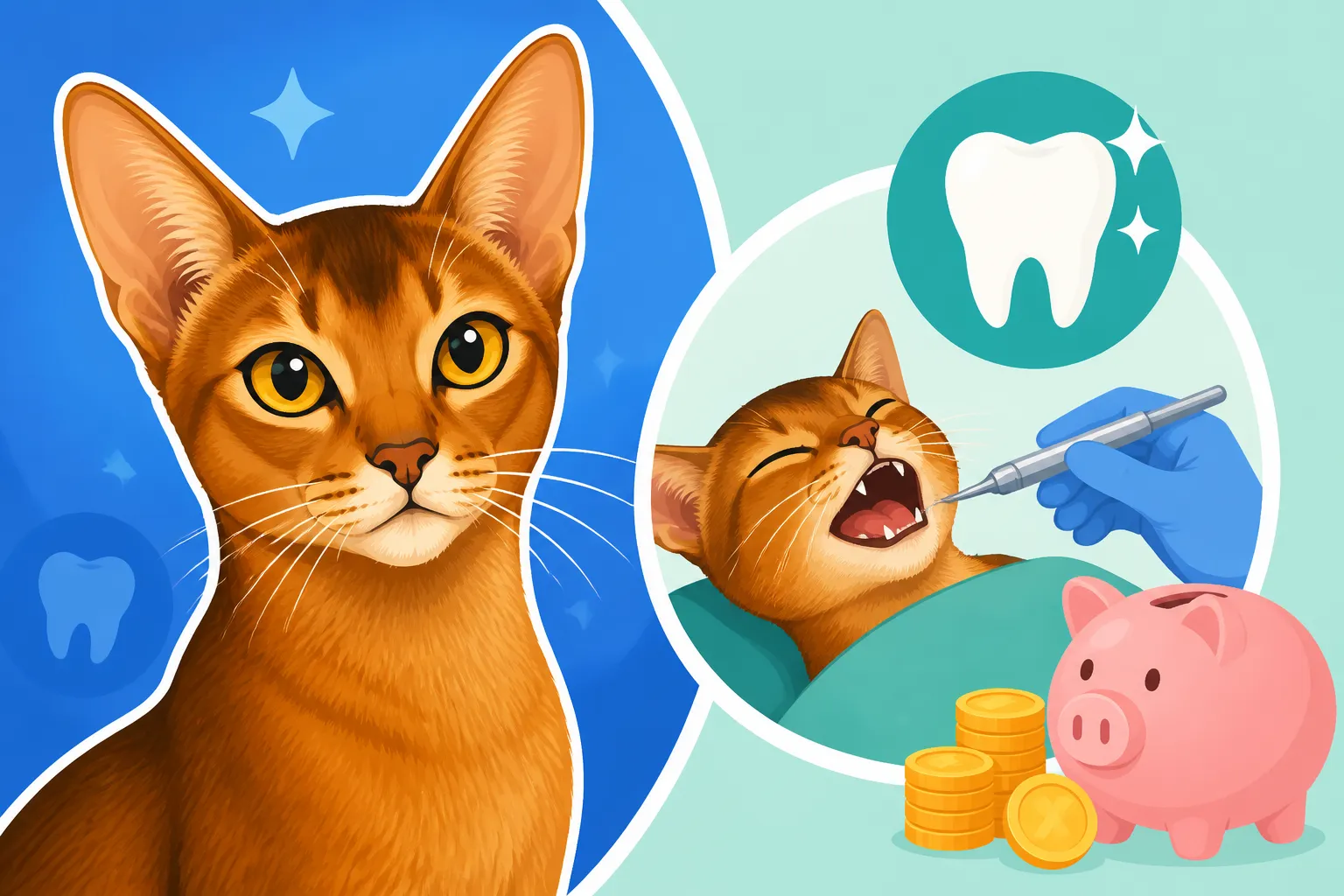
Once safely under anesthesia, the real work of the dental cleaning begins. This isn't just scraping away visible tartar. The veterinary team performs a full oral examination, probing each tooth and gum line, looking for pockets, lesions, or any signs of disease that might be hidden. They’ll chart any abnormalities, just like a human dentist would. Then, using specialized ultrasonic scalers, they meticulously remove plaque and tartar from above and below the gum line, an area impossible to reach when your cat is awake.
After scaling, each tooth is polished to smooth the enamel, making it harder for plaque to adhere in the future. If any teeth are severely diseased, cracked, or show signs of resorption, extractions might be necessary. This would be discussed with you beforehand, if possible, or during the procedure if an urgent issue is discovered. The tools used, the time taken, and the skilled hands performing this delicate work all contribute to the cost. It’s a thorough deep-clean and assessment, far beyond what any home brushing can achieve. For most Abyssinians, How Often an Abyssinian Needs a Professional Clean might surprise you.
Factors Influencing Dental Cleaning Costs
It’s easy to feel frustrated when you get different estimates for a dental cleaning, but it's rarely a case of vets just pulling numbers out of a hat. There are legitimate, variable factors that play into the final cost, much like any complex medical procedure. Understanding these can help you anticipate the range of expenses and budget more effectively. It’s not a one-size-fits-all situation, and that can be hard to reconcile when all you want is a straightforward answer.
Geographic Location and Veterinary Practice Differences
Just like real estate, veterinary costs can vary significantly depending on where you live. A dental cleaning in a major metropolitan area or a high-cost-of-living region will almost certainly be more expensive than the same procedure in a rural or less affluent area. This reflects differing overheads, staff salaries, and facility costs. Beyond geography, the type of veterinary practice also plays a role. A state-of-the-art animal hospital with advanced diagnostic equipment and specialists might have higher fees than a smaller, independent clinic.
However, a higher price often correlates with advanced equipment, trained specialists, and comprehensive care, including in-house labs and advanced monitoring. It's not always about finding the cheapest option, but finding the best value for the level of care and expertise provided. Asking for a detailed estimate upfront is always a good idea, so you can compare exactly what is included.
The Severity of Your Cat's Dental Disease
This is often the biggest wild card in the total cost. A simple dental "scale and polish" for a cat with minimal plaque and healthy gums will naturally be at the lower end of the spectrum. However, if your Abyssinian has advanced periodontal disease, significant tartar buildup, infected gums, or painful tooth resorption, the cost will climb. The more severe the disease, the more time, effort, and resources will be required.
For instance, if multiple teeth need to be extracted, the procedure becomes much more complex. What Extracting an Abyssinian's Teeth Costs can add a significant sum per tooth, as it requires surgical skill, specialized equipment, and additional anesthetic time. Post-operative pain management, antibiotics, and follow-up care for complex cases also contribute to the final bill. Catching dental problems early can genuinely save you money and your cat discomfort in the long run.
Additional Procedures and Medications
Beyond the core cleaning, several additional factors can influence the final cost. Dental X-rays, for example, are crucial for assessing the health of the tooth roots and jawbone, as much of a cat's dental disease occurs below the gum line where it's invisible to the naked eye. While an added expense, skipping them can mean missing crucial problems that lead to pain and recurring issues.
Furthermore, if your Abyssinian requires antibiotics for an infection or pain medication after extractions, these prescriptions will add to the bill. Some clinics might offer preventative treatments like fluoride applications or dental sealants, which are elective but can be beneficial. It's also worth considering post-procedure special diets or dental health supplements if recommended by your vet. It's essential to discuss specific dietary needs with your veterinarian, especially after a dental procedure.
Budgeting for Abyssinian Dental Care
The reality is that veterinary dental care is an investment in your Abyssinian's long-term health and comfort. It's perfectly normal to feel overwhelmed by the potential costs, but there are proactive steps you can take to mitigate these expenses and ensure your beloved companion receives the care they need. Thinking ahead and integrating these costs into your overall pet budget can make a world of difference.
The Value of Regular Home Care
While home care won't replace a professional dental cleaning, it can certainly extend the time between cleanings and reduce the severity of issues that might develop. This translates directly into cost savings over your cat's lifetime. The most effective home care is, without a doubt, regular toothbrushing. Starting when your Abyssinian is a kitten can make it a much easier routine to establish. It might feel like a battle at first, but patience and positive reinforcement go a long way.
Using feline-specific toothpaste (never human toothpaste!) and a soft brush can significantly reduce plaque buildup. Beyond brushing, there are dental diets, water additives, and treats designed to help reduce tartar. Products available from retailers like Chewy often include a wide range of these dental health aids, but always discuss their effectiveness and suitability for your Abyssinian with your vet. Consistent home care is your first line of defense against escalating dental issues.
Considering Pet Insurance and Wellness Plans
Many owners find themselves wishing they had pet insurance after a major vet bill hits. For a breed like the Abyssinian, which has a known predisposition to dental problems, pet insurance can be a financial lifesaver. Providers like Healthy Paws offer various plans that can help cover a significant portion of unexpected veterinary costs, including dental procedures that are medically necessary due to injury or illness. It's crucial to read the fine print, as most policies have waiting periods and may not cover pre-existing conditions or routine cleanings, but they can be invaluable for extractions or treating advanced disease.
Another option to explore is a veterinary wellness plan. Many clinics offer these plans, which are essentially a subscription service that covers routine preventative care, often including a yearly dental cleaning at a discounted rate or as part of a package. These can be a fantastic way to spread out the cost of preventative care and ensure your Abyssinian gets regular professional attention, ideally before minor issues become major ones. Whether Pet Insurance Is Worth It for an Abyssinian is a question many owners ponder, and for dental issues, it often is.
Finding Affordable Veterinary Options
If the costs of dental care feel prohibitive, don't despair! There are often avenues to find more affordable options. First, always communicate openly with your veterinarian about your financial concerns. They may be able to suggest alternative treatment plans, provide a phased approach to treatment, or offer payment plans. Some veterinary schools or large animal hospitals also run dental clinics that might have slightly lower costs, as they often combine care with resident training.
Additionally, local humane societies or animal welfare organizations sometimes offer subsidized dental clinics or provide referrals to lower-cost options in your community. While you still want quality care, it’s worth investigating these resources. And remember that proactive annual check-ups are key. Regular vet visits allow for early detection of dental issues, potentially reducing the need for costly, extensive procedures down the road. Ultimately, Why an Abyssinian Budget Should Include a Dental Fund is a lesson many of us learn the hard way.
Disclaimer
This article is for general informational purposes only and does not constitute professional advice. Laws, prices and regulations vary by location and change over time. Consult a qualified professional for guidance on your specific situation.