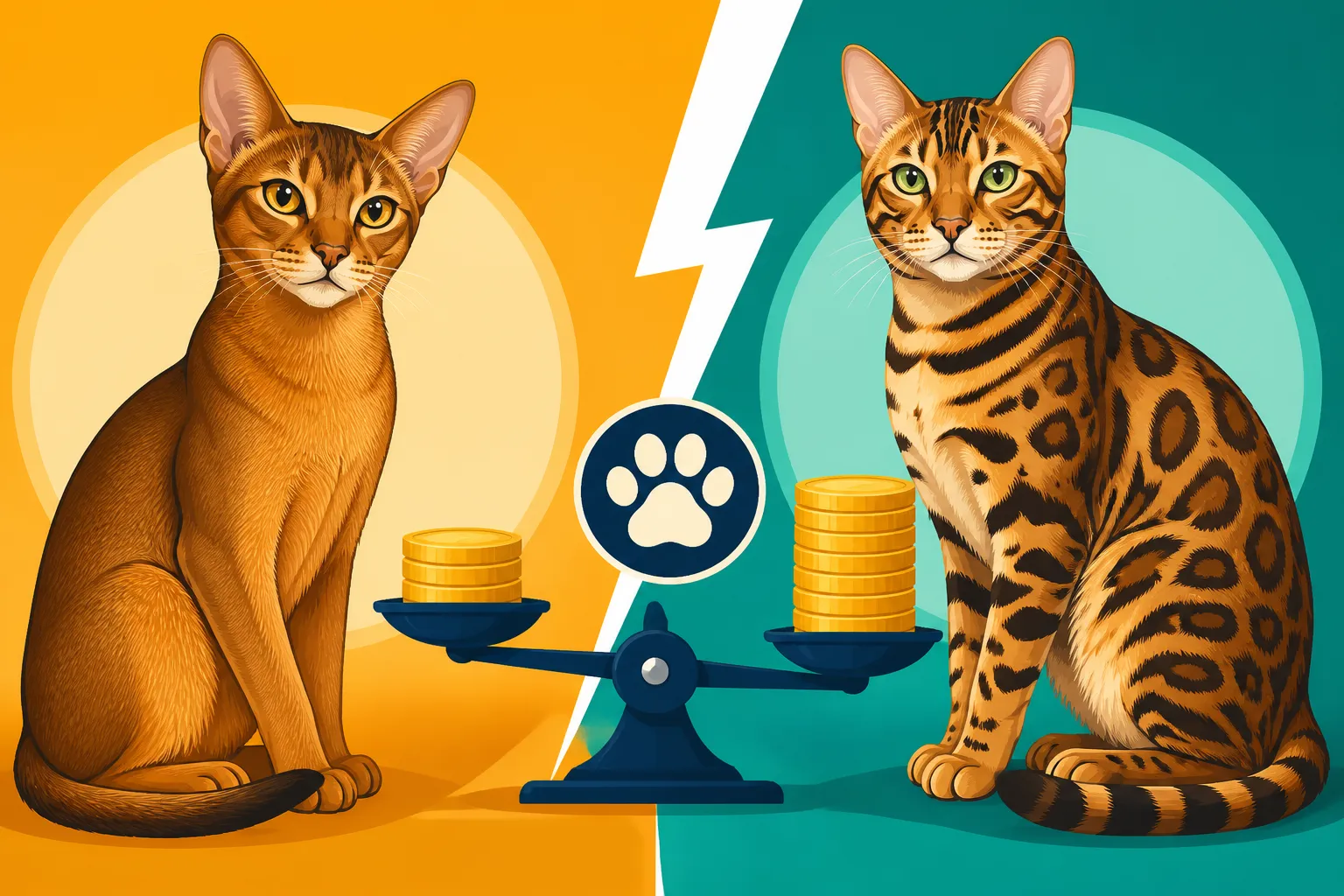
How Abyssinian Prices Compare to a Bengal’s
When you're dreaming of bringing home a magnificent pedigree cat, it’s completely natural to wonder about the financial commitment, and particularly how the cost of an Abyssinian stacks up against a Bengal. These two stunning breeds capture hearts with their wild looks and energetic personalities, but their price tags and ongoing expenses can differ quite a bit. This guide will help you understand the various factors that influence the overall cost of owning either an Abyssinian or a Bengal, from the initial purchase to the daily realities of their lives.
Understanding the Initial Purchase Price Differences
The first thing most prospective owners think about is the upfront cost of the kitten. While both Abyssinians and Bengals command a higher price than a typical domestic shorthair, the reasons behind their pricing, and the general range, can vary significantly. It's not just about the breed; it's about what you're getting for that investment.
Why Pedigree Cats Cost More Generally
Let's be real: buying a pedigree cat isn't like picking up a toy off a shelf. Reputable breeders invest an incredible amount of time, effort, and money into their lines. This isn't just a hobby; it's a dedication to the health, temperament, and preservation of the breed standard. When you see a higher price tag for a kitten, it reflects a multitude of crucial factors. Think about the extensive health testing parents undergo to prevent passing on genetic diseases, the cost of top-quality food for the breeding cats and growing kittens, and the expert veterinary care that ensures healthy development from day one. Good breeders also focus heavily on early socialization, making sure each kitten is confident, friendly, and ready for a new home. They spend countless hours interacting with the kittens, introducing them to household sounds, other pets, and gentle handling. This early groundwork is invaluable, setting your kitten up for a lifetime of good behavior and easy integration into your family. Don't forget the costs associated with showing their cats to ensure they meet breed standards, maintaining their cattery, and the sheer amount of knowledge and experience they bring to the table. These aren't hidden fees; they're the pillars of responsible breeding that ensure you're getting a healthy, well-adjusted companion.
Abyssinian Price Factors
Abyssinians, with their regal appearance and engaging personalities, are typically in high demand, but they're not a mass-market breed. Several factors contribute to their purchase price. Firstly, certain colors, like the rare cream or the striking fawn, often command a higher price than the more common ruddy or sorrel. It's a matter of supply and demand within the breed's specific genetics. Secondly, whether a kitten is designated "pet quality" or "show quality" also plays a role. A show-quality Abyssinian, one that perfectly embodies the breed standard and could potentially win titles, will understandably be more expensive. However, even pet-quality Abyssinians are bred with the same care and attention to health and temperament.
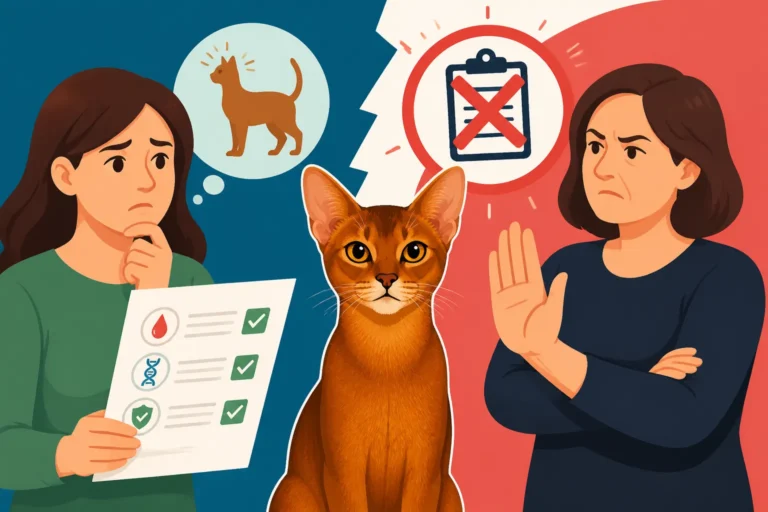
Perhaps one of the most significant factors influencing the cost of an Abyssinian is the extensive health testing undertaken by responsible breeders. They diligently screen their breeding cats for genetic conditions such as Pyruvate Kinase Deficiency (PK Deficiency) and Progressive Retinal Atrophy (PRA-rdAc). These tests are a crucial investment in the future health of the kittens and provide peace of mind for prospective owners. While the actual cost of these tests can vary, knowing that your kitten comes from clear parents is priceless. You can learn more about specific costs for these screenings in articles like What a PK Deficiency Test Costs for an Abyssinian and What a Retinal Atrophy Test Costs for an Abyssinian. Additionally, Abyssinian queens typically have smaller litter sizes compared to some other breeds, which naturally limits availability and can contribute to a higher price point due to scarcity.
Bengal Price Factors
Bengals, on the other hand, often present an even broader price spectrum, largely due to their unique aesthetic and their recent wild ancestry. The most significant factor driving their cost is their distinctive coat pattern, particularly the clarity and quality of their rosettes or marbling. The closer the pattern resembles that of a wild leopard or ocelot, the higher the price tends to be. "Glitter" – a shimmering quality to their fur – also adds to their allure and value.
Another huge differentiator for Bengals is their generation from their wild ancestor, the Asian Leopard Cat (ALC). Early generation (F1, F2, F3) Bengals, which are closer to their ALC heritage, are generally much more expensive and come with specific care requirements and often more challenging temperaments, making them unsuitable for many homes. Most pet owners seek out SBT (Stud Book Tradition) Bengals, which are at least four generations removed from the ALC, making them fully domestic and easier to integrate into a family. Beyond generation, specific colors like silver, snow (lynx, mink, sepia), or charcoal can influence price, as can the presence of desirable traits like outlined eyes or a large, rounded nose.
Responsible Bengal breeders also conduct a battery of health tests, commonly including screenings for Hypertrophic Cardiomyopathy (HCM) through echocardiograms, PK Deficiency, and PRA-b. These tests, combined with the breed's immense popularity and the inherent demand for their exotic looks, mean that Bengal kittens often have higher starting prices than Abyssinians, especially for those with exceptional patterns or closer-generation genetics.
Beyond the Sticker Price: Ongoing Ownership Costs
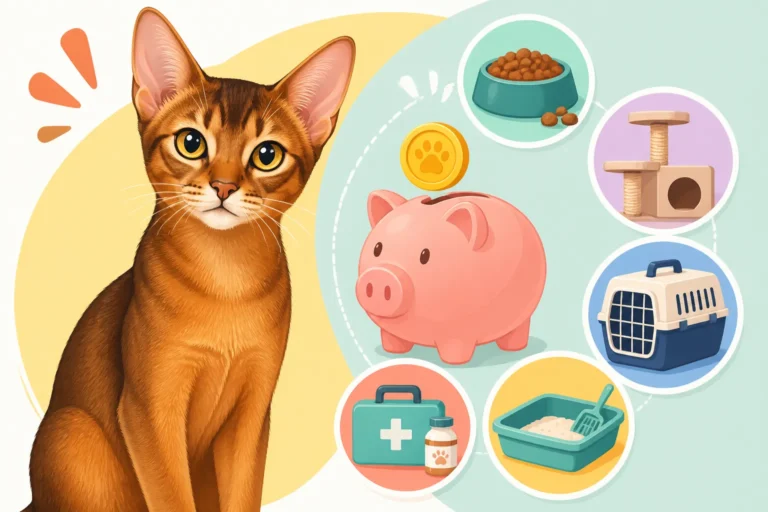
The purchase price is just the beginning of your financial journey with either an Abyssinian or a Bengal. Both breeds come with ongoing costs that, over their lifespan, will far exceed that initial investment. It’s vital to consider these long-term expenses to truly understand the commitment.
Food and Nutrition Considerations
Both Abyssinians and Bengals are renowned for their high energy levels, which directly impacts their dietary needs. These aren't sedentary lap cats; they are constantly on the move, climbing, playing, and exploring. This means they burn more calories than many other breeds, necessitating a diet rich in high-quality protein to support their lean muscle mass and sustained activity. Skimping on food quality to save a few dollars can lead to health issues down the line, ultimately costing you more in vet bills.
You'll find that premium cat foods, whether wet or dry, designed for active felines, will be a regular budget line item. The exact cost will vary based on the specific brand you choose and the type of food (wet food, for example, is often more expensive than kibble per serving but provides crucial hydration). Many owners find that purchasing food in larger quantities from online retailers like Chewy can help manage costs and ensure they always have their preferred brand on hand. For a deeper dive into monthly food expenses for an Abyssinian, you might find What an Abyssinian Eats in a Month helpful. While Abyssinians have a tendency to be grazers if a full bowl is always available, Bengals, with their often voracious appetites, also require careful portioning to maintain a healthy weight.
Veterinary Care and Potential Health Issues
Routine veterinary care is non-negotiable for any pet, and these active, intelligent breeds are no exception. Annual check-ups, vaccinations, parasite prevention, and unexpected illness or injury all contribute to a significant portion of your annual pet budget. It's not just a nice-to-have; it's essential for their long-term health and wellbeing.
Both breeds have specific predispositions that can lead to costly treatments. Abyssinians are known for their susceptibility to conditions like Pyruvate Kinase Deficiency, Progressive Retinal Atrophy, and particularly Renal Amyloidosis, an insidious kidney disease. They also have a higher incidence of juvenile gingivitis, which can necessitate frequent dental cleanings and even extractions. This means dental care is often the biggest line item in an Abyssinian's budget, as explored in Why Abyssinian Dental Work Is the Biggest Line in the Budget.
Bengals, while generally robust, can be prone to Hypertrophic Cardiomyopathy (HCM), a genetic heart condition, as well as PK Deficiency and certain gastrointestinal sensitivities. Monitoring for these conditions can involve specialized diagnostics, adding to vet expenses. Given these potential health challenges, many owners wisely invest in pet insurance. Companies like Healthy Paws offer various plans that can help mitigate the financial impact of unexpected illnesses or accidents. Whether Pet Insurance Is Worth It for an Abyssinian is a good resource to consider your options. Regardless of the breed, a detailed annual checkup, which includes a comprehensive physical exam and potentially bloodwork for older cats, is critical. You can learn about typical check-up costs in What an Abyssinian's Annual Checkup Costs.
Enrichment and Environment
These aren't cats content to simply laze around on a sofa all day. Both Abyssinians and Bengals possess an incredible amount of energy and an insatiable curiosity that demands constant mental and physical stimulation. This means investing in their environment is not a luxury, but a necessity to prevent boredom-induced destructive behaviors.
Vertical space is paramount. Both breeds love to climb, survey their domain from on high, and expend energy scaling cat trees or wall-mounted shelves. A sturdy, tall cat tree is an absolute must, and depending on your budget and space, elaborate cat superhighways or catios can provide endless entertainment. You might be surprised at how much a cat tree tall enough for an Abyssinian costs, as highlighted in Why an Abyssinian Needs More Vertical Furniture Than Most Cats. These items are an investment, but they pay dividends in preventing scratched furniture and frustrated feline behavior.
Beyond climbing structures, a rotating collection of stimulating toys is essential. Puzzle feeders, wand toys, and interactive gadgets keep their intelligent minds engaged. Expect to replace toys regularly as these active cats can be quite hard on their playthings. Think about toys that encourage their natural hunting instincts and puzzle-solving abilities to keep them happy and out of mischief.
The Long-Term Investment: Time, Training, and Lifestyle
The true cost of owning an Abyssinian or a Bengal extends far beyond monetary figures. It's a significant investment of your time, patience, and adjustment to your lifestyle. These breeds aren't just pets; they're active, intelligent, and demanding family members who will integrate themselves deeply into your daily routine.
Time Investment and Attention Needs
Both Abyssinians and Bengals are incredibly social and thrive on interaction with their human families. They aren't the type of cats to politely sit in a corner and observe; they want to be involved in everything you do. This means they require a substantial amount of your time and attention every single day. We're talking dedicated play sessions, interactive games, and simply having you present and engaged.
For an Abyssinian, this might look like multiple short bursts of play throughout the day, chasing a feather wand or retrieving a favorite crinkly ball. They are relentless players, and ignoring their pleas for interaction can lead to them finding their own (often less desirable) ways to entertain themselves. A bored Abyssinian is a recipe for mischief, whether it's opening cabinets, scaling curtains, or developing unwanted habits. How Much Play an Abyssinian Needs Each Day really emphasizes this point – ten minutes simply isn't enough. Bengals are much the same, often with an even more intense need for engagement. Their wild heritage means they have strong instincts to hunt, climb, and explore, and if these aren't channeled appropriately, you'll see it in their behavior. Understanding What an Abyssinian Does When It Is Bored can prepare you for some of the creative ways they might express their discontent. The "cost" here is your personal time and energy, but the reward is an incredibly strong bond with a fascinating companion.
Training and Socialization
Both breeds are highly intelligent and surprisingly trainable, but this also requires a significant time commitment from their owners. They respond incredibly well to positive reinforcement and clicker training, making it possible to teach them a wide array of tricks, from sit and stay to fetch. Why Clicker Training Works on an Abyssinian explains the effectiveness of this method for the breed.
Abyssinians, being curious and confident, often take to harness and leash training quite well, allowing for safe outdoor adventures in controlled environments. Bengals can also be leash trained, but their boundless energy and powerful instincts might make them more challenging to manage in new outdoor settings. Consistent training and socialization from a young age are crucial for both. Without it, their intelligence can be directed towards less desirable activities, like countertop surfing, raiding pantries, or becoming overly vocal to get attention. The "cost" isn't just the time you spend training; it's also the mental effort of consistently reinforcing good behaviors and redirecting unwanted ones.
Potential for "Two Cats Are Better Than One"
This is a significant factor in the long-term cost, and one many new owners don't initially consider. Both Abyssinians and Bengals are so active and social that they often thrive with a companion, especially if their human family is away at work during the day. Another cat can provide vital mental and physical stimulation, helping to prevent loneliness and destructive behaviors.
However, bringing home a second cat naturally doubles many of your ongoing expenses. You'll need more food, more litter, potentially more vet visits, and certainly more toys and vertical space. While the initial purchase price is paid once, those recurring costs are doubled for two cats. Many Abyssinian owners will tell you that Why a Second Cat Suits an Abyssinian is not just about companionship, but about saving your furniture and your sanity! It’s an investment that can greatly enhance the quality of life for your cat and bring more peace to your home, but it's a financial commitment to consider seriously.
Comparing Abyssinian and Bengal Costs at a Glance
To give you a clearer picture, here's a general comparison of factors that influence the cost of owning an Abyssinian versus a Bengal. Remember, these are broad strokes, and individual circumstances can always vary.
| Feature | Abyssinian | Bengal |
|---|---|---|
| Initial Purchase | Moderate to High | High to Very High (especially F1-F3 or show quality) |
| Rarity Impact | Certain colors (cream, fawn) | Rosette quality, glitter, rare colors (snow, charcoal) |
| Genetic Testing | PK Deficiency, PRA-rdAc | HCM, PK Deficiency, PRA-b |
| Litter Size | Generally smaller | Can be variable |
| Demand | Consistent, dedicated following | High, driven by exotic appearance |
| Food Needs | High protein, active formula due to energy | Very high protein, active formula due to energy |
| Dental Care Risk | Higher risk of juvenile gingivitis | Standard feline dental care |
| Other Health Risks | Renal Amyloidosis, Patellar Luxation | HCM, some GI sensitivities |
| Enrichment Needs | High vertical space, interactive toys | Very high vertical space, intense interactive play |
| Training Ease | Highly intelligent, takes to clicker training | Highly intelligent, can be more challenging/intense |
| Social Needs | Very social, benefits from companionship | Very social, benefits from companionship |
Disclaimer
This article is for general informational purposes only and does not constitute professional advice. Laws, prices and regulations vary by location and change over time. Consult a qualified professional for guidance on your specific situation.