How Abyssinian Prices Compare to a Russian Blue’s
So, you're dreaming of bringing a beautiful pedigree cat into your home, and you've narrowed it down to a couple of stunning choices like the lively Abyssinian and the elegant Russian Blue. It's completely natural to wonder how their initial costs stack up against each other, as both breeds carry a certain allure and, understandably, a specific price tag. This guide will walk you through what influences the price of each, helping you understand the financial differences and similarities you might encounter when choosing between these two magnificent breeds.
Understanding the Abyssinian Price Tag
Bringing home an Abyssinian is an investment, not just in a pet, but in a vibrant, intelligent, and highly interactive companion. The price you see advertised for an Abyssinian kitten from a reputable breeder isn't just a random number; it reflects a multitude of factors that contribute to the health, temperament, and overall quality of your future family member. Many prospective owners are surprised by the figures, but when you peel back the layers, you start to see the dedication involved.
The Factors Driving Abyssinian Costs
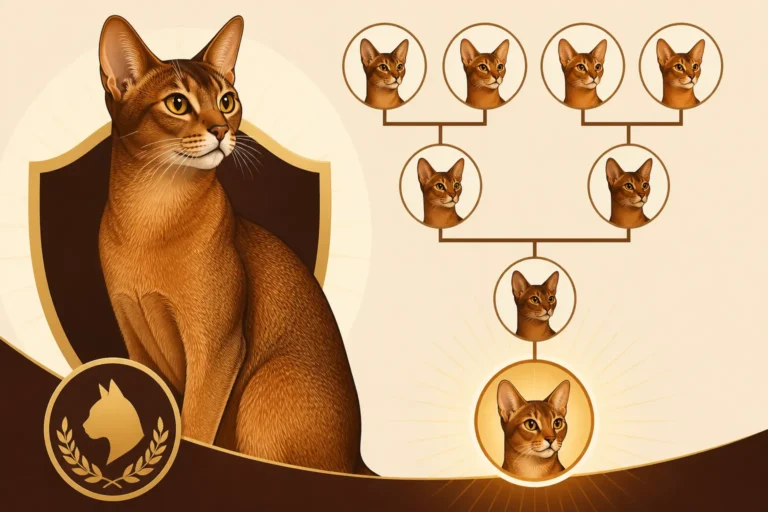
The initial cost of an Abyssinian kitten is influenced by several key elements, much like any other well-bred pedigree animal. First and foremost is the breeder's reputation and commitment to the breed standard and ethical practices. A breeder who focuses on quality will invest significantly in their breeding program. This includes the cost of acquiring healthy, show-quality breeding stock from established lines, which can be considerable. These cats might have championship titles, signifying their adherence to the breed standard, which in turn elevates the value of their offspring.
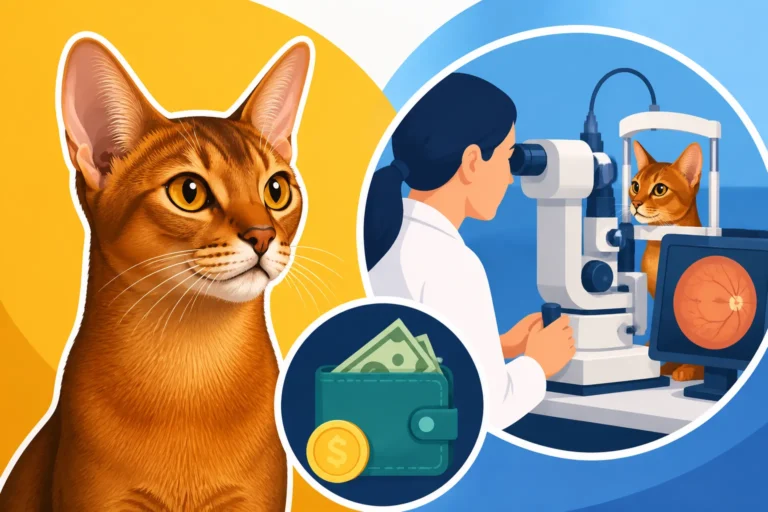
Beyond the initial investment in breeding cats, there are extensive health screening costs. Reputable Abyssinian breeders perform genetic tests for conditions like Pyruvate Kinase Deficiency (PKD) and Progressive Retinal Atrophy (PRA-rdAc). Which Two DNA Tests an Abyssinian Must Have is a crucial part of ensuring kittens are born healthy and won't develop debilitating genetic diseases. These tests aren't cheap, and they're often repeated on subsequent generations to maintain clear lines. Additionally, proper veterinary care for the queen during pregnancy and birth, and for the kittens during their first few months, including vaccinations, deworming, and initial health checks, all factor into the final price. Every litter is a substantial financial and emotional commitment for a dedicated breeder.
Another factor is the kitten's pedigree and potential. A kitten sold as "pet quality" will typically be less expensive than one deemed "show quality" or "breeding quality." A show-quality Abyssinian might have traits that perfectly align with the breed standard, making it a contender for titles, and thus commanding a higher price. Even within pet quality, certain rarer colors, like the delicate cream Abyssinian female, can fetch a premium simply due to their scarcity and demand among enthusiasts. How Much a Pet Abyssinian Costs From a Breeder gives you a deeper look into these nuances.
What You're Paying For in an Abyssinian
When you purchase an Abyssinian from a responsible breeder, you're not just buying a cat; you're buying peace of mind and a carefully nurtured companion. The price covers the extensive genetic health testing of the parents, ensuring your kitten is clear of common hereditary conditions. It includes the comprehensive veterinary care the kitten received before coming home, such as its initial vaccinations, deworming, and a thorough health examination by a veterinarian. Many breeders will also spay or neuter the kitten before it leaves for its new home, which is another significant cost absorbed by the breeder.
Furthermore, the price reflects the early socialization and care that an Abyssinian kitten receives. Abyssinians are known for their incredibly active and curious personalities. Why an Abyssinian Should Not Be Left Alone All Day underscores their need for interaction. A good breeder spends countless hours ensuring kittens are well-adjusted, confident, and used to human interaction, household sounds, and even other pets. This early nurturing is vital for developing the Abyssinian's famous outgoing and friendly temperament, making the transition to your home much smoother.
Finally, the price often includes a health guarantee and ongoing support from the breeder. This means if a genetic issue arises within a specified timeframe, the breeder will typically offer a replacement or partial refund, providing a layer of security for the new owner. Responsible breeders are also a lifelong resource, ready to offer advice and guidance as your Abyssinian grows. This post-purchase support, while intangible, is invaluable and contributes to the overall value proposition of a well-bred Abyssinian.
The Russian Blue Price Landscape
The Russian Blue, with its striking emerald eyes, luxurious silver-blue coat, and quiet elegance, also commands a significant price. Like the Abyssinian, its cost is a reflection of careful breeding, health considerations, and the dedication required to produce healthy, well-adjusted kittens that embody the best traits of the breed. While they might seem to be on the calmer side compared to an Abyssinian, their specific needs and the breeder's commitment are equally important in setting their price.
Key Influences on Russian Blue Pricing
The price of a Russian Blue kitten is, similarly, largely driven by the reputation and practices of the breeder. Top-tier breeders adhere to strict ethical guidelines, meaning they invest heavily in their cattery. This includes acquiring excellent breeding stock, often importing cats from reputable lines to maintain genetic diversity and improve conformation to the breed standard. Show wins and titles of the parent cats can increase a kitten's price, as they signify proven quality and adherence to the Russian Blue's distinct elegant appearance.
Health clearances are another critical factor. While Russian Blues don't have the same set of common genetic tests as Abyssinians, responsible breeders will still screen for conditions known to affect the breed, such as hypertrophic cardiomyopathy (HCM) and polycystic kidney disease (PKD), though these are less prevalent than in some other breeds. Regular vet checks, vaccinations, and deworming for the breeding cats and their offspring are standard practice and contribute to the overhead that translates into kitten prices. How Long an Abyssinian Lives Against Other Shorthairs sometimes touches on other breed health profiles, highlighting the importance of these checks.
Geographic location and demand also play a role. In areas where Russian Blues are particularly popular or where there are fewer reputable breeders, prices may be higher. The kitten's 'quality' – whether it's pet, show, or breeding quality – also significantly impacts the cost. A pet-quality kitten, while still perfectly healthy and beautiful, might have a minor trait that makes it unsuitable for the show ring, making it more accessible financially to pet owners.
What to Expect When Buying a Russian Blue
When you commit to buying a Russian Blue, you're investing in a cat known for its gentle nature, loyalty, and stunning aesthetics. The price generally includes comprehensive early veterinary care for the kitten: multiple rounds of vaccinations, deworming, and a full health check-up before it leaves the cattery. Many reputable breeders will also have the kitten spayed or neutered before placement, a convenience and cost-saver for the new owner. You should also receive a health guarantee, often covering specific genetic conditions for a certain period.
The cost also covers the meticulous care and socialization provided by the breeder. Russian Blues are known for being a bit reserved with strangers but incredibly devoted to their families. Proper handling and exposure during their crucial developmental weeks ensure they grow into confident, friendly companions. This early socialization is vital for their temperament, making them well-adjusted to a home environment, whether it's a bustling family or a quieter household.
Finally, expect to receive registration papers for your kitten, typically from a recognized cat association, proving its purebred lineage. The breeder should also provide a pedigree, detailing the kitten's ancestry. This documentation, along with the health records and advice on care and nutrition, forms part of the comprehensive package reflected in the purchase price. A good breeder will remain a resource for any questions you have as your Russian Blue settles into its new life with you.
Direct Price Comparison: Abyssinian vs. Russian Blue
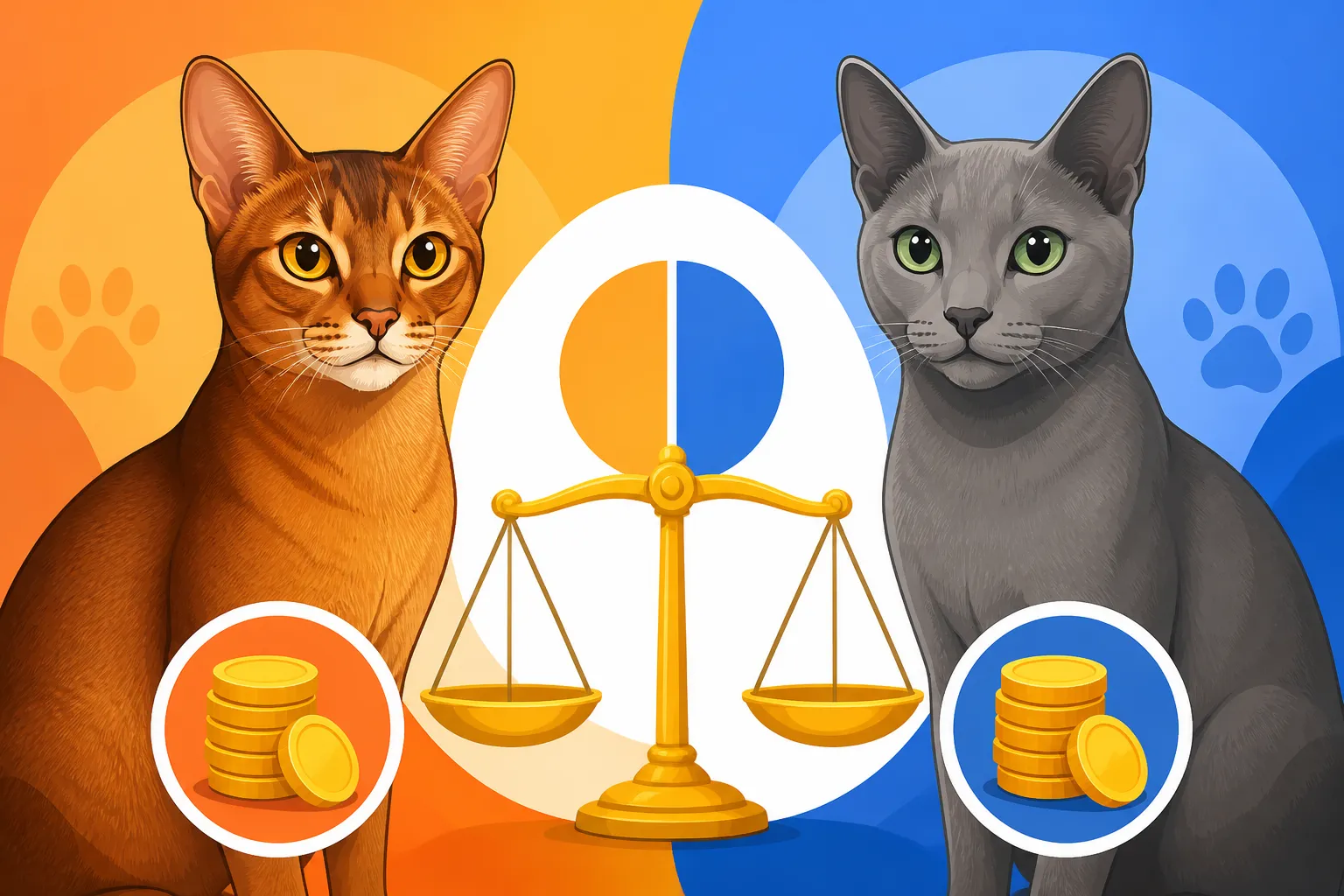
When you stack up the costs of an Abyssinian against a Russian Blue, you'll find that both breeds fall into a similar premium price bracket within the purebred cat world. Neither is typically considered a "budget" option, and for good reason: the dedication and investment required for responsible breeding are substantial for both. However, there can be subtle differences in their average price ranges and the specific factors that might push one slightly higher than the other.
Similarities and Differences in Breeder Pricing
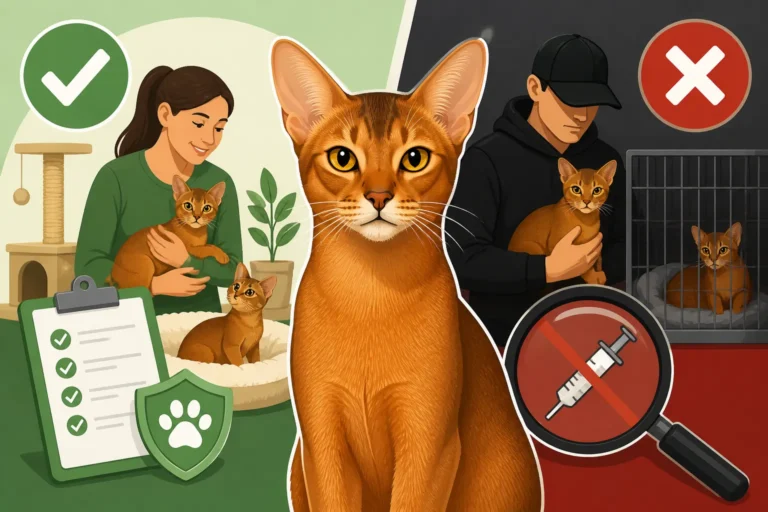
Both Abyssinian and Russian Blue kittens from reputable breeders will generally start at a similar baseline price. You should expect to pay a significant amount for either, reflecting the genetic testing, health clearances, veterinary care, socialization, and lineage research that goes into producing healthy, well-adjusted kittens. The absolute lowest prices are often a red flag, suggesting corners might have been cut in vital areas, potentially leading to higher vet bills down the line. How to Spot an Abyssinian Breeder Who Does Not Test offers good guidance for Abyssinians, but the principles apply across breeds.
Where prices might diverge slightly is in specific nuances. Abyssinians, with their famously active and curious nature, often require a breeder to ensure a slightly more robust home setup for their active kitten lives, which might be factored in subtly. Their distinct ticking and specific color variations can also influence demand and, therefore, price, especially for rarer hues like creams. Russian Blues, on the other hand, often have a more uniform appearance, with less variation in coat color or pattern, meaning fewer "rare" color premiums. However, the intensity of their green eye color or the quality of their double coat can be highly valued by judges and breeders, influencing prices for show-quality kittens.
Another minor difference might stem from demand fluctuations. While both are consistently popular, specific trends or regional availability can cause temporary shifts. Ultimately, both breeds represent a commitment to quality, and their pricing reflects that.
The Long-Term Cost Perspective
While the initial purchase price is what most people focus on, it's really just the first chapter in the financial story of owning a purebred cat. The long-term costs of caring for an Abyssinian or a Russian Blue are far more substantial and often where the subtle differences in breed needs really manifest. When considering What an Abyssinian Costs Over Fifteen Years, the upfront fee quickly becomes a smaller percentage of the total.
Abyssinians, for example, are renowned for their energy and intelligence. They thrive on interaction, climbing, and puzzle toys. This means an ongoing investment in high-quality interactive toys, sturdy cat trees, and possibly wall-mounted shelves to satisfy their need for vertical space. Places like Chewy offer a fantastic range of these items, but they do add up. They are also prone to certain dental issues, specifically juvenile gingivitis, which can lead to a lifetime of expensive dental care. How Often an Abyssinian Needs Its Teeth Cleaned delves into this. This isn't to say Russian Blues don't need dental care, but Abyssinians have a particular predisposition that can make it a larger budget line item.
Russian Blues, while active and playful, are generally perceived as less intensely demanding in terms of constant physical stimulation than Abyssinians, potentially leading to slightly lower ongoing enrichment costs, though they still require plenty of toys and attention. However, both breeds will require high-quality food, regular veterinary check-ups, vaccinations, parasite prevention, and potentially pet insurance from providers like Healthy Paws. These expenses are universal for responsible pet ownership.
Here's a quick comparison of what you might expect regarding pricing and key factors for both breeds:
| Feature | Abyssinian | Russian Blue |
|---|---|---|
| Typical Purchase Price | Moderate to High (often starting around $1,500+) | Moderate to High (often starting around $1,500+) |
| Key Price Drivers | Lineage, specific coat color (e.g., cream), genetic health tests (PKD, PRA-rdAc), breeder reputation, show potential | Lineage, eye color intensity, coat quality, breeder reputation, show potential |
| Included with Kitten | Initial vaccinations, deworming, spay/neuter, health guarantee, registration papers, pedigree, breeder support | Initial vaccinations, deworming, spay/neuter, health guarantee, registration papers, pedigree, breeder support |
| Temperament/Needs | Highly energetic, intelligent, social, very vocal, requires significant mental/physical enrichment, loves height | Calm, affectionate, loyal, can be reserved with strangers, moderately active, enjoys quiet companionship |
| Grooming Needs | Minimal, weekly mitt or comb | Minimal, weekly brush |
| Common Health Concerns | PK Deficiency, PRA-rdAc, Renal Amyloidosis, Juvenile Gingivitis | Hypertrophic Cardiomyopathy (HCM), Polycystic Kidney Disease (PKD – less common) |
| Long-Term Cost Impacts | Higher dental care potential, extensive enrichment needs (cat trees, interactive toys) | Standard vet care, quality food, moderate enrichment, pet insurance |
Ultimately, both the Abyssinian and the Russian Blue are exceptional breeds, and their prices reflect the care and quality invested by responsible breeders. Choosing between them often comes down to personal preference regarding temperament, activity level, and aesthetic appeal, rather than a vast difference in initial cost. The more important consideration is always the lifetime commitment you're making to their health and well-being.
Disclaimer
This article is for general informational purposes only and does not constitute professional advice. Laws, prices and regulations vary by location and change over time. Consult a qualified professional for guidance on your specific situation.