How to Spot an Abyssinian Breeder Who Does Not Test
Finding an Abyssinian kitten can feel like navigating a minefield, especially when you're dreaming of a healthy, vibrant companion but are wary of unethical breeders cutting corners. Many prospective owners get swept up by adorable photos, only to realize later that vital health screenings were overlooked. This guide will help you confidently identify responsible Abyssinian breeders who prioritize genetic health testing, protecting both the cats and your peace of mind.
The Non-Negotiable Abyssinian Health Tests You Must Demand
When you're looking for an Abyssinian, you're not just looking for a pretty face; you're investing in a family member whose health is paramount. Reputable breeders understand this implicitly, and they go to great lengths to ensure their breeding cats are free from known genetic conditions that can plague the breed. These aren't just "nice-to-haves"; they are fundamental screenings that any responsible breeder will have completed and be ready to share the results of. If a breeder is hesitant or outright refuses to discuss these, it's a massive red flag.
Pyruvate Kinase Deficiency PKD Why it Matters
One of the most critical genetic tests for Abyssinians is for Pyruvate Kinase Deficiency, often abbreviated as PK Deficiency. This is a nasty inherited condition that affects the red blood cells, leading to chronic or intermittent anemia. Imagine your lively, energetic Abyssinian suddenly becoming lethargic, weak, and struggling to breathe – it's heartbreaking. Cats with PK Deficiency often experience bouts of anemia, which can be severe enough to require transfusions or even lead to an early, painful end to their lives. The good news is that this condition is entirely preventable through responsible breeding practices.
A breeder committed to the health of their lines will ensure that both parent cats are tested for the PKLR gene mutation. You want to see results that show "N/N" or "clear" for both sire and dam. If one parent is a carrier (N/K), they absolutely must be bred to a clear cat (N/N) to ensure no kittens are affected. Never, ever should two carriers be bred together, as this carries a 25% risk of producing affected kittens. Knowing What PK Deficiency Does to an Abyssinian's Red Cells helps you understand the seriousness of this test. A breeder who dismisses the importance of this test, or claims their lines "don't have it," despite not testing, is gambling with the lives of their kittens and your future heartbreak.
Progressive Retinal Atrophy PRA-rdAc Protecting Sight
Another crucial genetic test for the Abyssinian breed targets Progressive Retinal Atrophy (PRA-rdAc). This is an inherited eye disease that causes the retina to degenerate over time, ultimately leading to blindness. It's a cruel condition because it typically progresses slowly, meaning your Abyssinian's sight might start to fail around five years old, gradually getting worse until they are completely blind. Think about the vibrant, inquisitive nature of an Abyssinian – losing their sight impacts their quality of life profoundly, even though they can often adapt remarkably well to blindness in a familiar environment.
Just like PK Deficiency, PRA-rdAc is a recessive genetic condition. This means a cat can be a carrier and show no symptoms but pass the gene on to its offspring. Again, responsible breeders will test both breeding cats to ensure they are clear of the rdAc gene. A "clear" result (N/N) for both parents guarantees that none of the kittens will ever develop this form of PRA. If a breeder isn't testing for PRA-rdAc, they're taking an unnecessary risk with your future cat's vision. Understanding how PRA-rdAc Takes an Abyssinian's Sight by Five really underscores the importance of this test. They should be transparent about the results and ideally be able to show you the official certificates from a reputable laboratory.
Beyond DNA What Else a Breeder Should Screen For
While DNA tests are absolutely critical for specific genetic diseases, a responsible Abyssinian breeder's health screening goes beyond just a cheek swab. There are other health considerations that aren't tied to a simple genetic marker but still impact the longevity and quality of life for an Abyssinian. These include things like regular veterinary check-ups for their breeding cats, screening for common feline infectious diseases, and paying close attention to general health and temperament.
For example, although there isn't a direct genetic test for it, juvenile gingivitis is a common issue in Abyssinian kittens. A good breeder will be aware of this predisposition and be proactive in checking kitten's gums, providing advice on early dental care, and ideally feeding a diet that supports dental health. Furthermore, breeders should be regularly testing their entire cattery for common infectious diseases like Feline Leukemia Virus (FeLV) and Feline Immunodeficiency Virus (FIV), even if their cats are strictly indoor. These are highly contagious and devastating diseases that no kitten should be exposed to. A breeder should be able to discuss their vaccination protocols for their breeding cats and kittens, as well as their parasite prevention plan.
Red Flags What an Unethical Breeder Does or Doesn't Do
Navigating the world of cat breeders can sometimes feel like trying to find a needle in a haystack, especially when you're new to the Abyssinian breed. Unfortunately, there are individuals who prioritize profit over the health and welfare of their cats. Knowing what common red flags to look for can save you a lot of heartache and money down the line. A truly good breeder wants to build a relationship with you and is eager to showcase their practices, not hide them.
Evasiveness and Lack of Transparency
One of the most glaring warning signs of an irresponsible breeder is a general evasiveness or lack of transparency. When you ask direct questions about their breeding program, health testing, or cattery environment, they should have clear, confident answers. If they hem and haw, change the subject, or give vague responses, pay attention to that gut feeling. For instance, if you ask "Which Two DNA Tests an Abyssinian Must Have" and they can't immediately name PK Deficiency and PRA-rdAc, or worse, act like they've never heard of them, that's a huge problem.
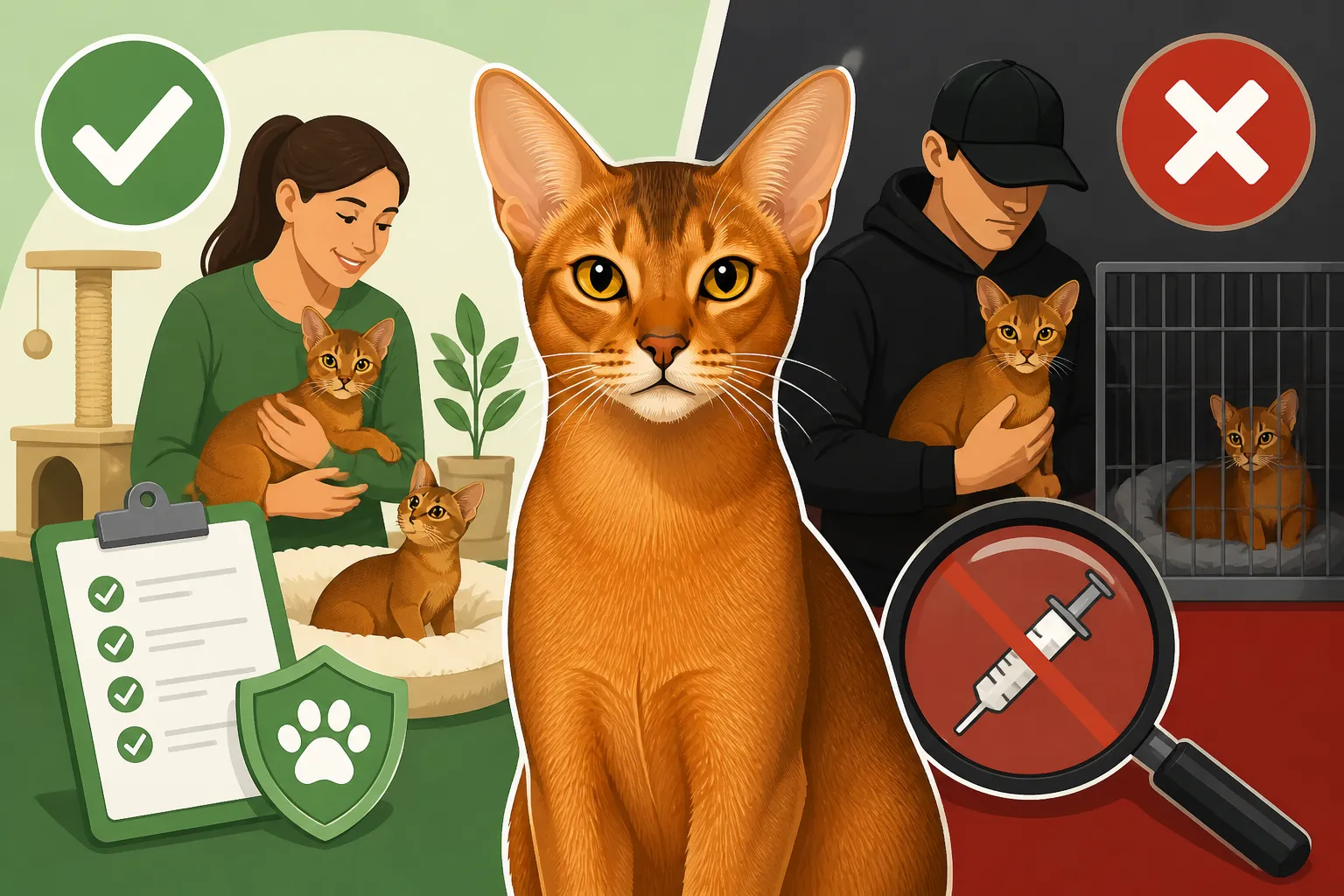
They should be open about allowing you to visit their cattery – ideally where the kittens are raised – though some may prefer video calls or a neutral meeting spot for biosecurity reasons. What they shouldn't do is refuse any interaction beyond sending photos or meeting you in a parking lot. They should also be transparent about the kitten's parentage, providing names, photos, and pedigrees of both the dam and sire. If they only show you the mother and make excuses about the father, be cautious. A reputable breeder is proud of their lines and wants to share that information.
Suspicious Pricing and Discounts
Price can be a tricky indicator, as Abyssinian kittens from reputable breeders are a significant investment due to the extensive care, health testing, and selective breeding involved. However, prices that are either suspiciously low or incredibly high without justification can be red flags. An Abyssinian kitten that seems "too good to be true" in terms of price usually is. Breeders who offer significant discounts or seem desperate to sell kittens quickly might be trying to offload them due to underlying health or behavioral issues, or because they haven't invested in proper care and testing.
Be especially wary of anyone advertising "rare" or "exclusive" colors at inflated prices that aren't recognized by major cat associations like the CFA. While certain colors like cream are less common and might command a slightly higher price from a legitimate breeder, claims of extreme rarity are often a marketing ploy by unscrupulous sellers. Similarly, if a breeder asks for a full payment upfront without a contract, or demands cash only, proceed with extreme caution. Transparent payment processes, deposits, and clear contractual agreements are the norm for responsible breeders. Remember, a cheap Abyssinian often comes with hidden, expensive problems down the line, as highlighted in "Why an Abyssinian Sold Cheap Is Usually Untested".
Refusal to Provide Parentage or Pedigree
A responsible breeder takes immense pride in their lineage and the carefully planned matings that produce healthy, well-adjusted kittens. This means they will readily provide a detailed pedigree for both the mother and father, tracing back several generations. A pedigree isn't just a piece of paper; it's a record of the cat's ancestry, showing the health history and genetic diversity (or lack thereof) in its background. It allows you to see if there are any repeated names or known issues within the line.
If a breeder can't or won't provide a pedigree, or claims it's "not important" for a pet-quality kitten, that's a serious concern. It suggests they might not be registering their cats, potentially indicating a lack of adherence to breed standards or a deliberate attempt to conceal less-than-ideal lineage. Furthermore, they should be able to provide registration papers for the kitten itself, even if it's a non-breeding agreement. These papers confirm the kitten's purebred status and its place within the breed's registry. Without these documents, you have no guarantee of the kitten's true breed or background, making it impossible to verify any health claims.
Verifying Test Results How to Be Sure
It’s one thing for a breeder to say their cats are tested; it's another entirely to prove it. In today's digital age, there's no excuse for a reputable breeder not to have easily verifiable documentation. You, as the prospective owner, have every right to see the proof. Don't be shy about asking for it, and don't take a breeder's word at face value when it comes to critical health screenings. This step is crucial for peace of mind and to ensure you're bringing a healthy kitten into your home.
Understanding Genetic Test Certificates
When a breeder provides you with genetic test results, these typically come in the form of official certificates from veterinary genetic testing laboratories. These certificates aren't just a simple "pass" or "fail" mark. They'll usually list the cat's full registered name, its microchip or tattoo number (if applicable), the specific tests performed (e.g., PK Deficiency, PRA-rdAc), and the result for each allele (e.g., N/N for clear, N/K for carrier, K/K for affected). They should also clearly state the name of the laboratory that performed the testing and the date the test was conducted.
Take the time to actually read and understand these certificates. Look for consistency in the cat's details and ensure the results are indeed "clear" for both parents for the conditions that have known genetic tests. A responsible breeder will be happy to walk you through the certificate and explain what each section means. If the certificate looks homemade, or if it's missing key information like the lab name or the cat's identification, be very skeptical. For a deeper dive into this, check out How to Read an Abyssinian's Normal Test Result.
Public Databases and Breeder Registries
Many reputable genetic testing laboratories maintain public databases where breeders can opt to register their cats' health test results. This adds an extra layer of transparency and verification. For example, some labs allow you to search by a cat's registration number or microchip to confirm results. While not all breeders choose to make their results public, those who do are demonstrating an exceptional level of commitment to transparency and breed health.
Additionally, many breed clubs and registries (like the CFA or TICA) have strict codes of ethics that encourage, if not require, health testing for breeding animals. While they might not host public databases of individual test results, belonging to such organizations signifies a breeder's commitment to upholding breed standards and ethical practices. A breeder should readily tell you which associations they belong to. You can also ask them How to Verify an Abyssinian's Test Certificate through the issuing lab or online registries.
Contacting the Lab Directly
If you have any lingering doubts or questions about the authenticity of a test result, you absolutely have the right to contact the genetic testing laboratory directly. Most labs will be able to confirm whether a specific test result was issued for a particular cat, provided you have the necessary information like the certificate number, the cat's registered name, or its microchip number. They might not be able to share all details due to privacy, but they can often confirm the existence and legitimacy of the certificate.
This step might seem overly cautious, but it's a powerful tool to ensure you're not falling victim to a fraudulent breeder. A breeder who is truly transparent and has nothing to hide will likely understand and even respect your diligence in wanting to verify the health of your future companion. If they become defensive or refuse to provide the necessary information for you to verify, that's a clear signal to walk away. This verification process applies to all important health data, not just DNA, but things like cardiac screening results if applicable to other breeds or specific lines.
The Importance of Family History for Untestable Conditions
While DNA tests are wonderful tools for identifying specific genetic mutations, not every health condition that affects Abyssinians has a clear genetic marker that can be screened for with a simple test. This is where a breeder's long-term dedication, meticulous record-keeping, and deep knowledge of their lines become invaluable. It shifts the focus from individual test results to the broader health legacy of the entire family tree.
Renal Amyloidosis The Silent Killer
Perhaps the most devastating example of an untestable condition in Abyssinians is Renal Amyloidosis. This is a progressive and often fatal kidney disease where abnormal proteins, called amyloid, build up in the kidneys, eventually leading to kidney failure. What makes this so insidious is that there's currently no specific gene test for it, and often, by the time clinical signs are apparent, the disease is already quite advanced. It can strike young Abyssinians, sometimes tragically early, leaving owners heartbroken and baffled. Learning about Renal Amyloidosis Is the Abyssinian Problem Nobody Can Test For truly highlights this challenge.
Since a DNA test isn't available, a responsible breeder's primary defense against amyloidosis is knowing the history of their breeding lines inside and out. They should be able to discuss the lifespan and causes of death for cats in their pedigrees, especially grand-parents and great-grandparents. They should know if any of their cats or their relatives have suffered from unexplained kidney disease. This transparency about potential weaknesses in their lines, alongside strengths, is a hallmark of an ethical breeder.
Tracking Lines and Breeder Networks
A dedicated Abyssinian breeder is not an island; they are part of a larger community. They will often collaborate with other responsible breeders, sharing information about health trends, successful matings, and unfortunately, health challenges within certain lines. This informal network, along with meticulous personal records, helps them track the prevalence of conditions like amyloidosis. They should have records not just of the parent cats, but of their siblings, parents, and even grandparents.
When you ask a breeder about amyloidosis, listen for how thoroughly they discuss their efforts to minimize its risk, even without a genetic test. This might involve selective breeding away from lines known to have a higher incidence, or simply being incredibly vigilant with their cats' regular veterinary check-ups, especially for older breeding animals, monitoring kidney function markers like SDMA and creatinine. They should be able to articulate Why an Abyssinian Line's History Matters More Than Any Test when it comes to conditions like this. This commitment to tracking and transparency is how the breed collectively works to reduce the incidence of untestable diseases.
The Kitten's Environment and Early Care as Indicators
Beyond the paperwork and genetic tests, a clear window into a breeder's ethics and commitment to their cats is the environment in which the kittens are raised and the quality of care they receive from day one. A well-socialized, healthy kitten doesn't just happen; it's the result of diligent effort and a nurturing environment. Observing these factors can tell you volumes about a breeder's true values.
A Clean, Stimulating Cattery Environment
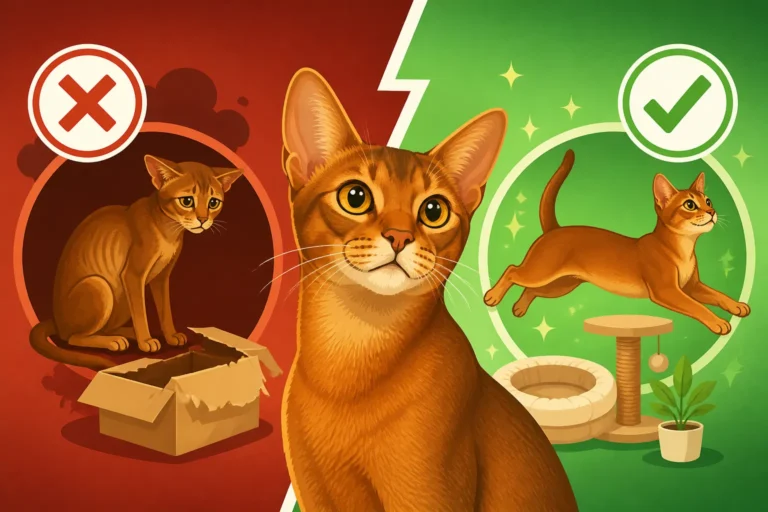
When you visit a breeder, or conduct a thorough video tour, the cattery environment should immediately impress you. It should be clean, well-maintained, and free of strong odors. This doesn't mean it has to be pristine and sterile like a hospital; cats are cats, and there will be evidence of their presence. However, it should be clear that hygiene is a priority. Look for clean litter boxes, fresh water bowls, and food dishes that are regularly cleaned.
Beyond cleanliness, the environment should be stimulating and enriching. Abyssinians are incredibly active and intelligent cats. You should see plenty of toys, scratching posts, cat trees, and climbing structures for the kittens and adult cats to interact with. A sterile, barren environment suggests a lack of understanding of the Abyssinian's needs for play and exploration. Kittens raised in such an environment are more likely to be undersocialized, fearful, or develop behavioral problems later on.
Early Socialization and Handling
The first few weeks of a kitten's life are critical for their social development. A responsible breeder understands this and ensures their kittens receive plenty of human interaction from an early age. This means the kittens are handled gently and frequently, exposed to various sights and sounds of a typical home, and allowed to interact positively with people. A kitten that hides, hisses, or is overly fearful of human interaction is a red flag, indicating poor socialization.
When you interact with the kittens, they should be curious, playful, and comfortable being touched. They might be a bit shy at first, but a well-socialized Abyssinian kitten will quickly warm up. A good breeder will also explain how they've socialized the kittens, what noises they've been exposed to, and how they've introduced them to different textures and experiences. This early effort directly impacts how well your Abyssinian will adjust to its new home and family. For more on this, consider What an Abyssinian Kitten's First Year Looks Like.
Veterinary Records and Vaccination Schedules
A key aspect of early care is consistent veterinary oversight. A responsible breeder will have a clear vaccination schedule for their kittens, typically starting around 8-9 weeks, followed by boosters. They should also have a deworming protocol in place, as kittens are particularly susceptible to internal parasites. You should be provided with the kitten's health record, detailing all vaccinations, deworming dates, and any other veterinary visits or treatments.
This record should ideally include the contact information of their veterinarian, which allows for further verification if necessary. Kittens should typically not leave the breeder until they are at least 12-14 weeks old, having received their initial vaccinations and had sufficient time to socialize with their littermates and mother. If a breeder is pushing to let kittens go earlier, or if they can't provide comprehensive vet records, that's a serious cause for concern.
Beyond the Sale Post-Purchase Support and Guarantees
A truly ethical Abyssinian breeder views the sale of a kitten not as an end, but as the beginning of a lifelong relationship. They care deeply about where their kittens go and how they fare in their new homes. This commitment extends far beyond the day you take your kitten home, encompassing health guarantees, ongoing support, and responsible breeding agreements. This continued involvement is a hallmark of a breeder who stands behind their cats.
Understanding a Breeder's Health Guarantee
A responsible breeder will provide a written health guarantee with their contract. This guarantee typically covers genetic health conditions, like PK Deficiency and PRA-rdAc, for a specified period – often the first one to two years of the cat's life. It might also offer a limited guarantee against congenital defects or severe infectious diseases for a shorter period, usually the first few days or weeks after purchase. The terms of this guarantee should be clear, detailed, and easy to understand.
Be sure to read the health guarantee carefully and ask any questions you have. What does it cover? What are the breeder's responsibilities if a condition arises? Are there any exclusions? For example, some guarantees might exclude conditions like amyloidosis due to the lack of a genetic test. A reputable breeder will explain the limitations and expectations upfront. They should also honor their guarantee without argument if an issue arises that falls within its terms. For context, you might want to review What an Abyssinian Breeder's Health Guarantee Covers.
Ongoing Support and Communication
A great breeder will be a resource for you throughout your Abyssinian's life. They should encourage you to reach out with questions or concerns, whether it's about diet, behavior, or health. They often act as mentors, offering advice based on their extensive experience with the breed. This ongoing support shows their dedication to the well-being of their cats and the success of their placements. They want to know their kittens are thriving, and they're invested in helping you ensure that.
This isn't just about problem-solving; it's also about celebrating milestones. Many breeders love to receive updates and photos of their kittens as they grow. If a breeder disappears after the sale, or acts annoyed when you reach out with questions, it's a sign that their primary interest was merely the transaction, not the long-term welfare of the cat. Look for a breeder who actively promotes this kind of open, communicative relationship.
Spay/Neuter Contracts and Breeding Restrictions
Virtually all responsible Abyssinian breeders sell pet-quality kittens on a strict spay/neuter contract. This means you legally agree to have your kitten spayed or neutered by a certain age (usually 6-9 months) and provide proof to the breeder. This is a crucial practice that helps prevent accidental pregnancies, overpopulation, and backyard breeding by individuals who are not prioritizing health or breed standards. The breeder will often hold the registration papers until proof of spay/neuter is provided.
If a breeder allows you to purchase an intact kitten without a clear breeding agreement and specific conditions for breeding, or offers "breeding rights" at an unusually low extra cost, it should raise a red flag. Responsible breeding is a complex and expensive endeavor, and reputable breeders are very selective about who they allow to breed their lines. They are safeguarding the future of the breed, not just making a quick sale. This commitment is why Why an Abyssinian Contract Includes a Spay Clause is so important.
Making the Right Choice Questions to Ask and the Answers You Want
Choosing an Abyssinian breeder is one of the most significant decisions you'll make when bringing a new cat into your life. It's a journey that requires diligence, patience, and a lot of asking questions. Don't be afraid to be thorough; a good breeder will appreciate your commitment to finding the right fit, and they will likely have just as many questions for you! This interaction is a two-way street, designed to ensure a perfect match.
Essential Questions About Health and Temperament
Beyond the specific genetic tests, delve deeper into the overall health and temperament of their breeding cats and past litters. Ask about common health issues they've encountered in their lines. A breeder who claims their cats have never had any health issues is probably not being entirely truthful, as even the most carefully bred lines can have occasional challenges. What matters is how they addressed these issues and what steps they took to prevent them from recurring.
Ask about the typical temperament of their kittens. Abyssinians are known for their lively, intelligent, and affectionate (though not always lap-sitting) personalities. Do their cats fit this description? How do they select for good temperament in their breeding program? Understanding Which Questions to Ask an Abyssinian Breeder First will help you cover all bases. You want a breeder who is as invested in producing well-adjusted, confident kittens as they are in producing healthy ones. They should be able to describe the personalities of the parents and the kittens, and guide you towards a kitten whose energy level and demeanor match your household.
Here's a table to help summarize key differences to look for:
| Feature/Question | Reputable Breeder | Irresponsible Breeder |
|---|---|---|
| Genetic Testing | Provides certified PK Def & PRA-rdAc results for parents. | Claims "lines are clear" without proof or dismisses tests. |
| Transparency | Open about cattery visits, parent info, and pedigree. | Evasive, meets in public, avoids showing full cattery. |
| Kitten Health Records | Provides detailed vet records (vaccines, deworming, check-ups). | Vague records, pushes early release, no vet info. |
| Health Guarantee | Written contract covering genetic conditions for 1-2 years. | No written guarantee, or vague/short-term promises. |
| Cattery Environment | Clean, stimulating, appropriate for active cats. | Unkempt, barren, strong odors, cats confined. |
| Kitten Socialization | Handled daily, exposed to household sounds, confident kittens. | Fearful/shy kittens, limited human interaction. |
| Breeding Philosophy | Selects for health/temperament, uses spay/neuter contracts. | Focus on quick sales, "rare" colors, no contracts. |
| Support After Sale | Offers ongoing advice and encourages updates. | Disappears after sale, unwilling to help. |
| Price | Reflects investment in health, care, and breeding. | Suspiciously low or excessively high with no justification. |
Inquiring About Litter Size and Age of Parents
While it might seem like a minor detail, asking about litter size and the age of the breeding parents can offer insights into a breeder's practices. Abyssinian litters tend to be on the smaller side, typically 2-4 kittens. Very large litters, especially consistently, could sometimes indicate overbreeding or a lack of attention to individual cat health. Similarly, inquire about the age of the mother and father. Responsible breeders typically do not breed queens before they are fully mature (around 1-2 years old) and will retire them from breeding at a reasonable age (often around 5-7 years old) to ensure their health and well-being.
Overbreeding, or breeding cats that are too young or too old, can take a toll on their health and the health of their offspring. A breeder should also allow sufficient recovery time between litters for the queen. If a queen is constantly pregnant, it's a sign of a breeder prioritizing quantity over quality, and potentially compromising the health of the mother and her kittens.
What to Look for During an In-Person Visit
If you're able to visit the cattery in person, this is an invaluable opportunity. Observe not just the kittens, but the adult cats, especially the mother. She should be healthy, well-fed, and have a good temperament. Are the cats curious and comfortable around the breeder? Do they seem happy and well-adjusted? You should also observe the interaction between the breeder and their cats. Are they affectionate? Do they know each cat's individual personality?
Pay attention to the general atmosphere. Is it calm and inviting, or does it feel chaotic or neglected? Are the cats housed in appropriate, secure enclosures? While Abyssinians are typically indoor cats, some breeders might have safe outdoor catios for enrichment. If so, these should also be clean and well-maintained. The overall impression you get from the visit, combined with all the information you've gathered, should give you a clear picture of the breeder's dedication and ethics. If anything feels off, trust your instincts. Remember, you're looking for a partner in ensuring the long, healthy life of your Abyssinian. You can gain further insights into the experience of checking a cattery by reading Why to Visit an Abyssinian Litter in Person.
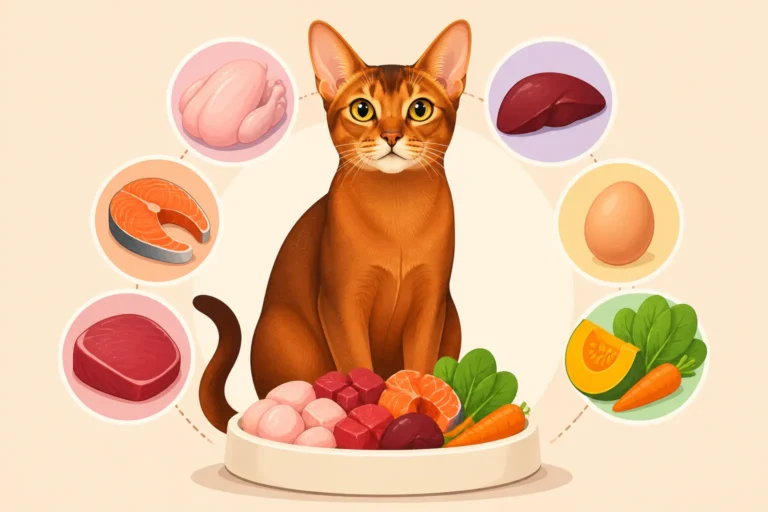
When it comes to feeding your Abyssinian, many breeders will recommend high-quality, protein-rich foods. Fresh food or high-quality kibble is often a good choice for energetic cats. And for those inevitable vet visits and unexpected emergencies, having pet insurance from providers like Healthy Paws can be a lifesaver, covering a significant portion of medical expenses.
Disclaimer
This article is for general informational purposes only and does not constitute professional advice. Laws, prices and regulations vary by location and change over time. Consult a qualified professional for guidance on your specific situation.