Why an Abyssinian Sold Cheap Is Usually Untested
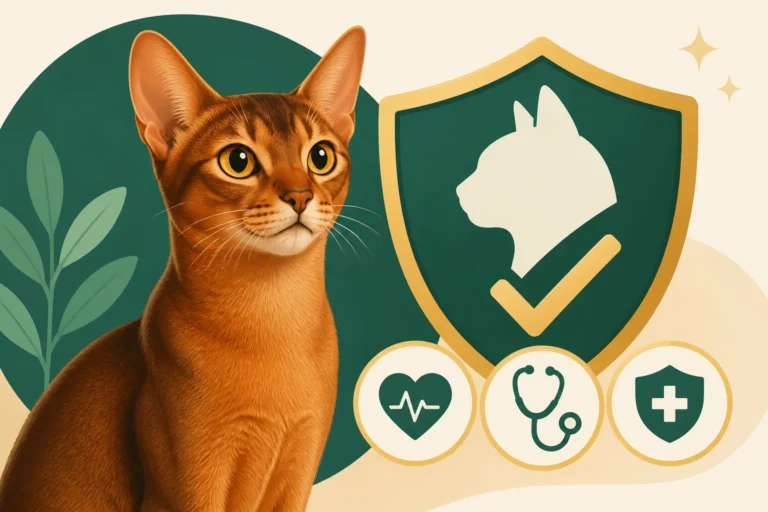
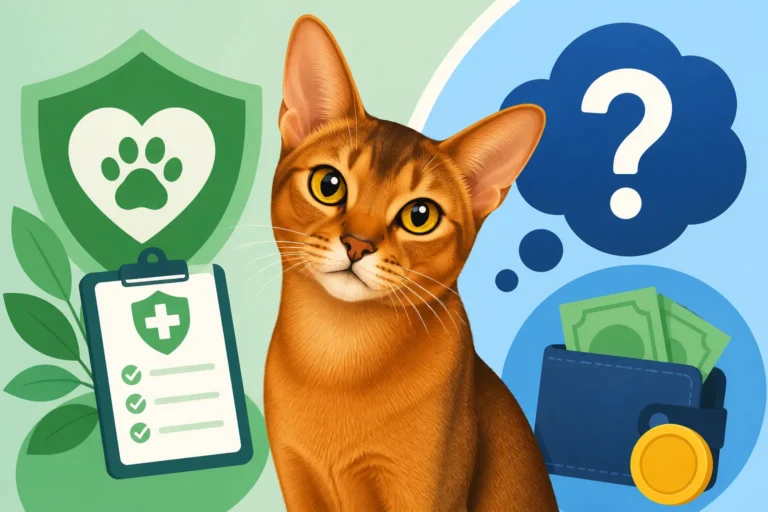
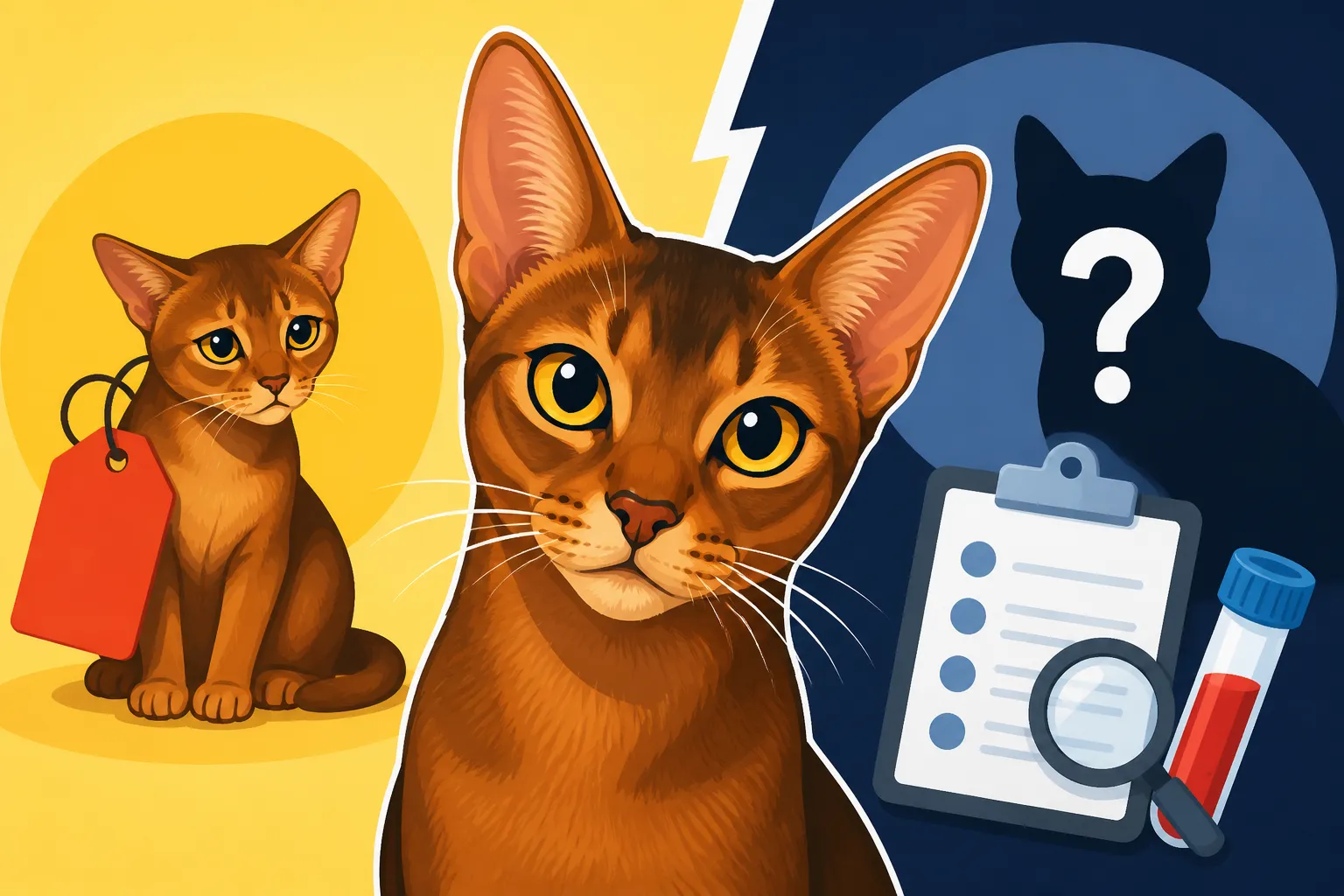
It’s a natural human instinct to look for a good deal, especially when it comes to something as exciting as bringing a new pet into your home. You see that adorable Abyssinian kitten advertised for a price significantly lower than others, and a little voice inside you says, "What a steal!" But in the world of purebred cats, particularly with a breed like the Abyssinian, a suspiciously low price tag is almost always a blaring red flag, and it typically means you're looking at a kitten that hasn't undergone crucial health testing, leading to heartbreaking and costly problems down the line. This guide will walk you through why cutting corners on the purchase price can cost you so much more in the long run, both financially and emotionally.
The Seductive Trap of a "Bargain" Abyssinian
It's completely understandable why a lower price point for an Abyssinian kitten might catch your eye. Reputable Abyssinian breeders invest heavily in their cats – from securing top quality breeding stock to providing excellent nutrition, veterinary care, and, most importantly, thorough genetic testing. All of these factors contribute to the higher, yet justified, price tag you see for a well-bred Abyssinian. When you encounter a listing significantly below the breed's typical range, that initial excitement can be hard to resist. It feels like you've stumbled upon a secret, a way to get the cat of your dreams without breaking the bank.
The Immediate Appeal of a Lower Price Tag
Let's be honest, who doesn't love saving money? When you're dreaming of an Abyssinian, with their striking looks and vivacious personalities, seeing a kitten for hundreds, sometimes even a thousand or more dollars less than the going rate can feel like hitting the jackpot. You might tell yourself that the breeder just wants to find good homes, or maybe they're new to breeding and haven't quite figured out their pricing structure yet. Perhaps you rationalize that a little less paperwork or a lack of fancy guarantees isn't a big deal if the kitten looks healthy and happy right now. This mindset often overlooks the critical role that a breeder's pricing plays in reflecting their commitment to the health and welfare of their animals.
The truth is, responsible breeding is expensive, and those costs are reflected in the price. A breeder who sells kittens for significantly less is almost certainly skipping vital steps, often without realizing the long-term consequences for the kitten and its new family. They might be operating on a shoestring budget, or worse, they might simply not care about the breed's health legacy. This immediate saving is often just a deferral of costs, pushing potential financial burdens onto the unsuspecting buyer, who will eventually face vet bills that dwarf the initial "bargain."
What "Untested" Really Means for an Abyssinian
When an Abyssinian is sold "untested," it means the breeder has likely bypassed critical genetic screenings for common breed-specific diseases. Unlike mixed breeds where genetic issues can be a mixed bag, purebred cats like Abyssinians have known predispositions due to their tightly managed gene pools. Skipping these tests is akin to buying a car without checking its engine or brakes; it might look great on the outside, but you're taking a massive, unquantifiable risk under the hood. For Abyssinians, this usually refers to DNA tests for Pyruvate Kinase Deficiency (PKD) and Progressive Retinal Atrophy (PRA-rdAc), which are absolutely essential.
These aren't optional extras; they're foundational health screenings that a responsible breeder will perform on all their breeding cats. Without these tests, you have no way of knowing if your kitten carries genes for debilitating diseases that could manifest later in life, sometimes with devastating effects. Imagine adopting a lively kitten, only for it to slowly lose its sight by five years old, or develop a severe, life-threatening anemia. These are the realities that can come with an untested Abyssinian, and the emotional and financial toll can be immense.
The Ethical Implications of Untested Breeding
A reputable breeder doesn't just breed for profit; they breed to improve the health, temperament, and conformity of the Abyssinian breed standard. This means they are constantly learning, collaborating with other ethical breeders, and investing in veterinary science. Choosing to sell untested kittens shows a fundamental lack of commitment to these principles. It's not just about the individual kitten you might buy; it contributes to the propagation of genetic diseases within the breed as a whole.
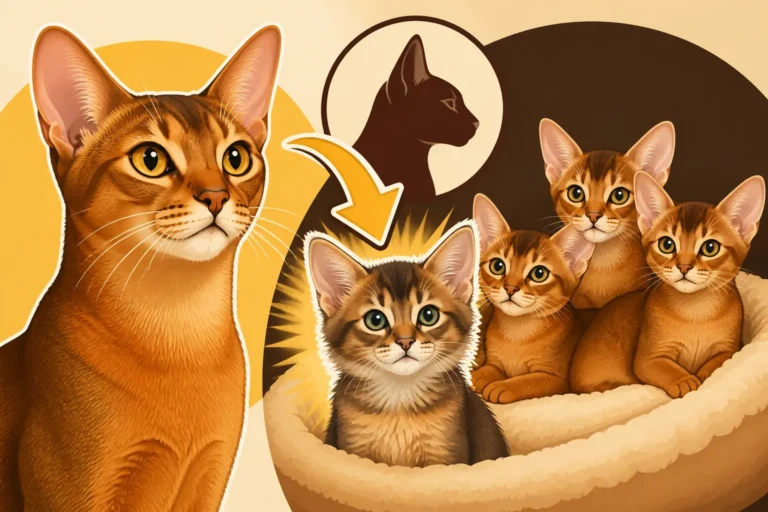
When a breeder doesn't test, they might unknowingly be breeding two carriers of a recessive gene, guaranteeing that some of their kittens will be affected by a painful, chronic, or fatal condition. This is why Why Two Carrier Abyssinians Should Never Be Bred is a topic of such importance. By purchasing from an untested source, you are inadvertently supporting practices that undermine decades of work by dedicated fanciers to ensure the breed's longevity and health. It sends a message that health testing isn't important, and that profit can be prioritized over welfare.
Unpacking the Critical Health Tests for Abyssinian Cats
Understanding what these tests are and why they're performed is key to appreciating their value. Responsible breeders are transparent about their testing protocols and will gladly share results, allowing you to trace your kitten's lineage and health clearances. This isn't just about avoiding a sick cat; it's about making an informed decision for a pet that could be part of your family for well over a decade.
Pyruvate Kinase Deficiency (PKD) and Its Financial Burden
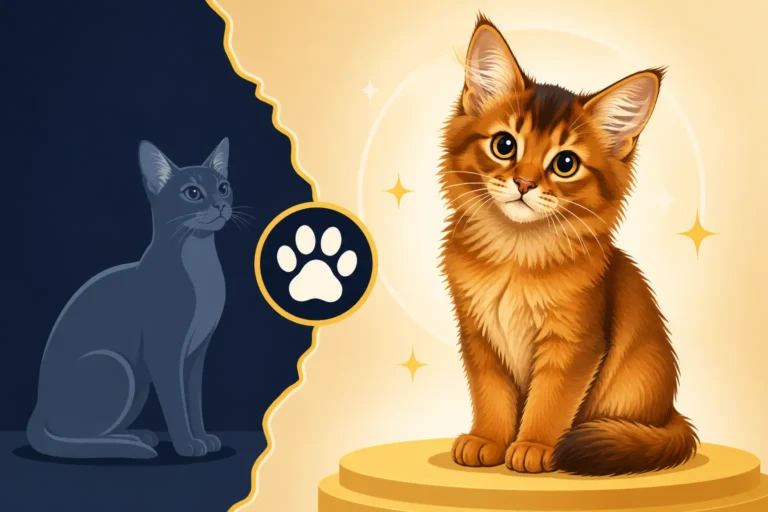
Pyruvate Kinase Deficiency, or PK deficiency, is a genetic metabolic disorder specific to Abyssinians and Somalis that affects the red blood cells. Cats with two copies of the affected gene cannot produce enough of the enzyme pyruvate kinase, leading to intermittent or chronic anemia. This isn't just a minor issue; it can cause lethargy, weakness, weight loss, and even death in severe cases. Imagine your beloved, energetic Abyssinian suddenly becoming listless, its gums pale, requiring urgent veterinary attention.
The treatment for PK deficiency can be ongoing and incredibly expensive. While some cats live relatively normal lives with the condition, others require frequent vet visits, blood transfusions, and even a splenectomy, which is a major surgical procedure. What PK Deficiency Does to an Abyssinian's Red Cells goes into more detail about the disease itself. All of these interventions carry significant costs. A simple What a PK Deficiency Test Costs for an Abyssinian for breeding cats is a minuscule expense compared to the thousands of dollars you might spend managing an affected cat's illness over its lifetime. It's a preventative measure that saves immense heartache and financial strain.
Progressive Retinal Atrophy (PRA-rdAc) and Long-Term Care
Progressive Retinal Atrophy (PRA), specifically the rdAc variant in Abyssinians, is another devastating genetic condition that leads to blindness. Cats affected by PRA-rdAc typically start showing signs of night blindness in their early years, often between one and two years old, with complete blindness usually setting in by age three to five. This isn't a condition that can be treated or reversed. It's a progressive, irreversible loss of vision that dramatically impacts a cat's quality of life, and yours.
While a blind cat can still live a happy life indoors, it requires significant adjustments to your home and lifestyle. Imagine your once agile climber Why a Blind Abyssinian Still Climbs, now navigating your home by memory and scent, bumping into furniture because Why an Abyssinian Bumps Furniture Before Anyone Notices. The initial diagnosis, which might involve a specialist veterinary ophthalmologist, can be costly, and while there's no cure, ongoing care involves ensuring their safety and adapting their environment. Again, the What a Retinal Atrophy Test Costs for an Abyssinian is a small upfront investment that prevents a lifetime of managing blindness and the emotional toll it takes on a loving owner.
The Silent Threat of Renal Amyloidosis and the Lack of a Test
Renal Amyloidosis is perhaps the most insidious threat to the Abyssinian breed, and heartbreakingly, there is no direct genetic test for it. This condition involves the abnormal deposition of amyloid protein in the kidneys, which eventually leads to kidney failure. It can strike young Abyssinians, sometimes as early as one or two years old, though it often manifests in middle age. The sudden onset and lack of a definitive pre-symptomatic test make it particularly challenging for breeders and owners.
Because there's no DNA test, reputable breeders rely heavily on family history and pedigree research to minimize the risk. They track the health and longevity of every cat in their lines, avoiding breeding from cats whose relatives died young from kidney issues. This is why a breeder who can speak extensively about the health history of their cats' ancestors for several generations back is invaluable. If you buy an untested Abyssinian, you miss out on this crucial, albeit indirect, screening. What Renal Amyloidosis Deposits in an Abyssinian's Kidney explains the mechanism, and Why an Abyssinian Line's History Matters More Than Any Test underscores the importance of breeder knowledge and transparency. The costs associated with managing kidney failure, even with supportive care like special diets, medications, and subcutaneous fluids at home, are astronomical.
The Cost of Treating Neglected Dental Issues
While not strictly a genetic disease in the same way as PK or PRA, Abyssinians are notoriously prone to severe dental issues, particularly a condition called juvenile gingivitis, which can progress to painful gum overgrowth (gingival hyperplasia) and tooth resorption. This can start incredibly early, sometimes as young as six months. If a breeder isn't educating new owners on preventive dental care or has lines prone to severe issues, you'll face substantial vet bills.
An "untested" or cheaply bred Abyssinian might come from lines where dental health has been ignored, or the kitten may have already developed problems that aren't apparent to the untrained eye. Professional dental cleanings under anesthesia are not cheap, and Abyssinians often require them more frequently than other breeds due to their predisposition. Why Abyssinian Dental Work Is the Biggest Line in the Budget is a common refrain among owners. Procedures like gingivectomies (surgical removal of excess gum tissue) or tooth extractions can cost hundreds to thousands of dollars, easily eclipsing any initial savings on the kitten's purchase price.
The Long-Term Financial and Emotional Burden of Untested Cats
The lure of a cheap upfront price fades quickly when faced with the reality of caring for a chronically ill cat. The true cost of pet ownership extends far beyond the initial purchase, and with an untested Abyssinian, that extension can be dramatically painful for both your wallet and your heart.
Emergency Vet Visits and Chronic Illness Management
Imagine waking up to find your playful Abyssinian lethargic, struggling to breathe, or refusing food. These are common scenarios for cats suffering from conditions like PK deficiency, and they often lead to emergency vet visits, which come with premium price tags. Diagnostics like blood tests, X-rays, and ultrasounds pile up quickly. If your cat needs hospitalization, intravenous fluids, or even a blood transfusion, costs can skyrocket into the thousands within a matter of days. What Emergency Care for an Anemic Abyssinian Costs is a stark reminder of the financial hit you could take.
For chronic conditions like kidney disease or progressive blindness, the costs become ongoing. Specialized prescription diets, medications, and regular check-ups become a permanent fixture in your budget. While products from retailers like Chewy can help you manage these supplies, the veterinary consultations and prescription fees remain substantial. It's a continuous drain, emotionally and financially, especially when you're watching your beloved companion suffer and knowing that preventative action could have been taken.
The Emotional Toll on You and Your Cat
Beyond the monetary cost, there's the immeasurable emotional toll. Watching your vibrant Abyssinian decline due to a preventable genetic disease is heartbreaking. The stress of managing a sick pet, dealing with multiple vet appointments, and the uncertainty of their prognosis can impact your own well-being. The bond you form with your cat is incredibly strong, and seeing them in pain, or knowing their life may be cut short, is profoundly distressing.
Cats are masters at hiding illness, and by the time symptoms become obvious, the condition is often advanced. This means more intensive treatment and a harder road to recovery, if recovery is even possible. The joy of bringing an Abyssinian into your home is replaced by anxiety and sorrow. This is the hidden cost that no amount of money can truly compensate for, and it's a burden that no responsible breeder wants to inflict on their kittens or their future families.
Why Pet Insurance Becomes Essential (and more expensive)
Many pet owners turn to pet insurance to mitigate the financial risks of unexpected illness or accidents. For a well-bred Abyssinian with clear health testing, pet insurance plans like those offered by Healthy Paws can provide excellent peace of mind. However, if you purchase an untested Abyssinian, you might find that genetic conditions are often considered "pre-existing" if symptoms appear after enrollment but before the waiting period is over, or even if the condition is known to be hereditary in the breed and the parents weren't tested.
Even if you get insurance before any symptoms show, some plans might have exclusions or higher premiums for breeds known to have certain genetic predispositions, especially if there's no proof of parental testing. What Abyssinian Insurance Costs Per Month can already be a significant line item, and the complexities surrounding genetic conditions with an untested background can make it even harder to get comprehensive coverage when you need it most. It's a gamble that often doesn't pay off, leaving you with hefty bills despite having insurance.
How to Ensure You're Getting a Healthy Abyssinian
Avoiding the "bargain" trap requires diligence and a commitment to finding a reputable breeder. This means asking tough questions, verifying information, and being patient. The right Abyssinian will be worth the wait and the investment.
Asking for and Verifying Health Certificates
The absolute first step is to insist on seeing the genetic test results for both parent cats. A reputable breeder will have these readily available, often with certificates from a recognized laboratory. Don't just take their word for it; ask to see the actual documents. Look for results that clearly state "clear" or "negative" for PK deficiency and PRA-rdAc. If a cat is a "carrier" for PK deficiency, it's still healthy but should only be bred to a clear cat to prevent affected offspring.
You should also understand How to Verify an Abyssinian's Test Certificate. Many labs offer online databases where you can cross-reference the certificate number and the cat's microchip or registration details. This transparency is a hallmark of a trustworthy breeder. Be wary of any breeder who claims their cats are "healthy, so we don't test," or offers vague excuses about why results aren't available. This is a non-negotiable step in responsible breeding.
Understanding the Breeder Contract and Guarantee
A good breeder will always provide a written contract that outlines the responsibilities of both parties. This contract typically includes a health guarantee, often covering genetic diseases for a specified period (e.g., one or two years). Read it carefully. Understand what conditions are covered and what remedies are offered if a genetic disease manifests. For instance, What an Abyssinian Health Guarantee Actually Promises can vary widely.
Crucially, pay attention to what the guarantee doesn't cover. For example, some guarantees might exclude conditions like Renal Amyloidosis precisely because there isn't a genetic test. However, a responsible breeder will still discuss their lines' history regarding this condition. A strong contract, along with clear health testing, gives you legal and ethical recourse should the worst happen, offering a layer of protection that a "cheap", untested kitten simply won't have.
The Importance of a Detailed Pedigree
A pedigree is more than just a family tree; it's a historical record of your Abyssinian's lineage. It should go back at least four or five generations and show not just names, but often titles (indicating show wins) and sometimes even health clearances. A detailed pedigree helps illustrate the breeder's commitment to quality and traceability. For conditions without a direct DNA test, like Renal Amyloidosis, the pedigree allows the breeder to track instances of the disease within their lines and make informed breeding decisions.
When a breeder can talk you through the health and longevity of the cats on the pedigree, it demonstrates their deep knowledge and dedication. This kind of historical insight is invaluable. You want to see longevity and a lack of early deaths due to preventable diseases. What an Abyssinian's Grandparents Reveal About Its Kidneys can offer insights into potential long-term health risks that a breeder should be aware of and transparent about.
Purchasing an Abyssinian is a significant long-term commitment. While the temptation of a lower price tag can be strong, it almost invariably comes with substantial hidden costs in the form of future veterinary bills, emotional distress, and the potential for a shortened, less vibrant life for your beloved cat. Investing in a kitten from a reputable breeder who prioritizes health testing, provides clear documentation, and offers a comprehensive health guarantee is not an extravagance; it's a wise decision that protects your wallet, your heart, and most importantly, the well-being of your new family member. Don't let a "bargain" today become a profound regret tomorrow.
Disclaimer
This article is for general informational purposes only and does not constitute professional advice. Laws, prices and regulations vary by location and change over time. Consult a qualified professional for guidance on your specific situation.