Why a Longhair Abyssinian Kitten Is Priced Apart
It's incredibly frustrating when you're diligently researching the cost of an Abyssinian kitten, only to stumble upon mentions of "longhair Abyssinians" or "Somalis" with completely different price tags. You might feel confused, wondering if these are even the same breed or why a bit of extra fur would warrant a separate pricing structure. This guide will unravel the mysteries behind why a longhair Abyssinian kitten, more commonly known as a Somali, is priced apart from its shorthaired Abyssinian cousins, exploring the genetic quirks, breeder perspectives, and market dynamics that contribute to this distinction.
The Unexpected Longhair: Understanding the Somali's Origin
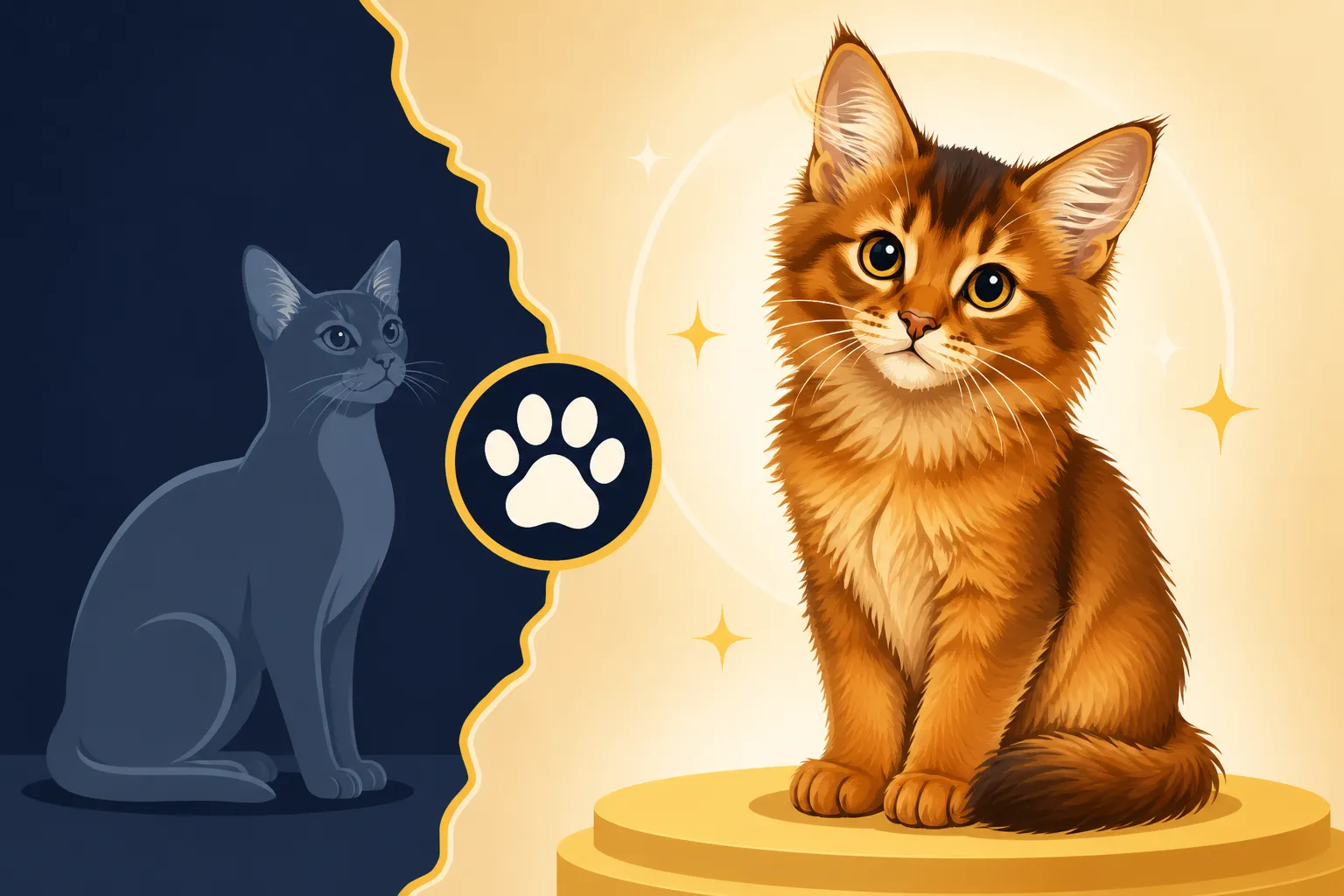
When you envision an Abyssinian, you likely picture that sleek, short, ticked coat that gives them their wild, elegant look. So, the idea of a "longhair Abyssinian" can be a bit of a head-scratcher. What many people don't realize is that the Somali cat is, genetically speaking, essentially an Abyssinian with a longer coat. It's not a hybrid or a separate ancient breed; it emerged directly from Abyssinian lines.
The Recessive Gene at Play
The longer coat of a Somali isn't a result of deliberate crossbreeding with a longhaired cat. Instead, it's all thanks to a simple recessive gene. This means that two Abyssinians, both carrying one copy of the longhair gene but displaying a shorthair coat themselves, can produce longhaired kittens in their litter. Think of it like eye color in humans – two parents with brown eyes might still have a child with blue eyes if they both carry the recessive blue-eye gene. For cats, this particular gene, often referred to as the "M" locus, determines coat length.
Because the gene is recessive, breeders might go generations without seeing a longhaired kitten, even if their breeding cats are carriers. It's a bit of a genetic lottery, and it means that a stunning, perfectly standard Abyssinian can carry the potential for long hair without anyone knowing until a longhaired kitten pops up in a litter. Understanding this genetic dance is key to understanding Why the Long Hair Gene Was in Abyssinians All Along. It’s a trait that has been present in the Abyssinian gene pool for a very long time, simply hidden by the dominance of the shorthair gene.
When an Abyssinian Litter's Coat Length Becomes Obvious
For a new owner, distinguishing a shorthair Abyssinian from a longhair Somali kitten at birth can be nearly impossible. They all look like adorable, slightly fuzzy bundles of joy! However, experienced breeders have a keen eye for subtle differences that emerge fairly quickly. While not always definitive on day one, certain indicators start to show within the first few weeks. The fur on the ears might be a little fluffier, or the tail might appear slightly bushier than a typical Abyssinian kitten's.
By about 6-8 weeks of age, the difference becomes much more noticeable. The coat of a future Somali kitten will start to show its true length, particularly around the ruff, breeches, and tail. This is when breeders can definitively tell How a Breeder Tells an Abyssinian From a Somali at Birth. Before this point, a breeder might only suspect based on the parental genetics (if both parents are known carriers) or a general "fluffiness" that sets certain kittens apart. This waiting period is part of the reason a breeder might initially price a whole litter similarly until coat length can be confirmed, or price the potential longhairs differently from the start.
The Somali as a Distinct Breed (but still Abyssinian, really)
Once those unexpected longhaired kittens started appearing in Abyssinian litters, cat fanciers had a choice to make: either treat them as genetic anomalies or embrace them as a new, beautiful variation. Thankfully, the latter prevailed, leading to the establishment of the Somali breed.
Who Bred the First Somali
The journey from a "longhair Abyssinian" to a recognized "Somali" breed is fascinating. It wasn't a single, intentional breeding program designed to create a new type of cat. Instead, it was a gradual process where observant and dedicated breeders noticed these longhaired kittens and, rather than culling them or quietly selling them as pets, decided to develop them into a distinct variety. The general consensus points to Canada and the United States in the mid-20th century as the birthplace of the formalized Somali breed.
One name that often comes up in early Somali history is Evelyn Mague of the Lyn-Lee Cattery in the USA, who is often credited with championing the longhaired Abyssinian and pushing for its recognition as a separate breed, giving it the name "Somali." This was a significant step, moving these beautiful cats from being an unexpected outcome to a celebrated and distinct entity. You can dive deeper into this history with our article on Who Bred the First Somali. This advocacy was crucial because, without it, the longhaired Abyssinians might have remained a genetic footnote rather than evolving into the popular breed we know today.
The Price of "Purity": How Long Hair Affects Perception
Despite the Somali's official recognition, the pricing can still be influenced by varied perceptions within the cat fancy world. For some traditional Abyssinian breeders, a longhaired kitten is still viewed as a "fault" or an undesirable genetic surprise within an otherwise shorthair-focused breeding program. They might choose to price these kittens lower, eager to find them good pet homes quickly, especially if their primary goal is to produce show-quality Abyssinians. This mentality dates back to when the longhair gene was considered an impurity, and breeders might have quietly rehomed these kittens. It's a phenomenon explored in Why Somali Kittens Were Once Given Away Quietly.
Conversely, breeders who specialize in Somalis or embrace the longhair trait as a beautiful variation will price them according to their own established breed standards and market demand. For them, a longhaired kitten isn't an "oops" but a cherished result of careful breeding. These breeders invest in promoting the Somali as its own breed, adhering to its specific show standards, and educating prospective owners about their unique qualities. This dichotomy in perception means that the price of a longhair Abyssinian can fluctuate wildly depending on the individual breeder's philosophy and breeding goals.
Factors Influencing Somali Kitten Pricing
So, if a Somali is essentially a longhaired Abyssinian, why the separate price tag? It comes down to a blend of factors that affect supply, demand, and breeder investment. It's rarely about one single element but rather a combination of many.
Supply and Demand Dynamics
The core economic principle of supply and demand plays a significant role in pricing. Abyssinian cats, while popular, are not as common as, say, a domestic shorthair, making them a relatively niche breed to begin with. Somalis are even less common. Because the longhair gene is recessive, not every Abyssinian litter will produce Somali kittens, and even when they do, the proportion of longhairs might be small. This naturally limits the supply of Somali kittens available to eager buyers.
When demand for a particular phenotype (like long hair) outstrips its availability, prices tend to rise. Many people are drawn to the flowing coats and bushy tails of Somalis, often finding them to be even more stunning than their shorthaired counterparts. This visual appeal, combined with their scarcity, can drive up their market value. Some breeders might also intentionally focus on breeding Somalis, thereby cornering a segment of the market and influencing their own pricing structure based on their expertise and investment in the Somali lines.
Breeder Practices and Philosophy
A breeder's approach to their cattery, their ethical standards, and their personal philosophy greatly influence the final price of any kitten, and this is especially true for longhair Abyssinians. Reputable breeders invest heavily in health testing, proper nutrition, early socialization, and ensuring the well-being of their breeding cats and kittens. This foundational investment is reflected in the price, regardless of coat length.
For a breeder who encounters a Somali kitten in an Abyssinian litter, their decision on how to price it often reflects their breeding goals. If they are an Abyssinian-only cattery and the longhair is an unexpected outcome, they might price it similarly to their Abyssinian pet-quality kittens, or slightly less if they feel it deviates from their primary breeding goal. However, a breeder who actively breeds both Abyssinians and Somalis, or specializes in Somalis, will price their longhaired kittens according to the Somali breed standard and the high level of care and genetic knowledge they bring to their program.
This difference highlights the importance of choosing a responsible breeder, whether you're looking for an Abyssinian or a Somali. A breeder committed to health, regardless of coat length, will have their breeding cats thoroughly tested. Consider looking into pet insurance providers like Healthy Paws early on, as they can help cover unexpected veterinary costs, reinforcing the importance of a responsible breeder's health guarantees. Reputable breeders will be transparent about their pricing, their rationale, and the care they provide, rather than simply having wildly fluctuating prices based on whim.
Show Quality vs. Pet Quality Somalis
Just like with Abyssinians, Somalis are evaluated against a detailed breed standard, and their pricing can be significantly impacted by whether they are deemed "pet quality" or "show quality." A pet-quality Somali is a wonderful companion animal that might have a minor deviation from the show standard – perhaps an ear isn't quite the right size, or the tail isn't as bushy as desired, or the ticking isn't perfectly even. These kittens are still perfectly healthy and beautiful, but they wouldn't perform well in the show ring. For more on this, you can read What a Pet Quality Abyssinian Sells For.
On the other hand, a show-quality Somali is one that closely adheres to the breed standard, possessing ideal conformation, coat quality, and temperament. These kittens are considered to have the potential to excel in shows and, if suitable, contribute to the breed's future. Naturally, these kittens command a much higher price, reflecting their perceived value and potential. This is similar to What a Show Quality Abyssinian Sells For, where the pinnacle of breeding efforts leads to a premium price. Breeders invest considerable time, effort, and money into producing show-quality animals, from careful genetic selection to extensive socialization, and these costs are factored into the kitten's price.
Costs Associated with Breeding and Rearing Somalis
Beyond the basic care, there are specific costs associated with breeding and rearing longhaired Abyssinians that contribute to their distinct pricing. These are investments made by ethical breeders to ensure the health and integrity of their lines.
Genetic Testing for Long Hair
For any responsible breeder, genetic testing is paramount. Since the longhair gene is recessive, an Abyssinian can carry it silently for generations. To understand their lines and make informed breeding decisions, breeders will test their cats for the longhair gene. This test, often part of a broader DNA panel, confirms whether a cat is clear, a carrier, or affected (meaning they have two copies and will be a Somali). This knowledge allows breeders to strategically pair cats to either avoid producing longhairs (if they are an Abyssinian-only cattery) or to specifically aim for Somalis.
This genetic testing adds to the overall cost of a breeding program. While the specific cost of a single test might seem small, when you consider testing multiple breeding cats, particularly if you are trying to understand the genetic makeup of an entire line, it adds up. This is a crucial step for transparency and health assurance, and you can learn more about it in Why Abyssinian Breeders Test for Long Hair and How the Abyssinian's DNA Panel Is Ordered. These tests provide peace of mind and are an ethical responsibility, preventing unexpected genetic surprises for future owners.
Specialized Grooming Needs (and thus, buyer education)
While the Abyssinian is famously low-maintenance in terms of grooming due to its short, close-lying coat, the Somali, with its semi-long hair, requires a bit more attention. Their longer, softer fur, especially on their magnificent bushy tails, needs regular brushing to prevent mats and keep it looking its best. This isn't a hugely intensive grooming regimen compared to, say, a Persian, but it is certainly more than an Abyssinian.
Breeders of Somalis often dedicate time to educating prospective owners about these slightly increased grooming needs. They'll provide tips on appropriate brushes, the frequency of grooming, and general coat care. This education ensures that the kitten goes to a home prepared for its specific needs. The time and resources a breeder dedicates to preparing both the kitten and the new owner for these differences are implicitly factored into the kitten's price. Access to high-quality grooming tools and nutritious food can support a healthy, beautiful coat. This added layer of client preparation and support is an investment on the breeder's part.
Marketing and Registration
Establishing and promoting a breed like the Somali involves specific marketing and registration efforts distinct from the Abyssinian. While they share a common genetic background, the Somali has its own breed standard, its own class in cat shows, and often requires separate listing and promotion by breeders. Breeders dedicated to Somalis will register their kittens with associations like The Cat Fanciers' Association (CFA) or The International Cat Association (TICA) specifically as Somalis, ensuring they receive the correct pedigree and recognition. You can find more details on general registration in Which Registry an Abyssinian's Papers Come From.
This separate classification means breeders might engage in different marketing strategies, attending specific Somali-focused events or advertising in publications that cater to semi-longhaired breeds. The administrative fees for registration, participation in breed clubs, and marketing efforts all add to the overhead of running a cattery that produces Somalis. These costs are naturally incorporated into the final price of the kittens, distinguishing them further from their shorthaired counterparts.
Comparing Pricing: Abyssinian vs. Somali
Now that we've explored the genetic, historical, and practical reasons for the distinction, let's look directly at how the pricing can compare between an Abyssinian and a Somali kitten. It's not always a straightforward "one is always more expensive" situation.
Why a Somali Might Be More or Less Expensive
The price difference between an Abyssinian and a Somali kitten isn't uniform and can depend heavily on the individual breeder and the specific market.
Sometimes, a Somali might be priced higher due to its perceived rarity or exotic appeal. Many people are instantly captivated by their fox-like appearance and luxuriant coats, and if fewer are available, demand can drive the price up. A breeder specializing in Somalis might command a premium for their well-established lines and expertise. For those wondering, our article Whether a Somali Costs More Than an Abyssinian delves into these variations.
Conversely, in some cases, a Somali might be priced lower. This can happen if a breeder primarily focuses on the Abyssinian standard and views the longhair gene as an undesirable trait in their lines. If a longhaired kitten appears unexpectedly, they might price it more affordably, prioritizing a good pet home over maximizing profit, especially if they are not geared towards showing Somalis. This is often the case when How a Somali Turns Up in an Abyssinian Litter is not something the breeder was actively trying to achieve.
Here's a table summarizing potential pricing influences for both types of kittens:
| Factor | Abyssinian Kitten Pricing | Somali Kitten Pricing |
|---|---|---|
| Genetic Origin | Shorthair dominant, widely established. | Recessive longhair gene, less common occurrence. |
| Rarity/Availability | More widely available from breeders. | Generally less common due to recessive gene expression. |
| Breeder Focus | Primary focus for traditional Abyssinian breeders. | Dedicated Somali breeders, or an "unexpected" result. |
| Show Potential | Judged against Abyssinian short-coat standard. | Judged against distinct Somali semi-long-coat standard. |
| Grooming Needs | Minimal; low-maintenance coat. | Moderate; regular brushing to maintain coat. |
| Market Demand | Consistent demand for elegant shorthairs. | Growing demand for fox-like appearance, can be premium. |
| Perceived "Fault" | Generally none (unless poor type). | May be seen as a "fault" by some traditional Abyssinian breeders. |
| Health Testing | PK Deficiency, PRA-rdAc, etc. | Same core genetic health tests as Abyssinians. |
| Registration | Registered as Abyssinian. | Registered as Somali. |
The Value of a Well-Bred Somali
Regardless of whether you choose an Abyssinian or a Somali, the most crucial aspect of pricing is the value you receive from a well-bred kitten. A higher price tag from an ethical breeder typically signifies a significant investment in health, temperament, and responsible practices. This includes comprehensive health screening for parents, ensuring they are clear of genetic diseases common to the breed like Pyruvate Kinase Deficiency (PKD) and Progressive Retinal Atrophy (PRA-rdAc). It means the kitten has been raised in a clean, stimulating environment, received proper veterinary care (vaccinations, deworming), and has been well-socialized.
A responsible breeder provides a health guarantee, a pedigree, and ongoing support for the life of the cat. They ensure their cats are fed high-quality nutrition, which is essential for healthy development. This commitment to the breed's health and well-being is what truly differentiates a reputable breeder and justifies the price, whether for a sleek Abyssinian or a fluffy Somali. Ultimately, investing in a kitten from a breeder who has conducted all appropriate health tests, as outlined in What an Abyssinian Breeder Should Have Tested Before You Buy, means you are bringing home a healthy, happy companion, which is priceless.
Disclaimer
This article is for general informational purposes only and does not constitute professional advice. Laws, prices and regulations vary by location and change over time. Consult a qualified professional for guidance on your specific situation.