Why the Long Hair Gene Was in Abyssinians All Along
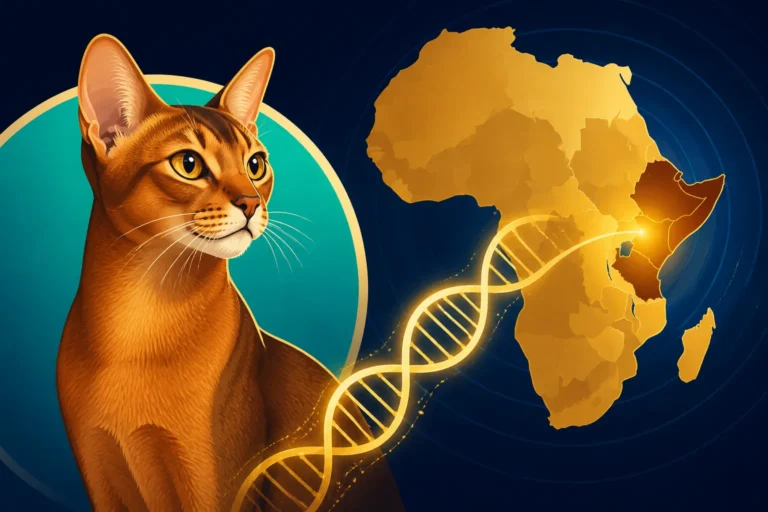
It can be quite a surprise, and sometimes even a point of confusion for new Abyssinian owners, to learn that the breed, known for its sleek, short, ticked coat, actually carries a gene for long hair. You might even hear stories from breeders about a "fluffy" kitten appearing in a seemingly purebred litter, which can throw everyone for a loop. But this isn't a modern anomaly or a sign of improper breeding; in reality, the genetic predisposition for long hair has been a quiet passenger in the Abyssinian gene pool for generations, shaping not just the Abyssinian itself, but also giving rise to an entirely new and beloved breed, the Somali. This guide will delve into the fascinating genetic history of the Abyssinian, explaining why the long hair gene was always there, how it influenced the breed, and what it means for owners and breeders today.
Unraveling the Abyssinian's Genetic Blueprint
Understanding why some Abyssinian litters occasionally produce long-haired kittens requires a little dive into feline genetics, specifically how coat length is inherited. It's a classic example of recessive traits at play, quietly passed down until the right genetic combination brings them to light.
The Recessive Nature of Long Hair
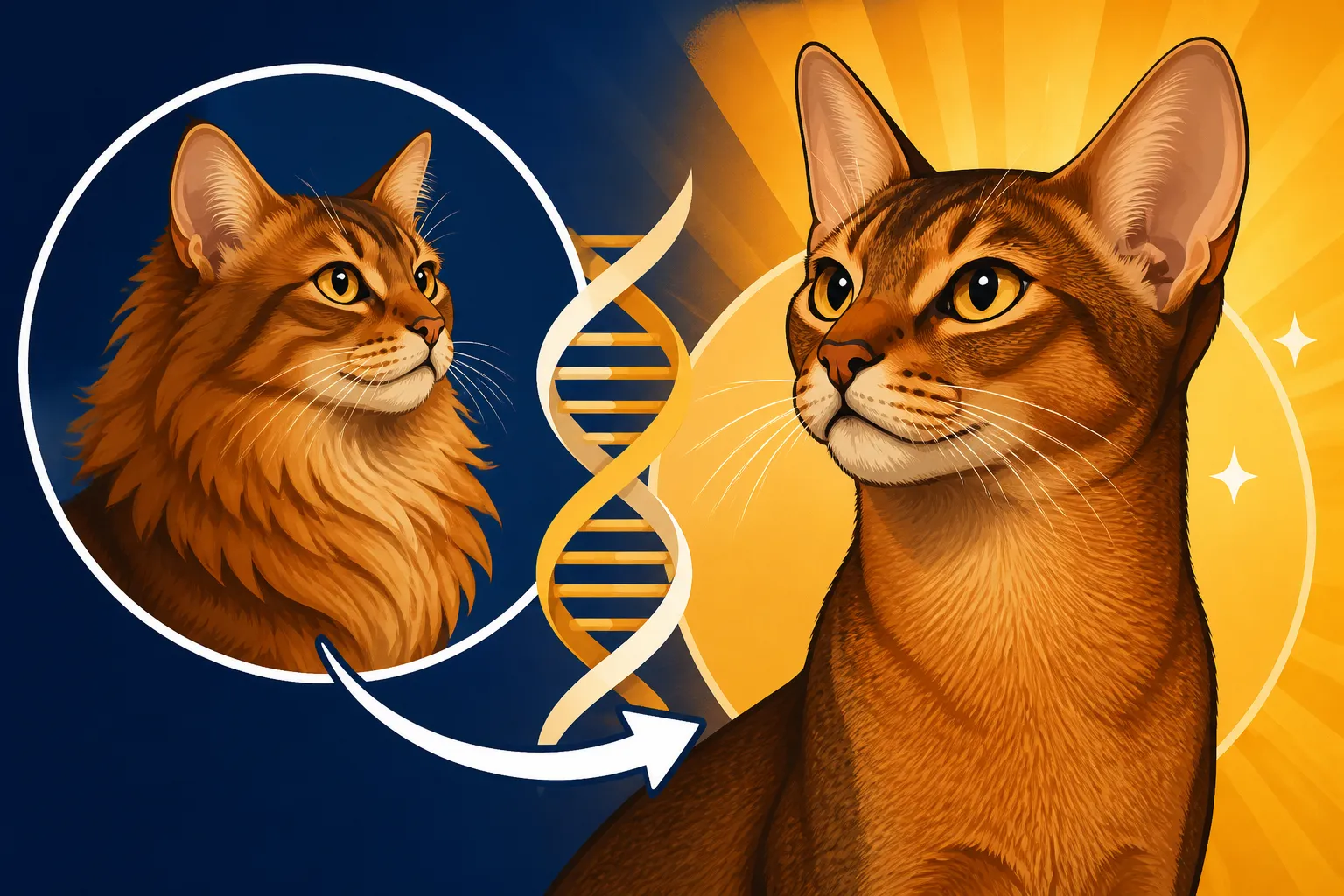
In the world of cat genetics, coat length is primarily determined by a single gene, often referred to as the FGF5 gene. This gene has different versions, or alleles, one for short hair (dominant) and one for long hair (recessive). For a cat to display long hair, it must inherit two copies of the recessive long-hair allele—one from each parent. If a cat inherits even one copy of the dominant short-hair allele, it will have a short coat, masking the presence of any recessive long-hair gene it might also carry. This is why you can have two short-haired Abyssinian parents who are both carriers of the long-hair gene, and they can, to everyone's surprise, produce a long-haired kitten. Each parent passes on one of their two alleles to their offspring, and if both happen to pass on their recessive long-hair allele, voilà—a fluffy surprise! It's a roll of the genetic dice, and sometimes, those dice land on double recessive.
Think of it like eye color in humans, though much simpler. You might have two brown-eyed parents who both carry the gene for blue eyes, and suddenly, a blue-eyed child appears in the family. The brown eye gene is dominant, hiding the blue eye gene, but when both parents contribute the blue eye gene, it expresses itself. For cats, the short hair gene acts like the brown eye, and the long hair gene like the blue. This fundamental principle of Mendelian inheritance explains why the gene can persist undetected for many generations in a breeding line, only surfacing when two carriers happen to mate. It's a testament to the quiet power of recessive traits and why breeders sometimes say genetics are full of surprises. How the PKLR Mutation Reaches an Abyssinian discusses another recessive genetic trait that can surprise owners.
A Legacy of Mixed Ancestry
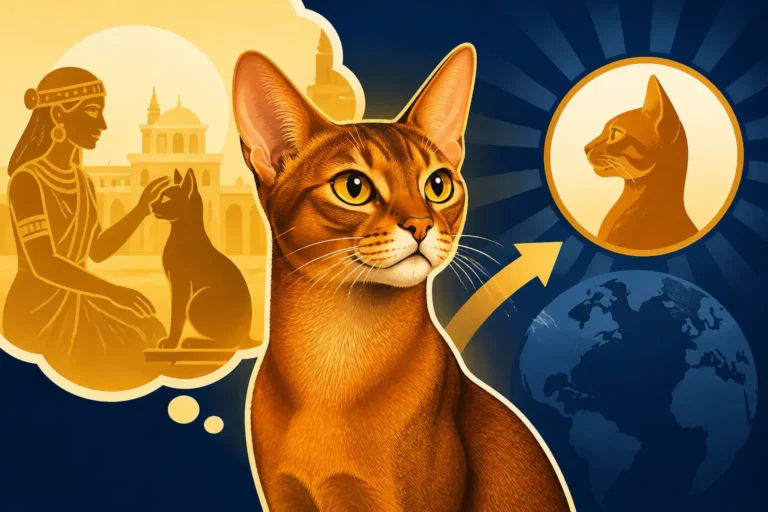
The presence of the long-hair gene in Abyssinians isn't just a random mutation; it's a whisper from their ancestral past. While the breed's origins are debated, modern genetic studies suggest a diverse lineage, possibly tracing back to cats from the Indian Ocean coast and Southeast Asia. These early cat populations were not purebred in the modern sense; they were a mix of various feline types, some of which naturally carried the long-hair gene. As these cats were brought to different parts of the world, including what would become the foundations of the Abyssinian breed, their genetic diversity came with them.
When early breeders began to standardize the Abyssinian, focusing on its distinctive ticked, short coat, they were selecting for the dominant short-hair trait. However, simply selecting for appearance doesn't magically remove recessive genes from the population. The long-hair carriers, looking identical to Abyssinians that didn't carry the gene, were naturally included in breeding programs, inadvertently passing on the recessive allele. This means the long-hair gene was intrinsically woven into the Abyssinian's genetic tapestry from its very beginnings, a silent passenger carried through generations of selective breeding. It's a beautiful demonstration of how historical cross-breeding and natural selection leave lasting imprints on a breed's genetic makeup, even if those imprints aren't immediately visible. It's why understanding the historical context of a breed, as explored in The Abyssinian Is Probably Not From Abyssinia, is so crucial.
The Appearance of the Somali Breed
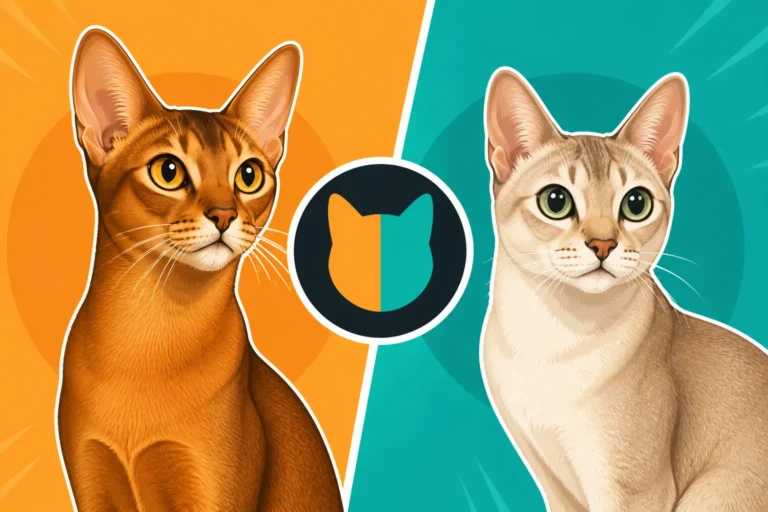
The existence of the long-hair gene in Abyssinians isn't just a curious genetic fact; it directly led to the development of a distinct and popular breed: the Somali. For decades, these long-haired Abyssinians were seen as "mistakes" or "throwbacks," but eventually, their unique beauty couldn't be ignored.
Early Breeders' Dilemmas
Imagine the scene: a dedicated Abyssinian breeder, meticulously selecting for the perfect short, ticked coat, finds a fluffy kitten in an otherwise perfect litter. In the early to mid-20th century, before widespread genetic testing, this was a perplexing and often frustrating occurrence. These long-haired kittens didn't fit the established Abyssinian breed standard, which explicitly called for a short coat. Breeders, fearing their lines would be considered "impure" or "faulty," often quietly placed these kittens in pet homes, sometimes even sterilizing them to prevent them from entering the breeding pool. The goal was to maintain the Abyssinian's signature look, and these "fluffies" were an unexpected deviation.
This era highlights the challenges faced by breeders in the nascent stages of breed development when genetic knowledge was far less advanced. Without the ability to test for carrier status, the only way to try and eliminate the trait was to remove affected individuals and their parents from breeding. However, since carriers look identical to non-carriers, the gene simply persisted, hidden, waiting for the right genetic lottery draw to reveal itself. It wasn't until forward-thinking individuals recognized the beauty and potential in these long-haired variants that their fate began to change.
From "Throwback" to Recognized Breed
The turning point for the long-haired Abyssinian came in the 1960s, largely due to the efforts of Evelyn Mague of Lyn-Lee cattery in the United States. She was among the first to openly advocate for these cats, recognizing their striking appearance and delightful personalities. Instead of culling or hiding them, she championed their cause, believing they deserved recognition as a distinct breed. She coined the name "Somali," perhaps as a nod to Somalia being adjacent to Abyssinia, maintaining a connection to their heritage while distinguishing them as something new.
Through dedicated breeding programs, focusing on the long-haired trait, the Somali breed began to take shape. Breeders worked to enhance their fluffy coats, ensure their health, and solidify their gentle yet playful temperament. It took years of perseverance, but eventually, the Somali gained official recognition from major cat registries. This transition from an unwanted "throwback" to a celebrated breed is a powerful example of how perceptions can shift and how genetic diversity, once seen as a flaw, can become the foundation for something new and wonderful. Who Bred the First Somali offers more details on this pivotal moment in feline history.
Understanding Carrier Status in Abyssinians
The emergence of the Somali meant that the long-hair gene was no longer a hidden secret but an acknowledged part of the Abyssinian's genetic story. For modern Abyssinian breeders and prospective owners, understanding carrier status is crucial for responsible breeding and making informed decisions.
Identifying a Long-Hair Carrier
Today, we are incredibly fortunate to have the tools to identify carriers of the long-hair gene. Genetic testing has revolutionized cat breeding, allowing breeders to make informed decisions and prevent unwanted surprises. A simple cheek swab can be sent to a specialized feline genetics laboratory, which can determine if an Abyssinian is clear (does not carry the gene), a carrier (carries one copy of the recessive gene), or affected (carries two copies, meaning it would be a Somali). How the Abyssinian's DNA Panel Is Ordered explains the process of getting these tests done.
This test is invaluable. For a breeder aiming to produce only short-haired Abyssinians, knowing the carrier status of their breeding cats is paramount. They can avoid breeding two carriers together, thereby eliminating the possibility of producing long-haired kittens. For pet owners, while a carrier Abyssinian won't look any different, knowing its genetic background can still be interesting, especially if they are curious about the breed's history. These tests provide peace of mind and allow for transparent breeding practices, ensuring that kittens sold as Abyssinians truly meet the breed standard for coat length. Many online retailers, like Chewy, also offer genetic testing kits, making the process even more accessible for curious owners.
Breeding Considerations for Abyssinian Carriers
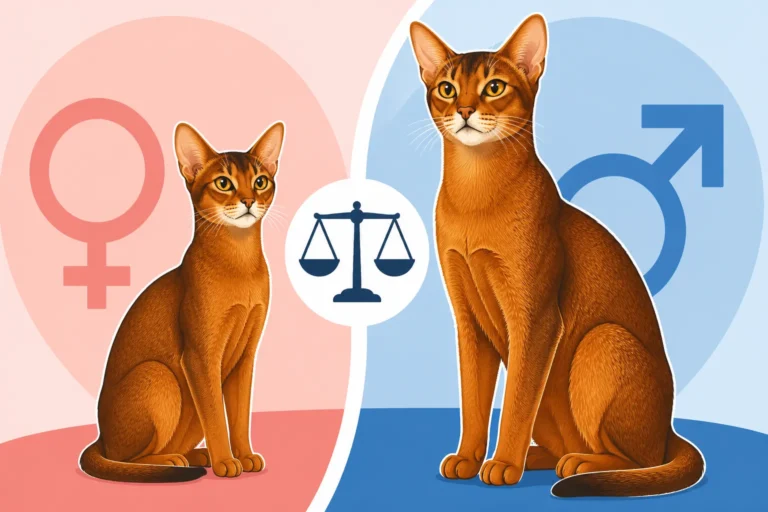
For ethical Abyssinian breeders, managing the long-hair gene is a key aspect of their program. While it's perfectly acceptable to breed an Abyssinian that is a carrier of the long-hair gene, responsible breeders will always pair them with a cat that is "clear" (non-carrier) for the long-hair gene. This ensures that even if the carrier parent passes on its recessive long-hair gene, the "clear" parent will always pass on a dominant short-hair gene, resulting in all short-haired kittens. None of these kittens will display long hair, but approximately half of the litter will also be carriers, just like their carrier parent.
This strategy allows breeders to maintain genetic diversity within their lines, which is vital for the overall health and vigor of the breed, without producing unwanted long-haired offspring. It's a balancing act: you don't want to needlessly eliminate healthy cats from the breeding pool just because they carry a recessive gene for coat length, especially if their other qualities are exceptional. Instead, you manage the gene through careful pairing. The goal is always to improve the breed, and sometimes that means working with genetic traits, rather than against them, through smart and informed decisions. Why Two Clear Abyssinian Parents End the Problem details how specific genetic pairings can eliminate the expression of recessive traits.
Here's a simple table illustrating the possible outcomes when breeding for coat length:
| Parent 1 Genetic Status | Parent 2 Genetic Status | Potential Kitten Phenotype (Appearance) | Potential Kitten Genotype (Genetic Makeup) |
|---|---|---|---|
| Short Hair (Clear) | Short Hair (Clear) | 100% Short Hair | 100% Short Hair (Clear) |
| Short Hair (Clear) | Short Hair (Carrier) | 100% Short Hair | 50% Short Hair (Clear), 50% Short Hair (Carrier) |
| Short Hair (Carrier) | Short Hair (Carrier) | 75% Short Hair, 25% Long Hair | 25% Short Hair (Clear), 50% Short Hair (Carrier), 25% Long Hair |
| Short Hair (Carrier) | Long Hair | 100% Short Hair | 100% Short Hair (Carrier) |
| Long Hair | Long Hair | 100% Long Hair | 100% Long Hair |
This table clearly shows why breeding two carriers can result in long-haired kittens, and why a clear parent is crucial to avoid them if the goal is strictly Abyssinian short-haired litters.
The Impact on Abyssinian Breeding and Show Standards
The knowledge that the long-hair gene resides within the Abyssinian lineage has significant implications for how the breed is managed, judged, and understood within the cat fancy world. It's a delicate balance between maintaining a strict breed standard and ensuring genetic health.
The Abyssinian Standard: Strict Adherence to Short Hair
The official breed standards set by organizations like the Cat Fanciers' Association (CFA) or The International Cat Association (TICA) are very specific about the Abyssinian's coat. They emphasize a short, fine, close-lying coat with a distinctive ticking pattern—each hair banded with multiple colors. This ticking is what gives the Abyssinian its wild, shimmering appearance, and it's a hallmark of the breed. The presence of long hair is considered a disqualifying fault in the show ring. This means that any Abyssinian kitten born with a long coat, regardless of its parents' lineage, cannot be shown as an Abyssinian. It would, instead, be a Somali. What an Abyssinian Looks Like Against the Show Standard goes into further detail about these specific requirements.
This strict adherence to the short-haired standard is why breeders have historically viewed the long-hair gene with caution. While it doesn't affect the cat's health or temperament, it does mean that any long-haired offspring cannot contribute to the Abyssinian gene pool in terms of exhibition or continued breeding as an Abyssinian. For new owners, this means that if you are specifically looking for an Abyssinian that meets show standards, you need to ensure the kitten is not only phenotypically short-haired but also that its parents' genetic history for coat length is known and managed. This is where a responsible breeder shines, providing transparent health guarantees and genetic test results.
Managing Genetic Diversity
While the existence of the long-hair gene might seem like a complication, it also presents an opportunity for managing genetic diversity within the Abyssinian breed. If breeders were to strictly eliminate all carriers of the long-hair gene, they would drastically reduce the available gene pool, which could, over time, lead to an increase in other genetic problems or a decrease in overall breed vigor. Sometimes, a cat that carries the long-hair gene might possess other incredibly valuable traits, such as an exceptional temperament, perfect ticking, or robust health, that are vital to improving the breed. To remove such a cat from breeding simply because it carries one copy of a harmless recessive gene could be detrimental in the long run.
Therefore, many responsible breeders judiciously incorporate carriers into their programs, always pairing them with a clear mate. This strategy allows them to introduce desirable traits from carrier lines while still ensuring that only short-haired Abyssinians are produced. It's a pragmatic approach that acknowledges the historical reality of the breed's genetics and balances the demands of the show ring with the broader imperative of maintaining a healthy and diverse breed population. This mindful management prevents the breed from becoming too inbred, a common concern in many pedigree animals.
Living with an Abyssinian from a Carrier Line
If you're considering bringing an Abyssinian into your home, understanding the long-hair gene's presence might spark some questions. Rest assured, owning an Abyssinian from a line that carries the long-hair gene is typically no different from owning any other Abyssinian.
What to Expect from a Short-Haired Abyssinian Carrier
If your Abyssinian is a carrier of the long-hair gene but has a short coat (which it will, because the short-hair gene is dominant), you will never know it just by looking at them. They will look, act, and feel like any other Abyssinian. Their short, ticked coat will be just as stunning, they'll have the same energetic and curious personality, and they'll demand just as much of your attention as their non-carrier counterparts. The gene simply determines coat length; it has no bearing on health, temperament, or the iconic "Aby-charm."
The only scenario where this genetic status becomes relevant is if you were to breed your Abyssinian, which for most pet owners, isn't a consideration as pet Abyssinians are typically spayed or neutered before going to their new homes. For a companion cat, the carrier status is essentially an interesting piece of trivia about their genetic heritage. It speaks to the deep history embedded in their DNA, a story of how the Somali came to be. It's a reminder that even pedigree cats carry echoes of their diverse ancestry, making them all the more unique. Knowing their background might simply make you appreciate your cat's rich genetic tapestry even more. You can check How to Read an Abyssinian's Normal Test Result to understand what a clear or carrier result means.
Finding a Reputable Breeder
When seeking an Abyssinian kitten, especially with the awareness of conditions like the long-hair gene, finding a reputable breeder is absolutely paramount. A good breeder will be transparent about their cats' genetic testing results, including tests for the long-hair gene. They should be eager to discuss their breeding philosophy, their lines, and the health screenings they perform. They'll readily provide proof of genetic testing for both parents, showing whether they are clear or carriers for various conditions, including the long-hair gene (FGF5). Which Two DNA Tests an Abyssinian Must Have outlines other essential tests.
Don't be shy about asking for these documents. A responsible breeder understands your concerns and wants you to be well-informed. They are dedicated to the health and integrity of the breed and will typically use reputable labs for their genetic panels. When you're browsing for supplies on sites like Chewy for your new kitten, remember that a good breeder is also an excellent resource for advice on everything from food to toys. A breeder who focuses only on appearance and offers a suspiciously low price without providing health clearances or genetic test results should be a red flag. Always verify test certificates and ask about their health guarantees, as detailed in What an Abyssinian Breeder's Health Guarantee Covers. Such diligence ensures you're bringing home a healthy, well-socialized kitten that represents the best of the Abyssinian breed, long-hair gene or not.
Disclaimer
This article is for general informational purposes only and does not constitute professional advice. Laws, prices and regulations vary by location and change over time. Consult a qualified professional for guidance on your specific situation.