The Abyssinian Is Probably Not From Abyssinia
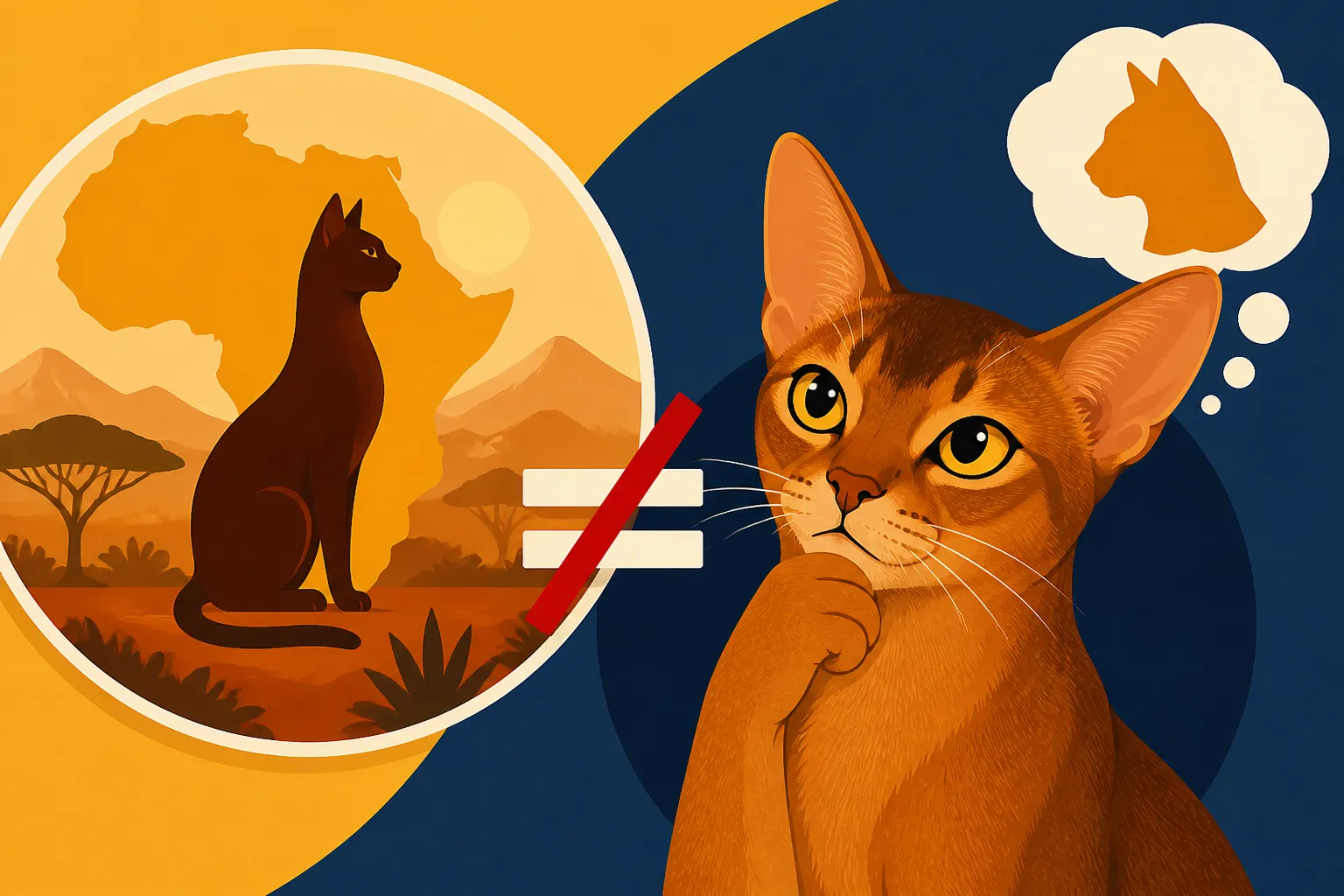
It’s a tale as old as time, or at least as old as the breed itself: the Abyssinian cat, with its regal bearing and ancient appearance, must surely hail from the sun-drenched lands of Abyssinia, modern-day Ethiopia. You've seen the stunning photos, perhaps even read the historical accounts that link these captivating felines to the very heart of Africa. But what if I told you that this widely accepted origin story, passed down through generations of cat enthusiasts, is probably a delightful myth? This comprehensive guide will peel back the layers of legend and delve into the fascinating, and often surprising, true history and genetic journey of one of the world's most beloved cat breeds.
The Persistent Myth: Abyssinia and Zula
For decades, if not longer, the narrative around the Abyssinian cat's origins has been wonderfully romantic. It evokes images of ancient pharaohs, explorers in exotic lands, and a single, extraordinary cat bringing a piece of that history to the Western world. This story has captivated breeders and owners alike, giving the Abyssinian a mystique that few other breeds possess. It’s a compelling tale, but as we’ve learned more about genetics and historical records, the cracks in this charming facade have become more apparent.
The Zula Legend and Its Flaws
The cornerstone of the Abyssinian-from-Abyssinia story centers around a cat named Zula. The legend posits that Zula was brought to England in 1868 by Captain Barrett-Lennard, accompanying a British military expedition returning from the Abyssinian War. She was supposedly a war trophy, a feline souvenir from a distant land, and the direct progenitor of the modern Abyssinian breed. This narrative is frequently repeated in older breed books and enthusiast circles, making Zula a sort of founding mother figure for the entire breed. It’s an incredibly appealing idea, linking the breed to a specific historical event and a tangible origin point.
However, when you dig into the historical records, the direct link between Zula and the cats we know today as Abyssinians becomes, shall we say, a bit fuzzy. While it's certainly possible a ticked cat, perhaps even Zula, arrived in England around that time, there's no clear, documented pedigree linking her directly to the subsequent breeding programs. Early cat fanciers were not always as meticulous with record-keeping as modern breeders, and the early years of cat shows were more about displaying interesting specimens than tracing precise lineages. The idea that one single cat spawned an entire breed is a romantic notion, but genetically and historically, it's rarely how breeds truly develop. You can read more about this captivating, yet likely apocryphal, tale in Zula and the 1868 Story Everyone Repeats.
The 1871 Crystal Palace Show and Early Records
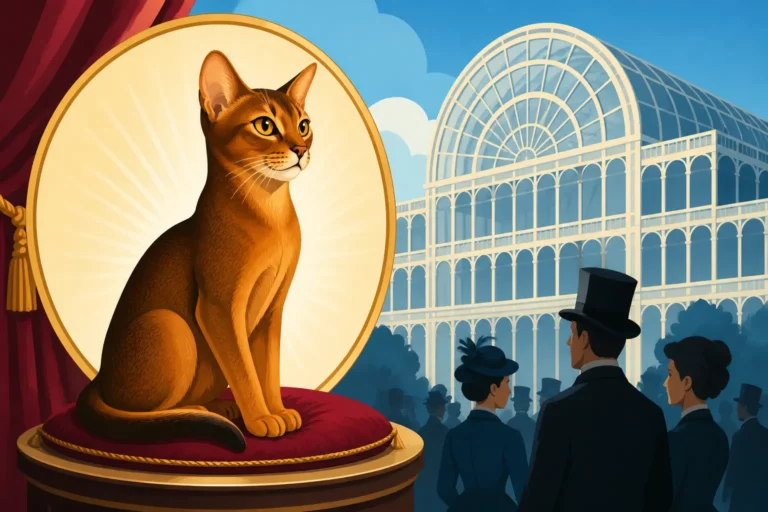
The 1871 Crystal Palace Cat Show in London is often cited as the first public appearance of an "Abyssinian" cat. Indeed, a cat described as an "Abyssinian" did win third prize in the "Foreign Class" at this prestigious event. This early recognition certainly helped cement the idea of the breed's exotic origins in the public imagination. The very name, "Abyssinian," immediately conjured images of distant, ancient lands, and the cat's unique ticked coat only added to its perceived mystique.
Yet, descriptions from these early shows and contemporary accounts suggest a wide variety of "Abyssinian-type" cats were being shown. It wasn't a standardized breed as we understand it today. These cats likely represented a collection of ticked or "bunny" coated felines, some perhaps imported from various parts of the world, others possibly arising from local breeding. The concept of a distinct, purebred Abyssinian with a strict standard was still very much in its infancy. What we know for certain is that these early exhibitions captured public interest and set the stage for the breed's formal development, even if the origin story was still more folklore than fact.
Unraveling the Genetic Mystery: Where Do Abyssinians Really Come From?
If not Abyssinia, then where? This is the million-dollar question that modern geneticists and historians have been working to answer. Thanks to advancements in DNA analysis, we're now able to trace the genetic markers of cat breeds back through time, revealing connections that historical documents alone could never illuminate. What the science tells us is far more complex, and arguably more fascinating, than the simple Zula story.
The Scientific Consensus on Abyssinian Ancestry
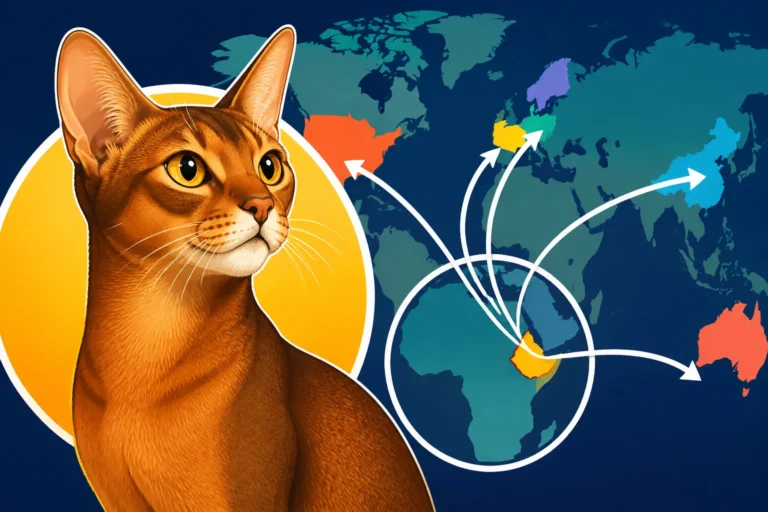
Modern genetic studies have largely debunked the direct link to ancient Abyssinia. Instead, the overwhelming scientific evidence points towards Southeast Asia, particularly the coastal regions of the Indian Ocean, as the ancestral home of the Abyssinian cat. These studies analyze genetic markers unique to certain populations of cats around the world and create a genetic "family tree" for domestic breeds. What they found was a strong genetic overlap between Abyssinians and cats found in parts of Asia, rather than Africa.
This finding completely reshapes our understanding of the breed's journey. It suggests that the unique ticked pattern, so characteristic of the Abyssinian, likely originated in that part of the world. From there, these cats would have traveled along ancient trade routes, accompanying merchants and sailors on their voyages, eventually making their way to Europe. This kind of migration, driven by human movement and trade, is a common pattern for many domestic animal breeds, including cats. You can explore the fascinating details of these discoveries in What Genetic Studies Say About the Abyssinian's Origin.
The Indian Ocean Trade Route Hypothesis
The Indian Ocean trade routes were bustling arteries of commerce for centuries, connecting Asia, the Middle East, and East Africa with Europe. Ships carried not only goods but also people and their companion animals, including cats. Cats were particularly valued on ships for their prowess in rodent control, making them essential crew members on long voyages. It's highly plausible that ticked-coat cats, perhaps similar to those found today in parts of Singapore or Sri Lanka, boarded these ships in Southeast Asian ports.
As these trading vessels docked in various ports along the route, some of these cats would have disembarked, intermingling with local cat populations. This gradual spread over centuries would have brought the ticked gene, and the cats carrying it, westward. Eventually, some of these cats would have reached Europe, where their distinctive appearance caught the eye of early cat fanciers. The "Abyssinian" name likely came about from an early, misattributed import or simply because of its exotic look, rather than a true geographical origin. This hypothesis fits much better with the genetic data and the historical context of global trade and feline migration.
A Breed Forged in Fire: Near Extinction and Resurgence
Regardless of where they truly came from, once Abyssinians arrived in Europe and caught the public's imagination, their journey was far from smooth sailing. Like many pedigree breeds, the Abyssinian faced significant challenges, including wars and diseases, that brought them perilously close to disappearing entirely, not once, but twice. It's a testament to the dedication of breeders that the breed survived and thrived.
Wartime Depletion and Disease Devastation
The early 20th century was a tumultuous time in Europe, marked by two World Wars that devastated human populations and, consequently, animal breeding programs. During both World War I and World War II, resources were scarce, and the focus shifted entirely to human survival. Maintaining non-essential activities like pedigree cat breeding became extremely difficult, if not impossible. Catteries struggled to feed their animals, let alone continue selective breeding programs. Many lines were lost, and the overall population of Abyssinians in Britain, where the breed had gained significant traction, plummeted dramatically.
Adding to these woes, specific feline diseases posed a serious threat. For instance, outbreaks of Feline Leukemia Virus (FeLV) in the mid-20th century swept through many catteries, particularly in the UK. This highly contagious and often fatal disease decimated breeding stocks, further reducing the already fragile Abyssinian gene pool. Breeders faced immense heartbreak and financial strain, watching their carefully cultivated lines vanish. It’s hard to imagine the dedication required to push through such devastating losses, yet a few devoted individuals managed to keep the breed alive. You can learn more about these perilous times in The Abyssinian Nearly Disappeared From Britain Twice.
The American Rescue and Rebuilding Efforts
While British Abyssinian numbers dwindled, the breed had found a foothold across the Atlantic in the United States. A few key imports before and between the wars allowed American breeders to establish healthy, albeit small, breeding populations. As the European populations suffered, these American lines became a vital lifeline for the breed's future. After the wars, American breeders played a crucial role in re-establishing the Abyssinian in Europe. They exported cats back to Britain and other European countries, effectively repopulating the catteries that had been decimated.
This transatlantic collaboration was essential for the Abyssinian's survival. Without the foresight and dedication of those early American breeders, and the later generosity in sharing their stock, the Abyssinian might truly have become a lost breed. Their efforts ensured a wider gene pool and the continuation of the breed's distinctive traits. Today, the Abyssinian is a globally recognized and cherished breed, a true testament to its resilience and the commitment of its advocates throughout history.
Distinctive Features: What Makes an Abyssinian an Abyssinian?
Beyond the intriguing history, what truly defines an Abyssinian is its striking appearance and athletic build. These cats aren't just pretty faces; they possess a unique combination of physical traits that set them apart and make them instantly recognizable, whether you're a seasoned cat show judge or just an admirer.
The Iconic Ticked Coat Explained
The most defining characteristic of the Abyssinian is undoubtedly its "ticked" coat. This isn't your typical tabby pattern with stripes or spots; instead, each individual hair shaft carries multiple bands of color, usually three or four, with darker bands alternating with lighter ones. This effect, called agouti ticking, gives the coat a shimmering, iridescent quality, reminiscent of a wild rabbit or a tiny puma. As the cat moves, the light catches these different bands, creating a dynamic interplay of color and depth.
The ticking is most prominent on the body, giving a uniform, unstriped appearance, while darker bands often appear on the back, tail tip, and the pads of the paws. The face typically features subtle markings, like a dark outline around the eyes, often referred to as "kohl" lines, adding to their exotic allure. There is very little undercoat, which means the fur lies close to the body, making them feel incredibly soft and sleek to the touch. This unique coat requires minimal grooming, usually just a weekly brush to remove loose hairs and keep it gleaming. It's truly a marvel of feline genetics. The Ticked Coat Is the Whole Abyssinian Grooming Job provides a deeper dive into this fascinating coat.
The Elegant "Foreign" Body Type
Abyssinians are often described as having a "foreign" body type, a term used in cat fancy to denote a lean, muscular, and elegant build, in contrast to the more cobby or substantial body types of other breeds. They are medium-sized cats, but they carry themselves with an air of grace and athleticism that makes them seem larger and more powerful than their actual weight might suggest. They possess long, lithe bodies, slender legs, and small, oval paws that make them appear to stand on their tiptoes.
Their heads are modified wedges, with gentle contours and no flat planes. Large, expressive, almond-shaped eyes, typically gold, green, or hazel, contribute significantly to their intelligent and alert expression. These eyes are often highlighted by the aforementioned dark "kohl" lines, giving them a perpetually striking gaze. Their ears are large and set relatively wide apart, contributing to their attentive, often mischievous, look. This combination of physical traits creates a cat that is both beautiful and built for action, perfectly reflecting its energetic personality. You can compare their look to the ideal in What an Abyssinian Looks Like Against the Show Standard.
Recognized Colors and Show Standards
While the ticking pattern is constant, Abyssinians come in a variety of stunning colors, each with its own unique charm. The four primary, universally recognized colors are:
- Ruddy (or Usual): This is the most classic and common color, a rich, warm, reddish-brown ticked with black. It’s often likened to the color of a wild rabbit, giving the Abyssinian its "bunny cat" nickname.
- Sorrel (or Red): A vibrant, cinnamon or copper-red ticked with chocolate-brown. Sorrels are eye-catching and have a fiery intensity to their coats.
- Blue: A soft, slate-gray ticked with a deeper blue or slate color. The dilute gene creates a sophisticated, almost ethereal blue hue.
- Fawn: The palest of the colors, a warm rose-beige ticked with soft cream. Fawn is a dilute version of sorrel, resulting in a delicate, powdery shade.
Different cat registries, such as the Cat Fanciers' Association (CFA) or The International Cat Association (TICA), may have slight variations in how they define and recognize these colors, or even additional colors like silver versions of the main four. However, the four listed above are the bedrock of the Abyssinian breed. Each color showcases the ticking beautifully, making every Abyssinian a living work of art. Understanding these nuances helps appreciate the breadth of the breed's beauty, and you can delve into The Four Colors an Abyssinian Comes In for more detail.
| Abyssinian Color | Base Color Description | Ticking Color | Overall Impression |
|---|---|---|---|
| Ruddy (Usual) | Warm, reddish-brown | Black | Rich, earthy, wild |
| Sorrel (Red) | Vibrant copper-red | Chocolate-brown | Fiery, cinnamon |
| Blue | Soft slate-gray | Deeper blue | Elegant, smoky |
| Fawn | Warm rose-beige | Soft cream | Delicate, powdery |
The Somali Connection: A Long-Haired Abyssinian
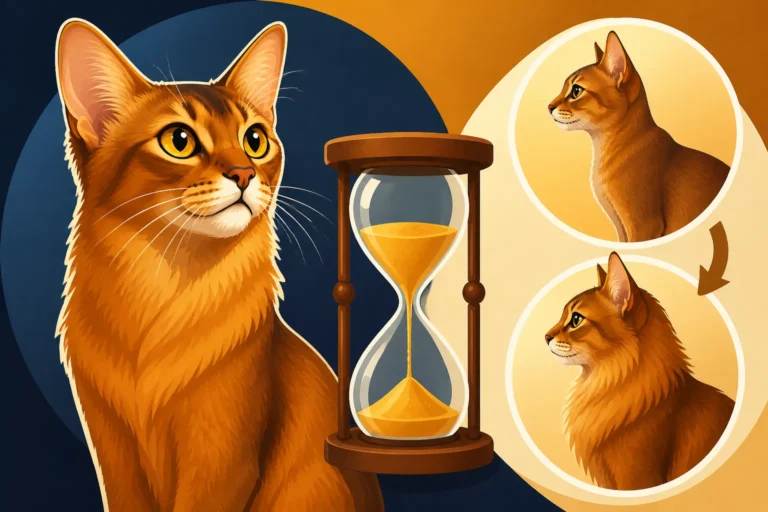
One of the most fascinating aspects of the Abyssinian breed's history is its direct genetic link to another distinct breed: the Somali. To truly understand the Abyssinian, you need to understand its long-haired cousin, as their stories are intrinsically intertwined. The Somali isn't just a separate breed; it's essentially an Abyssinian that expresses the recessive long-hair gene.
The Emergence of the Somali
For many years, Abyssinian breeders would occasionally encounter long-haired kittens appearing in their litters. Initially, these kittens were often seen as "faults" or genetic throwbacks, as the breed standard called for a short, sleek coat. Some breeders quietly gave them away as pets, or simply didn't register them. However, a few visionary breeders recognized the unique beauty of these longer-coated Abyssinians and saw the potential for a new breed. They started selectively breeding these long-haired individuals, leading to the formal development of the Somali breed in the mid-20th century.
The Somali is, in essence, an Abyssinian with a medium-long, ticked coat. They share the same striking body type, the same alert intelligence, and the same vibrant personality as their short-haired relatives. The primary difference is the length of their fur, which gives them a soft, fluffy appearance, particularly around the ruff, breeches, and tail. This 'fox-like' tail is one of their most distinguishing features. This transformation from "fault" to a recognized and celebrated breed is a testament to the dynamic nature of cat breeding and the vision of dedicated individuals. Learn more in The Somali Is an Abyssinian With Long Hair.
Genetic Links and Breeding Practices
The presence of long-haired kittens in Abyssinian litters indicates that the long-hair gene (often referred to as 'L' for short hair, 'l' for long hair) was always present, carried recessively within the Abyssinian gene pool. This means that an Abyssinian can carry the 'l' gene without expressing long hair itself. If two Abyssinians who both carry the recessive long-hair gene are bred together, there's a 25% chance in each kitten of producing a long-haired Somali-type offspring.
Today, many Abyssinian breeders still test their breeding cats for the long-hair gene to understand their genetic makeup. While it's no longer considered a "fault" in the same negative sense, breeders might choose to avoid pairing two carriers if they are strictly aiming for short-haired Abyssinians, or they might purposefully breed carriers to produce Somalis. The close genetic relationship between the two breeds means that they are often managed by the same breeders and share many common characteristics beyond just coat length. This is a beautiful example of how genetic diversity, even when hidden, can lead to the creation of new and equally cherished breeds.
Abyssinian Popularity and Enduring Appeal
Despite facing near-extinction events and the challenges of maintaining a purebred line, the Abyssinian has maintained a consistent and devoted following for over 150 years. While not as numerous as some of the more common household cat breeds, they hold a special place in the hearts of those who seek an active, intelligent, and truly engaging feline companion.
The Abyssinian's Place in the Cat Fancy
The Abyssinian consistently ranks among the top breeds recognized by major cat registries worldwide, such as the CFA. They are a staple at cat shows, admired for their stunning appearance, graceful movements, and vibrant personalities. Judges appreciate their adherence to a well-defined standard that emphasizes their lean, athletic build, expressive eyes, and, of course, their unique ticked coat. Their confident and outgoing nature often makes them excellent show cats, as they tend to enjoy the attention and interaction.
While they may not be as ubiquitous as breeds like the Persian or Maine Coon, their enduring presence in the cat fancy speaks to their consistent quality and the dedication of breeders who work tirelessly to preserve the breed's health and characteristics. Abyssinians are considered a "natural" breed, meaning they haven't undergone extreme modifications in appearance through selective breeding, which often appeals to those who value a more authentic feline look. Their steady popularity over the decades is a testament to their inherent charm and distinct appeal. This consistent presence is explored further in Why the Abyssinian Stayed Popular for 150 Years.
Why the Breed's Personality Captivates Owners
It's not just their looks that draw people to Abyssinians; it's their truly unique and captivating personality. They are often described as the "Clowns of the Cat Kingdom" or "Puma-lite" due to their boundless energy, playful antics, and almost dog-like devotion to their human families. Abyssinians are incredibly intelligent and curious cats, always on the go, exploring every nook and cranny of their environment. They crave interaction and mental stimulation, which is why you'll often find them "helping" you with every task, from folding laundry to working on your computer.
They are known for their strong bond with their owners, often following them from room to room, engaging in conversations with their soft chirps and trills. While they might not be traditional lap cats who sit still for long periods, they show affection by perching on your shoulder, rubbing against your legs, or simply being in the same room. Their zest for life and endless curiosity can be incredibly engaging, making them fantastic companions for active households. They truly become a part of the family, integrating into daily life with their inquisitive and affectionate nature.
Is an Abyssinian the Right Companion for You?
Considering an Abyssinian means understanding their unique needs and ensuring your lifestyle aligns with what these dynamic cats require. They aren't just decorative pets; they're intelligent, active beings that thrive on engagement and companionship. Making the commitment to an Abyssinian is about embracing their energetic spirit and providing an environment where they can truly flourish.
Energy, Intelligence, and Affection
One of the most important things to know about an Abyssinian is their high energy level. They are not sedentary cats who will spend their days napping on the sofa. Abyssinians need regular play sessions, puzzle toys, and plenty of vertical space to climb and explore. If they don't get enough stimulation, they can become bored, which might manifest as mischievous behavior – like opening cabinets, knocking things off shelves, or creatively "redecorating" your home. Providing sturdy cat trees, wall shelves, and interactive toys is crucial. You might even find yourself shopping on sites like Chewy for a constant supply of new and engaging toys to keep their sharp minds entertained.
Their intelligence means they are quick learners and can even be taught tricks, like fetching, sitting, or walking on a leash. This mental agility, combined with their strong bond with humans, makes them incredibly rewarding companions. They are also deeply affectionate, though their affection often comes in the form of playful interaction rather than prolonged cuddles. They want to be involved in whatever you're doing, observing and participating with their characteristic curiosity.
Understanding Their Unique Needs
Given their social and active nature, Abyssinians typically do not thrive when left alone for long periods. If you have a demanding work schedule, consider getting two Abyssinians, or perhaps another compatible cat breed, to keep each other company. This way, their endless energy can be directed towards each other rather than potentially destructive behaviors born out of loneliness or boredom. Their athletic build also means they need a high-quality diet rich in protein to fuel their constant activity.
While generally healthy, potential owners should also be aware of certain breed-specific health considerations. For example, some Abyssinian lines can be prone to certain genetic conditions, so choosing a reputable breeder who conducts health testing is paramount. Expect to pay more for an Abyssinian from a responsible breeder, but that investment often pays off in a healthier, well-socialized kitten. Be prepared for a cat that will be a constant presence in your home, demanding attention and giving back endless entertainment and affection. If you're looking for a dynamic, intelligent, and highly interactive feline friend, the Abyssinian might just be your perfect match. To truly evaluate if this breed fits your life, consider Whether an Abyssinian Is the Right Cat for You.
Disclaimer
This article is for general informational purposes only and does not constitute professional advice. Laws, prices and regulations vary by location and change over time. Consult a qualified professional for guidance on your specific situation.