What Fifteen Years of an Abyssinian’s Coat and Gums Takes
Bringing an Abyssinian into your home is a commitment to a vibrant, intelligent, and incredibly active companion, often for well over a decade. While these sleek, ticked beauties are generally robust, a common area of concern that new owners often underestimate, or only grasp too late, is the diligent, ongoing care required for their unique coat and, perhaps even more critically, their delicate gums. Over fifteen years, the dedication to these two aspects of their well-being makes a monumental difference in their quality of life and your shared journey.
The Enduring Beauty of the Abyssinian Coat: A 15-Year Journey
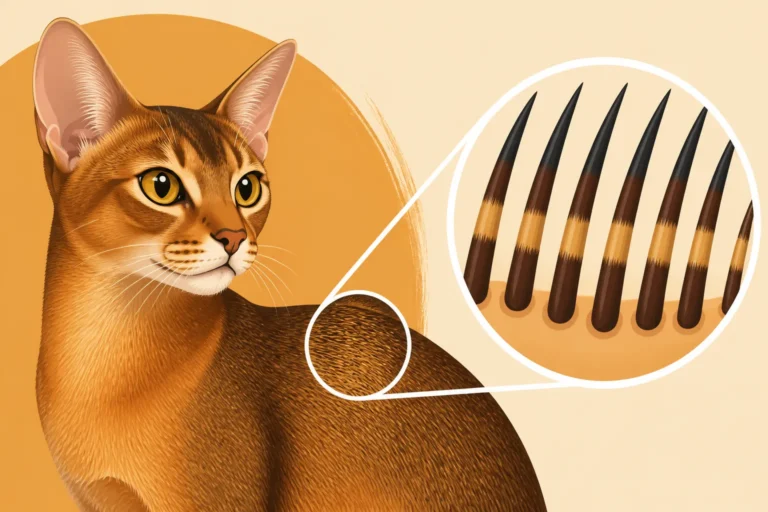
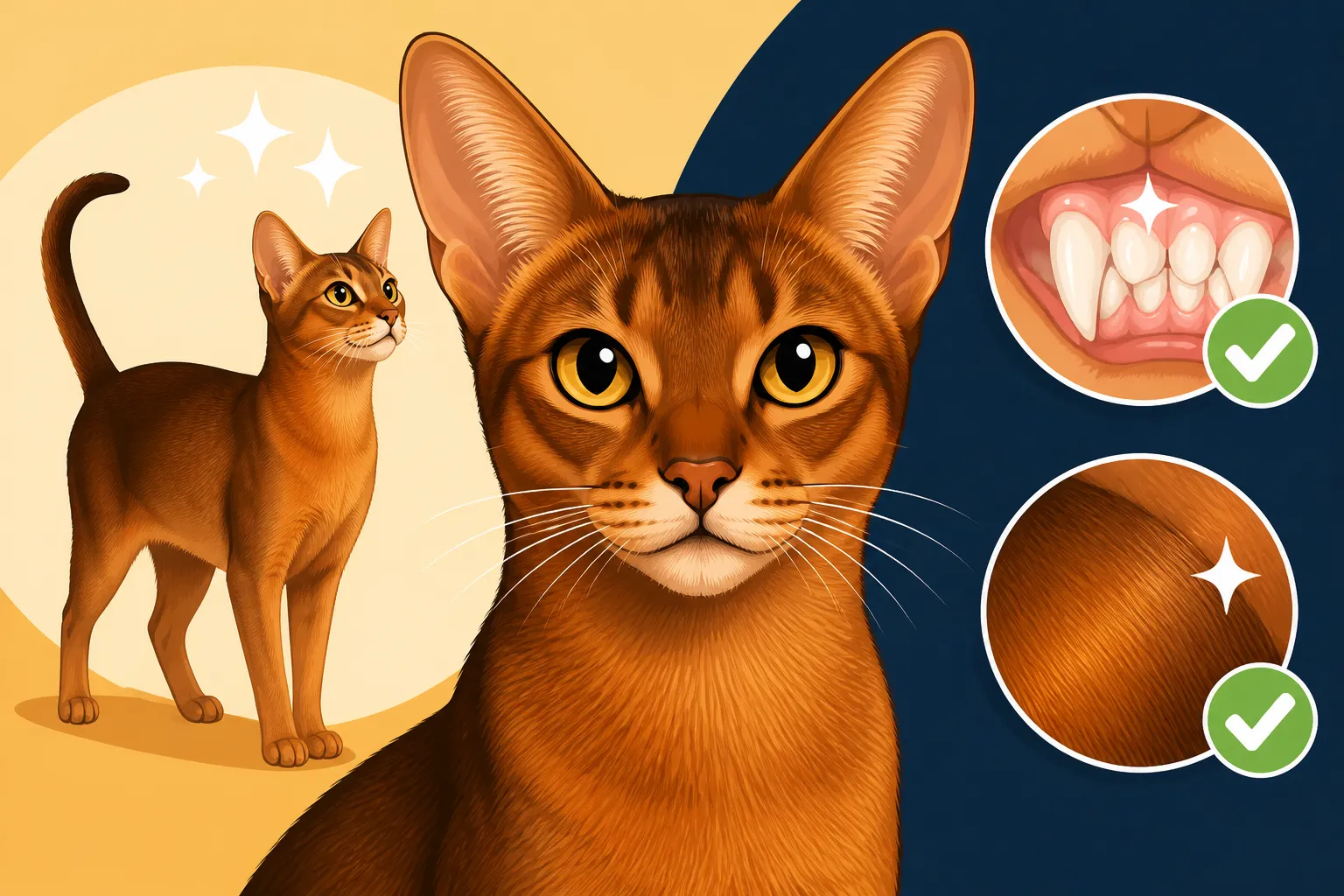
The Abyssinian's coat is truly a marvel, distinct in its "ticked" pattern, where each individual hair boasts multiple bands of color, giving them that wild, shimmery look. Unlike many breeds, they don't have a thick undercoat, which contributes to their famously low shedding. However, maintaining this coat's luster and health over a decade and a half requires a specific, gentle approach.
Maintaining the Ticking from Kitten to Senior
When you first bring home an Abyssinian kitten, their coat might look a little less refined than the adult Abyssinians you've seen in pictures. They often start with a slightly blotchy or less distinct ticking pattern, which gradually refines as they mature. This isn't something to worry about; it's just part of their development. By about a year old, or even a bit earlier, their adult coat typically comes in, showcasing those stunning bands of color with remarkable clarity. When an Abyssinian's Adult Color Settles
Over the years, the Abyssinian's coat remains relatively consistent, known for its fine texture and close-lying nature. However, as your Abyssinian transitions into their senior years, typically past ten, you might notice subtle changes. Their ticking might not appear quite as crisp, and the coat can sometimes feel a bit coarser or thinner in places, particularly over the spine or hindquarters. This is a normal part of aging, much like our hair changes, but it doesn't mean you should neglect their grooming routine. In fact, gentle, consistent care becomes even more important to keep their skin healthy and stimulate circulation.
Seasonal shedding is also a factor, though less dramatic than in double-coated breeds. Abyssinians will typically shed a bit more in spring as they lighten their coat for warmer weather, and again in the fall to prepare for winter. Even though they don't have a dense undercoat, you'll still find fine hairs around the house, particularly on furniture where they love to lounge. Maintaining a weekly grooming schedule helps to manage this shedding and keeps their coat looking its best.
Brushing and Baths: The Low-Maintenance Secret
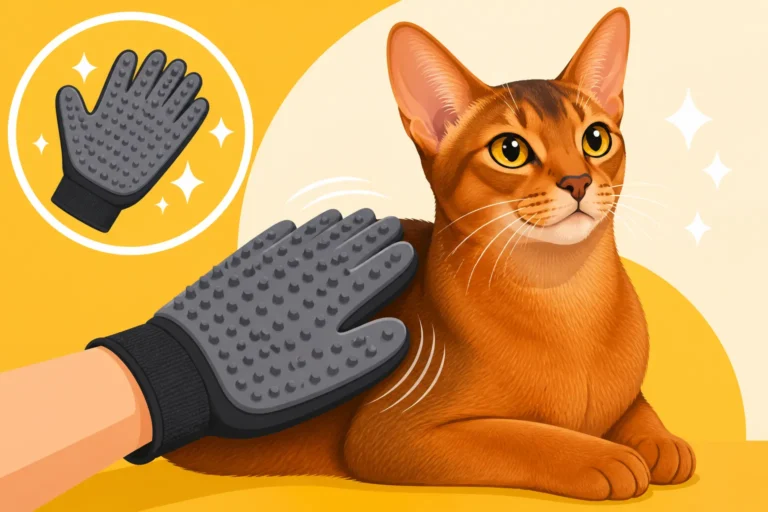
One of the great joys of owning an Abyssinian is their relatively low-maintenance grooming routine. You really don't need fancy tools or professional groomers for their coat. The key is gentle, consistent care that respects their unique hair structure. The Ticked Coat Is the Whole Abyssinian Grooming Job A soft rubber grooming mitt is your best friend here, or even just your bare hands. A quick, once-a-week session to gently stroke their coat, removing loose hairs and distributing natural oils, is usually all it takes. This also serves as a wonderful bonding experience for you and your cat.
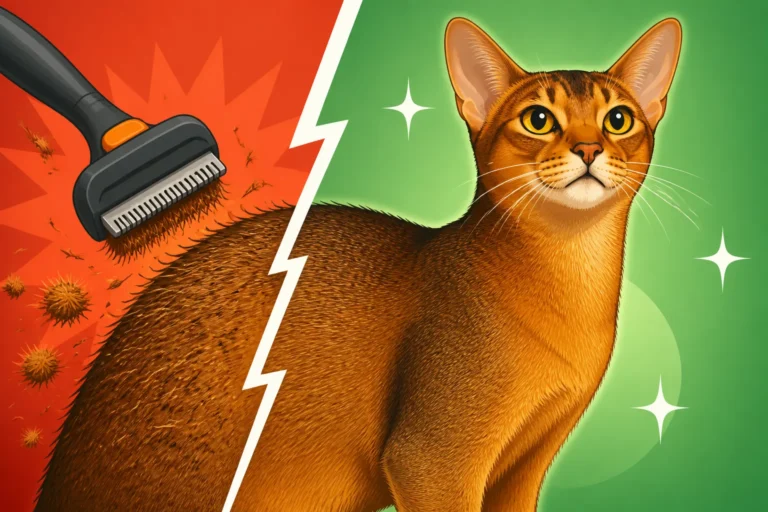
Avoid harsh brushes like slicker brushes or deshedding tools, which can actually damage the delicate ticking and strip away the fine guard hairs that give their coat its characteristic shimmer. After a gentle brush, a quick polish with a chamois cloth can really bring out the natural shine. Baths are generally a rare occurrence for Abyssinians. Their short, single coat means they do an excellent job of self-grooming. Unless they've gotten into something truly messy, a bath is usually unnecessary. If a bath is absolutely required, use a mild, cat-specific shampoo to avoid drying out their skin or disrupting their coat's natural balance. Remember, when it comes to an Abyssinian's coat, less really is more.
A Lifetime of Dental Care: Protecting Those Abyssinian Gums
While their coat is a breeze, the Abyssinian's dental health is where owners truly need to commit for the long haul. This breed is known for a predisposition to specific oral issues, particularly juvenile gingivitis and subsequent tooth resorption. Neglecting dental care can lead to significant pain, infection, and costly interventions over fifteen years, impacting their ability to eat and enjoy life.
Battling Juvenile Gingivitis from an Early Age
Many Abyssinian kittens, often around six months of age when their adult teeth are fully in, can develop what's called juvenile gingivitis. This condition manifests as bright red, swollen gums, and can progress to overgrown gum tissue that actually starts to cover the teeth. How Juvenile Gingivitis Starts in an Abyssinian Kitten It’s a frustrating and often painful problem, and it's a stark reminder that dental care isn't just for older cats. Starting early is absolutely crucial.
The best defense is a consistent, daily tooth-brushing routine. Yes, daily! This might sound daunting, but with patience and positive reinforcement, most Abyssinians can learn to tolerate it, especially if you start when they're kittens. Use a cat-specific toothbrush and toothpaste (never human toothpaste, as it contains ingredients toxic to cats). Even if you only manage a few seconds on each side, it makes a huge difference in preventing plaque buildup and reducing gum inflammation. Products available from retailers like Chewy or Amazon can provide a wide range of suitable feline dental products, from finger brushes to enzymatic toothpaste.
Beyond daily brushing, regular veterinary check-ups are essential to monitor your Abyssinian's gums. Your vet can spot early signs of trouble and recommend interventions before problems escalate. Look out for bad breath, reluctance to eat, pawing at the mouth, or dropping food, as these can all indicate dental pain. Why an Abyssinian Drops Food While Eating Early detection and intervention can truly save your cat from years of discomfort.
Professional Cleanings and Beyond: Managing Overgrowth and Resorption
Given their predisposition to gum issues, professional dental cleanings under anesthesia will likely be a recurring part of your Abyssinian's life. These aren't just cosmetic; they allow your vet to thoroughly scale away tartar, polish teeth, and examine below the gum line for hidden problems. Many Abyssinians will need these cleanings more frequently than other breeds – perhaps every one to two years, rather than every few years. How Often an Abyssinian Needs Its Teeth Cleaned
For Abyssinians suffering from gum overgrowth (gingival hyperplasia), a procedure called a gingivectomy might be necessary. This involves surgically trimming back the excess gum tissue to expose the teeth and prevent further inflammation. It’s a common procedure for the breed and can bring significant relief. Unfortunately, Abyssinians are also prone to tooth resorption, a painful condition where the tooth structure erodes from the inside out. This often requires tooth extractions to alleviate discomfort. Why an Abyssinian Loses Teeth Younger Than Most Cats
The financial and emotional commitment to these dental procedures over fifteen years can be substantial. It's not uncommon for an Abyssinian's dental care to become one of the biggest lines in your annual pet budget. Why Abyssinian Dental Work Is the Biggest Line in the Budget Thinking of pet insurance as early as possible can be a lifesaver, as it can help mitigate the costs of these necessary, ongoing treatments. What an Abyssinian Dental Cleaning Costs
The Holistic Approach: Nutrition and Lifestyle for Longevity
Beyond targeted coat and gum care, a holistic approach to your Abyssinian's nutrition and living environment is paramount for a long, healthy life. Their incredible energy, even into their golden years, means their needs are slightly different from many other feline companions.
Fueling a Lifetime of Energy
Abyssinians are known for their boundless energy, often remaining incredibly active well into their senior years. This means their dietary needs are higher than you might expect for their size. They need a diet rich in high-quality animal protein to support their lean muscle mass and sustained activity levels. What to Feed an Abyssinian That Never Stops Moving Look for foods where meat is the first ingredient, and consider both wet and dry options.
Hydration is also a critical factor, especially given the breed's genetic predisposition to kidney issues like renal amyloidosis, even if there's no direct test for it. Why an Abyssinian's Kidneys Make Water Intake Matter Wet food significantly increases their daily water intake, which is incredibly beneficial for kidney health. Many Abyssinians also love drinking from running water sources, so a pet fountain can be a great investment.
As they age, monitoring their weight and body condition becomes even more crucial. While it's rare for an Abyssinian to become obese due to their activity levels, unintended weight loss can be a sign of underlying health issues. You should still be able to easily feel their ribs and a slight waist. How to Read an Abyssinian's Body Condition Through That Coat
Adapting Environment and Routine for the Senior Abyssinian
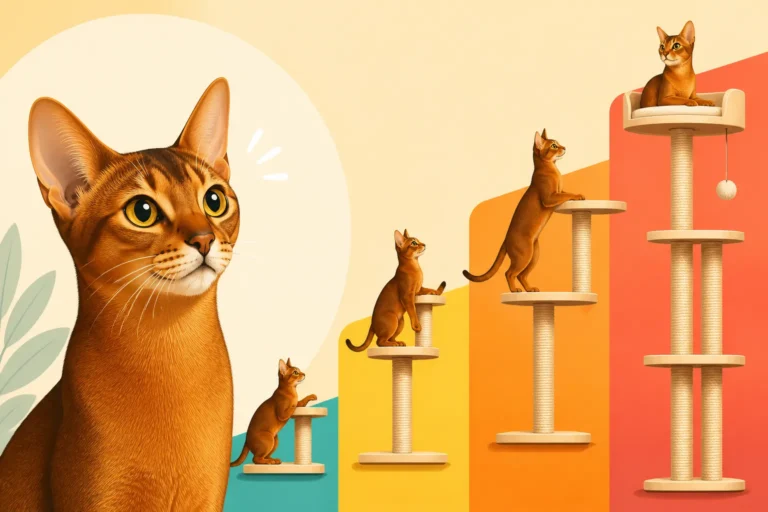
An Abyssinian's love for climbing and exploring vertical spaces doesn't vanish overnight as they age. However, their physical capabilities will naturally decline. What an Abyssinian once scaled effortlessly, they might now struggle with, or shy away from due to arthritis or reduced agility. What an Old Abyssinian Slows Down From It's important to adapt their environment to support this without completely removing their beloved vertical world.
Consider adding ramps or lower steps to their favorite high perches, cat trees, or window seats. Ensure their climbing routes are stable and accessible. This allows them to continue exercising their natural instincts safely. Regular, gentle play sessions, perhaps with less jumping and more "hunting" on the ground, will keep their minds and bodies engaged. Which Games Suit an Old Abyssinian
Routine vet check-ups should become more frequent as your Abyssinian enters their senior years, typically annually or even every six months. These visits allow for early detection of age-related conditions like arthritis, hyperthyroidism, or subtle kidney changes. Caring for an Abyssinian Past Ten Blood work and urine tests become powerful tools in monitoring their health and catching issues before they become advanced. Your commitment to proactive care ensures your Abyssinian lives out their long life with as much comfort and joy as possible.
Here's a quick look at the typical care commitments for an Abyssinian over their lifespan:
| Aspect of Care | Kitten (0-1 year) | Adult (1-10 years) | Senior (10+ years) |
|---|---|---|---|
| Coat Care | Weekly gentle brushing | Weekly gentle brushing | Weekly gentle brushing, monitor thinning |
| Gum Care | Daily brushing, monitor for juvenile gingivitis, first vet check | Daily brushing, annual vet check & cleaning | Daily brushing, 6-month vet check, frequent cleanings, monitor for resorption |
| Nutrition | High protein, growth formula | High protein, active adult formula | High protein, age-appropriate, increased wet food for hydration |
| Activity | High energy, extensive play | High energy, interactive play | Modified play, easier climbing access |
| Vet Visits | Initial kitten shots, spay/neuter, initial dental assessment | Annual wellness exam, dental check | Bi-annual wellness exams, comprehensive bloodwork, kidney monitoring |
The decision to welcome an Abyssinian into your home is a decision for a magnificent, lifelong companionship. Their unique personalities, playful antics, and stunning appearance make them truly special. By understanding and committing to the specific needs of their coat and, critically, their dental health, alongside robust nutrition and thoughtful environmental adaptations, you're setting the stage for a fulfilling fifteen years, or more, with your remarkable feline friend.
Disclaimer
This article is for general informational purposes only and does not constitute professional advice. Laws, prices and regulations vary by location and change over time. Consult a qualified professional for guidance on your specific situation.