Why an Abyssinian Needs a Post at Every Climbing Level
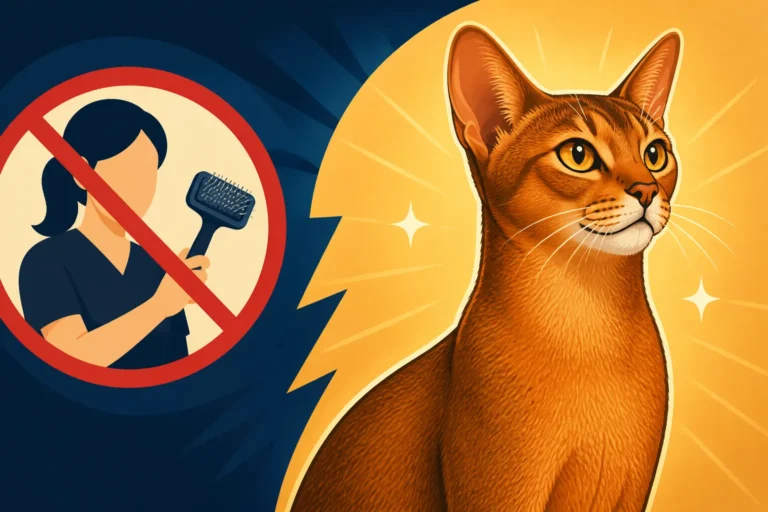
If you've ever owned an Abyssinian, you know they are not just cats; they are tiny, incredibly athletic, highly intelligent bundles of energy who view your home as their personal jungle gym. It's a joy to watch them climb and explore, but it can quickly become a headache when your prized armchair or the corner of your drywall becomes their preferred scratching post. This guide is all about embracing their natural instincts by strategically placing scratching posts at every climbing level, ensuring both their happiness and the integrity of your home.
Understanding the Abyssinian's Innate Need to Climb and Scratch
Abyssinians are known for their active, inquisitive personalities and their almost boundless energy. They aren't content to simply laze on the couch all day; they want to be involved, to explore, and most importantly, to reach the highest points in your home. This isn't just a quirky breed trait; it's deeply rooted in their biology and instincts.
The Abyssinian's Natural Instincts for Vertical Space
Think about a wild cat. They climb trees not just for fun, but for survival. They gain a vantage point to survey their territory, spot prey, and escape predators. Your Abyssinian carries these same ancient instincts. They feel safer and more secure when they are high up, able to observe their domain from a position of power. It’s why you'll often find them on top of bookcases, refrigerator, or scaling your curtains – they’re simply trying to get to the "treetops." This drive to ascend is incredibly strong, a fundamental part of their being that fuels their vibrant personalities. Denying them adequate vertical space would be like asking a bird not to fly; it goes against their very nature.
Their high energy levels also demand outlets for physical activity. Climbing, jumping, and perching satisfy a deep physiological need for exercise and mental stimulation. An Abyssinian that can freely navigate multiple vertical levels is a happier, healthier, and ultimately, a less destructive cat. They are constantly on the move, and their environment needs to be set up to cater to this dynamic lifestyle. As I've always said, An Abyssinian Needs Height More Than It Needs Floor to truly thrive.
Why Scratching Is More Than Just Sharpening Claws
While it might look like your Abyssinian is just sharpening their claws, scratching serves a multitude of purposes far beyond manicure maintenance. Firstly, it’s a vital way for cats to stretch their muscles. Have you ever seen an Abyssinian fully extend their body against a scratching post, digging in their claws and arching their back? It’s a full-body workout that keeps their agile bodies limber and strong, preparing them for their next vertical adventure. This stretching is crucial for their physical well-being, helping to prevent stiffness and keep them at the peak of their athletic form.
Secondly, scratching is a significant form of territorial marking. Cats have scent glands in their paws, and when they scratch, they deposit their unique scent, effectively announcing "I was here!" or "This is my territory!" to any other animals (or even humans) in the vicinity. They also leave visible claw marks, a visual signal of their presence and ownership. When an Abyssinian scratches your furniture, they aren't being malicious; they're trying to communicate. Providing appropriate scratching surfaces helps them express this innate need in a way that preserves your home, rather than damages it. It's about giving them the right canvas for their essential self-expression.
The Risks of an Unprepared Vertical Environment
Ignoring your Abyssinian's profound need for climbing and scratching can lead to a host of problems, impacting both your household and your cat's well-being. It's a classic case of prevention being better than cure, because once these habits are established, they can be incredibly hard to break.
Damage to Furniture and Walls
This is often the most immediate and visible consequence for many Abyssinian owners. If your spirited feline doesn't have designated, appealing places to scratch and climb, they will absolutely find alternatives. Your sofa's armrests suddenly become irresistible sisal substitutes, your wooden doorframes develop interesting new textures, and those lovely upholstered chairs become battlegrounds. The frustration of seeing expensive furniture ruined is real, and it’s a common complaint among those who haven't yet discovered the secret to a well-equipped Abyssinian home. It's not about defiance; it's about necessity. Your Abyssinian must scratch, and if you don't provide suitable options, they'll pick the most convenient ones, which are almost always items you value.
Beyond scratching, a lack of appropriate climbing structures can lead to your Abyssinian attempting to scale anything they can get their paws on. This might mean curtains ripped from their rods, bookshelves rearranged (often with fragile items meeting the floor), or lamps toppling from precarious perches. Their agility means they can reach these places, but without stable, cat-specific structures, it's a recipe for disaster for your belongings. It's truly eye-opening how Why a Single Abyssinian Costs More in Damage if their environment isn't set up correctly.
Behavioral Issues Stemming from Boredom and Frustration
An Abyssinian thrives on mental and physical stimulation. When their environment doesn't offer enough outlets for their natural behaviors – climbing, exploring, and scratching – they can quickly become bored, restless, and deeply frustrated. This pent-up energy and unfulfilled instinct can manifest in a variety of undesirable behaviors. You might notice increased vocalization, which might sound cute at first, but can become persistent and demanding. They might start to pester other pets or even you, simply because they don't have enough to do.
More concerningly, unresolved frustration can lead to destructive behaviors that go beyond scratching. This could include chewing on inappropriate items like electrical cords, knocking items off shelves deliberately (they often learn this gets your attention!), or even exhibiting increased aggression, such as swatting or biting during play that suddenly seems more intense. In some cases, extreme boredom and stress can even manifest as over-grooming, where they excessively lick or pull out their fur, leading to skin irritation and bald patches. It's a clear signal that their intelligent, active minds are under-stimulated and they're crying out for more engagement. Sometimes, a subtle shift in their usual routine or temperament, like What Changes an Abyssinian's Behavior Overnight, can be a sign that they need more enrichment.
Physical Safety Concerns for Your Athletic Abyssinian
Abyssinians are incredibly graceful, but even the most agile cat can suffer an injury if their climbing surfaces are unstable or inadequate. Imagine your Abyssinian launching itself towards a shaky bookcase, only for it to wobble or for items to fall, causing them to lose their footing. Falls from significant heights can lead to sprains, fractures, or more serious internal injuries. Furthermore, if they are forced to climb on surfaces not designed for cats, such as flimsy curtain rods or narrow ledges, they increase their risk of injury.
The type of scratching surface also plays a role in their physical health. If they only have rough, non-cat-specific surfaces (like carpeted furniture or coarse wall textures), they might damage their claws or paw pads. On the other hand, a lack of appropriate scratching can lead to overgrown claws, which can curl into their paw pads, causing pain, infection, and making walking uncomfortable. Providing sturdy, safe, and appropriate scratching and climbing structures is not just about protecting your furniture; it's fundamentally about protecting your beloved Abyssinian from preventable harm. Their physical prowess needs to be supported, not hindered, by their environment.
Strategic Placement: Why "Every Climbing Level" Matters
It’s not enough to simply buy a scratching post. For an Abyssinian, the placement of these posts and other vertical structures is absolutely critical. Think of it like building a complex highway system for your cat, one that seamlessly connects all their desired destinations and allows for effortless navigation at every elevation.
Mimicking Natural Climbing Habits
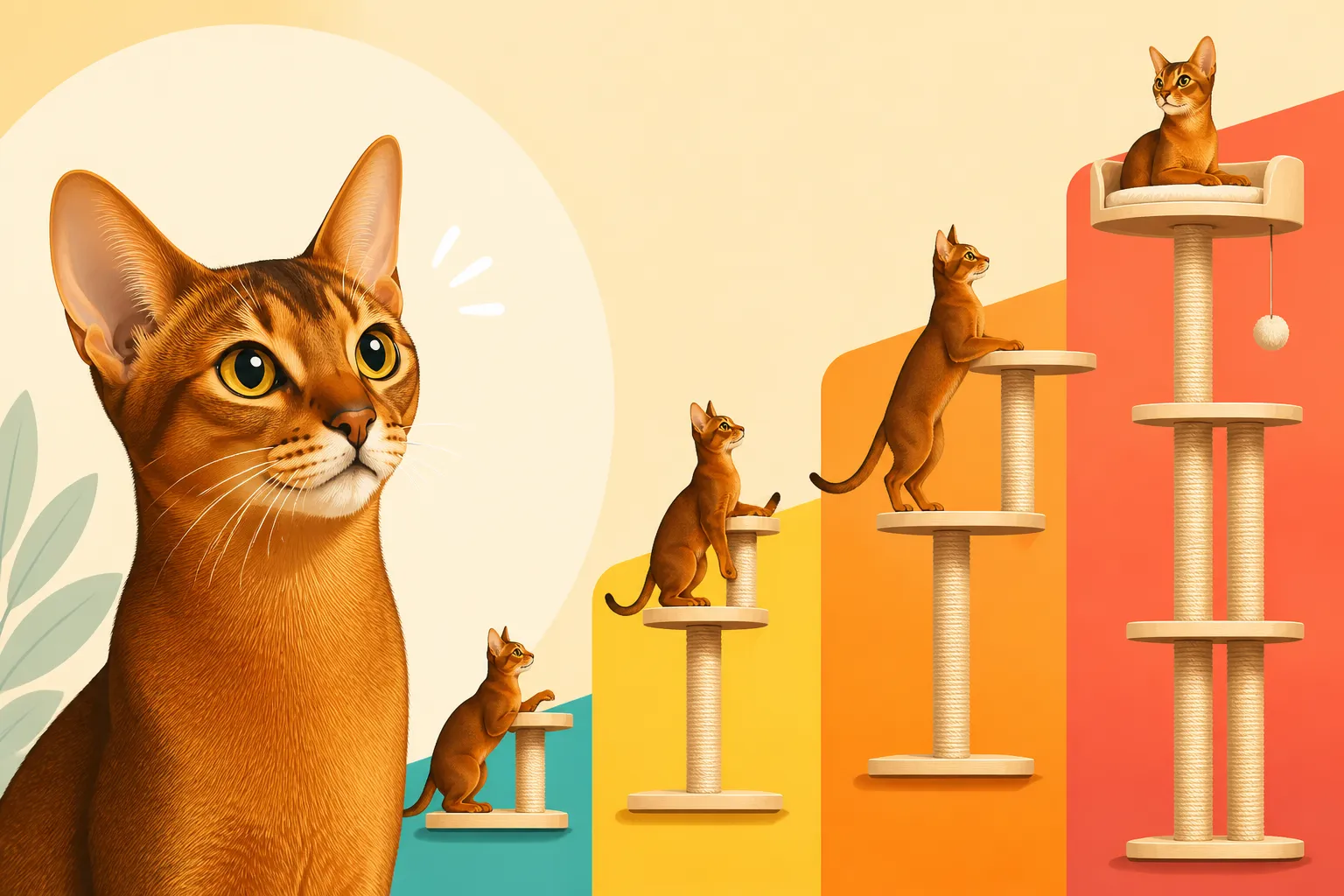
Cats, and especially an athletic breed like the Abyssinian, don't just climb one object and stay there. In the wild, they would move fluidly through trees, scaling branches, jumping to higher limbs, and descending with ease. Their indoor environment should ideally mimic this dynamic flow. If your Abyssinian wants to get from the floor to a windowsill, and then from the windowsill to a wall shelf, there needs to be a designated scratching surface at each transition point. This isn't just for claw maintenance; it's about providing stable grip and a moment to stretch and mark their territory as they traverse their vertical world.
Imagine a series of wall-mounted shelves leading up to a cat hammock near the ceiling. Placing a scratching post or a scratching panel on the wall between these levels, or directly adjacent to a jumping-off point, makes the entire journey more appealing and functional for your cat. It gives them confidence in their ascent and descent, offering a safe, textured surface for purchase. It’s about creating an intuitive, inviting route that feels natural and secure for their adventurous spirit. You'd be surprised How High an Abyssinian Will Climb when given the right tools.
Integrating Posts with Existing Vertical Structures
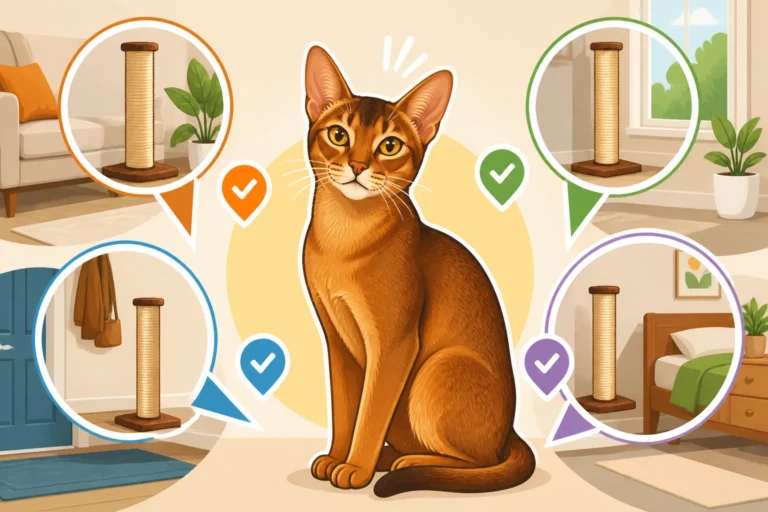
Most homes already have existing vertical structures that Abyssinians love: windowsills, tops of cabinets, sturdy bookcases, and even the fridge. The challenge is connecting these disparate points into a cohesive, cat-friendly network. This is where strategic placement of scratching posts and steps becomes invaluable. Does your Abyssinian love to jump from the floor onto a low bookcase, then up to a higher shelf, and finally to the top of the adjacent cabinet? Place a flat scratching pad or a vertical post at the point where they transition from the floor to the bookcase, and another where they launch from the bookcase to the higher shelf.
Consider using wall-mounted scratching panels or small, stable steps covered in sisal to bridge gaps between existing furniture items. For instance, if your cat enjoys perching on a wide windowsill but has to make a tricky jump to get there, a sturdy scratching post placed nearby offers an easier, more appealing ascent point. This integration turns your home's existing architecture into part of your cat's vertical playground, making their favorite spots more accessible and, crucially, offering appropriate scratching opportunities right where they'll naturally use them. This is how you really provide How Many Vertical Levels an Abyssinian Needs.
Addressing High-Traffic and High-Interest Areas
Abyssinians are often found where the action is. They love to observe, and they love to be near their human companions. This means placing scratching posts in areas where they spend a lot of time, and where they might otherwise be tempted to scratch inappropriate items. Consider the living room, often the heart of the home, where you have sofas and armchairs that are prime targets for scratching. Placing a tall, sturdy post right next to your couch, or even a horizontal scratching mat in front of it, can redirect that instinct.
Similarly, if your Abyssinian has a favorite window where they spend hours watching birds or squirrels, a scratching post or a cat tree with an integrated scratching surface should be positioned nearby. This caters to their desire to mark their territory in a prominent, valued location while also offering a comfortable perch for observation. By identifying these "high-interest" zones – places where they eat, sleep, play, and watch the world go by – and placing appropriate scratching and climbing structures within them, you’re maximizing the chances that they’ll use the intended items, rather than your cherished possessions. It helps redirect the impulse that might otherwise lead to Why an Abyssinian Ends Up on Top of the Fridge.
Choosing the Right Scratching Posts and Vertical Furniture
When it comes to outfitting your home for an Abyssinian, not just any cat furniture will do. Their unique blend of athleticism, intelligence, and a strong drive to climb means you need to be intentional about your choices. Investing in the right tools from the start will save you a lot of hassle and expense down the line.
Material Matters: Sisal, Cardboard, Wood
The material of your scratching post is paramount, as different textures appeal to different cats and serve different purposes. For Abyssinians, sisal is often the gold standard. Whether it's sisal rope wrapped around a post or a flat sisal fabric panel, this coarse, durable material provides excellent purchase for their claws and stands up well to their vigorous scratching. Many cats, including Abyssinians, prefer sisal for the satisfying way it allows them to really dig in and shed the outer layer of their claws. You can find a vast array of sisal posts and panels on sites like Chewy, offering different styles and sizes.
Corrugated cardboard scratchers are another popular choice, especially for horizontal scratching or as supplementary pads. They are consumable, meaning your cat will shred them over time, which many cats find incredibly satisfying. They're also relatively inexpensive, making them a good option to place in multiple locations. However, they don't offer the same vertical stretch as a tall post.
Finally, some Abyssinians enjoy scratching on wood, particularly softer woods or posts with a distinct grain. While less common for dedicated scratching posts, a sturdy wooden base or a natural tree branch integrated into a cat tree can provide an interesting texture for them to explore. Always ensure any wood is untreated and safe for pets. Avoid carpeted scratching posts, as the carpet can feel too similar to your household furniture, confusing your cat about what is and isn't okay to scratch. Why an Abyssinian Prefers a Tall Sisal Post over other materials is often due to its durability and how well it mimics natural tree bark.
Height, Stability, and Design
Abyssinians are not small, delicate cats, and they certainly aren't sedentary. When choosing scratching posts and cat trees, height and stability are non-negotiable. A flimsy, short scratching post that topples over when your Abyssinian launches onto it is not only useless but potentially dangerous. Look for posts that are at least 30-36 inches tall, allowing your cat to fully stretch vertically. For cat trees, aim for multi-level structures that reach close to the ceiling, or even ceiling-height pressure-mounted trees.
The base of any scratching post or tree needs to be wide and heavy enough to counteract the force of your Abyssinian’s energetic climbing and jumping. If it wobbles, they won't feel secure, and they simply won't use it. Consider designs that bolt into the wall for maximum stability, especially for wall-mounted shelves. Online retailers like Amazon offer an incredible selection of robust, tall cat trees and wall furniture designed to withstand the antics of an active Abyssinian. Remember, Which Cat Tree Height Suits an Abyssinian is usually taller than you think!
Integrating Cat Trees, Wall Shelves, and Other Structures
While individual scratching posts are vital, the ultimate goal is to create a comprehensive "vertical kingdom." This means integrating various types of furniture to offer a rich and varied climbing experience.
Cat trees are excellent multi-functional pieces, often combining scratching surfaces, perches, and hidey-holes. Place them in strategic locations, perhaps near a window or in a busy family room, to offer both entertainment and a sense of security. Look for trees with multiple levels and sisal-wrapped posts.
Wall shelves are a fantastic way to maximize vertical space without taking up floor area. These can be individual steps, longer ledges, or even enclosed boxes that create a stimulating aerial pathway. Combine these with wall-mounted scratching panels to ensure that every part of their elevated path offers a scratching opportunity. Why Wall Shelves Work Better Than a Tree for an Abyssinian in some cases is because they offer more customization and can truly span an entire room.
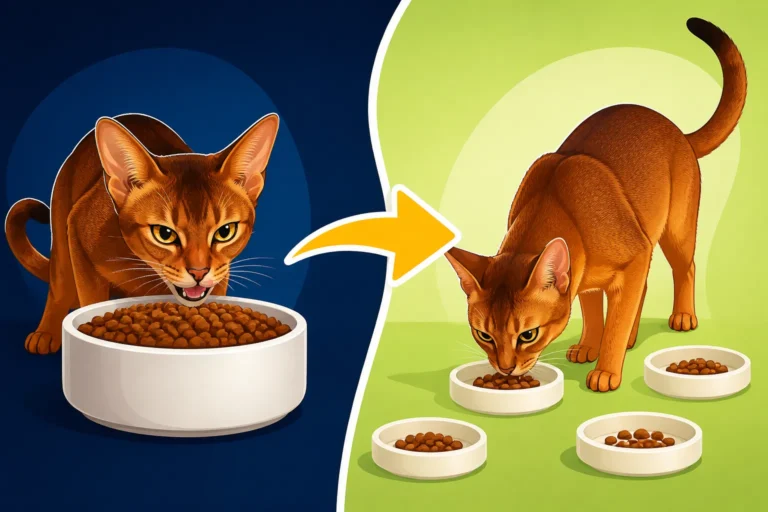
Don't forget smaller items like door-hanging scratchers, horizontal mats, or even cardboard scratcher lounges. These can serve as supplementary scratching spots in areas where a full post might be cumbersome, like near a food bowl or a favorite napping spot. By combining these elements strategically, you create an environment that truly respects and enriches your Abyssinian's natural instincts.
Encouraging Your Abyssinian to Use Their Posts
You've invested in the perfect scratching posts and vertical paradise, but what if your Abyssinian still seems to prefer your antique rug? Don't despair! Encouraging them to use their new amenities often requires a little patience, persuasion, and positive reinforcement. It's about making the new options more appealing than the old, forbidden ones.
Attracting Them with Scents and Toys
Cats are highly driven by their senses, and you can use this to your advantage. Catnip spray can be an incredibly effective lure. Lightly spray the scratching surfaces of the new posts or levels, and watch your Abyssinian investigate. Many cats respond enthusiastically, rubbing against the posts and often indulging in a good scratch. Just be aware that not all cats react to catnip, and for those who do, the effect can wear off, so you might need to reapply it periodically.
Feline pheromone sprays are another subtle but powerful tool. These sprays mimic the natural calming pheromones that cats release when they feel safe and secure. Spraying them on new posts can help your Abyssinian feel more comfortable and inclined to use them for marking and scratching.
Beyond scents, interactive toys can draw them in. Dangle a wand toy near the top of a new cat tree, or toss a crinkle ball onto a wall shelf. When your Abyssinian jumps up to play, they'll discover the new surfaces. This makes the posts part of their play routine, associating them with fun and positive experiences.
Positive Reinforcement and Training
Cats are smart, and they respond well to positive reinforcement. Whenever you see your Abyssinian using a designated scratching post or climbing on a cat tree, reward them immediately. This could be with a small, high-value treat, verbal praise ("Good scratch, kitty!"), or a quick play session with a favorite toy. The key is immediacy; they need to associate the reward directly with the desired behavior. Over time, they will learn that using the posts leads to good things.
Avoid punishment if you catch them scratching something inappropriate. Cats don't understand punishment in the same way humans do, and it can create fear and anxiety, potentially damaging your bond. Instead of scolding, gently redirect them to an appropriate scratching post. Pick them up and place them on the post, or physically guide their paws to it. Then, when they scratch, reward them. Consistency is key here. Every time they go for the couch, gently move them to the post. They will eventually get the message.
Troubleshooting: What to Do if They Still Prefer the Couch
Sometimes, despite your best efforts, your Abyssinian might still have a particular fondness for scratching forbidden items. This is when you need to get a little creative and proactive.
First, make the inappropriate scratching surfaces undesirable. You can use double-sided sticky tape or aluminum foil on the areas of your furniture they scratch. Cats generally dislike the feel of these textures, and it can deter them. Alternatively, if it's a specific corner of a sofa, place a large, appealing scratching post directly in front of it, blocking access.
Second, re-evaluate your scratching posts. Are they tall enough? Are they stable? Is the material appealing? Sometimes, a cat simply doesn't like the texture or location of a specific post. Try offering a variety of materials and placements. Perhaps they prefer a horizontal scratcher to a vertical one, or vice-versa. Observe where and how they do scratch (even inappropriately) to understand their preferences.
Finally, ensure your Abyssinian is getting enough overall enrichment. A bored or under-exercised Abyssinian is more likely to engage in destructive behaviors. Make sure they have plenty of playtime, puzzle feeders, and mental challenges throughout the day. A tired, satisfied Abyssinian is a less destructive one.
Long-Term Care and Maintenance for Your Vertical Kingdom
Setting up your Abyssinian's vertical kingdom is a great first step, but it's not a one-and-done deal. Just like any part of your home, these structures require ongoing care and occasional updates to remain appealing, safe, and functional for your athletic feline. Think of it as investing in their health and happiness for the long haul.
When to Replace or Refresh Posts
Scratching posts, especially those made of sisal or cardboard, are designed to be used, which means they will eventually show wear and tear. Over time, sisal rope can become frayed and loose, making it less satisfying for your cat to grip and scratch. Cardboard scratchers will inevitably be shredded down to their core. A worn-out post loses its appeal and its effectiveness. It's crucial to inspect your posts regularly – at least once a month, or more often if your Abyssinian is particularly enthusiastic.
When a post becomes visibly tattered or unstable, it's time for a replacement. Don't wait until it's completely destroyed, as your cat might revert to scratching furniture if their preferred post is no longer up to par. For sisal posts, you can sometimes re-wrap them with new sisal rope if the core is still sturdy, which can be a cost-effective way to refresh them. For cardboard scratchers, simply toss the old one and replace it with a fresh one. This keeps their environment stimulating and ensures they always have a satisfying outlet for their scratching needs.
Adapting the Environment as Your Abyssinian Ages
Abyssinians are known for their lively spirit, which often continues well into their senior years. However, just like us, cats experience changes as they age. An Abyssinian who once bounded effortlessly to the highest shelf might, by the age of ten or twelve, start to find those leaps a little more challenging. Their joints might not be as flexible, or their vision might not be as sharp, making high jumps riskier. This doesn't mean they lose their desire for vertical space, but rather that their access points need to adapt.
As your Abyssinian enters their senior years, monitor their mobility carefully. You might need to add more intermediate steps or ramps to their vertical pathways. Lowering some of their favorite perches or adding sturdy, carpeted steps can make reaching those coveted high spots much easier and safer. Ensure that all surfaces are non-slip. An old Abyssinian might still want to climb, but they need a little more assistance and stability to do so comfortably. It's a key part of What an Old Abyssinian Needs Once It Stops Jumping to maintain their quality of life. By making these thoughtful adjustments, you can help your beloved Abyssinian continue to enjoy their vertical world for many more happy years.
Disclaimer
This article is for general informational purposes only and does not constitute professional advice. Laws, prices and regulations vary by location and change over time. Consult a qualified professional for guidance on your specific situation.