What Changes an Abyssinian’s Behavior Overnight
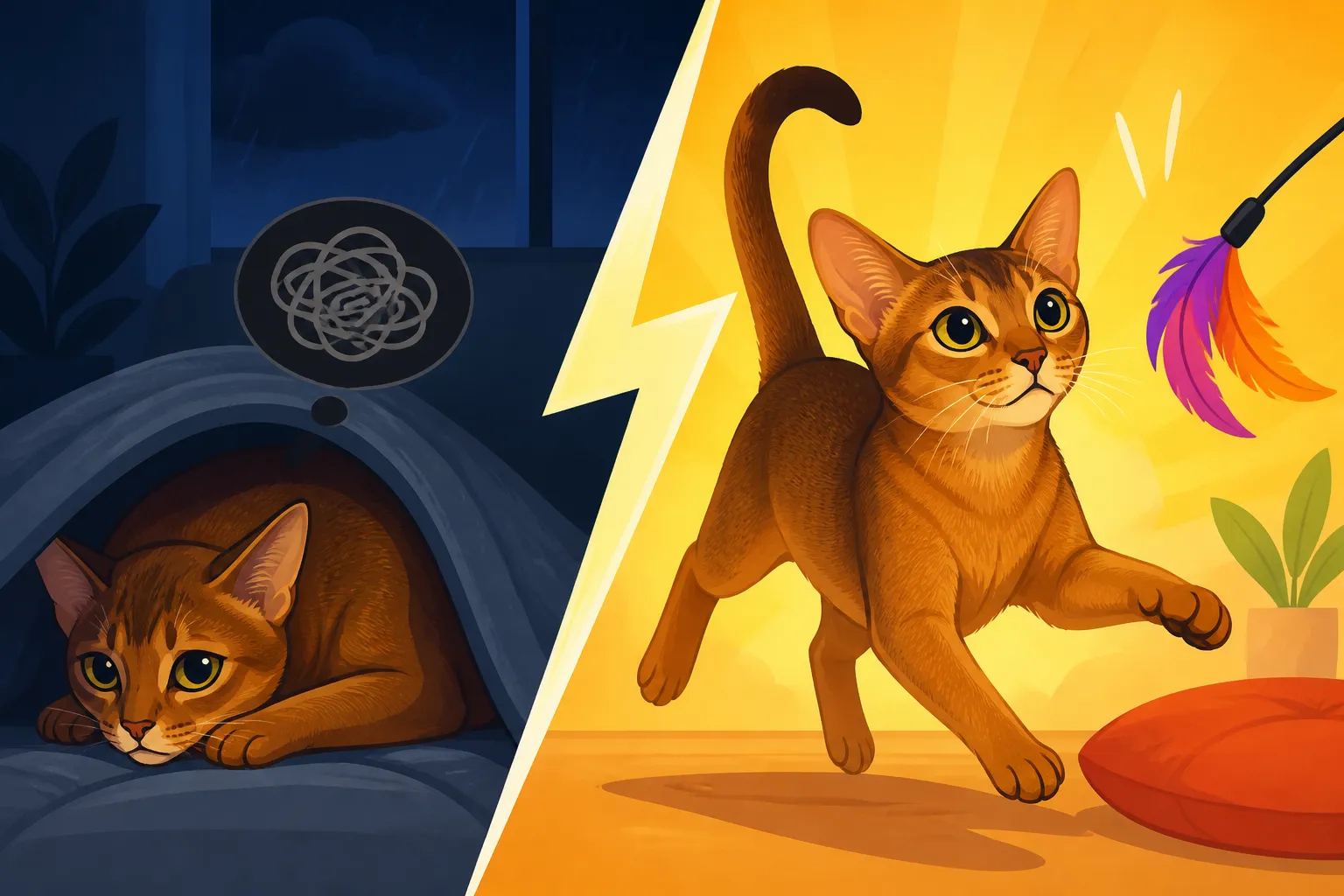
When your normally vivacious Abyssinian suddenly acts completely out of character overnight, it's not just a surprise; it's a huge worry. One day they're scaling the cat tree, the next they're hiding under the bed, or perhaps their appetite vanished. This guide aims to help you unravel the mystery behind those abrupt behavioral shifts, equipping you with the knowledge to identify potential causes and know when it's time to seek professional help.
Sudden Health Changes Are Always the First Suspect
It's a truth universally acknowledged among Abyssinian owners: these cats are masters of disguise when it comes to illness. Their natural athleticism and high energy can mask discomfort for a surprising amount of time, making any sudden shift in behavior an immediate red flag that warrants investigation. Unlike some more placid breeds who might overtly limp or cry out, an Abyssinian will often try to "push through" pain, making subtle behavioral changes your only real clue that something is amiss. When your agile climber suddenly hesitates at the first tier of the cat tree, or your vocal companion goes quiet, pay attention.
The reason an Abyssinian's behavior can appear to change "overnight" when health is involved is often because they've been compensating for days, even weeks. It's only when they can no longer maintain that facade, or when the underlying issue reaches a critical point, that their true discomfort becomes obvious. This is why a sudden change isn't always truly sudden; it's often the culmination of a slowly escalating problem that finally broke through their stoic exterior.
Subtle Signs of Pain or Discomfort
If your Abyssinian is suddenly less active, hiding more, or reacting differently to touch, pain is a strong possibility. For a breed renowned for its climbing prowess and boundless energy, a reluctance to jump onto familiar high perches, or a newfound clumsiness, can be a major indicator. You might observe them refusing to use their favorite tall cat tree, or struggling to make a leap they once executed with effortless grace. This isn't just "slowing down"; for an Abyssinian, it's often a sign of musculoskeletal pain, perhaps How Patellar Luxation Shows in a Jumping Abyssinian or even arthritis in an older cat.
Beyond mobility, look at their posture and how they carry themselves. An Abyssinian in pain might hunch, protect certain areas of their body, or walk stiffly. Grooming habits can also change; they might over-groom a painful spot, or conversely, stop grooming altogether if it causes discomfort, leading to a duller, unkempt coat. Appetite can also be affected, but not always in an obvious way. An Abyssinian might approach their food bowl, sniff it, and then walk away, or eat less than usual, which, for a cat that usually devours its meals, is concerning. Any unexplained change in litter box habits, like urinating outside the box, can also be a cry for help, indicating discomfort or a urinary issue. Why a Lethargic Abyssinian Needs Blood Work Fast is a phrase every Abyssinian owner should live by.
Internal Issues That Aren't Obvious
Some of the most serious health concerns in Abyssinians manifest as vague behavioral changes because they're internal and not easily visible. Kidney disease, for example, is unfortunately common in the breed. An Abyssinian with early kidney issues might show subtle signs like increased thirst and urination, which can lead to more frequent trips to the litter box or even accidents. You might notice them spending more time at the water bowl or seeking out novel water sources. As the disease progresses, lethargy, decreased appetite, and nausea can set in, making your normally vibrant cat withdrawn and quiet. What Kidney Failure Looks Like in a Young Abyssinian is a crucial read for any owner.
Dental pain is another frequent culprit behind sudden behavioral shifts. Abyssinians are prone to juvenile gingivitis and other dental problems, which can be incredibly painful. Imagine trying to eat your favorite crunchy treat with a throbbing toothache – your cat feels the same. A cat suffering from dental pain might become irritable, refuse dry food, prefer soft food, or drop food from their mouth while eating. They might also shy away from having their head or mouth touched. This could be why your enthusiastic feeder is suddenly picky or avoiding certain textures. If you notice any unusual mouth odors or redness around the gums, it's time for a vet visit. Why Abyssinian Gum Trouble Starts at Six Months highlights how early these issues can begin.
Environmental Shifts and Stressors
Abyssinians are intelligent, sensitive, and often creatures of habit, despite their adventurous spirit. While they can adapt, abrupt changes in their environment or routine can throw them off balance and trigger sudden, noticeable shifts in behavior. They thrive on predictability and a sense of security, and anything that disrupts this can lead to stress, which in turn manifests as behavioral problems. It's easy for us humans to overlook what might seem like a minor change, but to your Abyssinian, it can feel like their entire world has been turned upside down.
Think of your home from your cat's perspective. They have their established hunting routes (even if it's just from the sofa to the food bowl), their preferred sleeping spots, and a deep understanding of the household rhythm. When this rhythm is broken, they don't have the same coping mechanisms as we do. Their sudden shift in behavior isn't defiance; it's often a desperate attempt to communicate their unease or regain control in a confusing situation. Understanding this can help you approach their "overnight" changes with more empathy and strategic solutions.
Changes in Routine or Household Dynamics
Even small alterations to the daily schedule can be a big deal for an Abyssinian. If your work schedule changes and you're suddenly home less, or if their feeding times become erratic, they can become anxious. This might present as increased vocalization, destructive behavior like scratching furniture more than usual, or even litter box avoidance as a stress response. They might seem clingier when you are home, or conversely, more withdrawn. A new pet, especially another high-energy cat that challenges their established territory or playtime dominance, can also be incredibly disruptive. Why a Second Cat Suits an Abyssinian explores how to introduce companions harmoniously, but even a perfect match takes adjustment.
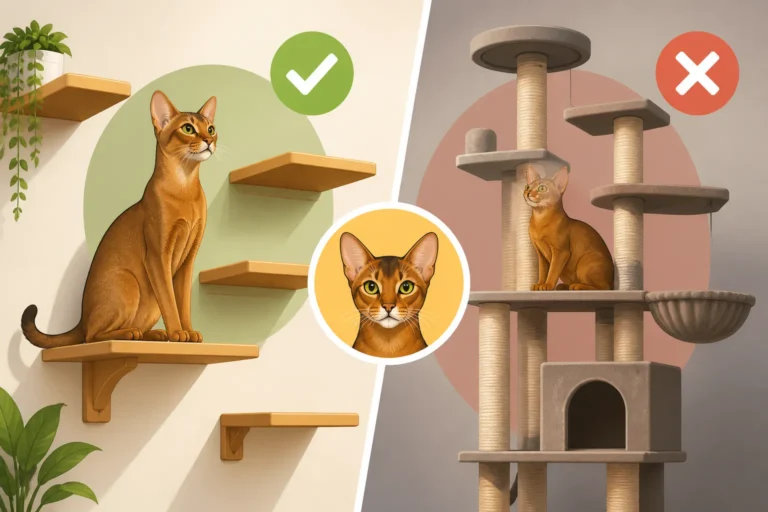
Major life events like a new baby, a house move, or even a long-term visitor can also trigger profound behavioral changes. The introduction of new smells, sounds, and unfamiliar routines can make an Abyssinian feel insecure. A cat that was once bold and outgoing might suddenly hide more, become more aggressive towards household members or other pets, or start spraying. Rearranging furniture, especially their vertical territory like cat trees and wall shelves, can also cause distress. They rely on these familiar landmarks and climbing routes for their sense of security. Providing new, appropriate vertical spaces or using calming pheromone diffusers (easily found on Amazon) can sometimes help ease these transitions.
Sensory Overload or Deprivation
Abyssinians are highly intelligent and very sensitive to their surroundings. Sensory overload – too much noise, too much activity, or constant unfamiliar stimuli – can be overwhelming for them. If you've recently had construction nearby, loud parties, or a sudden increase in household noise, your Abyssinian might react by becoming withdrawn, irritable, or even displaying fear-based aggression. They might seek out quiet, secluded spots to escape the cacophony, choosing to hide under beds or in closets instead of engaging with the family. This isn't laziness; it's self-preservation.
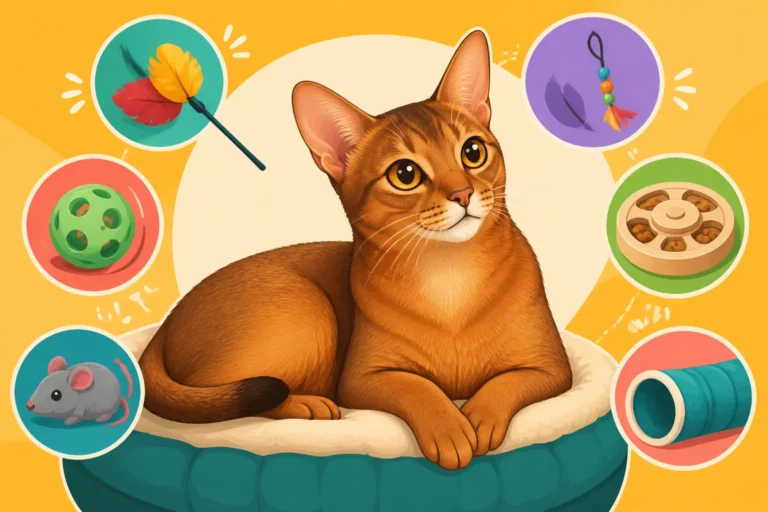
Conversely, sensory deprivation can also lead to behavioral issues, particularly for an Abyssinian. These cats are incredibly curious and require significant mental and physical stimulation. If they're suddenly left alone for much longer periods, or if their environment lacks adequate enrichment, they can quickly become bored. What an Abyssinian Does When It Is Bored can be quite destructive. Boredom can manifest as increased destructive behaviors (chewing wires, knocking things over), excessive vocalization, or even lethargy and depression. An Abyssinian that was once playfully chasing toys might suddenly seem listless, or sleep more out of sheer lack of anything better to do. Ensuring they have plenty of interactive toys, puzzle feeders (many great options on Amazon), and consistent playtime is essential to their well-being.
Age-Related Transitions
While many people associate aging with a slow, gradual decline, for some Abyssinians, the onset of age-related changes can feel quite sudden, especially if you're not actively looking for the subtle shifts that precede them. One day your cat is a spry adventurer, the next they seem to prefer lounging. This isn't usually an "overnight" phenomenon in the literal sense, but rather a realization by the owner that their cat's established patterns have markedly changed within a short observational period. It's often the cumulative effect of minor changes that suddenly reaches a tipping point, making it seem like an abrupt transformation.
Understanding these transitions is key to providing appropriate care and comfort. Just as humans experience different phases of aging, so do our feline companions. Their changing physical capabilities and cognitive functions can dramatically alter their daily behaviors, and recognizing these as part of the aging process can help you adapt their environment and routine to suit their new needs.
When Seniority Kicks In
An Abyssinian is typically considered senior around 7-10 years old, though many remain incredibly active well into their teens. However, around this age, you might start noticing subtle shifts that can escalate quickly. Their climbing might become less enthusiastic or they might choose lower perches more often. They might still enjoy chasing a wand toy, but the sessions become shorter, and they tire more easily. This isn't necessarily a sign of illness, but a natural reduction in stamina and agility. When an Abyssinian Counts as Senior is an important benchmark to consider.
Beyond physical activity, you might observe changes in their sleeping patterns. Senior Abyssinians often sleep more, and their sleep might be deeper. However, some can become more restless at night, pacing or vocalizing, which can be disorienting for owners who are used to a quiet sleeper. Their grooming might also become less meticulous, especially if they have joint pain making it harder to reach certain areas, leading to a duller coat over time. What an Old Abyssinian Slows Down From outlines many of these changes, and it's vital to differentiate between normal aging and signs of underlying health issues, which often requires a vet check-up.
The Gradual Onset of Cognitive Decline
Just like humans, cats can experience cognitive decline as they age, sometimes referred to as Feline Cognitive Dysfunction Syndrome (CDS). While the onset is gradual, the noticeable effects can feel like a sudden shift to an owner. Symptoms often include disorientation (getting "lost" in familiar rooms), changes in social interaction (becoming more clingy or aloof), altered sleep-wake cycles (pacing and vocalizing at night, sleeping more during the day), and changes in activity levels (less play, more staring into space).
An Abyssinian who suddenly seems confused about where their food bowl is, or stares blankly at a wall, could be showing signs of CDS. They might forget house rules they've known for years, such as where the litter box is, or become more vocal without apparent reason. It's a heartbreaking change to witness in your intelligent and engaging Abyssinian. While there's no cure, environmental enrichment tailored for senior cats, a consistent routine, and certain dietary supplements recommended by your vet can sometimes help manage the symptoms and improve their quality of life.
Behavioral Responses to Underlying Needs
Sometimes, an overnight change in your Abyssinian's behavior isn't about immediate pain or a sudden scare, but a manifestation of unmet needs that have been brewing beneath the surface. Abyssinians are highly intelligent, energetic, and socially complex creatures. When their fundamental requirements for mental stimulation, physical activity, and social interaction aren't met, their behavior can suddenly take a turn for the worse. It's their way of communicating that something isn't right in their world, and these "misbehaviors" are often desperate attempts to address an internal imbalance.
Understanding that these changes are often a cry for help, rather than intentional naughtiness, is crucial. It shifts our perspective from annoyance to an investigative mindset, prompting us to look at our cat's environment and daily routine through their eyes. By identifying and addressing these underlying needs, we can often reverse the "overnight" behavioral shift and help our Abyssinian return to their happy, well-adjusted self.
Boredom and Lack of Enrichment
For an Abyssinian, boredom is a truly terrible thing. These cats are not content to just sit on a windowsill all day. They are "busy" cats, constantly exploring, climbing, and interacting with their environment. If their day-to-day life becomes monotonous, or if they don't get enough physical and mental exercise, their pent-up energy and intelligence can manifest as problematic behaviors that seem to appear out of nowhere. A usually calm Abyssinian might suddenly start knocking items off shelves, chewing on inappropriate objects like cables, or relentlessly pestering other pets or household members for attention.
Think about it: if your Abyssinian is used to multiple interactive play sessions and then suddenly you're swamped with work and play becomes scarce, that energy has to go somewhere. They might start shredding toilet paper rolls, digging in houseplants, or even becoming hyper-focused on small objects to chase and destroy. Providing plenty of vertical climbing spaces, interactive toys, regular How to Split an Abyssinian's Play Into Sessions, and puzzle feeders (like those you can find on Amazon) is essential to keeping their active minds engaged and preventing these "overnight" behavioral shifts rooted in boredom. The Abyssinian Is the Busiest Cat in the House is not just a cute saying; it's a guide to their needs.
Seeking Attention or Resource Guarding
Abyssinians are highly social cats who thrive on interaction with their human companions. If your cat suddenly becomes excessively vocal, follows you relentlessly, or displays behaviors like darting between your legs, it might be a new strategy to grab your attention. This could be triggered by a change in your routine that means less dedicated one-on-one time with them, making them feel neglected. While they might have been content with a quick cuddle or a short play session before, they might now demand more intensive interaction, leading to behaviors that feel sudden and overwhelming to you.
Another potential behavioral shift is the sudden onset of resource guarding. If your Abyssinian previously shared their food, toys, or even their favorite sleeping spot without issue, but now suddenly hisses or acts aggressively when another pet or person approaches these items, they might be resource guarding. This can stem from anxiety or a perceived threat to their security. For example, if a new pet has joined the household, your Abyssinian might suddenly become protective of their food bowl or a favorite perch. Why an Abyssinian Hates a Closed Door also speaks to their desire to be involved and close to their people, and being shut out can lead to frustration and attention-seeking. Observing when and where these behaviors occur can provide vital clues to what your Abyssinian is trying to communicate.
To help you quickly identify potential issues, here's a table summarizing common sudden behavioral changes and their likely underlying causes:
| Behavioral Change | Possible Causes (Categorized) | Action Steps |
|---|---|---|
| Hiding More/Withdrawn | Health (pain, illness), Stress (new environment, noise), Fear (new pet/person) | Vet check immediately. Provide safe, quiet spaces. |
| Decreased Appetite/Picky Eating | Health (dental pain, internal illness), Stress (food aversion), Age (seniority) | Vet check (especially dental). Offer different foods. Ensure quiet eating area. |
| Increased Lethargy/Sleeping More | Health (illness, pain), Age (seniority), Boredom/Depression | Vet check. Increase interactive play if health clear. Provide enrichment. |
| Increased Vocalization | Attention-seeking, Stress/Anxiety, Health (pain, cognitive decline), Boredom | Rule out health. Increase interaction. Provide enrichment. Consider pheromones. |
| Destructive Behavior | Boredom/Lack of enrichment, Stress/Anxiety, Attention-seeking | Increase play, puzzle feeders. Evaluate environment for stressors. Redirect with appropriate toys. |
| Reluctance to Jump/Climb | Health (pain, arthritis, injury), Age (seniority) | Vet check (focus on joints/mobility). Provide ramps/lower perches. |
| Litter Box Accidents | Health (UTI, kidney issue), Stress (dirty box, new litter, fear), Cognitive decline | Vet check. Clean box daily. Try new litter. Ensure multiple boxes. |
| Aggression (Hissing, Biting) | Pain, Fear, Resource guarding, Overstimulation, Unmet needs (e.g., proper play) | Vet check. Identify triggers. Provide safe space. Consult behaviorist if persistent. |
| Disorientation/Confusion | Health (neurological issues), Age (cognitive decline), Severe stress | Vet check immediately. Maintain consistent routine. Avoid moving furniture. |
Disclaimer
This article is for general informational purposes only and does not constitute professional advice. Laws, prices and regulations vary by location and change over time. Consult a qualified professional for guidance on your specific situation.