Which Litter Box Suits a Long Bodied Abyssinian
You’ve brought home one of the most elegant, active, and frankly, long cats in the feline world, and now you're staring at the rows of litter boxes at the pet store wondering which one could possibly accommodate their graceful, athletic form. It's a real conundrum because a standard litter box just isn't going to cut it for an Abyssinian who takes their digging seriously. This guide will help you understand exactly what to look for, and more importantly, why certain litter box features are non-negotiable for your high-energy companion.
Understanding the Abyssinian's Unique Needs for a Litter Box
When you live with an Abyssinian, you quickly learn they are not your average couch potato cat. They’re built like miniature cougars, all lean muscle and long lines, and their behavior around the litter box is just as distinctive. Ignoring these nuances can lead to a lot of frustration, both for you and your beloved Aby.
The Importance of Length for a Long-Bodied Cat
Imagine trying to comfortably use a tiny bathroom stall when you're six feet tall. That's often what we ask our long-bodied Abyssinians to do with standard litter boxes. These cats, with their lithe frames and impressive reach, need ample space to maneuver. They don't just squat and go; they often circle, dig, and position themselves carefully. A box that's too short means they might hang their rear over the edge, or step in their own waste, leading to a refusal to use the box entirely. It's not a matter of pickiness, but physical comfort and hygiene. Their longer body means a standard 18-inch box is simply inadequate. They need room to stretch out, turn around fully, and perform their 'business' without feeling cramped or confined.
High Energy and Digging Habits
If you've ever watched an Abyssinian attack a scratching post, you know they commit. This same intense energy translates directly to their litter box habits. They are often incredibly diligent diggers, excavating deep trenches before doing their business and then covering it with an almost archaeological fervor. This isn't just a quick scratch; it's a full-body workout involving all four paws. This enthusiastic digging means a couple of things for your litter box choice. First, the box needs to be robust enough to withstand this daily assault. Flimsy plastic will buckle, crack, or get flung around. Second, and perhaps more importantly, this digging action tends to send litter flying. If the sides aren't high enough, you'll find granules scattered far and wide, turning your floor into a miniature beach. This is a common frustration for Abyssinian owners, and one that often leads them to rethink their initial litter box choice.
Sensitivity to Enclosed Spaces
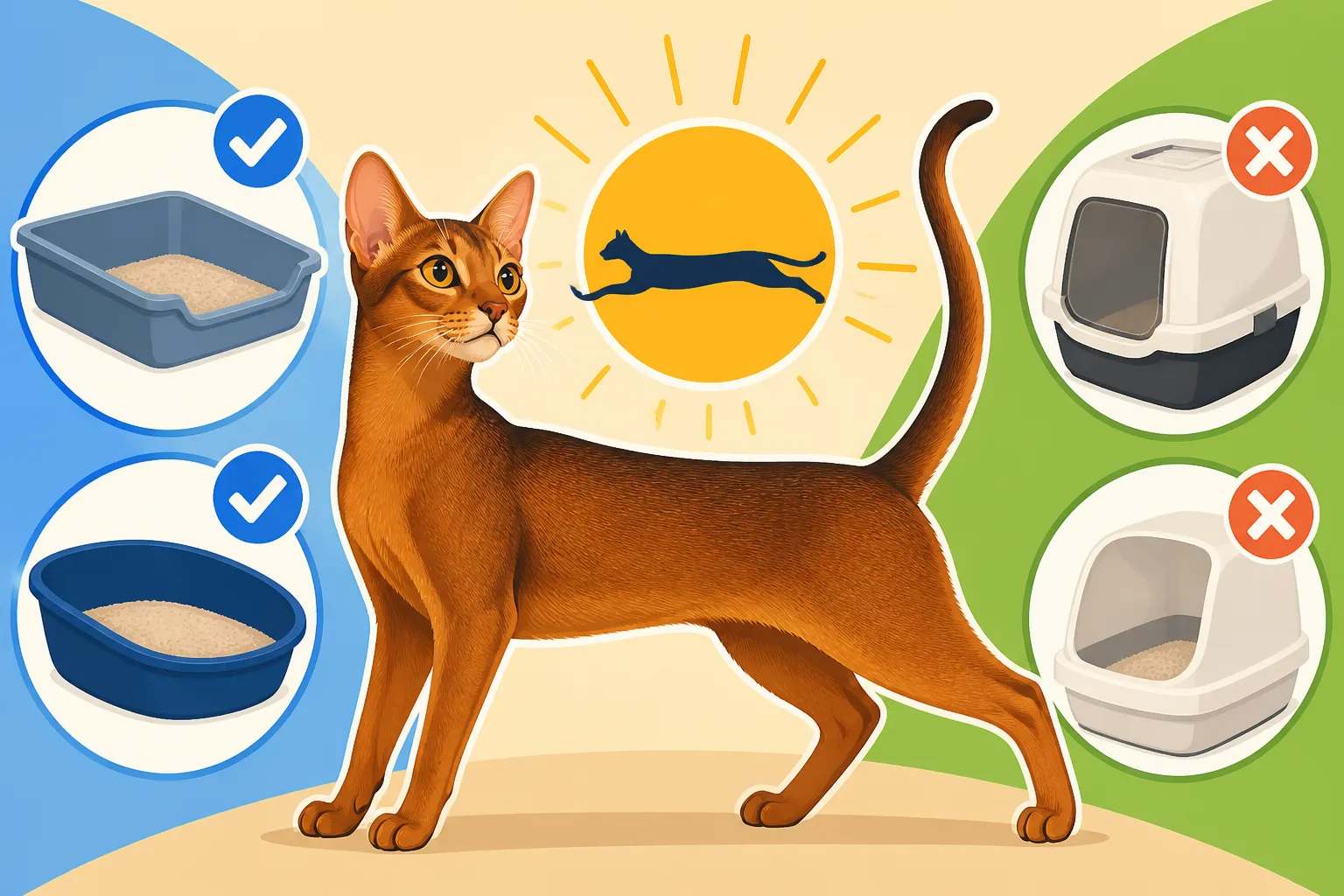
Many cats appreciate the privacy of a covered litter box, but for an Abyssinian, it can often be a deal-breaker. Abyssinians are inherently curious, vigilant, and often prefer to have a full view of their surroundings, even when they're vulnerable in the litter box. A covered box, while seemingly offering privacy, can feel like a trap or a blind spot to them. The reduced airflow can also make odors more concentrated inside, which can deter a fastidious Abyssinian. They might tolerate it for a while, especially if it’s their only option, but often, you'll see them making a point to dash in and out as quickly as possible, or even seeking alternatives like laundry baskets or bath mats. It’s also harder for you to gauge their digging and burying efforts when everything is hidden away, which is why How an Abyssinian Signals It Wants Something is often about more than just vocalization.
Types of Litter Boxes: Pros and Cons for the Abyssinian
Navigating the seemingly endless options for litter boxes can be overwhelming. From basic open pans to elaborate automated systems, each type comes with its own set of advantages and disadvantages. For an Abyssinian, some options are clearly superior, while others are best avoided to prevent behavioral issues.
Open-Top Pans and Their Advantages
Open-top litter pans are often the simplest and, surprisingly, the best choice for many Abyssinians. They offer unrestricted access, excellent ventilation, and a clear line of sight, which appeals to their vigilant nature. With an open box, your Aby can perform their elaborate digging and covering rituals without feeling cramped or having to contort their long body. The open design also makes it much easier for you to scoop regularly, which is vital for keeping a fastidious cat happy. Because Abyssinians are generally quite clean, an open box lets them establish their territory without feeling confined. It’s also easier to observe their habits and notice any changes that might signal a health issue, such as changes in urination or defecation patterns, which is a critical part of What an Abyssinian's Annual Checkup Costs and routine care.
However, the main drawback, as many Aby owners know all too well, is litter scatter. Those high-energy digging sessions can send litter flying across the room. To mitigate this, look for open pans with higher sides, or consider placing the box within a larger, easily cleanable enclosure to contain the mess. Despite the potential for scatter, the comfort and preference of your Abyssinian usually outweigh this minor inconvenience, which can be managed with the right accessories.
Covered Boxes and Why They Often Fall Short
While covered litter boxes seem like a great idea for containing odor and mess, they generally aren't the best fit for the active, observant Abyssinian. The enclosed space can feel restrictive and even intimidating. Imagine being in a small, dark closet every time you needed to use the restroom; it's just not comfortable. The lack of visibility can make them feel vulnerable, and the trapped odors, even with regular scooping, can be overwhelming for their sensitive noses.
Furthermore, the design of many covered boxes often features lower entry points or a domed lid that reduces internal height, making it difficult for a long-bodied Abyssinian to stand, turn, and dig comfortably. They might brush against the ceiling or sides, leading to an unpleasant experience. This discomfort can sometimes manifest as "accidents" outside the box, not because they're being naughty, but because the box simply isn't meeting their needs. While some cats adore privacy, the Abyssinian often thrives in an environment where they can see what's going on around them, even if it means a little less privacy for their bathroom break.
Large & Jumbo Options
For an Abyssinian, bigger truly is better when it comes to a litter box. Standard litter boxes are designed for an average-sized domestic shorthair, not a lean, muscular cat that can stretch out to surprising lengths. A large or jumbo-sized open-top pan is often the ideal solution. These boxes provide the necessary length and width for your Aby to comfortably enter, turn around, dig to their heart's content, and exit without feeling cramped or stepping in their own waste.
The extra space also allows for a deeper layer of litter, which is excellent for those enthusiastic diggers, providing more material for them to bury their waste thoroughly. This extra volume also helps in controlling odors naturally, as the waste is well-covered. You can often find these larger pans from pet retailers like Chewy or Amazon, and they are worth the investment to prevent litter box aversion. When selecting a jumbo box, pay attention not only to the footprint but also the height of the sides. Ideally, you want sides that are at least 8-10 inches high, if not more, to minimize litter scatter from their powerful digging.
Features to Look For in an Abyssinian-Friendly Litter Box
Choosing the right litter box for your Abyssinian isn't just about picking the biggest one you can find. It involves a careful consideration of dimensions, accessibility, and material quality to ensure comfort and longevity. These details can make all the difference in preventing litter box issues.
Dimensions Matter: Length, Width, and Height
For an Abyssinian, dimensions are paramount. You're looking for something substantially larger than what many manufacturers consider "large."
- Length: Your Aby needs to be able to stand fully within the box, including their tail, without touching either end. Aim for a length of at least 24-30 inches. This allows them to pivot, dig, and position themselves without feeling squished. Many standard "large" boxes are only 20-22 inches long, which is simply not enough. Think about your cat's body length from nose to tail base, and then add a few more inches for maneuvering.
- Width: While length is crucial, width also plays a role in comfort. A box that's too narrow restricts movement, making turning around difficult. Look for a width of at least 18-20 inches.
- Height: This is where you combat the notorious litter scatter. Abyssinians are vigorous diggers, so high sides are a must. A minimum of 8-10 inches is recommended for the sides, and even higher is often better, especially if you have a particularly enthusiastic excavator. Some owners even repurpose large storage bins with one side cut down for entry, providing incredibly high walls on the other three sides. This often saves a lot of clean-up time.
Consider how your cat enters the box, too. While high sides are good, if your cat is an older Abyssinian or has mobility issues like early arthritis (which can be monitored as part of Caring for an Abyssinian Past Ten), a low entry point on one side is essential.
Entry and Exit Points
The way your Abyssinian gets in and out of the litter box is more important than you might think. A box with high sides is great for containing litter, but if your cat has to make a gymnastic leap every time they need to use it, they might start looking for easier alternatives.
- Low Entry Point: For younger, spry Abyssinians, a jump might not be an issue. However, as they age, or if they develop any joint discomfort, a high lip can become a significant barrier. Look for boxes that have at least one side with a lower entry point, or a ramp, to facilitate easy access. This ensures that the box remains accessible and comfortable throughout their life. This is also important to consider if you're introducing a new [Abyssinian Kitten to a New Home].
- Top-Entry Boxes: While some cats do well with top-entry boxes, these are generally not ideal for Abyssinians. The height they have to jump to get into the box, coupled with the often-restricted space inside, can be off-putting. The deep sides are great for containing litter, but the compromise on internal space and ease of access often makes them a poor choice for a long-bodied Aby. They can also feel more enclosed than an open-top box, going against the Aby’s preference for visibility.
Material and Durability
Abyssinians are not gentle creatures when they're digging. They use their claws and powerful leg muscles to move a surprising amount of litter. This means the material of your litter box needs to be robust and built to last.
- Sturdy Plastic: Most litter boxes are made from plastic, but there's a huge difference in quality. Flimsy, thin plastic can flex and crack under the stress of vigorous digging or even just from routine cleaning and moving. Look for thick, rigid plastic that feels substantial. This will prevent premature wear and tear and ensure the box holds its shape.
- Smooth Interior: A smooth, non-porous interior surface is crucial for hygiene. Scratches and rough patches can harbor bacteria and odors, no matter how much you scrub. Over time, even sturdy plastic can develop micro-scratches from litter and claws. When this happens, it's time to replace the box, typically every 1-2 years, regardless of how clean you keep it.
- Ease of Cleaning: While not a "material" in itself, the design related to material plays a role. Boxes with rounded corners are much easier to scoop and clean thoroughly than those with sharp, right-angle corners where waste can get trapped. This contributes to maintaining a pristine environment, which is something a fastidious Abyssinian truly appreciates. You might find durable options on Amazon or Chewy, often marketed as heavy-duty storage bins or concrete mixing tubs (yes, really!).
Placement and Maintenance for Abyssinian Litter Boxes
Having the right litter box is only half the battle; where you put it and how you maintain it are equally crucial for ensuring your Abyssinian consistently uses it. Abyssinians are creatures of habit and sensitive to their environment, so thoughtful placement and a rigorous cleaning routine are key.
Strategic Placement for Multiple Boxes
The general rule of thumb for cats is one litter box per cat, plus one extra. For Abyssinians, who are known for their high activity levels and desire for options, this rule is particularly important. Don't just place them all in one room.
- Quiet, Accessible Locations: Choose locations that are relatively quiet, away from high-traffic areas, loud appliances, and their food and water bowls. An Abyssinian will appreciate a spot where they can feel safe and unbothered, but still maintain a good overview of their surroundings. Avoid placing a box in a confined, dark closet, as this goes against their preference for open spaces.
- Multiple Levels: If you live in a multi-story home, make sure there's at least one litter box on each floor. Abyssinians love to climb and explore all levels of the house, and they should never have to travel far or navigate stairs when nature calls. This ties into Where to Put Litter Boxes on an Abyssinian's Climbing Route – make sure they're integrated into their vertical world.
- Avoid Traps: Never place a litter box in an area where your Abyssinian could feel cornered by another pet or a child. They need an escape route, especially in multi-pet households. Two Abyssinians might share a box, but offering individual spaces helps prevent any potential conflict or stress.
Litter Type and Depth Considerations
The type and depth of litter you use can significantly impact your Abyssinian's willingness to use their box. They are particular about texture and cleanliness.
- Unscented, Fine-Grained Clumping Litter: This is often the preferred choice for most cats, including Abyssinians. Fine-grained litter is soft on their paws, and clumping allows for easy, thorough removal of waste, which is essential for a clean box. Unscented is critical; strong perfumes are meant to mask odors from humans, but they can be overwhelming and off-putting for a cat's much more sensitive nose. Some brands offer low-dust formulas, which are beneficial for both your cat's respiratory health and your home's cleanliness.
- Adequate Depth: Because Abyssinians are such enthusiastic diggers, a generous depth of litter is non-negotiable. Aim for at least 3-4 inches of litter, if not more. This allows them to dig their trenches, bury their waste completely, and still have a clean surface to step on. Too little litter, and they’ll hit the bottom of the pan, leading to soiled paws and potential aversion. This also helps with odor control by allowing waste to be fully encased.
- Novelty Litters: While there are many new litter types on the market (silica gel, recycled paper pellets, natural woods), always introduce new litters gradually if you choose to experiment. Mix a small amount of the new litter with their old favorite to see how they react. Some Abyssinians might be more sensitive to texture changes than others, potentially rejecting a box with an unfamiliar feel.
Cleaning Routines for a Fastidious Cat
An Abyssinian is a fastidious creature, and a dirty litter box is one of the quickest ways to encourage them to find alternative, less desirable places to relieve themselves. Regular, thorough cleaning is paramount.
- Scoop at Least Twice Daily: For an Abyssinian, who loves a clean toilet, scooping once a day is barely adequate. Aim for at least twice daily, ideally more if you have multiple cats or are home to do so. This removes soiled litter promptly, reducing odor and ensuring a fresh spot for their next visit. Regular scooping also means you’re less likely to miss early signs of urinary issues, which are especially important to monitor given the breed's predispositions, like the risk of What Renal Amyloidosis Deposits in an Abyssinian's Kidney.
- Full Litter Change and Wash Weekly: Even with diligent scooping, the litter box itself needs a deep clean. Once a week, empty all the old litter, wash the box thoroughly with warm water and unscented soap, and rinse it completely. Avoid harsh chemical cleaners or strong disinfectants, as their lingering scents can deter your cat. Make sure the box is completely dry before adding fresh litter.
- Litter Box Replacement: Over time, plastic litter boxes absorb odors and develop microscopic scratches that trap bacteria. Even the most diligent cleaning won't eliminate these issues forever. Plan to replace your Abyssinian's litter boxes every 12-24 months, depending on wear and tear. This might seem frequent, but it's a small investment in maintaining their health and preventing behavioral problems. A fresh box ensures a truly clean environment.
Addressing Common Litter Box Challenges with Abyssinians
Even with the perfect litter box and a stellar cleaning routine, living with an Abyssinian means you might encounter some unique challenges. Their high energy, intelligence, and sometimes stubborn nature can lead to litter box issues that require a bit more understanding and patience to resolve.
Preventing Litter Scatter
Ah, the infamous litter scatter. It's almost a badge of honor for Abyssinian owners, a testament to their cat's vigorous digging. But while it's part of their charm, tracking litter all over the house is nobody's idea of fun.
- High-Sided Boxes: As discussed, the first line of defense is a litter box with significantly higher sides. Think about those heavy-duty storage bins or concrete mixing tubs you can get from hardware stores – often, they have walls upwards of 12-15 inches, which dramatically reduces litter expulsion. You simply cut a low entry point on one side for easy access.
- Litter Mats: Place a large, textured litter mat directly in front of and around the litter box. These mats are designed to catch granules from your Aby's paws as they exit. There are various types, from mesh to deep-groove designs; some even open up for easy litter disposal back into the box. Brands available on Amazon or Chewy offer a wide range of options specifically designed for this purpose.
- Litter Enclosures: Some owners get creative by placing the litter box inside a larger, easy-to-clean furniture piece, like a modified cabinet or a large plastic tub. This creates a secondary barrier that contains any flying litter. Just ensure that the enclosure itself is well-ventilated and doesn't make the box feel too cramped for your Aby. Remember, they still need to see their surroundings, so a cabinet with an open front or very large access hole might be best.
Encouraging Proper Usage
Sometimes, despite your best efforts, your Abyssinian might start avoiding the litter box. This is rarely out of malice and almost always indicates an underlying issue – either health-related or environmental.
- Rule Out Medical Issues First: Any sudden change in litter box habits, especially urinating outside the box, warrants an immediate vet visit. Conditions like urinary tract infections, bladder stones, or even early kidney issues (like What Kidney Failure Looks Like in a Young Abyssinian) can cause pain or discomfort that the cat associates with the litter box. Once medical causes are ruled out, you can address behavioral factors.
- Review Your Setup: Ask yourself: Is the box big enough? Is it clean enough? Is the litter type acceptable? Is the location quiet and safe? Are there enough boxes for the number of cats? Abyssinians are intelligent and will find a spot that works better if their current setup isn't up to par.
- Positive Reinforcement: If your Aby uses the box correctly, offer quiet praise or a small treat. Never punish them for accidents, as this only creates fear and anxiety, making the problem worse. Instead, clean accidents thoroughly with an enzymatic cleaner to eliminate odors that might attract them back to the same spot.
Transitioning to a New Box or Litter
Cats, Abyssinians included, are creatures of habit. Introducing a new litter box or changing litter types can sometimes be met with suspicion or outright refusal. A slow, gradual approach is always best.
- Introduce New Boxes Slowly: If you're upgrading to a larger box, place the new box next to the old one with the same litter your Aby is accustomed to. Let them investigate it on their own terms. Once they've consistently used the new box for several days to a week, you can remove the old one. If you have multiple cats, you'll need multiple new boxes, too.
- Gradual Litter Changes: Never switch litters cold turkey. Start by mixing a small amount (about 25%) of the new litter with 75% of the old litter in one box. Over the course of a week or two, gradually increase the proportion of the new litter while decreasing the old. This allows your Aby to adjust to the new scent and texture without being overwhelmed. Observe them closely during this transition; if they show any reluctance, slow down the process.
- Maintain Consistency Where Possible: Once you find a litter box and litter combination that works for your Abyssinian, try to stick with it. While it's good to be adaptable, constant changes can be stressful for cats and may lead to new litter box issues. Remember that for Abyssinians, consistent care, whether it’s their dental routine or their litter box habits, often leads to a happier, healthier cat.
| Litter Box Type | Abyssinian Suitability | Pros for Abyssinian | Cons for Abyssinian |
|---|---|---|---|
| Standard Open-Top | Low (too small) | Easy access | Too small, high litter scatter |
| Jumbo Open-Top | High (ideal) | Ample space, good visibility, easy to clean | Can still have litter scatter (less with high sides) |
| Covered Box | Low (not recommended) | Contains odor/some scatter | Enclosed feeling, poor ventilation, cramped internal space, may deter usage |
| Top-Entry Box | Medium-Low | Excellent litter containment | Restricted entry/exit, often cramped internally, less visibility |
| Large Storage Bin (DIY) | High (excellent) | Customizable high sides, very spacious, durable | Requires modification (cutting entry), aesthetics might not suit all homes |
Disclaimer
This article is for general informational purposes only and does not constitute professional advice. Laws, prices and regulations vary by location and change over time. Consult a qualified professional for guidance on your specific situation.