Why Weekly Is Enough for an Abyssinian
It’s easy to look at an Abyssinian, with their short, sleek, shimmering coats, and wonder if you're missing something crucial in their grooming routine. Maybe you’ve heard other cat owners talk about daily brushing, de-shedding tools, or even professional grooming sessions, and you start to second-guess yourself. The truth is, the Abyssinian's unique coat, while stunning, is remarkably low-maintenance, and for these active, curious cats, less really is more when it comes to routine brushing. This guide will walk you through exactly why a simple weekly brush is not just enough, but actually ideal, for keeping your Aby looking fabulous and feeling great.
Understanding the Abyssinian's Unique Coat
The Abyssinian coat is truly a marvel, and it's the primary reason why their grooming needs are so different from many other cat breeds. It’s what gives them that wild, untamed look that we all adore, making them appear like miniature pumas rather than domestic housecats. But this striking appearance comes with built-in low-maintenance characteristics that are a dream for owners.
The Ticked Pattern and Minimal Undercoat
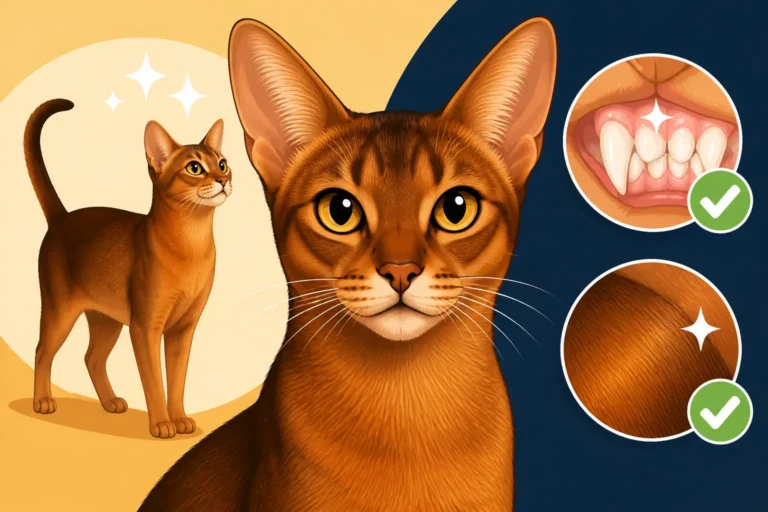
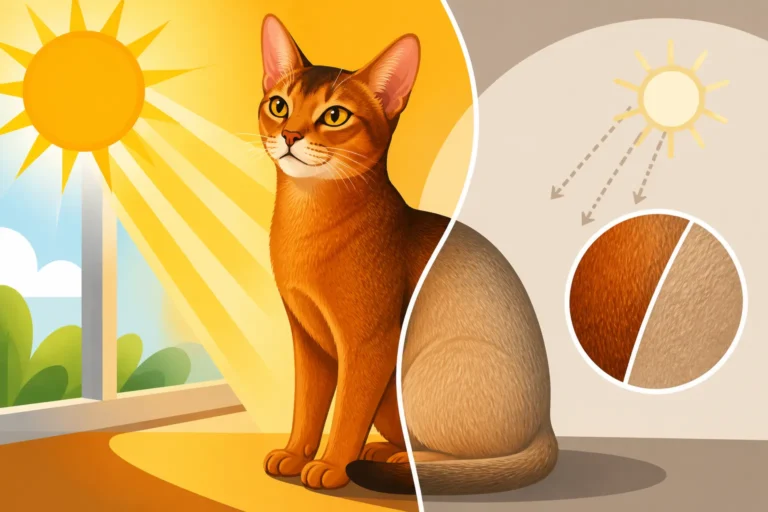
The hallmark of the Abyssinian is its 'ticked' or 'agouti' coat pattern. Unlike a tabby with distinct stripes or blotches, each individual hair on an Abyssinian is banded with two to three, sometimes even four, different colors. This banding, typically darker at the tip and lighter towards the base, creates that incredible shimmering effect when your Aby moves, catching the light in a way no other coat does. It's truly something to behold. This unique coloring means there are no overt stripes or patterns, just a subtle, shifting tapestry of color.
What's even more significant for grooming, however, is what the ticked coat doesn't have: a dense undercoat. Many cat breeds, especially those with longer hair or breeds from colder climates, have a thick, fluffy undercoat that provides insulation. This undercoat is often the source of heavy shedding and matting. Abyssinians, on the other hand, have a very thin, almost negligible undercoat. Their fur lies close to their body, feeling fine and silky to the touch, almost like velvet. This single-layered nature means there's simply less hair to shed, and far less likelihood of tangles or mats forming. It's part of The Ticked Coat Is the Whole Abyssinian Grooming Job.
How Shedding Differs for an Abyssinian
Because of their minimal undercoat, Abyssinians shed far less than most other breeds. If you've ever owned a double-coated cat, you know the struggle: tumbleweeds of fur rolling across the floor, layers of fuzz on every piece of furniture, and brushing sessions that yield enough hair to knit a second cat. With an Abyssinian, that's simply not the experience you'll have.
Their shedding is much lighter and more consistent throughout the year, rather than coming in heavy seasonal "blows." When they do shed, the individual hairs are fine and short, often blending into carpets or upholstery rather than forming noticeable clumps. This doesn't mean they don't shed at all – every cat sheds to some extent, as their hair follicles cycle. But the quantity and visibility of the shed hair are dramatically reduced. You might notice a bit more during seasonal changes, just like any other mammal, but it's rarely a major event. This makes them a joy to live with, as cleaning up after them is minimal compared to many other breeds. Why an Abyssinian's Single Ticked Coat Barely Sheds is a lifesaver for owners.
The Weekly Grooming Ritual: Brushing Your Abyssinian
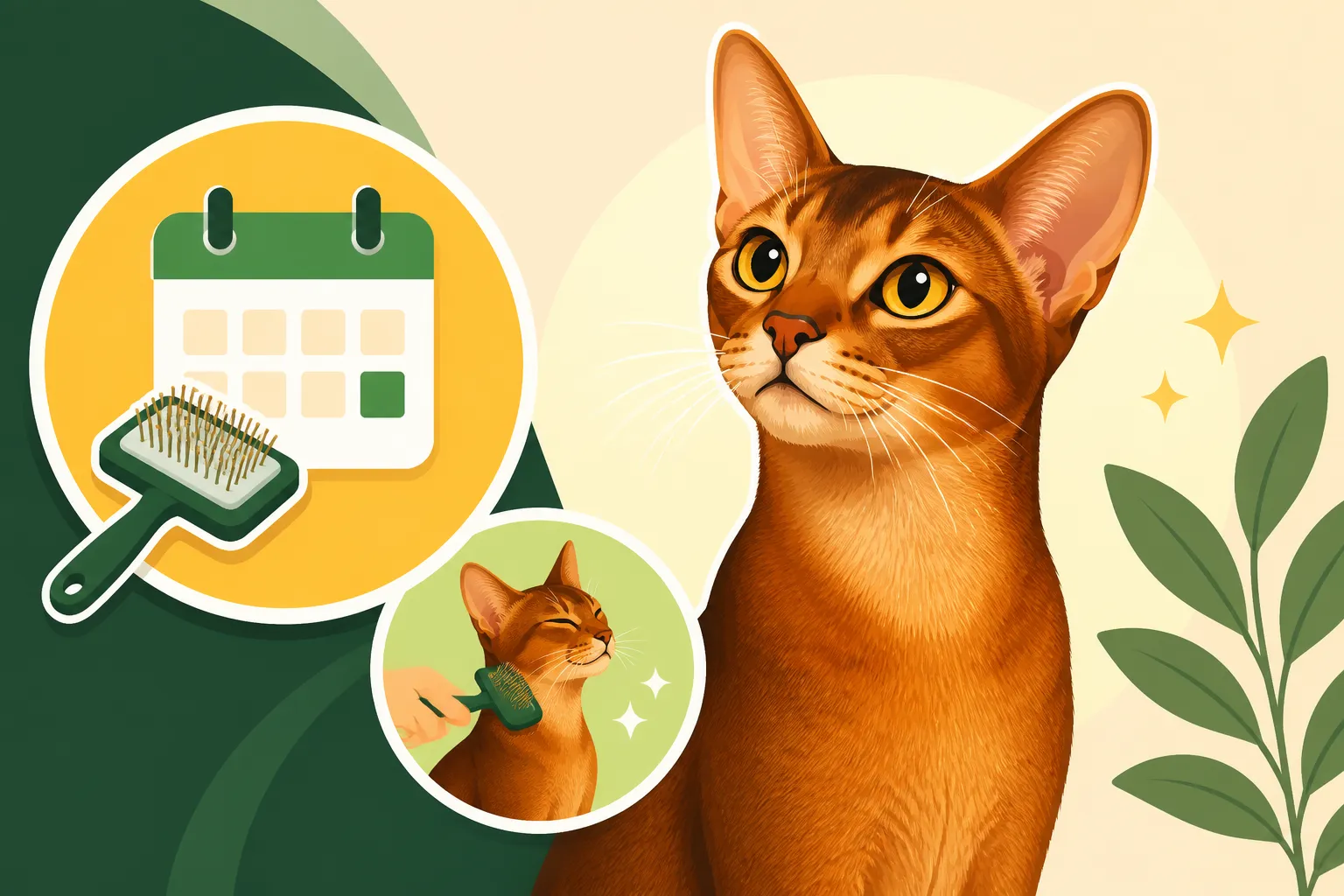
Given their naturally low-maintenance coats, the core of Abyssinian grooming is a simple weekly brushing session. This isn't just about removing loose hairs; it's a fantastic opportunity for bonding and a quick health check. Think of it as a pleasant massage for your cat, not a chore.
Choosing the Right Tools
The type of brush you use for an Abyssinian is crucial. Forget those harsh de-shedding blades or wire slicker brushes that are designed for thick, double coats. These tools are simply too aggressive for an Aby's delicate, single-layered fur and can actually damage the hair shafts, strip natural oils, and even cause skin irritation. Why a Deshedding Blade Should Never Touch an Abyssinian cannot be stressed enough.
What you're looking for is something gentle that will smooth the coat and remove loose surface hairs without pulling or scratching. A soft rubber grooming mitt or a specialized short-bristled brush is perfect. These tools are designed to massage the skin, stimulate circulation, and gently lift away any dead hairs, while also distributing the natural oils that keep their coat healthy and shiny. Some owners even like to finish with a soft chamois cloth to really bring out that incredible sheen. You can find excellent options on platforms like Chewy or Amazon, where reviews can often guide you to the softest, most effective mitts. Which Rubber Mitt Works Best on an Abyssinian will help you decide.
The Gentle Brushing Technique
A weekly brushing session should be a positive experience for your Abyssinian, not a battle. Start by finding a quiet time when your cat is relaxed, perhaps after a nap or a meal. Many Abyssinians love the attention, so turn it into a petting session with a purpose.
Begin by gently stroking your cat with the rubber mitt or soft brush, moving in the direction of hair growth. Start from the head and work your way down their back, sides, and tail. Pay attention to how your cat reacts; if they tense up or try to pull away, lighten your touch or take a short break. You're not trying to dig deep into the coat, just glide over the surface. The goal is to stimulate the skin, remove any loose hairs that are ready to fall out, and polish the coat.
As you brush, it’s also a perfect opportunity to perform a quick visual and tactile health check. Feel for any lumps, bumps, or tender spots. Look for any signs of fleas, ticks, or skin irritation. A healthy Abyssinian's skin should be clear and supple. After a few minutes, you'll notice the mitt has collected any shed hairs, leaving your Aby's coat feeling even smoother and looking more vibrant. A gentle rub down with a chamois will then give it a final polish. How to Use a Grooming Mitt on an Abyssinian can walk you through the specifics.
Essential Grooming Tasks Beyond the Brush
While coat care is minimal, other aspects of your Abyssinian’s grooming routine are critical for their overall health and well-being. These aren't daily chores, but they do require regular attention to prevent problems down the line.
Nail Trimming
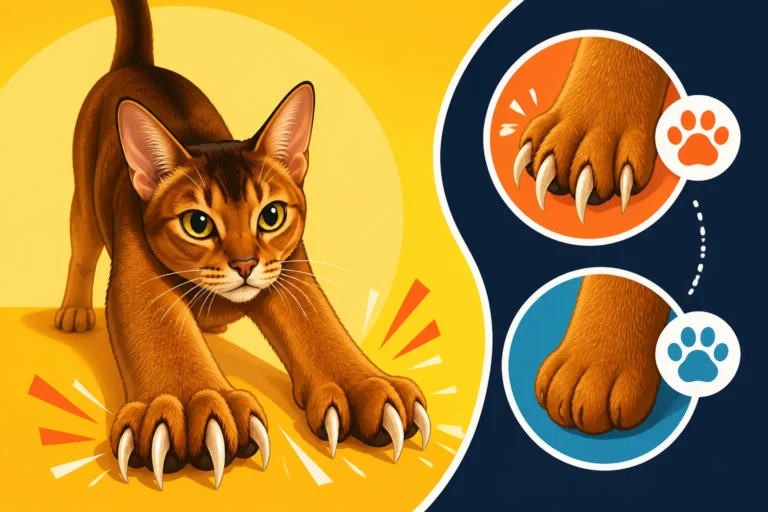
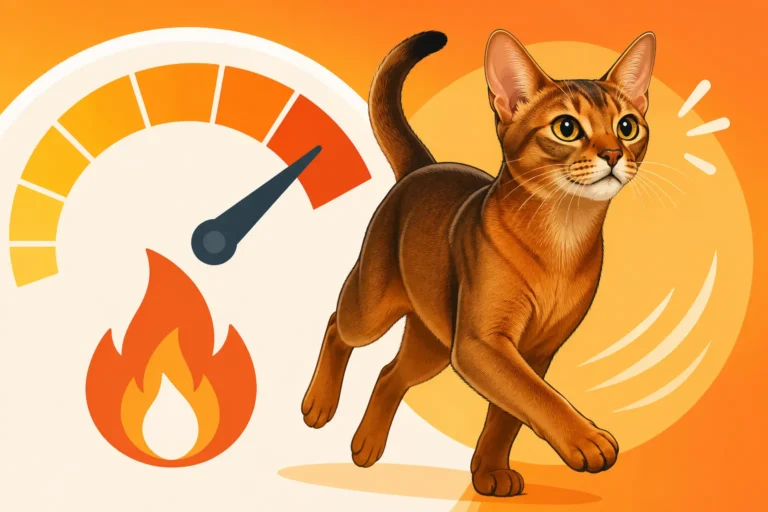
Abyssinians are known for their incredible athleticism and their love of climbing. This makes regular nail trimming a non-negotiable part of their care. Long, sharp claws can get snagged on carpets or furniture, leading to painful tears, and they can also make those enthusiastic shoulder perches a bit less comfortable for you!
Aim to check your Abyssinian's claws every two to four weeks, or as needed. You'll want to trim just the very tip of the claw, avoiding the 'quick' – the pink part that contains blood vessels and nerves. If you're unsure, ask your vet or a professional groomer to show you the ropes. Many Abyssinians, thanks to their curious and active nature, can be trained to tolerate nail trims, especially if you start when they're kittens and associate it with treats and positive reinforcement. Keeping those claws a healthy length not only protects your furniture but, more importantly, keeps your agile Aby safe and comfortable during their impressive climbing expeditions. How to Trim a Climbing Abyssinian's Claws provides detailed steps.
Ear and Eye Care
Your Abyssinian’s large, expressive ears are one of their most distinctive features, and they usually do a great job of keeping them clean themselves. However, it's wise to give them a quick visual check during your weekly grooming session. Look for any excessive wax buildup, redness, or unusual odors, which could indicate an ear infection. If you do see a little bit of dirt, a soft cotton ball dampened with a vet-approved ear cleaner can gently wipe the visible outer parts of the ear. Avoid sticking anything deep into the ear canal, as this can cause damage. How to Clean an Abyssinian's Large Ears elaborates on the proper technique.
Their beautiful, almond-shaped eyes, often rimmed with a dark 'eyeliner' effect, are also generally self-cleaning. You might occasionally notice a small amount of discharge in the corner of their eyes, especially after waking up. This is usually normal and can be gently wiped away with a soft, damp cloth. However, if you see persistent tearing, redness, swelling, or a thick, colored discharge, it's time for a vet visit, as these could be signs of an underlying eye issue. Why an Abyssinian's Dark Rimmed Eyes Need Little Cleaning is generally true, but vigilance is always key.
Dental Care
Now, this is arguably the most crucial aspect of Abyssinian grooming, and ironically, it's where "less is more" completely falls apart. Abyssinians are unfortunately prone to dental issues, particularly a condition called juvenile gingivitis and later, tooth resorption. This means their oral hygiene requires proactive, consistent attention. Brushing an Abyssinian's Teeth Matters More Than Its Coat is a mantra every Aby owner should live by.
Ideally, you should aim to brush your Abyssinian's teeth daily, or at least several times a week, using a vet-approved cat toothpaste and a small, soft toothbrush or finger brush. Start this routine when they are kittens to get them accustomed to it. This helps remove plaque and tartar buildup, which are the main culprits behind gum disease. Beyond home care, regular professional dental cleanings under anesthesia at your vet are often necessary to keep their mouths healthy. The frequency will depend on your individual cat's needs and your vet's recommendations, but many Abyssinians benefit from yearly checks and cleanings. Investing in good dental care now can save your Aby a lot of pain and prevent expensive extractions down the line. It's a significant budget line item, but totally worth it. Check with your vet about recommended dental care products. How Often an Abyssinian Needs a Professional Clean is a conversation to have with your veterinarian.
The Dangers of Over-Grooming and Why Less is More
While it might feel counterintuitive, especially if you're used to other breeds with extensive grooming needs, trying to over-groom an Abyssinian can actually do more harm than good. Their coat and temperament are simply not designed for it.
Preserving the Coat's Natural Luster
The Abyssinian's ticking is a delicate feature. Aggressive or overly frequent brushing, particularly with the wrong tools, can disrupt the natural banding of each hair, leading to a duller, less vibrant coat. The gentle nature of their fur means it doesn't need to be vigorously scrubbed or pulled. Doing so can strip away the natural oils that give their coat its famous shine and silky texture, leaving it looking brittle or coarse.
Furthermore, trying to "de-shed" an Abyssinian is usually unnecessary and potentially damaging. Since they don't have a thick undercoat to pull out, a de-shedding tool will largely just pull healthy hairs from their follicles, irritating the skin and potentially causing patchy hair loss. The beauty of the Abyssinian coat lies in its natural elegance, and minimal intervention allows it to remain at its best. Why Over Grooming an Abyssinian Does More Harm Than None highlights these risks.
Stress and Skin Irritation
Abyssinians are incredibly intelligent and sensitive cats. Forcing them into long, uncomfortable grooming sessions can be incredibly stressful and can quickly turn what should be a pleasant bonding experience into a dreaded ordeal. Cats, in general, are meticulous self-groomers, and an Abyssinian with its short coat is perfectly capable of keeping itself pristine. Over-grooming can lead to:
- Behavioral Aversion: Your cat might start to associate grooming tools or even your touch with unpleasant experiences, making future necessary care (like nail trims or vet examinations) much harder.
- Skin Irritation: Excessive brushing, especially with improper tools, can scratch or irritate their delicate skin, potentially leading to redness, flakiness, or even secondary infections.
- Anxiety: A stressed cat might start to over-groom themselves in response, leading to bald patches or skin lesions, ironically creating the very problem you were trying to prevent.
A calm, gentle, and brief weekly session is far more effective and less stressful than trying to achieve perfection through excessive means. Listen to your cat; their body language will tell you when they've had enough.
Here's a quick summary of Abyssinian grooming frequencies:
| Grooming Task | Recommended Frequency | Notes |
|---|---|---|
| Coat Brushing | Once a week | Use a soft rubber mitt or short-bristled brush. Gentle strokes only. |
| Nail Trimming | Every 2-4 weeks | As needed, especially for active climbers. Avoid the quick. |
| Ear Check | Weekly | Visual check for redness, odor, or excessive wax. Clean only outer ear. |
| Eye Check | Daily | Wipe away minor discharge. Seek vet care for persistent issues. |
| Teeth Brushing | Daily or several times a week | Use cat-specific toothpaste. Most critical grooming task. |
| Professional Dental | Annually or as recommended | Essential for preventing and managing gum disease and tooth resorption. |
| Bathing | Rarely, if ever | Only if truly necessary (e.g., extremely dirty), use cat-specific shampoo. |
Ultimately, your Abyssinian's grooming routine should be simple, effective, and centered around their comfort. A short, positive weekly brush, combined with diligent dental care and regular checks of their nails, ears, and eyes, is all it takes to keep your energetic companion healthy, happy, and shimmering with that distinct Abyssinian glow.
Disclaimer
This article is for general informational purposes only and does not constitute professional advice. Laws, prices and regulations vary by location and change over time. Consult a qualified professional for guidance on your specific situation.