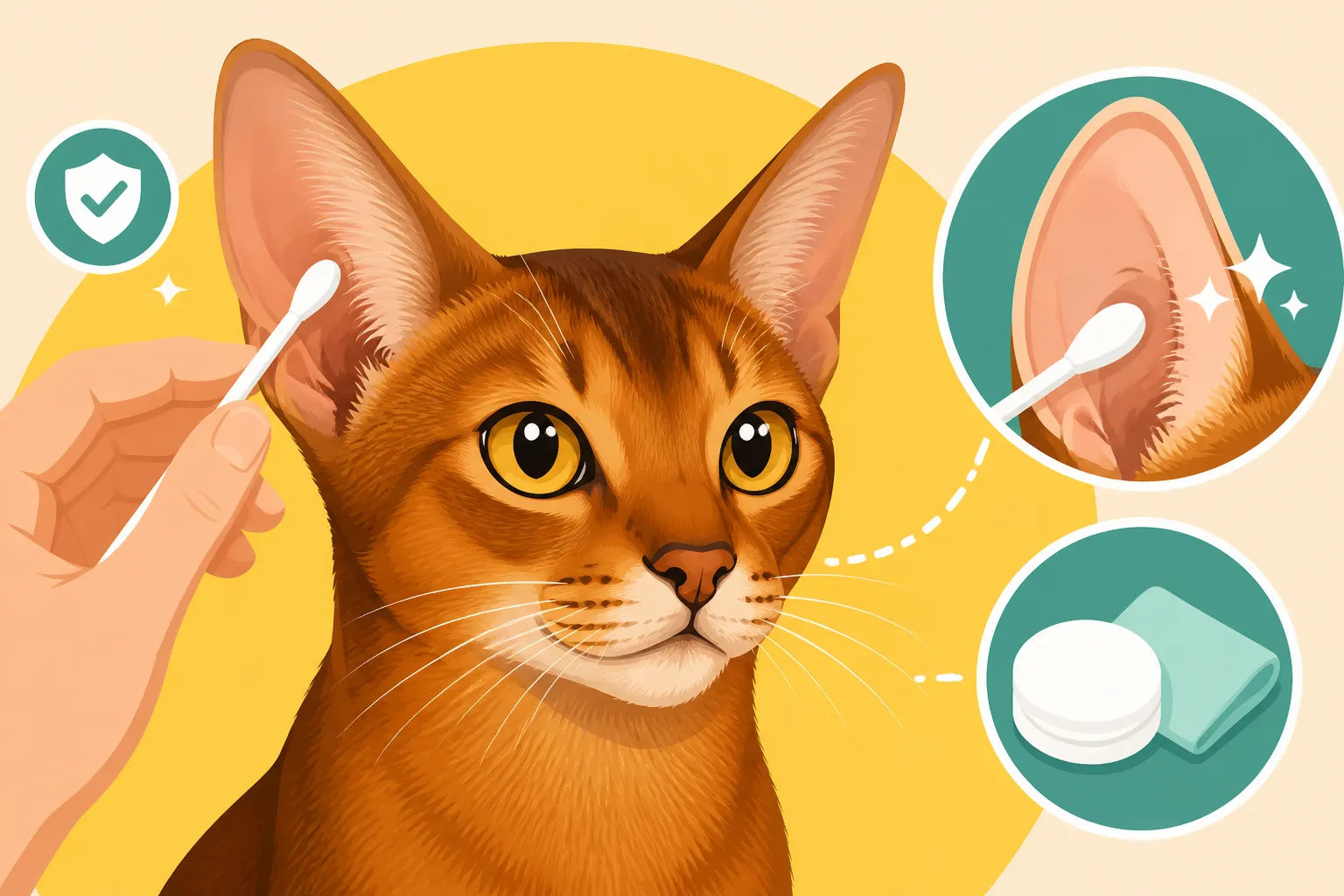
How to Clean an Abyssinian’s Large Ears
Those magnificent, expressive ears are one of the most striking features of an Abyssinian, aren't they? They're always swiveling, picking up every little sound, and adding so much character to their already captivating faces. But those lovely large ears also come with a unique set of challenges when it comes to keeping them clean and healthy. Many Abyssinian owners find themselves a little intimidated by the idea of sticking anything near those delicate structures, worried about causing discomfort or even harm. This guide is here to walk you through everything you need to know about safely and effectively cleaning your Abyssinian's ears, turning a potentially stressful chore into a regular, manageable part of their care routine.
Why Abyssinian Ears Need Special Attention
Abyssinians are known for their elegant, alert appearance, and a big part of that comes from their ears. Unlike some breeds with smaller, more rounded ears, the Abyssinian's ears are typically large, broad at the base, and set rather wide apart. While beautiful, this unique anatomy means they can sometimes be more prone to collecting debris or requiring a bit more vigilance than the ears of a more diminutive-eared cat. It's not that they're inherently "dirty" cats, but their active nature and specific ear structure can make them a magnet for certain issues.
The Anatomy of an Abyssinian's Ear
When you look at your Abyssinian, you can't help but notice how those ears stand tall and proud, often with a slight cup shape. This open, upright posture means they get excellent air circulation, which is generally a good thing for preventing moisture build-up and yeast growth. However, this openness also means they're more exposed to the environment. Dust, pollen, tiny bits of shed hair, or even small pieces of litter can easily find their way in. The inner structure, while still typically clean, can accumulate a normal amount of wax and skin cells. Because Abyssinians are so active and curious, constantly exploring and dashing through the house, it's easy for these little particles to get caught in the crevices of their ear canals.
The delicate skin inside an Abyssinian's ear is also quite sensitive. Their active lifestyles, which involve a lot of climbing and investigating, mean they're often brushing up against various surfaces. All of this just means we, as their human companions, need to be a little more proactive about routine checks and gentle cleaning to keep things shipshape.
Common Ear Concerns for Active Abyssinians
It's common for Abyssinian owners to notice a few things about their cat's ears. Sometimes, it's just a bit of dark, waxy build-up that's perfectly normal and easily wiped away. Other times, you might spot a reddish-brown residue, which could be indicative of ear mites – a very common nuisance, especially in younger or rescue cats. Abyssinians are incredibly agile and energetic, often scaling cat trees and shelves with impressive grace. An Abyssinian Needs Height More Than It Needs Floor, and all that vertical exploration means they're constantly interacting with their environment. This increased activity can sometimes lead to more exposure to allergens or dust, potentially manifesting as minor irritation in their ears.
You might also notice your Abyssinian scratching at their ears more often than usual, shaking their head, or even holding one ear a bit lower. These are all subtle cues that something might be amiss. While not exclusive to the breed, given their large, prominent ears, any discomfort here can be particularly noticeable. That's why regular checks, perhaps during a weekly grooming session, are so vital. If you're wondering how often to check them, remember that Why an Abyssinian's Ears Need Checking Weekly isn't just a suggestion, it's a good habit to prevent problems from escalating.
Gathering Your Abyssinian Ear Cleaning Toolkit
Before you even think about starting the cleaning process, having all your supplies ready is crucial. An Abyssinian is not a cat known for sitting still and patiently waiting! They are busy, active, and curious creatures. You want to make this process as quick, efficient, and stress-free as possible for both of you. A well-prepared "ear cleaning station" means you won't be fumbling for items mid-task, which could lead to a less cooperative cat.
Choosing the Right Cleaning Solution
This is perhaps the most important item in your toolkit. You absolutely cannot use just any old cleaner, or worse, water or rubbing alcohol. You need a veterinary-approved ear cleaning solution specifically designed for cats. These solutions are formulated to be gentle on delicate ear tissue, effective at breaking down wax and debris, and often contain ingredients that help dry the ear canal and prevent bacterial or yeast growth. Look for solutions that are pH-balanced and free from harsh chemicals, perfumes, or alcohol that could irritate your cat's ears.
Many excellent brands are available, and you can often find them at your local pet supply store or through online retailers like Chewy or Amazon. If you're unsure, ask your vet for a recommendation. They see all sorts of ear issues and can guide you to a product that's safe and effective for feline use. Avoid anything advertised for dogs only, as formulations can differ.
Cotton vs. Swabs: The Great Debate
When it comes to the actual wiping, there's a golden rule: never, ever use cotton swabs (Q-tips) inside your cat's ear canal. While they might seem perfect for getting into small spaces, they can actually push debris further down into the ear, potentially causing blockages, damage to the eardrum, or even infections.
The safest and most effective tools for cleaning an Abyssinian's ears are plain cotton balls or cotton rounds. You can also use a soft gauze pad. These materials are absorbent and gentle enough to wipe away visible dirt and wax from the outer ear and the accessible folds of the ear flap. You're not aiming to deep-clean the ear canal itself; the liquid solution will do most of that work. Your job is to wipe away what the solution brings to the surface and clean the parts of the ear you can easily see.
Treats and Towels: Making the Experience Positive
Okay, so this isn't strictly about cleaning, but it's absolutely vital for successful ear care. Abyssinians are intelligent and respond well to positive reinforcement. Having a stash of their absolute favorite treats on hand will make a world of difference. Break them into tiny, irresistible pieces so you can offer frequent rewards.
A large, soft towel is also your best friend. Abyssinians are athletic, and even the most compliant cat can get wiggly when they're not thrilled about a procedure. Gently wrapping your cat in a towel, burrito-style, can help keep them calm and secure, preventing sudden movements that could make the process difficult or unsafe. This isn't about restraining them forcefully, but rather providing a comforting embrace that limits their ability to squirm away. It's a common technique used for many cat grooming tasks, and can be a lifesaver when you need to focus on a delicate area. Think of it as a soft, reassuring hug that helps them stay still. How to Groom an Abyssinian That Will Not Stay Still often involves similar gentle wrapping techniques.
Step-by-Step: Cleaning Your Abyssinian's Ears Safely
Now that you've got your supplies, it's time to get down to business. Remember, patience and a gentle touch are key here. Abyssinians are sensitive souls, despite their boundless energy. Approaching the task calmly will make it easier for both of you.
Setting the Scene for Success
First, choose a quiet, well-lit area where you won't be interrupted. A bathroom counter or a sturdy table can work, especially if you have someone else to help you. Lay down your towel. If your Abyssinian tends to be a bit squirmy, gently wrap them in the towel, making sure their paws are tucked in, leaving only their head exposed. Speak to them in a calm, soothing voice throughout the process. Offer a tiny treat right away just for being wrapped up, to start on a positive note.
Have your ear cleaner open and ready, and several cotton balls within easy reach. The less fumbling, the better. Your Abyssinian will appreciate the efficiency.
The Gentle Art of Application
Hold your Abyssinian's ear flap gently but firmly, pulling it slightly upward to straighten the ear canal. Carefully insert the tip of the ear cleaner bottle into the ear canal, but do not push it deep. Just position it at the entrance. Squeeze the bottle to release a generous amount of solution into the ear canal. You want enough to fill it up a bit, but not so much that it's overflowing immediately.
Don't be alarmed if your cat reacts a little to the cool liquid – a quick shake of the head is normal. Immediately after applying the solution, remove the bottle.
Massage, Wipe, and Reward
Once the solution is in, gently massage the base of your Abyssinian's ear for about 20-30 seconds. You should hear a squishy sound as the liquid moves around, breaking up wax and debris. This massage is crucial for the solution to do its job effectively. Your cat might find this part a bit strange, but it shouldn't be painful. Continue to speak calmly and reassuringly.
After massaging, allow your Abyssinian to shake their head. This helps dislodge any loosened gunk. Then, take a fresh cotton ball and gently wipe away any visible solution, wax, or debris from the outer ear flap and the entrance of the ear canal. Remember, only wipe what you can see. Do not try to probe deep into the ear with the cotton ball. Discard the dirty cotton ball and repeat with fresh ones until no more visible dirt comes out.
Repeat the entire process for the other ear. Once both ears are done, provide a generous reward of treats and praise. Make it a celebration! This positive reinforcement is critical for making future cleanings easier. A high-value treat can really make them associate ear cleaning with good things.
Here's a quick reference table for your ear cleaning essentials:
| Item | Purpose | Usage Notes | Why it's Important for Abyssinians |
|---|---|---|---|
| Veterinary Ear Cleaner | Breaks down wax, cleanses, prevents infection. | Must be cat-specific, pH-balanced. Ask vet for recommendations. | Their large, open ears can accumulate debris; proper cleaner ensures gentle, effective removal. |
| Cotton Balls/Rounds | For gentle wiping of outer ear and visible debris. | Never use cotton swabs (Q-tips) inside the ear canal. | Prevents pushing debris deeper and avoids damage to delicate ear structures. |
| Soft Towel | Gentle restraint, provides comfort, keeps cat secure. | Use a "burrito wrap" technique if your cat is wiggly. | Abyssinians are active; prevents sudden movements during a delicate task. |
| High-Value Treats | Positive reinforcement, makes the experience rewarding. | Offer frequently throughout and especially at the end. | Builds a positive association, making future cleanings less stressful. |
| Flashlight (optional) | Helps visualize the outer ear canal more clearly. | Use if lighting is dim; do not shine directly into the inner ear. | Aids in spotting hidden wax or redness in their well-furred ears. |
When to Stop and Seek Professional Help
It’s crucial to know when cleaning at home isn't enough, or when it might even be contraindicated. If you notice any of the following signs, stop cleaning and contact your veterinarian immediately:
- Excessive redness or swelling: This could indicate inflammation or infection.
- Strong, foul odor: Often a sign of bacterial or yeast infection.
- Pain or extreme sensitivity: If your Abyssinian cries out, flinches aggressively, or becomes unusually aggressive when you touch their ears.
- Discharge that is green, yellow, or very bloody: Definitely a sign of a serious infection or injury.
- Excessive scratching, head shaking, or tilting: Persistent signs that something is seriously irritating them.
- Bumps or growths: Any unusual lumps inside the ear.
These are all indicators that your Abyssinian needs a professional examination. Attempting to clean an infected or injured ear can cause more pain and potentially worsen the condition. Your vet can properly diagnose the issue, whether it's an infection, mites, or something else, and prescribe the appropriate medication or treatment. Don't delay a vet visit if you suspect a problem; early intervention is always best for your cat's health and comfort. What an Abyssinian's Annual Checkup Costs is a good investment, and ear problems are one reason why these regular visits are so valuable.
Establishing a Regular Ear Care Routine
Consistency is key when it comes to any aspect of pet care, and ear cleaning for your Abyssinian is no exception. Regular checks and appropriate cleaning will not only keep their ears healthy but also make the process much less stressful for both of you, as your cat becomes accustomed to the routine.
How Often is Enough for an Abyssinian?
For a healthy Abyssinian with no history of ear problems, cleaning their ears once a month is generally sufficient. However, this isn't a hard and fast rule. Some Abyssinians might have naturally waxier ears or be more prone to collecting debris due to their environment or activity level. If your cat spends a lot of time exploring dusty corners or has a tendency to get into things, you might find yourself needing to do a quick wipe-down every couple of weeks.
Conversely, if your Abyssinian's ears consistently look spotless and clean, you might be able to stretch it to every 6-8 weeks. The best approach is to visually check their ears weekly, perhaps during a cuddle session or when you're giving them a quick once-over. Why an Abyssinian's Ears Need Checking Weekly highlights this preventative measure. If you see any build-up or redness starting, then it's time for a full clean. It’s about being responsive to your individual cat's needs rather than adhering to a strict, unyielding schedule.
Integrating Ear Checks into Grooming
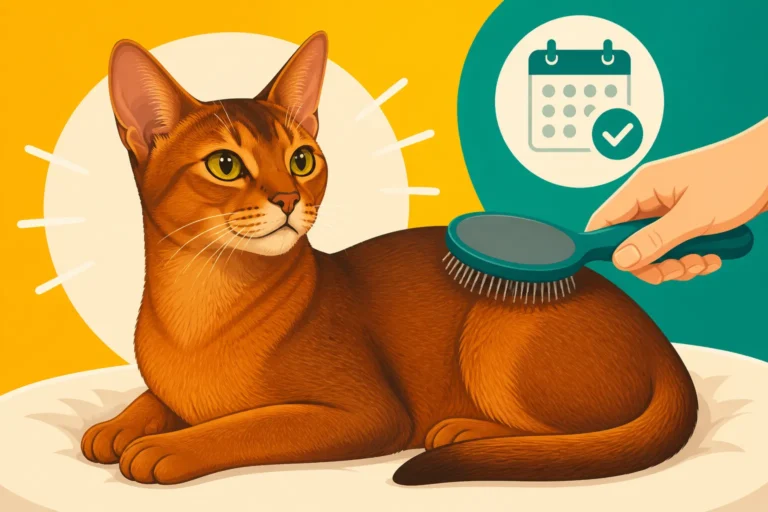
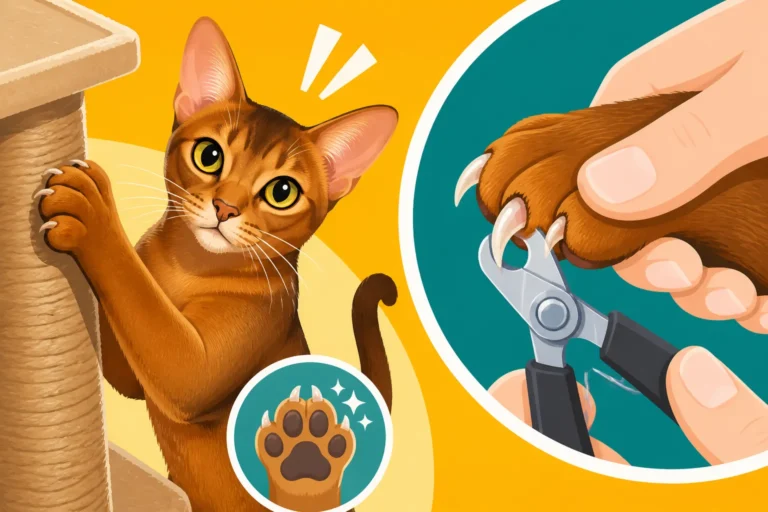
The Abyssinian's ticked coat means they're generally low-maintenance in the grooming department – The Ticked Coat Is the Whole Abyssinian Grooming Job pretty much sums it up! This means you have a perfect opportunity to incorporate ear checks into the broader grooming routine. While you're giving them their weekly brush with a soft grooming mitt or checking their claws, take a moment to gently lift each ear flap and peer inside.
Make it a positive experience, every time. A quick glance, a gentle rub at the base of the ear, and then a treat. This helps your Abyssinian associate ear handling with pleasant sensations, making the actual cleaning days much smoother. Early introduction of this habit, even as a kitten, can make a huge difference down the line. It's similar to how Why Home Dental Care Starts Early in an Abyssinian stresses the importance of starting young for dental health. The more comfortable they are with you touching their ears, the less resistance you'll face when it's time for a proper clean.
Prevention: Keeping Those Ears Healthy Between Cleans
Beyond the actual cleaning, there are steps you can take to support overall ear health for your active Abyssinian. Ensuring a clean home environment can reduce dust and allergens that might find their way into those open ear canals. Regular vacuuming and dusting can help minimize airborne particles.
Their diet also plays a role in overall skin and coat health, which can indirectly impact ear health. A high-quality, balanced diet rich in essential fatty acids can contribute to a healthy skin barrier, potentially making ears less prone to irritation. While not directly an ear cleaning product, good nutrition supports a healthy body that is more resilient to minor issues.
Always be mindful of any new products or strong scents around your Abyssinian, as some cats can be sensitive to perfumes or chemicals that might irritate their ears or skin. Providing plenty of scratching posts and climbing opportunities, like those you find on Chewy or Amazon, means your Abyssinian is exercising and stimulated, which generally leads to a happier, healthier cat less prone to stress-related issues that could sometimes manifest as skin or ear problems. A happy Abyssinian is a healthy Abyssinian, and a proactive approach to their general well-being will always benefit those beautiful ears.
Disclaimer
This article is for general informational purposes only and does not constitute professional advice. Laws, prices and regulations vary by location and change over time. Consult a qualified professional for guidance on your specific situation.