Whether Indoor Heating Keeps an Abyssinian Shedding
It’s a common worry among cat parents, especially when winter hits and the heating cranks up: is this warmth making my beloved Abyssinian shed more? You notice those fine, short hairs on your dark furniture, or maybe you just feel like your otherwise low-shedding companion is leaving a bit more of themselves around than usual. It’s frustrating to feel like you’re doing everything right, but the coat just keeps coming. This guide will dive deep into how indoor heating, and a host of other factors, truly affects your Abyssinian's unique coat and what you can do about it.
Understanding the Abyssinian's Unique Coat and Natural Shedding
Before we tackle the heating question, let's really understand what kind of coat your Abyssinian is sporting. It’s not like a Maine Coon’s luxurious double layer, nor is it quite like a standard domestic shorthair’s. Abyssinians have a truly distinctive coat, and knowing its characteristics helps us figure out why they shed the way they do, and what might genuinely be causing changes.
The Science Behind the Ticked Coat
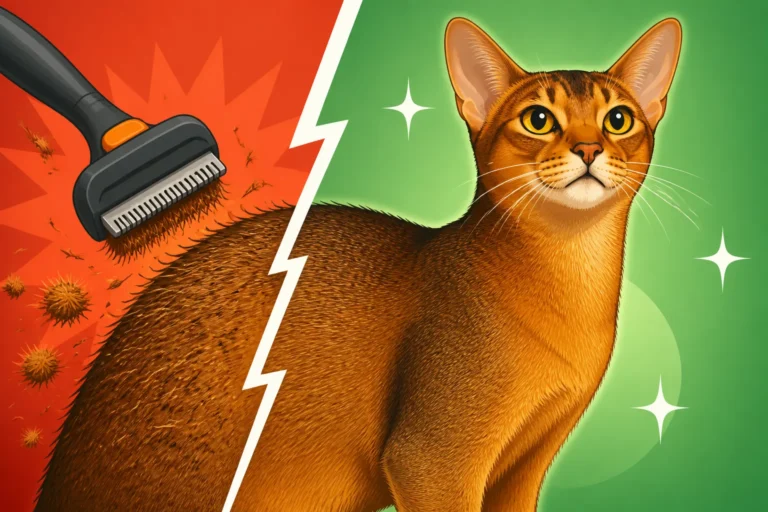
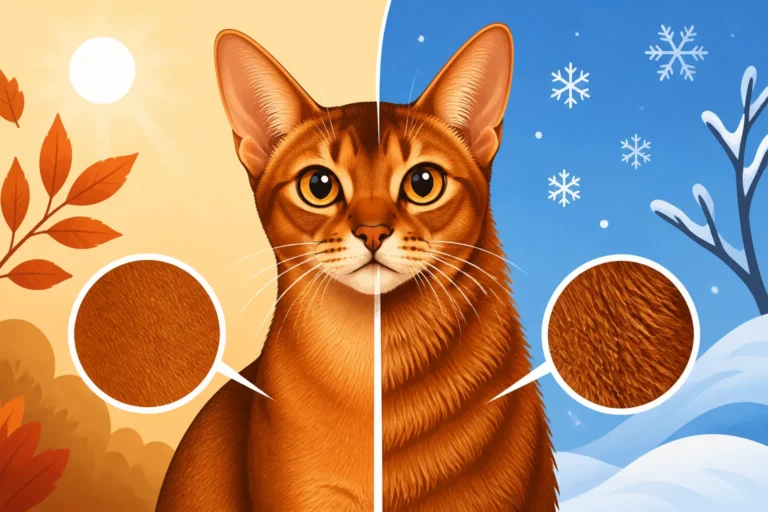
Your Abyssinian's coat is famous for its "ticking," which means each individual hair has multiple bands of color along its length, usually three or four, with a dark tip. It’s what gives them that beautiful, shimmering, wild-cat look, often compared to a puma or a rabbit. What’s crucial to understand is that the Abyssinian has virtually no undercoat. This is a big deal! Most cats have a dense undercoat that provides insulation and is largely responsible for the seasonal "blow" of shedding that many owners dread. Because your Abyssinian lacks this, their shedding patterns are inherently different and generally much lighter than many other breeds. You can feel How Fine an Abyssinian's Coat Feels if you run your hand along their back – it's incredibly fine and silky, not thick and woolly. This single-layer, close-lying coat means less hair to lose in the first place, and what does shed is often so fine it can be hard to spot until it accumulates.
What an Abyssinian's Normal Shedding Looks Like
Given their unique coat, Abyssinians are generally considered low-shedding cats. This isn't to say they don't shed at all – all cats shed – but it's usually a much more manageable amount. You might notice fine hairs on your clothes or furniture, but you're unlikely to find tumbleweeds of fur rolling across your floors like you might with a Persian or a Ragdoll. Their shedding tends to be a slow, continuous process throughout the year, rather than distinct seasonal bursts.
However, even with this generally low level of shedding, there are natural fluctuations. A young, healthy Abyssinian might shed even less, while an older cat, or one going through a period of stress, could see a slight increase. Females might also shed a bit more when they are in heat or after having kittens, due to hormonal shifts. It's about maintaining healthy hair turnover, replacing old or damaged strands with new, vibrant ones. So, if you're seeing a little bit of hair, that's perfectly normal for an Abyssinian. The question is, does indoor heating disrupt this natural, manageable cycle?
How Indoor Heating Might Influence Your Abyssinian's Coat
It’s easy to point to the heating as the culprit when shedding seems to pick up. After all, many mammals shed their winter coats when temperatures rise. But for an Abyssinian, whose evolutionary biology isn't geared for a thick winter undercoat, the link is a bit more nuanced than you might think. Indoor heating might not be directly "telling" your Abyssinian to shed its non-existent winter coat, but it can have indirect effects.
The Indirect Impact of Dry Air on Skin and Coat Health
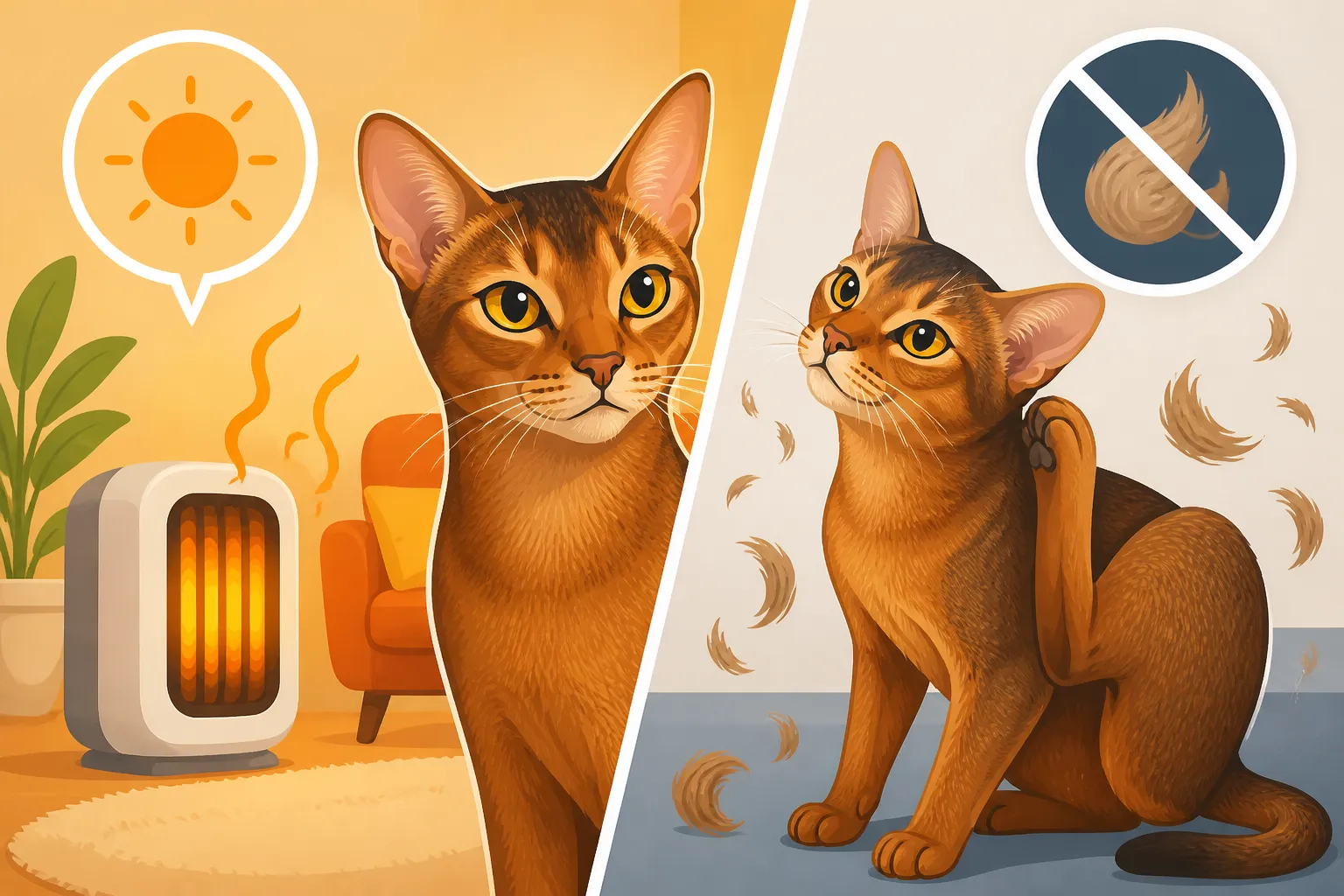
The biggest impact of indoor heating isn't usually the temperature itself, but the dryness it often creates in your home. Central heating systems, especially during colder months when they're running constantly, can strip a lot of humidity from the air. For humans, this can mean dry skin, chapped lips, and static electricity – and the same can be true for our feline friends.
When the air is very dry, your Abyssinian's skin can become dehydrated. Dry skin can be itchy and uncomfortable, leading your cat to groom more frequently, sometimes excessively. This increased grooming can pull out more hair, which then appears as increased shedding. It's not that the hair itself is being shed because of the heat, but because the dry environment is irritating the skin, prompting a more vigorous grooming response. Think of it like this: if your own scalp gets dry and flaky in winter, you might scratch more, and that scratching can dislodge more hair. The principle is similar for your Abyssinian. Beyond just discomfort, persistently dry skin can also compromise the health of the hair follicles, potentially leading to duller, weaker hairs that are more prone to breaking and shedding.
Temperature Fluctuations and Their Subtle Effects
While Abyssinians don't grow a heavy winter coat, their bodies are still responsive to environmental cues. Consistent, unchanging warmth indoors, especially if it's very different from the outside world, can sometimes subtly alter their natural hormonal cycles, which in turn influence hair growth. However, this effect is generally much less pronounced than in breeds with thick undercoats, where seasonal temperature changes trigger massive shedding events.
The real issue often isn't the stable warmth, but perhaps fluctuations if your heating is inconsistent. For instance, if the house gets very cold overnight and then heats up rapidly in the morning, these swings could be a minor stressor, and stress can, in itself, lead to increased shedding. Cats thrive on routine and stability, and abrupt changes in their immediate environment, even temperature-wise, can affect their overall well-being. Keeping the indoor temperature as stable as possible, within a comfortable range for your Abyssinian, is usually the best approach.
Managing Your Abyssinian's Coat in a Heated Home
So, if indoor heating's main impact is through dry air, what can you do to keep your Abyssinian's coat healthy and minimize any indirectly related shedding? It's all about proactive care that supports skin and hair health, regardless of the season.
Hydration: A Key Factor for Skin and Coat
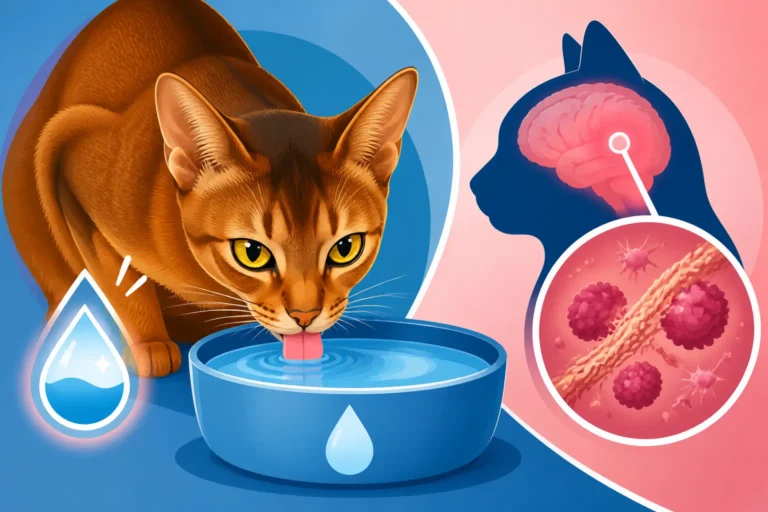
Adequate hydration is critical for overall health, and especially for skin and coat condition. In a dry, heated environment, your Abyssinian might need even more encouragement to drink enough water. This isn't just about bowl refills; it's about making water appealing.
Consider a cat water fountain. Many Abyssinians are fascinated by running water and will drink significantly more from a fountain than a still bowl. You can find excellent options on Chewy or Amazon that filter the water and keep it fresh. Placing multiple water bowls or fountains in different areas of your home can also help. Make sure bowls are wide and shallow, as some cats dislike their whiskers touching the sides.
Beyond water, incorporating wet food into their diet is another fantastic way to boost hydration. Wet food has a much higher moisture content than kibble, directly contributing to their daily fluid intake. Even if your Abyssinian is primarily on a dry diet, adding a small amount of wet food once or twice a day can make a big difference. This extra moisture helps keep their skin supple and their hair follicles healthy, making them less prone to dryness and secondary shedding. Why Wet Food Protects an Abyssinian's Kidneys is another excellent read on the importance of hydration.
Regular Grooming and Humidifiers
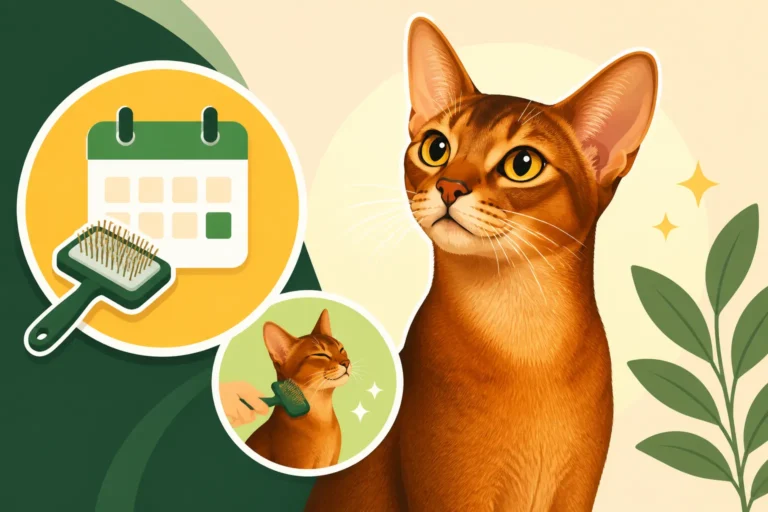
Even with a low-shedding coat, regular grooming for your Abyssinian is beneficial. A gentle weekly brush helps remove any loose hairs before they fall out around your house and distributes the natural oils that keep their coat shiny and skin healthy. For an Abyssinian, a rubber grooming mitt or a fine-toothed comb works wonderfully, without damaging their delicate ticking. An Abyssinian Needs Brushing Once a Week and No More explains why gentle is best. Avoid harsh deshedding tools that can strip their fine single coat, doing more harm than good.
To combat the dry air, a humidifier can be your best friend. Placing one in the room where your Abyssinian spends most of its time, or in your main living areas, can add much-needed moisture back into the air. This helps keep both human and feline skin more comfortable, reducing itchiness and excessive grooming. You might find your own skin feels better too! Just remember to clean your humidifier regularly to prevent mold and bacteria buildup.
Nutritional Support for a Healthy Coat
Diet plays an enormous role in the health of your Abyssinian's coat and skin. A high-quality diet, rich in animal-based protein and essential fatty acids, provides the building blocks for healthy skin and lustrous hair. Look for foods that list meat (like chicken, turkey, or fish) as the first ingredients.
Omega-3 and Omega-6 fatty acids, often derived from fish oil, flaxseed, or specific animal fats, are particularly important for skin barrier function and coat quality. If your cat's diet doesn't seem to contain enough, or if you're noticing persistent dryness, a supplement might be beneficial. Many veterinary-approved supplements are available from trusted retailers like Chewy or Amazon. Before adding any supplements, it’s always a good idea to chat with your vet to ensure it’s appropriate for your individual Abyssinian’s needs.
Beyond Heating: Other Factors Affecting Abyssinian Shedding
While indoor heating and its associated dry air can play a subtle role, it's vital to remember that many other factors contribute to your Abyssinian's shedding. Don't get tunnel vision on the thermostat!
Natural Seasonal Changes Still Apply (Even Indoors)
Even without a thick undercoat, Abyssinians still experience some minor seasonal shedding. Their bodies are attuned to changes in daylight hours, not just temperature. As days get longer in spring, you might notice a very slight increase in shedding as their bodies respond to the shift in light cycles. Similarly, in autumn, they might shed a little as their coat prepares for the shorter, darker days, even if your indoor temperature remains constant. This is a subtle biological rhythm that isn't entirely overridden by living indoors.
Stress, Anxiety, and Emotional Well-being
Cats, and Abyssinians are no exception, are incredibly sensitive creatures. Stress and anxiety can manifest in various physical ways, and increased shedding is a common one. A new pet, a move to a different home, changes in your daily routine, or even construction noise outside can cause your Abyssinian to feel unsettled. When stressed, cats often overgroom, pulling out more hair than usual. They might also experience a hormonal response that triggers more widespread hair loss.
If you suspect stress is a factor, observe your cat's behavior closely. Are they hiding more, eating less, or showing changes in litter box habits? Addressing the root cause of the stress is key. This might involve enriching their environment with more climbing opportunities An Abyssinian Needs Height More Than It Needs Floor, maintaining a consistent routine, or even talking to your vet about anxiety-reducing strategies.
Underlying Health Issues and Nutritional Deficiencies
Any significant or sudden increase in shedding, especially if accompanied by other symptoms like dull coat, skin irritation, bald patches, lethargy, or changes in appetite, should always warrant a visit to the veterinarian. Increased shedding can be a symptom of various underlying health conditions, including parasites (fleas, mites), allergies, fungal infections, hormonal imbalances (like thyroid issues), or even internal illnesses.
Nutritional deficiencies can also severely impact coat quality and lead to excessive shedding. If your Abyssinian isn't getting all the necessary vitamins, minerals, and fatty acids from their diet, their skin and hair will suffer. That's why choosing a high-quality, complete, and balanced cat food is so important. Your vet can perform tests to rule out medical causes and provide tailored advice on diet and supplements if needed. It's always best to be safe than sorry when it comes to changes in your cat's health.
Here's a quick comparison of factors and their general impact on Abyssinian shedding:
| Factor | Direct Impact on Shedding | How It Affects Abyssinian's Coat | What You Can Do |
|---|---|---|---|
| Indoor Heating | Low (Indirect) | Primarily through dry air, leading to dry skin, irritation, and increased grooming. | Use humidifiers, increase water intake, add wet food, regular gentle brushing. |
| Seasonal Light | Low to Moderate | Subtle hormonal shifts in response to daylight hours, causing minor coat turnover. | Consistent diet, hydration, and grooming support overall coat health. |
| Stress/Anxiety | Moderate to High | Leads to overgrooming, hormonal responses, and general ill-health affecting hair follicles. | Identify and reduce stressors, environmental enrichment, consistent routine, consult vet if severe. |
| Diet Quality | Moderate to High | Poor nutrition leads to dull, brittle hair and unhealthy skin, prone to shedding. | Feed high-quality, protein-rich diet with essential fatty acids. Consider vet-approved supplements. |
| Hydration Level | Moderate | Dehydration causes dry skin and compromised hair health, leading to more shedding. | Provide multiple water sources, consider a fountain, incorporate wet food. |
| Parasites | High | Itchiness, irritation, and skin damage caused by fleas, mites, etc., resulting in hair loss. | Regular flea/tick prevention, prompt veterinary treatment for infestations. |
| Underlying Illness | High | Various diseases can impact skin and coat health, leading to excessive or patchy hair loss. | Immediate vet visit for diagnosis and treatment. |
Ultimately, while indoor heating does create a warmer environment, its primary effect on your Abyssinian's shedding is often indirect, mainly through the dry air it produces. By focusing on good hydration, regular gentle grooming, a high-quality diet, and managing stress, you’ll be doing wonders for your Abyssinian's skin and coat health, helping them maintain that magnificent, low-shedding luster all year round.
Disclaimer
This article is for general informational purposes only and does not constitute professional advice. Laws, prices and regulations vary by location and change over time. Consult a qualified professional for guidance on your specific situation.