Why an Abyssinian Kitten’s Coat Looks Wrong at Ten Weeks
It's completely understandable to look at your adorable ten-week-old Abyssinian kitten and think, "Wait, is this what it's supposed to look like?" You might be seeing patches, faint stripes, or a coat that just seems… well, a bit off compared to those sleek, shimmering adult Abyssinians you've admired. This guide is here to reassure you that what you're seeing is almost certainly a perfectly normal, if a little awkward, stage in your kitten's development, and we'll dive into why their stunning ticked coat takes its sweet time to truly emerge.
The Abyssinian Ticked Coat: A Work in Progress
When you picture an adult Abyssinian, you likely envision that rich, shimmering coat, each hair banded with color, creating a warm, almost iridescent glow without any visible stripes or spots on the body. It’s a truly unique look, often described as having the wild appearance of a puma in miniature. But that sophisticated coat doesn't just magically appear overnight. It's the result of a complex genetic dance that unfolds gradually as your kitten grows, and at ten weeks old, they are very much still in the middle of their transformation.
Understanding Agouti Banding in Kittens
The hallmark of the Abyssinian is its 'ticked' or 'agouti' coat. This means that each individual hair shaft has multiple bands of color, typically three or four, with a darker tip and lighter bands closer to the skin. It's what gives them that incredible depth and shimmer, as light reflects off the different colored bands. This ticking is a dominant genetic trait, which prevents the solid color or striped tabby patterns from fully forming on the body. Instead, it "breaks up" the color, giving the illusion of a solid coat, but with a vibrancy that a truly solid-colored cat can't match. Why Each Abyssinian Hair Carries Three or Four Bands.
However, in kittens, this agouti banding isn't fully developed. Their hair follicles are still maturing, and the complex machinery that lays down those distinct color bands is still calibrating. Think of it like a printer that's just starting up – it might lay down some smudged lines or uneven colors before it hits its stride. This is why you might see a general "muddiness" to the coat, or even faint tabby markings, particularly on the legs, tail, or even a ghost pattern on the body. These are remnants of the tabby gene that is present in all domestic cats, but which the ticking gene normally suppresses in the adult Abyssinian.
The "Kitten Blotchies" Phase
At around ten weeks, your Abyssinian kitten is likely in what many breeders lovingly refer to as the "kitten blotchies" or "fuzzy uglies" phase. It sounds harsh, but it's an endearing term that acknowledges this temporary, less-than-perfect appearance. Instead of the clear, even ticking of an adult, you might observe a less refined coat. The colors might seem muted, the ticking less distinct, and there might be noticeable "barring" or stripe-like patterns, especially on the legs, tail, and sometimes even across the body. These markings can be quite prominent and make you question if your kitten is truly an Abyssinian or a mix!
It can be a little disheartening, especially if you've been dreaming of that iconic Abyssinian look. You might see a coat that looks duller than expected, perhaps even a bit coarse in texture compared to the silky feel of an adult. Don't worry; this is all part of the process. Their baby fur is being replaced by their adult coat, and it’s a transition period. The hairs aren't fully grown out, the banding isn't complete, and the overall effect is less polished. It's a bit like a human teenager going through a growth spurt – everything looks a little gangly and uncoordinated before it all settles into place.
Why the Ticking Takes Time to Mature
The development of the Abyssinian's coat is a fascinating biological process, and it’s one of the reasons why reputable breeders will often hold kittens until they are at least twelve to fourteen weeks old. It allows them to assess temperament, ensure health, and observe these important developmental stages, including that crucial coat maturation.
The Slow Maturation of the Ticked Gene
The genetic expression of the agouti gene, which creates the ticking, isn't an instant on/off switch. It’s a gradual process, influencing individual hair follicles to produce bands of pigment rather than a solid color from root to tip. In a ten-week-old kitten, these follicles are still actively developing. The first hairs that grow might not show the full, perfected ticking, leading to that inconsistent, "blotchy" appearance. It's not a flaw in your kitten's genetics; it's simply a stage of development. Compare this to a solid black cat, where the hair follicles are programmed to produce melanin uniformly, or a classic tabby, where distinct patterns are laid down much earlier and more sharply defined. The Abyssinian's intricate ticking requires a longer period for the genetic instructions to be fully executed across the entire coat.
Think of it this way: some things just need more time to bake. A simple cookie is ready quickly, but a soufflé takes careful, gradual heating to rise perfectly. The Abyssinian coat is definitely more of a soufflé! Factors like their individual genetic lineage, nutrition, and even environmental influences can play minor roles in the timing, but largely, it's just the nature of the breed's coat.
From Fuzzy Baby to Sleek Adult
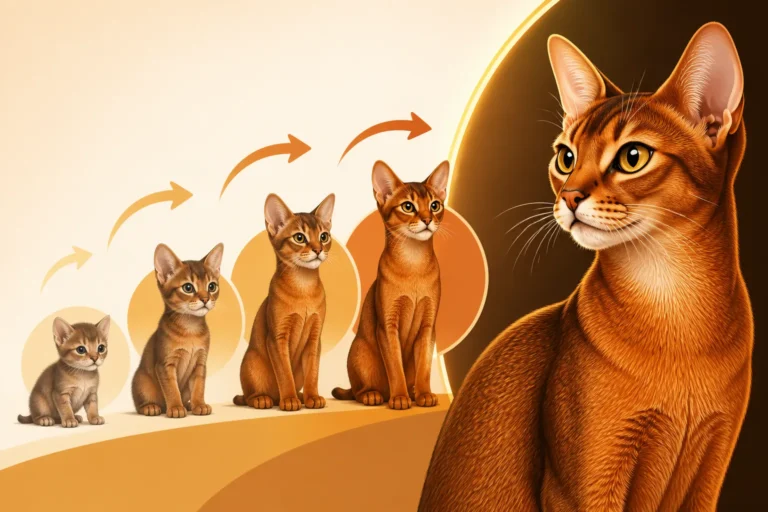
The journey from a fuzzy, sometimes faintly striped kitten to a shimmering adult Abyssinian is quite remarkable.
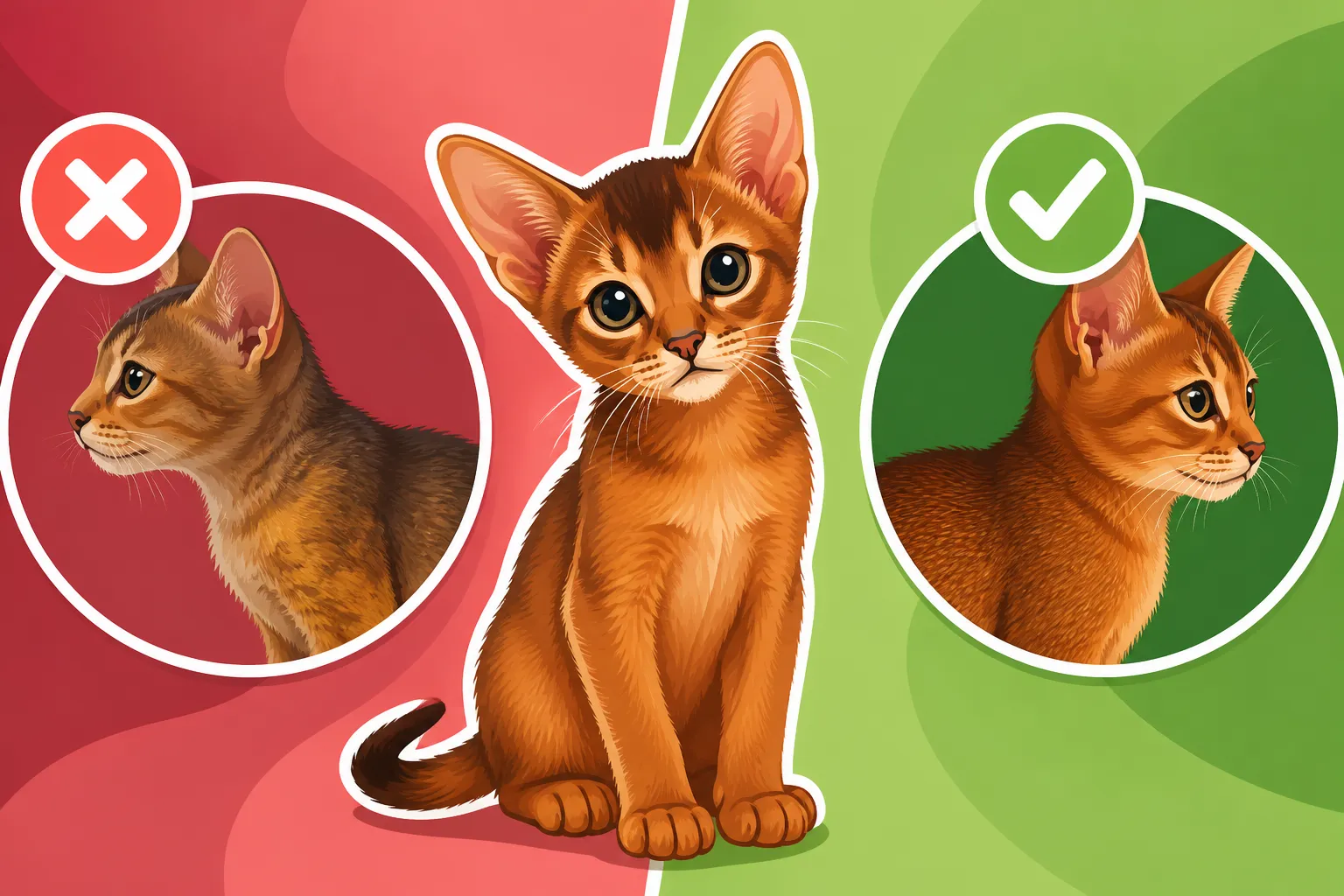
- Birth to 8 Weeks: At birth, Abyssinian kittens are usually quite dark and can often show very distinct tabby patterns, including stripes. Their fur is incredibly soft and fine, typical of any newborn kitten. Around eight weeks, the coat might start to lighten, and the patterns might begin to blur a bit, but the overall impression is still quite different from an adult. What an Abyssinian Kitten Looks Like at Eight Weeks.
- 10-14 Weeks (The "Blotchy" Phase): This is where you might be now. The kitten fur is being shed, and the new adult hairs are coming in. These new hairs, as mentioned, are still developing their full ticking pattern. This results in the "blotchy," sometimes dull, or even faintly barred appearance that causes concern for new owners. The texture might feel a little less soft, too, as the finer kitten fur gives way to the slightly coarser adult coat.
- 4 Months to 1 Year: From about four months onwards, you'll start to notice a more significant change. The ghost tabby markings will begin to fade further, and the ticking will become more pronounced and even across the body. The color will also deepen and become richer. By the time your Abyssinian is around six to nine months old, you'll have a much clearer idea of their adult coat color and pattern.
- 1 to 2 Years: It’s worth noting that an Abyssinian's coat isn't truly considered "finished" until they are often eighteen months to two years old. The colors can continue to refine and deepen, and the ticking will achieve its ultimate clarity and shimmer. When an Abyssinian's Adult Color Settles. This is why judging in cat shows often gives allowances for younger cats still developing their coats.
What to Expect and How to Support Coat Development
It's natural to have expectations, especially when bringing home such a striking breed. However, patience is truly key when it comes to an Abyssinian kitten's coat development.
Patience is a Virtue (and a Necessity!)
First and foremost, take a deep breath. What you're observing is normal. Reputable Abyssinian breeders are well aware of this developmental phase and will often prepare new owners for it. They understand that the "perfect" coat is a journey, not a destination at ten weeks. Your breeder should have already provided you with information about this, but if not, feel free to reach out to them for reassurance. They'll likely tell you the same thing: just give it time! Focus instead on your kitten's overall health, their playful personality, and their rapidly developing confidence. These are far more important indicators than a temporarily "messy" coat.
It’s crucial not to mistake this normal developmental phase for any sign of poor health or genetics. Unless your kitten is showing other symptoms like lethargy, poor appetite, excessive itching, or actual bald patches, there’s no need to worry about the appearance of their coat at this age.
Nutrition and General Care for a Healthy Coat
While you can't force the ticking to appear faster, you can certainly support your kitten's overall health, which in turn promotes healthy coat growth. A healthy cat will naturally develop the best coat their genetics allow.
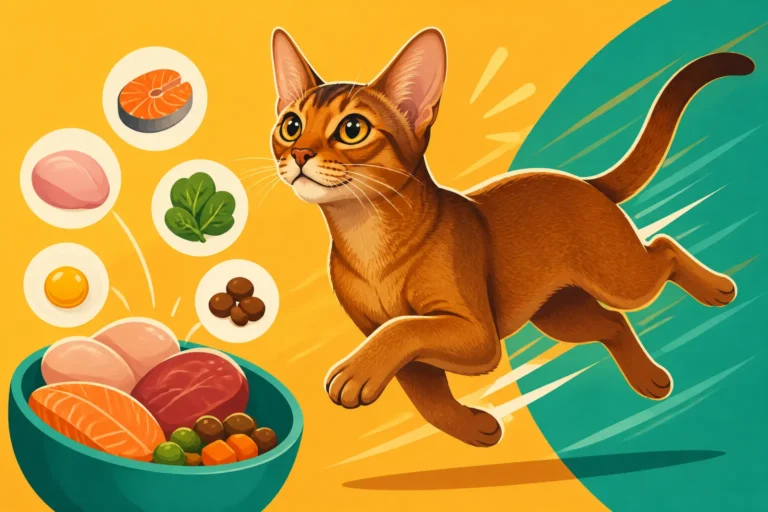
- High-Quality Diet: This is paramount. Growing kittens, especially active breeds like Abyssinians, need a diet rich in high-quality animal protein to support muscle development and, yes, healthy fur. Look for foods that list real meat (like chicken, turkey, or fish) as the first ingredient. Essential fatty acids, particularly Omega-3 and Omega-6, are vital for skin and coat health, contributing to shine and softness. Many premium cat foods are formulated with these in mind. You can find excellent options from a vast selection of reputable brands, including some that focus on fresh, human-grade ingredients. What an Abyssinian Kitten Should Eat in Its First Year.
- Grooming: Ironically, one of the best things you can do for an Abyssinian's coat is actually less grooming. Their single, fine coat with minimal undercoat doesn't require much intervention. Over-grooming, especially with harsh brushes, can damage the delicate hair shafts and even disrupt the ticking pattern. A gentle weekly brush with a soft rubber mitt or a fine-toothed comb is usually more than enough to remove loose hairs and distribute natural oils, helping to bring out that natural shine as the coat matures. An Abyssinian Needs Brushing Once a Week and No More.
- Stress-Free Environment: Just like humans, stress can impact a cat's physical health, including their coat. Ensure your kitten has a safe, stimulating, and consistent environment. Plenty of play, appropriate vertical climbing spaces, and a routine will help them thrive.
When to Be Concerned (and When Not To)
It’s important to distinguish between normal coat development and actual health issues that could manifest in the fur.
Normal Developmental Signs (Don't Worry!):
- Blotchiness or Faint Stripes: These are classic signs of a kitten's coat still developing its ticking. They will fade.
- "Muddy" or Dull Appearance: The coat may lack the adult shimmer simply because it's not fully matured.
- Slightly Coarser Texture: As the soft kitten fur is replaced, the adult coat might feel a little different before it becomes truly silky.
- Darker Overall Color: Kittens often appear darker at first, with colors lightening and clarifying as the ticking becomes dominant.
Signs to Be Concerned About (Consult Your Vet!):
- Patchy Hair Loss or Bald Spots: This is not normal development and could indicate parasites (like fleas or ringworm), allergies, or other skin conditions.
- Excessive Itching or Scratching: Coupled with hair loss, this points to a skin irritation or allergy.
- Very Coarse, Brittle, or Greasy Fur: While developmental coats can be a bit less refined, genuinely unhealthy texture often indicates nutritional deficiencies or underlying health problems.
- Red or Inflamed Skin: This is always a warning sign.
- Lethargy, Poor Appetite, or Weight Loss: If these symptoms accompany any coat abnormalities, it's crucial to seek veterinary attention immediately. Why a Lean Abyssinian Hides Illness Longer Than a Heavy Cat.
When in doubt, a quick call or visit to your veterinarian is always the best course of action. They can easily differentiate between normal growth and a genuine health concern.
The Beauty of the Developing Abyssinian Coat
Embracing the developmental phases of your Abyssinian kitten is part of the joy of owning such a dynamic and unique breed. That "blotchy" phase is fleeting, and soon enough, you'll be admiring the full glory of their adult coat.
Appreciating the Unique Journey
Every Abyssinian kitten's journey to its full adult coat is a little different, and watching the transformation unfold can be truly fascinating. It's a testament to the intricate genetics that make this breed so special. Think of it as a preview, a sneak peek at the masterpiece that's still being painted. Enjoy the softness of their kitten fur, even if it's not perfectly ticked yet. Cherish these early months, as they grow and their personality truly begins to shine. Before you know it, that seemingly "wrong" coat will have matured into the elegant, vibrant ticking you fell in love with. How an Abyssinian's Coat Shimmers When It Moves.
The Different Adult Colors and Their Development
As the ticking comes in, you'll also see the true depth of your Abyssinian's specific color. Abyssinians come in four main recognized colors: Ruddy, Sorrel, Blue, and Fawn, each with its own beautiful expression of the ticked pattern.
- Ruddy (or Usual): This is the most common color, a warm, reddish-brown base with black ticking. Kittens might initially look quite dark and brownish before the rich ruddy tones emerge. How a Ruddy Abyssinian's Coat Develops.
- Sorrel (or Red): A coppery-red base with chocolate-brown ticking. Sorrel kittens can look very light or even slightly orange at first.
- Blue: A softer, muted grey-blue base with darker blue ticking. Blue kittens often have a very indistinct, even muddy appearance in their early weeks, as the lighter base color and ticking need time to fully separate and achieve their cool tone. How a Blue Abyssinian's Ticking Differs.
- Fawn: The palest of the colors, a warm cream base with lighter fawn ticking. Fawn kittens can look almost white or very light brown when very young, with the delicate fawn ticking becoming apparent later.
No matter the color, the process of maturation is generally the same. Your ten-week-old Abyssinian's coat might look a little messy now, but with good care and a bit of patience, they will undoubtedly grow into the stunning, sleek-coated cat you've been waiting for.
| Age Range | Typical Coat Appearance (Abyssinian Kitten) | What to Expect |
|---|---|---|
| Birth – 8 Weeks | Dark, often with visible tabby stripes/patterns, very soft kitten fur. | Initial darkness and stripes are normal; fur is fine. |
| 8 Weeks – 4 Months | "Blotchy" or "muddy" appearance; faint barring on legs/tail; less distinct ticking. | Normal developmental stage; kitten fur shedding, adult coat coming in. |
| 4 Months – 9 Months | Ticking becomes more defined; ghost patterns fade; color starts to deepen. | Coat begins to refine; adult shimmer slowly emerges. |
| 9 Months – 2 Years | Full adult ticking and color emerge; coat achieves its characteristic shimmer. | Final maturation; color and pattern reach their peak definition and vibrancy. |
Disclaimer
This article is for general informational purposes only and does not constitute professional advice. Laws, prices and regulations vary by location and change over time. Consult a qualified professional for guidance on your specific situation.