How a Ruddy Abyssinian’s Coat Develops
If you've ever admired a striking Ruddy Abyssinian, you know there's something truly special about their coat. What many don't realize is that this breathtaking ticked pattern doesn't just appear overnight; it's a fascinating journey of development from a fuzzy, often unremarkable kitten to the sleek, shimmering adult you see. This guide will walk you through exactly how that distinctive ruddy coat transforms, helping you understand the genetics, the stages, and what you can do to support its vibrant health.
The Magic of the Ticked Coat: What Makes a Ruddy Abyssinian Special
The Ruddy Abyssinian coat is a marvel of feline genetics, a testament to the intricate beauty nature can create. It's not just a brown cat; it's a sophisticated tapestry of color that seems to shift and shimmer with every movement. This unique appearance is why Abyssinians capture so many hearts, and understanding what makes it "tick"—literally—is key to appreciating their full splendor.
Understanding the Agouti Gene and Banding
The secret to the Abyssinian's coat, especially the Ruddy, lies in what's known as the agouti gene. Unlike many other cat breeds that display solid colors or distinct tabby stripes, Abyssinians express the agouti pattern throughout their entire body, with the exception of some subtle barring that might appear on their legs or tail tip. This gene is responsible for preventing solid color expression, instead creating bands of color on each individual hair shaft. Think of it like a miniature zebra stripe on every single strand of fur.
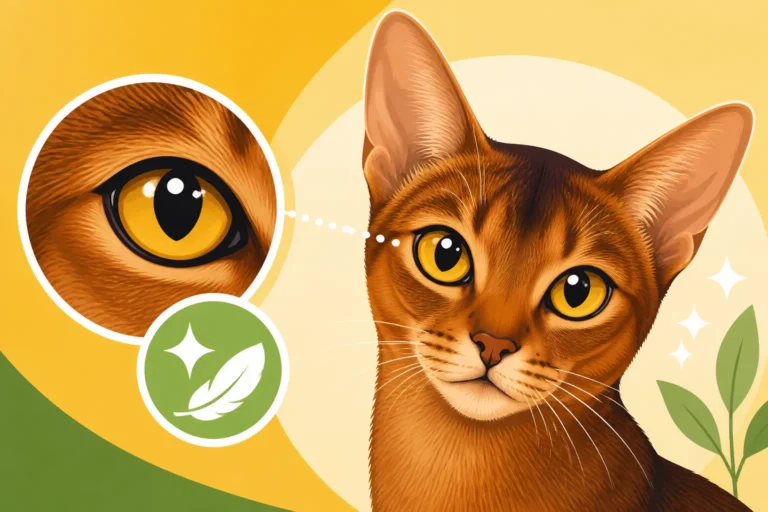
For a Ruddy Abyssinian, each hair typically features three or four distinct bands of color. The base of the hair, closest to the skin, will be a warm, apricot or orange-brown. Then, you'll see a band of darker, typically black or very dark brown, followed by another lighter band, and finally, a dark tip. This alternating light and dark banding is what gives the coat its incredible depth and iridescent quality. It’s a subtle yet profound detail that sets them apart, making their fur almost glow in the right light. You might be interested in knowing more about Why Each Abyssinian Hair Carries Three or Four Bands.
The Ruddy Base Color: More Than Just Brown
While "Ruddy" might sound like a simple brown, it’s far from it. The official description often refers to it as a rich, warm, reddish-brown, often compared to the color of a wild hare or even burnt sienna. It’s the original and most common Abyssinian color, and for good reason: it perfectly showcases the ticking. The underlying color, visible between the darker bands, is a vibrant apricot or orange shade. This isn't just a random brown; it's a genetically defined spectrum of warm tones that creates the signature Abyssinian look.
When you look at a Ruddy Abyssinian in different lights, you'll notice how the warm tones are highlighted by direct sunlight, while in shadow, the darker bands become more prominent, giving the coat a deeper, richer appearance. This interplay of light and shadow, created by the banded hairs, is exactly what makes the coat appear to shimmer as the cat moves, almost as if liquid gold is flowing over their sleek body. This nuanced coloring is why breeders and enthusiasts adore the Ruddy, often referring to it as the "usual" color because it was the first recognized and most common. If you want to dive deeper into this, check out What Ruddy Means on an Abyssinian.
From Fuzzy Kitten to Flawless Ticking: The Development Timeline
One of the most exciting, and sometimes perplexing, aspects of raising an Abyssinian is watching their coat develop. What starts as a rather unassuming, even "blotchy" kitten coat, gradually transforms into the sophisticated, ticked masterpiece we recognize. It’s a process that demands patience and understanding, as the final coat rarely reveals itself in full until the cat is well into adulthood.
The "Kitten Blotchies" Phase
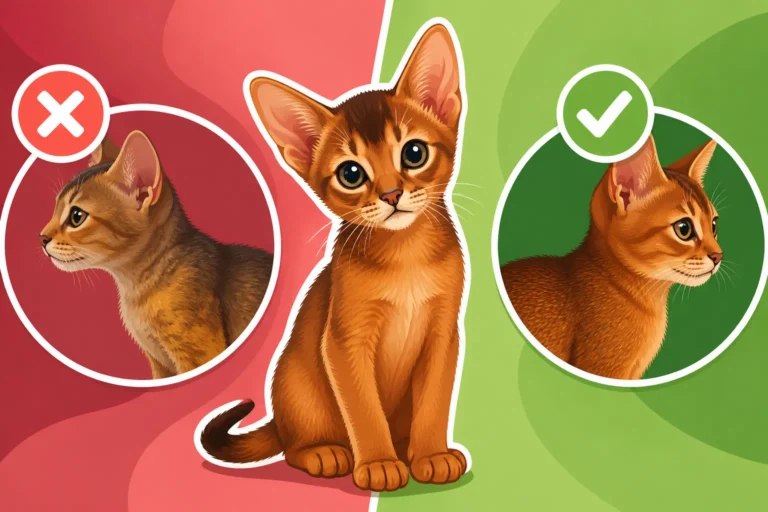
When a Ruddy Abyssinian kitten is born, its coat is usually quite different from the adult version. Instead of crisp, clear ticking, you'll often see what breeders affectionately call "kitten blotchies" or "kitten barring." This means the coat might appear duller, with less distinct banding, and often displays faint tabby markings or patches of solid color that seem to smudge or blur the ticking pattern. Their fur might also feel softer and fluffier, lacking the sleek, close-lying texture of an adult.
This initial phase can sometimes cause new owners to worry, wondering if their kitten will ever develop the stunning coat they envisioned. Rest assured, this is a completely normal part of their development. The genes are all there, but the full expression of the ticking simply takes time. Think of it like a photograph slowly developing in a darkroom—the image is forming, but it's not yet in sharp focus. This temporary appearance is just a stepping stone on the path to their mature beauty. For more on this, consider reading Why an Abyssinian Kitten Looks Blotchy at First.
The Gradual Emergence of Adult Ticking
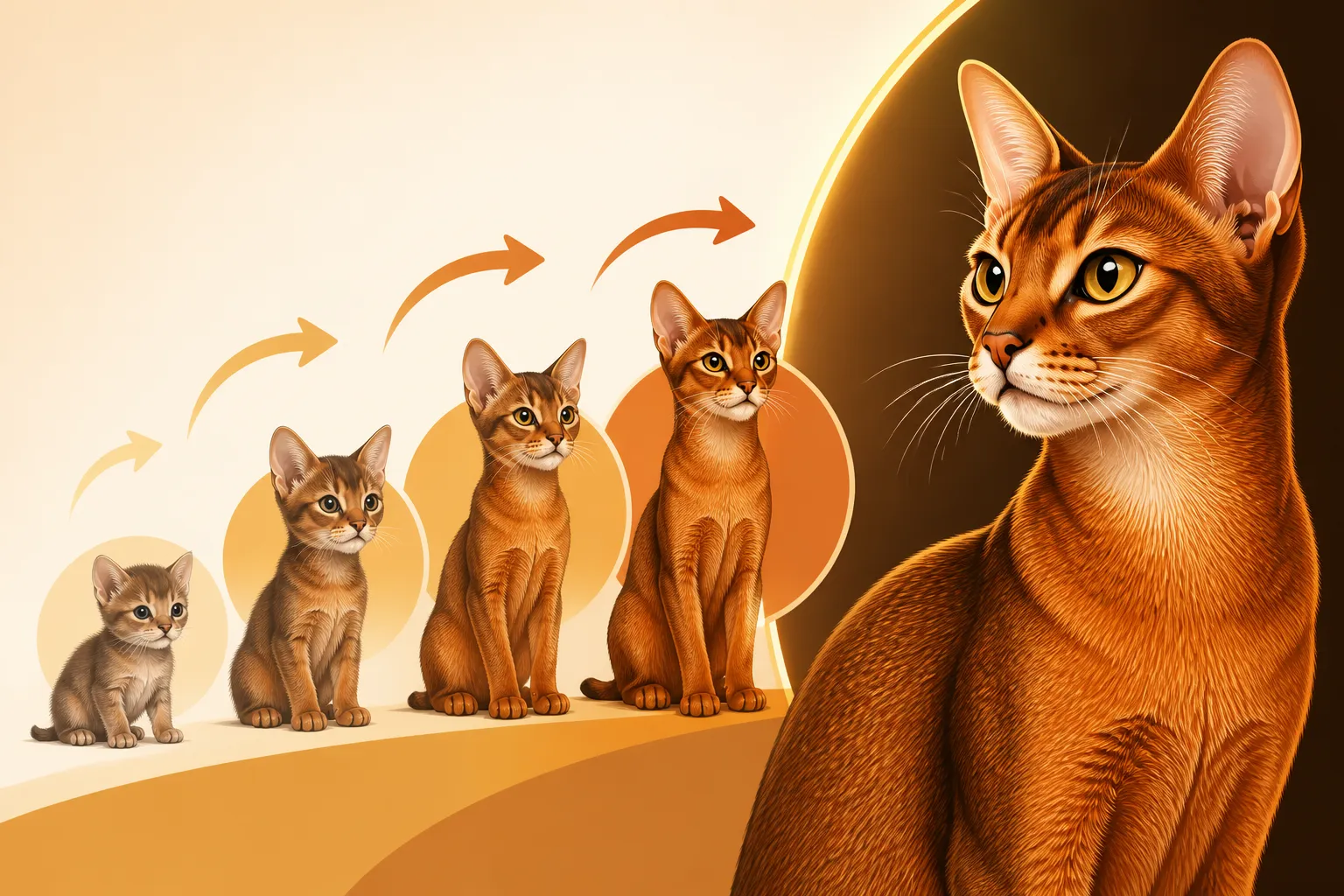
The transformation from kitten blotchies to adult ticking is a gradual process, often beginning around three to four months of age and continuing for up to two years. As the kitten grows, the individual hairs start to develop their full banding, and the "smudged" tabby markings begin to recede. The coat will become noticeably richer in color, and the definition between the light and dark bands on each hair shaft will sharpen. You'll start to see that beautiful, shimmering effect as they move.
By their first birthday, most Abyssinians will have a good indication of their adult coat, but it often continues to deepen and refine. The colors will become more intense, and the ticking will appear more uniform and polished. This period of change can be quite fascinating to observe, as your once-blotchy kitten slowly reveals the sophisticated palette underneath. It's a journey that culminates in the sleek, finely ticked coat that is the hallmark of the breed. If you're curious about the timeline, you can find more information in When an Abyssinian Kitten's Adult Ticking Arrives.
A Developmental Timeline for a Ruddy Abyssinian's Coat
Understanding the general timeline can help set expectations and allow you to appreciate each stage of your Abyssinian's coat development. Keep in mind that individual cats will vary, but this table provides a typical progression.
| Age Range | Coat Characteristics | Appearance Notes |
|---|---|---|
| Birth – 8 Weeks | Very soft, often indistinct ticking, noticeable "kitten blotchies". | May appear dull, with faint tabby stripes or patches on the body. |
| 2 – 4 Months | Some definition begins to appear, blotchies start to fade. | Coat may still look a bit messy, but hints of adult color emerge. |
| 4 – 8 Months | Ticking becomes more prominent, colors deepen. | Shimmering effect noticeable, especially in good light. Still some kitten fuzz. |
| 8 – 12 Months | Significant improvement in clarity and color depth. | Approaching adult coat, but may still lack full richness and evenness. |
| 1 – 2 Years | Full adult coat achieved; rich, clear, uniform ticking. | Optimal color, texture, and shimmer. Coat lies close to the body. |
| 2+ Years | Maintained adult coat; color may slightly deepen or lighten with age. | Consistent vibrant ticking, occasional seasonal changes. |
Factors Influencing Coat Quality and Color Depth
While genetics lay the foundation for a Ruddy Abyssinian's coat, several other factors play a significant role in its overall quality, depth of color, and texture throughout their life. It's a blend of nature and nurture, and as their human, you have a hand in ensuring their coat looks its absolute best.
Genetics vs. Environment: Nature and Nurture
As we've discussed, the genetic blueprint for that stunning ticked coat is inherited from the parents. A kitten from a well-bred line will have the inherent potential for vibrant color and clear ticking. However, even the best genetics can be impacted by environmental factors. Things like overall health, stress levels, and exposure to sunlight can all influence how that genetic potential is expressed. A healthy, happy cat in a stable environment is more likely to show off its best coat.
Conversely, a cat experiencing chronic stress or an underlying health issue might have a duller, coarser coat, even if their genetics are top-notch. It's why responsible breeders don't just focus on pedigree; they also strive to provide an enriching, low-stress environment for their cats to thrive. The goal is to provide optimal conditions so that the "nature" (genetics) can truly shine through the "nurture" (environment).
Nutrition's Role in a Vibrant Coat
What your Abyssinian eats directly impacts the health and appearance of their coat. A high-quality diet, rich in animal protein, essential fatty acids (like Omega-3 and Omega-6), and vitamins, is crucial for maintaining that lustrous shimmer and vibrant color. Poor nutrition can lead to a dull, dry, and even flaky coat, and may diminish the richness of the ruddy tones.
Look for cat foods that list real meat as the first ingredient and contain a good balance of fats. Some owners find that supplements containing fish oil or flaxseed oil can further enhance coat health, though it's always wise to discuss this with your vet first. Fresh cat food options that prioritize high-quality protein and nutrients can be fantastic for coat health. Similarly, many premium kibble and wet food options available on platforms like Chewy are formulated to support skin and coat vitality. Remember, a shiny coat is often a sign of good health from the inside out, and for such an active cat, proper fueling is key. You can learn more about What to Feed an Abyssinian That Never Stops Moving.
Grooming and Maintenance for Optimal Coat Health
While Abyssinians are famously low-maintenance in terms of grooming—their short, single coat barely sheds and doesn't mat—a little routine care goes a long way in keeping their coat looking its best. The primary goal of grooming an Abyssinian is to remove loose hairs, distribute natural oils, and enhance the coat's natural shine.
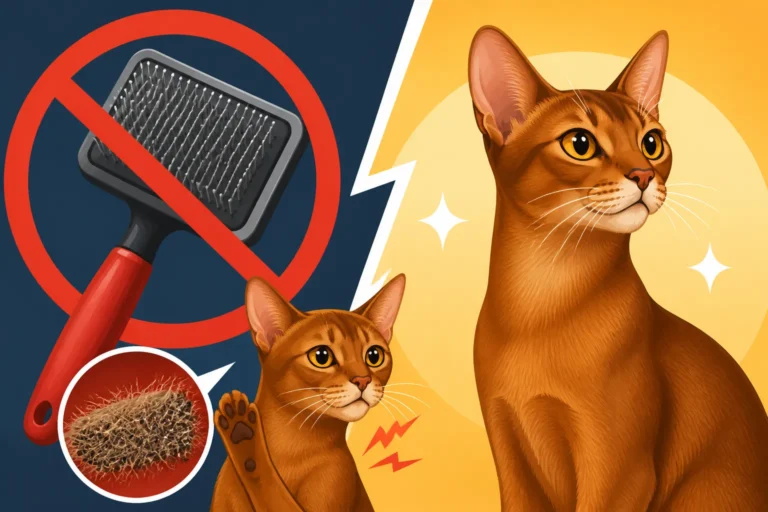
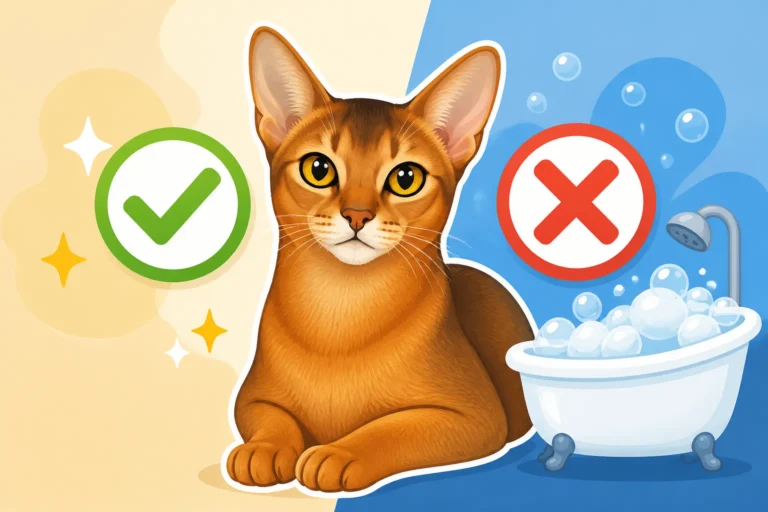
A weekly brush with a soft rubber mitt or a chamois cloth is usually all they need. This action stimulates circulation to the skin, encourages healthy hair growth, and helps bring out that gorgeous luster. Avoid harsh brushes or deshedding tools, as these can actually damage the delicate ticking pattern and flatten the coat. After a gentle brush, a quick wipe down with a soft cloth can leave their coat gleaming. While bathing is rarely necessary, if they do get particularly dirty, use a mild, cat-specific shampoo to avoid stripping essential oils. The care for their coat is pretty minimal, as you'd find in The Ticked Coat Is the Whole Abyssinian Grooming Job, but those small efforts are worth it.
Common Coat Variations and What to Expect
Even within the Ruddy standard, there can be subtle variations in an Abyssinian's coat appearance, and external factors can sometimes alter its look. Understanding these nuances helps in appreciating your cat's unique beauty and knowing what's normal versus what might signal an underlying issue.
Why Ticking Can Appear Uneven
Sometimes, an Abyssinian's ticking might not look perfectly uniform across their entire body. You might notice areas where the ticking seems clearer or more concentrated, while other spots appear slightly less defined. This can be due to natural genetic variations within the breed, even within the same litter. Slight variations in the expression of the agouti gene or minor differences in hair density across the body can contribute to this.
It's also not uncommon for ticking to be slightly less defined on areas like the chest or belly, where the fur might be a little softer and lighter. As long as the cat is healthy and the overall color is consistent with the Ruddy standard, these minor variations are usually just part of their individual charm. However, if you notice significant, sudden changes in the coat pattern, or dullness accompanied by other symptoms, it's always best to consult your veterinarian to rule out any health concerns.
Environmental Effects: Sun Exposure and Shedding Cycles
Just like human hair, a cat's fur can be affected by environmental factors, particularly sunlight. Prolonged exposure to strong sunlight can cause the rich ruddy tones to lighten or "bleach" slightly, making the coat appear faded over time. This is particularly noticeable in cats who love to bask for hours in sunny window perches. While a little sun is good for them, excessive exposure might subtly alter the vibrancy of their coat. Many Abyssinian owners choose to protect their cat's favorite sunny spots with UV-filtering window films to help preserve their coat color. You can find these easily on Amazon, alongside other pet supplies. You might want to check out Why Sun Fades an Abyssinian's Coat for more context.
Abyssinians also go through seasonal shedding cycles, although their minimal undercoat means this is usually less dramatic than with double-coated breeds. You might notice a slight increase in shedding during spring as they lighten their coat for warmer weather, and a subtle thickening of the coat in winter. During these times, the coat's texture and overall appearance might shift slightly. Regular brushing helps manage any loose hairs during these periods, ensuring their coat stays healthy and vibrant year-round. For more information on seasonal changes, consider reading How an Abyssinian's Coat Thickens in Winter.
Disclaimer
This article is for general informational purposes only and does not constitute professional advice. Laws, prices and regulations vary by location and change over time. Consult a qualified professional for guidance on your specific situation.