Whether an Abyssinian Ever Needs a Bath
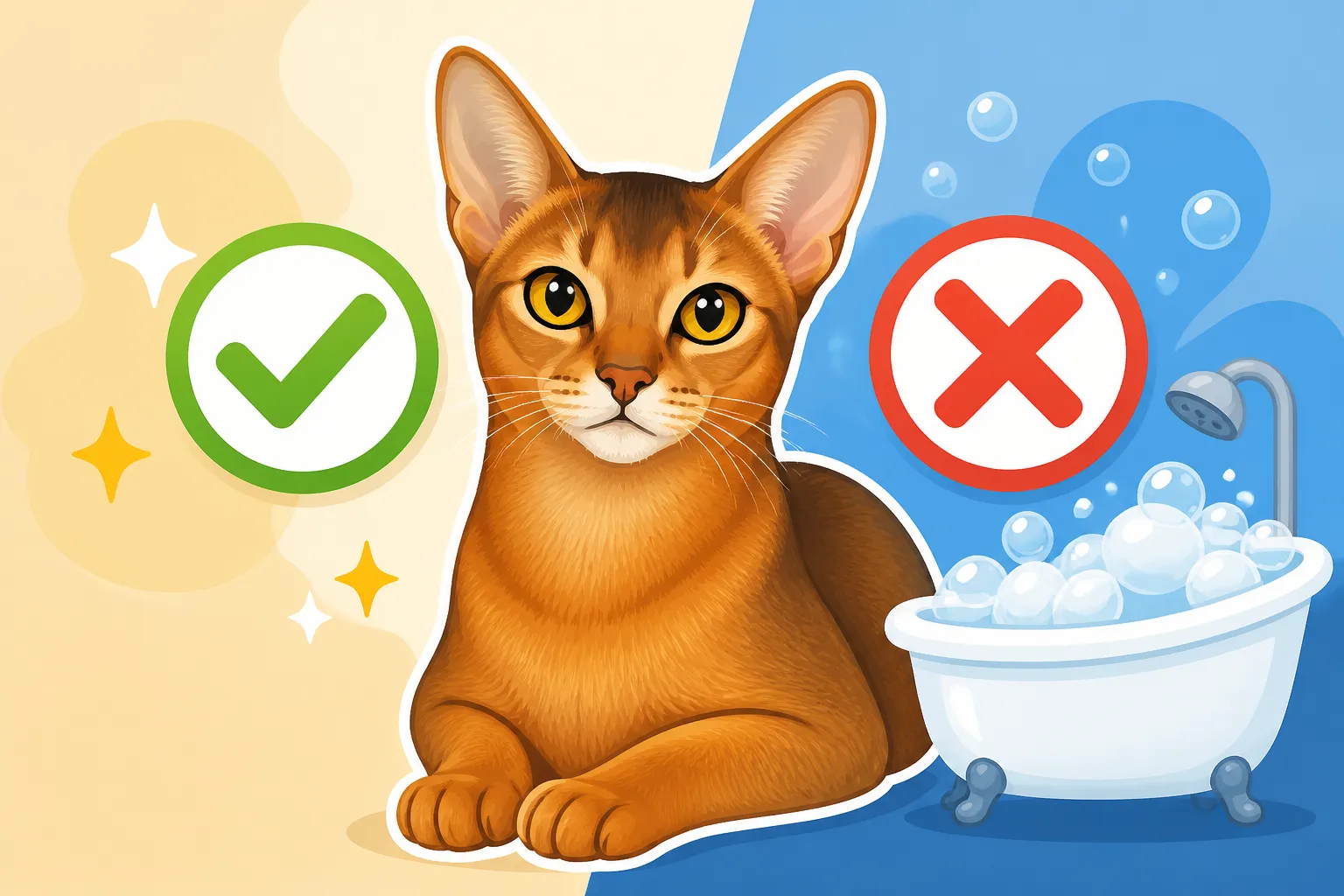
You've just brought home an Abyssinian, or perhaps you've had one for years, and a thought crosses your mind: "Does this energetic, sleek-coated cat ever need a bath?" It's a valid question, especially if you're used to other breeds or even dogs that might require more frequent dunking. The truth is, Abyssinians are generally fastidious self-groomers with a unique coat that largely negates the need for regular bathing, much to the relief of both cat and owner! This guide will explore the nuances of the Abyssinian coat, their natural grooming habits, and those rare, specific scenarios where a bath truly becomes a necessity, offering practical advice for when that day arrives.
The Abyssinian Coat: A Marvel of Natural Design
The Abyssinian's coat is truly a wonder, perfectly adapted to keep them clean and comfortable without much human intervention. It’s one of the defining features of the breed and plays a huge role in why they so seldom need a trip to the tub. Many new owners are often surprised by just how low-maintenance their beautiful Abyssinian's coat actually is when it comes to washing.
The Unique Ticked Pattern and Its Purpose
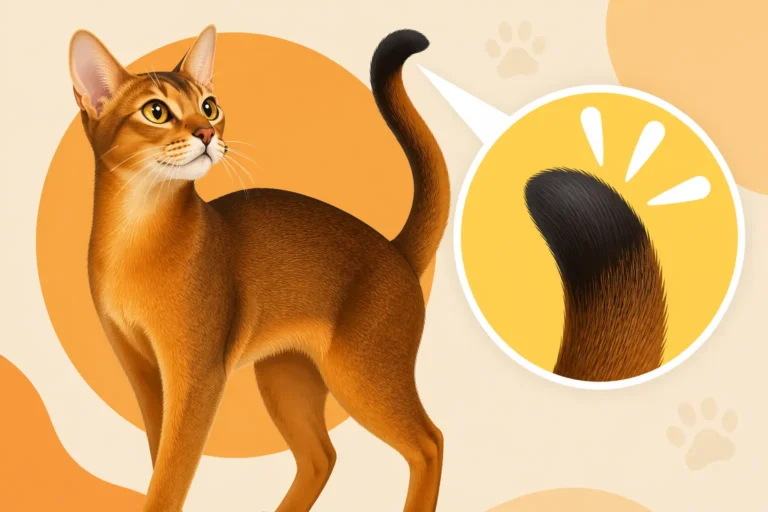
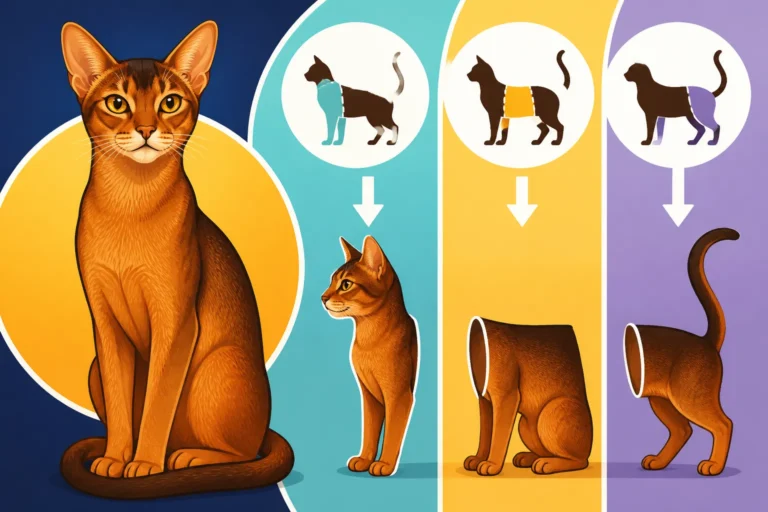
The most striking feature of the Abyssinian coat is its ticking. Unlike striped tabbies, an Abyssinian's individual hairs are banded with several colors, giving the coat a shimmering, iridescent quality that changes with the light. This agouti pattern means that each strand has multiple bands of color, usually three or four, with a dark tip. This isn't just for show; this unique texture and lack of distinct stripes allow dirt and debris to fall out more easily. The ticking is a masterful camouflage in natural environments and serves a practical purpose in keeping them looking pristine. It's a coat designed for minimal fuss and maximum efficiency, and it really is The Ticked Coat Is the Whole Abyssinian Grooming Job. You'll spend more time admiring its beauty than scrubbing it.
Minimal Undercoat and Natural Oils
One of the key reasons Abyssinians are rarely bathed is their extremely fine, close-lying coat with almost no undercoat. This means there's less fur to trap dirt, dander, and odors compared to breeds with dense double coats. The natural oils produced by their skin distribute easily through their short, silky hairs, keeping their coat conditioned and repelling minor grime. These oils are vital for skin health and shine, and excessive bathing can strip them away, leading to dry skin, dull fur, and potentially even itching. Think of it like washing your hair too often – you can end up with an unhappy scalp. The minimal undercoat also means they regulate their temperature quite efficiently, though you might notice How an Abyssinian's Coat Changes With the Seasons, becoming slightly thicker in winter. For the most part, their natural biological processes handle the job beautifully.
Self-Grooming: An Abyssinian's Daily Ritual
Abyssinians are meticulous creatures, constantly preening and polishing themselves. This isn't just about looking good; it's a fundamental aspect of their health and well-being. Understanding their dedication to self-grooming helps explain why you typically won't need to reach for the shampoo bottle.
The Efficiency of Feline Hygiene
Cats, in general, are renowned for their self-cleaning abilities, and Abyssinians are no exception. They spend a significant portion of their waking hours grooming, using their barbed tongues like a comb to remove loose fur, dirt, and any foreign particles from their coat. This constant preening keeps their short, fine hair immaculate and helps distribute those essential natural oils we just talked about. They’re essentially giving themselves a full-body spa treatment every single day. Their flexible bodies allow them to reach almost every spot, ensuring no patch of fur is left unattended. This dedication to cleanliness is deeply ingrained and incredibly effective, usually rendering human intervention unnecessary.
When Self-Grooming Isn't Enough
While Abyssinians are expert groomers, there are occasions when their natural methods might fall short. This isn't usually due to laziness on their part, but rather circumstances beyond their control. For instance, an elderly Abyssinian or one suffering from arthritis might struggle to reach certain areas, leading to matted fur or a less-than-pristine appearance. Illness can also impact their grooming habits; a cat that feels unwell often neglects self-care. Similarly, a very young kitten might not have fully developed its grooming prowess. In these situations, you might notice specific areas becoming greasy, matted, or simply looking a bit dull. This is where gentle human assistance, often in the form of careful brushing, can make a huge difference, rather than immediately resorting to a full bath. Always consider if a quick spot clean or a thorough brush might solve the problem before contemplating a full immersion.
The Rare Exceptions: When a Bath Is Necessary
Despite their exceptional self-grooming and low-maintenance coats, there are indeed rare circumstances when an Abyssinian truly needs a bath. These are usually situations where their health or comfort is compromised, or they’ve gotten into something truly unpleasant. It’s not a weekly chore, or even a yearly one, for most Abyssinians, but it’s good to be prepared.
Medical or Mobility Issues
Sometimes, a bath becomes necessary for an Abyssinian due to health problems that hinder their ability to groom themselves. An older cat with severe arthritis, for example, might find it painful or impossible to twist and reach their lower back or hind legs. This can lead to a greasy, matted, or soiled coat, especially if they have trouble cleaning after using the litter box. Cats recovering from surgery or injury might also have limited mobility, preventing proper self-grooming. In these cases, a gentle bath, often recommended or even performed by a vet or professional groomer, can be crucial for their hygiene and comfort. It's not just about aesthetics; a dirty coat can lead to skin irritation or infections. If you notice your usually pristine Why a Lean Abyssinian Hides Illness Longer Than a Heavy Cat looking disheveled, especially in harder-to-reach areas, it's a sign that they might need help – and perhaps a vet check-up to understand the underlying issue.
Severe Contamination or Odor
The most common reason for an unexpected Abyssinian bath is accidental contamination. We're talking about situations far beyond a bit of dust. Imagine your curious Abyssinian exploring under the sink and getting into something sticky or oily, like cooking grease, paint, or even motor oil from a garage escapade. These substances can't be licked off safely and can be harmful if ingested. Similarly, if your Abyssinian rolls in something truly foul-smelling outdoors (though most Abyssinians are indoor-only, thankfully!) or has a severe gastrointestinal upset that leaves their fur thoroughly soiled, a bath is the most effective way to remove the contaminant and the odor. Chemical exposure, even from non-toxic substances, warrants a bath to prevent skin irritation or accidental ingestion during self-grooming. In these scenarios, the bath isn't a luxury; it's a necessity for their health and safety.
The Art of Bathing an Abyssinian
So, the day has come, and your Abyssinian needs a bath. Don't panic! While it might not be their favorite activity, with the right approach, you can make it as stress-free as possible for both of you. Preparation is absolutely key to success. Remember, this isn't a normal part of their routine, so don't expect them to enjoy it like a water-loving dog might.
Preparation is Key to a Less Stressful Experience
Before you even think about turning on the tap, get everything ready. Trust me, trying to grab a towel with a wet, squirming Abyssinian in your arms is a recipe for disaster. Gather your supplies: a non-slip mat for the tub or sink, a cat-specific shampoo (never use human shampoo, it's too harsh), several towels, a small jug or cup for rinsing, and a brush. You might also want a quiet, warm room where you can quickly dry them afterward. Make sure the water temperature is lukewarm – not hot, not cold. If your Abyssinian has sharp claws, consider trimming them beforehand to protect yourself and to prevent them from getting caught on towels or you. A calming pheromone spray in the room can also help take the edge off. Having a second person to help hold and soothe the cat can also be invaluable, making the whole process quicker and less traumatic. Think of it as setting the stage for a calm, efficient operation, rather than a frantic struggle.
The Bathing Process Itself
Once everything is ready, gently place your Abyssinian into the prepared tub or sink. Start by praising them softly and holding them securely. Avoid dunking them suddenly, as this can be terrifying. Instead, use the jug or a gentle spray nozzle on a low setting to wet their fur, working from their neck down, being careful to avoid their face and ears. Their large How an Abyssinian's Head and Ears Are Judged are quite sensitive. Apply a small amount of cat-specific shampoo, lathering gently into their short coat. Talk to them soothingly throughout. Rinse thoroughly – and I mean thoroughly. Any shampoo residue left behind can irritate their skin and attract more dirt. Again, use the jug or gentle spray, ensuring all suds are gone. It's often helpful to rinse multiple times. During the rinse, keep an eye on their demeanor. If they're showing signs of extreme stress, work quickly but gently. The goal is to get them clean, not to traumatize them.
Here's a quick checklist of essentials for bathing your Abyssinian:
| Item | Purpose | Where to Find (Examples) |
|---|---|---|
| Cat-Specific Shampoo | Gentle cleansing, safe for feline skin/fur | Pet stores, Chewy, Amazon |
| Non-slip mat | Prevents slips in tub/sink, adds security | Home goods stores, Amazon |
| Several soft towels | For drying, wrapping, and comforting | Home goods stores, anywhere |
| Small jug/cup | Gentle rinsing, avoids overwhelming spray | Kitchen stores |
| Brush | Before/after bath to remove loose fur, check for mats | Pet stores, Chewy |
| Treats | Positive reinforcement during and after | Pet stores |
| Calming spray | Optional, helps reduce anxiety | Pet stores, Amazon |
| Rubber gloves | Optional, protects your hands from scratches | Drugstores, grocery stores |
Post-Bath Care and Drying
The bath itself might be the hardest part, but drying your Abyssinian properly is just as crucial for their comfort and health. Their short, single coat means they don't hold water like a fluffy Persian, but they can still get chilled if not dried thoroughly.
Ensuring Thorough Drying
Immediately after rinsing, wrap your Abyssinian snugly in a warm towel. Gently blot and rub their fur to absorb as much water as possible. Abyssinians, with their lean bodies and fine coats, can get cold quickly once wet, so keeping them warm is a priority. Have several dry towels on hand to switch out as they become saturated. You can use a hairdryer on the lowest, coolest setting, but be extremely careful. Many cats are terrified of the noise and sensation. If you do use one, hold it far away from their body, keep it moving constantly, and never direct hot air onto their skin. The goal is to get them mostly dry, then let them finish air-drying in a warm, draft-free room. They'll likely start vigorously self-grooming once they're out of the wet environment, which will help speed up the process. This vigorous grooming also helps them feel more "normal" again after the ordeal.
Re-establishing Routine and Comfort
After the bath and initial drying, your Abyssinian will probably be a bit put out. Re-establish their sense of security and routine as quickly as possible. Offer them a quiet, warm, and familiar space to finish drying and relax. Provide a favorite blanket or bed. Treats and gentle praise can go a long way in turning a potentially negative experience into one that ends on a positive note. A small, high-value treat can serve as a peace offering. It's important not to hold a grudge or coddle them excessively, but rather to show them that everything is back to normal. A successful post-bath recovery means they quickly forget the trauma and return to their usual, busy selves. Many cats will then spend a good hour meticulously re-grooming themselves, even if you did a perfect job; it's their way of putting their own scent back on their fur and reaffirming their control over their own cleanliness.
Maintaining Coat Health Without Water
For the vast majority of Abyssinians, a regular bathing routine isn't necessary. Instead, focus on proactive care that supports their natural grooming habits and keeps their coat healthy and shiny from the inside out. This approach is far more beneficial and less stressful for your cat.
Regular Brushing and Grooming Aids
Even without a thick undercoat, regular brushing is still highly beneficial for your Abyssinian. It helps remove loose hairs, distributes natural oils, and provides a lovely bonding experience for you both. Aim for brushing once a week, maybe twice if they're shedding a bit more, which can happen with How Much More an Abyssinian Sheds in Spring. A rubber grooming mitt or a fine-toothed comb works wonders without damaging their delicate ticked pattern. Remember, An Abyssinian Needs Brushing Once a Week and No More, and definitely avoid harsh de-shedding tools like a slicker brush, as these can actually flatten and ruin their unique ticking. A quick polish with a chamois cloth after brushing can also bring out an incredible shine. Regularly checking their ears and eyes, and keeping their claws trimmed (especially if they're active climbers), are also crucial aspects of their overall grooming, far more so than regular bathing. How to Trim a Climbing Abyssinian's Claws is a skill worth mastering to keep them safe and comfortable.
Diet and Overall Health
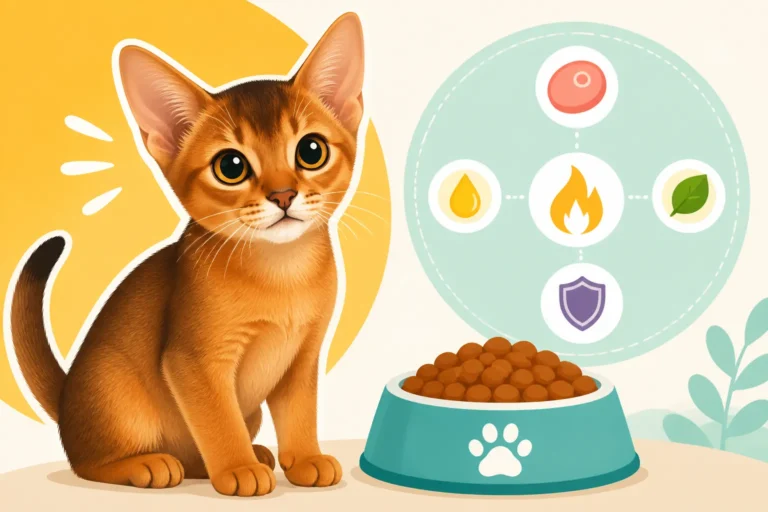
The condition of your Abyssinian's coat is a direct reflection of their internal health. A shiny, soft coat indicates a healthy, well-nourished cat, while a dull, greasy, or flaky coat can be a sign of underlying issues. Providing a high-quality, balanced diet rich in protein and essential fatty acids is paramount. Look for cat foods with excellent nutritional profiles, and consider supplements like omega-3s if recommended by your vet. Hydration is also incredibly important for skin and coat health, and for their overall well-being, especially given the breed's predispositions. Encourage water intake with fresh water bowls, filtered fountains, or by incorporating wet food into their diet. How Much Water an Abyssinian's Amyloid Risk Demands is something every Abyssinian owner should be mindful of. A healthy Abyssinian with good nutrition and proper hydration will maintain a clean, vibrant coat on their own, making those rare bath scenarios even rarer. For excellent food options, look for high-quality commercial or fresh foods that provide top-tier nutrition to support their active lifestyle and beautiful coat. Good health truly is the best grooming secret.
Disclaimer
This article is for general informational purposes only and does not constitute professional advice. Laws, prices and regulations vary by location and change over time. Consult a qualified professional for guidance on your specific situation.