When an Abyssinian’s Adult Color Settles
It's incredibly exciting to watch an Abyssinian kitten grow, isn't it? Many new Aby owners find themselves wondering when that beautiful, shimmering adult coat they fell in love with will finally emerge, often noticing their kitten's fur looks a bit fuzzy or indistinct. This guide is here to walk you through the fascinating journey of your Abyssinian's coat development, explaining exactly when that gorgeous, ticked color will truly settle into its full glory.
The Marvel of the Abyssinian's Ticked Coat
The Abyssinian coat is truly a wonder, a hallmark of the breed that sets it apart. It’s not just a color; it’s an intricate pattern on each individual hair shaft, creating an effect that’s both unique and stunning. Understanding this characteristic is key to appreciating how their adult color settles over time.
Understanding the Agouti Banding Phenomenon
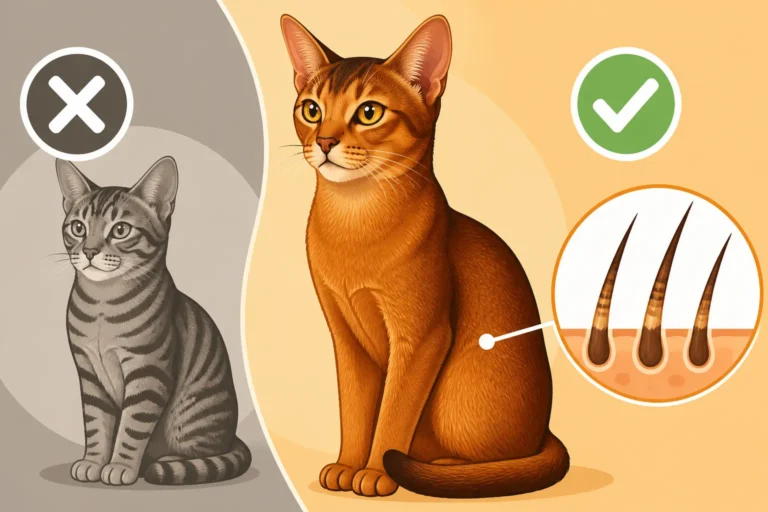
What makes an Abyssinian's coat so special is something called agouti banding. Unlike solid-colored cats where each hair is one consistent shade, an Abyssinian's individual hair shafts are banded with alternating light and dark colors. Imagine a tiny barcode on every strand of fur – that's essentially what's happening! Typically, each hair carries three or four distinct bands of color, with the darkest color at the tip. This unique genetic trait is what gives the Abyssinian its characteristic "ticked" appearance, making their coat seem to shimmer and change color as they move and the light catches different parts of the hair. There are no stripes, no spots, just this incredible depth of color created by countless banded hairs. This optical illusion is a big part of their allure, and it's something that only fully develops as they mature. If you're curious about the mechanics, you can dive deeper into How an Abyssinian's Agouti Banding Works.
Why Kitten Coats Appear "Blotchy" or "Fuzzy"
When you first bring home an Abyssinian kitten, especially around eight to twelve weeks, you might notice their coat isn't quite as crisp or defined as the adult Abyssinians you've admired. This is completely normal and no cause for concern! Kitten coats often look what we affectionately call "blotchy" or "fuzzy." The ticking, while present, isn't as distinct, and the overall color might appear muted or even a little dull compared to what it will become. You might even see faint ghost tabby markings, particularly on the legs or tail, which usually fade as the adult coat comes in. This initial appearance is simply because their hair follicles are still developing, and the individual hairs haven't fully grown in with their complete banding yet. It's a temporary phase, much like a human toddler’s fine baby hair giving way to thicker, more textured adult hair. It’s just part of their charming growth process, and a good breeder will often tell you Why an Abyssinian Kitten Looks Blotchy at First.
The Timeline for Color Maturation
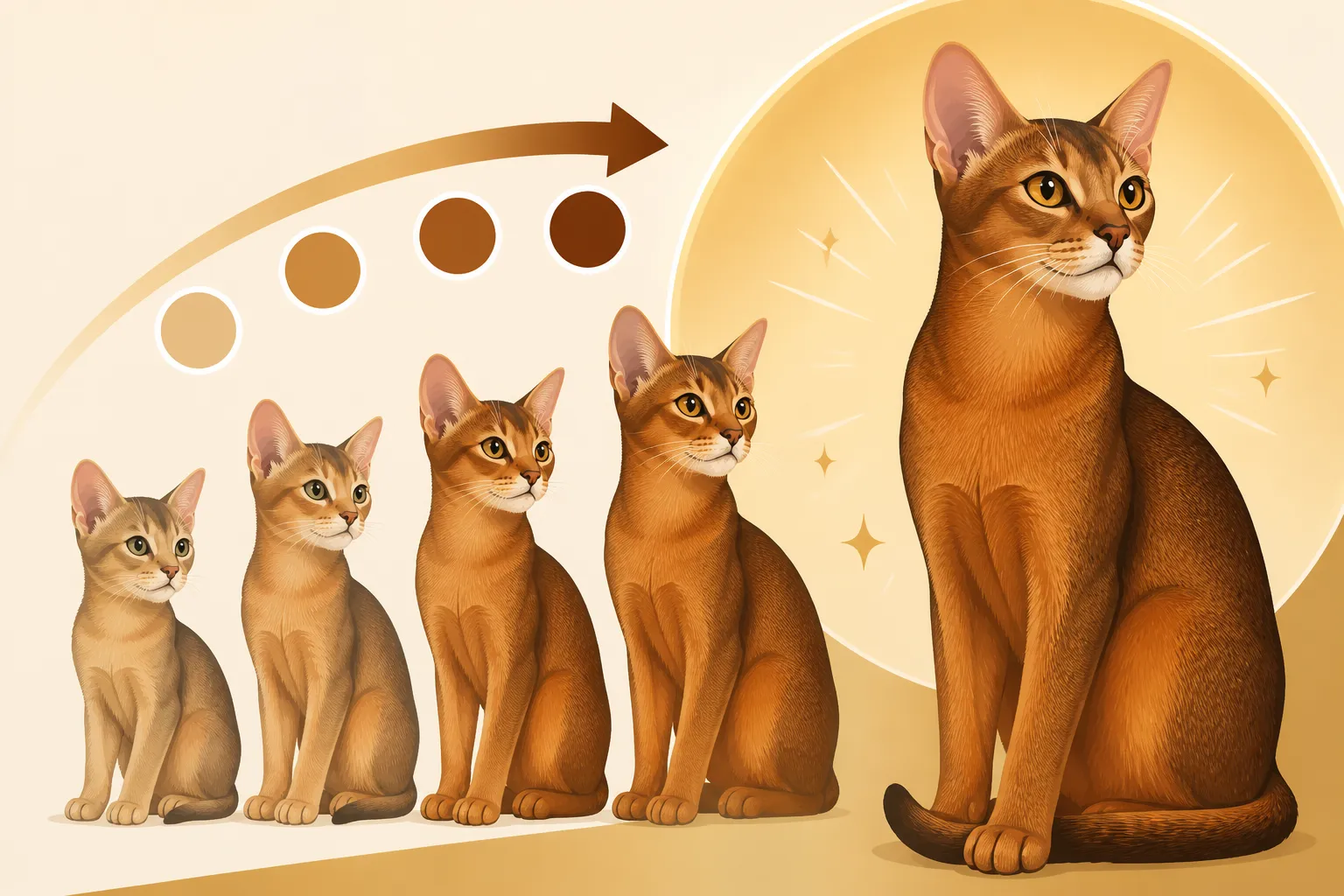
The journey from a fuzzy kitten coat to a magnificent, fully ticked adult Abyssinian coat is a gradual one, unfolding over several months and sometimes even longer. Patience is definitely a virtue when it comes to observing this transformation.
Early Weeks: The Initial Rudiments of Ticking
In the very first weeks of an Abyssinian kitten's life, the signs of ticking are incredibly subtle, often barely discernible to the untrained eye. At birth, they are typically darker in color, and their patterns are still quite hidden beneath a soft, downy coat. The focus during these early days is primarily on growth, feeding, and developing their basic motor skills. While the genetic blueprint for their adult color is already in place, the physical manifestation of that color – the intricate banding on each hair – is just beginning to form. You might catch a hint of the underlying color, but don't expect to see that characteristic shimmer right away. It's a slow burn, not an instant reveal.
The Six to Twelve Month Transformation
This period, from approximately six months to one year of age, is where you'll witness the most dramatic and noticeable changes in your Abyssinian's coat. This is when the ticking truly starts to come into its own. The individual bands of color on each hair shaft become much more pronounced and distinct. The overall color will deepen, and that signature shimmer will begin to emerge as the shorter, fuzzier kitten hairs are replaced by the longer, more finely banded adult hairs.
You might observe a phase where your Aby looks a little bit like a teenager going through a growth spurt – perhaps a bit awkward, with the coat appearing uneven in places. Some areas might be more developed than others, giving a slightly patchy impression. This is perfectly normal and just part of the maturation process. The base color, whether it's Ruddy, Sorrel, Blue, or Fawn, will become clearer, but the intensity and crispness of the ticking will continue to refine itself. Most breeders will point out that When an Abyssinian Kitten's Adult Ticking Arrives you’ll see the clear signs of their future glory, but it's not the final stop.
Full Maturity: Up to Two Years for Final Depth and Shine
While a lot of the visual impact of an Abyssinian's adult coat is established by their first birthday, it's important to understand that the full depth, richness, and ultimate shine can take even longer to develop. Many Abyssinians won't show their absolute peak coat quality until they are closer to two years old, or sometimes even a little beyond. During this extended period, the individual ticking bands become even sharper, the contrast between the light and dark segments of each hair intensifies, and the overall color achieves its maximum saturation.
Think of it like a fine wine, needing time to develop its full bouquet. Factors such as consistent high-quality nutrition and excellent general health certainly play a significant role in achieving this ultimate coat quality. The shimmer will become more pronounced, and the coat will lie sleek and close to the body, truly embodying the elegant appearance the breed is known for. Observing this subtle but continuous improvement is one of the joys of owning an Abyssinian. You can see how this plays out in specific colors like How a Ruddy Abyssinian's Coat Develops or even How a Blue Abyssinian's Ticking Differs.
Factors Influencing Coat Color Development and Maintenance
Beyond genetics and natural maturation, several other elements can influence how beautifully your Abyssinian's coat settles and maintains its quality over their lifetime. These include their specific color genetics, the quality of their diet, and even environmental factors.
Genetics and Color Varieties
The underlying genetic code determines your Abyssinian's potential adult color. The four main recognized colors are Ruddy, Sorrel, Blue, and Fawn, with others sometimes appearing but not universally accepted. Each of these colors is a variation of the agouti pattern, but expressed differently due to genetic modifiers. For example, a Ruddy Abyssinian has black and orange banding on each hair, while a Blue Abyssinian's banding will be slate grey and cream. The settling process, where the coat's ticking becomes clear and vibrant, applies to all these colors. The timeline remains similar, but the ultimate visual outcome will, of course, align with their specific color genetics. Reputable breeders take great care in understanding and tracking these genetics, and they often register the specific color of each kitten; you can learn more about How an Abyssinian's Coat Color Is Registered.
Nutrition's Role in Coat Quality
Just like with us humans, what your Abyssinian eats has a profound impact on their skin and coat health. A truly high-quality diet is absolutely crucial for the vibrant, shimmering coat we expect from the breed. Look for cat foods that are rich in animal-based protein – this is non-negotiable for an obligate carnivore like a cat. Protein provides the building blocks for healthy hair growth. Beyond protein, essential fatty acids, particularly Omega-3s and Omega-6s, are vital. These healthy fats contribute to a shiny, supple coat and healthy skin, preventing dryness and dullness.
If your Abyssinian's diet is lacking in these key nutrients, their coat may appear dull, coarse, or simply fail to develop that magnificent depth and shimmer. You might find that the ticking doesn't seem as sharp or the overall color looks faded. Fresh, human-grade food can be fantastic for coat quality, as can high-quality kibble and wet food options. Always check the ingredient list for named meat sources as the primary ingredients. Understanding Which Protein Percentage an Abyssinian Needs is a great start to choosing the right food.
Environmental Impact and Grooming Practices
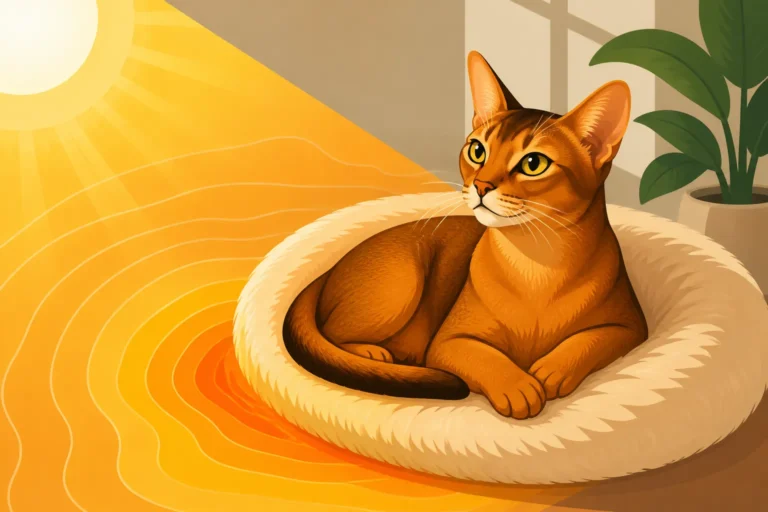
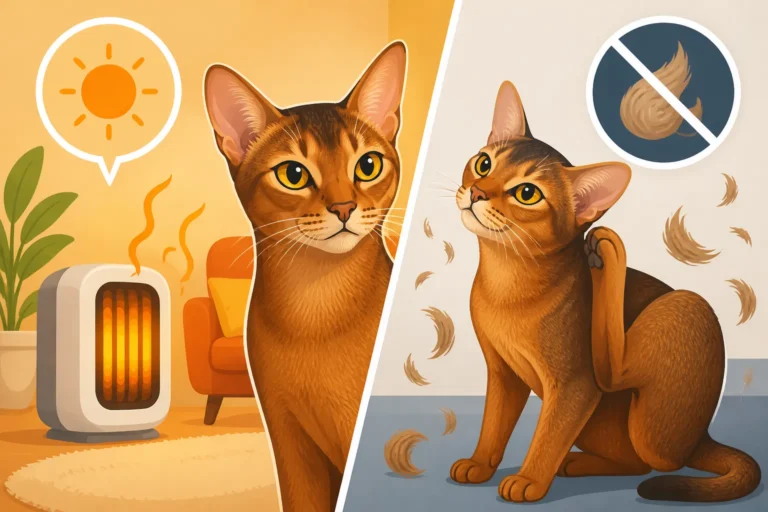
The environment your Abyssinian lives in and how you care for their coat also play a role in its appearance. While generally robust, their ticking can be affected by external factors. For instance, prolonged exposure to direct sunlight, especially for darker colors like Ruddy and Blue, can sometimes cause the coat to lighten or "fade" over time. This isn't usually a dramatic change but a subtle softening of the intense color. So, if your Aby loves basking in a sunny window, consider providing some shade during the brightest parts of the day. You might want to understand Why Sun Fades an Abyssinian's Coat.
When it comes to grooming, the Abyssinian is famously low-maintenance due to their single, short coat and minimal undercoat. However, gentle, regular grooming is still beneficial. A simple weekly brush with a rubber mitt or a soft chamois cloth helps to distribute natural oils, remove loose hairs, and enhance the coat's natural luster. Over-grooming or using the wrong tools, like deshedding blades designed for cats with thick undercoats, can actually damage the delicate ticking and flatten the coat. Remember, An Abyssinian Needs Brushing Once a Week and No More, and Why the Wrong Brush Flattens an Abyssinian's Ticking is crucial to avoid.
What to Expect: Color Progression and Common Concerns
Watching your Abyssinian's coat transform is a delightful process, and understanding what to expect can ease any worries. It’s a journey, not a destination reached overnight.
The Gradual Unveiling: A Photo Album Journey
The development of your Abyssinian's adult coat is not a sudden 'aha!' moment but a beautiful, gradual unveiling. It's a continuous process, with subtle changes becoming more apparent month by month. One of the best ways to truly appreciate this transformation is to document it. Taking regular photos of your Abyssinian as they grow, perhaps once a month from kittenhood up to two years, will create a stunning visual diary. You'll be able to look back and see the progression of their ticking, the deepening of their color, and the increasing luster that you might not notice day-to-day. You'll observe how the initial "fuzz" gives way to crisp, defined bands, and how their overall hue intensifies. Remember, slight variations in development are normal, and each Abyssinian is an individual, even within the breed standard.
When to Consult Your Breeder or Vet
While the process of coat maturation is generally smooth, there are always rare instances when a concern might arise. If you notice significant hair loss beyond normal shedding, persistent dullness, a coat that feels excessively coarse and doesn't improve with age or good nutrition, or odd patchy areas that seem unticked, it's worth a conversation. These signs are often indicative of a broader health issue, rather than just a coat development anomaly. Your breeder is an invaluable resource here, as they know the genetics and typical development patterns of their lines. They can offer insights and reassurance or advise if a veterinary check-up is warranted. For any general health or coat concerns, your veterinarian is always the best professional to consult. Essential pet supplies, including grooming tools and specific dietary supplements if recommended by your vet, are readily available on platforms like Amazon. Sometimes, a coat can go coarse for reasons related to health, and understanding Caring for an Abyssinian Whose Ticking Has Gone Coarse could provide some helpful context, though it's typically a concern for older cats.
Here's a quick overview of the Abyssinian coat development timeline:
| Age Range | Coat Characteristics | Primary Changes |
|---|---|---|
| 0-6 Weeks | Darker, soft, fuzzy kitten coat; ticking barely visible | Initial growth, development of basic coat texture |
| 6 Weeks – 6 Months | "Blotchy" or muted ticking; ghost markings may be present | Ticking begins to emerge and define; kitten coat sheds |
| 6 Months – 1 Year | Ticking becomes more distinct and pronounced; color deepens | Most significant maturation of ticking and overall color |
| 1 Year – 2 Years | Full depth, richness, and shimmer; ticking becomes crisp | Continued refinement of color intensity and coat quality |
Disclaimer
This article is for general informational purposes only and does not constitute professional advice. Laws, prices and regulations vary by location and change over time. Consult a qualified professional for guidance on your specific situation.