Why Abyssinian Dental Work Is the Biggest Line in the Budget
Many new Abyssinian owners are often surprised when they get their first vet bill and see just how much is allocated to dental care. It's a common misconception that because Abyssinians have short coats and aren't typically prone to obesity, they'll be a low-maintenance cat. But the truth is, their vivacious personalities and unique genetics mean their oral health often becomes the single biggest ongoing expense in their care. This guide will delve deep into why Abyssinian dental work is such a significant line item in your budget, what you can expect, and how to best manage it to keep your energetic companion healthy and happy.
The Unique Dental Challenges of Abyssinians
Abyssinians, for all their athletic grace and stunning ticked coats, come with a predisposition to certain dental issues that can make their oral health a complex and costly affair. It's not just about bad breath; these conditions can cause significant pain, impact their overall health, and necessitate regular, often intensive, veterinary intervention. Understanding these unique challenges is the first step in preparing for the financial realities.
Juvenile Gingivitis and Hyperplasia
One of the most disheartening things for a new Abyssinian kitten owner is discovering their young cat already has inflamed gums. This isn't just a bit of redness; we're talking about a condition known as juvenile gingivitis, which can start showing up distressingly early in an Abyssinian's life, often around six months of age. You might notice a thin red line along the gumline, especially on the back teeth, or perhaps a slight puffiness. This isn't the kitten's fault, nor is it necessarily yours if you've been doing everything right. It's often an exaggerated inflammatory response to plaque accumulation, specific to some Abyssinians.
Compounding this, many Abyssinians are also prone to gingival hyperplasia, which is an overgrowth of the gum tissue itself. Imagine trying to keep tiny teeth clean when the gum tissue is literally growing over them, creating pockets where bacteria can hide and flourish. This isn't just aesthetically unappealing; it actively makes it harder to remove plaque and exacerbates the inflammation. This overgrowth can be frustratingly persistent, requiring more than just diligent brushing to manage. It's a cycle that often leads to more intensive interventions down the line if not addressed promptly and aggressively. It's a battle many Abyssinian owners find themselves fighting from their cat's youth.
Predisposition to Tooth Resorption
Beyond gum issues, Abyssinians are also highly susceptible to Feline Odontoclastic Resorptive Lesions (FORLs), often referred to simply as tooth resorption. This condition is incredibly painful and progressive, literally causing the tooth structure to erode from the inside out or from the root surface. It's like having a cavity, but far worse, as the tooth itself is breaking down. These lesions often occur at or below the gumline, making them difficult to spot without a thorough veterinary examination, often requiring dental X-rays.
The frustrating part about tooth resorption is that it doesn't always present with obvious signs until it's quite advanced. Your Abyssinian might be stoic, continuing to eat and play despite the discomfort. You might only notice a subtle change in chewing, a preference for soft food, or perhaps a slight head tilt while eating. By the time these signs are clear, the tooth is usually severely damaged and causing significant pain. The only effective treatment is extraction of the affected tooth, which, as you can imagine, adds substantially to your vet bill. This predisposition means that even with excellent preventative care, your Abyssinian may still develop these lesions, making regular dental check-ups and x-rays an unfortunate necessity. Many Abyssinian owners lament that Why an Abyssinian Loses Teeth Younger Than Most Cats compared to other breeds, largely due to this insidious condition.
Early Warning Signs of Abyssinian Dental Issues
Because Abyssinians are such active, energetic, and often stoic cats, spotting the early signs of dental trouble can be tricky. They're masters at hiding discomfort, a survival instinct honed over millennia. However, with a keen eye and a bit of dedication, you can often catch issues before they escalate into major problems and significant expenses.
Subtle Behavioral Changes
One of the first indicators of discomfort in an Abyssinian might not be directly linked to their mouth, but rather a shift in their usual exuberant behavior. Is your normally relentless explorer suddenly less interested in climbing their cat tree or chasing a wand toy? Perhaps they're a bit more reserved, or their famous "busybody" nature seems dialed down. While these could be signs of any illness, persistent dental pain can certainly sap their energy and enthusiasm. You might notice them chewing on one side of their mouth, or simply dropping food more frequently. Instead of devouring their meal, they might approach it hesitantly, take a few bites, and then walk away, only to return later. Some cats might develop a preference for softer foods, even if they used to love crunching kibble. It's a subtle plea for help, often missed in a household with a bustling, attention-demanding Abyssinian.
Visible Physical Cues
While Abyssinians are adept at hiding pain, there are physical signs to look for if you know where to check. Bad breath, or halitosis, is never "normal" in a cat, even an older one. If your Abyssinian's breath could knock a buzzard off a outhouse, it's definitely a red flag that bacterial growth is rampant in their mouth. Beyond smell, gently lift their lips and examine their gums. Healthy gums should be a pale pink, not angry red, swollen, or bleeding. Look for any discoloration on the teeth themselves, like yellowish or brownish tartar buildup, particularly on the back molars. While rare, you might also spot missing teeth, or small lesions on the gums or tongue.
Another critical area to check is for changes in their facial symmetry. Does one side of their face seem slightly swollen? Are they drooling more than usual, or perhaps pawing at their mouth? These are often signs of severe pain or infection, like an abscess, and warrant immediate veterinary attention. These visual cues are often secondary to the subtle behavioral shifts, meaning if you see them, the problem has likely been brewing for a while. Regular at-home checks are invaluable in catching these issues, so make it a part of your weekly grooming routine. This ties directly into Why an Abyssinian's Gums Should Be Checked Monthly even for young cats.
The Importance of Regular Home Checks
Given the breed's propensity for dental issues, regular, hands-on home checks are an absolute must for Abyssinian owners. This isn't just a casual glance; it's about making a habit of gently lifting their lips and examining their teeth and gums once a week. Start this practice when they're kittens, making it a positive experience with treats and praise, so they tolerate it as adults. Familiarize yourself with what healthy gums and teeth look like for your individual cat. Note any changes in color, texture, or odor.
During these checks, pay close attention to the gumline, especially where the tooth meets the gum. This is often where gingivitis starts. Also, run your finger along their jawline to feel for any swelling or lumps. The more familiar you are with your cat's normal mouth, the quicker you'll be to spot abnormalities. This proactive approach allows you to notify your vet early, potentially leading to less invasive and less costly treatments down the line. It empowers you to be your Abyssinian's first line of defense against dental pain and disease.
The Reality of Professional Dental Care for Abyssinians
When your Abyssinian's home dental care efforts aren't quite enough, or if a more serious problem develops, professional veterinary dental care becomes essential. This is where many owners experience sticker shock, as comprehensive dental procedures are far more involved and expensive than a routine check-up. It's not just a quick scrub; it's a medical procedure requiring specialized equipment and expertise.
The Anesthetic Concern
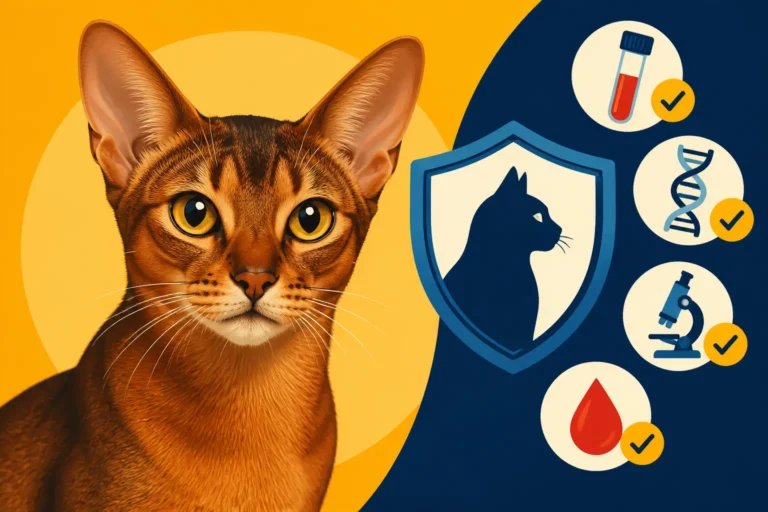
One of the primary reasons professional dental work carries a significant cost is the necessity of anesthesia. Unlike dogs, most cats, especially energetic Abyssinians, simply will not tolerate a thorough dental cleaning, scaling, and polishing while awake. Anesthesia allows the veterinary team to perform a complete and safe procedure, but it also adds layers of complexity and cost. Before your Abyssinian goes under, your vet will likely recommend pre-anesthetic blood work to assess organ function and ensure they are a good candidate for anesthesia. This screens for underlying issues that could complicate the procedure.
During the procedure, your cat will be closely monitored by a dedicated veterinary nurse, who tracks vital signs like heart rate, respiration, blood pressure, and oxygen saturation. Anesthetic drugs, oxygen, intravenous fluids, and pain medication are all part of the package to ensure safety and comfort. This meticulous approach to anesthesia significantly reduces risks but also accounts for a large portion of the overall cost. It's a critical safety measure, not an optional add-on, and it contributes to What an Abyssinian Dental Cleaning Costs.
Diagnostic Imaging: X-rays and What They Reveal
You can't treat what you can't see, and much of a cat's dental disease hides below the gumline. This is why full-mouth dental X-rays are not just recommended, but absolutely essential for any comprehensive Abyssinian dental procedure. These X-rays allow the veterinary team to see the roots of the teeth, the bone surrounding them, and detect issues like tooth resorption, abscesses, or fractured roots that would be impossible to spot with a visual exam alone.
Think about it: nearly two-thirds of a tooth is beneath the gumline. Without X-rays, a significant portion of potential problems could go undiagnosed, leaving your Abyssinian in pain or leading to future complications. The cost of dental X-rays includes not only the specialized equipment and digital imaging technology but also the expertise of the vet tech to take the images and the veterinarian to interpret them. This diagnostic step is non-negotiable for thorough care and is a major contributor to the expense, but it's invaluable for truly understanding your cat's oral health.
Procedures: Cleaning, Extractions, and Gingivectomies
Once your Abyssinian is safely anesthetized and X-rays have been taken, the actual dental work begins. This typically involves scaling (removing plaque and tartar from above and below the gumline), polishing (smoothing the tooth surface to deter plaque reattachment), and a thorough charting of every tooth. If issues like tooth resorption or severe periodontal disease are found, extractions may be necessary. This involves carefully removing the diseased tooth, which can be a complex and time-consuming procedure, especially for multi-rooted teeth. What Extracting an Abyssinian's Teeth Costs can vary greatly depending on the number and difficulty of the extractions.
For Abyssinians prone to gingival hyperplasia, a gingivectomy might also be required. This surgical procedure involves carefully trimming away the overgrown gum tissue to expose the tooth surface and reduce those deep, bacteria-harboring pockets. What a Gingivectomy Involves for an Abyssinian is a delicate process, often performed with a scalpel or laser, and it's essential for restoring healthy gum contours. Each of these procedures, from the basic cleaning to complex extractions or gingivectomies, adds to the time, materials, and expertise required, directly impacting the final bill.
Prevention is Key: Daily Care and Diet
While some dental issues in Abyssinians might be genetically predisposed, a significant portion of dental disease is preventable or manageable with diligent home care and a thoughtful diet. Investing time and effort here can save you considerable heartache and money in the long run.
Establishing a Brushing Routine
The single most effective way to combat plaque and tartar buildup in your Abyssinian's mouth is daily tooth brushing. Yes, daily! This might sound daunting for a cat that rarely sits still, but it's crucial. Start when your Abyssinian is a kitten, making it a positive, short experience with feline-specific toothpaste (never human toothpaste!) and a soft finger brush or a pet toothbrush. Even a few seconds of brushing each day, focusing on the outside surfaces of the back teeth, can make a huge difference. The goal is mechanical removal of plaque before it hardens into tartar.
If your Abyssinian absolutely refuses a brush, don't despair. There are dental wipes, dental gels, and oral rinses that can offer some benefit, though they are generally less effective than brushing. The key is consistency. Make it a ritual, perhaps right before a favorite treat or play session. Think of it as investing ten minutes a day to potentially avoid hundreds or thousands of dollars in vet bills. This consistent effort is especially critical given Why Home Dental Care Starts Early in an Abyssinian to prevent issues from taking root.
Dietary Considerations for Dental Health
While brushing is paramount, diet also plays a role in supporting your Abyssinian's dental health. Some dry kibble diets are specifically formulated as "dental diets" with larger, uniquely shaped kibble designed to gently scrape plaque off teeth as the cat chews. Look for brands that have the Veterinary Oral Health Council (VOHC) seal of acceptance, as this indicates they've been proven to reduce plaque and/or tartar. However, even these diets are not a substitute for brushing.
For Abyssinians, who are known to need plenty of moisture in their diet, a wet food regimen is also important for overall health, including kidney function, especially with their amyloidosis risk. Wet food does not offer the same "scraping" action as some dental kibble, so if your Abyssinian primarily eats wet food, your brushing efforts become even more critical. Treats can also contribute to dental issues if they're sticky or high in sugar. Opt for VOHC-approved dental treats or simple, lean protein treats in moderation. Brands like Chewy offer a wide range of VOHC-approved dental products and foods specifically designed to support oral health.
The Limits of Dental Chews and Additives
It's tempting to think that dental chews, water additives, or food additives can magically solve all dental problems. Unfortunately, for a breed like the Abyssinian with its specific predispositions, these products are generally only effective as supplements to a diligent brushing routine and professional care, not replacements. Many dental chews simply don't provide enough mechanical abrasion to clean teeth effectively, and some can even be too hard, risking tooth fractures.
Water additives and oral rinses can help reduce bacteria in the mouth and freshen breath, but they won't remove existing plaque or tartar. Think of them as breath mints for your cat – they might mask the problem but don't address the underlying cause. If you're using any of these products, always ensure they are vet-approved and, ideally, carry the VOHC seal. Never rely solely on them; they are a small piece of a much larger dental care puzzle, especially when facing issues like Why Toothbrushing Fails on an Untreated Abyssinian when gum overgrowth or severe plaque is already present.
Budgeting for Your Abyssinian's Dental Health
Understanding that dental care will be a significant expense for your Abyssinian is the first step in responsible ownership. Proactive budgeting and smart financial planning can soften the blow and ensure your cat receives the best possible care without undue stress on your wallet.
Pet Insurance and Dental Coverage
Pet insurance can be a lifesaver for unexpected veterinary expenses, and it's worth investigating for your Abyssinian, particularly given their dental proclivities. Many pet insurance plans, like those offered by Healthy Paws, offer coverage for accidental injuries and illnesses, which can include dental disease that requires extractions or other treatments. However, it's crucial to read the fine print regarding dental coverage. Some plans may only cover dental issues stemming from accidents, while others might cover a percentage of routine cleanings or treatments for periodontal disease, provided you maintain preventative care.
Pre-existing conditions are usually excluded, so it's best to enroll your Abyssinian when they are young and healthy. Some plans might have limits on dental benefits or require a yearly dental exam and cleaning to maintain coverage for future dental-related claims. Comparing different providers and their specific dental clauses is essential to find a plan that aligns with your Abyssinian's potential needs and your budget. It's often debated, but for many Abyssinian owners, the cost of pet insurance often pales in comparison to the potential cost of a single major dental procedure.
Setting Aside an Emergency Fund
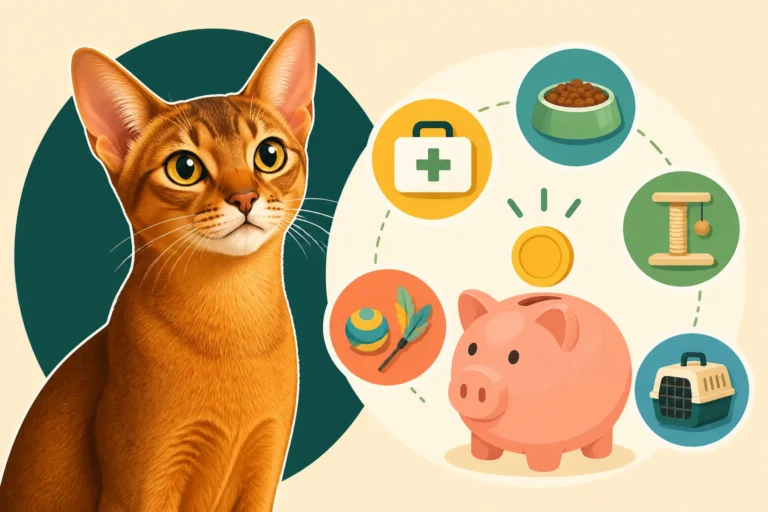
Even with pet insurance, deductibles, co-pays, and services not fully covered can add up. This is where an emergency fund specifically for your pet's healthcare comes into play. Designate a savings account and regularly contribute to it, even if it's a small amount each month. Aim to build up a fund that could cover at least one significant dental procedure, including anesthesia, X-rays, and potential extractions. This financial cushion provides immense peace of mind.
Imagine your Abyssinian suddenly needs multiple extractions due to tooth resorption, a scenario that is sadly not uncommon for the breed. If you have an emergency fund, you can make decisions based on your cat's health needs, rather than being solely driven by financial constraints. This fund also covers routine dental cleanings that might not be fully covered by insurance, ensuring your cat receives How Often an Abyssinian Needs Its Teeth Cleaned to keep major issues at bay. It's truly a critical part of knowing Why an Abyssinian Needs a Dental Fund.
The Long-Term Cost-Benefit of Proactive Care
It might seem counterintuitive to spend money on daily brushing and yearly professional cleanings when your Abyssinian appears perfectly fine. However, dental disease is progressive. The less you do proactively, the more expensive and painful it becomes down the road. Neglecting early gingivitis can lead to advanced periodontal disease, painful abscesses, and the need for multiple extractions. These severe conditions often require more prolonged anesthesia, more complex surgical procedures, and more intensive post-operative care, all of which drive up costs dramatically.
Consider this: a yearly professional cleaning might cost a certain amount, but if you skip it for several years and your cat develops severe periodontal disease requiring multiple extractions and antibiotics, the bill could easily be several times higher. Not to mention the pain and compromised health your Abyssinian endures. Proactive care is truly an investment in your cat's long-term health and your financial stability. It's about saving money by spending wisely on prevention, rather than reacting to crises. It's the reason Why an Abyssinian Dental Work Is the Biggest Line in the Budget is a reality, but it doesn't have to be financially devastating if you plan ahead.
Long-Term Impact of Untreated Dental Disease
Beyond the immediate pain and expense, ignoring your Abyssinian's dental problems can have serious and lasting repercussions for their overall health and quality of life. Dental disease isn't just a mouth issue; it's a systemic problem that can impact vital organs and shorten your beloved cat's lifespan.
Systemic Health Complications
The mouth is a gateway to the rest of the body. When severe dental disease, particularly periodontal disease, goes untreated, the bacteria from the infected gums can enter the bloodstream. This bacteremia can then travel throughout the body, setting up infections and inflammation in distant organs. The most common organs affected are the heart, kidneys, and liver. Chronic inflammation and infection place a continuous strain on these organs, potentially leading to conditions like heart valve infections or exacerbating existing kidney disease.
For Abyssinians, who already have a predisposition to kidney issues like renal amyloidosis, adding the burden of chronic dental infection is a significant risk factor. It's a silent threat that can slowly erode their health from the inside out. Owners often wonder What Kidney Failure Looks Like in a Young Abyssinian, and while dental disease isn't a direct cause, it certainly can accelerate the progression of underlying conditions, turning a manageable health issue into a crisis faster than you'd expect. The long-term medical management for these systemic issues can be far more costly and impactful on your cat's quality of life than addressing the dental problems early on.
Quality of Life for Your Abyssinian
Think about how miserable you feel with a toothache. Now imagine living with chronic dental pain, silently, for months or even years. Untreated dental disease robs your Abyssinian of their joyful, energetic spirit. They might become lethargic, withdrawn, or irritable. Eating, which should be a pleasurable activity, can become agonizing. This can lead to weight loss and nutritional deficiencies. They might stop grooming themselves as meticulously, leading to a dull, unkempt coat.
Their ability to play, explore, and interact with you and their environment is significantly diminished when they are constantly in pain. A cat suffering from dental disease isn't just an expense; it's a compromised life. Their vibrant personality, their clownish antics, their curious nature – all these beloved traits can be overshadowed by chronic discomfort. Providing prompt and consistent dental care is an act of compassion that ensures your Abyssinian can continue to live their life to the fullest, free from unnecessary pain.
Lifespan Considerations
Ultimately, chronic, untreated dental disease can contribute to a shorter lifespan for your Abyssinian. The cumulative effect of systemic inflammation, organ damage, and constant pain takes a toll. While the Abyssinian generally enjoys a relatively long life, often The Twelve to Fifteen Years an Abyssinian Usually Gets, neglecting something as fundamental as dental health can certainly chip away at those precious years.
Every time your cat goes under anesthesia for dental work, it prolongs their life by addressing a painful, health-compromising condition. It allows them to eat properly, reduces systemic inflammation, and alleviates chronic pain, all of which contribute to a higher quality of life and a greater chance of reaching their full genetic lifespan potential. This perspective really highlights the gravity of dental care – it's not just about their teeth, it's about their entire life.
Finding the Right Veterinary Partner for Abyssinian Dental Care
The expertise of your veterinary team is paramount when it comes to your Abyssinian's dental health. Not all clinics or veterinarians have the same level of equipment, training, or philosophy when it comes to feline dentistry. Finding a vet who understands the unique needs of your Abyssinian can make all the difference.
Questions to Ask Your Veterinarian
When choosing a vet for your Abyssinian's dental care, don't be afraid to ask detailed questions. You're entrusting them with your cat's health and your financial investment. Ask about their dental philosophy: do they recommend full-mouth X-rays for every dental procedure? Do they have a dedicated veterinary technician monitoring anesthesia? What kind of pain management protocols do they use before, during, and after a dental procedure?
Inquire about their equipment: do they use modern dental radiography, ultrasonic scalers, and high-speed dental drills? Are they experienced in performing gingivectomies or complex extractions? Understanding their approach and capabilities will help you feel more confident in their care. It's also wise to ask for an estimated cost breakdown for typical procedures, including pre-anesthetic bloodwork, anesthesia, scaling, polishing, X-rays, and potential extractions. This will give you a clearer picture of what to budget for.
Specializing in Feline Dental Health
Some veterinary practices or individual veterinarians have a particular interest or even advanced training in feline dentistry. While you might not always have access to a board-certified veterinary dentist, seeking out a practice that prioritizes dentistry and continually invests in staff training and modern equipment can be highly beneficial for your Abyssinian. These clinics often have a deeper understanding of breed-specific predispositions and can offer more advanced diagnostic and treatment options.
They might be more adept at spotting subtle signs of conditions like tooth resorption early on or have more experience with the delicate procedures required for gingival hyperplasia. Don't hesitate to ask your current vet if they refer out for complex dental cases. This isn't a sign of inadequacy; it's a sign of a veterinarian who knows their limits and prioritizes the best possible care for your pet.
Building a Long-Term Relationship
Ideally, you'll find a veterinary practice that you trust and can build a long-term relationship with. Consistent care from a team that knows your Abyssinian's history, temperament, and genetic predispositions is invaluable. They'll be familiar with past dental records, making it easier to track the progression of any ongoing issues or identify new ones. This continuity of care often leads to earlier intervention, which, as we've discussed, can save both pain and money.
A good veterinary team will partner with you, educating you on effective home care techniques, discussing preventative strategies, and helping you make informed decisions about your Abyssinian's dental health. They'll understand that you're investing in your pet's future, not just paying a bill. This partnership is vital in ensuring your Abyssinian receives the comprehensive, ongoing dental care they need to thrive throughout their vibrant life.
A Lifetime of Abyssinian Dental Care: What to Expect
Let's put some context to the discussion of Abyssinian dental care. While specific costs vary wildly by region and veterinary practice, here's a general idea of what a committed Abyssinian owner can anticipate over their cat's lifespan. This isn't to scare you, but to empower you with realistic expectations.
Kitten to Young Adult (0-3 Years)
In the kitten stage, the focus is on prevention and establishing good habits. You'll want to start daily brushing as soon as possible, making it a positive experience. You'll likely encounter When an Abyssinian Kitten's Gums First Go Red and need to address juvenile gingivitis early. This might involve an early veterinary dental exam, potentially even a light cleaning or gingivectomy under sedation if the hyperplasia is severe. These initial interventions, while costing a few hundred, are crucial for setting a healthy foundation. During this phase, you might also be looking into What a Gingivectomy Costs on an Abyssinian Kitten.
| Age | Expected Dental Issues | Common Procedures | Estimated Frequency |
|---|---|---|---|
| 0-1 Year | Juvenile Gingivitis, Gingival Hyperplasia | Home brushing, Gingivectomy (if severe) | At least 1 vet visit for gum checks |
| 1-3 Years | Persistent Gingivitis, Tartar buildup, early Resorption | Yearly professional cleaning with X-rays | Annually |
Middle Age (4-9 Years)
This is often where the reality of Abyssinian dental care truly hits. Even with diligent home care, tartar builds up, and the insidious nature of tooth resorption often begins to manifest. Regular professional cleanings, including full-mouth X-rays, become non-negotiable, typically once a year, sometimes more frequently if gum disease is persistent. You should expect to budget for How Often an Abyssinian Needs Cleaning After a Gingivectomy if that procedure was performed earlier. It's during these years that extractions due to advanced periodontal disease or tooth resorption become increasingly common. Each extraction adds to the cost, so a procedure with multiple extractions can quickly escalate into a substantial expense. This is also where pet insurance can really start to pay off.
Senior Years (10+ Years)
As your Abyssinian enters their senior years, dental health continues to be a critical concern. Their immune system may not be as robust, making them more susceptible to infection. The cumulative effect of years means more teeth are likely to be affected by periodontal disease or resorption. Regular dental exams and cleanings, often every 6-12 months, become even more important. Anesthesia protocols will be tailored for senior cats, potentially including more extensive pre-anesthetic testing to ensure their safety. The focus shifts to managing pain and maintaining comfort, often involving more frequent dental procedures to address new issues as they arise. While Caring for an Abyssinian Past Ten involves many aspects of health, dental care remains a cornerstone for their comfort and overall well-being.
Throughout their life, your Abyssinian will depend on you to prioritize their oral health. While the costs might seem daunting, the investment ensures they live a life free from chronic pain, full of their characteristic joy and energy. It's a commitment, but one that's deeply rewarding for such an amazing breed.
Disclaimer
This article is for general informational purposes only and does not constitute professional advice. Laws, prices and regulations vary by location and change over time. Consult a qualified professional for guidance on your specific situation.