How Often an Abyssinian Needs Cleaning After a Gingivectomy
It’s a frustrating reality for many Abyssinian owners: you’ve gone through the stress and expense of a gingivectomy for your beloved cat, only to wonder, "Is this it, or is this just the beginning?" The truth is, while a gingivectomy offers a crucial reset for overgrown gums, the journey to maintaining your Abyssinian's oral health is an ongoing commitment. This guide will walk you through understanding why Abyssinians are prone to these issues, what to expect after surgery, and most importantly, how to establish a realistic, long-term dental care routine to keep those beautiful smiles healthy.
Understanding the Root Problem: Abyssinian Gingivitis
For many of us who adore Abyssinians, their unique charm and boundless energy are what draw us in. But sometimes, these incredible cats come with a genetic predisposition that can throw a curveball into their health – especially when it comes to their mouths. Juvenile gingivitis in Abyssinians isn't just a bit of red gum; it's a serious condition that can lead to significant pain and tooth loss if not properly managed.
What Juvenile Gingivitis Looks Like
Imagine looking into your kitten's mouth and seeing gums that are puffy, bright red, and perhaps even bleeding slightly when they eat or play. That's often how How Juvenile Gingivitis Starts in an Abyssinian Kitten manifests. It typically begins around six months of age, just as those adult teeth are settling in. Instead of healthy, pale pink gums, you see angry, inflamed tissue. It can be quite alarming, especially if you’re a first-time Abyssinian owner who didn't anticipate such early dental challenges. This isn't your average "bad breath" issue; it’s a visible, sometimes painful, inflammation that demands attention.
The severity can vary, but even mild inflammation is a warning sign. You might notice your energetic Abyssinian becoming a bit pickier with their food, maybe dropping kibble or showing a reluctance to chew. They might shy away from having their mouth touched, or you could even observe a change in their typically pristine grooming habits due to discomfort. These subtle shifts are often the first clues that something is amiss inside their mouth, far beyond what you might expect in a young cat.
Why Abyssinians Are Prone to Gum Overgrowth
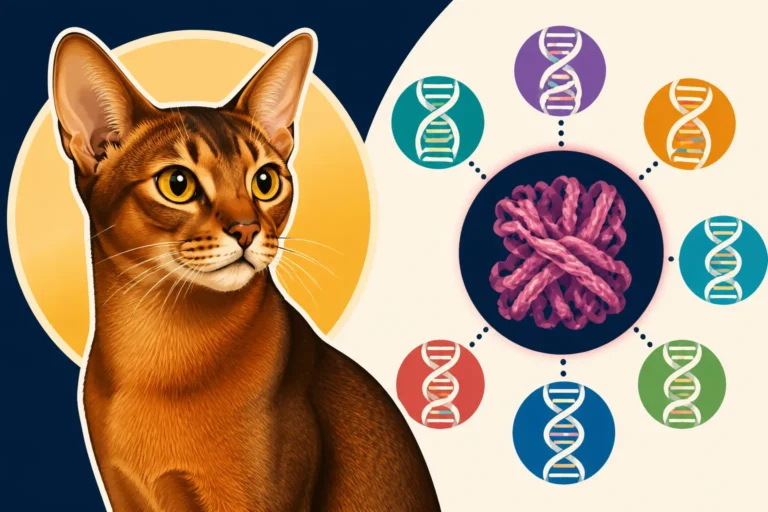
The unfortunate reality is that Abyssinians, along with some other pedigree breeds, are genetically predisposed to a condition called gingival hyperplasia, where their gum tissue simply grows too much. This isn't just poor hygiene; it’s a physiological response that leads to the gums encroaching on the teeth, creating deep pockets where food particles and bacteria thrive, hidden from your toothbrush. It’s an uphill battle from the start for many Abyssinians, making regular care even more critical. If you've ever wondered Why an Abyssinian's Gums Overgrow Its Teeth, this genetic factor is a primary culprit.
This excessive gum tissue provides an ideal breeding ground for plaque and tartar to accumulate rapidly. Even with diligent home brushing, if the gum tissue is already covering a significant portion of the tooth surface, you're not able to effectively clean where it matters most. This is why it’s not just about brushing more; it’s about addressing the underlying issue of gum overgrowth that makes Abyssinians uniquely vulnerable to advanced dental disease at such a young age.
The Impact of Untreated Gingivitis
Ignoring those early signs of red, swollen gums in your Abyssinian kitten is a recipe for disaster. Untreated gingivitis quickly escalates to periodontitis, which affects the bone structures supporting the teeth. This can lead to painful infections, abscesses, and ultimately, tooth loss. It's heartbreaking to see a young cat suffer from dental pain, especially when you know it could have been prevented or managed. The discomfort can significantly impact their quality of life, making eating, playing, and even grooming painful.
Beyond the obvious oral pain, chronic inflammation and infection in the mouth can have systemic effects, potentially impacting other organs as bacteria enter the bloodstream. This is why proper dental care isn't just about fresh breath; it's a cornerstone of overall health and longevity for your Abyssinian. It’s a stark reminder of Why an Abyssinian Loses Teeth Younger Than Most Cats if these issues aren't addressed head-on.
The Gingivectomy Procedure and Immediate Aftercare
When conservative treatments like meticulous home care and professional cleanings aren't enough to manage severe gingival hyperplasia, a gingivectomy often becomes necessary. This surgical procedure, while daunting to consider for your feline friend, is a critical step in restoring oral health and preventing further complications.
What a Gingivectomy Involves
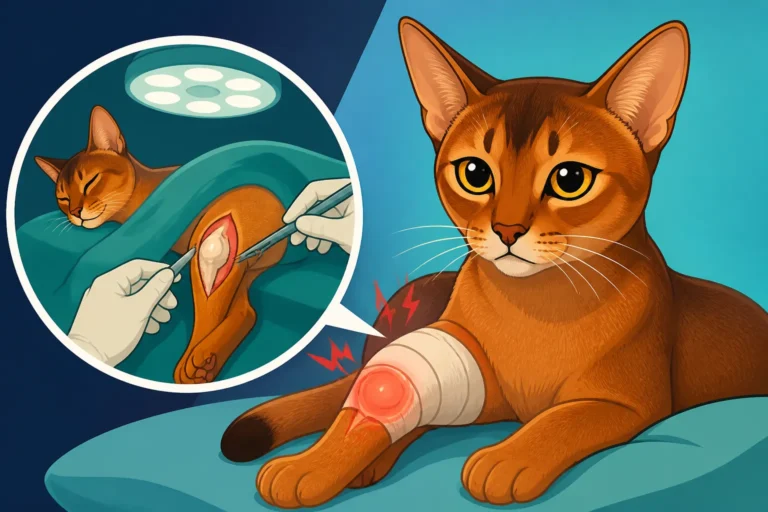
A gingivectomy is essentially a surgical reshaping or removal of overgrown gum tissue. Your veterinary dentist will meticulously trim away the excess gum, exposing more of the tooth surface and eliminating those deep pockets where bacteria hide. This procedure is always performed under general anesthesia, ensuring your Abyssinian is comfortable and still throughout. It sounds intense, and it certainly is a significant procedure, but it's often the only way to effectively treat severe gingival hyperplasia and give your cat a fresh start. If you're wondering What a Gingivectomy Involves for an Abyssinian, it's a precision operation aimed at restoring the natural gumline.
During the procedure, your vet might also perform a thorough professional dental cleaning, scaling away any plaque and tartar that had built up, especially in those previously inaccessible areas. Sometimes, a biopsy of the removed gum tissue is sent to a lab to rule out any other underlying conditions, providing comprehensive care. The goal is to create a healthier oral environment, reducing inflammation and making future home care much more effective.
Initial Post-Procedure Care at Home
Bringing your Abyssinian home after a gingivectomy can feel a bit nerve-wracking. They'll likely be groggy from the anesthesia and might have some discomfort. Your vet will provide pain medication, which is crucial to keep them comfortable during the initial healing phase. You'll need to feed them soft food for a week or two, avoiding anything crunchy that could irritate their healing gums. This period is all about gentle recovery, minimizing strain on their mouth, and closely monitoring for any signs of complications like excessive bleeding or swelling.
It's also a time for patience. Your Abyssinian might not be their usual boisterous self right away. Provide a quiet, comfortable space for them to rest and recuperate. Avoid rough play or anything that encourages them to chew vigorously. Your vet will give you specific instructions on how to administer medications and what to look out for, but generally, the initial healing phase is about minimizing stress and ensuring a smooth recovery before you even think about long-term maintenance. This is where pet insurance, like a plan from Healthy Paws, can be invaluable, helping to cover the often-unexpected costs of such a specialized surgical procedure.
The Importance of Follow-Up
Just like any surgery, a gingivectomy requires careful follow-up. Your vet will typically want to see your Abyssinian a week or two after the procedure to check on the healing gums and ensure everything is progressing as it should. This appointment is critical for identifying any potential issues early and making adjustments to their care plan if needed. It’s your chance to ask any questions that have come up and get reassurance that your cat is on the right track.
Don't underestimate these check-ups. They are not just formalities; they are an integral part of the treatment success. Your vet can confirm that the gum tissue is receding appropriately and not showing immediate signs of re-overgrowth. This vital initial follow-up sets the stage for establishing a sustainable long-term dental care regimen.
Establishing a Long-Term Dental Cleaning Schedule for Abyssinians
The gingivectomy is a reset, but it’s not a cure-all. Because Abyssinians are genetically predisposed to gum overgrowth, maintaining their oral health after the procedure is absolutely critical to prevent recurrence. This means a dedicated, ongoing effort involving both meticulous home care and regular professional dental attention.
Regular Home Care: The Daily Grind
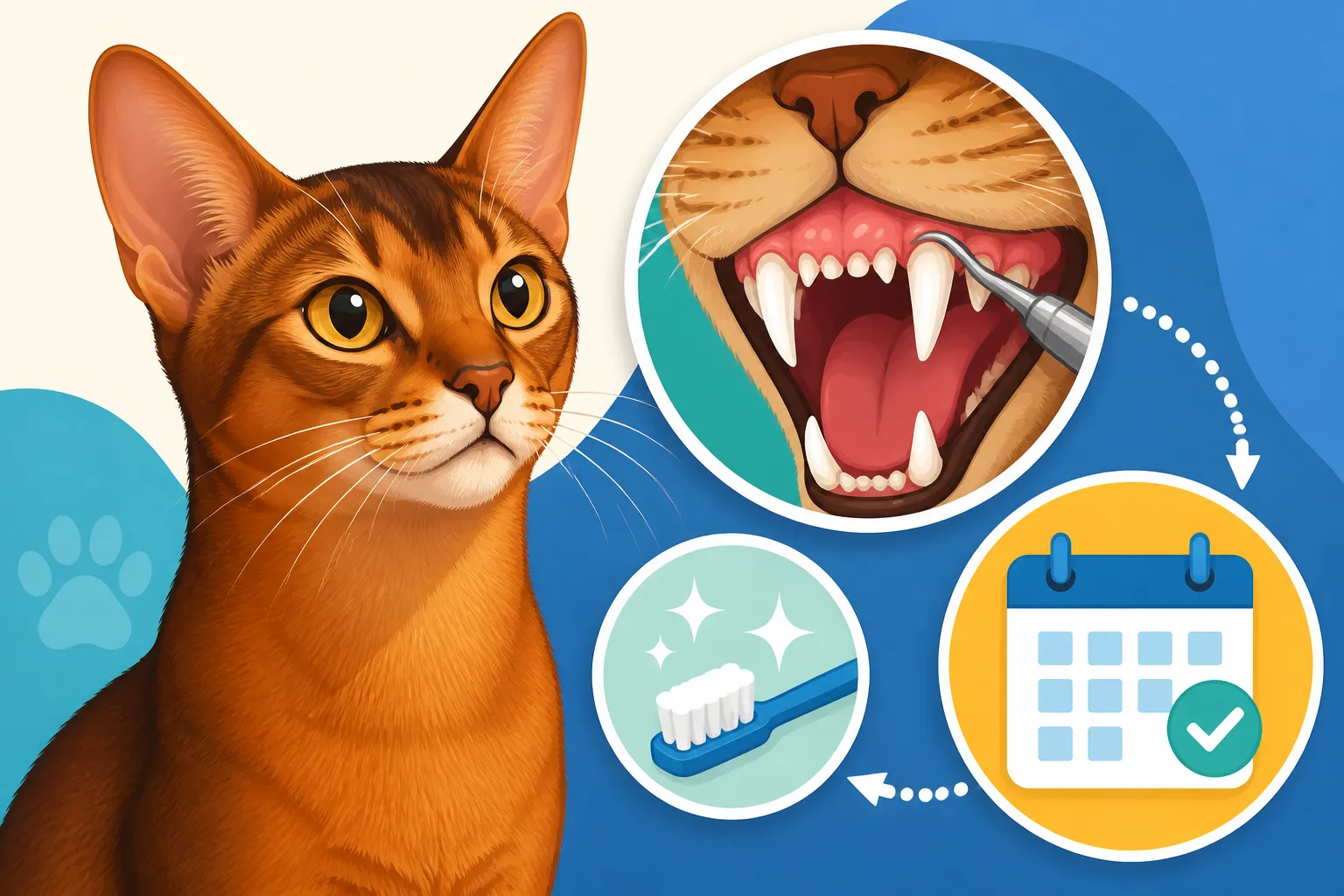
This is where the real work begins, and it’s a commitment, but one that’s incredibly rewarding for your Abyssinian's health. Brushing your cat's teeth daily, or at least every other day, is the single most effective thing you can do at home. You might be thinking, "Brush a cat's teeth? Are you serious?" And yes, I am! Starting with a soft finger brush and cat-specific toothpaste (never human toothpaste!) and gradually transitioning to a small, soft toothbrush can make a huge difference. Consistency is key, even if it’s just for a minute or two. This is directly related to Why Home Dental Care Starts Early in an Abyssinian.
Beyond brushing, incorporating other dental aids can be helpful, though they are never a substitute for brushing. Dental treats, water additives, and specialized dental diets can play a supportive role. For example, some dental diets are designed with kibble that scrubs the teeth as your cat chews, and certain additives can help reduce plaque formation. However, always discuss these options with your vet to ensure they are appropriate for your individual Abyssinian's needs and don't interfere with any other health considerations. Remember, the goal is to keep those gum margins clean and prevent plaque from accumulating and irritating the newly sculpted gumline.
Professional Dental Cleanings: How Often is Enough?
Now to the core question: How often does an Abyssinian need cleaning after a gingivectomy? Given their predisposition, more frequently than the average cat. While many cats might get a professional cleaning every 1-2 years, an Abyssinian who has had a gingivectomy often benefits from annual, or even bi-annual, professional dental cleanings. This is a critical point to discuss with your vet, as the exact frequency will depend on the severity of their initial condition, the success of the gingivectomy, and how diligent you are with home care. It’s a significant financial commitment, as Why Abyssinian Dental Work Is the Biggest Line in the Budget often highlights, but it’s an investment in their comfort and health.
During these professional cleanings, performed under anesthesia, your vet will thoroughly scale and polish all tooth surfaces, both above and below the gumline. They will also perform a comprehensive oral examination, checking for any signs of gum recurrence, new plaque buildup, or other issues. Dental X-rays are often taken to assess the health of the tooth roots and underlying bone, catching problems that aren't visible to the naked eye. This proactive approach is essential for an Abyssinian, as early intervention is always better than waiting for problems to become severe.
Here’s a general guideline for dental cleaning frequency post-gingivectomy:
| Factor | Recommended Professional Cleaning Frequency | Notes |
|---|---|---|
| High Recurrence Risk | Every 6-9 months | If gingival hyperplasia returns quickly, or home care is challenging. |
| Moderate Recurrence Risk / Good Home Care | Every 9-12 months | Typical for many Abyssinians post-gingivectomy, especially with diligent daily brushing. |
| Low Recurrence Risk / Excellent Home Care | Every 12-18 months | Rare for Abyssinians with a history of gingivectomy, but possible with exceptional management. |
| Any signs of discomfort or bad breath | Immediate Vet Visit | Don't wait for the scheduled cleaning if you notice concerning symptoms. |
It's important to recognize that this schedule is a starting point, and your vet will tailor it to your specific cat. This diligent approach is also Why an Abyssinian Needs Dentals More Often than many other breeds.
Monitoring for Recurrence and Other Issues
Even with the best home care and regular professional cleanings, vigilant monitoring is key. Abyssinians can be stoic and might hide discomfort until it's quite advanced. Regularly check your cat's gums at home – look for redness, swelling, or any signs that the gum tissue is starting to grow back over the teeth. Pay attention to their eating habits, breath odor, and overall demeanor. Any changes could signal a problem.
Beyond gingival recurrence, Abyssinians are also prone to other dental issues like tooth resorption, where the tooth structure erodes. These issues are often painful and can only be diagnosed through a thorough veterinary examination and X-rays. So, while you're focused on preventing gum overgrowth, remember the importance of a comprehensive approach to their entire oral health. Regular vet check-ups, even beyond the dental ones, are crucial, as highlighted in What an Abyssinian's Annual Checkup Costs.
Factors Influencing Your Abyssinian's Dental Schedule
While we aim for a general guideline, every Abyssinian is an individual, and their specific dental cleaning schedule post-gingivectomy will be influenced by several factors. Understanding these can help you work with your vet to create the most effective, personalized plan.
Age and Genetic Predisposition
As mentioned, Abyssinians are unfortunately often dealt a tricky hand genetically when it comes to their gums. This predisposition doesn't magically disappear after a gingivectomy. If your Abyssinian developed severe juvenile gingivitis at a young age, it's a strong indicator that they will need more frequent monitoring and intervention throughout their lives. A kitten that required a gingivectomy at six months, for instance, is likely to be on a more intensive dental schedule than an older Abyssinian who developed milder gingivitis later in life. The earlier and more severe the onset of the problem, the more proactive you'll likely need to be with follow-up cleanings and home care. This is especially true for the concern of Why an Abyssinian Kitten's Gums Fail at Six Months.
Furthermore, the specific lineage of your Abyssinian might play a role. While it’s not always easy to trace, some breeding lines might have a stronger genetic propensity for severe gingival hyperplasia. Your breeder might have insights into the dental history of your cat's parents and siblings, which can offer valuable clues about what to expect. This kind of genetic insight, unfortunately, means we often need to be more proactive with dental care for Abyssinians, rather than reactive.
Diet and Lifestyle Considerations
What your Abyssinian eats can also impact the rate of plaque and tartar buildup, although it doesn't prevent gingival hyperplasia itself. A diet consisting primarily of wet food, while excellent for hydration, offers less abrasive action than dry kibble, which can sometimes help mechanically scrub teeth. However, specialized dental diets are formulated with unique kibble shapes and textures designed to provide a gentle cleaning action as the cat crunches. Discussing diet with your vet can help you choose the best option for your cat, balancing dental health with their overall nutritional needs.
Beyond diet, your Abyssinian's overall lifestyle and temperament also play a role in home care. An Abyssinian that tolerates daily tooth brushing from a young age will naturally accumulate less plaque and may stretch the intervals between professional cleanings slightly longer. Conversely, a cat that fiercely resists any oral manipulation might require more frequent veterinary intervention. It's a balance, and understanding your cat's personality and finding strategies that work for both of you is crucial for long-term success. Even picking Which Toothbrush Suits an Abyssinian can make a difference in how well they tolerate brushing.
The Role of Veterinary Dental Specialists
Sometimes, the standard veterinary care, while excellent, might not be enough for particularly stubborn cases of gingival hyperplasia or for Abyssinians with recurrent issues. This is where a board-certified veterinary dental specialist can be an invaluable resource. These specialists have advanced training and equipment to handle complex dental cases, offering treatment options that might not be available at a general practice. They can provide a more in-depth assessment, recommend advanced surgical techniques if necessary, and help tailor an extremely precise long-term management plan.
If your Abyssinian's gums are recurring rapidly after a gingivectomy, or if you're struggling to manage their oral health despite diligent efforts, your regular vet might recommend a referral to a dental specialist. This isn't a sign of failure, but rather a commitment to providing the highest level of care for your beloved companion. These specialist consultations and treatments can be expensive, and having a comprehensive pet insurance policy, such as one from Healthy Paws, can certainly alleviate some of the financial burden, allowing you to prioritize the best possible care without undue stress.
Disclaimer
This article is for general informational purposes only and does not constitute professional advice. Laws, prices and regulations vary by location and change over time. Consult a qualified professional for guidance on your specific situation.