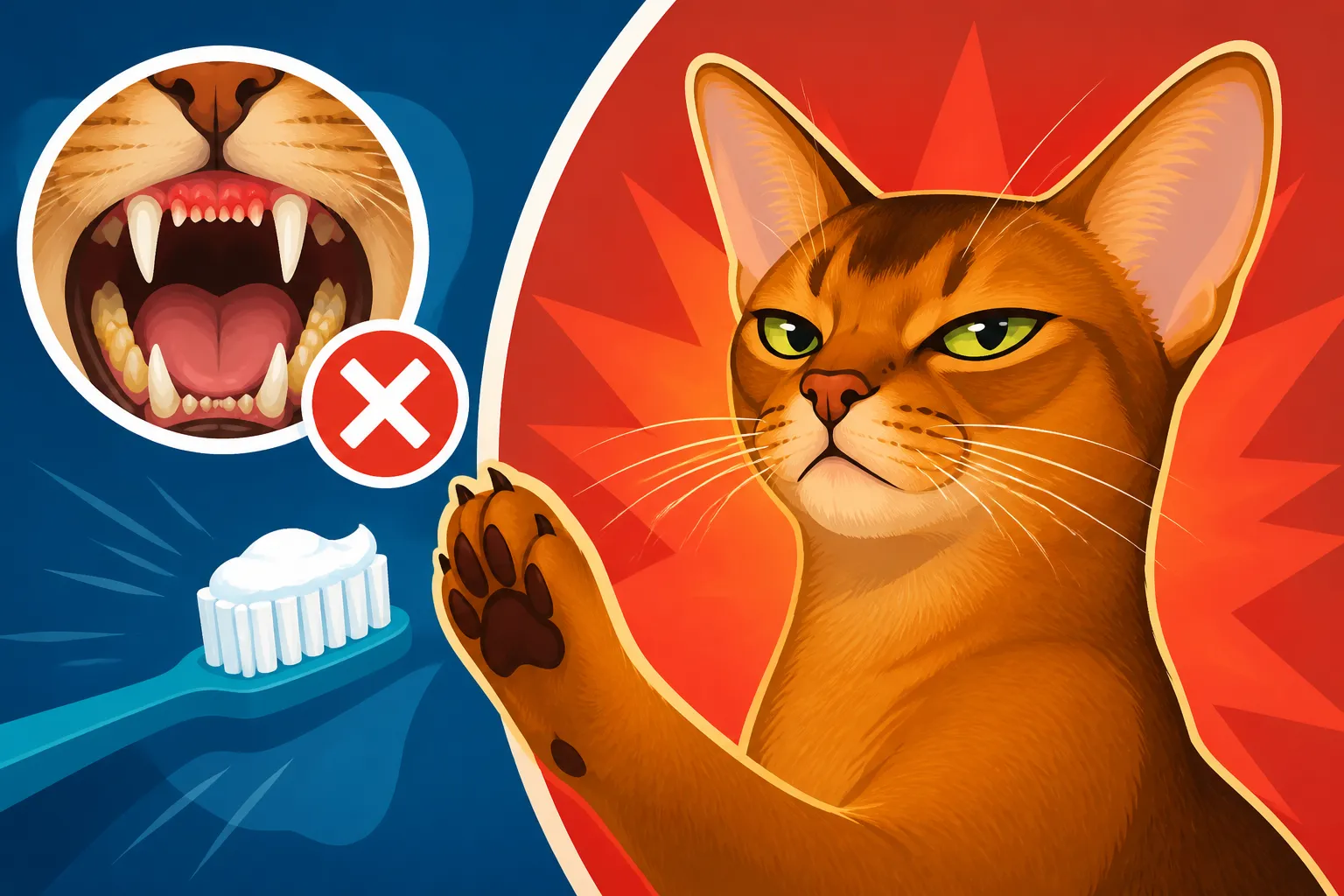
Why Toothbrushing Fails on an Untreated Abyssinian
It's incredibly frustrating, isn't it? You get your adorable Abyssinian kitten, full of boundless energy and charm, and you’re determined to do everything right. You buy the special cat toothpaste and brush, you try to make it a routine, but it feels like you're fighting a losing battle. The truth is, if your Abyssinian's dental health isn't on the right track from an early age, toothbrushing alone, no matter how diligently you try, will often feel like it's failing. This guide will dive deep into why that's the case and what needs to happen to truly protect your Abyssinian's precious smile.
Understanding the Unique Abyssinian Dental Challenge
Abyssinians, for all their athletic grace and playful antics, come with a predisposition to a particular dental issue that can completely derail even the most dedicated toothbrushing regimen: juvenile hyperplastic gingivitis. It's a fancy term for something quite common and very real for many Aby owners. Unlike other breeds where gingivitis might progress slowly, Abyssinians can experience an aggressive form, often starting when they're mere kittens.
The Early Onset of Juvenile Gingivitis
Imagine your kitten, just a few months old, still figuring out the world and pouncing on everything. This is precisely when this condition can quietly begin. Typically, around six to nine months of age, when the adult teeth are fully erupting, some Abyssinians start to show signs of inflammation in their gums. It's not just a little redness; it's a significant immune response to plaque bacteria, far more exaggerated than what you'd see in most other breeds.
This isn't a failure on your part as an owner. It’s a genetic lottery that some Abyssinians unfortunately "win." While we are taught that daily brushing prevents gingivitis, in these predisposed cats, the gingivitis often takes root before daily brushing can truly establish a protective barrier. By the time many owners try to start a consistent routine, the inflammation is already present, making the experience uncomfortable or even painful for the kitten, which leads to resistance, making consistent brushing nearly impossible. It’s a vicious cycle where discomfort prevents the very act that could help, if only the underlying inflammation wasn't so severe. For more on this, you might find insight in our piece on How Juvenile Gingivitis Starts in an Abyssinian Kitten.
When Gum Tissue Overgrows the Teeth
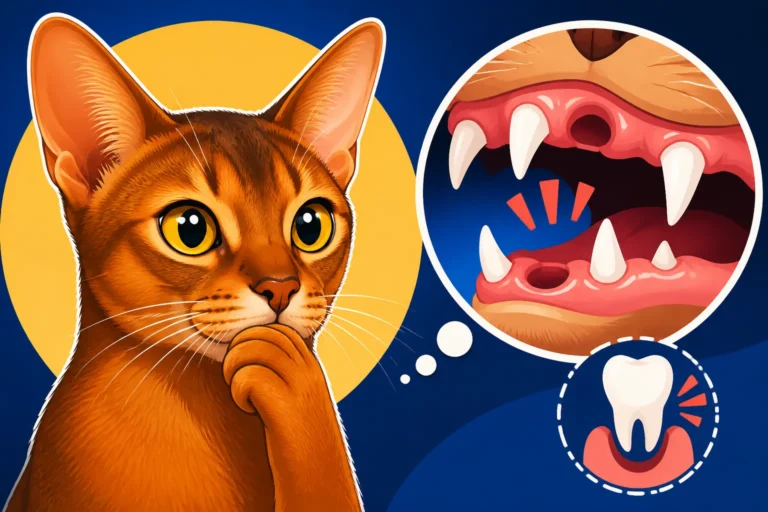
The next, even more frustrating stage in this dental saga for an untreated Abyssinian is when the inflamed gum tissue doesn't just stay red and swollen but actually starts to grow over the teeth. This is called gingival hyperplasia, and it's a direct, severe consequence of that initial, aggressive juvenile gingivitis. Picture trying to clean a tooth that is partially submerged under a puffy, irritated blanket of gum tissue. It's practically impossible.
This overgrown tissue creates deeper pockets around the teeth, which become perfect breeding grounds for bacteria. Food particles get trapped, plaque accumulates rapidly, and the bacteria thrive, further exacerbating the inflammation and causing even more tissue growth. It’s a self-perpetuating problem. Not only does it make effective brushing impossible, but the overgrown tissue itself can become painful and prone to bleeding. Imagine trying to brush your own teeth if your gums were swollen, bleeding, and covering half your tooth surface – you simply couldn't do it thoroughly, and it would hurt. This is why for Abyssinians with this condition, regular brushing becomes entirely ineffective and often quite distressing for the cat. Our article on How Overgrown Gum Tissue Buries an Abyssinian's Teeth offers a deeper dive into this specific challenge.
Why Brushing Alone Becomes Futile
Once gingival hyperplasia sets in, toothbrushing transforms from a preventative measure into a futile exercise. You're no longer just removing surface plaque; you're trying to reach areas that are anatomically blocked or too sensitive to touch.
Physical Barriers and Pain
The most obvious reason brushing fails is the physical barrier created by the overgrown gums. Your toothbrush bristles simply can't reach the tooth surface where the bacteria are accumulating. They glide over the inflamed, puffy tissue, rather than making contact with the tooth itself. It’s like trying to sweep a floor when half of it is covered by a thick, uneven rug that you can’t lift.
Beyond the physical obstruction, there's the intense pain and sensitivity. Those overgrown gums are often chronically inflamed, making them tender and prone to bleeding. An Abyssinian, already known for its sensitive nature, will understandably resist any attempt to touch these painful areas. What started as a good intention to brush their teeth quickly turns into a struggle, reinforcing negative associations with the toothbrush. If your cat is swatting at the brush, hiding, or even showing signs of aggression when you bring out the dental tools, it's a clear signal that something is wrong. Trying to push through that pain is not only unkind but ultimately fruitless, as you won't be able to achieve the thorough cleaning needed.
The Ineffectiveness Against Deep-Seated Issues
Toothbrushing is designed to mechanically remove plaque from the visible surfaces of the teeth and along the gum line before it hardens into calculus. It’s a surface-level solution for a surface-level problem. However, with juvenile hyperplastic gingivitis, the problem quickly becomes more deeply rooted.
The deep pockets created by overgrown gums harbor bacteria that are out of reach of even the most expertly wielded cat toothbrush. These bacteria contribute to subgingival plaque and calculus formation, which then further irritate the gums and accelerate the disease process. At this point, no amount of brushing is going to address the bacterial load deep within these pockets, nor will it reduce the swollen, hyperplastic tissue. This is a job for a professional dental cleaning under anesthesia, where specialized instruments can reach below the gum line and remove hardened calculus. Trying to treat it with a toothbrush is akin to trying to fix a leaking pipe with a plaster – it just won’t hold. This condition is also why An Abyssinian Needs Brushing Once a Week and No More might be an understatement in severe cases, requiring more direct interventions.
What an "Untreated Abyssinian" Really Means
When we talk about toothbrushing failing on an "untreated Abyssinian," we're really talking about a cat whose specific dental predispositions haven't been properly identified and managed by veterinary intervention. It’s not about neglecting basic care; it’s about needing a higher level of care from the outset.
Ignoring the Underlying Inflammation
An "untreated" Abyssinian, in this context, is one whose juvenile gingivitis and subsequent gum overgrowth have been allowed to progress without professional assessment and treatment. This isn't just a cosmetic issue; it's a chronic inflammatory condition that impacts their overall health and comfort. Left unchecked, the inflammation can spread, leading to pain when eating, reduced appetite, and even systemic health issues if bacteria from the mouth enter the bloodstream.
Many owners assume that a little redness is normal for a kitten, or that they just need to try harder with brushing. But with Abyssinians, that "little redness" can quickly escalate. It’s vital to recognize that these aren’t typical dental woes that can be brushed away. Ignoring the underlying inflammation means you're trying to put out a forest fire with a watering can. The underlying biological response needs to be addressed before any amount of routine home care can be effective. Our article on Why an Abyssinian Kitten's Gums Fail at Six Months emphasizes the urgency of early intervention.
The Need for Veterinary Intervention Beyond Brushing
For Abyssinians prone to severe juvenile gingivitis and hyperplasia, true "treatment" almost always involves more than just a toothbrush. It starts with a comprehensive veterinary dental exam, often requiring sedation to get a proper look at what’s going on below the visible gum line. Once diagnosed, the primary intervention is usually a procedure called a gingivectomy.
A gingivectomy is a surgical procedure where the excess, overgrown gum tissue is carefully trimmed away, restoring the normal gum contour and eliminating those deep, bacteria-harboring pockets. This procedure is crucial because it removes the physical barrier and the chronic source of inflammation, finally making effective home care possible. Without this step, brushing remains a losing battle. Think of it as clearing out the dense undergrowth so you can actually maintain the garden. After a gingivectomy, with the gums healthy and properly contoured, daily toothbrushing then becomes a highly effective tool for maintaining that health. Without this crucial step, you're just treading water. To learn more about this procedure, check out What a Gingivectomy Involves for an Abyssinian.
It's also important to remember that these procedures can be costly. This is where a good pet insurance plan like those offered by Healthy Paws can be a lifesaver. Early diagnosis and intervention can reduce future complications, but the initial treatment itself can add up. Planning for these potential expenses is a crucial part of responsible Abyssinian ownership.
The Role of Consistent Professional Dental Care
Even after a gingivectomy, an Abyssinian prone to this condition often requires a more rigorous ongoing dental care plan than other cats. This means diligent daily home brushing and consistent professional veterinary cleanings. Because they are predisposed to this type of gum tissue overgrowth, there's always a risk of it recurring.
Your vet will likely recommend regular check-ups, potentially every six months, to monitor their gum health closely. Professional dental cleanings under anesthesia, often annually or even semi-annually depending on the severity of their individual case, will be essential to remove any plaque or calculus that accumulates despite home care, and to address any re-growth of hyperplastic tissue before it becomes a major problem again. Without this consistent professional oversight and cleaning, the benefits of initial interventions like a gingivectomy can quickly be lost, and you’ll find yourself back at square one, wondering why your toothbrushing efforts are once again falling short. Our guide on How Often an Abyssinian Needs Its Teeth Cleaned delves into the frequency of these vital professional visits.
The Path to a Healthy Abyssinian Smile
So, if toothbrushing alone often fails for an untreated Abyssinian, what is the real solution? It's a combination of early detection, appropriate veterinary intervention, and then consistent, informed home care.
Early Detection and Proactive Veterinary Visits
The single most important step is early detection. From the moment you bring your Abyssinian kitten home, establish a routine of regularly checking their gums. Look for any redness, swelling, or signs of discomfort, especially around the six-month mark when adult teeth are coming in. Don't assume a little redness is normal, particularly with this breed.
Schedule regular vet visits for your kitten, and explicitly discuss their dental health. Ask your vet to pay close attention to the gums. If your vet isn't familiar with juvenile hyperplastic gingivitis in Abyssinians, don't hesitate to seek a second opinion from a veterinary dentist. Being proactive and catching these issues early can make a massive difference in preventing more severe problems down the line. It's much easier to manage gingivitis before it progresses to significant hyperplasia. This early vigilance can literally save your Abyssinian from a lifetime of dental pain. Remember, a vet visit for monitoring gums is a small price to pay compared to extensive dental surgery later. Investing in pet insurance like Healthy Paws when your cat is young and healthy can also provide peace of mind for these potential future dental needs.
Implementing a Comprehensive Dental Care Plan
Once any underlying issues like gingivitis or hyperplasia have been addressed by your veterinarian, you can then truly implement an effective home dental care plan. This plan should include:
- Daily Brushing with Appropriate Tools: Now that the gums are healthy and not overgrown, daily brushing can actually work. Use a soft-bristled cat toothbrush and veterinary-approved enzymatic toothpaste. Focus on the outside surfaces of the teeth, gently brushing along the gum line.
- Dental-Specific Diets or Treats: While never a substitute for brushing or professional cleanings, some veterinary dental diets or treats are specifically formulated to help reduce plaque and tartar buildup. Look for products with the Veterinary Oral Health Council (VOHC) seal of acceptance.
- Regular Oral Inspections: Continue to check your Abyssinian’s mouth weekly. Look for any signs of returning redness, swelling, or changes in behavior around their mouth. The goal is to catch any recurrence of issues before they become severe.
- Consistent Professional Cleanings: Adhere strictly to your vet's recommendations for professional dental cleanings under anesthesia. For Abyssinians prone to juvenile gingivitis, these are not optional; they are a critical part of maintaining long-term oral health. These appointments will include scaling, polishing, and a thorough examination of each tooth. Knowing What an Abyssinian's Annual Checkup Costs and budgeting for routine dental care is essential.
Table: Effectiveness of Toothbrushing for Abyssinian Dental Health
| Condition of Abyssinian Gums | Impact on Toothbrushing Efficacy | Recommended Actions |
|---|---|---|
| Healthy Gums | Highly Effective | Daily brushing, regular vet check-ups. |
| Mild Gingivitis | Moderately Effective | Daily brushing, increased vigilance, professional cleaning if not improving. |
| Severe Juvenile Gingivitis | Poorly Effective | Vet consultation immediately, professional cleaning, potential medication. |
| Gingival Hyperplasia | Ineffective and potentially painful | Vet consultation immediately, gingivectomy, followed by diligent home care. |
| Post-Gingivectomy / Treated | Highly Effective | Daily brushing, consistent professional cleanings, regular vet monitoring. |
This table clearly illustrates that while brushing is a cornerstone of dental health, its efficacy is entirely dependent on the underlying condition of your Abyssinian's gums.
Remember, your Abyssinian's vibrant personality deserves a pain-free mouth. Don't let the frustration of ineffective toothbrushing deter you from providing the comprehensive dental care they truly need. Early action, working closely with your vet, and potentially having the financial safety net of pet insurance like Healthy Paws, are the keys to a happy, healthy Aby.
Disclaimer
This article is intended for informational purposes only and does not constitute veterinary advice. Always consult with a qualified veterinarian for any health concerns or before making any decisions about your pet's medical care. Dental health in Abyssinian cats, especially concerning juvenile gingivitis and hyperplasia, requires professional diagnosis and treatment.